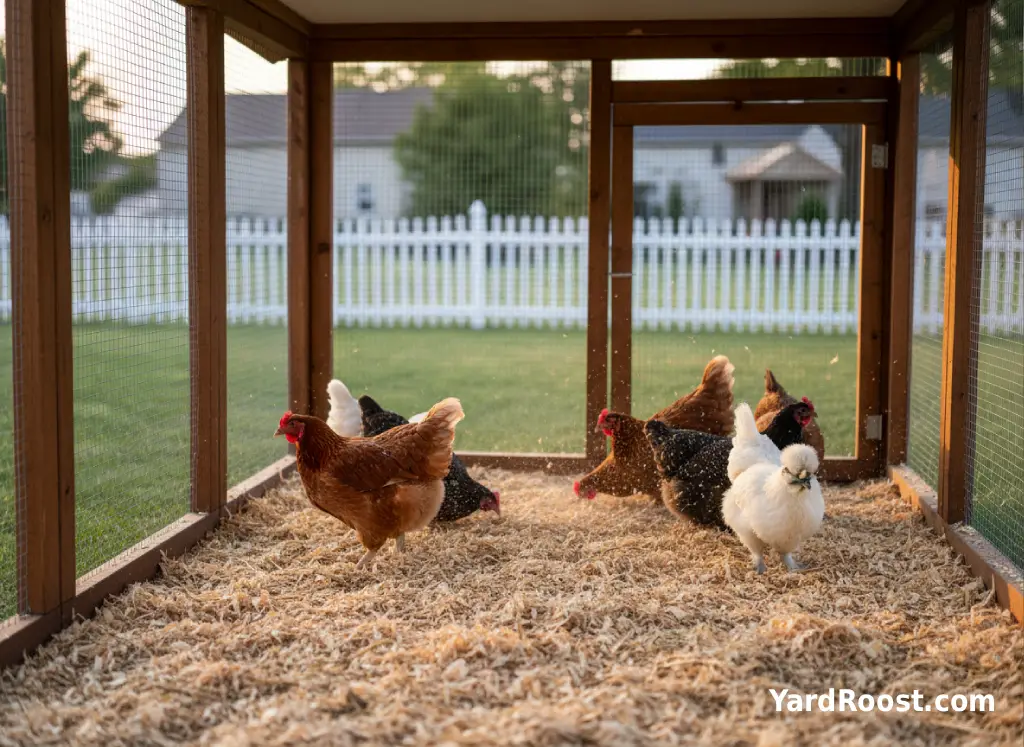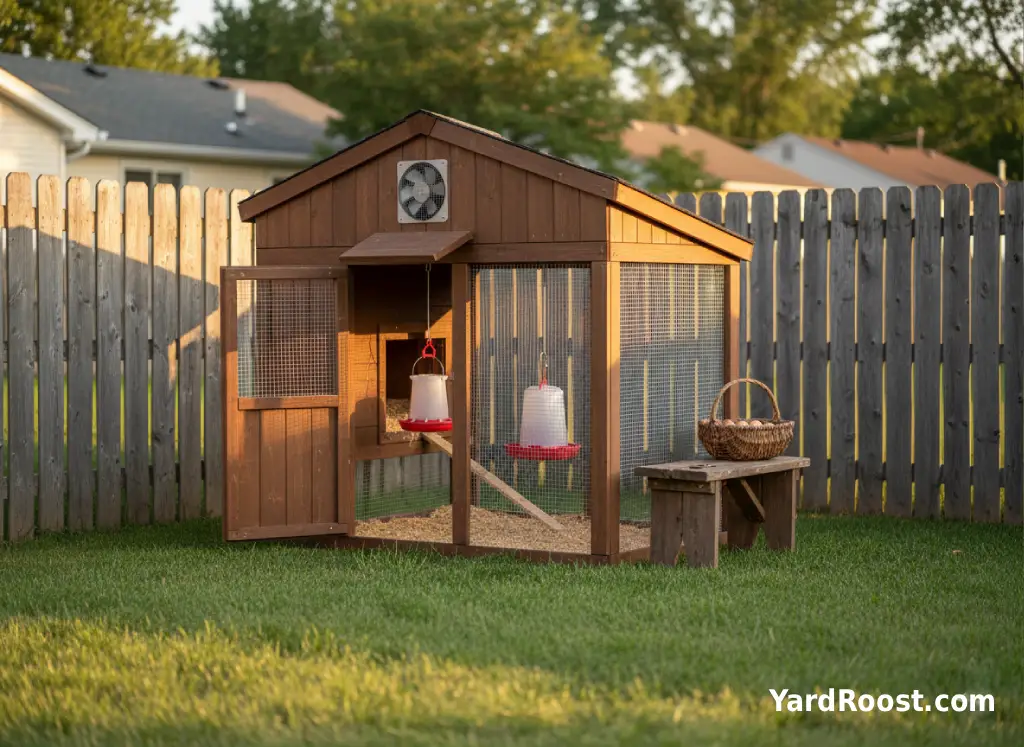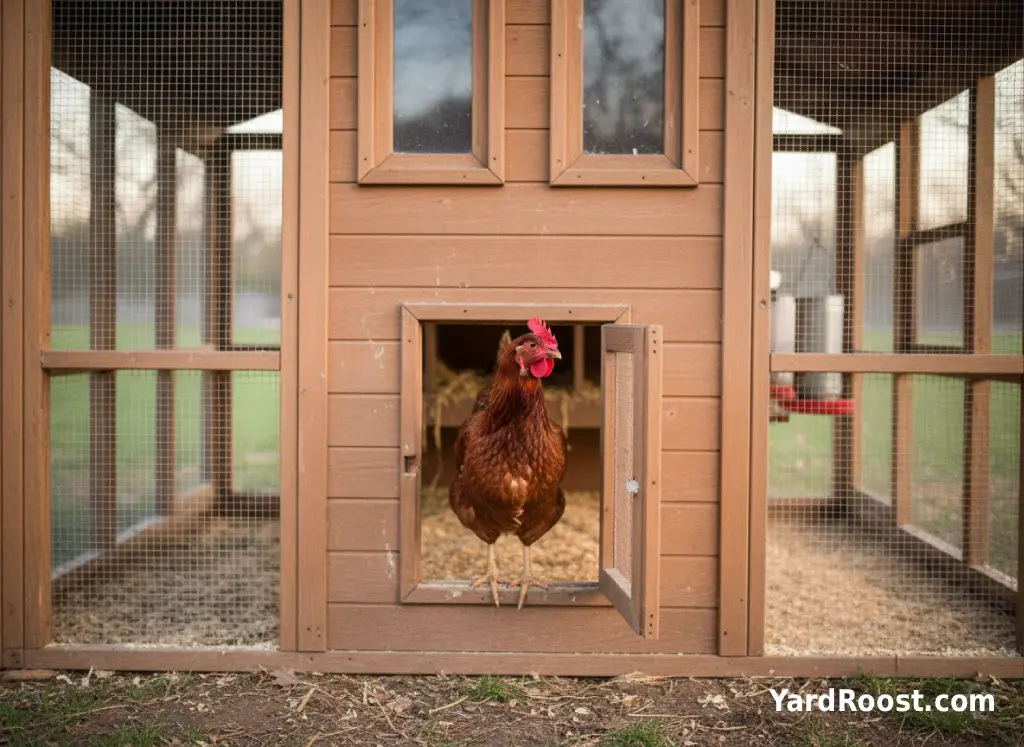
Hemp bedding for chickens has gone from “niche farm store find” to a genuinely popular option for backyard coops—especially for keepers who want less odor, easier cleanouts, and fewer dusty sneezes when they toss bedding around. Hemp chicken bedding is typically made from the inner woody core of the hemp plant (often called hurd). In plain English: it’s a chopped, fibrous, absorbent litter material that behaves a bit like a sponge.
That absorbency is the real selling point. Moisture control is a big deal in any coop, because damp litter is where odor and ammonia build up—and ammonia is hard on birds and humans alike. Commercial poultry research and extension guidance consistently emphasize keeping litter dry to reduce ammonia and keep birds comfortable.
This guide breaks down what hemp bedding is, when it shines, where it can frustrate you, and how to use it in a chicken coop or brooder without turning “easy bedding” into an expensive headache. You’ll also find practical buying tips (including bulk hemp bedding for chickens) and a simple decision checklist.
What Hemp Bedding Is and Why It’s Different From Shavings
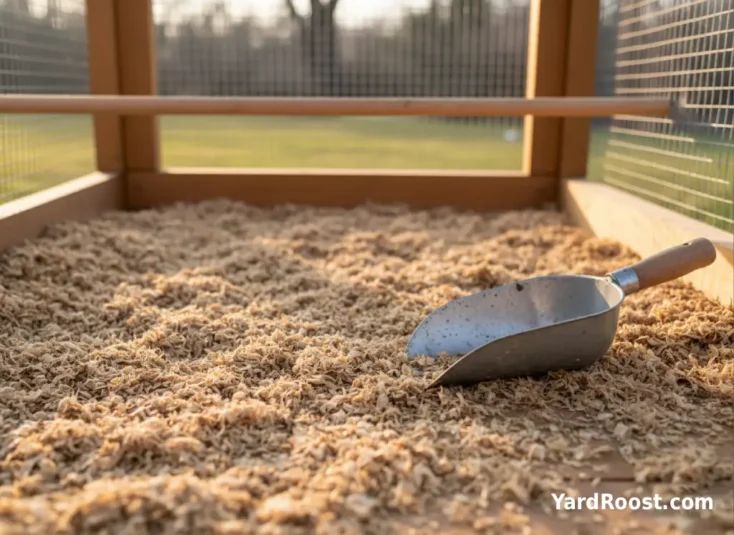
Most hemp poultry bedding on the market is made from hemp hurd (the woody inner stalk), chopped into small pieces. Compared with pine shavings, hemp tends to be heavier for the same volume and can feel more “granular” than fluffy. That can be good: it often stays put better than super-light flakes when hens scratch or when you open the coop door on a windy day.
The other big difference is performance under moisture. Research on hemp materials shows strong water absorption and measurable ammonia absorption potential—both directly connected to how “fresh” litter stays when droppings and water spills happen.
Two practical takeaways:
- If you’re switching from straw (which tends to mat), hemp may feel like an instant upgrade because it breaks apart more easily when scratched.
- If you’re switching from pine shavings, expect a different “feel” underfoot—and plan to test a small bag before committing to a full-season bulk order.
Is Hemp Bedding Good for Chickens? The Real Pros and Cons
Hemp bedding for chicken coops gets recommended for three main reasons: moisture control, odor control, and comfort. Those benefits are tightly linked—drier litter generally means less ammonia and a healthier coop environment. Extension guidance for poultry litter management emphasizes that controlling moisture helps control ammonia, and that low ammonia is a key goal of good litter conditions.
Where hemp often shines:
- Moisture handling: It can stay “top-dry” longer when droppings are frequent or when a waterer drips.
- Odor reduction: Less wetness usually means less stink—especially in smaller coops.
- Compost-friendly: Many keepers find it breaks down well when composted (with the same “manage moisture and airflow” rules you’d use for any litter).
Where hemp can disappoint:
- Cost and availability: It’s often pricier than shavings and not stocked everywhere.
- You can still get wet litter: Hemp isn’t magic—poor ventilation, leaky roofs, and constant water spills will overwhelm any bedding.
- Heavier bags: If you’re hauling bedding across the yard, you’ll notice.
A common mistake we see is treating “premium bedding” like it replaces good coop management. Bedding helps, but the real odor battle is moisture + ventilation + quick fixes on wet spots.
How to Use Hemp Bedding in a Chicken Coop Without Wasting It
Think of hemp chicken coop bedding as a system: you’re managing moisture, not just “adding litter.” Here’s a simple routine that works well for small backyard flocks.
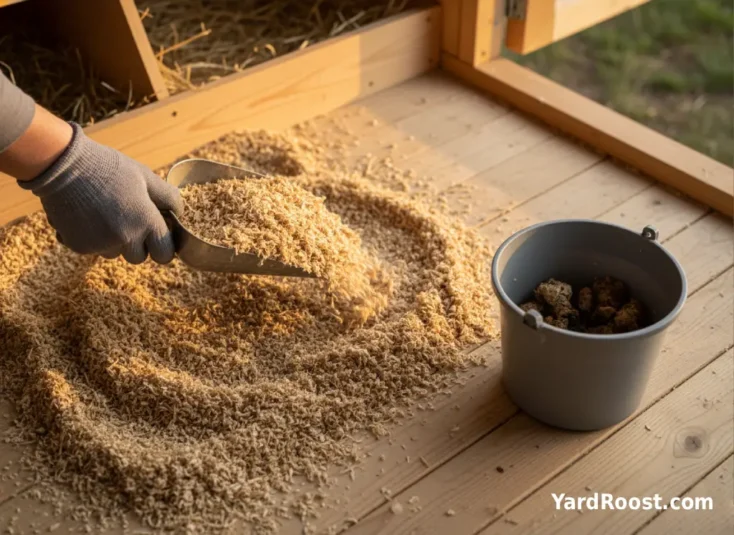
- Start with a clean, dry base: If the floor is damp or the old layer is already musty, remove it first. Hemp performs best when you’re not laying it over wet, caked litter.
- Use enough depth to buffer droppings: You want a layer thick enough that droppings don’t immediately smear onto the floor. (Exact depth varies by coop setup; aim for “cover + cushion,” not a dusting.)
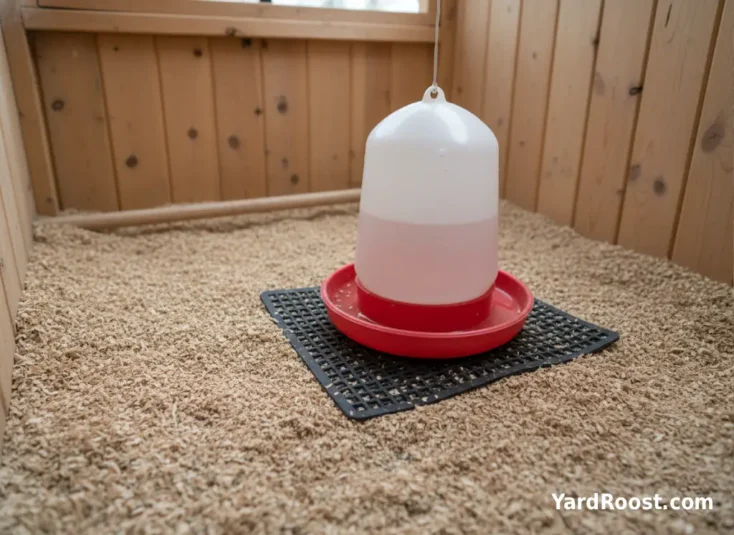
- Spot-clean wet zones fast: Under waterers and at coop entrances, pull out damp clumps as soon as you notice them. This is one of the fastest ways to prevent ammonia buildup.
- Top off lightly instead of full dumps: Add small amounts as the surface gets thin or soiled, then do a full cleanout on a schedule that matches your coop moisture level.
Quick trigger: If you can smell ammonia when you step into the coop, treat that as a “change something today” moment—remove wet areas, improve airflow, and refresh bedding. Litter management guidance for poultry emphasizes low ammonia as a core target of good litter conditions.
Hemp Bedding for Chicks: Safe Brooder Habits That Prevent Problems
Hemp bedding for chicks can work, but the “best” brooder litter choice depends on chick age and your cleanup rhythm. The early-days goal is traction and preventing chicks from eating bedding out of confusion. Many experienced keepers start with a non-slip surface like paper towels for the first days, then transition to a litter material once chicks are steady and actively eating starter feed.
Practical brooder approach:
- Days 1–3 (roughly): Prioritize traction and easy daily cleanup (paper towels swapped frequently).
- Transition phase: If you want to use chick hemp bedding, add it only once chicks are reliably eating feed (so they’re less likely to sample bedding).
- Keep it dry: In a brooder, wet litter happens fast. Remove damp spots immediately, especially around waterers.
A common mistake we see is switching to loose bedding too early and then wondering why chicks are pecking at it nonstop. Slow the transition, keep feed easy to access, and use a brooder setup that reduces spills.
Odor and Ammonia Control: Bedding Helps, But Dry Litter Is the Goal
Whether you choose hemp bedding chicken keepers love, pine shavings, or another litter, the same truth applies: wet litter is the enemy. Poultry litter guidance highlights that good litter should not be caked, should have controlled moisture, and should maintain low ammonia.
Hemp can help by absorbing moisture and supporting a drier surface layer. Research on hemp materials also looks specifically at moisture and ammonia absorption characteristics, which helps explain why many keepers notice less odor when their coop stays dry.
Two high-impact fixes that cost almost nothing:
- First, fix the waterer situation. If your waterer drips, add a catch tray or a small mat and check it daily until you’re sure it’s not soaking litter.
- Second, check airflow high in the coop—fresh air exchange matters for drying litter, especially in winter when coops can get damp. USDA biosecurity guidance also emphasizes keeping coops dry and cleaning wet spots promptly.
Deep Litter With Hemp: When It Works and When It Backfires
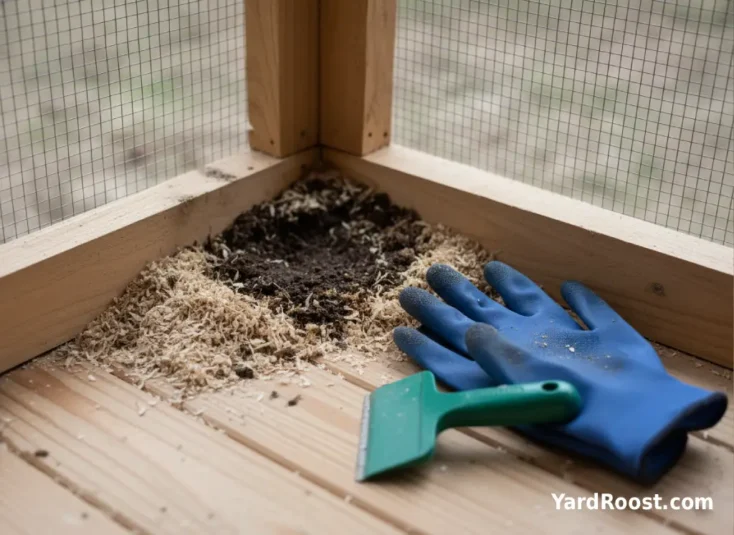
Some keepers use hemp bedding for chickens in a “deep litter” style—building up layers over time and removing only what’s wet or heavily soiled. This can work well in dry, well-ventilated coops because the surface stays workable and you’re essentially managing a living litter pack.
But deep litter backfires when moisture climbs. If the coop is draft-free but poorly ventilated, or if rain blows in, deeper bedding can turn into a damp mat (and that’s when odor and ammonia spike). Litter management guidance consistently circles back to moisture control as the core issue.
Use this quick “go/no-go” check:
- Go: bedding stays mostly dry, you can fluff it easily, and there’s no sharp ammonia smell.
- No-go: clumps form, the bottom feels wet, or you smell ammonia when you open the coop door.
Cleaning, Disposal, and Composting: Keep It Legal and Low-Stress
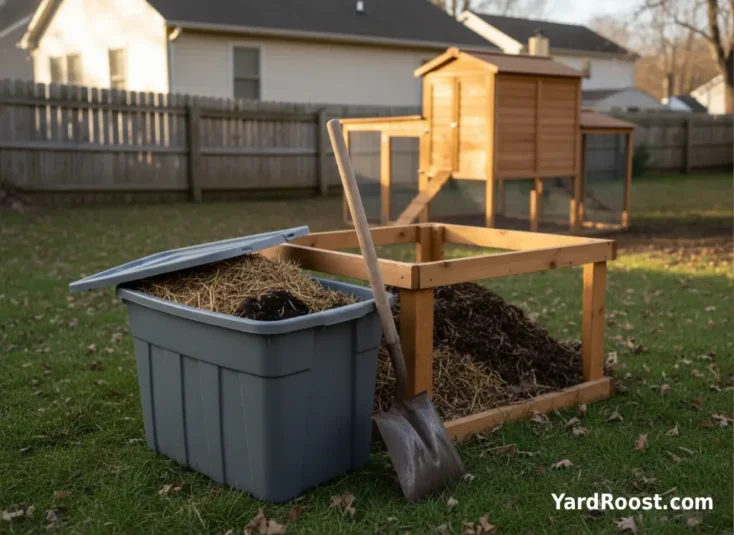
Used bedding is manure management, even for small flocks. If you compost, keep it contained, manage moisture, and deter pests. If you bag it for trash pickup, use strong bags and keep them sealed until disposal day.
USDA biosecurity materials note that soiled litter should be disposed of through lawful methods such as composting, burial, or bagging and taking to a landfill, and they emphasize keeping the coop dry and cleaning wet spots promptly.
Two “don’t regret it later” tips:
- Don’t store used litter in open piles next to the coop: it can attract rodents and flies, and it encourages wild bird traffic.
- Check local rules: some neighborhoods and municipalities have specific guidance on composting or waste handling.
Where to Buy Hemp Bedding for Chickens and How to Choose a Bag
If you’re searching for hemp bedding for chickens nearby, check farm stores, feed mills, and equine suppliers first—hemp is used for multiple species, so it may be stocked outside the “poultry” aisle. Online ordering can be great for consistency, especially if you want bulk hemp bedding for chickens and don’t want to chase availability every month.
Bag-picking checklist (fast and practical):
- Low dust claims are not enough: avoid anything that feels powdery at the bottom of the bag; fines can irritate airways when you pour bedding.
- Particle size matters: very tiny pieces can track more; very large chunks may not “knit” into a stable layer.
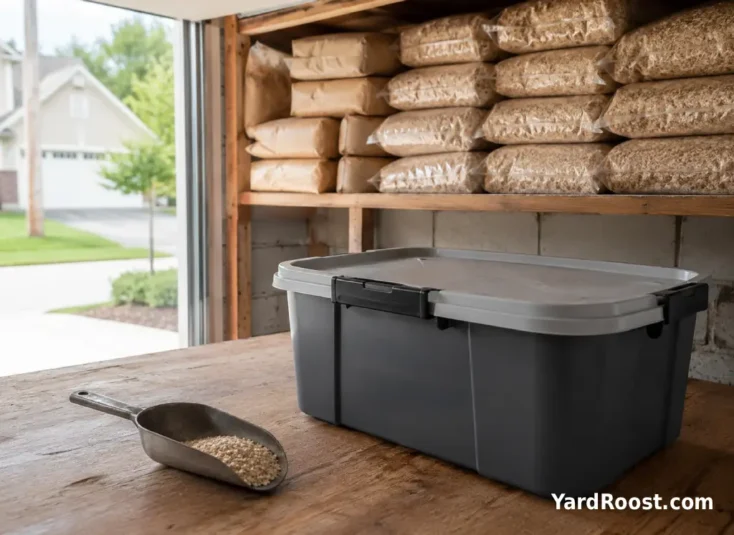
- Keep it dry at home: store bags off the concrete floor and sealed—damp bedding won’t perform well.
If “hemp chicken bedding near me” is limited, consider splitting a pallet order with another local keeper to reduce per-bag cost (and to make sure you have the same bedding through a season).
Common Mistakes to Avoid With Hemp Chicken Bedding
- Mistake 1: Treating hemp like it “solves ammonia” by itself. If litter stays damp, ammonia can still build. Dryness and ventilation are the foundation of odor control.
- Mistake 2: Letting waterers drip onto bedding for days. Fix the leak, add a catch tray, and pull out damp litter immediately. This is the fastest way to stretch bedding life.
- Mistake 3: Storing bedding where it absorbs moisture. Hemp that starts out damp is a losing battle. Store bags sealed, off the floor, and away from humidity.
- Mistake 4: Ignoring pest pressure. Spilled feed and damp bedding attract rodents. USDA biosecurity guidance stresses keeping feed secure and removing spilled or uneaten feed right away to avoid giving pests a “free lunch.”
A common mistake we see is buying “the best hemp bedding for chickens” and then using it in a coop with roof leaks or blocked vents. Fix the coop first. Bedding is the finishing touch, not the structural solution.
Biosecurity and Family Hygiene: Bedding Choices Don’t Replace Handwashing
No matter what litter you use—hemp bedding for hens, shavings, or straw—your coop environment can still carry germs. CDC guidance for backyard poultry emphasizes washing hands with soap and water right after handling birds, eggs, or anything in their environment.
On the flock side, biosecurity is a daily habit. USDA materials emphasize keeping disease out with practical steps like cleaning footwear, limiting visitors who have contact with other birds, and reducing wild bird and pest access.
Easy wins:
- Keep “coop shoes” that don’t go into the house.
- Wash hands after coop chores—especially before eating or handling kids’ snacks.
- Store bedding and feed in sealed containers so rodents don’t turn your coop into their pantry.
When to Call an Avian Vet
We’re not veterinarians, and bedding choices can’t diagnose or fix illness. But coop air quality does matter. If you notice any of the following, it’s smart to call an avian vet (or a vet who is comfortable with poultry):
- Persistent open-mouth breathing, repeated coughing/sneezing, or obvious breathing effort
- Lethargy plus reduced appetite that doesn’t improve after you correct obvious issues (wet litter, poor ventilation, heat stress)
- Multiple birds showing signs at the same time
While you’re arranging help, your safe first steps are management-focused: remove wet bedding, improve ventilation without creating a draft at roost level, and keep the coop clean and dry. Poultry litter guidance ties low ammonia and proper moisture control to a healthier environment.
Conclusion: A Simple Way to Decide if Hemp Bedding Is Worth It
Hemp bedding for chickens can be a genuinely helpful upgrade—especially in smaller coops where odor builds fast, or in setups where you’re tired of constantly battling damp corners. The best results come when hemp is paired with the basics that matter in every coop: fix leaks, manage water spills, and keep fresh air moving so litter can dry. Poultry litter guidance is clear that moisture control is central to keeping ammonia low and birds comfortable. :
When you’re on the fence, a simple two-week trial is the safest move: start with hemp in the highest-moisture zone first, often under waterers or near the pop door. Watch whether that area stays drier with less odor, and pay attention to whether you actually like handling the bags. If the test goes well, you can switch the full coop or order in bulk; if not, you’ve learned something useful without committing to a pallet.
Want to keep dialing in your coop setup? Start with airflow and layout, then pick bedding that matches your climate and your cleanup style. Your nose (and your hens’ comfort) will tell you pretty quickly when you’ve got it right.