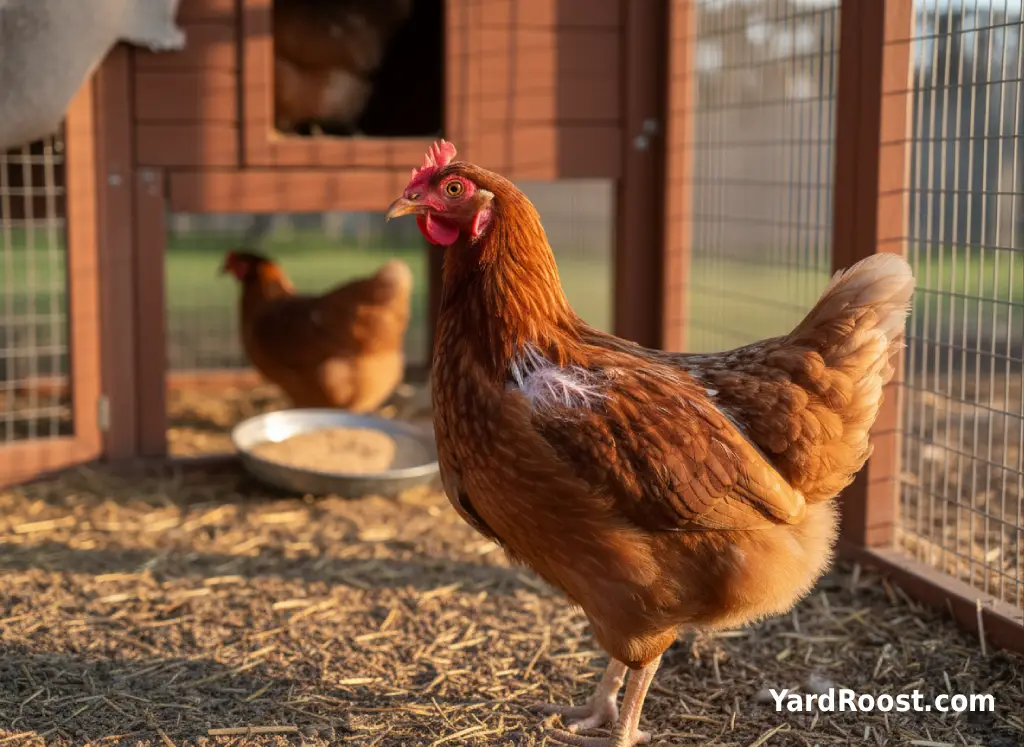
Hearing a chicken sneeze can make your stomach drop—especially when you’re new to keeping a backyard flock. The truth is, yes, a chicken can sneeze, and sometimes it’s as simple as a dusty scratch grain session or a whiff of coop ammonia. Other times, sneezing is the first clue that something contagious is moving through the flock (and respiratory issues can spread fast in close quarters).
Here’s the safety-first way to think about it: one-off sneezes happen; patterns and “extra symptoms” matter. If your chicken sneezed once and is acting normal, you’ll usually get more value from checking air quality, litter moisture, and dust than from panicking. But if you’ve got repeated sneezing, coughing, wet eyes, nasal discharge, open-mouth breathing, or a bird that looks “off,” it’s time to shift into a more serious response.
Quick note from YardRoost: We’re not veterinarians. This is practical flock-keeper guidance—focused on safe first steps, biosecurity, and clear “call the vet” triggers.
Can a Chicken Sneeze (And When Is It Normal)?
A chicken sneeze is a normal reflex—same idea as ours: something irritates the upper airway and the bird clears it. A single sneeze after scratching dry bedding, eating dusty feed, or taking a big drink is often nothing.
What’s more meaningful is frequency and context:
- Likely “normal”: one or two sneezes, no wet face, bright eyes, normal appetite, normal activity.
- Worth watching closely: sneezing repeats across the day, several birds start doing it, or it appears with mild watery eyes.
- Act today: sneezing plus coughing, bubbly/wet eyes, nasal discharge, noisy breathing, swelling around eyes, lethargy, or reduced eating/drinking.
If you’re trying to decide whether you’re overreacting, here’s a simple rule: if it’s “just sneezing,” fix the environment first and monitor. If it’s sneezing plus anything else, treat it as a flock health issue until proven otherwise.
Common Non-Illness Triggers: Dust, Dander, And “Coop Air”
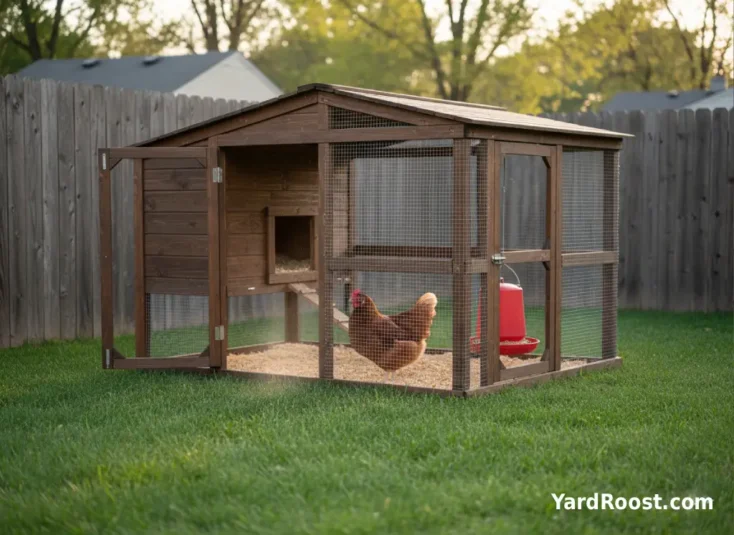
Most “mystery sneezes” we see in backyard flocks trace back to the air—not a pathogen. Chickens live close to the ground, right where dust, dander, and ammonia hang out.
Start with these common culprits:
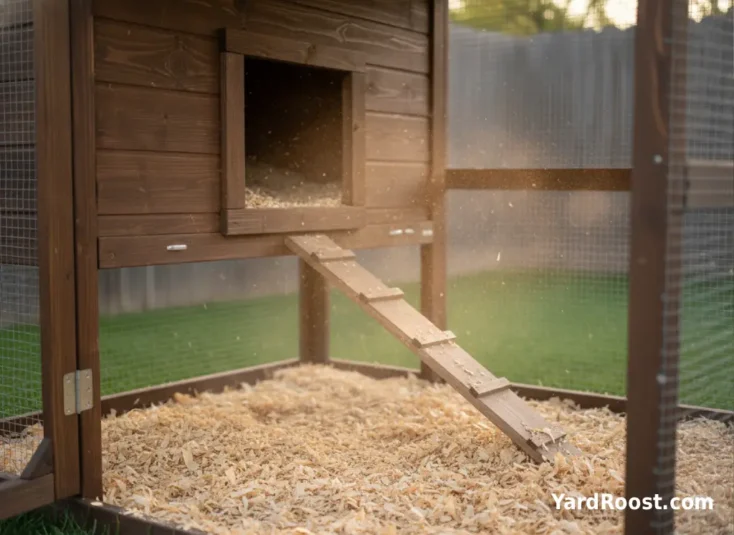
- Dusty bedding or feed. Fine particles from pine shavings, straw, sand, crumble feed, or scratch grains can irritate airways. If sneezing happens right after you refresh bedding or pour feed, that’s a clue.
- Ammonia from damp litter. If your coop smells sharp or “burns your nose,” that air can irritate eyes and respiratory tissue. Extension resources on poultry housing note that ammonia and dust are hard on the respiratory tract, and reducing moisture/boosting ventilation helps.
- Seasonal irritants. Dry winter air, pollen bursts, and moldy leaf litter around runs can all trigger a sneezy day.
- Drafts at bird level (especially at night). “Fresh air” is good; a cold draft blasting the roost is not. Aim for ventilation high above roost height so stale air escapes without chilling birds.
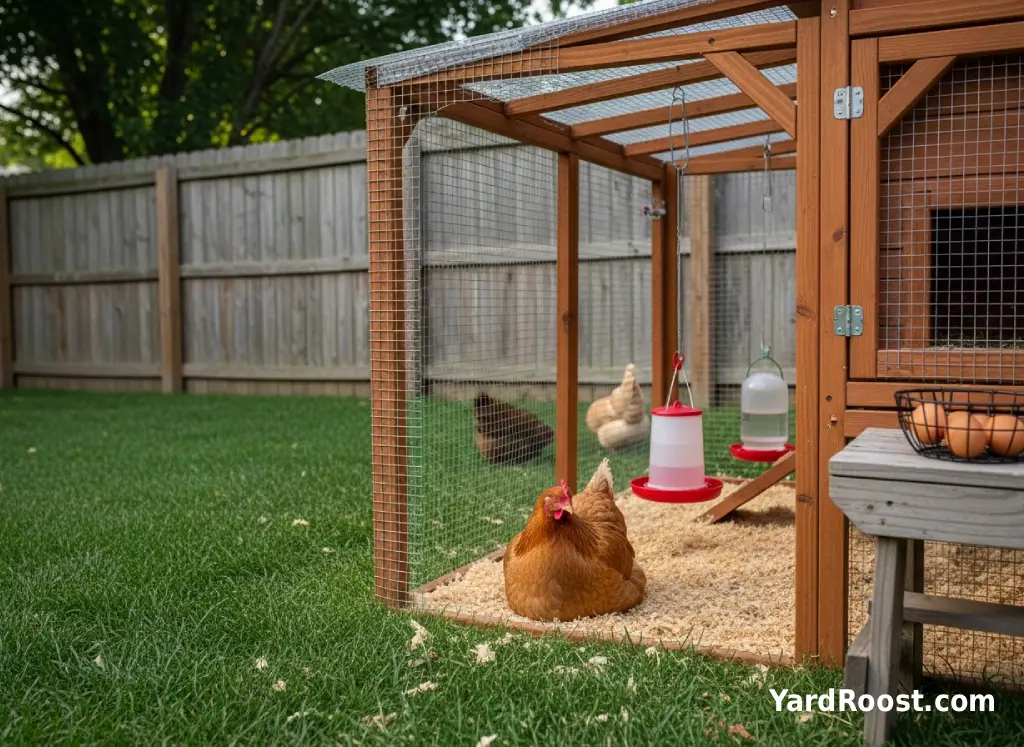
Practical fixes that often stop sneezing fast: remove wet spots under roosts, add dry bedding, improve high vents (not direct drafts), and switch to a less dusty bedding or feed format for a week. If you want a deep dive on airflow, start with Chicken Coop Ventilation.
When Sneezing Suggests Illness: The Red-Flag Combo List
Respiratory problems in poultry can look similar at first, and it’s not safe (or helpful) to try to “name the disease” from your backyard. What you can do is recognize when sneezing is part of a bigger pattern that needs fast action and professional help.
Take sneezing seriously if you see any of these together:
- Coughing or repeated throat sounds
- Noisy breathing (rattles, wheezes) or open-mouth breathing
- Wet, bubbly, or foamy eyes
- Nasal discharge (clear, cloudy, or crusty)
- Swelling around eyes/face
- Drop in appetite, energy, or egg production
- Multiple birds developing signs within a day or two
Those “combo signs” are common across many respiratory syndromes described in poultry references and can spread quickly in a flock.
If you’re seeing several red flags, skip the home experiments and focus on isolation, supportive environment, and vet guidance.
What To Do First: A Safe 20-Minute Sneezing Chicken Checklist
If you’re thinking, “why is my chicken sneezing and what do I do right now?”—this is the calm, high-impact routine we use.
Step 1: Watch for one full minute. Sounds silly, but it’s revealing. Is it one sneeze and done? Or repeated sneezing/coughing? Any open-mouth breathing?
Step 2: Check the face. Look for wetness at the nostrils, bubbles/foam at the eyes, crusts, or swelling. If you see discharge or swelling, treat it as more than “dust.”
Step 3: Do the “nose test” in the coop. If the air stings your nose or smells sharply of ammonia, assume your birds’ airways are irritated too. Improve ventilation and remove damp litter first. Extension guidance emphasizes ammonia/dust as respiratory stressors.
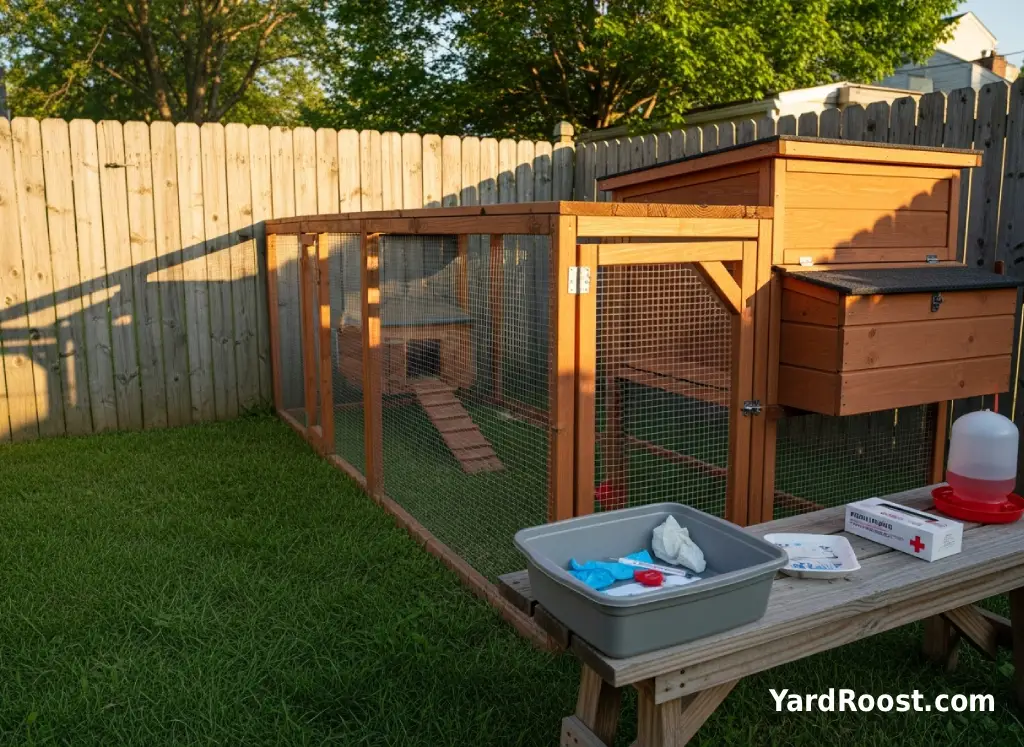
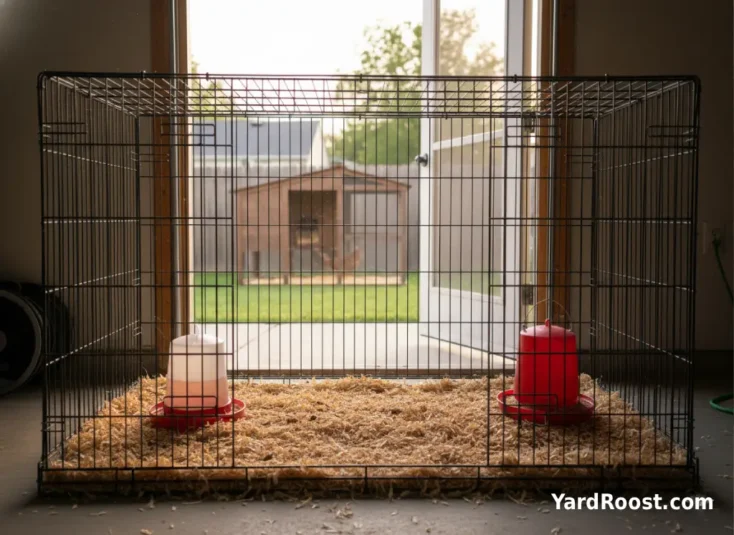
Step 4: Separate if there are red flags. If sneezing is frequent or paired with other signs, move the bird to a calm isolation space with food and water. This reduces flock exposure and helps you monitor intake and droppings.
Step 5: Tighten “supportive care,” not DIY medicine.
- Keep the bird warm, dry, and out of drafts.
- Offer the usual feed and clean water (no mystery additives).
- Reduce airborne irritants: avoid sweeping dusty litter; remove wet spots gently.
- Note changes: appetite, energy, breathing sounds, eye/nose wetness.
A common mistake we see is people jumping straight to “chicken sneezing and coughing treatment” ideas they found online—especially leftover medications or aggressive home remedies. That can delay the right diagnosis, stress the bird, and create bigger problems. Your safest move is to improve air quality, isolate if needed, and get professional help when signs stack up.
Sneezing Chicks: Brooder Problems That Mimic Illness
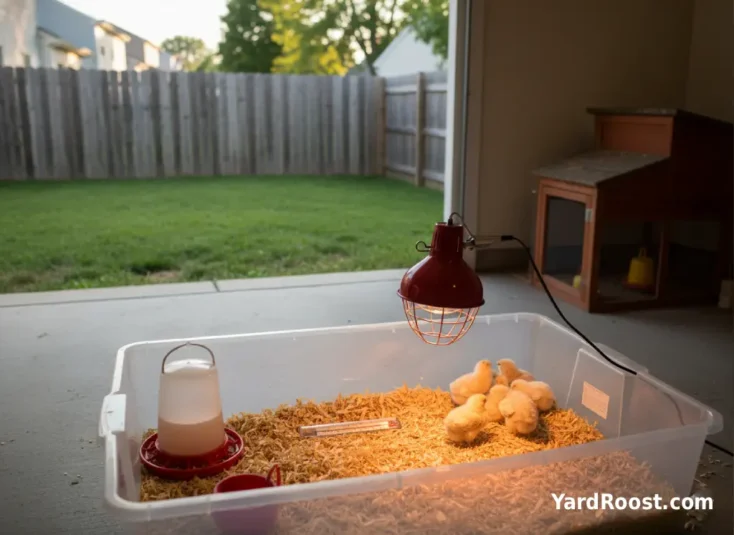
Why is my chick sneezing? With chicks, the brooder environment is often the real issue. Dust, temperature swings, and damp bedding can irritate tiny airways quickly.
Brooder temperature matters. Several extension services recommend starting chicks around 90–95°F in week one and then lowering by about 5°F per week as they grow and feather out.
If chicks are too cold, they huddle and stress; if too hot, they avoid the heat and pant. Either extreme can make them look “off,” and stressed chicks are more likely to develop problems.
Other brooder sneezing triggers:
- Dusty bedding: Consider larger-flake shavings or lightly dampening dust outside the brooder area (never create a humid, wet brooder).
- Damp corners: Spilled water turns litter into an irritant factory. Use a stable waterer base and swap wet bedding immediately.
- Strong fumes: Avoid aerosols, strong cleaners, and scented products near the brooder. Chicks are sensitive.
If sneezing chicks also have lethargy, wet eyes, discharge, or breathing difficulty, treat it as a potential health problem—separate, reduce stress, and contact an avian vet.
Protect the Rest of the Flock: Biosecurity and Smart Isolation
Respiratory issues can move fast in poultry, so the “flock-level” plan matters as much as the individual bird plan.
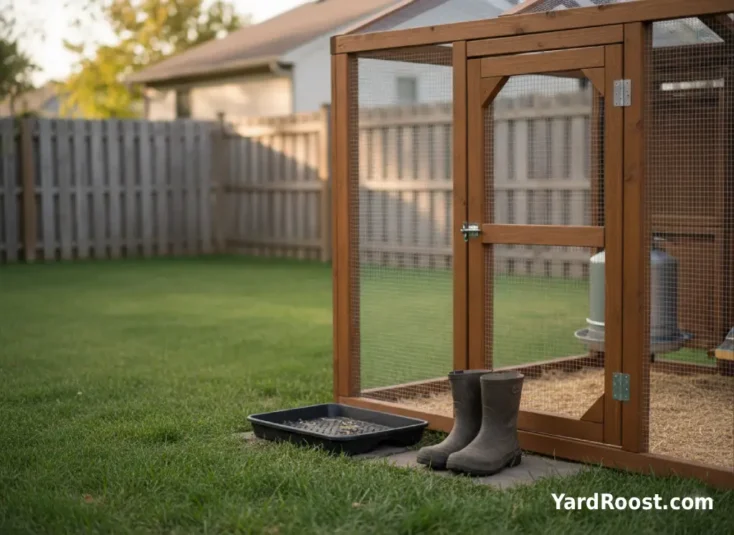
Quarantine new birds. USDA APHIS recommends isolating new, borrowed, or returning animals for at least 30 days and watching closely for signs like sneezing, coughing, and nasal drainage. That one practice prevents a huge percentage of backyard outbreaks.
Don’t share “face-touching” equipment. If one bird is symptomatic, avoid swapping waterers/feeders between pens without cleaning. Keep a simple separate set for the isolation area.
Use solid hygiene around birds. The CDC recommends washing hands with soap and water after touching poultry, their eggs, or anything in their living area; hand sanitizer is a backup when soap/water aren’t available.
Biosecurity isn’t about being paranoid—it’s about reducing how many birds get sick at once, which is always the hardest scenario for a backyard keeper.
Common Mistakes to Avoid When a Chicken Is Sneezing
This is the stuff that trips up good keepers—especially in the first year.
- Ignoring the “nose-burning” coop smell. If you can smell ammonia, assume it’s irritating birds. Fix moisture and airflow before anything else.
- Waiting too long when multiple birds show signs. When more than one bird is sneezing/coughing, think contagious and act faster: isolate, reduce stress, contact a vet.
- Overhandling the bird “to check.” Repeated chasing and restraining can worsen breathing stress. Do quick, calm checks on face, breathing, appetite, and droppings.
- Dust-bombing the coop during cleaning. Sweeping dry litter can make symptoms worse. Remove bedding gently and consider slightly misting surfaces outside the coop (not making the coop damp).
- Trying random treatments from the internet. Avoid DIY medication and home remedies. Focus on safe supportive care and professional guidance when red flags appear.
YardRoost note: The fastest “win” we see is simply improving air quality—dry litter, good high ventilation, and less dust—before symptoms snowball.
When to Call an Avian Vet
Use a vet early if you’re seeing respiratory red flags—because “waiting it out” can turn one sick bird into a flock problem.
Call an avian vet (or poultry-experienced veterinarian) promptly if you see:
- Continuous sneezing or coughing rather than occasional sneezes
- Trouble breathing, open-mouth breathing, or pronounced noisy breathing
- Facial swelling, significant eye issues, or thick discharge
- Lethargy, not eating/drinking, or rapid decline
- Multiple birds developing similar signs within 24–72 hours
How to be useful on the phone: write down when signs started, how many birds are affected, any recent changes (new birds, new bedding, weather swings), and what you’ve already done (isolation, litter changes, ventilation changes). A short video of the breathing sounds (without stressing the bird) can also help.
If you suspect a fast-moving contagious problem, keep visitors out of the coop area and tighten biosecurity until you’ve gotten professional direction.

Conclusion: Calm Observation, Cleaner Air, Faster Help When Needed
Chicken sneezing sits in that annoying gray zone: it can be totally harmless—or the first hint of something bigger. The best backyard keepers don’t guess; they observe patterns, fix the environment first, and escalate quickly when signs stack up.
If your chicken sneezed once, start with the basics that actually move the needle: reduce dust, remove wet litter, and improve ventilation without creating roost-level drafts. If you’re dealing with my chicken is sneezing all day, multiple birds are involved, or sneezing comes with coughing, wet eyes, discharge, swelling, or breathing changes, shift gears: isolate, support, and call a vet.
And for sneezing chicks, don’t overlook the brooder—temperature, dust, and damp bedding can mimic illness fast. Keep notes, keep things calm, and remember that the safest “treatment” is often the least dramatic: cleaner air, lower stress, and timely professional help.