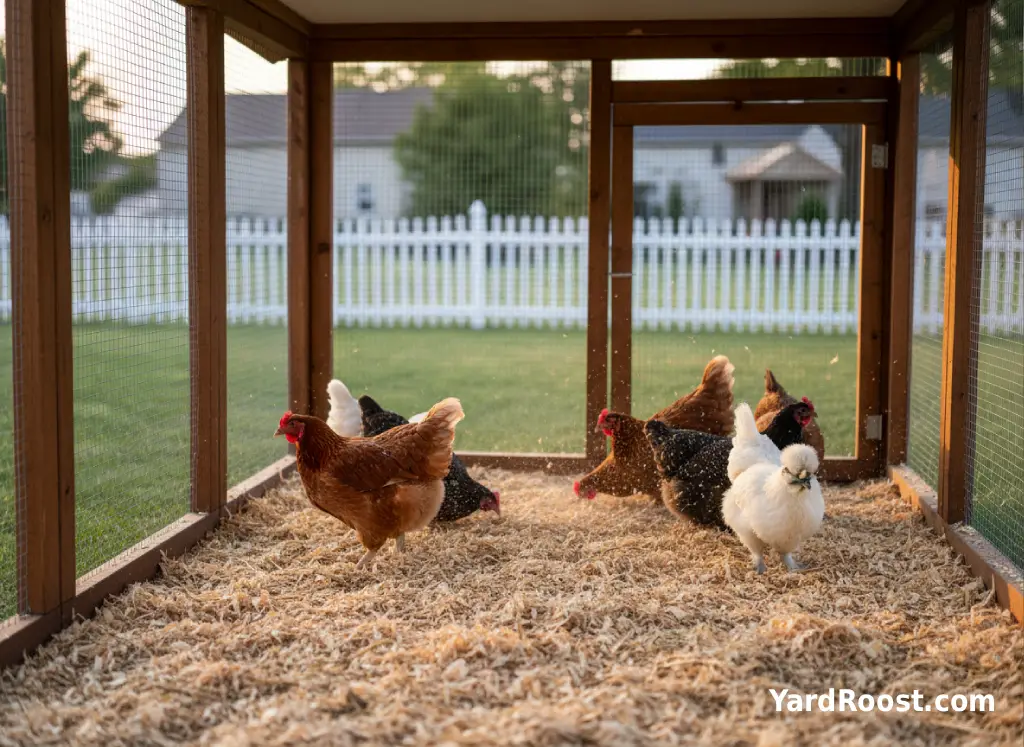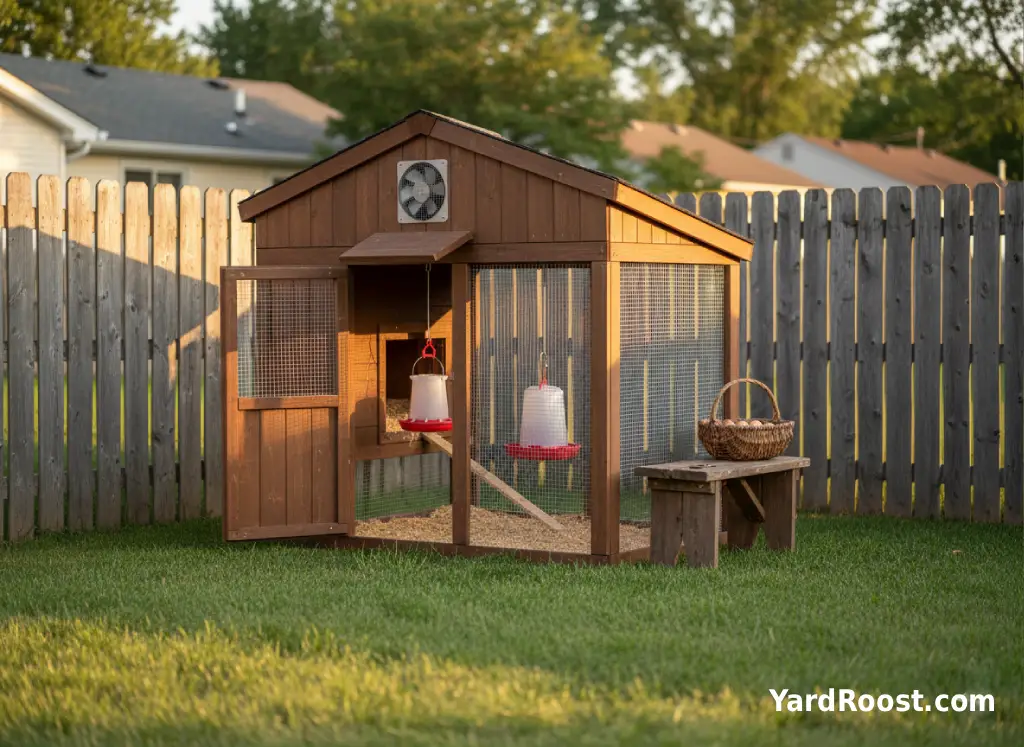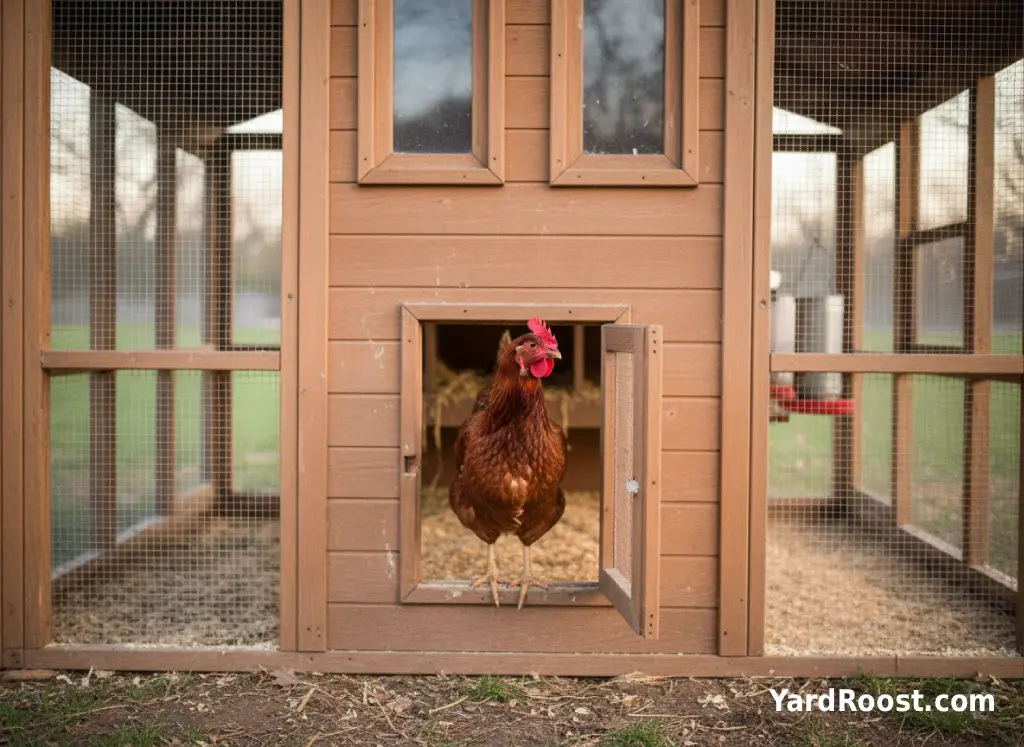
Chicken coop bedding sounds simple—until you’re staring at a damp corner that smells like ammonia, a run full of tracked-out litter, and eggs that look like they rolled through a sandbox. Bedding inside the chicken coop does three big jobs: it absorbs moisture, cushions feet, and helps control odor. The “best chicken coop bedding” depends on how your coop is built (ventilation matters), your climate, and how often you want to clean.
For most beginner-to-intermediate keepers, kiln-dried pine shavings for chickens are the go-to because they’re widely available, comfortable, and easy to manage. Hemp bedding for chicken coops can be excellent if you want strong absorbency with less bulk. Straw bales work best when you can keep them dry and replace them more often. Pellet bedding for chickens can be tidy and compost-friendly, but it needs the right routine to avoid clumping problems. And if you’re curious about deep bedding chicken coop systems (deep litter), you can make them work—if you’re willing to manage moisture and airflow.
Sources referenced in this guide include University of Delaware Cooperative Extension, University of Vermont Extension, Mississippi State University Extension, and the CDC for backyard poultry hygiene.
What Coop Bedding Needs to Do (Hint: It’s Mostly About Moisture)
Chickens make wet litter faster than most new keepers expect. Even though they don’t “pee” like mammals, droppings add moisture, and waterers get splashed. When bedding stays damp, odor rises and respiratory irritation becomes more likely—especially if ventilation is poor. (If your coop smells sharp or “eye-watering,” treat that as a red flag and improve cleaning and airflow.)
Two practical benchmarks we use in the YardRoost flock:
- Dry-underfoot test: If bedding feels cool and damp when you press a handful, it’s time to remove wet spots and add fresh material.
- Stick-to-boot test: If litter clings to shoes or forms mats, it’s holding too much moisture and needs a reset.
A common mistake we see is choosing bedding only for price, then fighting constant wet spots. The cheapest bedding can become the most expensive if you’re dumping it twice as often.
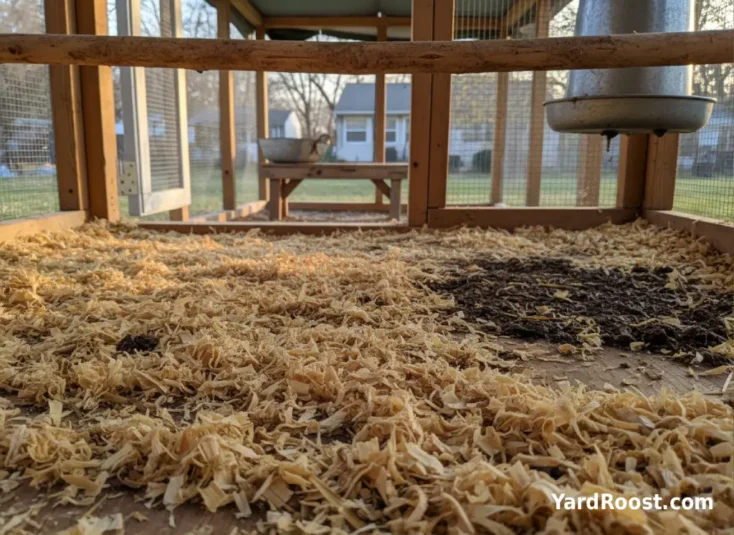
Quick Comparison: Best Bedding for Chickens by Goal
| Bedding Type | Best For | Watch Outs |
|---|---|---|
| Pine shavings / pine chips | Everyday coops, easy spot-cleaning | Fine dust if low quality; wet mats under waterers |
| Hemp bedding | High absorbency, lower odor, lighter compost | Cost/availability; needs good storage to stay dry |
| Straw (bale bedding) | Nest boxes, quick seasonal layering | Mold risk if damp; can hide wet spots |
| Pellet bedding | Low-tracking, composting, tidy routines | Clumps if over-wet; can be slippery when first broken down |
| Sand (coarse) | Dry climates, scoop-cleaning droppings | Heavy to haul; can stay cold/damp in wet climates |
If you want one simple default: start with kiln-dried pine shavings for chicken coop floors, then adjust based on your coop’s moisture “hot spots.”
Pine Shavings and Pine Chips for Chickens: The Most Common, for a Reason
Pine shavings for chickens are popular because they’re soft, insulating, and easy to refresh. University of Delaware Cooperative Extension lists pine shavings (and straw/hay) as common bedding choices and emphasizes regular cleaning to prevent ammonia buildup. That’s the real “secret” to making pine work: remove wet spots early, before they turn into a sticky layer that traps odor.
Practical tips that make a noticeable difference:
- Buy low-dust, kiln-dried: If the bag is full of powdery fines, expect more respiratory irritation and more mess.
- Use “chips” where water splashes: Pine chips for chickens (larger pieces) can resist matting under waterers better than very fine shavings.
- Keep a scoop by the door: A 60-second wet-spot scoop once a day beats a full cleanout every weekend.
Editorial note: A common mistake we see is dumping a big layer of shavings once and hoping it lasts “forever.” Bedding is a system, not a one-time purchase.
Hemp Bedding for Chicken Coops: High Absorbency With Less Bulk
Hemp bedding for chickens tends to absorb moisture efficiently and can reduce the “wet blanket” feel you get when shavings start to mat. If your flock is hard on waterers—or you live in a humid region—hemp can be a strong upgrade, especially in problem corners.
How to make hemp work well:
Start in the splash zone
You don’t have to switch the whole coop at once. Put hemp under and around waterers and in corners where humidity collects. If it noticeably stays drier, expand from there.
Store it like feed
Hemp that’s stored where it can wick moisture (garage floor, leaky shed) loses its edge fast. Keep it on a pallet or shelf with the bag closed tight.
If you compost coop litter, hemp can break down nicely. The same carbon-to-nitrogen balancing idea that University of Vermont Extension discusses for coop litter composting applies here: bedding is your carbon, manure is your nitrogen.
Straw and Bale Bedding: Cozy, Classic, and Easy to Overdo
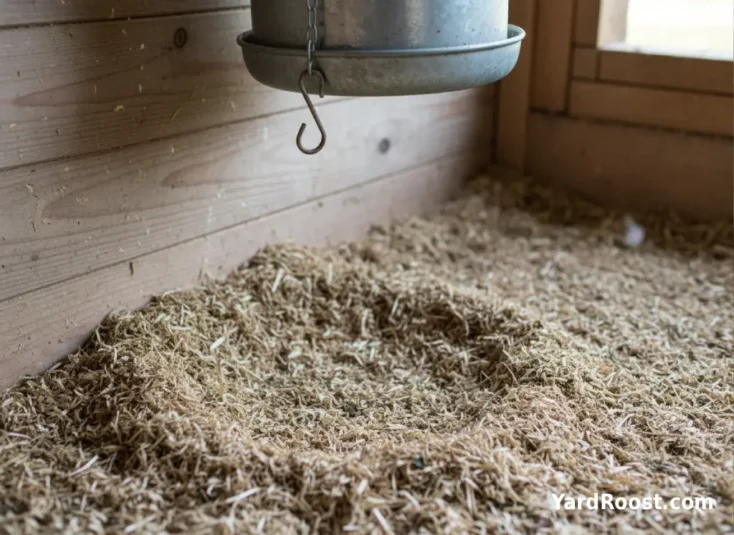
Straw is comfortable, insulates well, and is easy to find as a bale of bedding straw for chickens. It shines in nest boxes and as a quick seasonal layer. The downside is that straw can hide dampness and can mold if it stays wet. If you’ve ever lifted straw and found a dark, sour patch underneath, you’ve seen the issue.
Two ways to use straw without inviting problems:
- Keep it “thin and replaceable” in nest boxes: Swap it out on a set routine (or immediately if it gets wet or soiled).
- Don’t rely on straw alone in wet climates: If your coop tends to hold humidity, consider shavings or hemp on the floor and reserve straw for nests.
If you’re choosing between straw and hay: hay molds more easily and can become a dusty, musty mess when trampled. When in doubt, use straw—not hay—for bedding.
Pellet Bedding for Chickens: Tidy, Compost-Friendly, and a Little “Fussy”
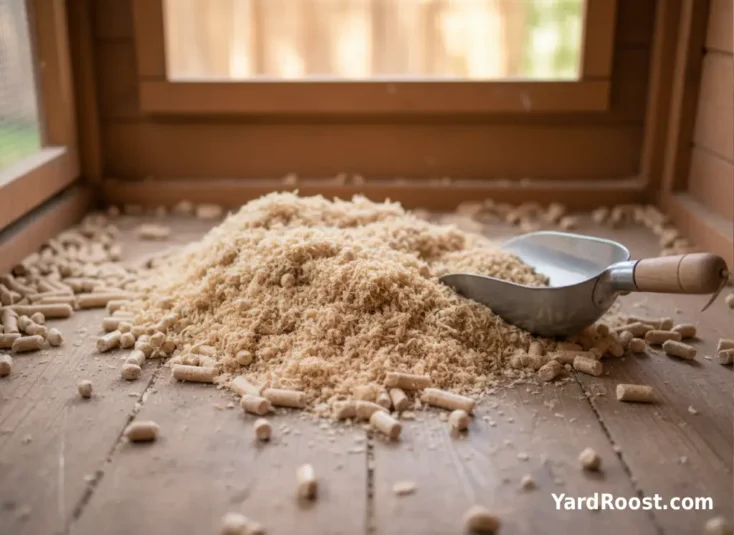
Pellet bedding for chickens (often sold as pelletized wood bedding) can be a nice middle ground: it tends to track less than fluffy shavings and can be easy to compost. The catch is moisture management. Too dry, and it stays as hard pellets that roll around; too wet, and it can clump into heavy patches.
A simple routine that works for many backyard coops:
- Start with a modest layer and let normal coop humidity break it down gradually.
- Spot-clean wet clumps early (especially under waterers) so they don’t become a cement-like pad.
- Top-dress with a little fresh material rather than stirring everything into one uniform wet mix.
If your coop already struggles with dampness, pellets won’t “solve” that by themselves—pair them with better airflow and a no-spill water setup. For ventilation basics that matter year-round, see Chicken Coop Ventilation.
Deep Bedding Chicken Coop Systems: How Deep Litter Works in Real Life
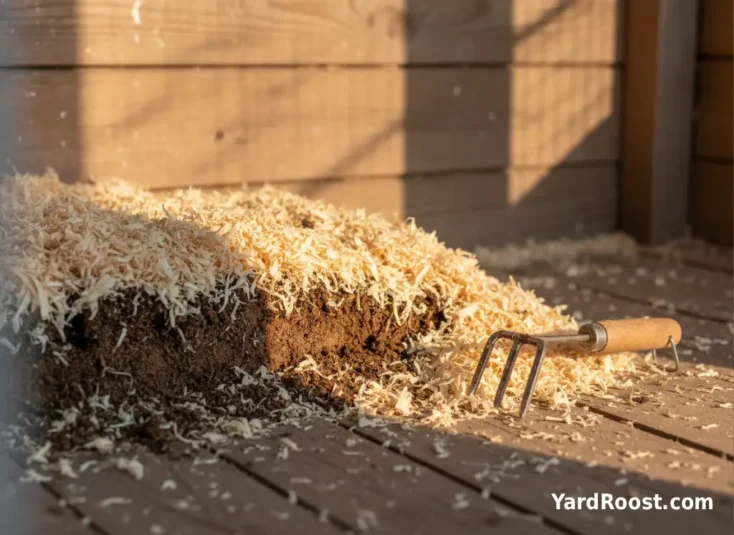
Deep litter (often searched as deep bedding chicken coop or deep bedding chicken coop method) is basically “layering and managing” instead of “dumping and replacing.” University of Delaware Cooperative Extension notes that deep litter can work if it’s stirred regularly and topped with fresh bedding to help control moisture and ammonia. University of Vermont Extension also describes a winter deep-litter approach that involves adding bedding regularly and paying attention to the bedding-to-manure balance for composting value.
Here’s the part that doesn’t get said enough: deep litter only works in a coop with good ventilation and a keeper who watches moisture. If litter turns slick, sour-smelling, or obviously wet, it’s not “composting nicely”—it’s telling you to remove material and reset.
Deep litter basics we recommend starting with:
- Stir, don’t flip: Lightly scratch the surface to break crusts without turning the whole floor into a wet soup.
- Top-dress dry: Add dry bedding when you notice dampness starting, not after it smells.
- Plan a real cleanout: Even well-run deep litter usually needs a full removal occasionally, especially around wet seasons.
If you want a step-by-step deep litter routine, bookmark Deep Litter Method for a dedicated walkthrough.
Best Bedding for Chickens in Winter: Prioritize Dry, Not Just “Warm”
The best winter bedding for chickens is the bedding that stays dry. Damp litter + cold air is what makes coops feel miserable. In winter, many keepers switch to a deeper, managed bedding approach because it reduces how often you’re hauling waste through snow and mud. University of Vermont Extension describes adding bedding regularly during winter for a deep-litter style system.
Winter bedding tips that prevent most cold-season problems:
- Control the water source first: If you have a leaky drinker, no bedding choice will keep up.
- Keep upper ventilation open: Warm, moist air needs to escape so it doesn’t condense and dampen litter (and birds).
- Use the right “deep”: Add bedding in layers as needed—don’t pack the coop so high that roost height or airflow gets compromised.
Editorial note: A common mistake we see is sealing up the coop “to keep it warm,” then battling wet bedding and ammonia odor all winter. Dry air beats stale air every time.
A Simple Cleaning Routine That Keeps Bedding From Getting Gross
Most bedding problems aren’t really bedding problems—they’re routine problems. University of Delaware Cooperative Extension emphasizes regular cleaning to prevent ammonia buildup, and that guidance holds no matter what litter you choose.
Try this “small and often” approach:
- Daily (or every other day): Scoop wet spots under waterers and any obvious manure piles under favorite roost areas. Add a handful of dry bedding where you scooped.
- Weekly: Rake the top layer lightly to break crusts and look for damp corners. Refresh nest box bedding so eggs stay cleaner.
- As needed: If odor persists after wet-spot removal, or bedding feels damp across a wide area, do a partial cleanout. If the entire floor layer is holding moisture, it’s time for a full reset.
If you’re composting, Mississippi State University Extension offers solid, science-based principles on managing poultry litter for moisture and pathogen control (mostly written for larger operations, but the moisture logic still applies).
Common Mistakes to Avoid With Bedding Inside the Chicken Coop
- Using “free” materials that aren’t truly clean: Moldy straw, damp sawdust, or musty shavings can irritate birds and make odor problems worse.
- Ignoring ventilation: Bedding can’t stay dry in a coop that traps humidity. Fix airflow before you keep buying “better” litter.
- Over-layering without removing wet spots: Deep litter is managed layering, not burying a swamp.
- Putting experimental bedding everywhere at once: If you’re curious about something niche (like coffee bedding for chickens), trial it in a small area first and watch moisture and odor closely.
- Skipping nest box refreshes: Dirty nest bedding is a fast track to dirty eggs.
On “coffee bedding for chickens”: it’s talked about online, but it’s not a traditional, widely extension-backed bedding choice. If you try it, focus on safety basics—keep it dry, avoid dusty fines, don’t use anything with additives or contaminants, and be willing to stop if you notice odor, damp mats, or respiratory irritation.
Biosecurity and Family Safety Around Bedding and Coop Cleanup
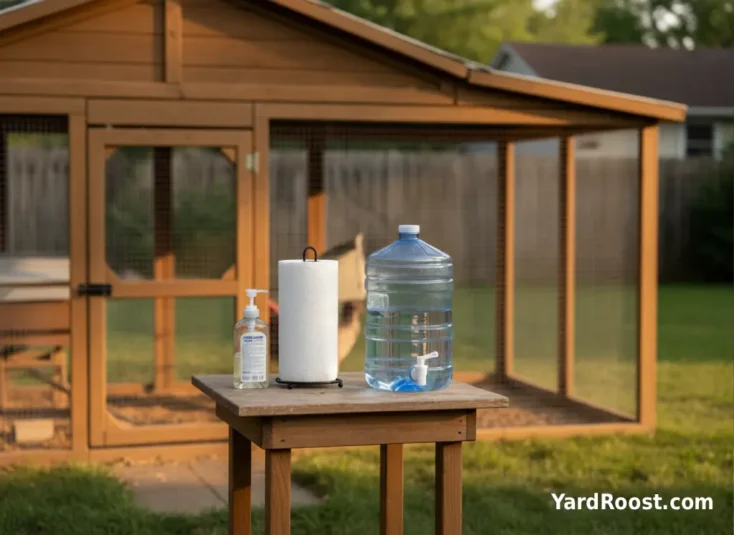
When you handle bedding for chicken coops—especially during cleanouts—you’re handling manure, dust, and whatever microbes are living in that environment. The CDC’s backyard poultry guidance is clear: wash hands with soap and water right after touching birds, eggs, or anything in their environment, and keep coop areas clean to reduce risk of illness.
Simple habits that matter:
- Keep “coop shoes” outside: Don’t track bedding and droppings into the house.
- Use gloves for cleanouts: Then wash hands even if you wore gloves.
- Keep little kids out of the cleanup zone: Young children are more likely to get sick from germs associated with poultry environments (CDC guidance).
If your coop bedding gets noticeably dusty during cleaning, consider a well-fitting dust mask for you (not for the birds) and wet down only the removal pile outdoors if needed to reduce airborne dust—without soaking the coop floor itself.
Conclusion: Pick the Bedding You Can Maintain (and Your Coop Will Smell Better)
There isn’t one “magic” answer to what’s the best bedding for chickens—because bedding is only as good as the routine behind it. For most backyard coops, pine shavings for chicken coop floors remain the easiest starting point: comfortable, accessible, and forgiving. Hemp bedding for chicken coops can be a strong choice when you’re fighting moisture, while pellet bedding for chickens can be neat and compost-friendly if you stay ahead of wet clumps. Straw is great in nest boxes and for quick seasonal layering, but it needs dry conditions and more frequent replacement.
If you remember one thing, make it this: moisture control beats odor control. Fix drippy waterers, keep upper ventilation working, and do fast wet-spot removal before problems spread. That’s how you keep bedding inside the chicken coop cleaner with less effort—and how you avoid the “why does my coop stink again?” cycle.
Want an easy next step? Choose one bedding type for the main floor, then set up a small “test zone” under your waterer and in a damp corner. Track what stays driest for two weeks, and adjust from there. Your hens (and your nose) will notice.