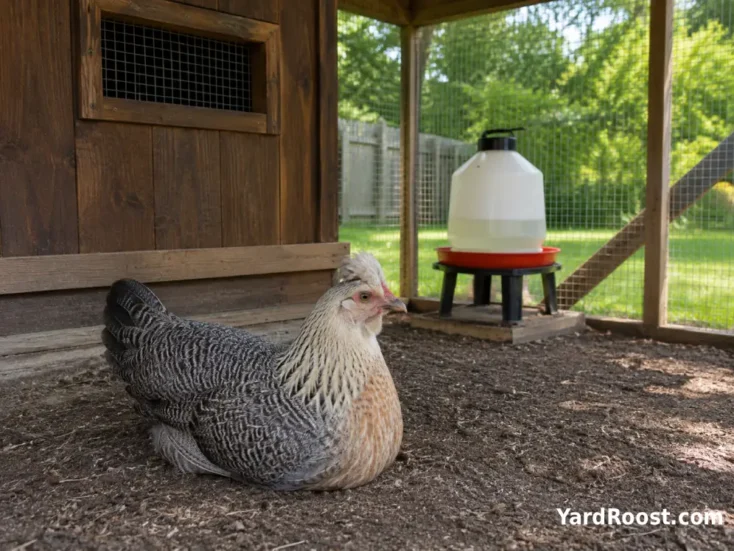
The Cream Legbar chicken stands out before she ever lays an egg. Hens have soft gray-brown plumage, cream-colored neck feathers, a small head crest, and an alert, lightweight build. Then the nest box adds another surprise: blue or blue-green eggs.
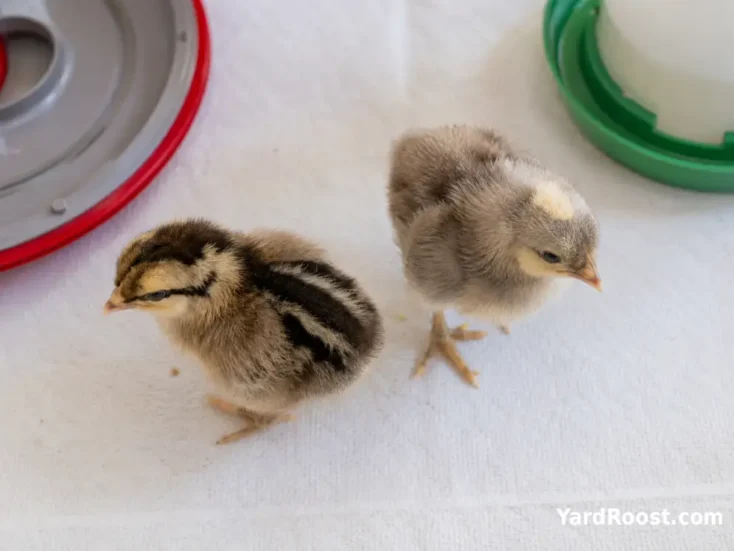
The breed’s most unusual feature appears even earlier. Properly bred Cream Legbar chicks are autosexing, which means pullets and cockerels have visibly different down patterns at hatch. That can make flock planning easier, although buyers should still choose a careful breeder and understand that identification errors are possible.
Cream Legbars are generally active, curious chickens that enjoy foraging and exploring. Many become friendly around a patient keeper, but they are usually more mobile and independent than heavy, slow-moving breeds. They can fit a suburban flock well when they have a secure run, enough room to stay occupied, and thoughtful winter care for their single combs. Oklahoma State University describes the Legbar as a productive blue-egg layer and capable forager, while The Livestock Conservancy traces its autosexing traits to British genetics work involving Leghorns, Barred Plymouth Rocks, and Araucanas.
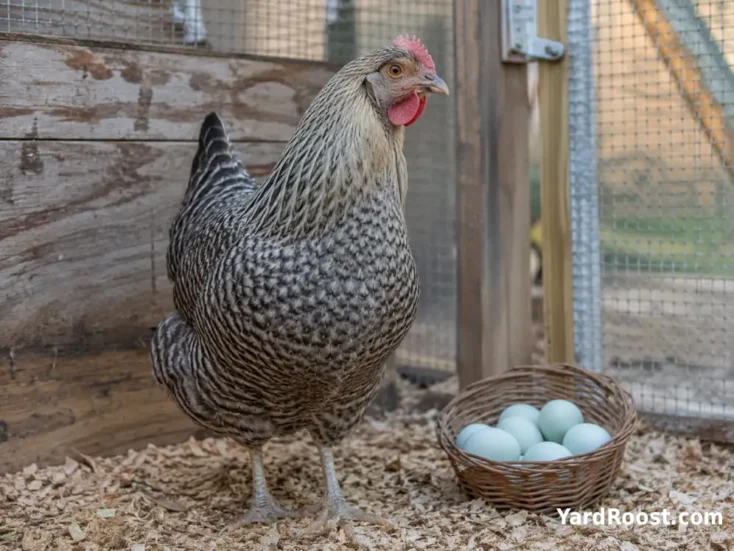
Cream Legbar Chickens At A Glance
| Trait | What Backyard Keepers Can Expect |
|---|---|
| Primary purpose | Egg production with ornamental appeal |
| Egg color | Blue to blue-green, depending on the breeding line |
| Typical egg size | Usually medium, with size often increasing as a pullet matures |
| Adult size | Approximately 4.5–5.5 pounds for hens and 6–7 pounds for roosters |
| Temperament | Alert, active, curious, and often friendly with regular calm handling |
| Foraging | Usually enthusiastic and capable |
| Broodiness | Variable; some hens brood while others remain focused on laying |
| Special traits | Crested head, single comb, blue eggs, and autosexing chicks |
Oklahoma State University reports male Legbars at about 6.6 pounds and females at about 4.4 pounds, while the Cream Legbar Club’s proposed US standard uses somewhat higher show weights. That difference is a useful reminder that hatchery, utility, and carefully selected exhibition lines may not look identical.
This is a practical layer rather than a heavy dual-purpose bird. A Cream Legbar can contribute a steady supply of colorful eggs without eating or moving like a large, broad-bodied breed, but she will usually appreciate more opportunities to explore.
Why The Cream Legbar Is So Distinctive
The Cream Legbar was developed in Britain through genetics work associated with professors Reginald Punnett and Michael Pease. Its ancestry includes the Leghorn, Barred Plymouth Rock, and Araucana. Those contributors helped establish the breed’s productive laying ability, barred autosexing pattern, crest, and blue-egg genetics. The Poultry Club of Great Britain standardized the Cream Legbar in 1958.
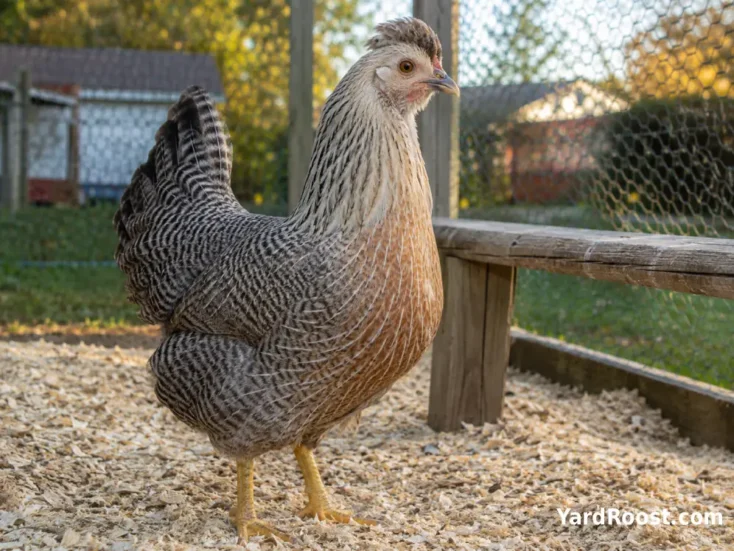
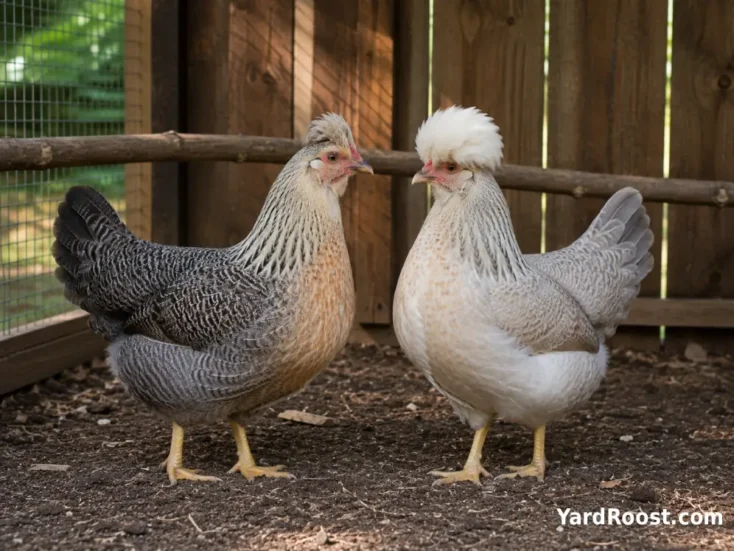
Adult hens commonly combine a gray or gray-brown body with subtle barring, lighter hackle feathers, a warm salmon-colored breast, yellow legs, and a crest behind the comb. Roosters are usually lighter and more strongly barred, with brighter cream hackle and saddle feathers. Appearance varies between lines, so a pale bird, an oversized crest, or an unusually warm-toned hen should be evaluated against the breeder’s breeding goals rather than one online photograph.
The crest should look tidy rather than enormous. Unlike the heavy headgear of some ornamental breeds, a practical Cream Legbar crest normally leaves the bird able to see, forage, and avoid flockmates. The upright single comb is another defining feature, but it also deserves extra observation during damp, freezing weather.
Temperament And Backyard Flock Fit
Cream Legbar temperament is best described as alert and engaged. Many hens are approachable, food-motivated, and easy to manage, but they are not guaranteed lap chickens. A bird from a calm line that receives gentle handling as a chick may become quite personable. Another may prefer staying one arm’s length away while following its keeper around the yard.
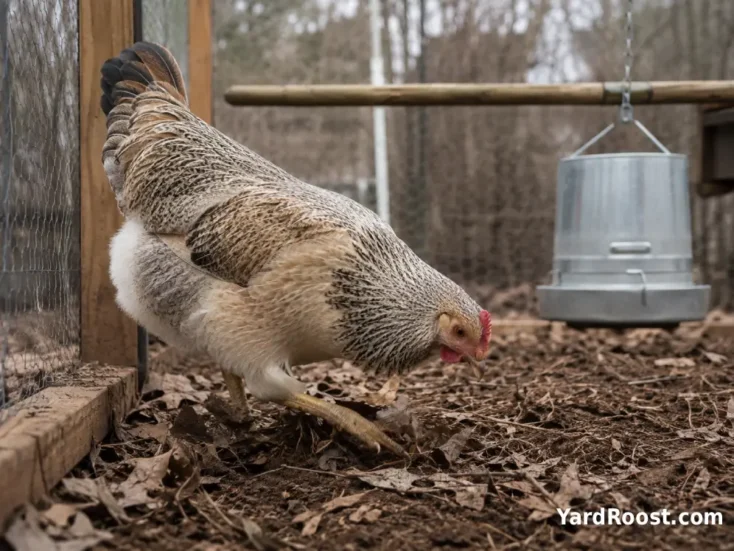
Oklahoma State University describes Legbars as docile and capable foragers. The Cream Legbar Club similarly characterizes them as friendly birds that can adapt to yards and runs, although their active nature is most visible when they have room to investigate grass, leaves, and low perches.
They tend to fit best in a flock that offers:
- A covered or securely fenced run with enough room for active movement.
- Low perches, logs, leaf litter, or other simple opportunities for exploration.
- Multiple feeding stations when housed with heavier or more dominant hens.
- Calm handling that does not involve chasing birds around the run.
A Cream Legbar may be quick enough to avoid minor pecking-order disputes, but that speed does not protect her from serious bullying. Watch new introductions at feeders and roosts, especially when combining lightweight pullets with large, established hens.
Editorial note: A common mistake we see is calling an alert chicken unfriendly simply because she does not enjoy being picked up. Judge the relationship by whether the bird approaches calmly, eats near you, and moves normally in your presence—not by whether she tolerates cuddling.
Cream Legbar Eggs And Laying Expectations
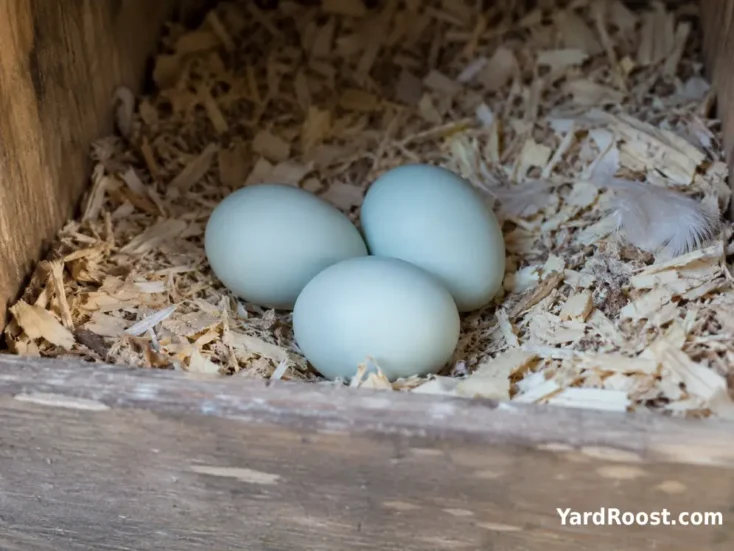
What color eggs do Cream Legbars lay? A well-bred hen should produce blue or blue-green shells. Some lines lay a clear powder blue, while others lean toward pale aqua or greenish blue. The Cream Legbar Club lists blue or green as acceptable shell colors, although many breeders selectively favor a definite blue.
The blue appearance is part of the shell rather than simply a removable brown coating. Texas A&M AgriLife explains that the blue pigment associated with blue-egg breeds penetrates the shell, which is why the inside surface and a broken shell edge can also appear blue. Lighting, the shell’s natural bloom, and the hen’s breeding line can affect how the color looks in a photograph.
For Cream Legbar egg production, Oklahoma State University gives a practical benchmark of about four medium eggs during a productive week. Treat that as a breed-level estimate, not a promise. Individual hens may lay more or less depending on age, genetics, nutrition, daylight, molt, weather, stress, and health.
Many pullets begin laying near 20–24 weeks old, but the calendar should not become a deadline. University of Minnesota Extension uses about 20 weeks as a general starting point for layer pullets. A Cream Legbar that reaches that age during shortening fall days may take longer, and some breeding lines mature later than others. Look for a reddening comb, interest in nest boxes, a widening pelvis, and submissive squatting as signs that laying may be approaching.
Once laying begins, use a complete layer ration or follow the feed manufacturer’s age and production directions. Treats and forage add interest, but they should not replace balanced layer feed. Collect eggs frequently, discard cracked shells, refrigerate collected eggs, and wash hands after handling eggs or coop equipment. The CDC notes that healthy-looking backyard poultry can still carry Salmonella.
How Autosexing Cream Legbar Chicks Works
Autosexing means male and female chicks inherit visibly different down patterns that can be repeated within the breed generation after generation. That differs from commercial sex-linked hybrids, whose useful color distinction generally does not breed true when the hybrids are mated together. The Livestock Conservancy identifies the Cream Legbar as one of the breeds created by stabilizing these inherited hatch-day markings.
| Day-Old Chick | Typical Down Pattern |
|---|---|
| Pullet | Darker brown down with clearly defined dark back stripes and stronger markings around the eyes |
| Cockerel | Lighter overall down, less sharply defined striping, and often a pale spot on the head |
Oklahoma State University describes female chicks as darker with distinct back stripes, while males are lighter and show a pale head spot. The difference is normally clearest shortly after hatch, before juvenile feathers begin replacing the down.
Autosexing is useful, but it is not an excuse to buy from an unknown source without asking questions. Blurry markings, mixed ancestry, poorly selected breeding stock, and unusual color varieties may reduce clarity. Ask the breeder whether the chicks came from a line selected for reliable hatch-day sex differences and what happens if a chick was identified incorrectly.
At two weeks old, do not rely on personality, chest posture, crest size, or one rapidly growing wing feather to overturn a careful hatch-day identification. Comb growth and feather development may offer clues as chicks age, but those traits overlap. Keep the breeder’s original identification, photograph the chicks regularly, and reassess with several physical signs rather than one behavior.
Everyday Care Through Heat, Cold, And Confinement
Cream Legbars need the same foundation as other laying hens: balanced feed, clean water, dry bedding, fresh air, safe roosts, and protection from predators. Their lighter build and active personality add two practical considerations. They benefit from usable run space and enrichment, and they may test low fencing or an uncovered pen more readily than a heavy hen.
Cold Weather
The single comb has exposed points that deserve attention in freezing weather. Keep the coop dry and ventilated above roost level rather than closing every opening. Condensation, damp bedding, and a sharp ammonia smell are signs that moisture and air quality need correction. University of Minnesota Extension notes that chickens with larger combs may require extra cold-weather care and that moisture control is important for reducing frostbite risk.
Do not assume the solution is automatically a heat lamp. Start with dry bedding, draft protection at bird level, unfrozen water, adequate feed, and safe ventilation. Any electrical heat source should be approved for livestock use, secured according to the manufacturer’s instructions, and kept away from litter and water.
Warm Weather
Provide deep shade during the hottest part of the day, more than one water point for a mixed flock, and enough airflow that birds are not resting in trapped hot air. Check the flock during afternoon heat rather than relying on the morning forecast. Persistent open-mouth breathing, severe lethargy, weakness, collapse, or a bird unable to reach water warrants immediate cooling support and professional guidance.
New Birds And Biosecurity
Source chicks or started birds from a responsible hatchery or breeder, keep transport equipment clean, and quarantine older additions before flock contact. USDA APHIS recommends a 30-day quarantine for new poultry in its biosecurity workbook, with daily observation for respiratory signs, swelling, external parasites, and other health concerns. Read our guide to introducing new chickens before moving a young Cream Legbar into an established flock.
When To Get Professional Help
Separate and observe any bird showing marked breathing difficulty, repeated coughing or nasal discharge, inability to stand, severe injury, neurological signs, sudden major egg-production decline across the flock, or unexplained death. Contact an avian veterinarian, poultry veterinarian, state veterinary office, or local extension service rather than attempting to diagnose or medicate the flock from appearance alone. USDA advises owners to isolate sick birds and report serious or unusual illness to veterinary or animal-health officials.
Cream Legbar Eggs Vs Ameraucana Eggs
Cream Legbars and Ameraucanas can both lay genuinely blue eggs. A carton may show differences in saturation or green tint, but shell color alone cannot reliably identify which breed laid an egg. Breeding line and individual hen matter too much.
| Feature | Cream Legbar | Ameraucana |
|---|---|---|
| Egg color | Blue to blue-green | Blue |
| Head features | Small crest behind a single comb | Beard and muffs rather than a crest |
| Leg color | Generally yellow | Slate blue |
| Typical activity | Active, alert forager | Often calm and moderately active |
| Production estimate | Oklahoma State profile: about four eggs weekly | Oklahoma State profile: about three eggs weekly |
Oklahoma State University distinguishes Ameraucanas by their beard, muffs, and slate-blue legs and describes them as moderate blue-egg layers. Its Legbar profile emphasizes the crest, yellow skin, autosexing chicks, and somewhat higher estimated weekly production. These figures are useful comparison points, but neither is a guaranteed schedule for an individual hen.
Choose between them based on the whole bird. Cream Legbars suit keepers who value autosexing chicks, a crested appearance, and active foraging. Ameraucanas may appeal more to someone who prefers muffs, a beard, and a different body type.
White, Opal, And Other Legbar Names
Cream Legbar, Crested Cream Legbar, and crested Cream Legbar are often used for the same general breed in US flock discussions. The crest is already a defining Cream Legbar feature, so adding crested usually emphasizes appearance rather than identifying a separate breed.
A White Legbar is different in plumage. The Cream Legbar Club describes its white birds as true-breeding Legbars that retain crests and blue or green egg production. Their pale chick down can make the usual hatch-day sex markings less obvious, so buyers should not assume white chicks will be as straightforward to identify as traditionally colored Cream Legbar chicks.
The name Opal Legbar also appears in breeder listings. That label alone does not confirm ancestry, stable color, reliable autosexing, egg shade, or conformity to a shared standard. Ask the seller what Opal means in that specific breeding program, how many generations the line has bred consistently, whether the chicks remain autosexing, and what egg colors the hens actually produce.
Similar caution applies to any unusual Legbar color. A beautiful bird may still be a good backyard chicken, but buyers should know whether they are purchasing a consistently bred variety, a developing project line, or a cross. Photographs of parents, hatch-day chick patterns, adult offspring, and the hens’ eggs are more useful than a creative color name by itself.
Common Mistakes To Avoi
- Buying only for egg color: Ask to see eggs from the breeder’s mature hens. Blue-green can look very different from the clear blue a buyer pictured.
- Treating autosexing as infallible: Choose a line with clear chick markings and learn the seller’s policy for identification errors.
- Expecting a quiet, slow-moving pet: Cream Legbars are often friendly, but their alert nature and interest in foraging can make them busier than heavy breeds.
- Using an uncovered or weakly fenced run: A secure roof or cover helps contain active birds while also reducing exposure to aerial predators and wild-bird droppings.
- Sealing the coop during winter: Block direct drafts at roost level while preserving high ventilation that removes moisture and stale air.
- Expecting identical production all year: Molt, shorter days, age, weather, stress, and diet can all change laying frequency.
- Skipping quarantine for started birds: A healthy-looking addition may still introduce parasites or infectious disease to the resident flock.
Editorial note: The blue eggs attract most first-time buyers, but the better question is whether the bird’s activity level suits the available setup. A secure, interesting run will matter every day; egg color matters only when you open the nest box.
Is A Cream Legbar Right For Your Flock?
A Cream Legbar is a strong choice for a keeper who wants blue eggs, an active forager, distinctive plumage, and chicks that can usually be identified by sex at hatch. The breed can work in a suburban flock, provided the run is secure and interesting enough for a curious, lightweight chicken.
It may be a less comfortable match for someone seeking a very heavy, slow, consistently cuddly hen or a bird that will thrive in a bare, cramped pen. Temperament, egg shade, laying rate, and hatch-day markings also vary by line, so breeder selection matters at least as much as the breed name.
Before bringing Cream Legbar chicks home, confirm the expected egg color, ask how the breeding flock is selected, prepare a safe brooder, and decide how future pullets will be introduced to the resident flock. With realistic expectations and sound everyday care, Cream Legbar chickens offer much more than a colorful carton: they are observant, useful birds with one of the most interesting genetic histories in the backyard coop.