Yes, you can get Salmonella from eggs. A contaminated egg may carry the bacteria on its shell or, less commonly, inside the egg. Infection can happen when someone eats a raw or undercooked egg, handles a contaminated shell and then touches food or their mouth, or spreads bacteria from raw egg onto utensils and kitchen surfaces.
Fresh backyard eggs are not automatically contaminated, and most eggs are eaten without causing illness. However, a clean shell, firm appearance, or healthy-looking hen cannot prove that an egg is free of Salmonella. The safer approach is to treat every egg as a perishable raw food: collect it carefully, refrigerate it promptly, prevent cross-contamination, and cook it thoroughly.
YardRoost provides practical flock and food-safety information, not medical or veterinary diagnosis. Contact a healthcare professional if a person becomes seriously ill, and consult an avian veterinarian, poultry veterinarian, or local extension office when several birds develop unusual symptoms.
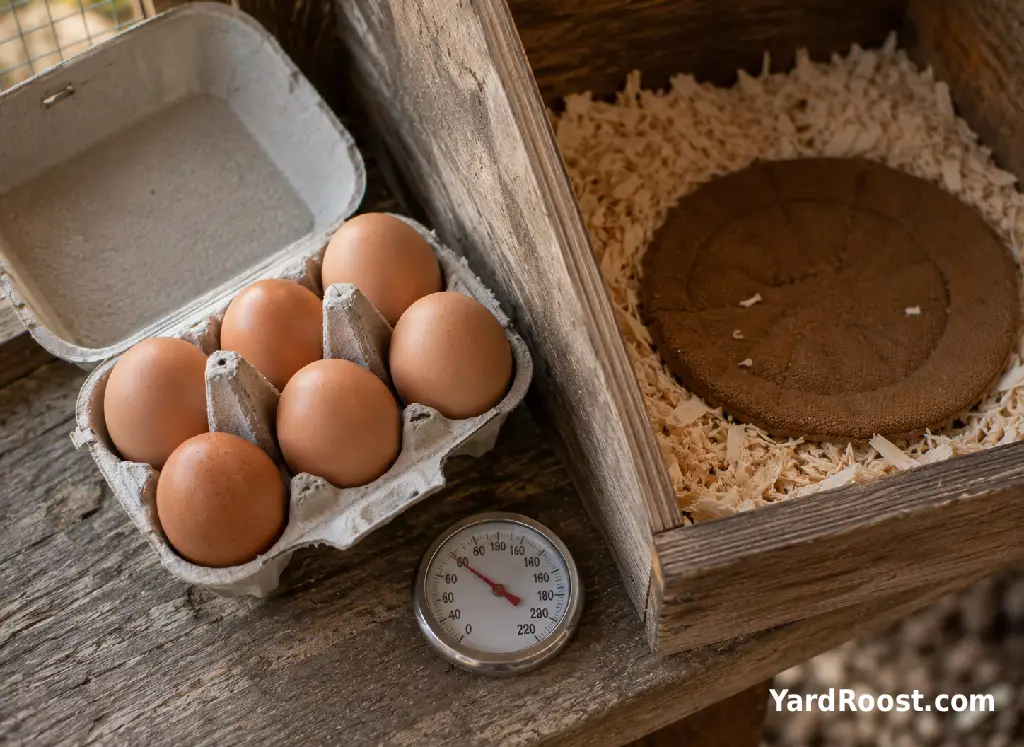
Can You Get Salmonella From Eggs?
Salmonella poisoning from eggs usually occurs when bacteria are swallowed. Common routes include eating raw egg batter, drinking a beverage made with untreated raw eggs, eating an egg with a runny white or yolk, or touching a contaminated shell before handling ready-to-eat food.
The bacteria are too small to see, and contamination does not necessarily change an egg’s smell, color, or taste. Even clean, uncracked eggs can occasionally contain Salmonella, which is why appearance alone is not an adequate safety check.
The practical answer is not to fear homegrown eggs. It is to build several small safety barriers between the nest box and the plate. Clean nests reduce shell contamination, refrigeration slows bacterial growth, handwashing limits transfer, and sufficient cooking kills Salmonella when it is present.
How Do Eggs Get Contaminated With Salmonella?
Chicken eggs can become contaminated in two main ways.
Contamination on the Shell
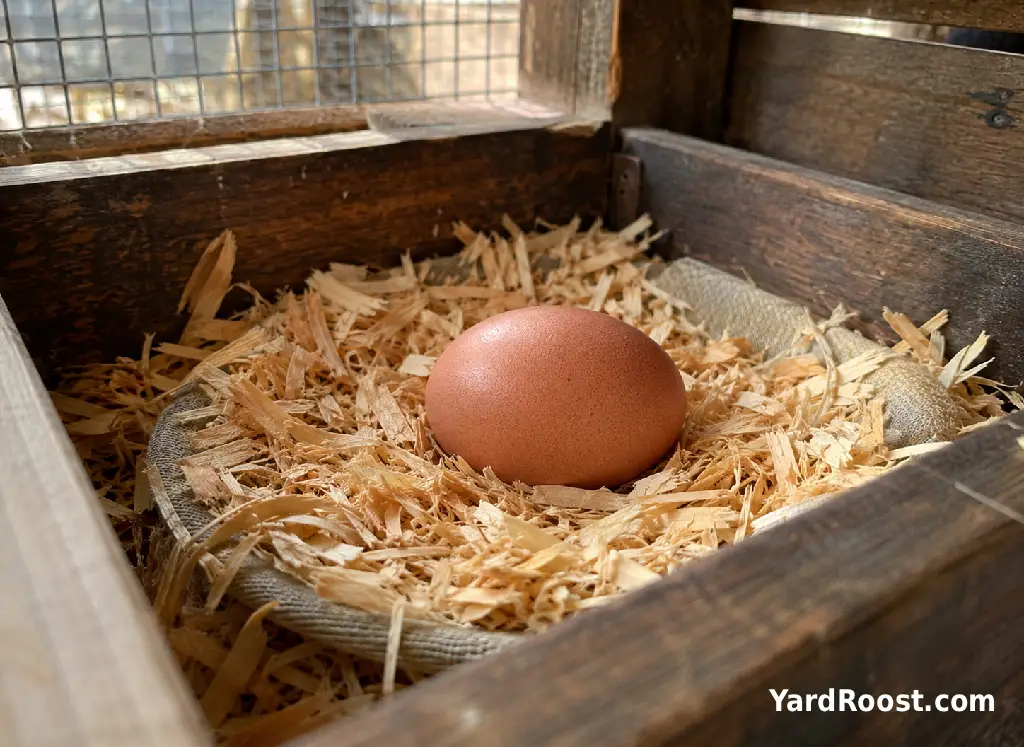
Some chickens carry Salmonella in their intestinal tract and shed the bacteria in their droppings without appearing ill. An egg may pick up bacteria after it is laid if it contacts manure, wet bedding, a dirty nest pad, muddy feet, contaminated equipment, rodents, insects, or other material in the coop.
The shell is a protective barrier, but it is not an excuse to ignore dirt or cracks. Bacteria from the outside can be transferred to the edible portion when the shell is cracked, especially when hands, bowls, or counters have not been cleaned.
Contamination Inside the Egg
Salmonella may also enter an egg while it is forming inside an infected hen. USDA research notes that contamination can involve either the yolk or the white before the egg is laid. Bacteria can also penetrate a shell after laying under unfavorable handling conditions. That means neither the egg white nor the yolk should be assumed safe simply because the shell looks clean.
This internal route is less visible to the flock keeper. Good nest-box management helps with outside contamination, but safe storage and cooking are still needed because washing the shell cannot remove bacteria already inside an egg.
Raw, Runny, and Cooked Eggs Have Different Risks
| Egg Preparation | Practical Salmonella Guidance |
|---|---|
| Raw eggs or raw batter | Carry more risk because no Salmonella-killing cooking step has occurred. Use pasteurized eggs or pasteurized egg products for recipes served raw. |
| Sunny-side-up or soft eggs | A runny yolk or white is not considered fully cooked. Pasteurized eggs are the safer choice when a soft texture is important. |
| Scrambled or fried eggs | Cook until the white and yolk are firm and scrambled eggs are not runny. |
| Casseroles and mixed egg dishes | Cook the center to 160°F and verify it with a food thermometer. |
| Hard-boiled eggs | Thorough cooking greatly reduces Salmonella risk. Refrigerate after cooking and use within one week. |
The FDA recommends cooking eggs until both the white and yolk are firm and cooking casseroles and other egg dishes to 160°F. It also recommends pasteurized shell eggs or pasteurized egg products for foods that remain raw or undercooked, including homemade dressings, ice cream, eggnog, and similar recipes.
Can you get Salmonella from cooked eggs? Proper cooking makes infection much less likely, but cooked eggs can be contaminated again through dirty hands, utensils, serving dishes, or contact with raw egg. They can also become unsafe when left unrefrigerated too long. University of Minnesota Extension advises discarding raw or cooked eggs left at room temperature for more than two hours.
A hard-boiled egg is therefore not permanently protected simply because it was cooked. Keep hard-cooked eggs refrigerated at 40°F or below and avoid returning peeled eggs to a plate or container that previously held raw eggs.

A Safer Backyard Egg Routine
A consistent collection routine does more for egg safety than trying to rescue heavily soiled eggs later. For a small flock, use this simple sequence:
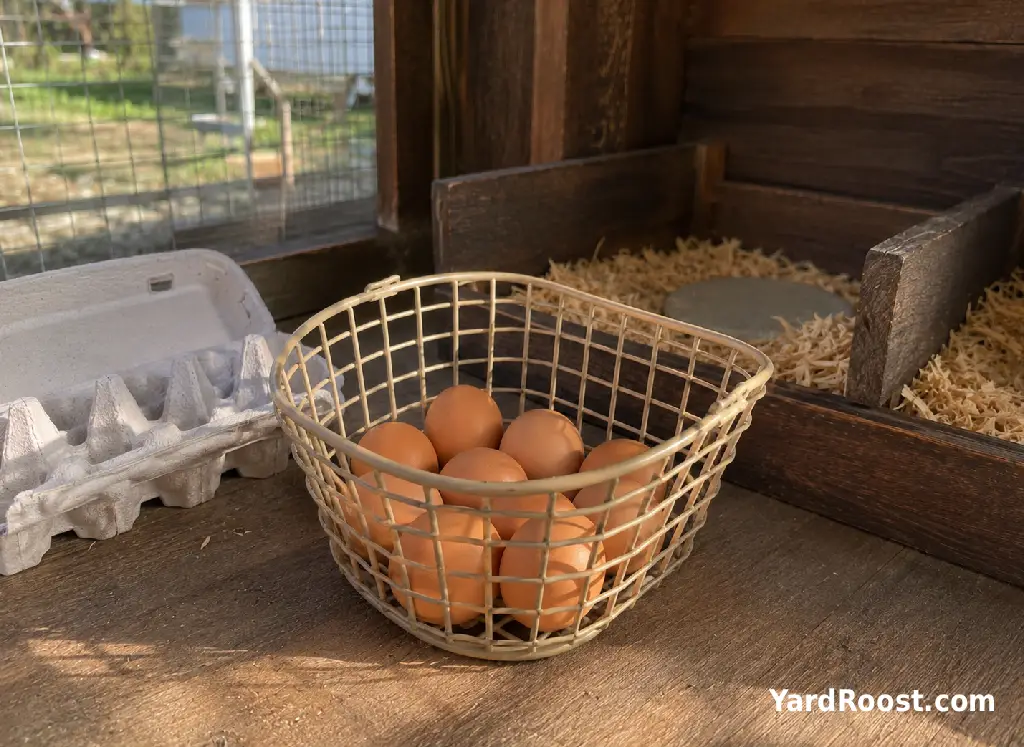
- Collect eggs two or three times daily. More frequent collection is especially useful during very hot weather, freezing weather, or when a hen is sleeping in a nest box.
- Inspect every shell. Discard eggs that are cracked, leaking, broken, or otherwise damaged.
- Keep lightly soiled eggs dry. University of Minnesota Extension recommends dry-cleaning minor debris rather than casually soaking eggs. Wet cleaning requires controlled methods, so follow your state extension guidance and any local egg-sale rules.
- Place eggs in a clean carton. Avoid containers that previously held raw meat, chemicals, dirty coop tools, or cracked eggs.
- Refrigerate promptly. A home refrigerator should remain at 40°F or below. Store eggs in the main refrigerated compartment rather than the warmer door.
- Wash after handling. Clean your hands, bowls, utensils, counters, and other surfaces after contact with raw eggs or shells.
These steps reflect current FDA and land-grant extension guidance for shell-egg storage and preparation.
Crack each egg into a small separate bowl before adding it to a larger recipe. This makes it easier to notice a damaged shell, unusual contents, or off odor without ruining the entire dish. An unusual egg does not confirm Salmonella, but discarding it is a sensible food-quality precaution.
For more detail on shell cleaning, see our guide to storing fresh eggs.
Reduce Salmonella Risk in the Coop and Run
You cannot guarantee that a backyard flock will never encounter Salmonella, but you can make the coop less welcoming to the bacteria and the pests that may spread it. The goal is not a sterile chicken yard. It is a dry, orderly environment where eggs have minimal contact with manure and contaminated material.
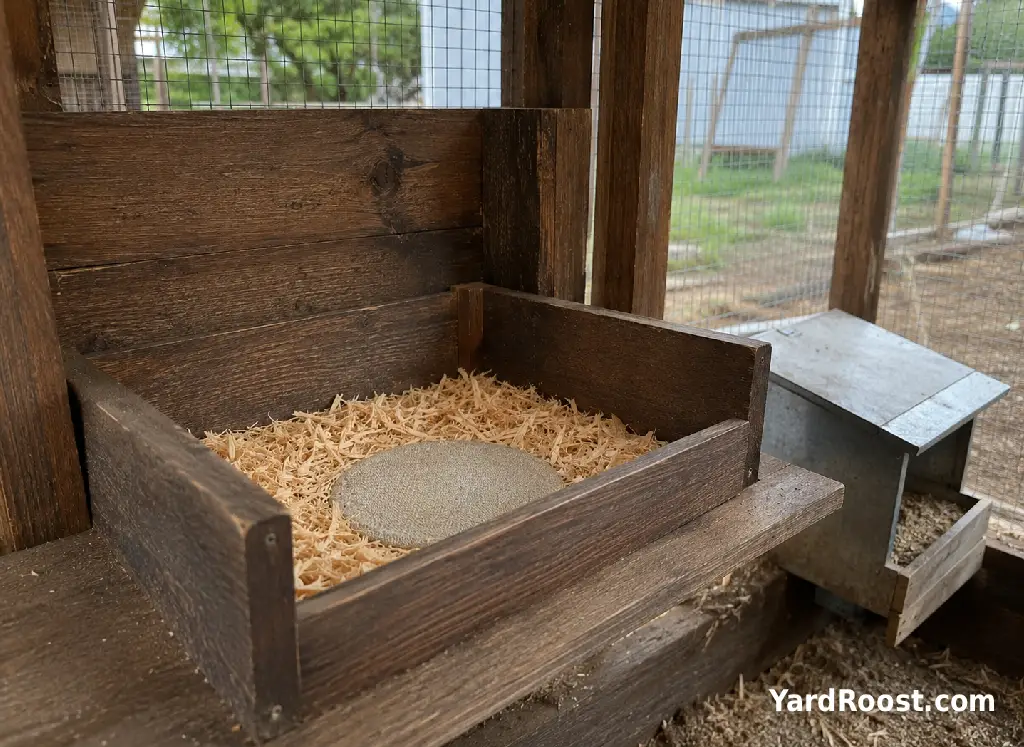
- Replace damp, manure-covered, or broken-egg-soaked nest material promptly.
- Prevent hens from sleeping in nest boxes when practical, because overnight roosting quickly soils the laying area.
- Store feed in a container that rodents and wild birds cannot enter.
- Clean spilled feed and broken eggs before they attract mice, flies, or beetles.
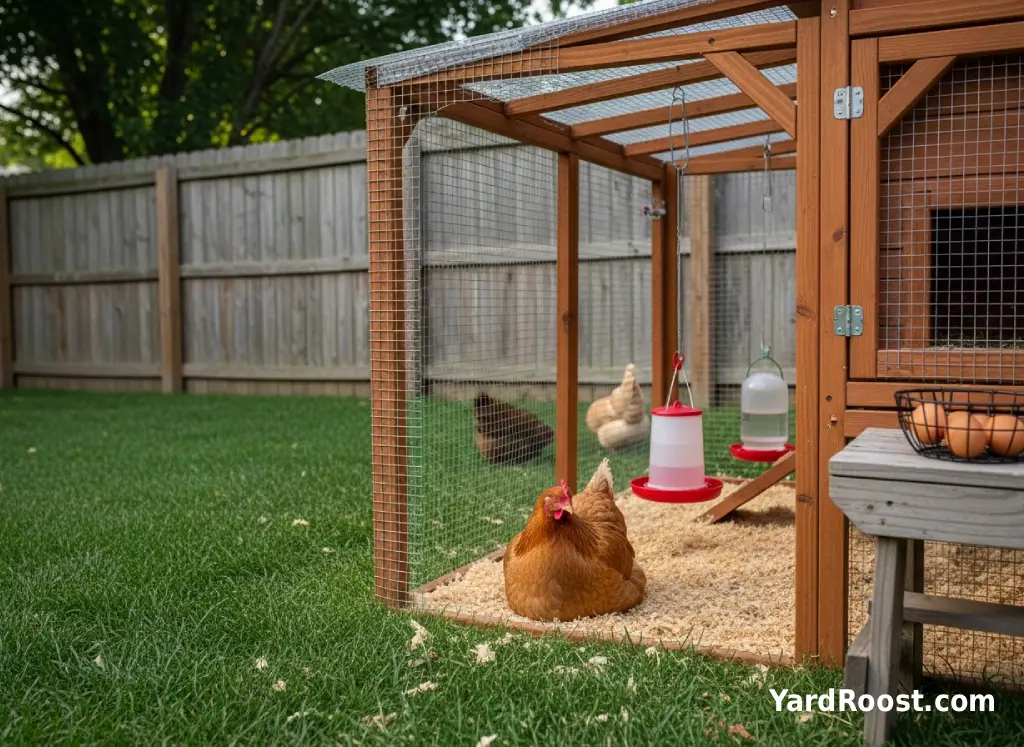
- Keep feeders and waterers positioned to reduce wet litter around the coop.
University of Minnesota Extension identifies rodents, insects, and wild birds as important targets in Salmonella-control programs. USDA biosecurity guidance also recommends protecting feed and poultry areas from wildlife and cleaning equipment before it moves between flocks.
YardRoost editorial note: A common mistake we see is focusing only on visibly dirty eggs while overlooking the damp nest pad or spilled feed that caused the problem. When several eggs suddenly become dirty, check where hens are sleeping, whether bedding is wet, and whether rodents are visiting the feed area.
Use dedicated coop shoes and leave them outside. Clean poultry equipment outdoors rather than in the kitchen sink, and wash your hands after touching birds, eggs, bedding, feeders, or anything in the run. The CDC specifically recommends keeping poultry and their equipment away from household food-preparation areas.
Do All Chickens Have Salmonella?
No, not every chicken has Salmonella, and not every egg is contaminated. However, chickens can sometimes carry and shed the bacteria while looking healthy and clean. That is why a keeper cannot determine a flock’s Salmonella status simply by watching the birds or inspecting their eggs.
There is also no single percentage that accurately describes how common Salmonella is in every backyard flock. Risk can vary with bird source, age, sanitation, pest pressure, biosecurity, previous exposure, testing methods, and local conditions. A negative-looking flock is not the same as a tested-negative flock.
Backyard chickens may be exposed through contaminated droppings, litter, equipment, feed, water, rodents, insects, wild birds, pets, or newly introduced poultry. Reducing contact with these sources lowers risk, but normal flock ownership still requires handwashing and safe egg handling.
Salmonella is not found only in chickens. The CDC has linked infections to many foods and animals, including other meats, produce, sprouts, nut butters, reptiles, and backyard poultry. Eggs and chicken are important food-safety concerns, but they are not the bacteria’s only possible sources.
When to Call an Avian Vet or Extension Office
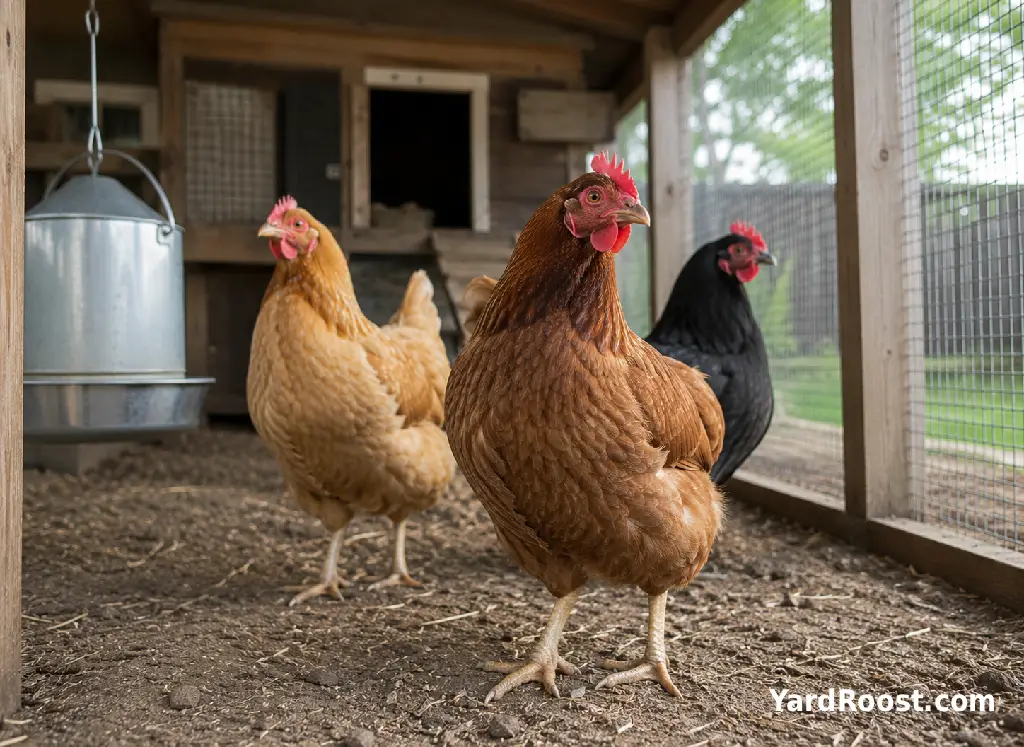
Mature chickens carrying Salmonella may show no outward signs. When illness does occur, possible signs can include lethargy, weakness, diarrhea, dehydration, reduced feed intake, poor growth in young birds, or reduced egg production. These signs are not specific to Salmonella and can occur with many unrelated diseases or management problems.
Contact an avian or poultry veterinarian, your local extension office, or a state poultry diagnostic laboratory when:
- Several birds develop diarrhea, weakness, appetite changes, or a sudden production drop.
- Chicks become weak, stop growing normally, huddle excessively, or die unexpectedly.
- More than one bird dies without an obvious explanation.
- A household member develops Salmonella and public-health officials recommend evaluating animal exposure.
- You need flock testing before selling hatching eggs, introducing valuable breeding birds, or investigating recurring illness.
Move a visibly ill bird to a clean observation area away from the flock when this can be done without causing additional stress. Use separate footwear and equipment, note when the symptoms began, and call a qualified professional. Do not attempt to identify Salmonella from droppings alone or begin medications based on an internet symptom list.
Common Egg-Safety Mistakes to Avoid
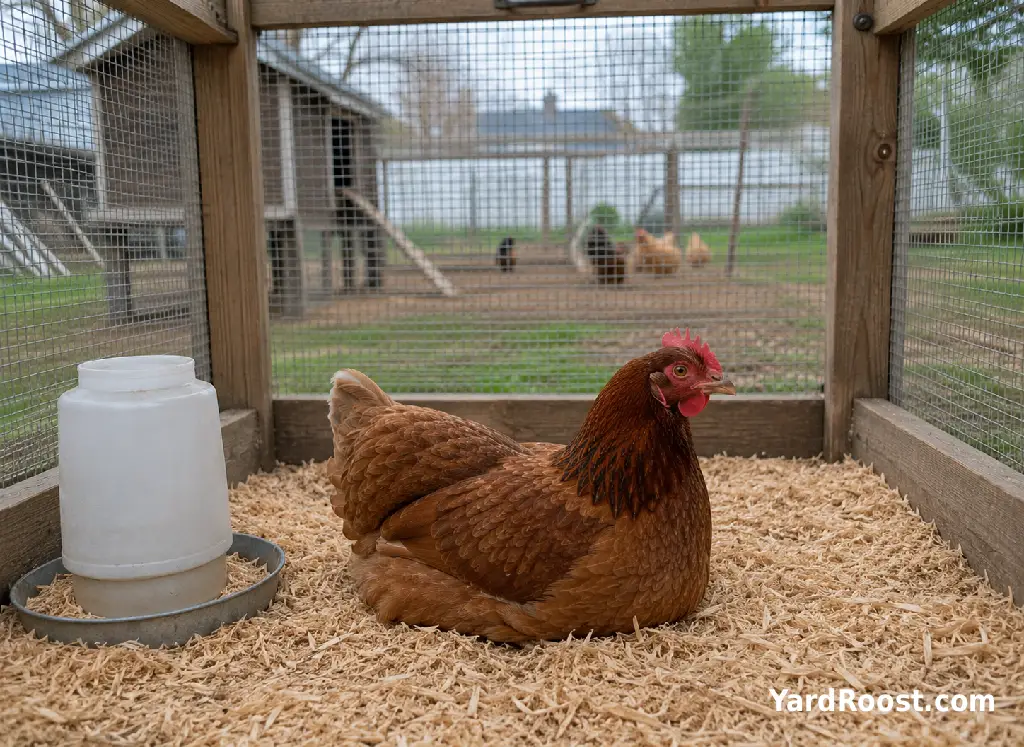
- Assuming fresh means germ-free: An egg laid minutes ago can still be contaminated. Freshness affects quality, not guaranteed safety.
- Saving cracked eggs: Cracks create an easier route for bacteria. Discard cracked or leaking eggs rather than cooking around the damaged area.
- Washing eggs in cool standing water: Soaking and poorly controlled wet cleaning can work against the shell’s natural protection. Use appropriate dry cleaning for minor debris or follow extension-approved wet-cleaning guidance.
- Leaving eggs on the counter indefinitely: US food-safety guidance calls for refrigeration. Keep the refrigerator at 40°F or below.
- Cracking eggs on the mixing-bowl rim: This can transfer material from the shell to the bowl and food. Crack eggs on a clean flat surface or into a separate bowl.
- Using the same cloth everywhere: A damp reusable cloth can move raw-egg residue from one surface to another. Wash contaminated cloths promptly or use a fresh cleaning method.
- Letting children snack in the run: Food, drinks, fingers, and coop surfaces are an easy combination for swallowing germs.
The CDC recommends washing hands with soap and running water after collecting eggs or touching poultry equipment. It also advises against eating or drinking where chickens live and against bringing poultry or their equipment into household food areas.
Salmonella Symptoms in People and When to Get Help
Common Salmonella symptoms in people include diarrhea, fever, stomach cramps, nausea, vomiting, headache, and loss of appetite. Symptoms generally begin between six hours and six days after infection and often last four to seven days.
Young children, adults age 65 and older, pregnant people, and people with weakened immune systems face a greater risk of serious illness from foodborne germs. Households that include someone in a higher-risk group should be especially cautious with raw or runny eggs and should use pasteurized eggs for recipes that are not thoroughly cooked.
The CDC advises contacting a doctor for diarrhea or vomiting lasting more than two days, bloody stool or urine, fever above 102°F, or signs of dehydration such as very dark urine, little urination, extreme thirst, dry mouth, or dizziness. Seek advice sooner for a young child, an older adult, or an immunocompromised person.
Do not try to confirm Salmonella based only on symptoms or assume that the most recently eaten egg was the cause. Many illnesses can cause similar signs, and exposure may have occurred several days earlier.

What About Raw Chicken and Dogs?
Not every piece of raw or undercooked chicken contains Salmonella, just as not every egg is contaminated. The problem is that raw chicken can carry Salmonella and other harmful bacteria without looking or smelling spoiled. It should therefore be handled as potentially contaminated, kept away from ready-to-eat food, and cooked thoroughly.
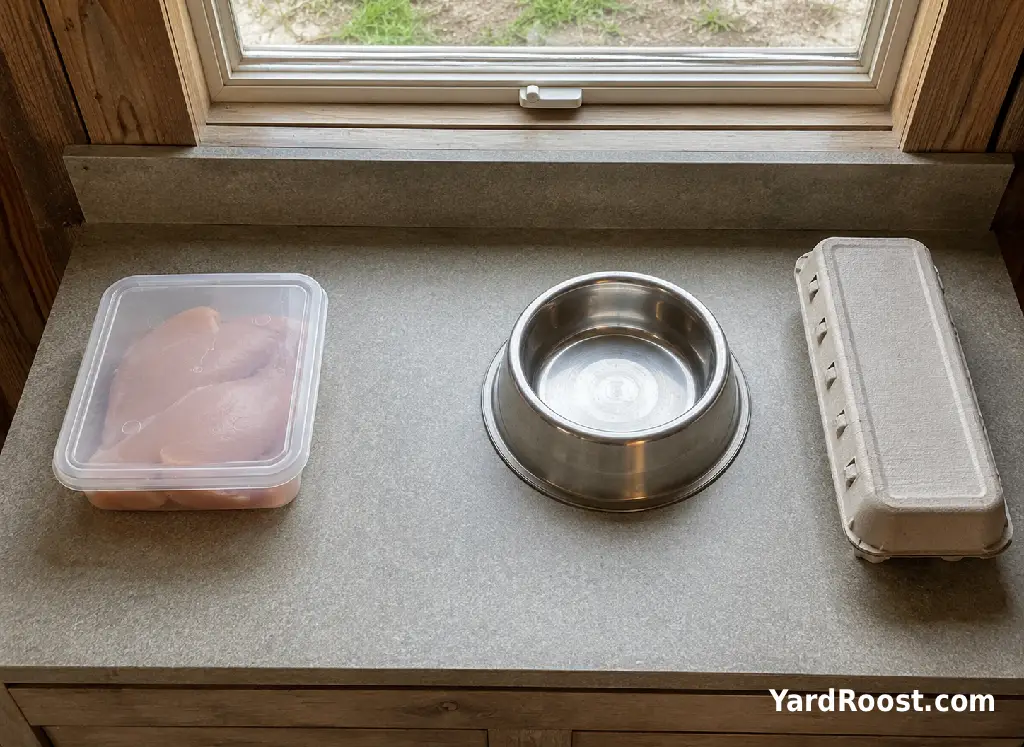
Dogs can become sick from raw chicken or other raw animal proteins, and they may spread foodborne germs around the household through their mouths, bowls, waste, or contaminated surfaces. The CDC does not recommend raw pet food or raw treats for dogs and cats because uncooked animal protein may contain Salmonella and Listeria.
Talk with your veterinarian or a board-certified veterinary nutritionist before making major changes to a dog’s diet. This is particularly important when the household includes young children, older adults, pregnant people, or anyone with a weakened immune system.
Enjoy Backyard Eggs With Practical Precautions
Can you get Salmonella from eggs? Yes, but the risk can be managed without giving up the satisfaction of collecting breakfast from your own coop. Start with dry nest boxes, collect eggs several times a day, discard cracked shells, refrigerate at 40°F or below, wash hands and kitchen equipment, and cook eggs until the white and yolk are firm.
Remember that a healthy hen may still carry germs, a spotless egg is not guaranteed sterile, and thorough cooking cannot protect food that is contaminated again afterward. Think in layers rather than relying on one perfect step: cleaner nests, careful collection, cold storage, clean hands, separate utensils, and adequate cooking.
Check your collection routine this week. A fresh nest pad, covered feed container, clean egg basket, refrigerator thermometer, and soap near the coop are small upgrades that make safe habits much easier to repeat.