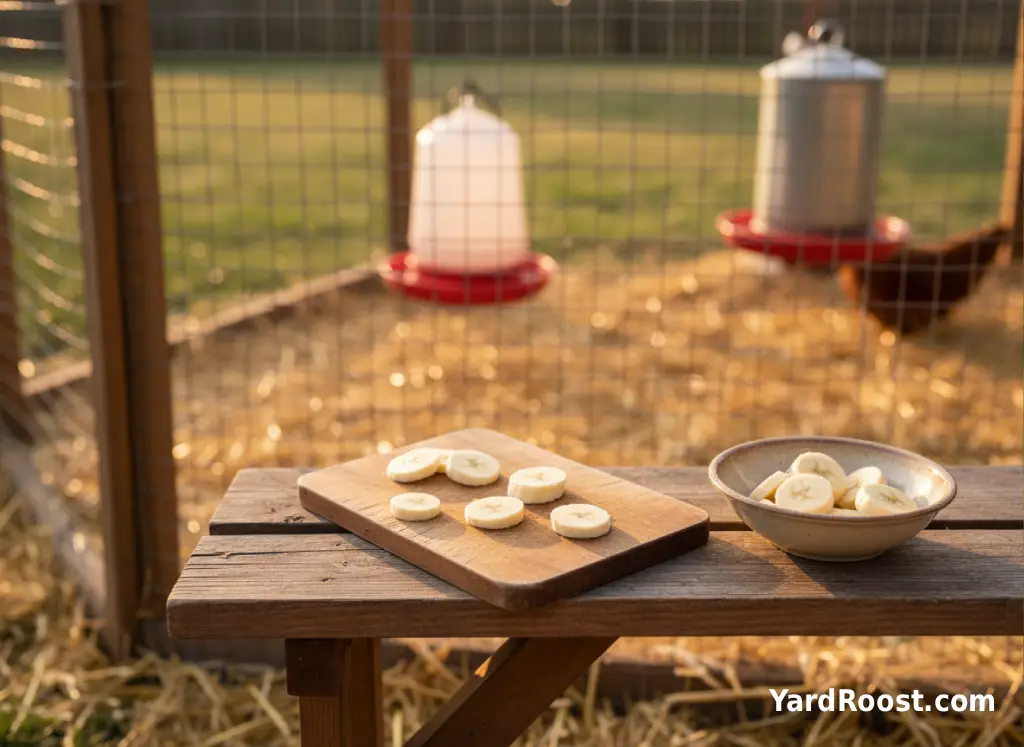
If you’re raising backyard hens for eggs, chicken layer feed is one of the simplest “big wins” you can give your flock. The tricky part is that many feed bags look similar, and the wrong timing (or the wrong extras mixed in) can quietly cause problems: thin shells, wasted feed, messy coops, or birds that fill up on treats instead of balanced nutrition.
Here’s the practical rule of thumb: keep a complete feed as the foundation, then use add-ons (scratch, kitchen scraps, calcium) to support your goals instead of replacing the basics. Most layer chicken feed is formulated for birds that are actively laying, with protein around the mid-teens and higher calcium for shells (Oregon State University Extension discusses typical layer-feed protein and calcium ranges). That calcium is exactly why young, growing birds should not live on layer rations.
We’re not a veterinary service, but we do lean on trusted sources like land-grant university Extension programs and the CDC for safety and flock-health basics. Let’s make “chicken feed for laying hens” feel straightforward.
What Chicken Layer Feed Actually Does (And What It Isn’t)
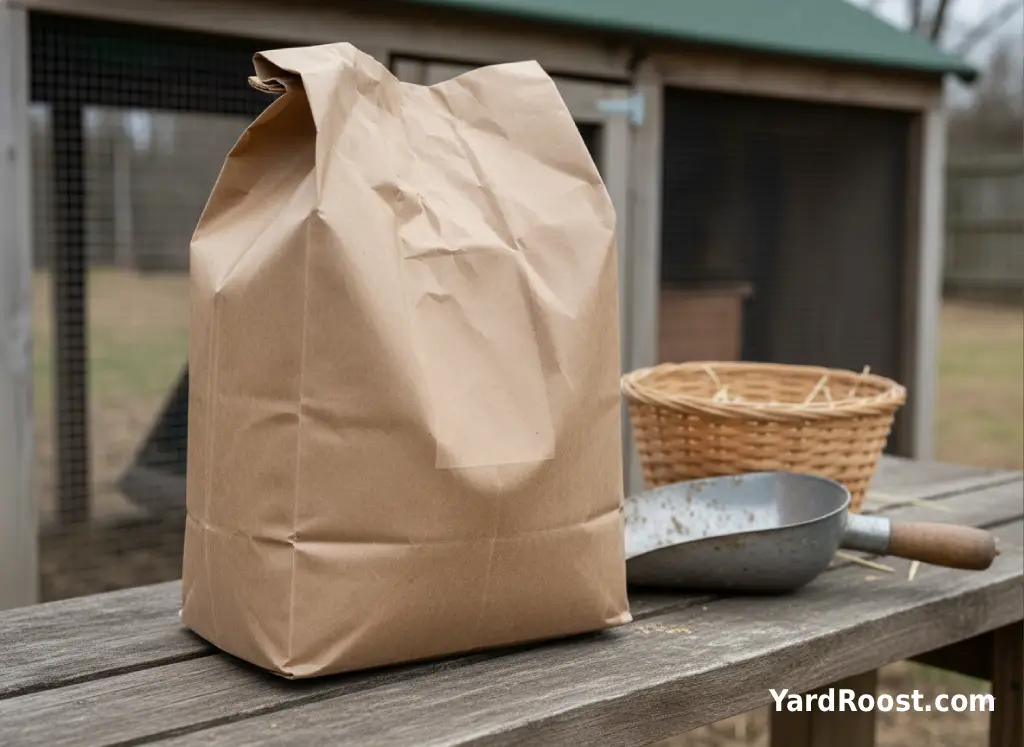
Chicken layer feed is a complete ration designed to support consistent egg laying: steady energy, adequate protein, and enough calcium for shells so hens don’t have to pull as much from their own body stores. Oregon State University Extension notes that typical layer feeds contain about 16% protein and added calcium in the 3–4% range, which is a big shift compared to feeds meant for growing birds.
Layer feed for chicken flocks is not a “magic egg button,” though. If hens are stressed, molting, overheated, under-lit, or dealing with parasites or illness, you may still see a dip in production. What layer feed does best is remove nutrition as the limiting factor.
One more misconception: scratch and cracked corn are not “layer feed.” Scratch is an energy treat, not a balanced diet. Maryland Extension and the University of Illinois College of Veterinary Medicine both emphasize moderation with scratch/treats so hens don’t crowd out the complete ration.
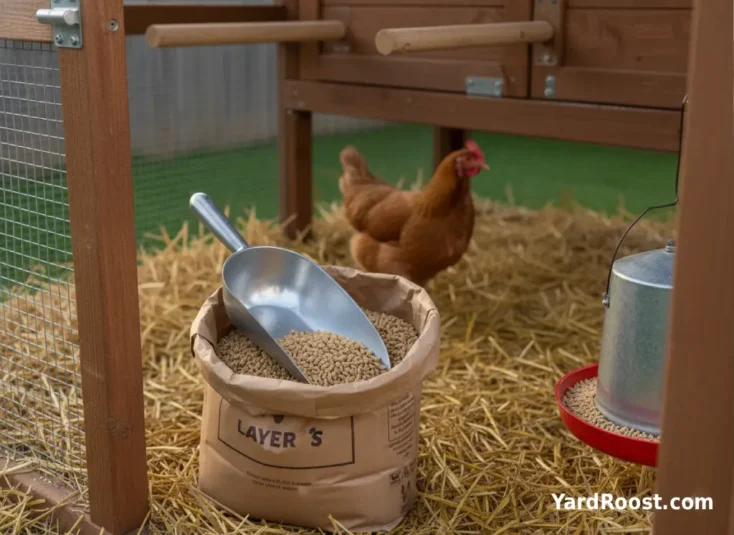
How to Read a Feed Tag for Egg-Laying Hens
If you’ve ever wondered, what is the best chicken feed for laying eggs, the answer usually starts with the label. A few quick checks tell you whether you’re holding a true “complete layer ration” or something that needs extra balancing.
- Protein: Many reputable layer feeds land around 16% crude protein (Oregon State University Extension). If a bag is much lower, it may be closer to scratch or a partial mix.
- Calcium: Layer rations commonly list calcium in a higher range than grower feeds. University of Maine Extension and Poultry Extension (poultry.extension.org) describe laying diets commonly around roughly 2.5% to 3.5% calcium, while Oregon State University Extension discusses 3–4% as typical for layer feeds. Real-world labels vary by brand and formulation, so look for a clearly higher calcium line than a grower ration.
- Complete vs. supplement: If it’s marketed as “complete,” it should be designed as the main ration without requiring you to mix in grains.
If you’re comparing “best chicken feed for laying hens” options, keep your goals realistic: a complete, fresh, properly stored feed matched to your hens’ life stage beats a “fancier” bag that sits open in humid air for months.
When Can Chicks Eat Layer Feed? (Timing Matters)
This is one of the most common beginner questions: when can chicks eat layer feed? In most backyard setups, the safer, simpler answer is: don’t rush it. Oregon State University Extension recommends starting layer feed at about 18–20 weeks of age or when the first egg is laid, whichever happens first. LSU AgCenter similarly notes starting birds on a layer ration at about 18 weeks and avoiding layer rations for young birds.
Why the caution? Layer feed is higher in calcium than young birds need. Poultry Extension (poultry.extension.org) notes that growing chickens have much lower calcium requirements than laying hens, and high-calcium diets for growing birds can contribute to kidney damage. That’s the core reason many keepers use starter/grower or grower rations until pullets are close to laying.
If you have a mixed-age flock, consider a “flock” or “all-purpose” feed plus separate, free-choice calcium offered only where laying hens can access it (more on that below). It’s often easier than trying to manage who eats what out of one feeder.
How to Feed Layer Chicken Feed Day to Day (Without Waste)
“Chicken feed for egg production” works best when hens can reliably eat the balanced ration before they load up on snacks. Most keepers do well with free-choice access to a complete layer feed during daylight hours and then manage treats intentionally.
Two practical habits make a big difference:
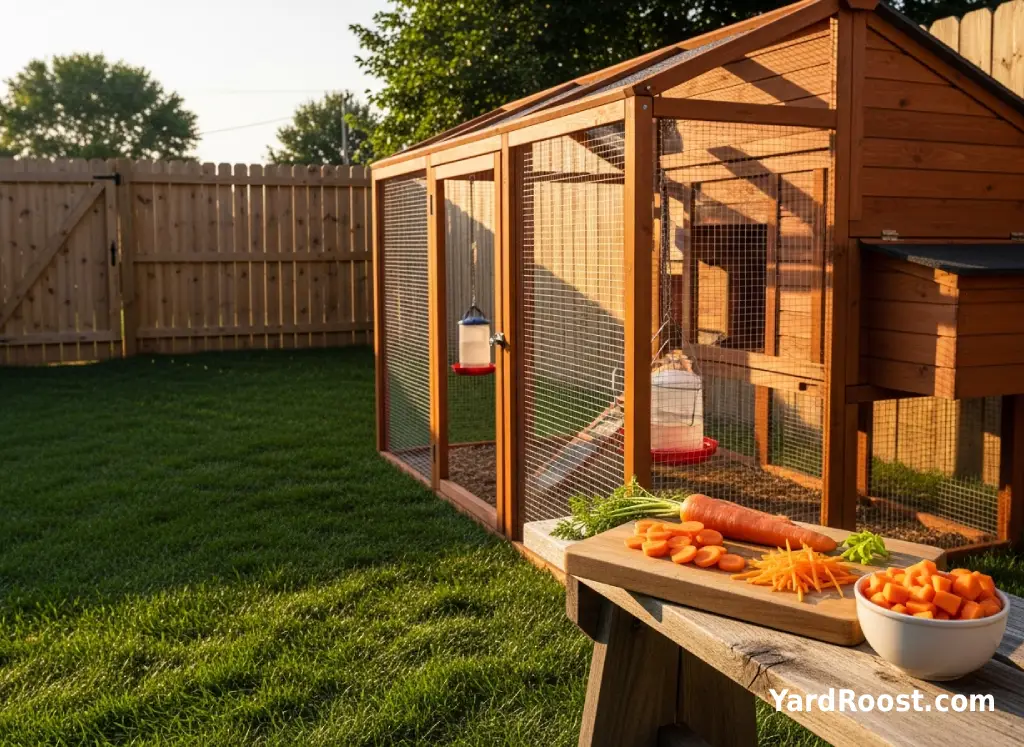
First, set feeder height so hens can comfortably eat but don’t rake feed out with their beaks. A good starting point is keeping the lip of the feeder around the birds’ back height, then adjusting if you see scratching or head-flinging that sends pellets everywhere.
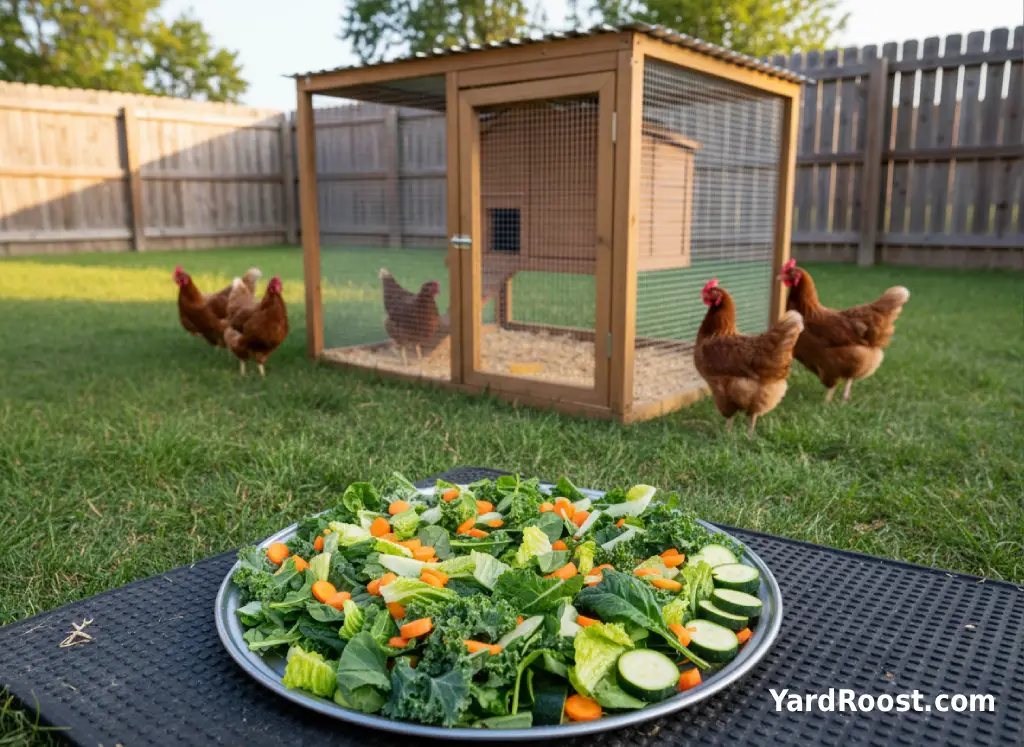
Second, treat scratch like dessert. Maryland Extension and the University of Illinois College of Veterinary Medicine both point out that scratch/treats should be limited so they don’t become a big chunk of the diet; a common guideline is keeping scratch around 10% of daily intake. If you notice hens rushing treats and leaving pellets behind, that’s your signal to cut back.
For more on keeping feed dry and fresh in different weather, our internal guide can help: Chicken Coop Ventilation Guide.
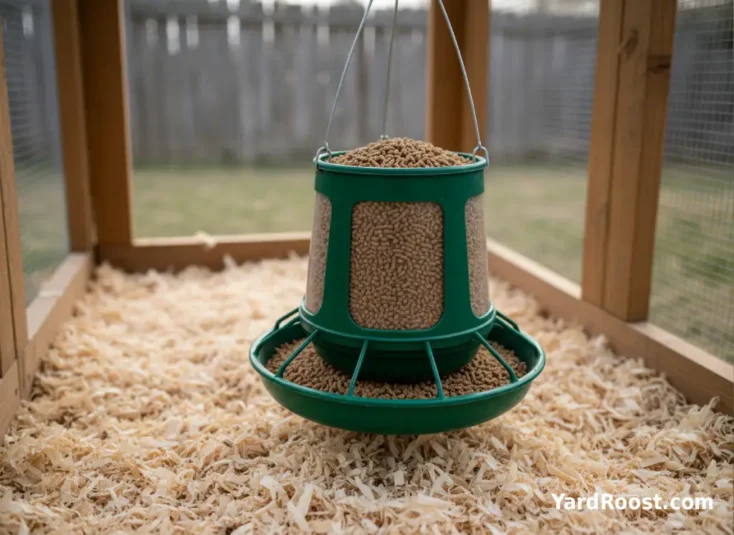
Calcium, Oyster Shell, and Grit: Set It Up the Simple Way
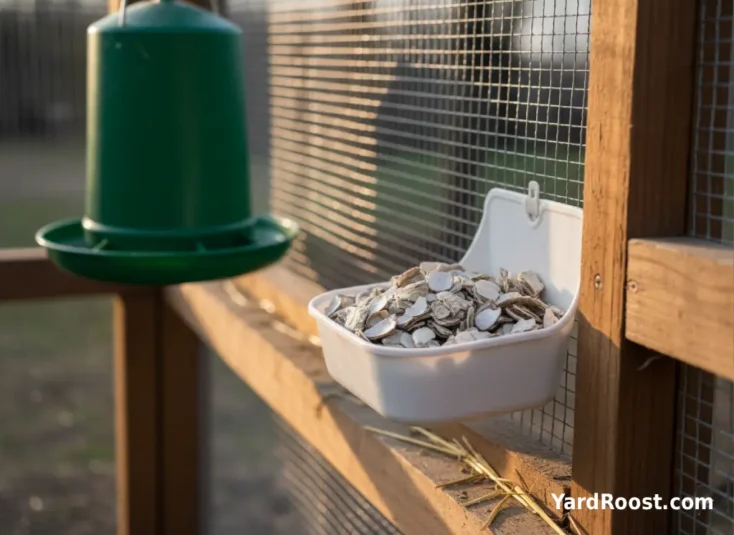
Layer feeds already contain added calcium, but some hens still do better with a separate, free-choice calcium source like oyster shell. University of Maine Extension notes checking the feed tag for calcium and that oyster shell/limestone can be offered as an additional calcium source. Colorado State University Extension also describes offering a calcium supplement free-choice in small-flock feeding systems.
The key detail: offer calcium separately, not mixed into the main feed. Hens self-regulate surprisingly well when they can choose it, and not every bird needs the same amount every day.
Grit is a different tool. If your birds mostly eat pellets/crumbles and forage a bit, they may pick up small stones naturally. But if you regularly feed whole grains, scratch, or lots of fibrous treats, grit helps birds grind food in the gizzard (Maryland Extension discusses grit in the context of scratch grains).
Homemade Chicken Feed for Laying Hens: What to Know Before You Try It
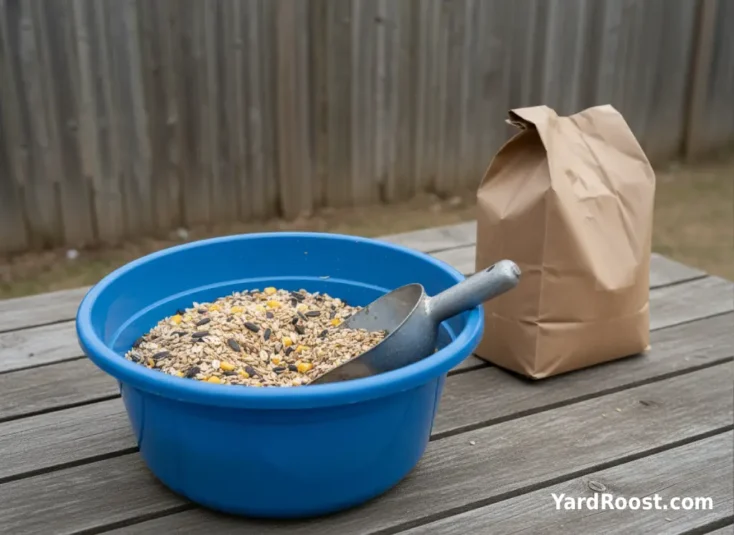
Homemade chicken feed for laying hens sounds appealing (control ingredients, maybe save money), but it’s easy to accidentally leave out key vitamins and minerals that commercial rations are designed to include. That’s why many Extension programs emphasize using a complete feed as the foundation for backyard flocks, then adding grains only as a small supplement.
If you want to experiment without risking imbalance, a safer approach is “don’t replace the complete feed.” Colorado State University Extension describes feeding systems that use a concentrate plus grains and calcium, but it also notes that all-mash (complete ration) is simpler and more uniform for most small flock owners.
Practical guardrails if you’re tempted to DIY:
- Keep a complete layer ration as the main feed, and treat your homemade mix as a limited supplement.
- Don’t “dilute” the ration heavily with corn/scratch; Maryland Extension and Illinois Vet Med both warn against letting treats become a big share of intake.
- Watch body condition and egg quality closely for a few weeks; if shells thin or production dips, go back to a complete ration first.
Egg Production Troubleshooting: Feed-Related Clues to Look For
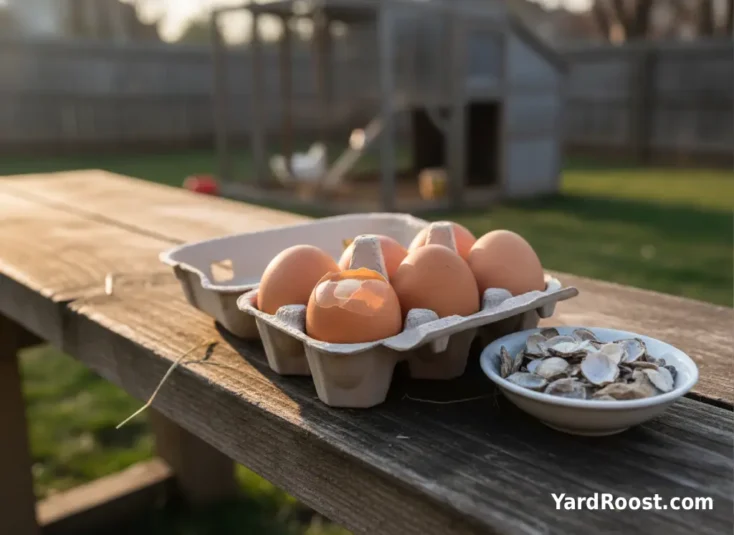
When eggs look “off,” the feed setup is a good first place to check because it’s something you can fix quickly and safely. University sources note that layer diets are formulated to support shells with higher calcium, and that free-choice oyster shell can help some hens (University of Maine Extension; Colorado State University Extension).
Here are feed-related clues that often point to a simple adjustment:
- Thin shells or shell-less eggs: confirm you’re on a true layer ration and that hens can access it consistently; consider offering oyster shell free-choice (not mixed into feed).
- Pale yolks: often more about diet variety (greens/forage) than “bad feed,” but make sure treats haven’t crowded out the complete ration.
- Feed left behind but treats disappear: reduce scratch and table scraps; Maryland Extension suggests keeping scratch around a small portion of intake.
- Messy feeders and lots of fines: try a different form (pellets vs crumbles), and adjust feeder height to reduce tossing.
A common mistake we see is people “helping” by mixing oyster shell or scratch directly into the feeder. The hens usually pick out the tasty bits first, and the balanced ration suffers. Keep the complete feed plain, then offer add-ons separately so you can see what’s actually being eaten.
If production drops suddenly across the flock, or birds seem unwell, nutrition might not be the only factor. Safe first steps include checking that water is available, feed is fresh and dry, and hens are not overheating. For persistent or severe issues, it’s smart to consult an avian veterinarian.
Seasonal Feeding Adjustments: Heat, Cold, and Molt
Feed intake changes with weather. Minnesota Extension notes that consumption may increase in winter and decrease in summer heat. That doesn’t mean you should “fix” it by tossing extra corn or doubling treats; it usually means you should keep the complete ration available and focus on comfort.
In hot weather, birds often eat less. Keep feed dry, offer it in the cooler parts of the day, and prioritize shade and airflow. In cold weather, hens may eat more because they’re burning calories. Let the complete layer ration do the work, and keep scratch as a small, intentional treat rather than the main calorie source.
Molt is its own season. Many hens lay less (or stop) while replacing feathers. You can keep them on a balanced feed and avoid overcorrecting with heavy treats. If you’re worried about sustained weight loss, or birds look ill rather than simply “molt-ragged,” an avian vet can help you sort normal from not-normal.
Safety and Biosecurity: Feed Storage, Rodents, and Salmonella Hygiene
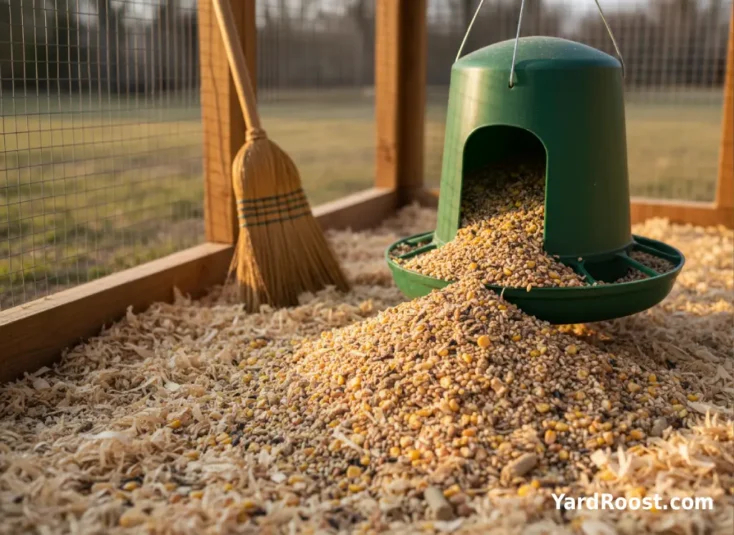
Feed choices are only half the story; feed storage and handling matter just as much. Keep feed in a sealed container to reduce moisture and rodent interest. Rodents don’t just steal feed, they also contaminate it.
For family safety, the CDC repeatedly emphasizes handwashing after touching backyard poultry, eggs, or anything in their environment. That includes feeders, waterers, egg baskets, and coop doors. If soap and water aren’t available immediately, the CDC notes using hand sanitizer until you can wash properly.
If kids help with chores, make handwashing part of the routine before snacks or coming back inside. It’s one of the simplest habits that protects your household while you enjoy your flock.
Common Mistakes to Avoid With Chicken Feed for Laying Hens
- Switching to layer feed too early: wait until around 18–20 weeks or first egg (Oregon State University Extension; LSU AgCenter).
- Letting scratch and scraps become “the diet”: keep treats limited so the complete ration stays the foundation (Maryland Extension; Illinois Vet Med).
- Mixing oyster shell into the main feeder: offer calcium separately so birds can self-regulate (University of Maine Extension; Colorado State University Extension).
- Buying big bags you can’t store well: moisture and pests ruin feed faster than most people expect.
- Ignoring the label: “layer” should mean a complete ration with higher calcium, not just a marketing word.
Quick Reference Table: Feed Types by Life Stage
| Bird Stage | Common Feed Type | What to Look For on the Tag | Notes |
|---|---|---|---|
| Chicks | Starter | Higher protein than layer; calcium kept low | Layer feed is not recommended for young, growing birds because of higher calcium (Poultry Extension). |
| Growing Pullets | Grower or Starter/Grower | Moderate protein; lower calcium than layer | Plan to transition around point-of-lay timing rather than guessing by size alone. |
| Actively Laying Hens | Complete Layer Feed | Protein often around 16%; calcium commonly in the higher range for shells | OSU Extension describes typical layer feed protein and calcium ranges; UMaine and Poultry Extension discuss common calcium levels in laying diets. |
FAQ: Layer Feed for Chicken Flocks
What Is the Best Chicken Feed for Laying Eggs?
For most backyard flocks, the “best chicken feed for laying eggs” is a fresh, complete layer ration that matches your hens’ stage and is stored properly. Start by reading the tag for a true layer formulation (Oregon State University Extension discusses typical protein and calcium targets for layer feeds).
Should I Feed Pellets, Crumbles, or Mash?
All three can work if the formula is complete. Pellets often reduce waste; crumbles are easier for smaller birds to eat; mash can create more fines and mess depending on your setup. Choose the form your hens eat consistently with the least waste in your coop.
Do I Need Oyster Shell If I Use Layer Feed?
Not always. Many hens do fine on a complete layer ration alone, but a separate, free-choice oyster shell option can help some flocks, especially if shells trend thin (University of Maine Extension; Colorado State University Extension).
Can Roosters Eat Layer Feed?
If you keep a mixed flock, it can be harder to prevent non-layers from eating layer feed. Because layer feed is higher in calcium, many keepers use an all-flock ration and offer calcium separately in a way that laying hens can access more easily than roosters or juveniles (Poultry Extension discusses lower calcium needs for growing birds compared with layers).

Conclusion: Build Egg Production Around a Simple Feeding “Core”
Chicken layer feed doesn’t need to be complicated. If you remember one thing, make it this: use a complete ration as the daily foundation, then keep extras truly “extra.” good layer chicken feed supports egg production by pairing steady protein with higher calcium for shells (Oregon State University Extension), and reputable Extension resources consistently point out that young, growing birds should not live on high-calcium layer diets (Poultry Extension; LSU AgCenter).
When you’re troubleshooting, start with the basics you can control: feed freshness, feeder setup, and how much scratch or scraps are displacing the balanced ration. If you want to add calcium, offer oyster shell separately so hens can choose it, and keep treats modest (Maryland Extension; University of Illinois Vet Med). Pair those habits with smart storage and good hygiene, including CDC-recommended handwashing after handling birds, eggs, or coop equipment.
If you’d like, pick one change to make this week: tighten up treat portions, add a separate calcium dish, or upgrade to a sealed feed bin. Small tweaks add up fast in a backyard flock.