Sour crop in chickens is one of those problems that can make a backyard keeper feel unsure fast. One hen looks puffy in front, her breath smells odd, her crop feels squishy, and suddenly you are trying to decide whether this is a minor crop delay or a real health problem.
YardRoost is not a veterinary service, and crop problems can become serious. This guide is meant to help beginner-to-intermediate chicken keepers understand what sour crop may look like, what to check first, what not to do, and when to call an avian vet or qualified poultry veterinarian.
The key point is simple: do not try to “cure” sour crop at home with internet recipes. A slow, swollen, sour-smelling crop can have several causes, including yeast overgrowth, impaction, pendulous crop, other illness, or management issues. Your safest job is to observe carefully, reduce avoidable risks, and get professional help before a weak bird goes downhill.
What Is Sour Crop In Chickens?
The crop is a pouch near the lower front of a chicken’s neck where food is stored before it moves farther through the digestive system. It normally fills during the day as a chicken eats and should be much smaller or hard to find first thing in the morning before breakfast.
Sour crop is commonly used by backyard keepers to describe a crop problem involving sour-smelling fluid, delayed emptying, and often yeast overgrowth. The Merck Veterinary Manual lists candidiasis in poultry as thrush, crop mycosis, or sour crop, and describes it as an opportunistic digestive tract condition often linked to disruption of normal microflora.
That matters because sour crop is not just a “bad smell problem.” It can be connected to another issue that keeps the crop from emptying normally. A pendulous crop, impacted crop, poor sanitation, spoiled feed, dirty waterers, recent antimicrobial use, parasites, or a generally weakened bird may all be part of the picture. The University of Maryland Extension notes that sour crop can develop after an impacted or pendulous crop and may be associated with spoiled feed, slimy water, and poor water-system hygiene.
For a backyard flock, the practical takeaway is this: the crop should not stay full, squishy, and sour-smelling every morning. If it does, treat that as a health warning, not a wait-and-see curiosity.
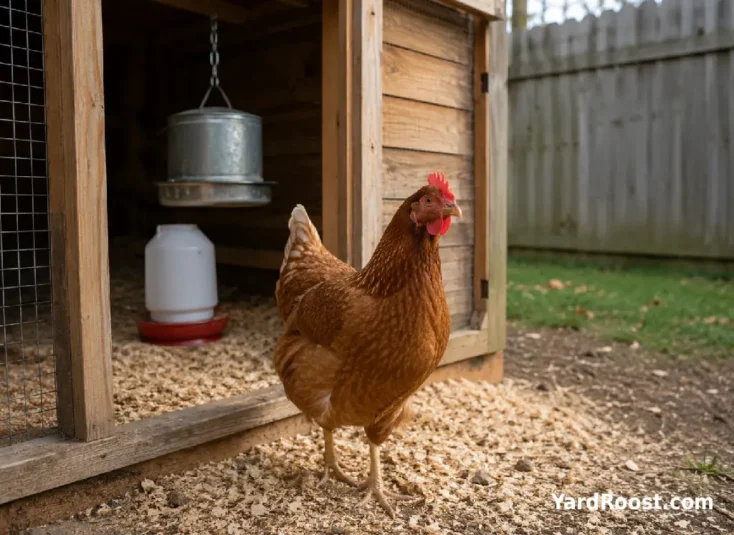
Sour Crop Symptoms Backyard Keepers Can Check
The most useful crop check happens early in the morning before the flock eats. University of Maryland Extension recommends checking first thing in the morning because a normal crop should be empty and hard to find at that time.
Symptoms of sour crop in chickens may include:
- A crop that is still full in the morning before the bird has eaten
- A squishy, fluid-filled, or balloon-like feel in the crop area
- A sour, yeasty, or foul odor near the beak
- Gurgling sounds or fluid movement when the bird shifts
- Reduced appetite, listlessness, or weight loss
- Wet feathers around the beak or signs of regurgitation
- White patches or coating in the mouth, which needs veterinary attention
Do not diagnose by one sign alone. A hen that stuffed herself before roosting may have a noticeable crop at night. That is normal. The concern is a crop that stays abnormal the next morning, especially when the bird also acts dull, smells sour, or is losing condition.
A simple routine helps: choose one calm morning, feel the crop of two or three normal flock mates first, then compare the bird you are worried about. A normal empty crop can be surprisingly subtle. Beginners often panic because they feel a full crop at dusk, but evening fullness is expected after a day of eating.
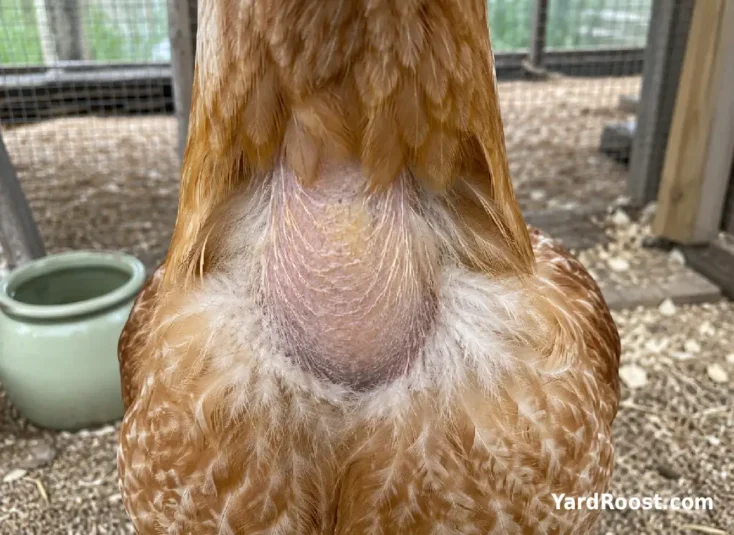
Sour Crop, Impacted Crop, And Pendulous Crop Are Not The Same
Crop problems can look similar from the outside, which is why home diagnosis is risky. Sour crop often feels soft or fluid-filled and smells unpleasant. Impacted crop is more likely to feel firm, packed, or hard. Pendulous crop hangs low and stretched, and it may not empty well because the crop tissue has lost normal support.
| Crop Concern | What A Keeper May Notice | Why It Matters |
|---|---|---|
| Possible Sour Crop | Squishy crop, sour odor, slow emptying, dull behavior | May involve yeast overgrowth or another condition slowing the crop |
| Possible Impacted Crop | Firm, full crop first thing in the morning | Material may not be moving through normally |
| Possible Pendulous Crop | Large crop hanging low in front of the bird | The crop may not empty properly and can become a recurring problem |
University of Maryland Extension describes impacted crop as a crop that remains full early in the morning and may feel hard, while pendulous crop hangs down and can lead to sour crop.
Editorial note: In a small backyard flock, we would rather see a keeper make a careful morning comparison than squeeze, tip, or force anything. Gentle observation gives your vet better information and lowers the risk of hurting an already stressed hen.
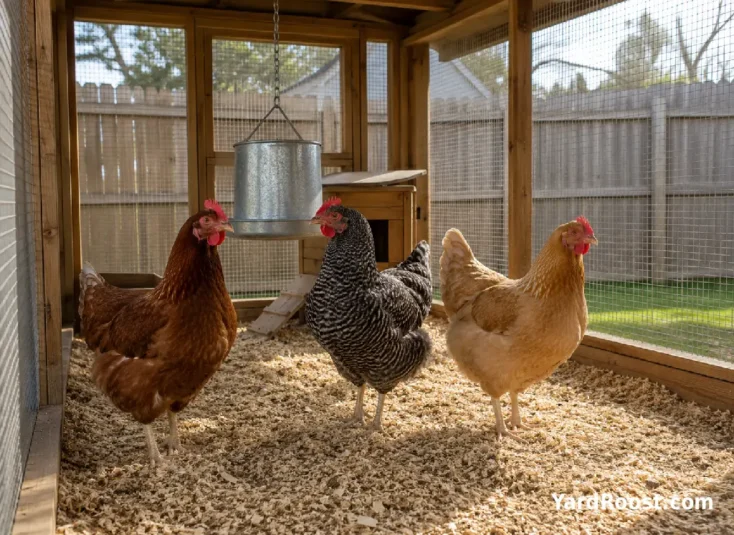
Safe First Steps For A Suspected Crop Problem
If you suspect sour crop, keep the response calm and simple. The goal is not to perform a home procedure. The goal is to protect the bird, gather useful observations, and contact a qualified professional when signs persist.
- Check the crop before the bird eats in the morning.
- Compare it with one or two flock mates so you know what normal feels like.
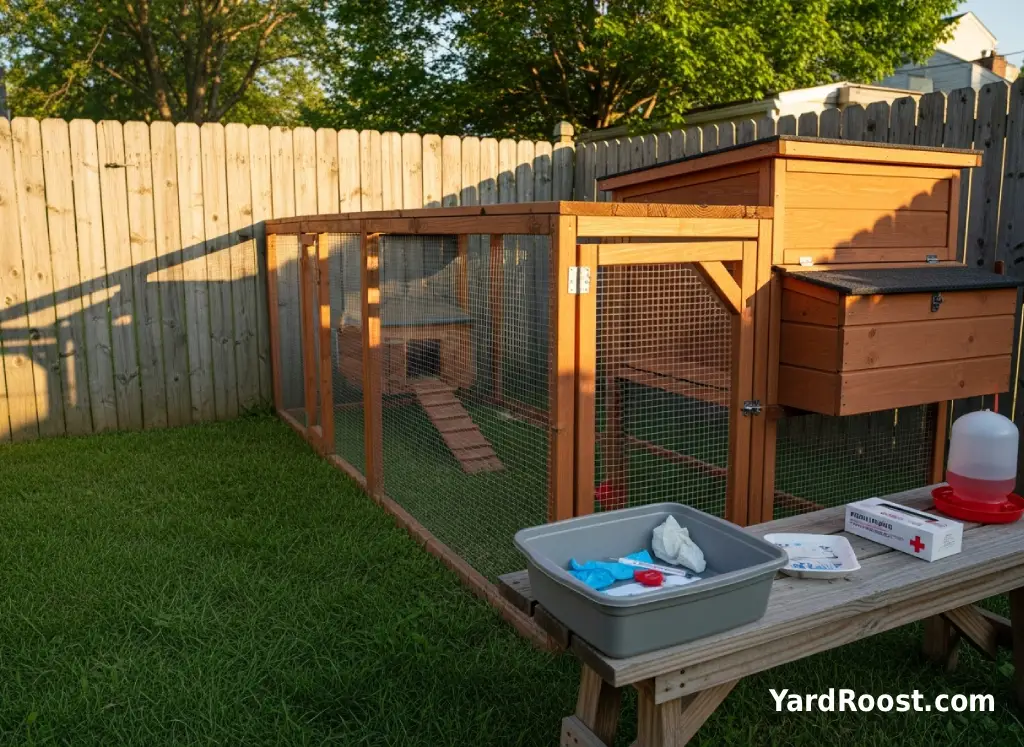
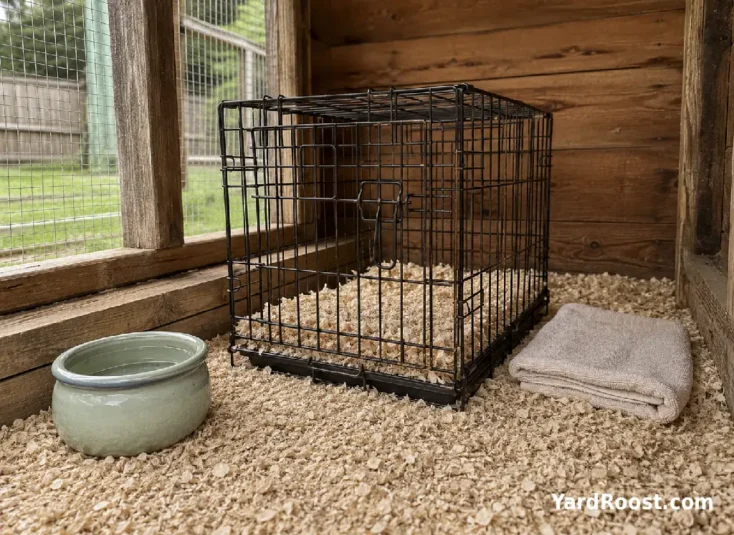
- Move the bird to a quiet, safe recovery crate if she is being bullied or seems weak.
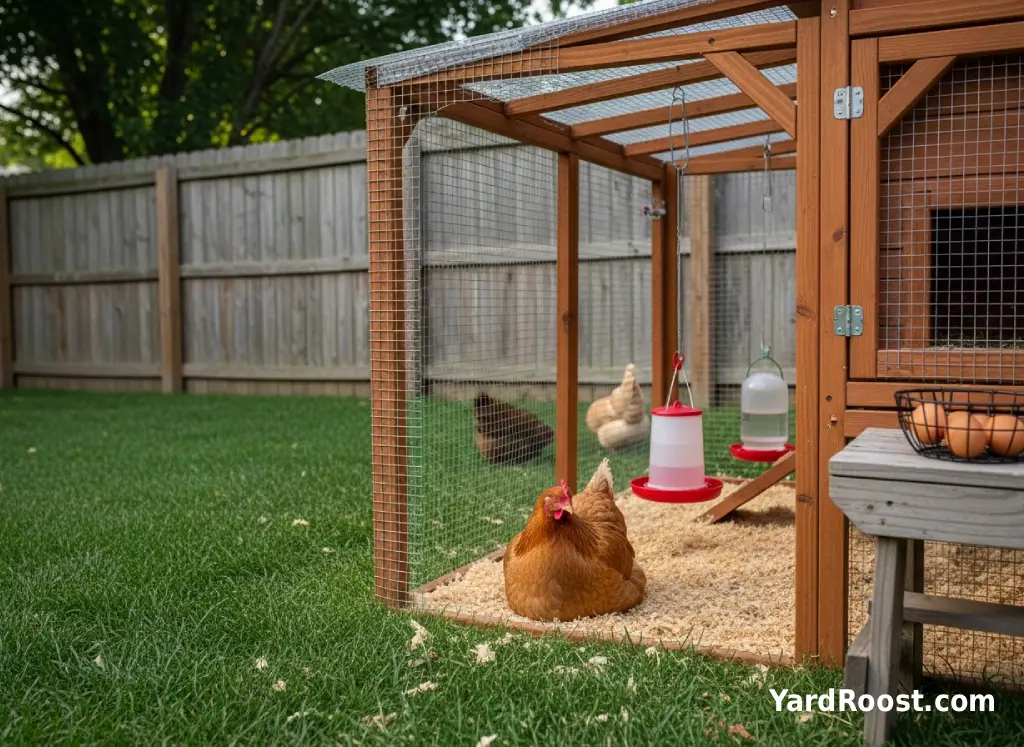
- Offer clean water in a stable container and keep bedding dry.
- Remove spoiled feed, moldy treats, long grass clumps, string, plastic, and other risky material from the coop and run.
- Call an avian vet, poultry veterinarian, or local extension office if the crop is still abnormal, the bird smells sour, or she seems unwell.
Do not withhold feed for long periods without veterinary guidance. Do not pour oil, vinegar, alcohol, essential oils, Epsom salt mixtures, antifungals, or other substances into the bird’s mouth. Chickens can aspirate fluid into the airway, and a crop problem can worsen quickly if the bird is already weak.
For overall flock care, this is also a good time to review your daily setup: clean waterers, dry bedding, safe feeder height, and no access to long strands of grass or foreign objects. Our chicken coop cleaning schedule can help you tighten up the basics without turning coop care into a full-time job.
What Not To Do When Treating Sour Crop In Chickens
Many articles and social posts use phrases like how to treat sour crop in chickens or how to cure sour crop in chickens, but those phrases can give keepers a false sense of safety. There is no responsible one-size-fits-all home cure.
Avoid these common mistakes:
- Do not turn the chicken upside down to make fluid come out.
- Do not force liquid into her mouth with a syringe unless a vet has shown you exactly what to do.
- Do not massage a large, fluid-filled crop aggressively.
- Do not use leftover medications or livestock products without a veterinarian.
- Do not assume a sour smell always means a simple yeast issue.
University of Maryland Extension specifically warns that aggressive massaging of enlarged crops with excessive fluid may cause aspiration pneumonia. Merck also notes that no products are approved in the U.S. for treatment of candidiasis in poultry, and medications used for this condition may involve veterinary extra-label decisions.
A common mistake we see is trying three or four home remedies before calling a vet. By then, the bird may be weaker, dehydrated, or harder to help. The safer move is to make the morning crop check, isolate if needed, clean up possible causes, and call sooner rather than later.
Common Causes And Prevention In Backyard Flocks
Prevention is mostly about reducing the conditions that allow crop trouble to start or repeat. You cannot prevent every illness, but you can make the coop and run less likely to contribute to slow crop emptying or digestive upset.
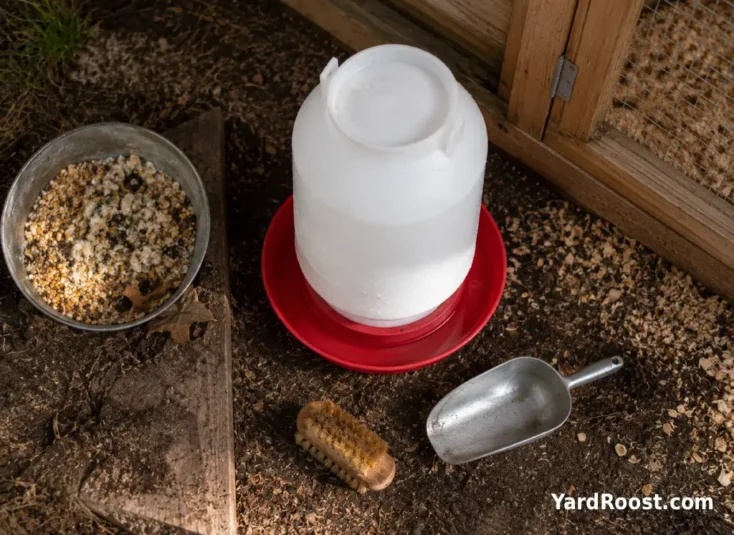
Start with water. Slimy waterers are a real management problem, especially in warm weather. Rinse daily when they get dirty, scrub buildup instead of just topping off, and place water where bedding and droppings are less likely to splash into it. CDC guidance for backyard poultry also reminds keepers to wash hands after touching poultry, eggs, or anything in the flock’s living area, because healthy-looking birds can still carry germs such as Salmonella.
Feed storage matters too. Keep feed dry, sealed, and protected from rodents. Toss feed that smells musty, looks clumped, or has been wet. Long grass clippings are another beginner trap. Chickens can eat pasture safely, but piles of long, stringy clippings can contribute to crop problems, especially when birds gorge on them.
Good prevention habits include:
- Offer a complete poultry feed as the main diet, not scraps as the base.
- Keep treats modest so birds do not fill up on low-nutrition extras.
- Use poultry grit when birds eat anything beyond commercial crumble or pellets.
- Remove string, plastic, twine, and long fibrous debris from the run.
- Check waterers for slime, algae, and bedding contamination.
For more on everyday feeding boundaries, see our guide to what to feed chickens.
Pictures Of Sour Crop In Chickens Can Be Misleading
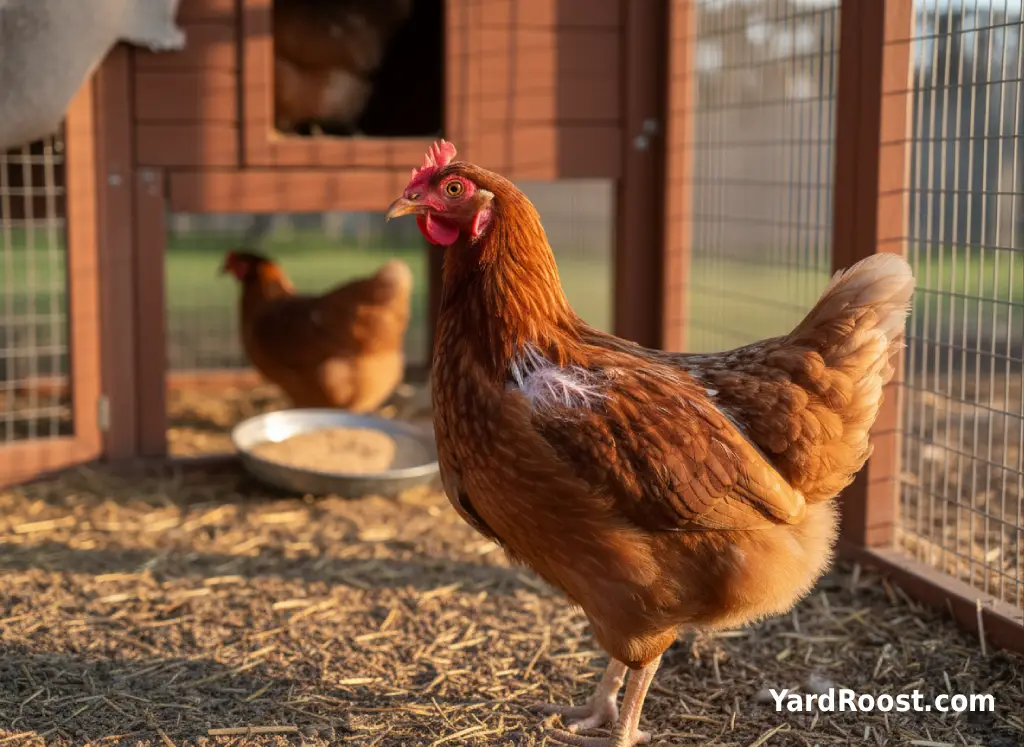
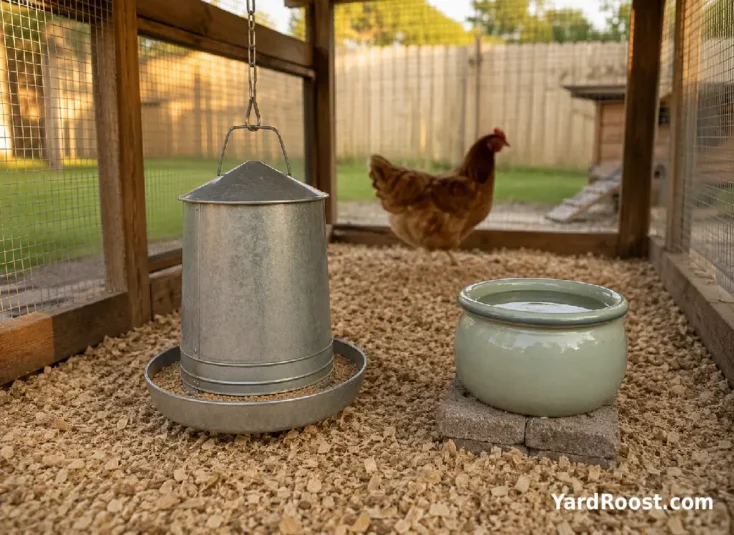
Pictures of sour crop in chickens can help you learn where the crop sits, but they cannot confirm what is happening inside your bird. A photo may show a bulge, but it will not tell you whether the crop is full of normal feed, fluid, fibrous material, gas, or something else.
Photos are most useful for three things:
- Learning the general crop location on the lower front of the neck
- Comparing one bird’s outline with flock mates
- Documenting changes to show your vet
Take a photo at the same time of day if you are monitoring a concern. A crop that looks full at dusk may be ordinary. A crop that looks enlarged before breakfast is more concerning. Add notes about smell, feel, appetite, droppings, energy level, and whether the bird is still laying. Those details are far more useful than a picture alone.
Keep the bird’s stress level low. Do not chase her around the yard for photos. If she is weak, breathing oddly, regurgitating, or being pecked by flock mates, skip the photo session and focus on getting veterinary help.
When To Call An Avian Vet
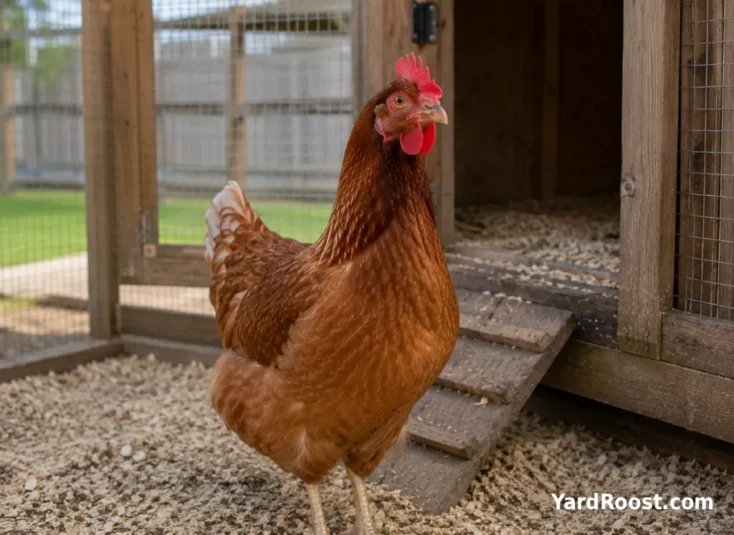
Call an avian vet, poultry veterinarian, or local extension office if the crop is still full in the morning and the bird also seems unwell. Do not wait several days if the crop smells sour, feels fluid-filled, or keeps enlarging.
Get professional help promptly if you notice:
- Crop swelling that does not improve by morning
- Sour or foul smell from the beak
- Weakness, listlessness, or standing apart from the flock
- Weight loss or a sharp-feeling breastbone
- Regurgitation, wet beak feathers, or labored breathing
- White patches or coating in the mouth
- Repeated crop problems in the same bird
- More than one bird showing similar signs
Merck notes that candidiasis lesions are often found in the crop and may also occur in the mouth and esophagus, while diagnosis can require more than simply culturing Candida because Candida species can be present in normal birds.
That is why professional evaluation matters. A vet may need to determine whether the issue is yeast overgrowth, impaction, pendulous crop, another disease process, parasites, reproductive illness, nutritional stress, or a management problem. Backyard keepers do not need to solve all of that alone.
A Calm Plan For The Next Morning
If you are worried about sour crop tonight, make tomorrow morning your decision point. Before you feed the flock, gently check the crop. Compare it with a normal bird. Notice whether it feels empty, firm, doughy, squishy, or fluid-filled. Smell near the beak without forcing it open. Watch whether the bird is bright and eager or quiet and withdrawn.
If the crop seems normal in the morning and the hen acts well, keep observing and clean up any feed, water, or run issues that may have contributed. If the crop is still enlarged, sour-smelling, or paired with weakness, treat that as a reason to call an avian vet or poultry veterinarian.
The best backyard chicken care is not dramatic. It is steady observation, clean water, safe feed, dry housing, and knowing when a problem has moved beyond home management. Sour crop in chickens deserves that kind of calm, careful response.