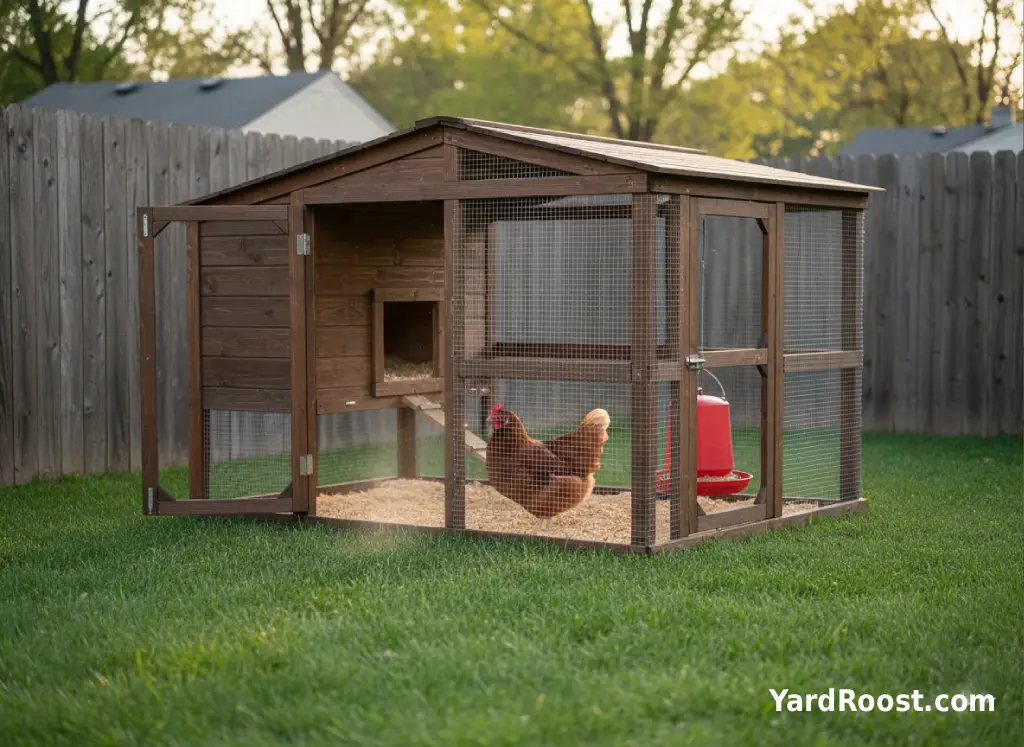
Seeing feathers everywhere can make even experienced keepers pause. Molting chickens can look rough—patchy necks, scruffy tails, even a temporarily “balding” hen. The good news: chicken molting is usually a normal seasonal reset where old feathers drop and new ones grow in. During the molting of chickens, it’s also common for egg production to slow down or stop for a while as the flock redirects nutrients into feather regrowth.
Because feather loss can also happen for reasons other than molting (like pecking, nutrition gaps, or parasites), the goal is to know what “typical molt” looks like and what signs deserve a closer look. YardRoost isn’t a veterinary service—this is practical, safety-first guidance to help you support your birds and recognize when it’s time to get professional help.
What Molting Is (and Why It Happens)
Molting is the natural process of shedding worn feathers and growing new ones. Feathers are mostly protein, so regrowth is a big “resource project” for a chicken’s body. Many hens pause laying during this time, which is why a molting hen often looks messy and gives you fewer eggs (or none) for a stretch.
What triggers molting? For most backyard flocks, changing day length is a major cue. As daylight decreases, hormones shift and birds tend to slow down reproduction and put effort into new feathers. Temperature can play a role, but it’s usually not the main switch being flipped.
Practical tip: treat molt like a “rest season.” Stable routines, low stress, and good nutrition help birds come through looking better than before.
When Do Chickens Molt?
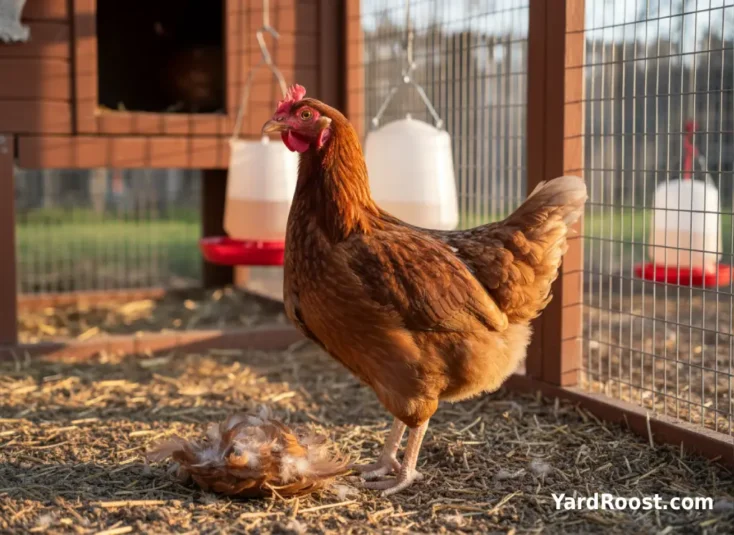
Most keepers notice chickens molting in late summer through fall, and it can run into winter—especially after the days start shortening. The exact timing depends on your region, your birds’ ages, and their light exposure (natural light vs supplemental coop lighting).
Age matters, too. Many hens have their first full molt around the time they’re moving out of their first big laying cycle (often around the 1-year to 18-month mark). After that, many will molt about once a year, though “early” and “late” molters vary a lot.
What About Chick Molting?
People sometimes say “chick molting” when young birds drop their fluffy down and replace it with juvenile and then adult feathers. That can look uneven (especially around the neck and shoulders) but it’s usually a different life-stage change than an adult hen’s annual molt. If a young bird looks uncomfortable, is lethargic, or has irritated skin, use the “normal vs not-so-normal” section below to decide whether to investigate further.
How Long Do Chickens Molt?
Most backyard chicken molting isn’t a “one weekend” event. A common rule of thumb is roughly 6–8 weeks, but it’s normal for the process to stretch to 1–3 months, and some birds (especially slow, early molters) can take longer.
If you’re asking, “how long do chickens molt?” the most helpful answer is: watch progress, not the calendar. A normal molt usually shows steady replacement—new feathers coming in as old ones drop—rather than weeks of worsening bald spots with no visible regrowth.
What Molting Looks Like (Normal vs Not-So-Normal Feather Loss)
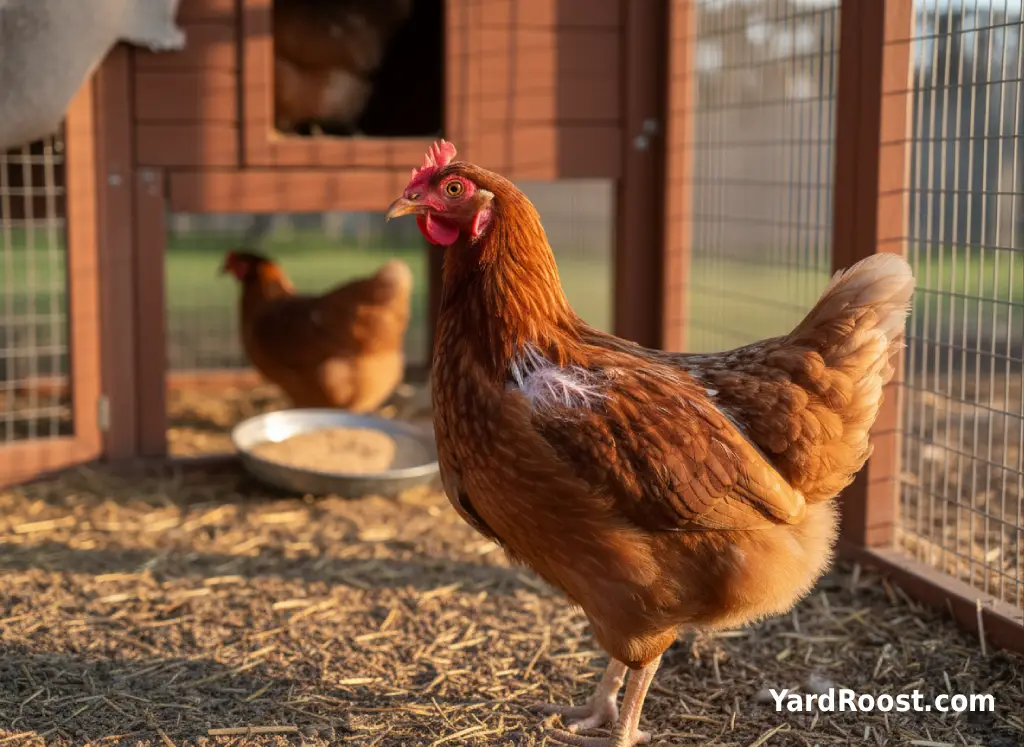
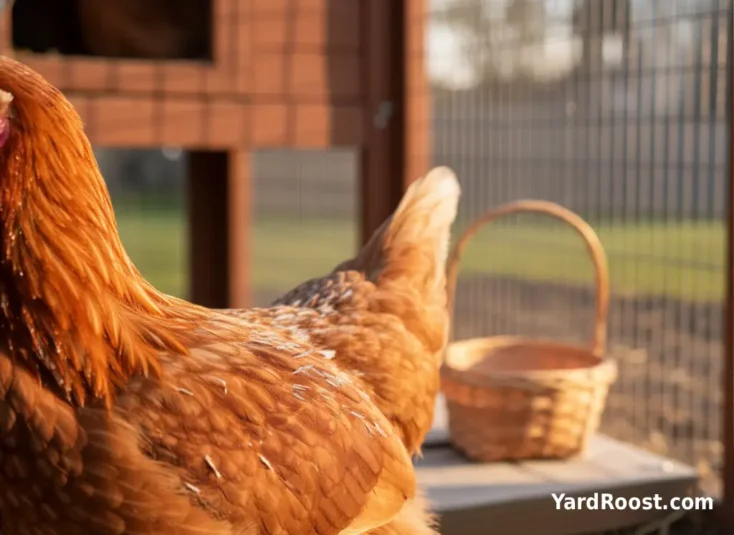
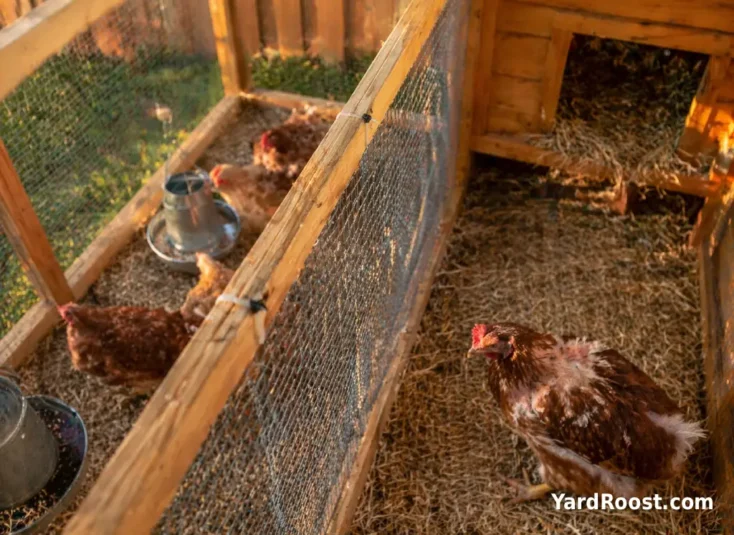
Molting feathers often come out in a fairly predictable pattern (many birds start around the head/neck and work back), and you may see new “pin feathers” as they regrow. Pin feathers can be tender because they’re actively growing.
- Usually normal: feathers on the ground, patchy areas with new feather shafts coming in, egg production slowing or stopping, birds acting otherwise normal.
- Worth investigating: feather loss focused on the vent area, feathers that look chewed, dandruff-like debris on feathers, or obvious irritation. These patterns can point to issues other than a straightforward molt.
- Red flags: active bleeding, open wounds, significant lethargy, or rapidly worsening bare skin with no sign of regrowth.
A common mistake we see is assuming every bald patch is “just chicken molting.” If the feather loss is localized (like a bare back under a rooster, or a bare vent area) or you’re seeing birds pulling at each other, pause and troubleshoot instead of waiting it out.
Caring for a Molting Hen: Feed, Comfort, and Less Stress
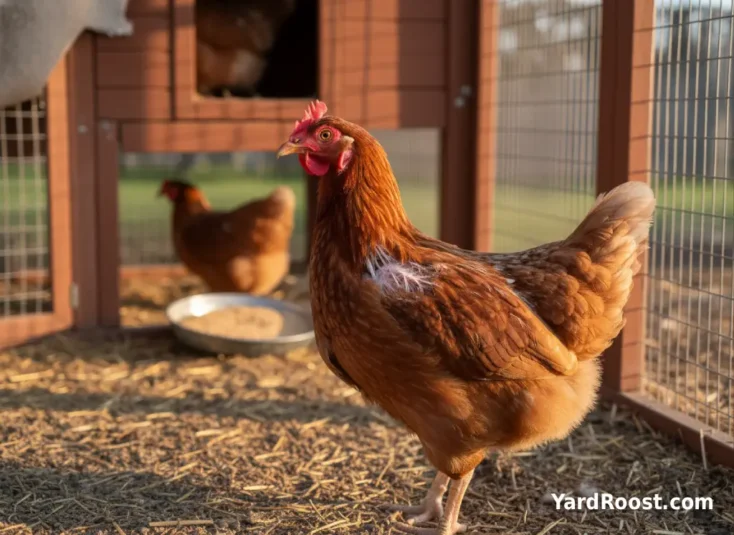
During molt, you’re aiming for “boring and comfortable.” Keep feed consistent, keep water easy to access, and avoid big flock changes if you can help it (new birds, new coop layouts, frequent handling). Shorter days often drive the whole process, and pushing birds hard with aggressive lighting schedules can add stress.
- Feed: Stick with a complete ration. Some veterinary guidance suggests a higher-protein diet during molt to support feather regrowth; if you change feed, do it gradually and choose a balanced bagged ration rather than random “protein treats.”
- Handling: New pin feathers can be fragile and sensitive—handle less, and pick birds up only when you need to (health checks, safety issues).
- Comfort: Make sure there’s a draft-free roosting area and good high ventilation so birds aren’t stressed by stale air. (If you want a deeper setup check, see our coop ventilation basics.)
If your chicken losing feathers is also acting “off” (not eating, not moving much, isolating), treat that as a separate concern from molting and move to the vet guidance section below.
Managing the Flock During Molt: Pecking, Roosters, and Coop Setup
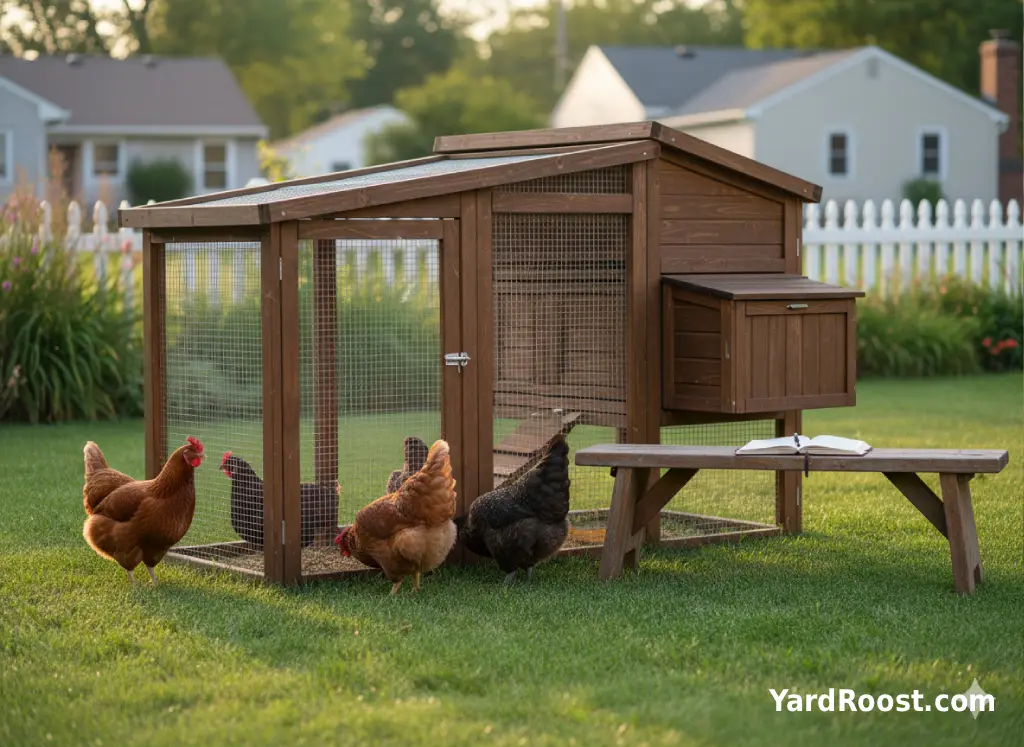
Molt can make birds cranky. Some hens become less tolerant, and pin feathers can be sore—so pecking and bullying may flare up right when the flock looks its scruffiest. Keep an eye on flock dynamics, especially around feeders, waterers, and roost access.
If you see repeated pecking at bare spots, act early:
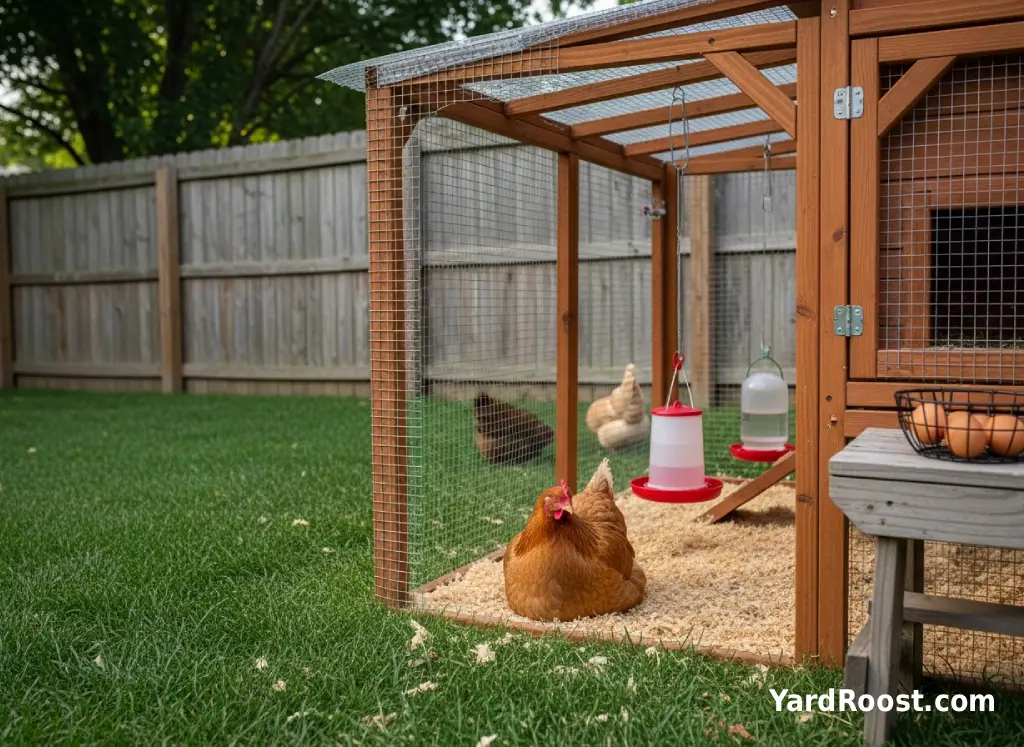
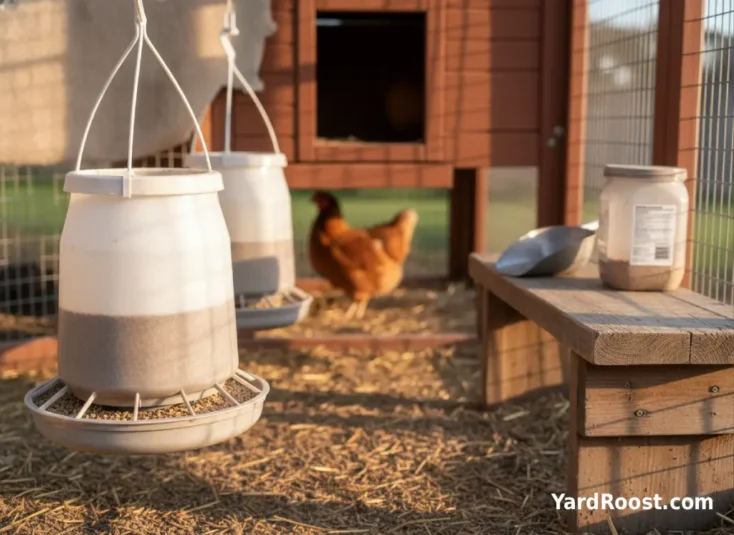
- Add a second feed/water station for a few weeks so timid birds can eat in peace.
- Use a temporary divider in the run to separate an aggressive bird or protect a badly picked-on molting chicken.
- Reduce bright coop lighting at night; constant or overly bright light can raise stress and worsen bad behavior in some setups.
If a rooster is rough on hens, you may notice feather loss concentrated on the back/neck rather than the whole-body pattern you’d expect with molting. That’s a management issue, not a “wait it out” molt issue.
Common Mistakes to Avoid During Chicken Molting
- Over-handling “to check feathers”: pin feathers can be sensitive; do quick, gentle checks instead.
- Chasing eggs with intense lighting: supplemental light can change laying patterns, but it can also add stress—many flocks do better when you let the rest season be a rest season.
- Turning the diet into a snack bar: lots of treats can crowd out balanced nutrition. If you adjust feed, pick a complete ration and transition gradually.
- Ignoring pecking “because it’s molt”: if you see birds pulling feathers or skin getting irritated, intervene early with space, separation, and calmer lighting.
If you want a simple routine, use this 5-step “molt support” checklist for 2–4 weeks: keep feed consistent, keep water easy, reduce handling, watch for pecking, and note weekly regrowth progress (photos help).
Biosecurity and Egg Handling While Chickens Are Molting
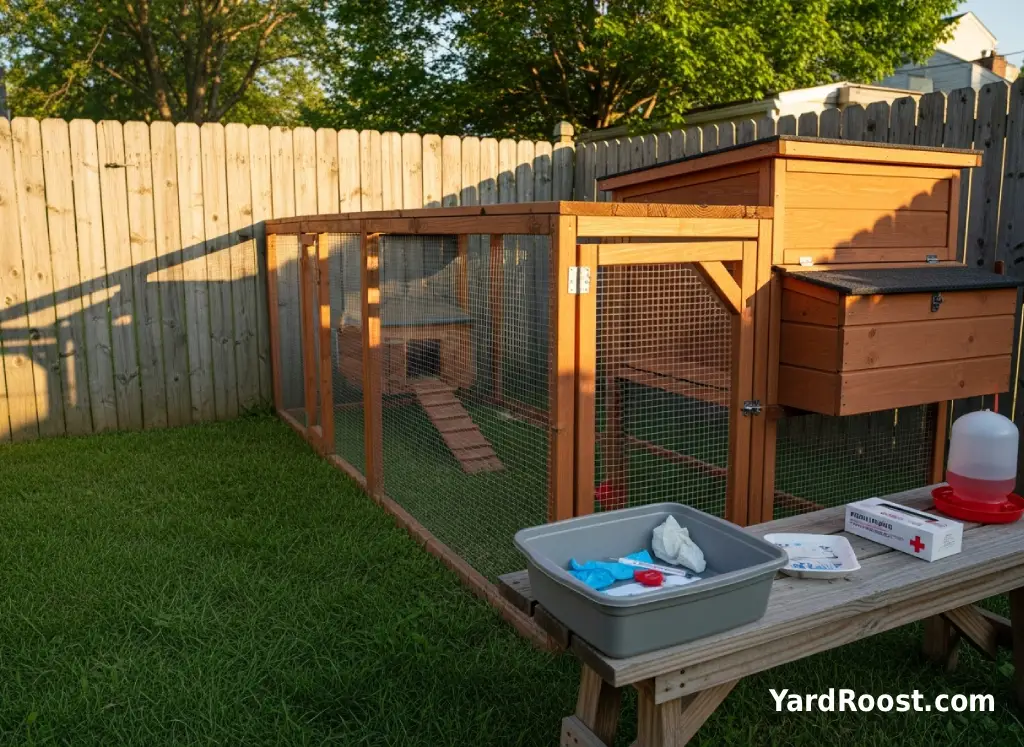
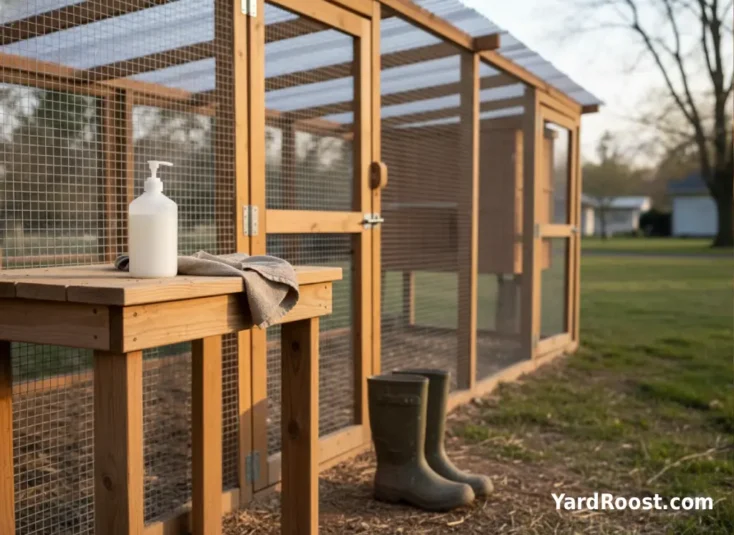
Molting doesn’t change the basic public-health rules: backyard poultry can carry germs that make people sick, even when birds look healthy. Keep a simple hygiene setup near the coop—soap and water when possible, and hand sanitizer as backup.
Two habits that make a big difference:
- Wash hands after handling birds, eggs, or anything in the coop/run environment (especially before eating).
- Keep poultry and coop gear outside the house, and use dedicated coop shoes/boots.
If you have young kids, take the CDC guidance seriously—supervise handwashing and avoid letting very young children handle chicks.
When to Call an Avian Vet
Molting can look dramatic, but it shouldn’t come with a serious decline in how a chicken acts. Contact an avian vet (or a veterinarian comfortable with backyard poultry) if you notice any of the following:
- Significant lethargy, refusal to eat/drink, or rapid weight loss alongside feather loss.
- Bleeding that won’t stop quickly, open wounds, or skin that looks increasingly inflamed.
- Heavy itching, obvious parasite signs, or worsening feather loss with no visible regrowth pattern.
- New neurologic-looking issues (poor balance, inability to stand) or breathing trouble.
When in doubt, take photos and notes (when it started, what areas are affected, any behavior changes). That timeline helps a vet separate normal molting chickens from other causes of “why is my chicken losing feathers.”
For more troubleshooting support on feather loss patterns, you can also review mite warning signs.
Wrapping Up: Helping Chickens Molting Through the Rough Patch
Molting chickens can look alarming, but most of the time it’s a normal reset driven by light and biology. Expect fewer eggs, more feathers on the ground, and a flock that appreciates a calmer routine. Your job is to support the basics—balanced feed, steady access to water, low stress—and to watch for patterns that don’t fit a typical molt (like localized balding, constant pecking, irritated skin, or birds acting unwell).
If you want to make molt season easier next year, keep a simple molt log: when it started, how long do chickens molt in your flock, and what helped (extra feeder space, fewer disruptions, temporary separation for bullies). Then use that note to get ahead of the next cycle. For more flock-care fundamentals, bookmark our feeding basics for backyard flocks and build a quick seasonal checklist you can reuse.