The Cochin chicken is hard to mistake. Beneath its rounded outline is a large, heavily feathered bird with soft plumage extending down the legs and across the toes. Bantam Cochins offer the same distinctive appearance in a much smaller package.
Cochins are best known for their calm temperament, ornamental appeal, and strong tendency toward broodiness. They can be an excellent choice for families, small suburban flocks, and keepers who value friendly birds more than maximum egg production. Their feathered feet do add work, however. Mud, wet bedding, extreme heat, and aggressive flock mates can all cause problems if the setup is not planned around the breed.
This is not a high-output production chicken. It is a companionable heritage breed that rewards keepers who can provide dry footing, generous space, good ventilation, and a compatible flock. Oklahoma State University and The Livestock Conservancy describe Cochins as calm, docile birds that generally tolerate confinement well, while University of Wisconsin–Madison Extension emphasizes their ornamental role, broodiness, and need for protection from muddy conditions.
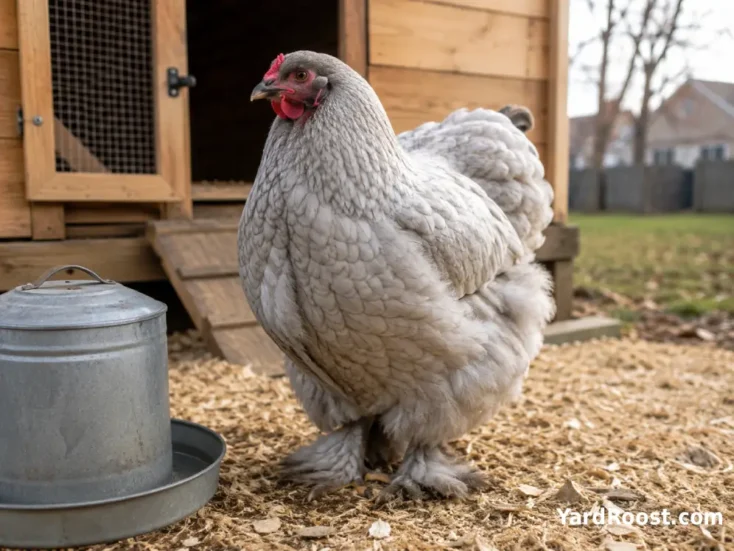
Breed At a Glance
| Trait | What to Expect |
|---|---|
| Breed type | Large heritage chicken with a separately standardized bantam form |
| Temperament | Usually calm, gentle, and relatively easy to handle |
| Egg color | Brown |
| Egg production | Moderate to limited, often interrupted by broodiness |
| Broodiness | Common and sometimes persistent |
| Flight ability | Generally limited compared with lighter, more active breeds |
| Climate fit | Comfortable in cool weather when kept dry; needs extra heat management in summer |
| Main care concern | Keeping leg and foot feathers clean, dry, and free of packed mud |
Standard Cochins are among the heavier chicken breeds. University of Wisconsin–Madison Extension lists standard exhibition weights of approximately 11 pounds for a mature cock and 8½ pounds for a mature hen. Individual hatchery, breeder, and pet-quality birds may fall above or below those figures.
The breed’s round appearance can be misleading. A great deal of what you see is feather volume rather than body mass. When checking body condition, gently feel along the breastbone instead of judging the bird only by its fluffy outline.
Standard Cochin Versus Bantam Cochin
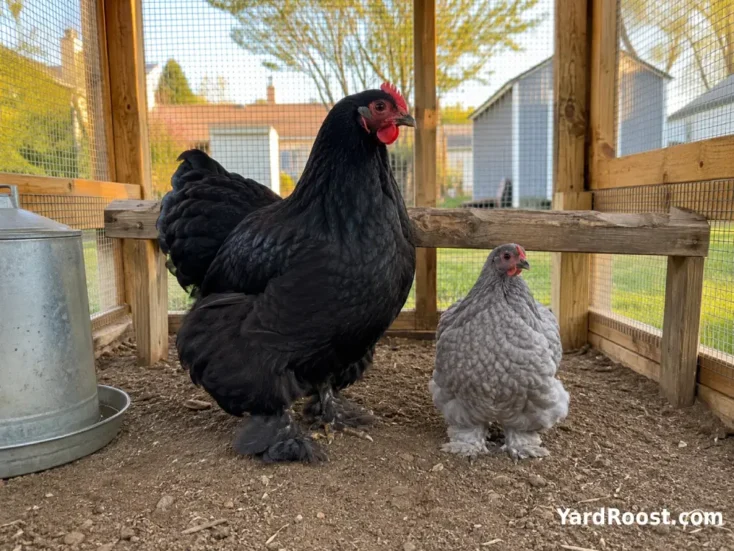
A standard Cochin and a bantam Cochin share the rounded body, single comb, abundant plumage, and feathered legs associated with the breed. The important difference is scale. Standard birds are large and substantial, while Cochin bantams are compact ornamental chickens that require less physical room per bird.
Bantams should not automatically be treated as miniature copies with identical management needs. A bantam can slip through a gap that would safely contain a full-sized hen, and a small bird may have difficulty competing at feeders when housed with assertive standard chickens. A secure run, appropriately spaced hardware cloth, and more than one feeding station are sensible precautions in a mixed-size flock.
The American Poultry Association classifies Cochin bantams in the feather-legged bantam group and recognizes numerous varieties. Exhibition breeders should consult the current American Standard of Perfection rather than relying on hatchery color labels alone. Hatchery birds can make excellent backyard companions without matching every show-standard detail.
Choose the standard size when you want a substantial, impressive bird and have enough coop floor area. Consider a bantam Cochin when space is tighter or when you want a smaller ornamental flock. Either form still needs dry ground and regular inspection of the feathered toes.
Temperament And Flock Compatibility
Calm behavior is one of the breed’s strongest attractions. Cochins commonly become comfortable around routine human activity and are less inclined to fly over fencing than many lightweight breeds. The Livestock Conservancy recommends pairing them with other non-assertive chickens, since a gentle bird may be pushed away from food or repeatedly pecked by a more dominant flock mate.
A Cochin that is friendly with its keeper can still be low in the flock hierarchy. During introductions, watch what happens at the feeder rather than assuming that the absence of a serious fight means everyone is settled. A bird that waits at the edge, eats only after the others leave, or spends much of the day hiding may need a second feeder or a slower introduction.
- Provide at least two feed or water access points when mixing timid and assertive breeds.
- Inspect the back of the head, shoulders, and feathered toes for early signs of pecking.
- Avoid keeping a lone bantam with several much larger, energetic hens unless you can monitor the group closely.
- Handle birds calmly from an early age, supporting both the breast and feet.
Individual behavior still matters. A Cochin rooster may be calm, but breed reputation cannot guarantee a gentle male. Treat every rooster as a powerful animal, supervise children, and avoid breeding or retaining a bird that repeatedly charges people.
Cochin Colors And Patterns
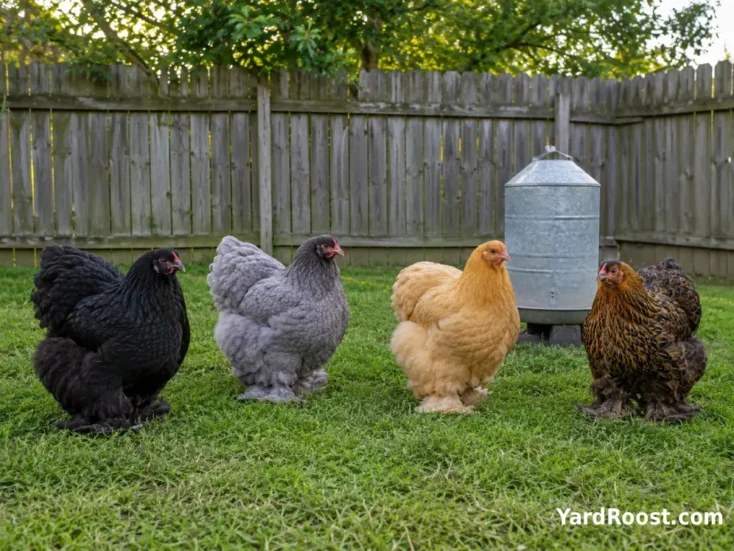
Cochin chicken colors range from simple solid plumage to detailed lacing and penciling. The American Poultry Association recognizes nine large-fowl varieties: Barred, Black, Blue, Brown, Buff, Golden Laced, Partridge, Silver Laced, and White. Additional varieties are recognized in bantams, and breeders may work with other non-standard project colors.
Quick Cochin Color Chart
| Variety | Typical Appearance | Beginner Note |
|---|---|---|
| Black | Glossy black plumage, often with a green sheen in good light | Dirt may be less obvious, but feathered feet still need checking |
| Blue | Soft blue-gray plumage, sometimes with darker edging | Blue refers to feather color, not eggshell color |
| Buff | Warm golden-buff plumage across the body | Sun and molt can make the shade appear uneven |
| Partridge | Patterned brown and black plumage in hens; richer red and dark tones in roosters | Chick down does not always reveal the final adult pattern clearly |
| White | Clean white plumage from head to feathered toes | Mud and staining show quickly |
| Mottled Bantam | Black plumage tipped with contrasting white | Commonly associated with Cochin bantams rather than large fowl |
A black Cochin chicken should have the same abundant leg and toe feathering as other varieties. The color does not change the basic care requirements. Likewise, a blue Cochin chicken lays brown eggs, not blue ones. Eggshell color is a breed trait separate from the blue-gray plumage.
Chick color can provide clues, but it is not a dependable substitute for breeder records. Partridge Cochin chicks, blue Cochin chicks, and mottled Cochin bantam chicks can change substantially as juvenile feathers replace their down. Buy from a breeder or hatchery that clearly identifies whether the birds are standard, bantam, purebred, or mixed.
Egg Color, Laying, And Broodiness
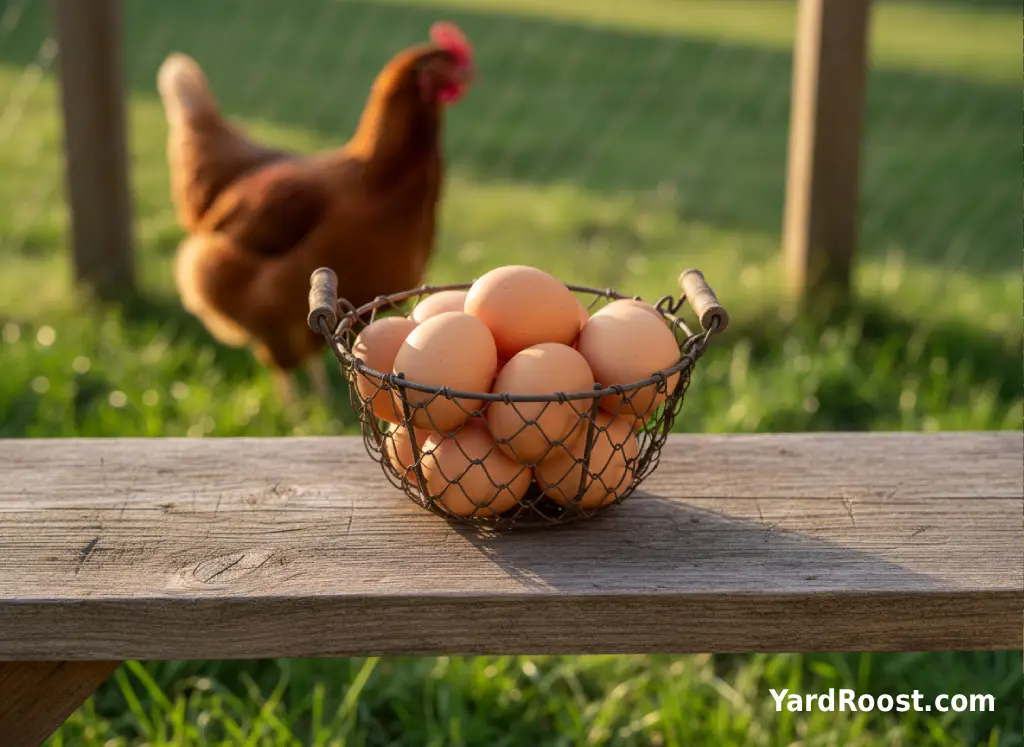
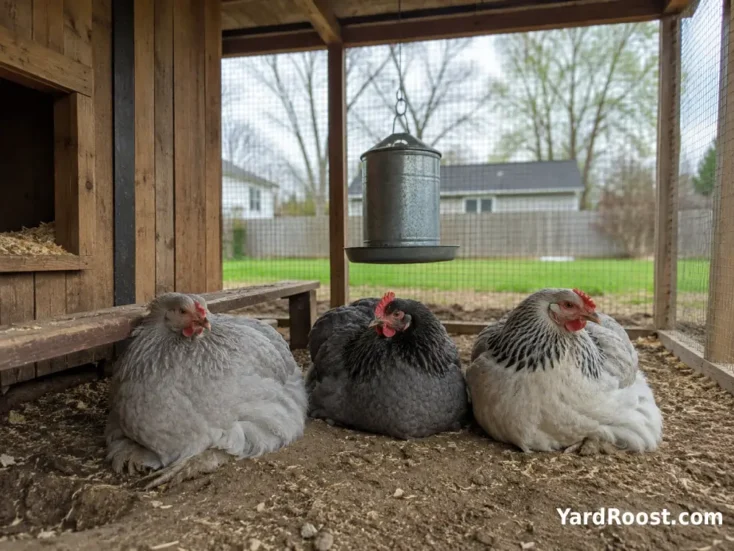
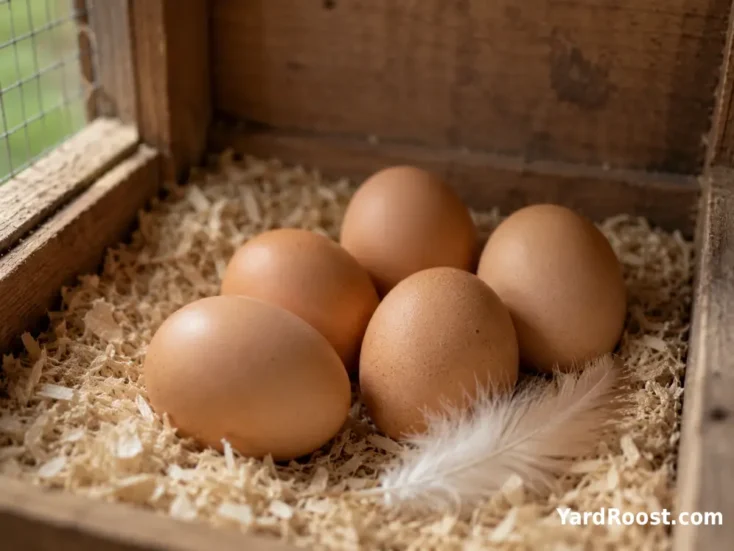
Cochin hens lay brown-shelled eggs. Plumage color does not change that basic eggshell color, so black Cochin chicken eggs and blue Cochin chicken eggs are still brown. The exact shade can vary among hens and may look lighter or darker through the laying cycle.
Egg production is not the breed’s main strength. Cochins may lay well for limited periods, but many hens become broody and stop producing eggs while they sit. University of Wisconsin–Madison Extension describes them as persistent setters and capable mothers, while The Livestock Conservancy also highlights the breed’s strong broodiness.
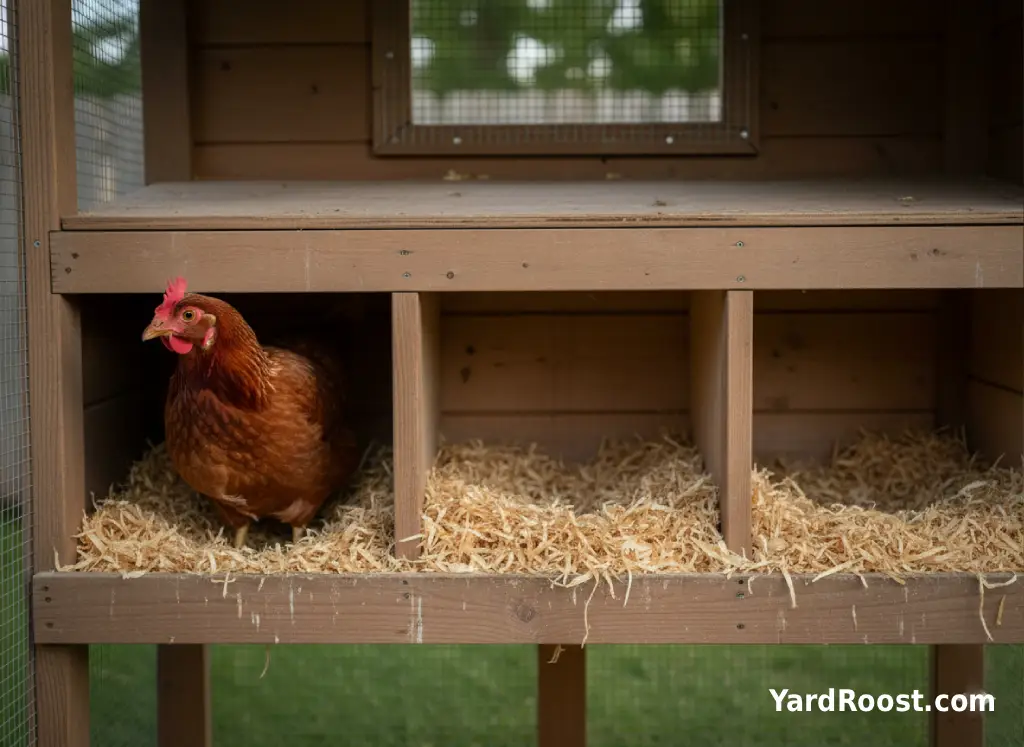
Broodiness can be useful when you want a hen to hatch fertile eggs, but it can be inconvenient in a household that mainly wants breakfast eggs. A broody hen may remain in the nest, flatten her body, make defensive sounds, and return quickly after being moved. These behaviors can suggest broodiness, but they should not be used to dismiss a bird that is weak, injured, or ill.
For a small flock, check a persistent nest sitter at least daily. Confirm that she is alert, maintaining body condition, and able to reach feed and water. A hen that appears unusually weak, has breathing difficulty, or will not stand should be evaluated by an avian or poultry veterinarian rather than assumed to be merely broody.
Coop And Run Setup For Feathered Feet
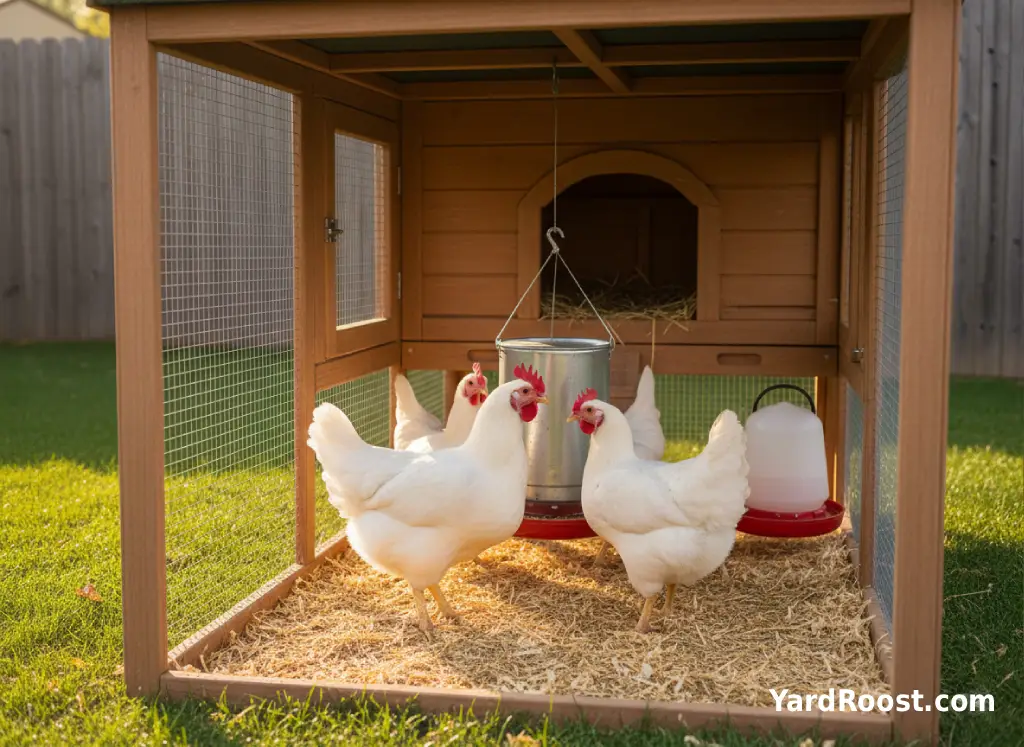
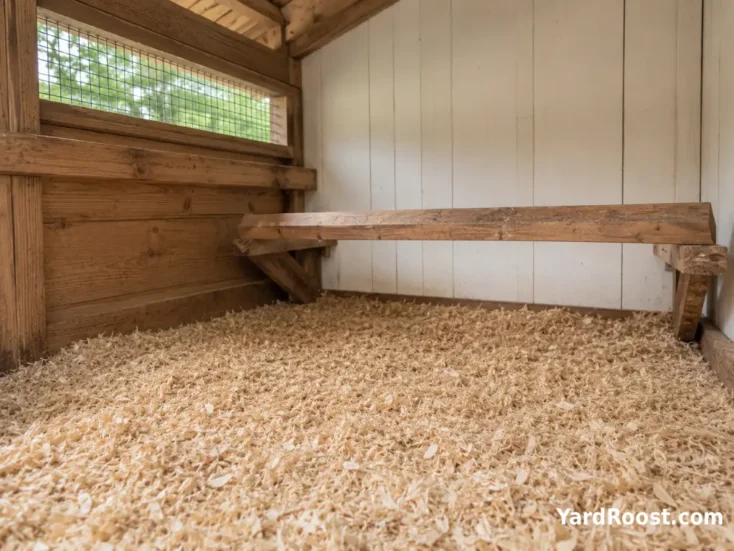
A Cochin coop should be designed around two realities: these are bulky birds, and their foot feathers collect moisture and debris. University of Minnesota Extension recommends approximately 3 to 5 square feet of indoor coop space per laying bird as a general small-flock guideline. For standard Cochins, using the generous end of that range—or providing more—is the practical choice.
Space calculations are a starting point rather than permission to crowd birds. Feeders, nest boxes, walls, and ramps reduce usable floor area. Observe whether every bird can turn, walk, and settle without climbing over another chicken.
- Cover chronically muddy sections of the run or redirect roof runoff away from the entrance.
- Remove wet bedding as soon as it forms a dark, compacted patch.
- Use a broad, stable roost that allows large birds to balance comfortably.
- Keep the main roost relatively low so heavy birds are not repeatedly making hard landings.
- Provide ventilation above roosting height without directing a strong draft at resting birds.
Profuse leg feathering can become packed with mud during wet weather. Wisconsin Extension specifically recommends keeping Cochins out of muddy yards when necessary to prevent material from collecting on their feet.
Editorial note: This is one of those breed details that seems minor until the first rainy week. A covered strip directly outside the pop door often makes more difference than adding another inch of bedding indoors.
For a deeper look at moisture and airflow, see our backyard coop ventilation guide.
Raising Bantam And Standard Cochin Chicks
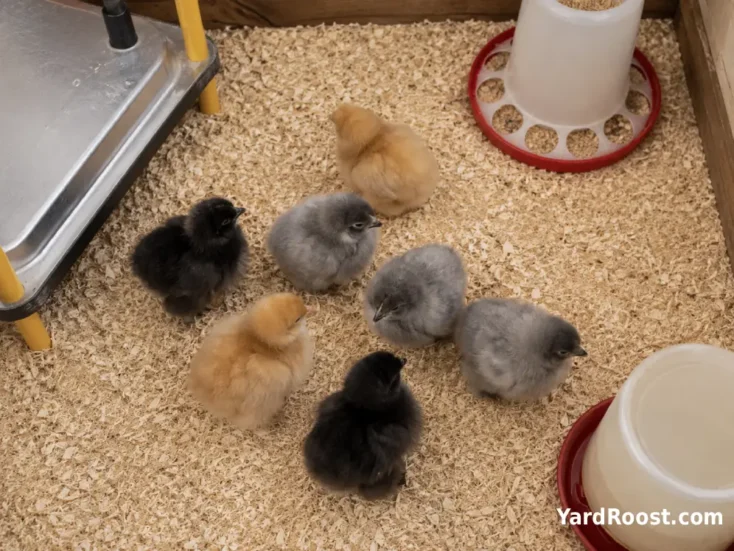
Bantam Cochin chicks and standard Cochin chicks need the same core brooder essentials as other chickens: safe warmth, clean water, complete chick feed, dry bedding, ventilation, and enough room to move away from the heat source.
University of Georgia Extension gives a traditional starting temperature of approximately 90°F to 95°F during the first week, followed by a reduction of about 5°F each week. Use that only as a starting point. Chick behavior provides an important check: evenly distributed, quietly active chicks are generally more comfortable than chicks packed directly beneath the heat or pressed against the brooder’s far wall.
- Place the waterer on a stable surface so shavings and wet spots do not build around feathering toes.
- Check each chick’s feet daily for tangled fibers, packed bedding, swelling, or an abnormal stance.
- Increase floor space as the chicks grow instead of waiting for pecking or crowding to begin.
- Use a complete chick starter appropriate for the birds’ age rather than diluting it with treats.
- Keep the brooder out of household food-preparation areas.
Do not rely on early down color to determine the final shade or exhibition quality. A blue Cochin bantam chick, black Cochin chick, or partridge Cochin chick will pass through several feathering stages before its mature pattern is visible.
The CDC notes that apparently healthy chicks can carry Salmonella. Wash hands with soap and water after touching birds, eggs, bedding, or brooder equipment, and keep poultry supplies outside household living and food areas. Children younger than 5 should not handle chicks or spend time in poultry areas.
Cold Weather And Summer Heat
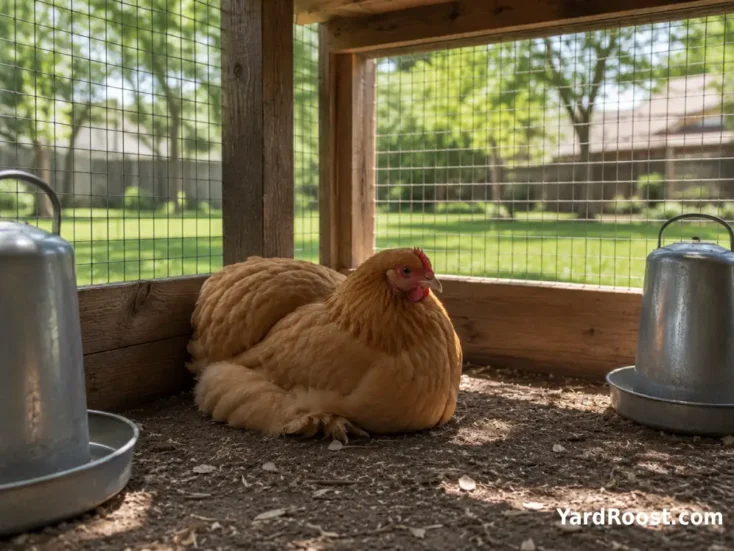
The thick feathering that helps Cochins remain comfortable in cool weather becomes a disadvantage during hot, humid conditions. Cold tolerance also does not make the breed weatherproof. Damp feathers, wet bedding, and wind exposure can create problems even when temperatures are moderate.
During winter, concentrate on dryness and ventilation rather than sealing the coop tightly. Remove wet patches, keep drinking water from spilling into the litter, and make sure moist air can escape above the birds. Check the tips of the single comb and wattles during severe cold, especially when indoor humidity is high.
Summer deserves equal attention. University of Minnesota Extension advises maintaining reliable access to cool water and adequate waterer space during heat stress because chickens may drink far more than usual. Shade and airflow should be available throughout the afternoon, not only in the morning.
Check These First On Hot Days
- Is the shaded area still shaded at 3 p.m.?
- Can every bird drink without waiting behind a dominant flock mate?
- Does air move through the run and coop without trapping heat under a solid roof?
- Are any birds panting continuously, holding their wings away from the body, stumbling, or becoming unresponsive?
Move a heat-stressed bird to a quieter shaded area with airflow and drinking water while contacting an avian veterinarian for guidance. Severe weakness, collapse, or breathing difficulty should be treated as urgent.
Common Mistakes To Avoid
A common mistake is choosing Cochins for appearance without planning for their feathered feet. Because strong HTML formatting is not required to make the lesson clear: the run surface matters as much as the coop interior. Repeated mud exposure can leave feathers dirty, heavy, or packed around the toes.
Other avoidable problems include:
- Expecting production-breed egg numbers from a broody ornamental hen.
- Crowding standard Cochins because their calm behavior makes the flock seem settled.
- Mixing bantams with large, assertive chickens without extra feeding stations.
- Assuming thick feathers protect equally well from cold rain and dry cold.
- Underestimating heat because the breed is comfortable during winter.
- Buying a chick solely by down color and expecting an exact mature shade.
- Using high, narrow roosts that require heavy birds to make awkward landings.
- Ignoring local rules before bringing home a Cochin rooster.
The safer approach is to choose chickens by the work they need, not only by the photograph on a hatchery page.
Biosecurity And New-Bird Introductions
A friendly bird can still introduce parasites or infectious disease. Keep newly purchased Cochins and birds returning from shows separate from the home flock for at least 30 days. Use dedicated feeders, waterers, footwear, and cleaning tools where possible, and care for the established flock before visiting the quarantine area. University of Minnesota Extension and USDA biosecurity guidance both support a 30-day separation period for new or returning poultry.
During quarantine, observe appetite, droppings, breathing, posture, comb color, walking, and feather condition. Because Cochin legs are heavily feathered, part the feathers gently when checking for skin irritation, swelling, or external parasites.
Introduce new chickens gradually after quarantine rather than placing a newcomer directly onto the roost. Side-by-side pens allow visual contact without unrestricted pecking. Once combined, place more than one feeder and watch the group at dawn, dusk, and feeding time, when competition is easiest to spot.
USDA APHIS also recommends reducing contact with wild birds, storing feed securely, cleaning shared equipment, and using dedicated footwear around poultry. These habits help protect both a new Cochin and the birds already living in your yard.
When To Get Professional Help
Feathered feet make some problems difficult to see until the feathers are separated. Check more closely when a Cochin limps, holds one foot up repeatedly, refuses the roost, or stops walking with the flock.
Possible concerns range from packed debris and a broken feather to injury, parasites, infection, or another health problem. Do not diagnose from one symptom or apply medication based on an online photograph. Place the bird in a clean, quiet observation area with water, note what you see, and contact an avian or poultry veterinarian when the cause is unclear.
Seek prompt professional guidance for:
- Difficulty breathing, persistent coughing, or discharge around the eyes or nostrils
- Collapse, severe weakness, confusion, or inability to stand
- Sudden unexplained deaths or several birds becoming sick together
- A badly swollen foot, deep wound, uncontrolled bleeding, or rapidly darkening tissue
- Continuous open-mouth breathing that does not improve in a cooler environment
- A major drop in eating or drinking accompanied by abnormal behavior
Separate a sick bird from direct flock contact, but keep equipment and footwear from carrying material back to healthy chickens. University of Minnesota Extension recommends consulting a veterinarian or diagnostic laboratory when disease is suspected in a small poultry flock.
Is A Cochin Right For Your Backyard?
A Cochin can be an excellent backyard chicken when your priorities are calm behavior, distinctive appearance, broodiness, and an easygoing flock atmosphere. Standard birds bring impressive size and presence; bantam Cochins provide much of the same charm in a smaller body.
They are less suitable for keepers who need maximum egg production, have a permanently muddy run, or want highly active chickens that forage over a large property. They also need thoughtful flock matching. A quiet Cochin may thrive among other gentle breeds but struggle in a crowded pen with fast, dominant hens.
Before ordering, check four practical points: whether your coop has enough usable floor space for your flock, whether the run stays dry after rain, whether summer shade lasts through the afternoon, and whether local ordinances permit chickens or roosters. Then decide whether you want the presence of a standard bird or the compact size of a Cochin bantam.
With dry footing, compatible companions, good airflow, and realistic egg expectations, Cochins can become some of the calmest and most memorable birds in a small flock. Choose healthy chicks or started birds from a responsible source, prepare the housing before they arrive, and let the breed’s gentle character—not just its abundant feathers—be the reason it earns a place in your backyard.
Sources consulted include Oklahoma State University, University of Wisconsin–Madison Extension, University of Minnesota Extension, University of Georgia Extension, The Livestock Conservancy, the American Poultry Association, USDA APHIS, and the CDC.