Chicken flu, more accurately called avian influenza or bird flu, is a contagious viral disease that can affect chickens, turkeys, ducks, and other birds. Some strains produce few obvious problems, while highly pathogenic avian influenza can spread quickly and cause sudden deaths throughout a flock.
For a backyard keeper, the most important skill is not diagnosing the disease yourself. It is recognizing an unusual pattern, limiting contact with the birds, and reporting the problem quickly. Chicken flu symptoms can resemble other respiratory, neurological, toxic, or management-related problems, so laboratory testing and professional guidance are essential.
This guide provides educational, safety-first information rather than veterinary diagnosis. Do not attempt to treat suspected avian influenza with medications or home remedies. Contact an avian veterinarian, your state veterinarian, or an animal-health official when several birds become ill, deaths occur unexpectedly, or serious warning signs appear.
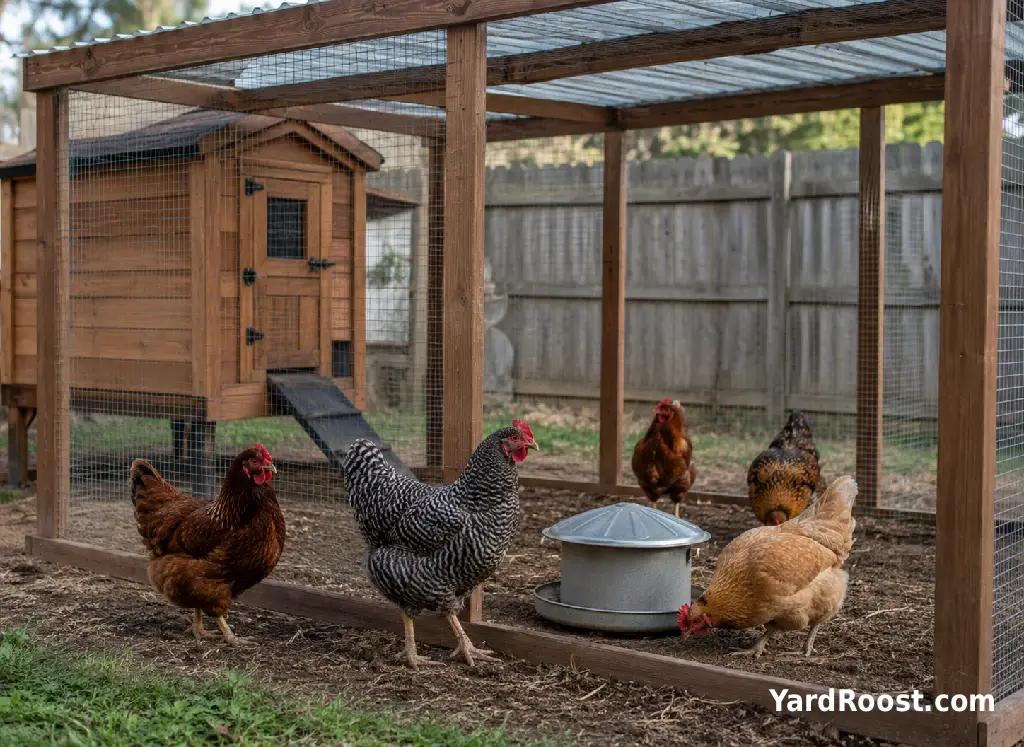
What Chicken Flu Means for a Backyard Flock
Avian influenza is caused by influenza A viruses. Animal-health officials classify poultry strains as low pathogenicity or highly pathogenic based on how they affect chickens under standardized testing—not simply by how alarming a single bird looks.
Low-pathogenicity avian influenza may produce mild respiratory trouble, reduced appetite, diarrhea, lower egg production, or no visible illness. Certain low-pathogenic strains can change into highly pathogenic forms after circulating in poultry. Highly pathogenic avian influenza, commonly shortened to HPAI, can cause severe disease and kill domestic poultry rapidly.
Wild aquatic birds are important natural hosts. Some carry avian influenza without appearing sick, allowing virus to reach domestic birds through droppings, contaminated water, direct contact, or objects that move between locations. Chickens do not have to touch a wild duck directly; contaminated mud on a boot or droppings beside an uncovered waterer may be enough to create an exposure route.
The reassuring point is that an occasional sneeze does not automatically mean chicken influenza. Dust, ammonia, weather changes, and several unrelated illnesses can produce overlapping signs. Watch the whole-flock pattern rather than relying on one symptom.
Chicken Flu Symptoms to Watch For
USDA APHIS advises poultry owners to watch for sudden death, reduced energy or appetite, breathing difficulty, nasal discharge, swelling, coordination problems, diarrhea, and abrupt changes in egg production. A bird may show several signs, only one, or no warning before death.
| What You May Notice | Why It Needs Attention |
|---|---|
| Sudden or unexplained death | HPAI can kill birds before obvious illness develops. |
| Several birds becoming quiet or refusing feed | A flock-wide change is more concerning than one hen having an off morning. |
| Gasping, coughing, sneezing, or nasal discharge | Respiratory signs require prompt professional assessment when severe or spreading. |
| Swollen eyelids, comb, wattles, or legs | Swelling may accompany serious systemic illness. |
| Purple or darkened comb, wattles, or legs | This can indicate impaired circulation and requires urgent attention. |
| Stumbling, falling, tremors, or a twisted neck | Neurological signs are an urgent reporting trigger. |
| Sharp egg-production drop or misshapen eggs | The change becomes more concerning when paired with illness or deaths. |
| Watery diarrhea | Diarrhea occurring across several birds may be part of a serious outbreak. |
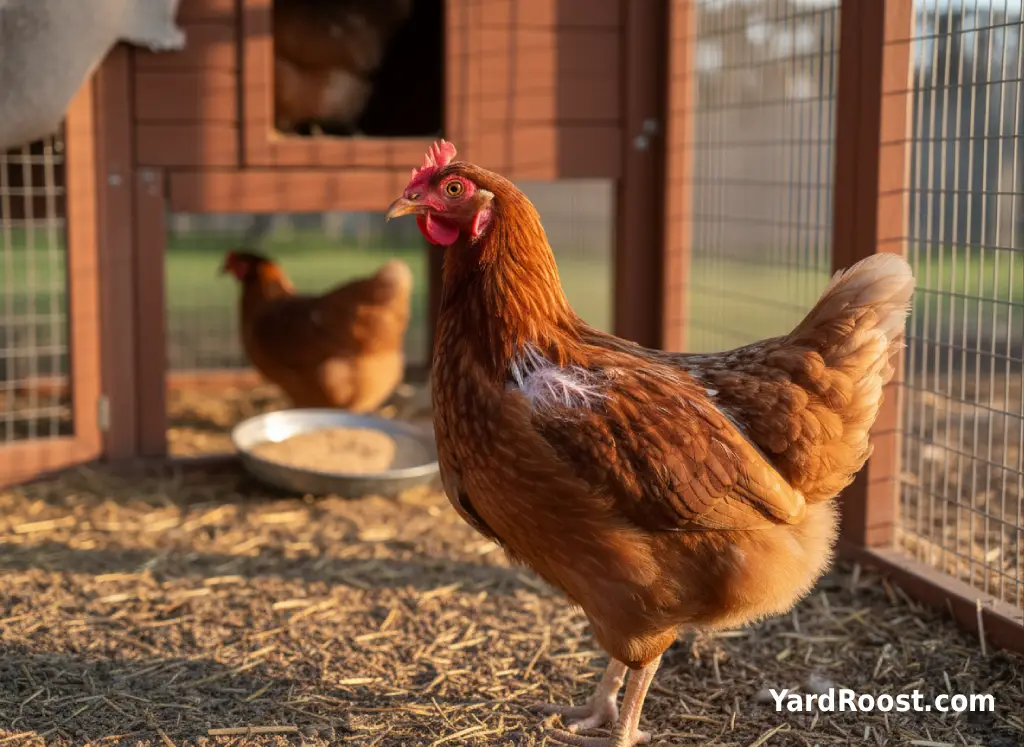
No photograph or online symptom chart can confirm bird flu. Lighting can make a normal comb look dark, and a resting hen can look lethargic in a still image. Use chicken bird flu images only to understand general warning signs, never as a substitute for testing.
Keep simple daily records of bird numbers, feed intake, egg count, and deaths. In a six-hen flock, for example, two birds suddenly refusing feed while egg production drops and a third bird develops breathing trouble is a more meaningful pattern than one soft-shelled egg.
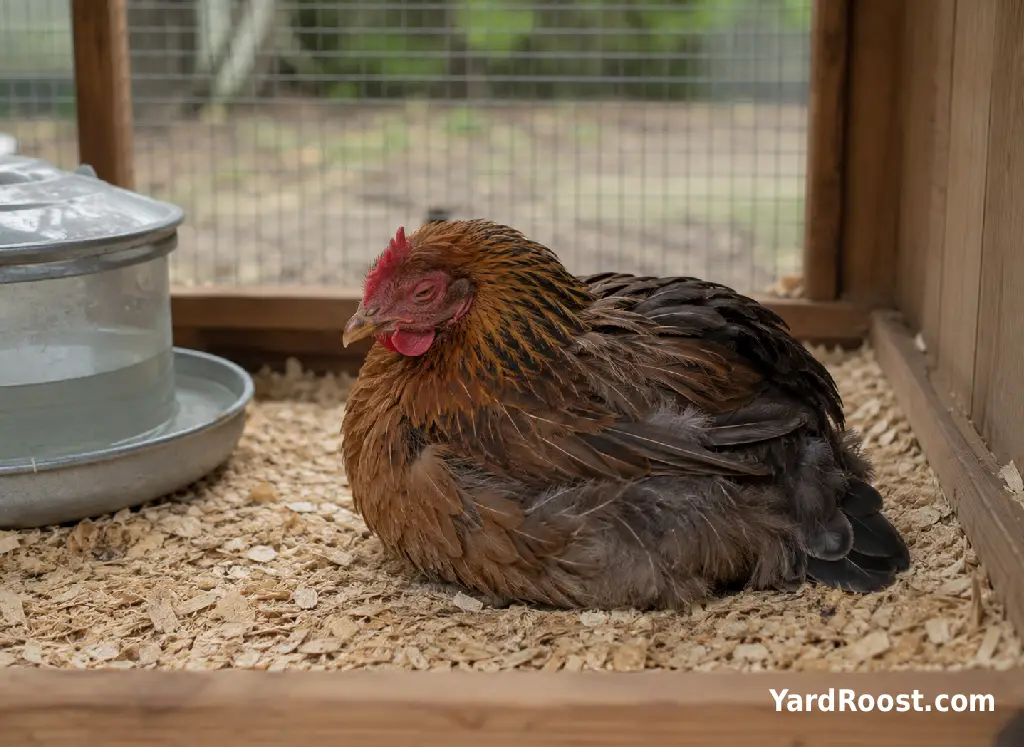
What to Do If You Suspect Bird Flu
Act on the possibility of a contagious disease without deciding that bird flu is definitely present. A calm response protects your birds, your household, nearby flocks, and the professionals who may need to collect samples.
- Stop moving birds, eggs, manure, bedding, crates, and shared equipment off the property.
- Keep children, visitors, cats, dogs, and other animals away from the coop and run.
- Do not carry a sick or dead chicken into your house, vehicle, feed store, or veterinary waiting room.
- Call an avian veterinarian, your state veterinarian, or USDA before transporting a bird or carcass.
- Follow official instructions for testing, carcass handling, cleaning, and disposal.
Report unusual illness or deaths through your state veterinarian or USDA’s sick-bird line at 1-866-536-7593. CDC and USDA specifically encourage owners to report sick birds and unexplained deaths rather than handling or moving them without guidance.
A common mistake we see is immediately deep-cleaning the coop. Scraping dry manure, shaking bedding, or sweeping feathers can stir contaminated dust into the air. If avian influenza is possible, leave the environment as undisturbed as you safely can until animal-health officials explain the next step. CDC advises avoiding dust, bird waste, and feather disturbance around suspected or confirmed flocks.
If a partition can be closed without touching the bird or disturbing litter, you may be able to restrict access to that area. Do not chase, catch, or relocate a severely ill bird across the property unless a veterinarian or responding official directs you to do so.

How Avian Influenza Reaches a Backyard Coop
Avian influenza can spread through saliva, respiratory secretions, and feces from infected birds. Chickens may be exposed through bird-to-bird contact or through contaminated water, manure, footwear, hands, tools, egg flats, cages, and other materials.
A typical backyard route is less dramatic than a visibly sick wild bird entering the run. A duck may leave droppings beside an outdoor water pan. The keeper steps in the wet area, enters the coop in the same shoes, and carries contaminated material onto the bedding. Another route is lending a crate to a neighbor and returning it directly to the flock without cleaning and disinfection.
Wild-bird pressure often increases around ponds, standing water, spilled feed, open compost, and outdoor water containers. APHIS reports that U.S. poultry detections tend to rise during fall and spring migration, although strong precautions are worthwhile throughout the year.
New birds are another preventable risk. A chicken that looks healthy can still be incubating an illness or carrying organisms from its former environment. Keep additions physically separate and use dedicated tools while following a careful new-chicken quarantine routine.
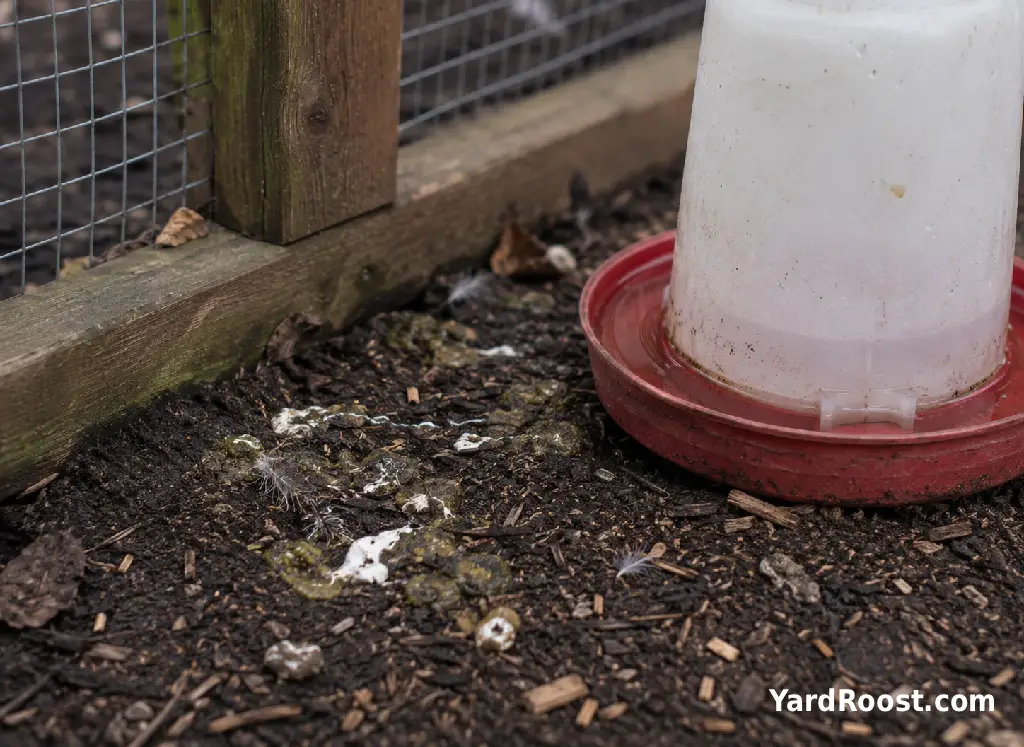
Everyday Biosecurity That Lowers the Risk
Biosecurity does not require turning a backyard into a commercial poultry facility. It means creating small barriers that make it harder for disease to move from wildlife, visitors, equipment, or another flock to your chickens.
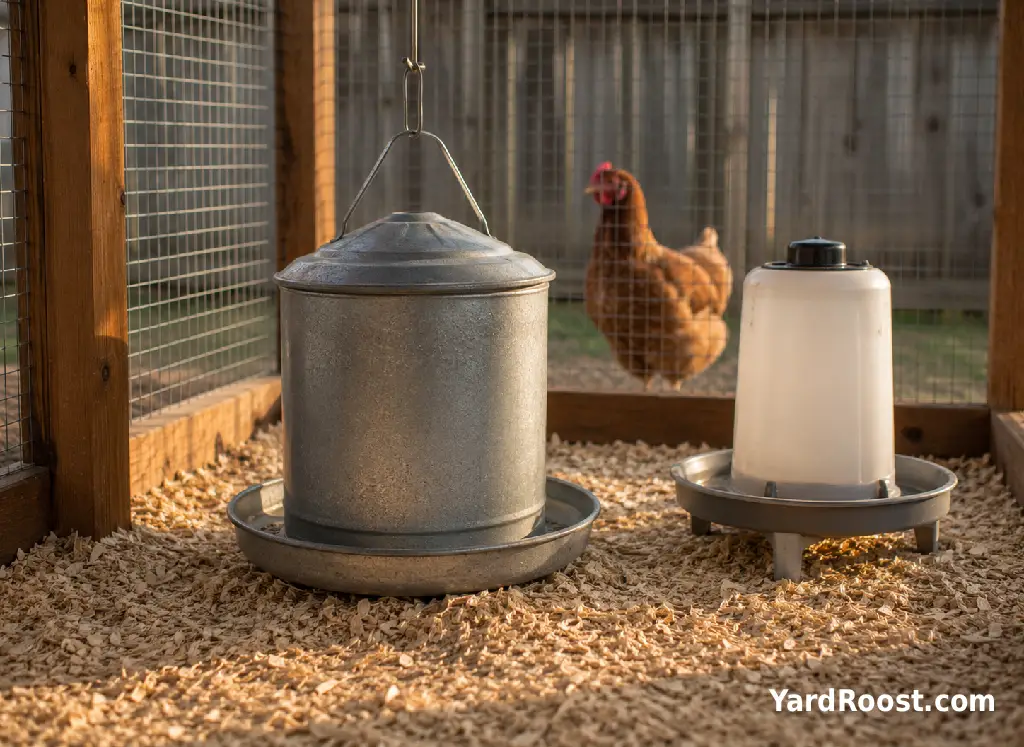
- Keep feed beneath a roof and clean spills before they attract wild birds or rodents.
- Use a water source that wild birds cannot enter, and do not supply untreated pond or puddle water.
- Wear coop-only footwear and leave it at the entrance rather than walking through the house.
- Do not share carriers, feeders, tools, or egg containers unless they have been cleaned and appropriately disinfected.
- Limit unnecessary visitors, especially anyone who recently handled other poultry.
- Check fencing and roof coverage for places where wild birds can enter or perch over feed and water.
Editorial note: The easiest biosecurity routine is one you can repeat on a rainy Tuesday morning. A boot tray by the gate, a covered feed bin, and a dedicated scoop usually provide more value than an elaborate system everyone eventually stops using.
Work from the youngest or healthiest group toward any quarantined or questionable birds, never in the opposite direction. Wash your hands after touching poultry, eggs, waterers, feeders, or coop surfaces. CDC recommends soap and running water and advises adults to supervise young children’s handwashing.
Can You Eat Chicken or Eggs During Bird Flu?
Properly handled and thoroughly cooked commercial poultry and eggs are considered safe. CDC states that cooking poultry and eggs to an internal temperature of 165°F kills avian influenza viruses, and there is no evidence that anyone in the United States has contracted avian influenza from properly handled and cooked poultry products.
USDA food-safety guidance lists 165°F for poultry. USDA generally lists 160°F for egg dishes, while CDC’s bird-flu guidance uses a conservative 165°F recommendation for poultry products, including eggs, in this specific context. Use a food thermometer for mixed egg dishes and cook individual eggs until the whites and yolks are firm.
| Situation | Safety-First Answer |
|---|---|
| Chicken or eggs purchased through normal retail channels | Handle them normally, prevent cross-contamination, and cook thoroughly. |
| Eggs from a healthy backyard flock with no disease concern | Collect clean eggs regularly, refrigerate them, and cook them fully. |
| A chicken that appears sick or died unexpectedly | Do not slaughter, process, or eat it. Report the illness and request instructions. |
| Eggs from a suspected or confirmed infected flock | Do not eat, sell, share, hatch, or move them while awaiting official guidance. |
| Raw or undercooked poultry and eggs | Avoid them because they may carry avian influenza and other harmful germs. |
The phrase “cooking kills the virus” should not be treated as permission to butcher a sick backyard chicken. Catching, killing, plucking, and processing a potentially infected bird can expose your eyes, nose, mouth, lungs, clothing, tools, and work surfaces before the meat ever reaches a stove. University of Minnesota Extension specifically advises against eating birds that look sick or die for unknown reasons.
Likewise, eggs from a flock under investigation should remain on the property and out of the kitchen until authorities give instructions. Confirmed-flock response may include movement controls, disposal requirements, and continued PPE use around contaminated eggs and housing.
Is There a Chicken Bird Flu Vaccine?
As of May 31, 2026, USDA APHIS reported that no HPAI vaccine had been authorized for routine use in U.S. poultry. The exception was case-by-case use in certain endangered or zoo species. Vaccine candidates remain under research and evaluation, but backyard keepers should not purchase or administer an avian influenza vaccine independently.
Vaccination policy is more complicated than whether a product can produce antibodies. Officials must consider how well a vaccine matches circulating viruses, whether vaccinated birds can still become infected or spread virus, how outbreaks will be detected, and how vaccination affects poultry movement and trade. The rules may change, so current USDA APHIS guidance and your state veterinarian should be treated as the source of truth.
Do not confuse a poultry HPAI vaccine with the seasonal flu shot for people. CDC states that the seasonal human flu vaccine does not protect against H5N1 bird flu. Annual seasonal vaccination is still recommended for most people because it protects against seasonal influenza and may reduce the already rare possibility of simultaneous infection with seasonal and avian influenza viruses.
For backyard flocks, prevention currently rests on biosecurity, wild-bird exclusion, fast reporting, surveillance, and official outbreak control—not an over-the-counter vaccine program.

Protecting Yourself After Possible Exposure
CDC considers the general public’s current bird-flu risk low, but people who have close or unprotected contact with infected birds, other animals, or contaminated environments face greater risk. Human infection can occur when enough virus reaches the eyes, nose, or mouth or is inhaled in droplets or dust.
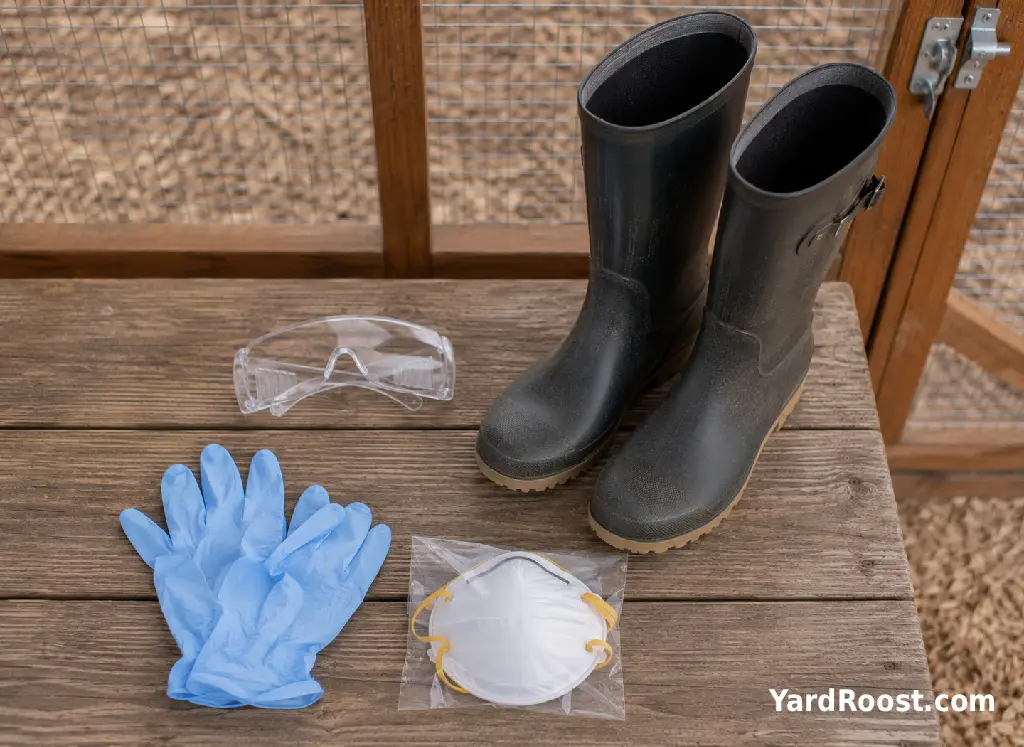
Avoid touching sick or dead birds, litter, feces, waterers, or contaminated surfaces. When contact cannot be avoided and officials direct you to enter the area, use the PPE they recommend. This may include gloves, protective clothing, boots or boot covers, respiratory protection, and eye protection. Do not wear contaminated gear into your home.
After an exposure, monitor yourself for 10 days. Possible symptoms in people include red or irritated eyes, fever or feeling feverish, cough, sore throat, a runny or stuffy nose, muscle aches, headache, and fatigue. Less commonly, nausea, vomiting, or diarrhea may occur. Eye redness has been prominent in several recent U.S. cases.
If you become ill within 10 days of contact with infected or potentially infected birds, stay away from other people and contact your local or state health department or a healthcare professional promptly. Tell them clearly that you had poultry or bird-flu exposure before arriving at a clinic. Public-health officials can advise about testing, monitoring, and when isolation is no longer necessary.
Common Mistakes to Avoid
Most chicken keepers want to act quickly when a bird is suffering. The problem is that a rushed response can move contamination around the yard or increase a person’s exposure.
- Waiting for every bird to look sick before making a call. A few sudden deaths or a fast-moving cluster is enough reason to report.
- Driving an uncontained bird or carcass to a veterinarian without calling first. The clinic may have special arrival and testing instructions.
- Taking a sick hen into the laundry room or garage. This brings potentially contaminated feathers, dust, feces, and equipment closer to the household.
- Giving birds, eggs, manure, or equipment to a neighbor after illness begins. Stop movement until the cause is assessed.
- Assuming a photo confirms bird flu. Symptoms overlap with many unrelated conditions.
- Sweeping, blowing, or shaking dirty bedding. Dry cleaning methods can put contaminated dust into the air.
- Trying leftover antibiotics, dewormers, herbs, or other remedies. These do not diagnose avian influenza and may delay mandatory reporting.
- Allowing cats or dogs to investigate sick or dead birds. Pets can be exposed through contact or by eating infected wildlife or poultry.
The safer rule is simple: contain the location, reduce contact, make the report, and wait for specific instructions. You are not overreacting by calling. Animal-health officials would rather answer an early question than trace birds and equipment after they have been moved.
When to Call an Avian Vet or Report Sick Birds
Contact an avian veterinarian or animal-health official immediately when you see sudden unexplained death, several birds becoming ill together, severe breathing difficulty, neurological signs, facial or comb swelling, purple discoloration, or a rapid drop in feed intake and egg production accompanied by illness.
Do not wait for a scheduled appointment if deaths are increasing over hours or multiple species are affected. Call first and describe the number of birds, species, ages, symptoms, when the problem started, recent additions, wild-bird contact, and any movement of birds or equipment.
USDA APHIS lists sudden death, gasping, nasal discharge, swelling, loss of coordination, diarrhea, and egg-production changes among HPAI warning signs. These signs do not prove that your chickens have bird flu, but they are strong reasons to request professional assessment and testing.
For U.S. flocks, you can contact your state veterinarian or call USDA at 1-866-536-7593. Your local extension office may also help you locate poultry veterinarians and state reporting contacts, but an emergency involving sudden deaths should go directly to animal-health authorities.

A Calm, Fast Response Protects More Than One Flock
Chicken flu is serious, but preparedness is more useful than panic. Learn the flock-wide warning signs, keep wild birds away from feed and water, use dedicated coop footwear, and know who to call before an emergency happens.
If a bird becomes severely ill or dies unexpectedly, do not handle, transport, butcher, or dispose of it without guidance. Restrict access, stop movement from the property, and contact an avian veterinarian, your state veterinarian, or USDA. Fast reporting gives professionals the best chance to identify the cause and prevent a contagious disease from reaching another backyard flock.
For food safety, continue buying and preparing poultry and eggs normally, separate raw foods from ready-to-eat foods, and cook them thoroughly. The exception is a sick or suspect backyard flock: keep its birds and eggs out of the kitchen while officials investigate.
A few repeatable habits—covered feed, protected water, clean boots, careful quarantine, daily observation, and prompt reporting—form the strongest practical defense currently available to small-flock keepers.