Egg prices can feel confusing because they rise fast, fall slowly, and vary a lot by store, state, egg type, and season. For backyard chicken keepers, the short answer is this: eggs get expensive when laying-hen supply drops, wholesale markets tighten, retailers adjust slowly, and shoppers keep buying because eggs are a staple food.
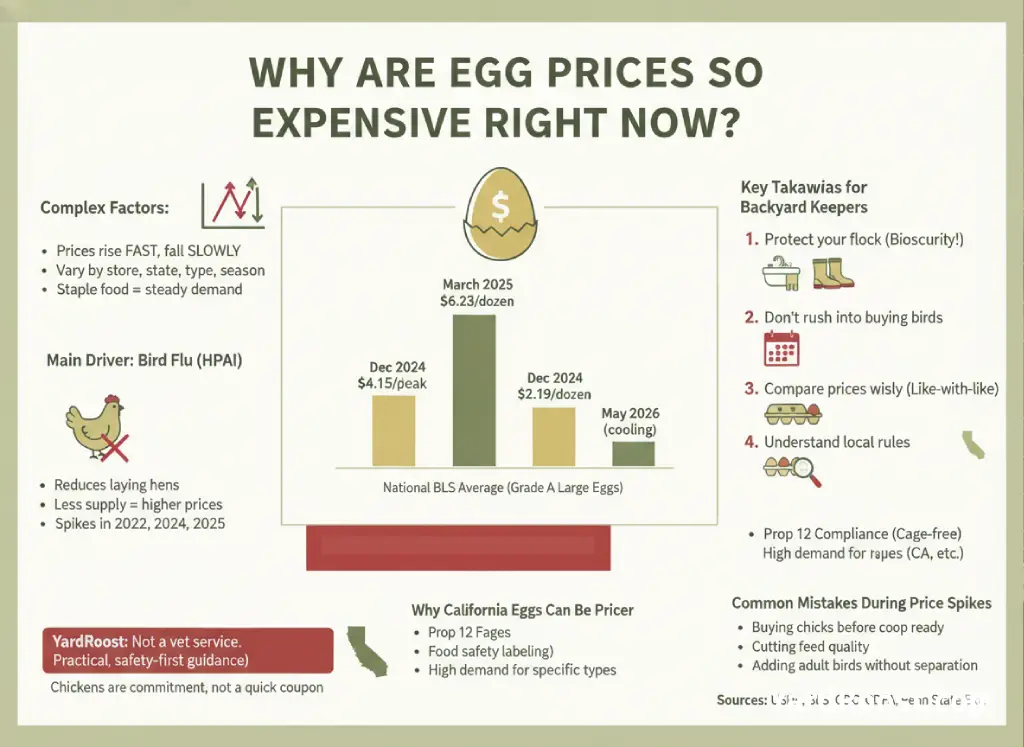
The biggest recent driver has been highly pathogenic avian influenza, often called bird flu. USDA’s Economic Research Service says the ongoing HPAI outbreak reduced egg-layer flocks and egg production, helping push retail egg prices higher in 2022, 2024, and 2025. By May 2026, the national BLS average for Grade A large eggs had cooled to $2.191 per dozen after reaching $6.227 in March 2025, but local prices can still feel high depending on region, cage-free supply, and store pricing.
Because egg prices are tied partly to poultry disease, this article stays practical and safety-first: what happened, why it matters to small flocks, and how to avoid making expensive or risky backyard chicken decisions during the next egg-price spike.
Why Eggs Are So Expensive Right Now
Egg prices rise when there are fewer eggs available than buyers expect. That sounds simple, but the egg market is especially sensitive because hens cannot instantly be replaced. A store can restock cartons quickly only if farms have enough laying hens, processing capacity, transportation, packaging, and wholesale supply behind the scenes.
When a disease outbreak removes laying hens from production, the shortage moves through the system in waves. Wholesale prices often react first. Retail prices then follow, but not always at the same pace. USDA notes that retail prices are influenced by wholesale prices, contracts, and store pricing strategies, which helps explain why shoppers may not see a quick drop the moment wholesale markets soften.
For backyard keepers, this explains why eggs can feel expensive again even after headlines say prices are falling. Your local store may be dealing with a different supply mix than the national average. Cage-free cartons, organic eggs, pasture-raised eggs, and California-compliant eggs can also move differently from basic conventional eggs.
A practical way to read the shelf is to compare like with like. A $7 pasture-raised dozen is not the same market signal as a $3 conventional dozen. Check size, label, store brand, and carton count before deciding whether prices are truly rising in your area.
What Changed In 2025 And 2026?
The 2025 spike was sharp enough that many shoppers started asking why eggs are so expensive now compared with a few years ago. BLS average price data show Grade A large eggs at $4.146 per dozen in December 2024, $5.897 in February 2025, and $6.227 in March 2025 before falling through much of the rest of the year.
By 2026, the picture looked different. USDA ERS reported that retail egg prices were lower in April 2026 than in April 2025 and projected egg prices to decrease in 2026 as egg production recovered. That does not mean every carton everywhere becomes cheap at once. It means the national pressure eased as flocks rebuilt and fewer HPAI detections occurred early in 2026 compared with early 2025.
| Price Driver | What It Means At The Store | What Backyard Keepers Should Notice |
|---|---|---|
| Bird Flu Losses | Fewer laying hens can mean fewer cartons and higher prices. | Watch local poultry health alerts before adding birds. |
| Flock Rebuilding | Prices may ease slowly as replacement hens mature. | New hens do not solve egg shortages overnight. |
| Retail Price Lag | Store prices may stay high after wholesale prices drop. | Compare stores and egg types before assuming a trend. |
| Regional Rules | Cage-free or state-compliant eggs may cost more. | Local laws matter for both shopping and flock plans. |
Editorial note from YardRoost: we would not recommend starting a flock only because eggs had a high month at the grocery store. Chickens can be rewarding, but they are a daily animal-care commitment, not a quick coupon.
How Bird Flu Sends Egg Prices Up Fast
Bird flu affects egg prices because table-egg farms depend on large numbers of healthy laying hens. USDA APHIS says HPAI can be deadly to domestic poultry and can wipe out entire flocks within days. APHIS also notes that detections tend to be higher in fall and spring because wild birds spread virus during migration.
When a commercial laying flock is affected, production loss is not just today’s eggs. It can also mean cleaning, response work, downtime, replacement pullets, and time for those birds to reach laying age. That delay is one reason egg prices can jump suddenly but take months to settle.
For backyard flock owners, the lesson is not panic. It is biosecurity. APHIS encourages bird owners to reduce opportunities for wildlife to spread virus to poultry and to prevent spread from one premises to another. In a small backyard flock, that means simple habits done consistently:
- Keep wild birds away from feeders and waterers as much as practical.
- Use dedicated coop shoes or boots, especially after visiting feed stores, swaps, fairs, or another flock.
- Do not bring new birds straight into your flock without a separate observation period.
- Call a poultry veterinarian, state animal health office, or extension office if birds show sudden severe illness or unexplained deaths.
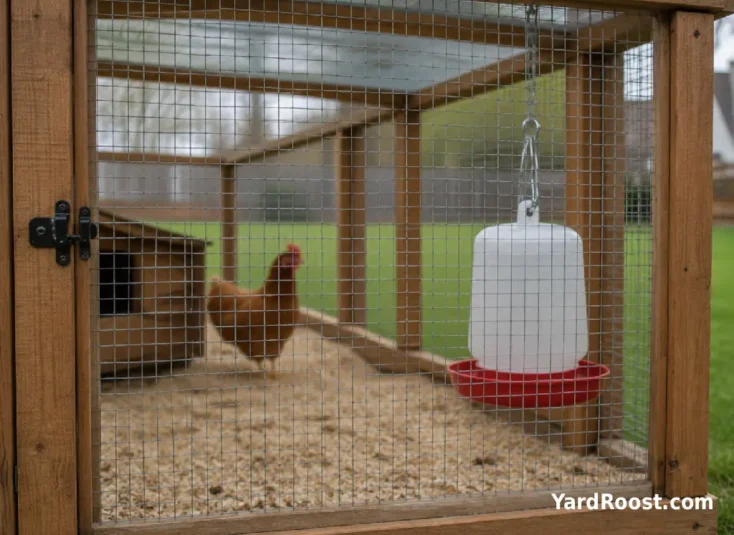
For more small-flock setup help, see YardRoost’s guide to coop ventilation basics and predator-proof chicken runs. Good housing will not make a flock disease-proof, but it reduces everyday stress and makes safe routines easier.
Why Are Eggs So Expensive In California?
California egg prices can feel higher because the state has its own compliance rules and a heavy demand for cage-free eggs. The California Department of Food and Agriculture guidance says that, as of January 1, 2022, producers raising egg-laying hens for commercial sale of shell and liquid eggs need a valid Proposition 12 Certificate of Compliance. Eggs sold in California also require approved California shell egg food safety labeling.
That does not mean California rules are the only reason eggs rose. The 2025 price surge was heavily tied to HPAI and national supply pressure. But when a state requires a specific type of compliant egg, the supply pool can be narrower. If disease or transportation problems hit that pool, prices can move harder than they would in a more flexible market.
USDA AMS publishes a Weekly California Shell Egg Report, and its June 2026 report showed California cage-free benchmark prices in cents per dozen, not retail shelf prices. That distinction matters: a wholesale or benchmark number is not the same as what a shopper pays after retail margins, brand premiums, carton size, and store decisions.
Backyard keepers in California should also remember that keeping hens at home is governed by city ordinances, zoning, and HOA rules. Before buying chicks because store eggs are expensive, check local limits on flock size, coop placement, roosters, manure handling, and setbacks.
Why Backyard Eggs Are Not Always Cheaper
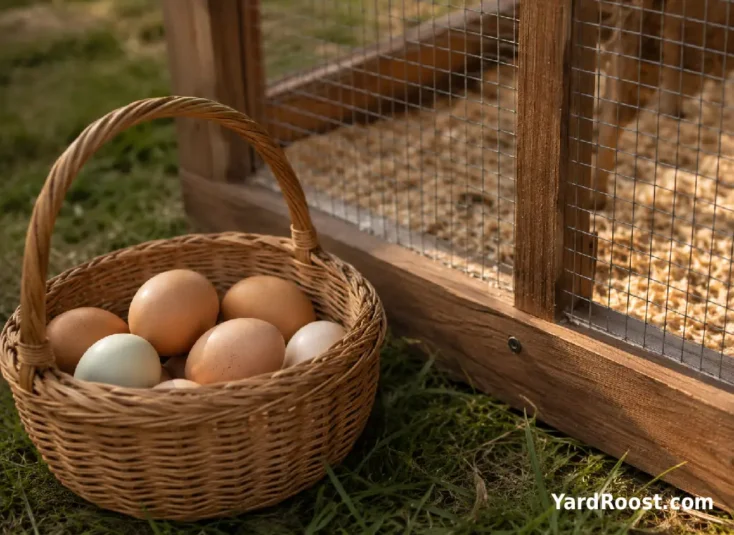
Backyard eggs are wonderful, but they are rarely “free.” A small flock has fixed costs that grocery-store eggs hide from view: coop materials, hardware cloth, feeders, waterers, bedding, feed, calcium, grit, repairs, winter chores, predator protection, and the occasional professional visit when something is wrong.
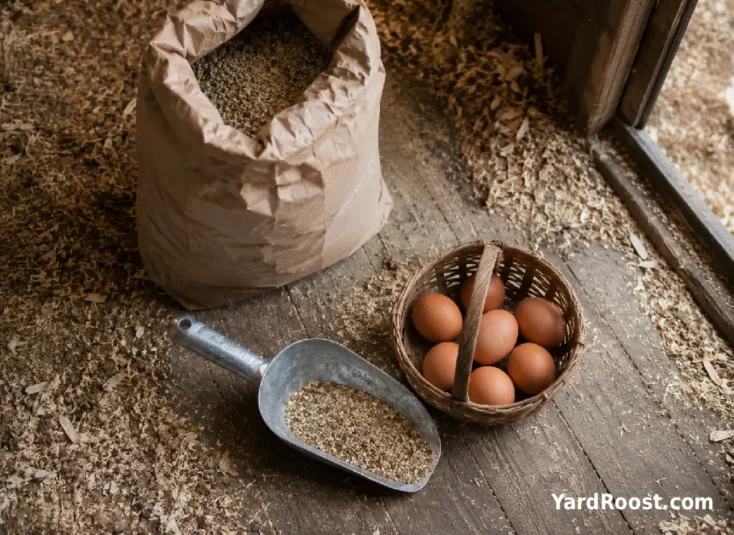
Feed is the steady cost. Extension poultry guidance notes that laying hens need a proper layer ration, and laying diets commonly provide higher calcium than grower feeds because eggshell production requires a lot of calcium. Penn State Extension recommends layer rations for hens over 18 weeks of age, along with grit and a calcium source such as oyster shell offered free choice.
Egg output also changes with season and age. Extension resources describe molting as a normal period when hens often reduce or stop laying, and daylight can affect egg production in backyard flocks. That means your feed bill (Chicken Feed Calculator ) can keep going while your egg basket slows down.
A common beginner mistake is doing the math only during peak spring laying. A fair backyard egg budget should include the slow months too. If six hens give plenty of eggs in May but only a few in December, your average cost per dozen is not based on May alone.
What Backyard Chicken Keepers Can Do When Egg Prices Rise
Rising egg prices are a good time to tighten management, not to rush into more birds. In a small backyard flock, the most useful move is to protect the hens you already have and reduce waste around the eggs they lay.
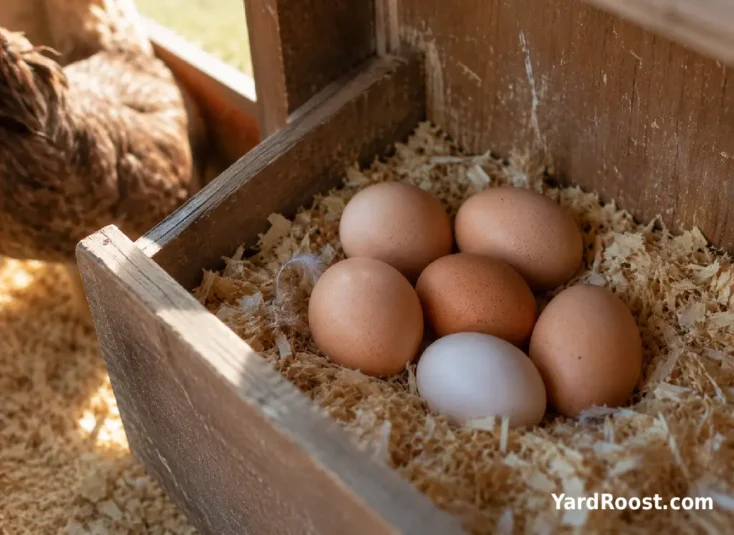
- Collect eggs at least once daily, and more often in freezing or very hot weather.
- Keep nest bedding dry enough that eggs do not come out smeared with manure or broken yolk.
- Feed a complete layer feed as the main diet, not scratch grains or kitchen scraps as a replacement.
- Offer oyster shell or limestone separately if your flock needs extra calcium support.
- Track eggs for 2–4 weeks before deciding a hen has “stopped laying.” Weather, molt, broodiness, and daylight can all change the count.
CDC reminds backyard poultry owners that chickens and ducks can carry Salmonella even when they look healthy and clean. Wash hands after touching birds, eggs, or anything in the coop area, keep poultry supplies outside the house, and supervise children around flocks.
Editorial note: if egg prices are high and your hens are laying well, it is tempting to give away or sell every extra dozen. Before selling eggs, check your state and local rules for labeling, refrigeration, permits, and food-safety requirements. YardRoost can offer practical flock-care guidance, but local authorities set the rules.
Common Mistakes To Avoid During Egg-Price Spikes
Egg-price spikes tend to create rushed decisions. We see the same few mistakes whenever store shelves look thin or cartons jump in price.
- Buying chicks before the coop is ready. Chicks grow quickly, and a flimsy temporary setup can become a predator, weather, or sanitation problem.
- Assuming hens will pay for themselves immediately. Pullets need time to mature, and feed costs begin long before the first egg.
- Adding adult birds without separation. New birds can bring parasites, respiratory illness, or pecking-order stress into an established flock.
- Cutting feed quality to save money. Treats and scratch may look cheaper per bag, but they do not replace a balanced layer ration.
- Ignoring local rules. A bargain flock is not a bargain if it creates neighbor, zoning, or HOA trouble.
The safer path is slower: build the coop first, price the full year of feed and bedding, check local rules, and buy birds from a source that supports healthy stock and clear records. For beginners, a modest flock that is easy to manage usually beats an oversized flock started in a panic.
When To Get Professional Help For Sick Birds
Because bird flu is part of the egg-price story, backyard keepers should know when flock signs are bigger than routine slow laying. Do not try to diagnose from one symptom. A drop in eggs can come from molt, heat, cold, short daylight, stress, age, broodiness, nutrition, parasites, or illness.
APHIS lists serious avian influenza warning signs that can include sudden death, lack of energy or appetite, a drop in egg production, soft-shelled or misshapen eggs, swelling, purple discoloration, breathing difficulty, coughing, sneezing, stumbling, and diarrhea. Those signs do not prove HPAI in a backyard bird, but they do mean you should take the situation seriously.
Safe first steps are simple and cautious:
- Separate a sick bird from the flock if you can do so safely.
- Limit visitors, shared tools, and trips between coops.
- Use dedicated shoes and wash hands after handling birds or equipment.
- Call an avian vet, poultry veterinarian, local extension office, or state animal health office for guidance.
Do not medicate, vaccinate, or use home remedies based on online guesses. Serious flock illness needs qualified help, and some poultry diseases have reporting rules that vary by state.
The Takeaway For Small Backyard Flocks
Eggs got expensive because several pressures stacked up at once: HPAI reduced laying-hen supply, farms needed time to rebuild flocks, retail prices lagged behind wholesale shifts, and regional requirements shaped which eggs could be sold in certain markets. In 2025, that combination made prices feel especially painful. In 2026, national averages improved, but local prices can still vary by state, store, and egg type.
For backyard chicken keepers, the best response is steady flock management. Keep feed balanced, nest boxes clean and dry, biosecurity habits simple and consistent, and expectations realistic during molt, winter, heat, or flock changes. Adding hens can be a good long-term choice if you want the daily work of chicken keeping. It is not a guaranteed way to beat grocery prices every month.
Before expanding your flock, do the boring but useful math: local rules, coop space, predator protection, feed, bedding, veterinary access, and the months when hens naturally lay less. That kind of planning will save more frustration than chasing the price of eggs at the store.
Sources referenced in this article include USDA Economic Research Service, USDA Agricultural Marketing Service, USDA APHIS, the U.S. Bureau of Labor Statistics, CDC, California Department of Food and Agriculture, Penn State Extension, and Extension poultry resources.