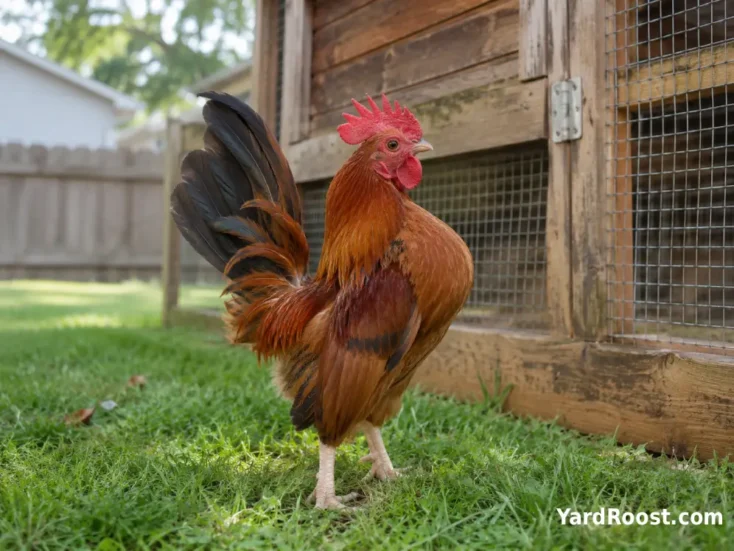
The Serama chicken may be one of the smallest birds in your backyard, but it is certainly not short on personality. With its upright stance, prominent chest, and high tail, this miniature chicken often looks as though it is posing for a photograph.
Originally developed in Malaysia, Serama chickens have become popular with backyard keepers who appreciate ornamental breeds, friendly birds, and small flocks. Their compact size can make them appealing for suburban yards, although these delicate bantams still need secure housing, room to move, and protection from weather and predators.
Seramas are generally kept more for companionship and exhibition than for producing large quantities of eggs. A Serama hen can provide small eggs for the kitchen, while a Serama rooster may bring plenty of character and, of course, crowing to the flock.
Before bringing these tiny chickens home, it helps to understand what makes them different from standard backyard breeds. Their size affects everything from feeder placement to flock introductions, winter care, and predator protection.
Here is what backyard chicken keepers should know about Seramas and how to give them a safe, comfortable place to live.
What Is a Serama Chicken?
The Serama is a true bantam chicken, meaning it is naturally miniature rather than a smaller version of an existing large chicken breed. It originated in Malaysia, where the birds became known for their distinctive appearance and confident presentation.
Seramas were introduced to the United States in the early 2000s. Oklahoma State University reported their arrival in 2001 and described the breed as particularly well suited to companionship, youth poultry projects, and exhibition.
Unlike many backyard chicken breeds, Seramas are not primarily selected for meat or high-volume egg production. Their appeal comes from their unusual body shape, small size, and individual personalities.
How Big Do Serama Chickens Get?
Seramas are among the world’s smallest chicken breeds. According to Oklahoma State University’s breed reporting, mature roosters commonly weigh approximately 12–20 ounces, while hens may weigh about 10–18 ounces.
Actual adult size varies with breeding lines, sex, and the type of Serama being raised. Not every bird will fall neatly within those ranges, and exhibition standards may set their own weight limits.
| Characteristic | Serama Chicken |
|---|---|
| Origin | Malaysia |
| Breed size | True bantam; exceptionally small |
| Typical adult weight | Approximately 10–20 ounces, with variation |
| Primary purpose | Companionship and exhibition |
| Egg size | Very small |
| Comb | Single comb |
| Feather types | Smooth, frizzled, and silkied |
| Backyard suitability | Good for prepared keepers with secure housing |
You may also encounter breeders advertising micro Serama chickens. Micro is often a descriptive sales term rather than a separate chicken breed. Ask about the parents’ actual mature weights, health, and breeding standards instead of relying on a size label alone.
For most backyard keepers, a healthy, active bird with a sound body structure matters more than finding the smallest possible Serama.
What Makes Malaysian Seramas Look So Different?
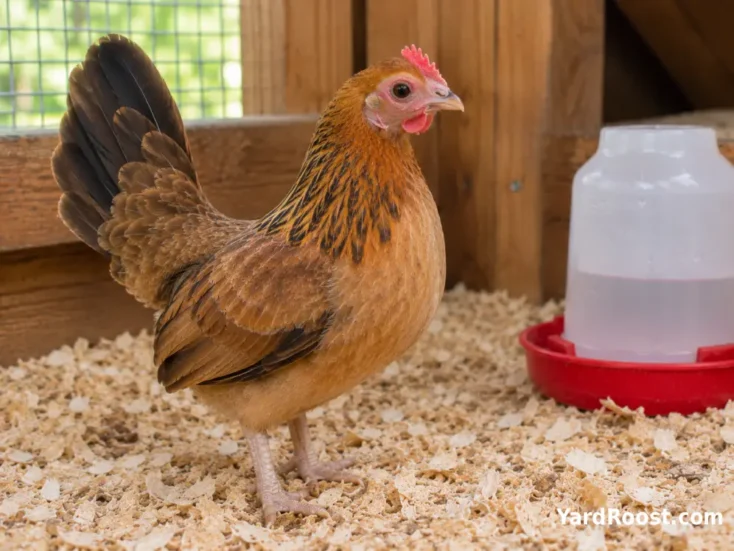
A Serama’s body shape is what usually catches people’s attention first. Instead of the relatively horizontal profile of many ordinary chickens, the Serama carries itself in an unusually upright position.
The classic appearance includes a full breast, short back, upright tail, and wings that hang lower than those of many other chicken breeds. The head is held proudly above the chest, giving the bird a confident, almost theatrical outline.
Malaysian Seramas are especially associated with this upright presentation and with tabletop exhibitions, where birds are evaluated for their body shape, movement, and natural confidence.
In the United States, different breeding and exhibition traditions may emphasize somewhat different standards. Traditional or Malaysian-style birds and American exhibition lines can therefore vary in appearance.
For a backyard owner, these distinctions matter most when purchasing breeding or show-quality birds. If your goal is simply to keep friendly ornamental chickens, health, temperament, and sound structure should take priority over an extreme show pose.
Do Seramas Come in Different Colors?
Yes. Seramas can appear in many colors and feather patterns, including white, black, brown, reddish, and mixed or patterned plumage.
Color alone does not establish whether a chicken is a Serama. Look at the bird’s overall proportions, posture, parentage, and breeder information.
Not every color or feather type is necessarily eligible for every organized poultry show, so exhibition-minded keepers should check the current requirements of the organization they plan to enter.
Serama Feather Types: Smooth, Frizzle, and Silkied
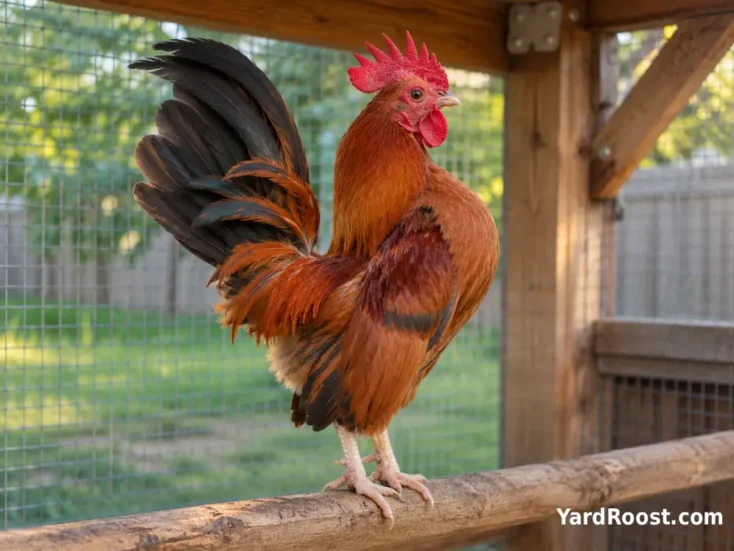
Not all Seramas have the same feather texture. In addition to ordinary smooth feathers, some breeding lines produce frizzled or silkied plumage.
These differences affect more than appearance. Feather structure can influence how well a bird handles moisture, wind, and cold conditions.
Smooth-Feathered Seramas
Smooth-feathered Seramas have conventional chicken feathers that lie relatively flat against the body. This is the familiar feather type seen in many photographs of Malaysian Seramas.
For beginners, smooth-feathered birds are often a practical starting point because their feathers provide the usual protective structure of chicken plumage.
Frizzle Serama Chickens
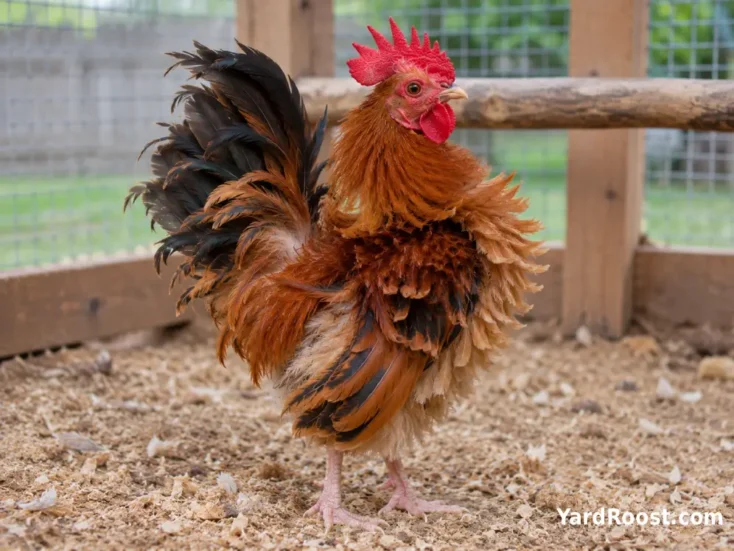
A frizzle Serama chicken has feathers that curve outward rather than lying flat. This produces a distinctive textured appearance around the bird’s body.
Oklahoma State University explains that frizzling is a genetic feather characteristic that can occur in different chicken breeds. It is not a separate breed by itself.
Frizzled feathers may provide less effective weather protection than normal plumage, especially during wet or windy conditions. These birds benefit from reliable shelter and careful observation during seasonal weather changes.
Silkied Serama Chickens
A silkied Serama chicken has unusually soft, fluffy feathers with a texture resembling the plumage of a Silkie chicken.
The feather structure differs from ordinary plumage because the feather components do not interlock in the usual way. Oklahoma State University’s description of silkied feather genetics helps explain this soft appearance.
Silkied Seramas are still Seramas; their feather texture does not automatically mean they are crosses with Silkie chickens.
Because this feather structure may offer less protection from rain and cold, keep silkied birds in a dry environment with dependable weather shelter.
When buying specialty feather types, ask the breeder about the birds’ living conditions, feather quality, and any extra management needs. Unusual plumage should never come at the expense of health or comfort.
Are Serama Hens and Roosters Friendly?
Seramas are often described as curious, alert, and people-oriented chickens. Many become comfortable around their keepers, especially when handled gently and consistently from a young age.
Still, temperament varies between individual birds. A friendly breeding line may produce calm youngsters, but there is no guarantee that every Serama will enjoy being picked up or touched.
Serama Hen Personality
A Serama hen may be an inquisitive and active member of a small backyard flock. Some hens readily approach familiar people, while others prefer to observe from a comfortable distance.
Because of their size, they can be intimidated or injured by much larger chickens. A gentle full-size hen can still accidentally knock over or step on a tiny bantam.
Watching how a Serama hen behaves around feeders, perches, and other birds is more useful than assuming she will be safe simply because she seems friendly.
Serama Rooster Personality
Serama roosters can be confident, alert, and surprisingly assertive for such small birds.
Some are calm and easy to manage, while others may challenge neighboring roosters or become protective of their hens. Their small size does not prevent normal rooster behavior.
And yes, Serama roosters crow.
Their crow may sound different from that of a large rooster, but it can still carry across a suburban yard. Do not assume a miniature rooster will be acceptable in a neighborhood with rooster restrictions.
Check local zoning, ordinances, and HOA rules before bringing one home.
Can Seramas Live With Regular Chickens?
They sometimes can, but keeping them with much larger chickens requires extra care.
Size differences can lead to competition at feeders, bullying, accidental injuries, and problems during mating behavior.
A separate Serama flock or a secure divided run is often the safer choice, especially when the existing flock contains large or dominant birds.
If introductions are attempted, use a gradual approach with a secure barrier first, closely supervised interactions, and a separate enclosure ready if aggression develops. For additional guidance, see our guide to introducing new chickens to a flock.
Serama Chicken Eggs: Size, Production, and Broodiness
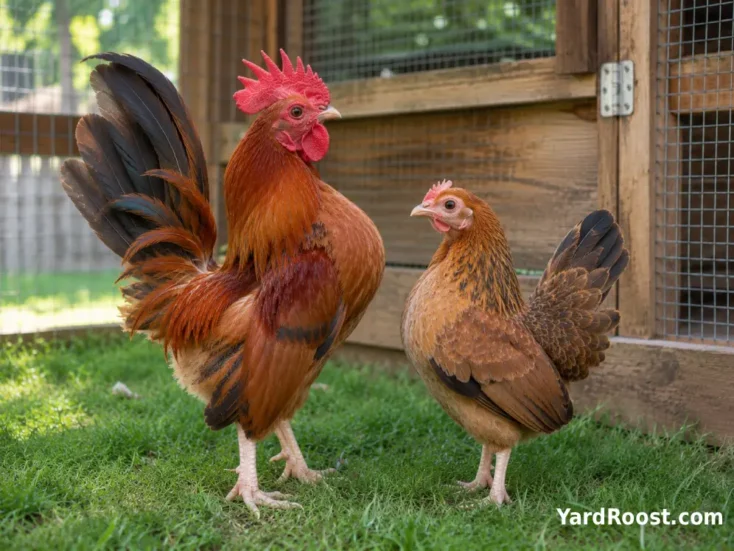
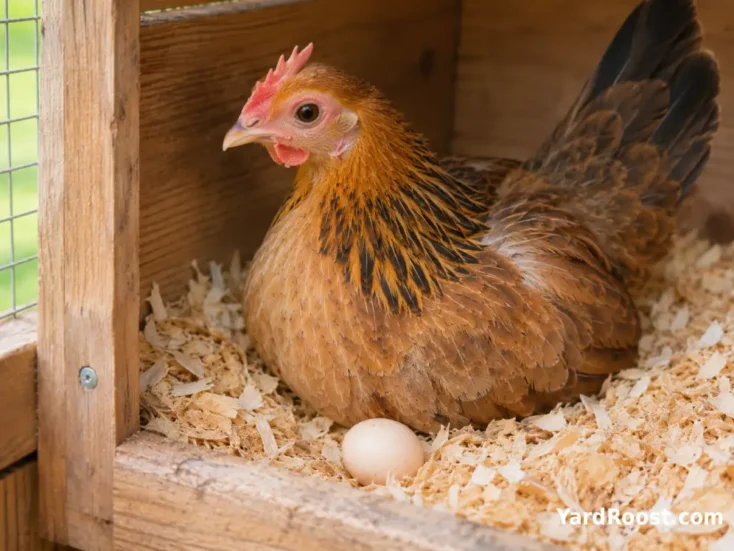
Serama hens can lay edible eggs, but those eggs are considerably smaller than the ones produced by standard backyard laying breeds.
The shells are often cream-colored or lightly tinted, although appearance can vary between individual hens.
If your main goal is to collect a large supply of breakfast eggs, Seramas probably should not be your first choice. They are better viewed as ornamental chickens that can also provide a modest egg harvest.
How Many Eggs Do Serama Hens Lay?
Egg production varies considerably. Some healthy hens may lay fairly regularly during favorable seasons, while others produce fewer eggs or spend substantial periods brooding.
Factors that can influence laying include:
- Age and individual genetics.
- Daylight duration and seasonal conditions.
- Nutrition and access to a complete laying feed.
- Stress, flock changes, and housing conditions.
- Broodiness, molting, and general health.
It is better to learn the normal laying pattern of your individual hens than to expect a fixed number of eggs each week.
Do Serama Hens Go Broody?
Some Serama hens show a strong interest in sitting on eggs and raising chicks, although broodiness varies between individuals and breeding lines.
A broody hen may remain in the nest for long periods, defend her nesting space, and spend less time eating or drinking.
Do not assume every broody hen will successfully hatch and care for chicks. Her condition, nesting environment, egg fertility, and ability to keep newly hatched chicks warm all matter.
If you are not planning to breed, collect eggs regularly and monitor any hen that spends unusually long periods on the nest.
Remember that a rooster is not needed for a hen to lay eggs. A rooster is only needed if you intend to produce fertile eggs through natural mating.
Are Serama Eggs Safe to Eat?
Serama eggs require the same food-safety precautions as other backyard chicken eggs.
The Centers for Disease Control and Prevention recommends collecting eggs frequently, discarding cracked eggs, refrigerating eggs promptly, and cooking eggs thoroughly. Wash your hands after handling eggs or anything in the chicken environment.
Small eggs are not automatically safer or cleaner than larger ones. Good nest management and careful handling remain important regardless of breed.
How to Set Up a Safe Coop and Run for Seramas
Seramas need less physical space than large chickens, but their small size should not be used as an excuse to provide cramped housing.
They still need room to walk, scratch, dust bathe, perch, stretch their wings, and move away from other birds.
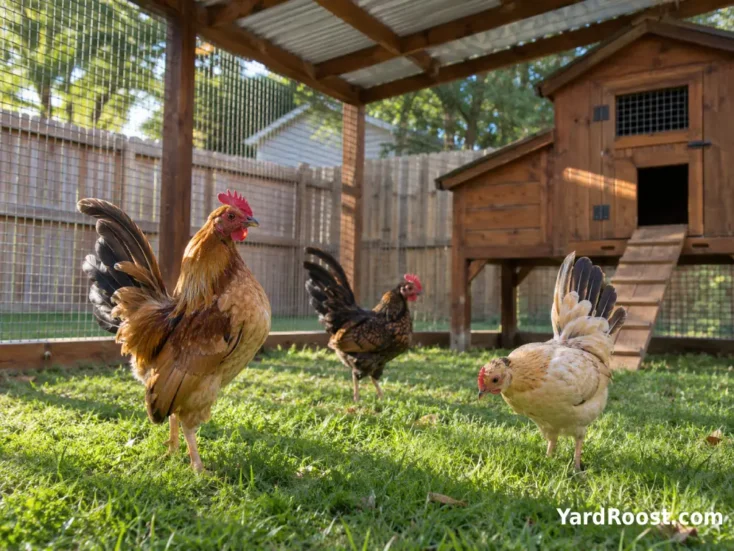
A small ornamental flock benefits from a dedicated outdoor coop and enclosed run designed for chicken behavior rather than permanent confinement in a small pet cage.
How Much Coop Space Do Seramas Need?
There is no single well-established, research-based housing minimum specifically for Seramas.
As a generous planning target for a small backyard flock, consider approximately 3–4 square feet of usable indoor coop space per adult bird and around 10 square feet per bird in the outdoor run, with additional space when possible.
These are conservative backyard planning figures informed by general poultry extension guidance, not a Serama-specific legal or biological minimum.
For example, three Seramas could have a 3-by-4-foot coop connected to a 5-by-6-foot covered run. A larger run would provide more opportunity to forage, explore, and avoid social conflict.
The usable space matters more than the coop’s advertised capacity. Nest boxes, feeders, waterers, and other structures can reduce the floor area available to the birds.
Keep Everything Within Easy Reach
Size-appropriate equipment makes daily life easier for Seramas.
- Roosts: Provide stable, relatively low perches with easy access and safe landing space.
- Nest boxes: Choose an accessible box that feels sheltered without being cramped.
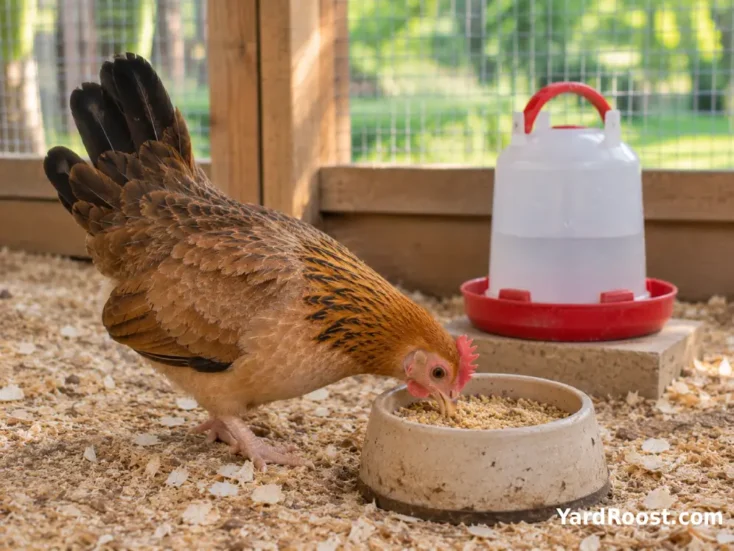
- Feeders: Position feeding openings low enough for the smallest adult hen to reach comfortably.
- Waterers: Use stable, appropriately sized drinkers that cannot easily tip or become contaminated with bedding.
- Bedding: Maintain a dry, absorbent surface and replace damp or heavily soiled material promptly.
We also recommend checking the height of automatic coop doors and the clearance beneath ramps. Equipment designed for standard chickens may not work equally well for a very small bantam.
Predator Protection Is Especially Important
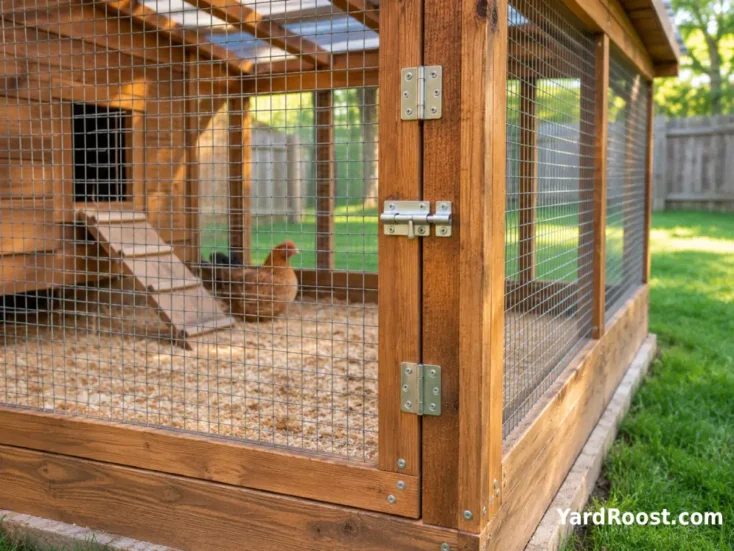
A Serama’s tiny size makes a secure enclosure essential. Cats, hawks, rats, snakes, raccoons, and other predators may pose a threat, depending on the location and the age of the birds.
Penn State Extension recommends strong enclosure materials, secure overhead protection, and barriers against digging predators. For a Serama run, tightly secured small-mesh galvanized hardware cloth is a practical option for vulnerable openings.
Inspect doors, corners, roof connections, and the ground perimeter for gaps. Use predator-resistant latches and a properly constructed digging barrier where needed.
Chicken wire alone should not be relied upon as the main predator-resistant barrier.
Secure Seramas inside their coop before dark rather than assuming their small size will allow them to escape danger.
Feeding Serama Chickens and Managing Daily Care
Seramas do not need an exotic diet simply because they are unusually small. Like other chickens, they require complete, balanced feed appropriate for their age and production stage.
Young birds should receive suitable chick starter or grower feed according to the manufacturer’s directions and their stage of development. Laying hens need a complete ration formulated for egg production.
The University of Kentucky’s poultry extension guidance emphasizes using feed formulated for the bird’s age and purpose rather than relying on scratch grains or treats. Layer feed is not appropriate as the main ration for young, non-laying chicks because of its higher calcium content.
For Seramas, feed particle size also matters. A small crumble is often easier for tiny birds to manage than large pellets.
Adult laying hens may be offered a separate source of poultry calcium, such as oyster shell, according to appropriate flock nutrition guidance. Do not force adult layer supplements on young birds.
A Practical Daily Routine
With a small Serama flock, daily checks can be simple but should be consistent.
- Morning: Check each bird’s activity, appetite, access to feed, and water supply.
- Midday in hot weather: Confirm that shade and cool drinking water are available and watch for panting or other signs of heat stress.
- Evening: Confirm that all birds have returned to the secure coop and inspect the latch.
- During regular cleaning: Remove wet bedding, check for spilled feed, and examine roosting areas for excessive droppings or pests.
Our editorial rule of thumb is to watch how the smallest bird behaves at feeding time. If a larger companion bird repeatedly blocks a Serama from the feeder, add a separate feeding location rather than hoping the problem resolves itself.
Treats can be offered occasionally, but they should remain a small part of the diet. Too many scraps or scratch grains can displace the nutrients provided by complete feed.
Keep stored feed cool, dry, and protected from rodents. Discard any feed that becomes moldy or develops an unusual odor.
Raising Serama Chicks Safely
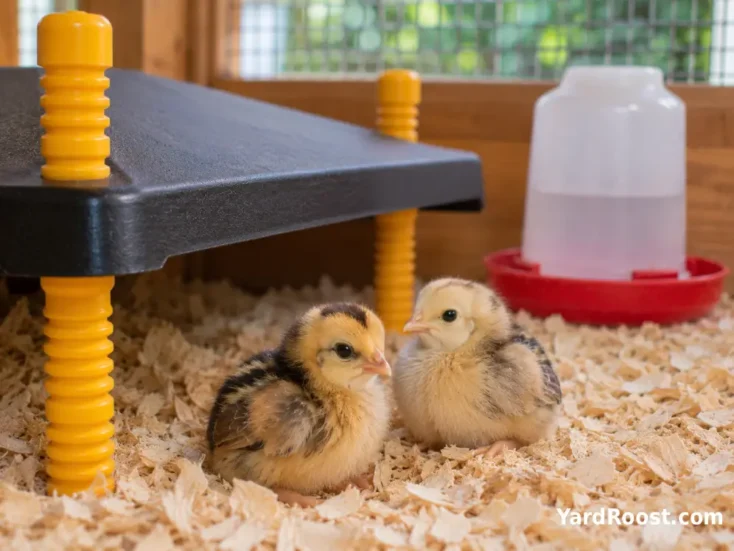
Serama chicks are exceptionally small, so brooder preparation deserves careful attention. A waterer, feeder opening, or floor gap that seems harmless for larger chicks may be unsuitable for these miniature birds.
Newly hatched chicks cannot maintain their body temperature as effectively as fully feathered chickens. They need an appropriately heated brooder with a cooler area where they can move away from warmth.
University of Minnesota Extension and Penn State Extension describe starting brooder temperatures around 90–95°F at chick level, followed by gradual reductions of approximately 5°F per week as chicks grow.
Use chick behavior alongside a thermometer. Huddling tightly under the heat source may indicate that chicks are cold. Avoiding the heated area or showing signs of overheating suggests that conditions need adjustment.
Five Steps for a Safer Serama Brooder
- Prepare the brooder before arrival. Check that it is secure, properly ventilated, and protected from drafts and other animals.
- Provide controlled warmth. Use an appropriately installed poultry brooder heating system, preferably one that reduces the risks associated with exposed heat lamps.
- Choose suitable bedding. Provide a dry, stable, nonslip surface. Avoid smooth flooring that offers little traction.
- Use chick-sized equipment. Provide accessible chick starter and a stable poultry waterer designed to reduce the risk of chicks becoming wet or trapped.
- Check frequently. Confirm that every chick can find food, drink, move comfortably, and rest without being crowded away from the warm area.
Do not use loose heat lamps or makeshift electrical heaters near combustible bedding. If a heat lamp is used, follow the manufacturer’s mounting and clearance requirements and protect it against falling.
Serama chicks should not be rushed outdoors based on age alone. Their feather development, health, nighttime temperatures, and the available shelter all influence when they can live safely without supplemental heat.
If a chick is persistently weak, chilled, unable to stand, or not eating or drinking, contact a poultry veterinarian promptly.
Can Serama Chickens Handle Cold and Hot Weather?
Weather is one of the most important considerations when keeping Seramas in a climate with cold winters or hot summers.
Their small body size means they have less body mass than standard chickens, and specialty feather types may offer reduced protection from moisture and wind.
That does not mean every Serama must live in a heated building. It means their housing should be designed thoughtfully and individual birds monitored closely as conditions change.
Winter Care for Seramas
A dry, sheltered, well-ventilated coop is the foundation of winter management.
University of Maryland Extension emphasizes that poultry housing should remove moisture and stale air while protecting birds from direct drafts.
For a Serama flock, this means checking for wind at roost height, condensation under the roof, wet bedding, and frozen drinking water.
Use ventilation openings placed so incoming cold air does not blow directly onto resting birds. Do not seal the coop tightly in an attempt to trap heat; poor ventilation allows moisture and ammonia to accumulate.
Frizzled and silkied birds deserve particular attention during damp or windy periods. If a bird cannot remain comfortable in its current housing, seek individualized guidance from an experienced poultry veterinarian or local extension office.
Do not improvise indoor heating with unsecured heat lamps, space heaters, or exposed wiring. Any supplemental heating decision should account for fire safety, electrical protection, the condition of the birds, and the severity of the weather.
Summer Care for Seramas
Small chickens can also experience heat stress.
Make sure the run offers dependable shade throughout the hottest part of the day, not only in the early morning.
Keep water in a shaded location and check it more frequently during hot weather. A covered run with good airflow is preferable to a small enclosure that traps heat.
Watch for persistent panting, wings held away from the body, unusual weakness, or a bird that stops moving normally. These signs can indicate a serious problem and should not be dismissed.
If severe heat stress is suspected, move the bird to a cooler, well-ventilated environment without forcing water and contact a poultry veterinarian urgently.
Common Mistakes to Avoid With Serama Chickens
Seramas may look easy to manage because they are tiny, but some of the most common problems come from underestimating their needs.
These mistakes are worth avoiding before purchasing your first birds.
- Choosing a coop based only on bird size: A miniature chicken still needs exercise space, ventilation, appropriate roosting areas, and room to escape social pressure.
- Assuming small roosters are silent: Serama roosters still crow. Check neighborhood rules before purchasing one.
- Mixing Seramas immediately with large chickens: Size differences can make bullying and accidental injuries more serious.
- Using oversized feeders or waterers: Equipment that works for a full-size chicken may be difficult for a Serama to reach or use safely.
- Neglecting wet-weather protection: Frizzled and silkied birds may need more sheltered conditions than smooth-feathered chickens.
- Buying for extreme smallness alone: Health, balanced body structure, behavior, and breeder reliability should come before an advertised miniature size category.
One practical mistake we would address early is placing everything at standard-chicken height. A Serama may technically be able to jump up to an elevated feeder, but it should not have to struggle for routine access to feed or water.
Another common oversight is failing to inspect the run at ground level. Small gaps beneath doors or at fencing corners can be particularly dangerous for tiny birds and chicks.
The best Serama setup is not necessarily expensive or elaborate. It is one where the housing, equipment, and management match the birds’ actual size and behavior.
Keeping Seramas Healthy and Preventing Flock Problems
Seramas can face many of the same health problems as other backyard chickens, including respiratory illness, parasites, injuries, and nutritional issues.
Because they are small, it is especially useful to notice changes in behavior early. A bird that is suddenly less active, misses feeding time, or separates from its flock deserves closer attention.
Routine observation cannot replace veterinary care, and symptoms alone do not identify a specific illness.
Basic Biosecurity for a Small Serama Flock
The USDA Animal and Plant Health Inspection Service recommends consistent biosecurity practices to reduce the spread of poultry diseases.
Useful precautions include keeping wild birds away from feed and drinking water, cleaning equipment appropriately, limiting unnecessary visitors, and using dedicated footwear around the coop.
The CDC also recommends keeping newly acquired poultry separated from an existing flock for at least 30 days before introductions.
During that period, use separate equipment when possible and care for your established birds before tending the newcomers. Wash your hands and manage clothing and footwear to avoid carrying contamination between groups.
Backyard chickens can carry Salmonella even when they appear healthy. Wash your hands thoroughly after handling birds, eggs, or equipment, and keep poultry and their supplies outside household food-preparation areas.
Children younger than five should not handle backyard poultry or enter the areas where the birds live and roam, according to CDC public-health guidance.
When to Call an Avian Vet
Contact a qualified avian or poultry veterinarian promptly if a Serama shows concerning changes such as:
- Difficulty breathing, persistent wheezing, or open-mouth breathing while resting.
- Marked weakness, collapse, or difficulty standing or walking.
- Refusal to eat or drink, especially when accompanied by lethargy.
- Bleeding, significant injury, or suspected predator trauma.
- Persistent straining, abdominal swelling, or abnormal posture suggesting a possible reproductive problem.
- Sudden severe illness or unexplained deaths within the flock.
These signs may have several possible causes and should not be used to diagnose a chicken at home.
While arranging professional help, keep the affected bird in a quiet, secure, appropriately warm or cool environment, away from flock harassment. Avoid unverified home remedies or giving medication without veterinary direction.
Respiratory distress, collapse, severe bleeding, or other rapidly worsening symptoms warrant urgent veterinary attention.
If several birds become sick or die unexpectedly, contact your veterinarian or local cooperative extension office for guidance about possible infectious disease concerns and reporting requirements.
Other Small Chicken Breeds Worth Knowing
The Serama holds the smallest-breed distinction, but several other bantams are worth considering if you want a small chicken for a backyard flock.
Each has different qualities, so the best choice depends on whether you prioritize appearance, temperament, eggs, or ease of management.
| Breed | Notable Characteristics | Worth Considering For |
|---|---|---|
| Serama | Exceptionally small with an upright body and high tail | Companionship and exhibition |
| Sebright | Small, active bantam with distinctive laced feathers | Ornamental backyard flocks |
| Dutch Bantam | Lightweight, active bird with a traditional bantam appearance | Small-breed enthusiasts |
| Japanese Bantam | Short-legged bantam with a distinctive upright tail | Ornamental poultry keeping |
| Bantam Cochin | Rounded, fluffy appearance with feathered legs | Owners who prefer a fuller-bodied bantam |
| Silkie Bantam | Soft, unusual feathering and distinctive appearance | Companion and ornamental flocks |
The Sebright is particularly recognizable because of the dark outlines around its feathers. These birds are attractive but can be lively and independent.
Japanese Bantams have notably short legs and large, upright tails. They may require extra attention to breeding quality and physical soundness, so beginners should look for healthy birds that move comfortably.
Bantam Cochins and Silkies have fuller, fluffier appearances. They are not necessarily as light as a Serama, but many backyard keepers appreciate their ornamental qualities.
Temperament is never guaranteed by breed alone. Handling, environment, genetics, and individual personality all affect how a chicken behaves.
If your main goal is a productive egg flock rather than miniature birds, compare your options with larger laying breeds before making a purchase.
Is a Serama Chicken Right for Your Backyard?
Seramas can be a rewarding choice for backyard chicken keepers who enjoy small ornamental birds and are willing to pay attention to their particular needs.
They are especially appealing when the main goals are companionship, observing interesting chicken behavior, and maintaining a modest flock rather than maximizing egg production.
However, small size does not eliminate the responsibilities of chicken keeping. Seramas still need safe outdoor housing, balanced feed, daily observation, veterinary care when necessary, and protection from predators and changing weather.
They may not be the best fit for someone who wants large eggs every morning, intends to keep them unsupervised alongside much larger chickens, or cannot provide dependable winter shelter.
For beginners, a small group of healthy, smooth-feathered Serama hens from a reputable breeder may be easier to manage than starting immediately with breeding pairs or birds selected for extreme miniature size.
Ask prospective breeders about mature size, temperament, parent flock health, feeding routines, and the conditions in which the birds have been raised. Also ask about participation in appropriate poultry health programs, including the National Poultry Improvement Plan where applicable.
Before bringing them home, have the coop and run ready, check local chicken-keeping rules, and identify a poultry veterinarian or local extension office you can contact if problems develop.
What makes a Serama special is not simply that it is small. It is the combination of an unusual upright appearance, lively behavior, and the opportunity to enjoy chickens in a compact backyard flock.
Give these tiny bantams the same care and respect you would offer larger chickens, with a few thoughtful adjustments for their size, and they can become a fascinating part of backyard life.
If you are preparing for your first flock, start with our backyard chicken coop setup guide and plan a secure, comfortable home before choosing your Seramas.