The Barnevelder chicken is a sturdy Dutch breed known for richly patterned feathers, brown eggs, and a generally calm manner. Its classic double-laced plumage gives each brown feather two dark outlines, creating one of the most recognizable patterns in a backyard flock.
Barnevelders can be a good match for beginner-to-intermediate keepers who want an attractive, useful chicken rather than the highest-producing egg layer available. They are substantial birds, tend to handle confinement reasonably well when given enough room, and usually enjoy supervised ranging and foraging. Their moderate activity level also makes them easier to manage in many suburban settings than highly flighty breeds.
The main expectation to keep realistic concerns their eggs. Barnevelder eggs are usually brown to reddish brown, but hatchery and breeder lines vary considerably. Some hens produce impressively deep shells, while others lay an ordinary medium brown. Egg numbers, maturity, temperament, and feather quality can also differ among lines, so the breeder matters almost as much as the breed name.
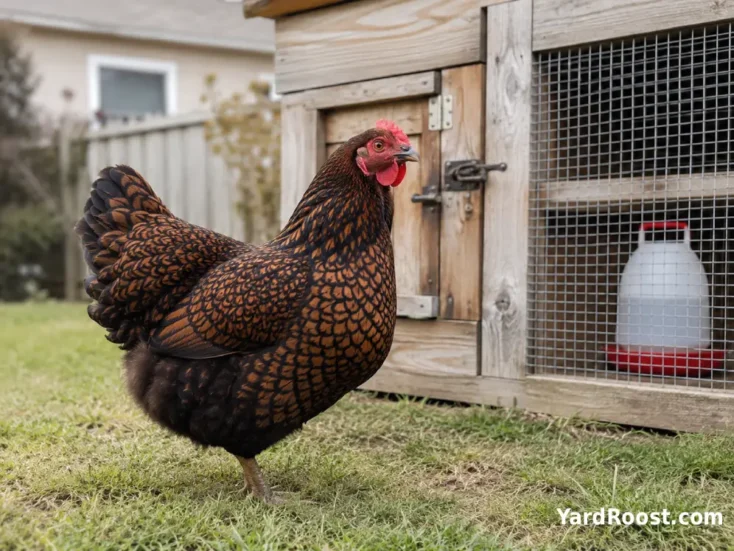
Barnevelder Chicken Breed At A Glance
| Trait | Typical Expectation |
|---|---|
| Origin | Barneveld region of the Netherlands |
| Primary use | Dual-purpose backyard and exhibition breed |
| Hen weight | About 6.5 pounds at standard weight |
| Rooster weight | About 8.5 pounds at standard weight |
| Egg color | Brown, dark brown, or reddish brown |
| Expected production | Often around 180–200 eggs annually from productive lines |
| Temperament | Usually calm, quiet, and moderately active |
| Comb | Single comb |
| Recognizable feature | Double-laced plumage, especially on hens |
The University of Wisconsin Extension identifies the breed as a Dutch chicken developed around Barneveld, with yellow skin, dark-brown eggs, and distinctive double lacing. Oklahoma State University lists standard weights of approximately 6.5 pounds for hens and 8.5 pounds for roosters.
Utah State University Extension describes Barnevelders as heavy, calm birds and gives a planning estimate of roughly 180–200 eggs per year. Treat that number as a reasonable range, not a promise. Individual production depends on genetics, nutrition, daylight, age, molt, weather, stress, and broodiness.
History, Appearance, and Breed Type
The breed takes its name from Barneveld, a Dutch town associated historically with poultry and egg trading. Farmers in the region selected substantial chickens that could produce useful brown eggs while coping with a cool, damp climate. Formal standardization work took place in the Netherlands during the early 20th century.
A mature Barnevelder should look broad, balanced, and substantial without appearing as massive or heavily feathered as a Cochin or Brahma. Standard birds have clean legs, yellow skin, red earlobes, and a single comb. Their backs are moderately long, their bodies are deep, and their posture is more horizontal than upright.
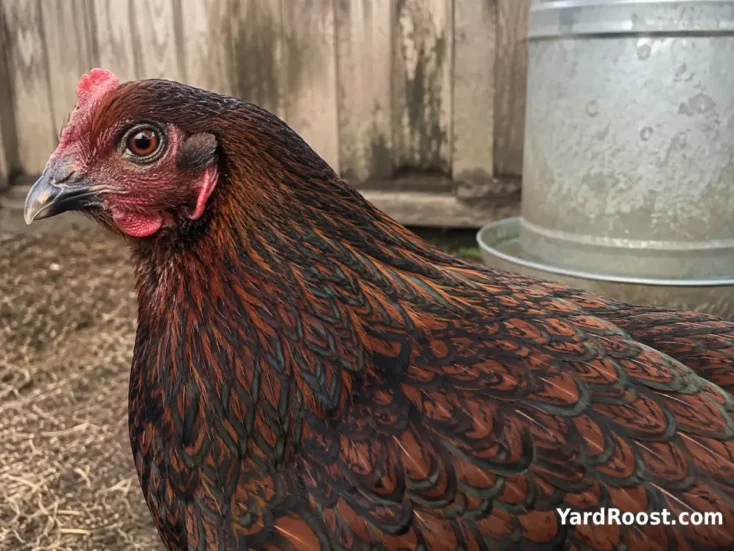
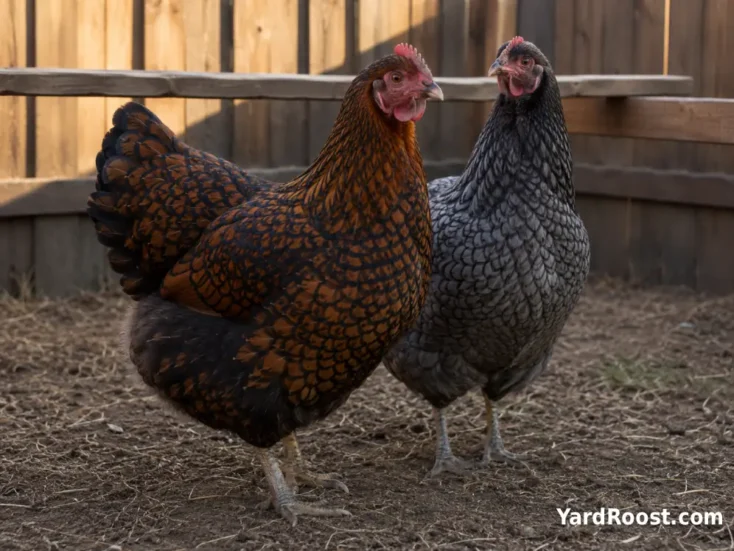
The famous feather pattern is most dramatic on hens. A classic hen has a warm brown or mahogany ground color with two dark bands following the edge of each feather. The repeated pattern creates rows of oval or scalloped markings across the back, wings, and body. Roosters do not display the same all-over lacing. They are generally darker through the breast and tail, with reddish color through portions of the neck, back, and saddle. Oklahoma State’s breed profile describes this clear difference between male and female plumage.
Quality varies. Some backyard birds have crisp, even markings, while others show incomplete lacing, excessive black, pale ground color, or uneven patterns. Those differences matter greatly to exhibitors but do not make an otherwise healthy hen less useful in a home flock.
Temperament and Backyard Flock Fit
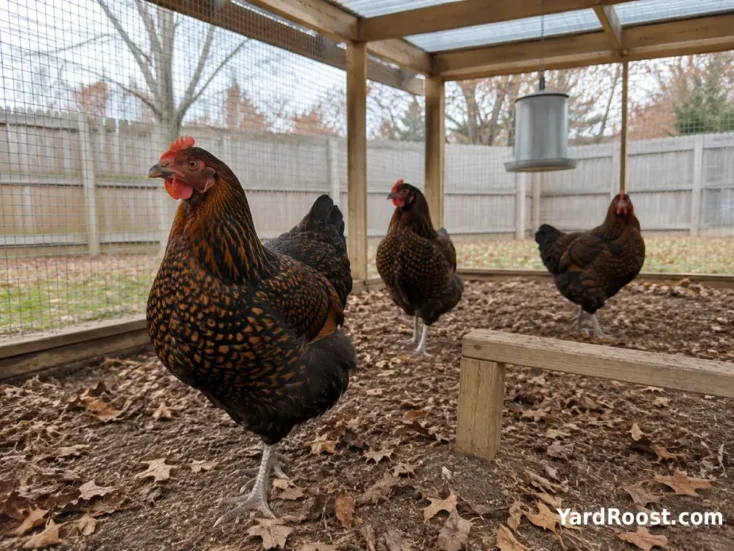
Barnevelder chickens are commonly described as calm and relatively quiet. Utah State University Extension lists the breed’s temperament as calm and quiet, while Michigan State University’s breed comparison chart characterizes it as adaptable to confinement or free range and generally docile.
That does not mean every bird will enjoy being carried or sitting on a lap. Many Barnevelders are best described as steady rather than cuddly. A hen that receives calm daily contact from chickhood may follow her keeper, investigate chores, and accept gentle handling. A bird raised with little human interaction may remain reserved.
Within a mixed flock, their moderate size helps them avoid being pushed around by smaller timid breeds. They are not usually known as relentless bullies, but individual hens can still guard feeders or enforce the pecking order. Provide more than one feeding point when combining them with Silkies, Polish chickens, young pullets, or other birds that may be slower or less assertive.
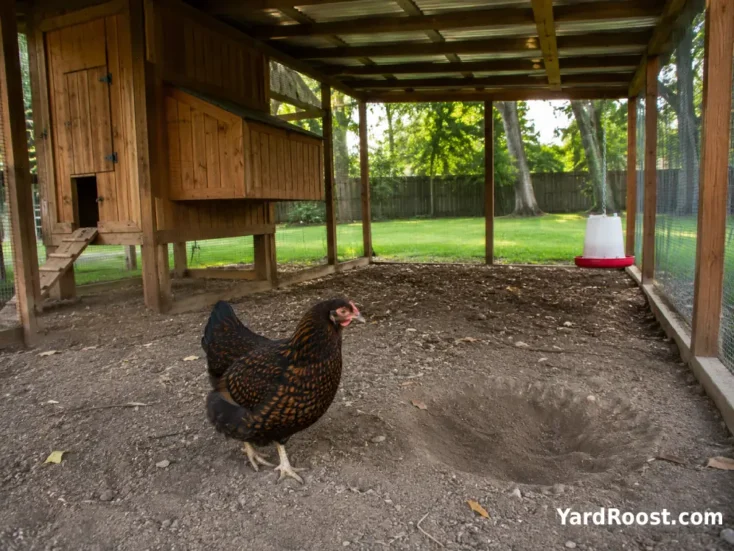
- They usually do well in a secure run when it includes scratching areas, shade, perches, and enough room to avoid crowding.
- They can forage effectively, but free-ranging does not replace a balanced complete feed.
- Their weight makes them less athletic than light Mediterranean breeds, although some individuals can still clear a low fence.
- Rooster temperament varies by individual and breeding line; no breed label guarantees a safe male.
For families, supervise all chicken handling. A calm hen can still scratch, flap, or peck when frightened, and children should wash their hands after contact with birds, eggs, bedding, or coop equipment.
Barnevelder Eggs: Color, Size, and Production
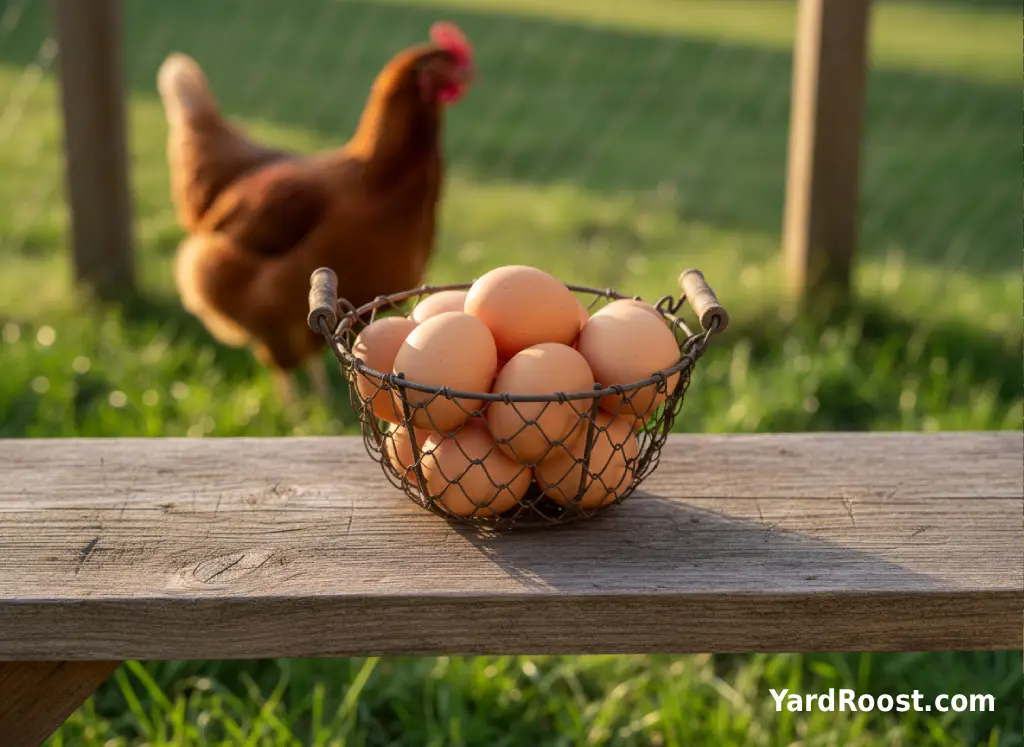
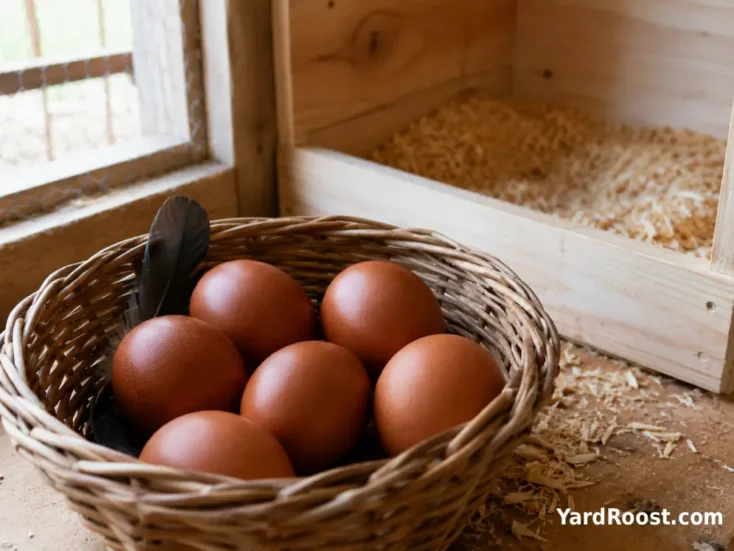
Barnevelder egg color is best described as brown to reddish brown. University of Wisconsin Extension calls the eggs dark brown, while Oklahoma State University describes them as reddish brown.
In real backyard flocks, the shade is less predictable than many hatchery photographs suggest. Some hens lay a rich terra-cotta or deeper brown egg. Others produce medium-brown shells that are not much darker than eggs from Plymouth Rocks or Rhode Island Reds. Ask a breeder to show recent eggs from the actual parent flock rather than relying on a generic breed description.
Brown pigment is applied late in shell formation, and its intensity can vary. Genetics are important, but stress and other flock conditions may also affect pigmentation. The University of Florida Extension cautions that pale shells alone do not diagnose a disease and that multiple factors can change brown-shell intensity.
How Many Eggs Do Barnevelders Lay?
A sensible expectation is approximately 180–200 eggs per year from a healthy hen in a productive line. Some hens will exceed that range, and others will fall below it. Barnevelders are useful layers, but they are not designed to compete with commercial hybrids that may produce close to an egg a day during peak periods.
Production normally drops during molt and shorter winter days. Broody hens also stop laying while they sit. Older birds generally produce fewer eggs than young adult hens, although their eggs may become larger.
Does Darker Shell Color Mean a Better Egg?
No. Shell color does not make the contents more nutritious. Brown, white, blue, and green eggs can all provide similar nutrition when the hens receive comparable care and feed. Shell shade is primarily a genetic and cosmetic trait. Cooperative Extension guidance notes that white- and brown-shelled eggs do not have an inherent nutritional difference.
For better Barnevelder chicken egg production, focus on complete layer feed, constant access to water, clean nest boxes, adequate space, parasite monitoring, and low-stress routines. Do not try to darken shells with unbalanced supplements or home remedies.
Barnevelder Chicken Colors and Double Lacing
The classic brown double-laced Barnevelder is the color most US keepers associate with the breed. It combines a warm reddish-brown ground color with black double lacing. Good markings appear as two separate dark outlines rather than one thick black border.
Blue double-laced Barnevelder chickens replace much of the black pigment with slate blue or blue-gray. The same dilution can appear in blue silver and other developing color projects. Blue plumage does not breed completely true: one copy of the blue gene dilutes black to blue, while two copies create a splash effect. This means blue-to-blue matings can produce a mixture of blue, black, and splash offspring.
Silver laced Barnevelder chickens use a pale silver ground instead of the traditional warm brown. Availability and quality vary, and terminology is not always consistent among hatcheries. A bird advertised as silver laced, blue silver, or blue double laced may come from an ongoing color project rather than a long-established exhibition line.
The American Poultry Association’s current accepted-breed list includes both large-fowl and bantam Barnevelders but lists only one accepted variety for each. Keepers interested in showing should consult the current APA Standard of Perfection and confirm that their birds match the accepted US variety before buying chicks or hatching eggs.
Editorial note: Feather color and egg color are separate selection goals. A breeder may have beautifully laced birds that lay ordinary brown eggs, or darker-egg birds with less refined plumage. Ask which traits the breeder has actually prioritized.
Raising Barnevelder Chicks Successfully
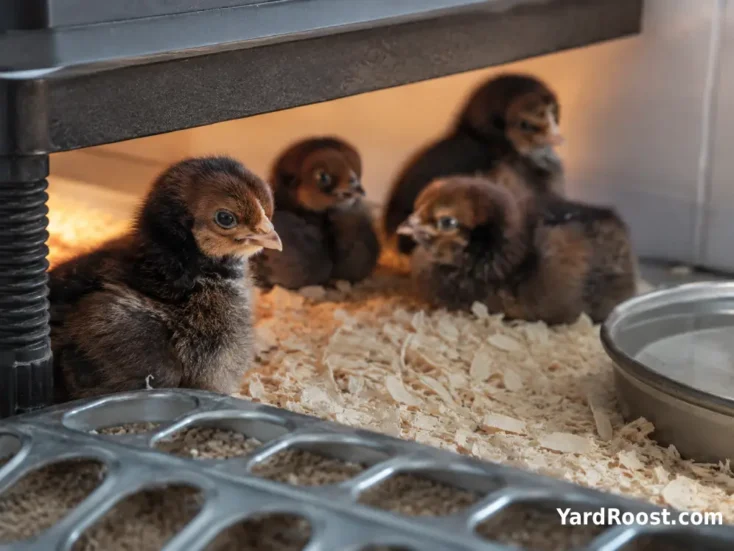
Barnevelder chicks need the same fundamentals as other standard-size chicks: safe heat, dry bedding, fresh water, complete chick starter, good airflow, and enough room to move toward or away from warmth.
Utah State University Extension recommends beginning the brooder near 90–95°F and reducing supplemental heat as chicks grow and feather. Behavior is the more useful daily check. Chicks huddled tightly and calling may be cold; chicks avoiding the heat, panting, or spreading to the brooder edges may be too warm. Calm chicks distributed around the brooder are usually more comfortable.
- Set up and test the brooder before the chicks arrive.
- Use a complete chick starter appropriate for their age rather than layer feed.
- Place marbles or clean stones in an open water dish if there is any drowning risk, or use a purpose-built chick waterer.
- Raise the feeder and waterer gradually as the chicks grow to reduce bedding contamination.
- Check vents, corners, and hardware for gaps small enough for a chick to enter or become trapped.
Barnevelder chicks may feather and mature at a different pace from fast-growing hybrids. Do not move them outside based only on age. Consider feather coverage, overnight temperatures, wind, rain protection, group behavior, and whether supplemental heat is still being used.
Do not rely on down color alone to identify sex unless the seller has explained a proven method for that exact breeding line. Ordinary visual guesses can produce unwanted roosters. Check local ordinances and HOA rules before ordering straight-run chicks.
Housing, Feeding, and Seasonal Care
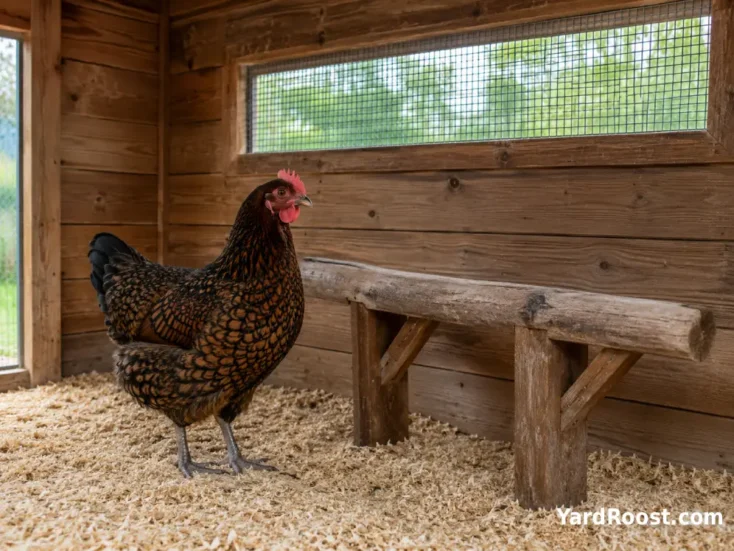
A mature Barnevelder is a medium-heavy chicken, so cramped housing quickly creates problems. University of Minnesota Extension recommends at least 3–5 square feet of indoor coop space per laying hen. More room is useful when birds spend long periods confined by snow, storms, predator pressure, or local restrictions.
Provide broad, stable roosts that heavier birds can reach without crashing into walls or flock mates. A very high roost may encourage awkward landings and foot or leg strain. A lower step or intermediate perch can help older or heavier hens.
Good ventilation matters in every season. Moist air and ammonia should leave through openings placed above the birds without creating a strong draft directly across the nighttime roost. Condensation on windows, damp bedding, or a sharp ammonia odor means airflow and manure management need attention. University of Minnesota Extension specifically recommends increasing ventilation when moisture or ammonia is noticeable. For a fuller setup checklist, see our coop ventilation basics.
Daily Feeding Basics
Use a commercially prepared complete feed matched to the flock’s age and production stage. University of Minnesota Extension recommends balanced feed for vitamins, minerals, and protein, along with continual access to clean water. Treat scratch grains and kitchen scraps as extras rather than the base of the diet.
Laying hens can be offered an appropriate calcium source separately so each hen can consume what she needs. Chicks and growing pullets should not be placed on a high-calcium layer ration simply because older hens share the property; separate feeding may be necessary in a mixed-age flock.
Cold and Hot Weather
Barnevelders were developed in a cool, damp part of the Netherlands and are generally considered hardy. Their single comb can still be vulnerable when cold combines with moisture and poor ventilation. Keep bedding dry, prevent water spills near roosts, block direct wind, and maintain high ventilation rather than sealing the coop tightly.
In summer, prioritize shade, airflow, and several reliable water points. Poultry may begin changing behavior and reducing feed intake as temperatures approach 85°F, especially in humid or poorly ventilated conditions. Persistent panting, wings held away from the body, weakness, or collapse requires immediate cooling measures and professional advice.
Common Mistakes to Avoid
A Barnevelder is fairly straightforward to keep, but the breed’s attractive appearance and dark-egg reputation can lead buyers to overlook practical details.
- Expecting guaranteed chocolate-colored eggs: Ask to see eggs from the parent flock. Breed descriptions cannot guarantee the shade produced by an individual pullet.
- Choosing color before health and structure: Bright eyes, sound legs, normal breathing, clean nostrils, good body condition, and reputable breeding practices matter more than perfect lacing.
- Buying too few birds: Chickens are social. Plan a flock size that remains workable even if one bird dies, must be separated, or turns out to be male.
- Crowding calm birds: A docile breed still pecks, competes, and becomes stressed when housing is tight or resources are limited.
- Adding new birds directly to the flock: New or returning birds should be kept separately and observed before introduction.
- Assuming hardiness eliminates weather risks: Cold-tolerant birds still need dry shelter, while heavy birds still need active heat-stress prevention.
A common mistake we see is paying extra for a rare color without asking whether the seller is selecting for temperament, health, fertility, egg color, and breed type. Request clear photos of the adult breeding flock, ask about hatch dates and vaccination history, and find out whether chicks are sold sexed or straight run.
New and returning birds should be separated from the resident flock for at least 30 days, with dedicated equipment where practical. University of Minnesota Extension and USDA-backed biosecurity guidance emphasize separation, clean footwear and equipment, and limiting contact with wild birds.
When to Get Professional Help
There are no major health problems that can be diagnosed simply because a chicken is a Barnevelder. The safer approach is to learn each bird’s normal appetite, activity, posture, breathing, droppings, and laying pattern.
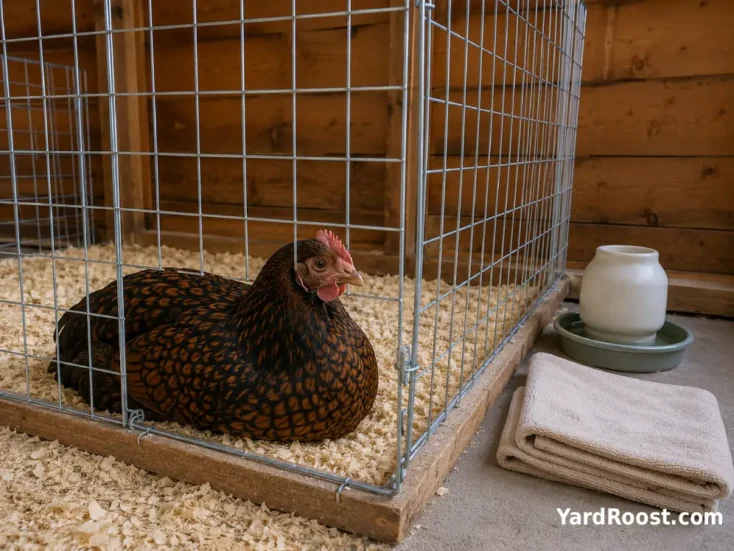
Move a sick or injured bird to a safe observation space when doing so will not cause additional harm. Supply appropriate feed, water, comfortable temperatures, and protection from flock bullying. Then contact an avian veterinarian, poultry veterinarian, veterinary diagnostic laboratory, or local extension office when symptoms are serious or persistent.
Get qualified help promptly for:
- Labored breathing, gasping, repeated wheezing, or facial swelling
- Sudden inability to stand, severe weakness, tremors, or loss of coordination
- Heavy bleeding, deep wounds, suspected fractures, or predator injuries
- A swollen abdomen, repeated straining, or suspected laying difficulty
- Multiple birds becoming ill or dying in a short period
- A sudden large decline in feed or water consumption across the flock
- Persistent diarrhea, rapid weight loss, or severe parasite signs
Do not diagnose illness from egg color, droppings, or one symptom alone, and do not begin antibiotics, dewormers, or other medications without professional guidance. Some poultry diseases are reportable. University of Minnesota Extension advises contacting a veterinarian or state animal-health authority when a flock has sudden deaths or multiple birds showing serious signs.
Is a Barnevelder Right for Your Flock?
A Barnevelder can be an excellent choice when appearance, moderate egg production, and a steady temperament are more important than maximum output.
A Good Match for Keepers Who Want
- A medium-heavy, traditional dual-purpose chicken
- Brown or reddish-brown eggs
- Distinctive double-laced hens
- A breed that usually tolerates a well-designed run
- A relatively calm mixed-flock member
- A bird with both practical and exhibition appeal
Consider Another Breed If You Need
- The highest possible number of eggs per year
- A guaranteed very dark chocolate egg
- A lightweight bird for extremely hot conditions
- An reliably cuddly pet chicken
- A color variety accepted for US exhibition without additional research
- An easily sourced breed from every local hatchery
Compare the Barnevelder with other calm, medium-heavy chickens before ordering. Plymouth Rocks and Australorps may offer stronger production in some lines, while Marans may be a better fit when very dark shells are the top priority. Welsummers are another Dutch option for keepers interested in reddish or speckled brown eggs.
Breed tendencies help narrow the choices, but breeder quality, available space, climate, local rules, and your existing flock should drive the final decision. Our guide to choosing a backyard chicken breed can help you compare those practical factors.
Final Thoughts on Barnevelder Chickens
The Barnevelder chicken offers an appealing balance of beauty and backyard usefulness. A well-bred hen brings rich brown plumage, intricate double lacing, a substantial build, and a steady supply of brown eggs without the nervous energy associated with some lighter laying breeds.
The breed is best approached with realistic expectations. Barnevelder egg production is moderate rather than commercial, shell color varies by line, and rare feather colors may not meet current US exhibition standards. Calm behavior is common but never guaranteed, especially when birds receive little handling or live in crowded conditions.
Start with a breeder or hatchery willing to answer detailed questions. Look at the parent birds, request recent egg photos, confirm whether chicks are sexed, and ask what traits the line has been selected for. Once the birds arrive, give them generous space, balanced feed, clean water, secure housing, seasonal protection, and a careful introduction to the flock.
With those basics in place, Barnevelder chickens can be dependable, attractive members of a small backyard flock—and the kind of birds that still catch your eye long after their novelty has worn off.