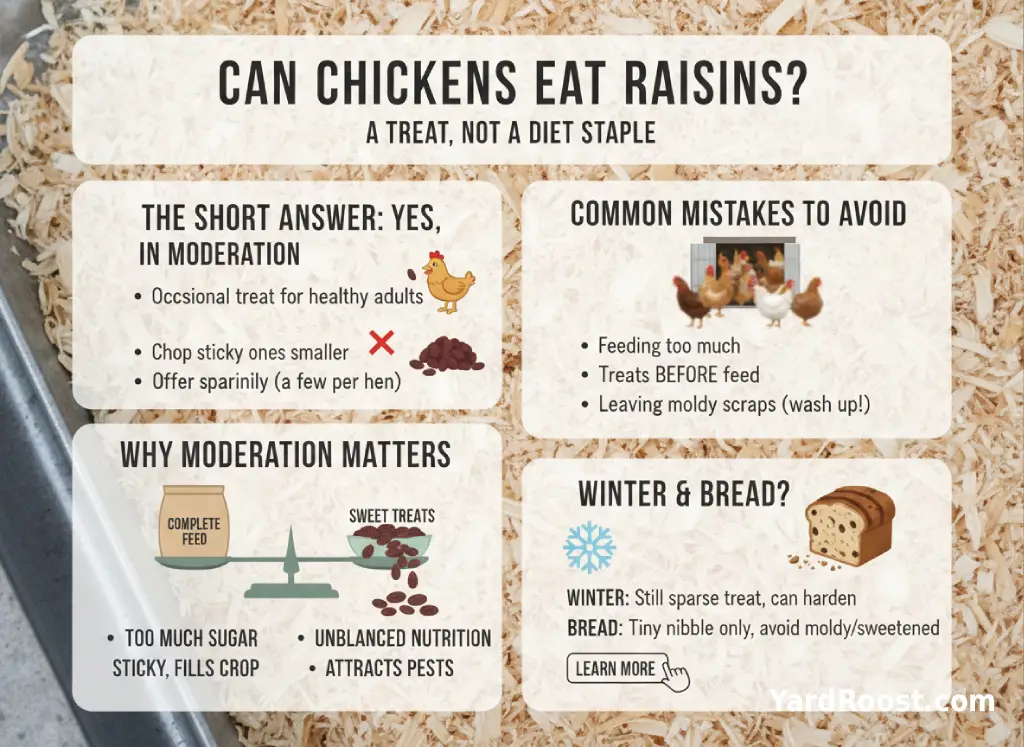
Can chickens eat raisins? Yes, most healthy adult chickens can have a few raisins as an occasional treat, but raisins should never become a regular part of the flock’s diet. They are sticky, sugary, and easy to overfeed, especially when hens come running like you just opened a treasure chest.
For a small backyard flock, the safer approach is simple: keep complete poultry feed as the main diet, offer treats sparingly, chop sticky dried fruit if needed, and skip anything moldy, spoiled, salty, or heavily sweetened. Penn State Extension recommends avoiding high levels of human food or scraps, and Merck Veterinary Manual notes that poultry need many nutrients in the right balance, which is why treats should not crowd out a complete ration.
This guide covers plain raisins, winter feeding, cinnamon raisin bread, dried cranberries and raisins, common mistakes, and when a food-related problem deserves professional help.
Are Raisins Safe For Chickens?
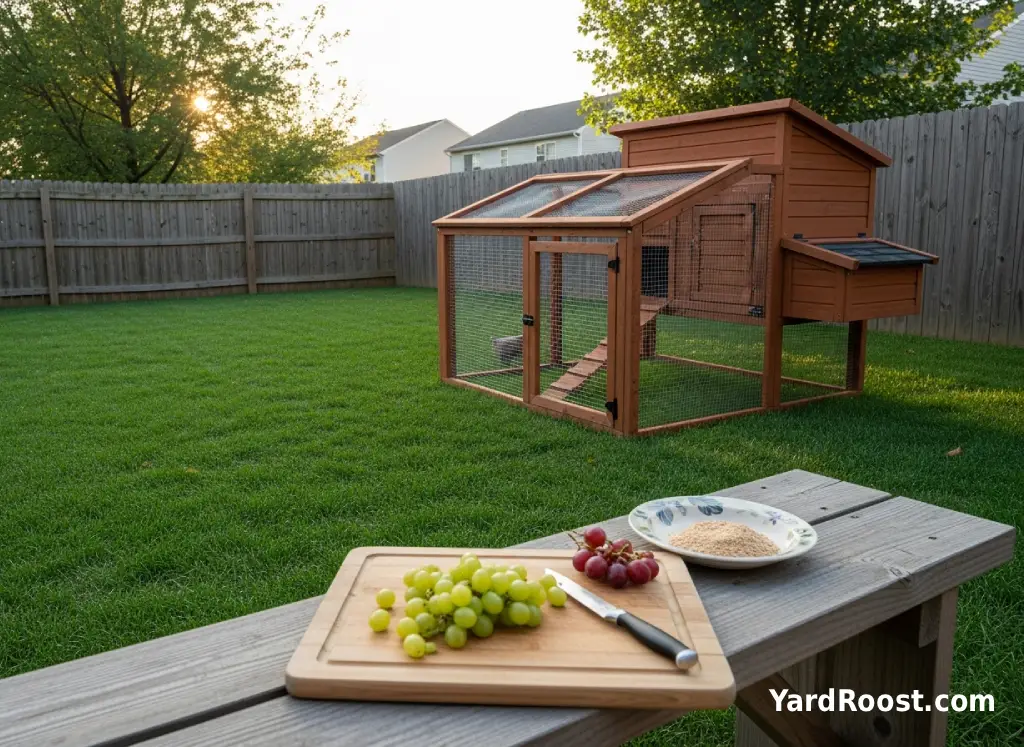
Plain raisins are best treated as a tiny dried-fruit treat, not as a health food for chickens. They are concentrated because the water has been removed from grapes, so a small-looking handful can contain more sugar than a beginner expects.
A few pieces offered now and then to healthy adult hens is different from tossing a big pile into the run. In a backyard flock, that big pile can lead to squabbling, crop-filling, and hens choosing sweets over their balanced feed. Penn State Extension’s small-flock guidance emphasizes complete poultry rations and warns against feeding high levels of human food or scraps.
Raisins are not a good treat for very young chicks. Chicks need age-appropriate starter feed, clean water, and careful brooder management; sticky dried fruit can be hard for them to manage and does not provide the balanced nutrition they need. For chicks, keep treats out of the brooder unless your poultry veterinarian or local extension office has given you specific guidance.
A practical YardRoost rule: if the raisin feels sticky enough to clump, chop it smaller or skip it. Chickens do not chew like people do, and dried fruit is easier to manage when it is offered in tiny pieces rather than whole clumps.
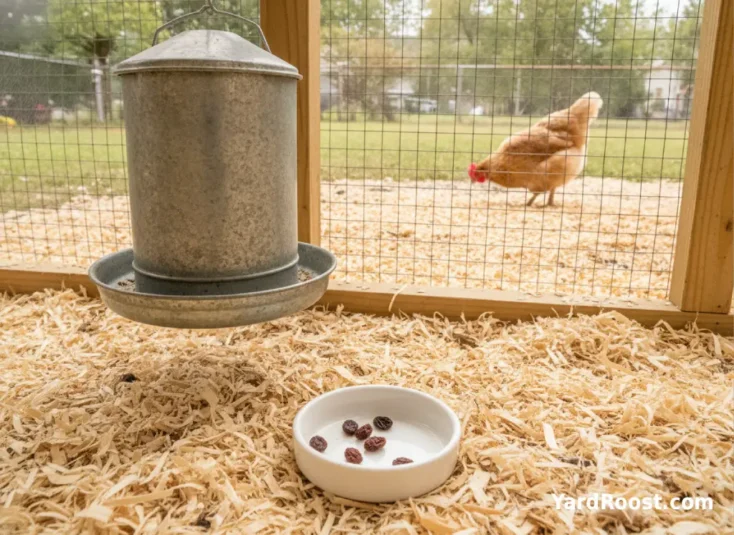
How Many Raisins Can A Backyard Flock Have?
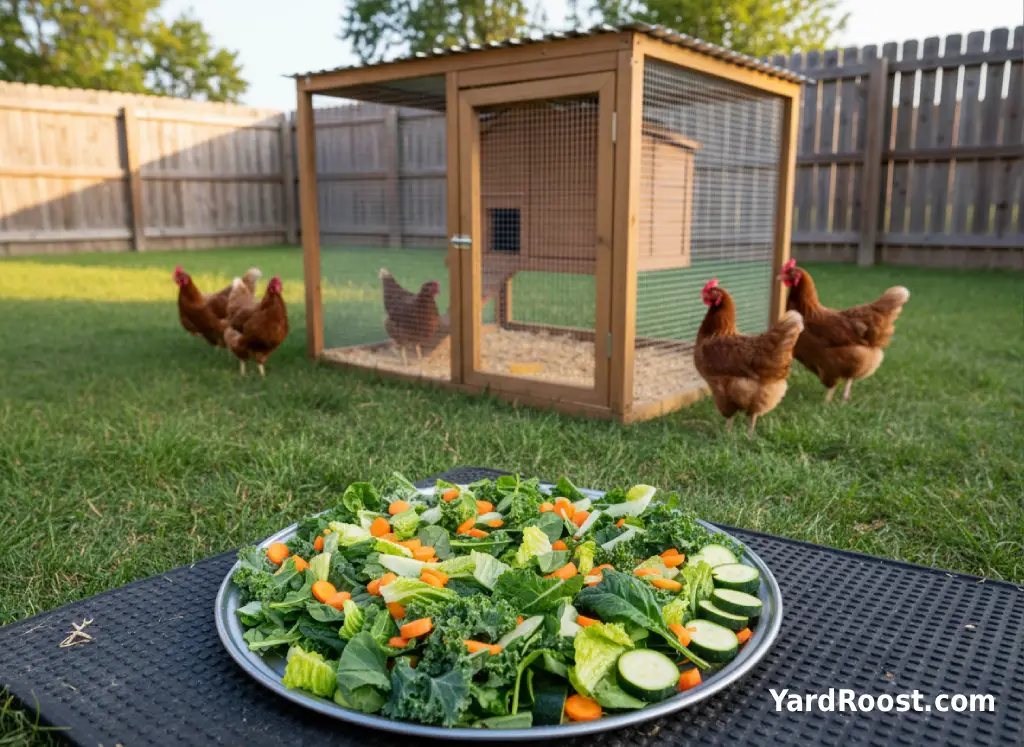
For most small flocks, think in pinches, not handfuls. A few chopped raisins shared among several adult hens is plenty. If one bossy hen is likely to grab most of them, scatter the pieces widely or choose a less sugary treat that keeps the flock busier, such as leafy greens.
Use this simple treat check:
- Offer raisins only after the flock has had access to its normal feed.
- Keep the amount small enough that it disappears in a minute or two.
- Chop large, sticky raisins into smaller pieces.
- Do not offer raisins every day.
- Remove uneaten sticky fruit before it attracts ants, flies, or rodents.
Merck Veterinary Manual warns that backyard poultry fed mostly scratch, table scraps, or treats can be predisposed to overconditioning and fatty liver problems. That does not mean one raisin causes disease; it means the overall pattern matters.
A common mistake we see is using treats to make hens friendlier. It works in the short term, but it can train chickens to mob the run door and ignore their regular feed. A better habit is to use a tiny treat amount, then spend a minute calmly observing the flock’s appetite, movement, droppings, and behavior.
Can Chickens Eat Raisins In The Winter?
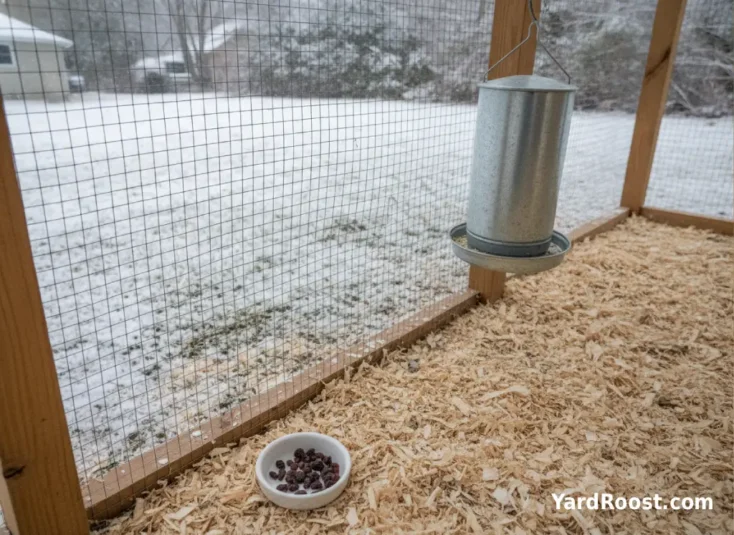
Yes, chickens can eat raisins in the winter, but winter does not make raisins more necessary. Cold-weather hens still need complete feed, unfrozen water, dry footing, and a well-ventilated coop more than they need sweet treats.
It is easy to overdo snacks in winter because we want to help the flock through cold mornings. A few raisins will not warm a hen the way balanced feed, digestion, body condition, and shelter do. If your birds are spending more time in the run and less time foraging, their regular ration matters even more.
In winter, raisins have three extra drawbacks. They can harden in cold air, they can stick to bedding if dropped, and uneaten pieces can attract rodents looking for calories. If you offer them, do it during daylight, use a tiny amount, and clean up what the flock does not eat.
For winter flock care, focus first on practical basics: dry bedding, draft-free roosting areas, good ventilation above bird level, and dependable water.
Can Chickens Eat Cinnamon Raisin Bread?
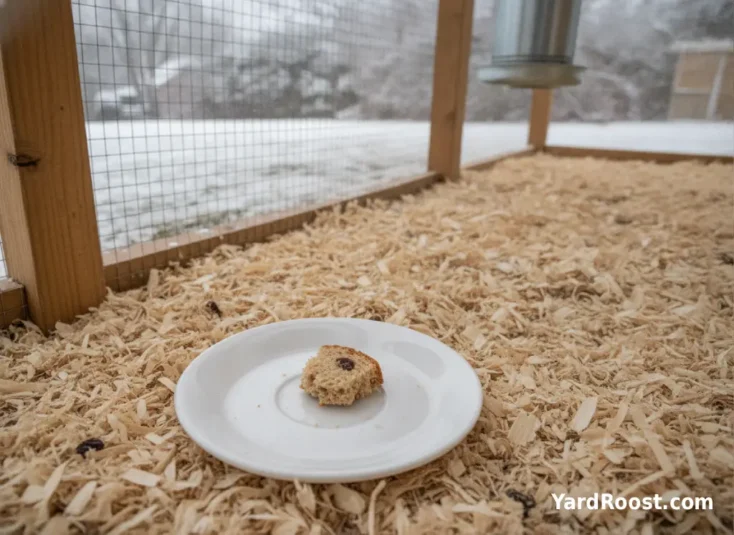
Chickens may nibble cinnamon raisin bread, but it is not a treat we would make a habit. Bread is filling without being a balanced poultry feed, and many cinnamon raisin breads contain added sugar, salt, oils, preservatives, icing, or extra sweeteners.
A tiny torn piece shared by several adult hens is different from giving them stale slices. Bread can fill the crop quickly, especially when birds gulp soft pieces. If the bread is moldy, damp, or has an off smell, do not feed it. Merck Veterinary Manual notes that moldy feed ingredients can lead to mycotoxin concerns in poultry, and prevention depends on using feed and ingredients free of mold growth.
Cinnamon itself is not the main issue in a tiny bakery-style nibble. The bigger concerns are the bread base, the sugar, the salt, and the way soft bread can become a sticky wad when birds compete for it. Avoid frosted cinnamon raisin bread, bread pudding, pastries, and anything with chocolate, alcohol, or heavy glaze.
For beginners, the safer move is to keep people-food treats boring and simple. Plain chopped produce is usually easier to manage than sweet baked goods.
Can Chickens Eat Dried Cranberries And Raisins Together?
Chickens can eat dried cranberries and raisins together in very small amounts, but combining dried fruits does not make the treat healthier. It usually just makes it sweeter.
Many dried cranberries sold for people are sweetened because plain cranberries are tart. Some are also packaged with oils to keep them from sticking. That does not automatically make them dangerous in a tiny amount, but it does make them a treat to use rarely.
| Treat | Better Use | YardRoost Caution |
|---|---|---|
| Plain Raisins | A few chopped pieces for adult hens | Sticky and high in sugar |
| Dried Cranberries | Occasional tiny pieces | Often sweetened |
| Cinnamon Raisin Bread | Rare tiny nibble only | Filling, salty, sugary, and often processed |
| Leafy Greens | More useful treat option | Still should not replace feed |
University of Minnesota Extension notes that chickens enjoy fruit and vegetable scraps and even bread as treats, but treat language matters: these foods should stay secondary to a proper ration. Penn State Extension is more cautious and advises avoiding high levels of human food or scraps. Taken together, the backyard-safe interpretation is moderation, not a daily dried-fruit mix.
Common Mistakes To Avoid With Raisins And Other Treats
Raisins cause the most trouble when they become part of a bigger treat pattern. A hen that gets a few chopped raisins once in a while is one thing. A flock that gets bread, scratch, dried fruit, kitchen scraps, and leftovers every afternoon is another.
- Feeding by the handful: A handful looks small to us, but it is a lot for a chicken.
- Using treats before feed: Hens should have access to their regular ration first.
- Leaving sticky scraps in the run: Dried fruit can attract ants, flies, and rodents.
- Feeding moldy food: If you would not keep it in your kitchen, do not send it to the coop.
- Letting children hand-feed without washing afterward: Backyard poultry can carry Salmonella germs even when they look healthy.
CDC guidance for backyard poultry keepers emphasizes washing hands after touching poultry, eggs, or anything in the area where birds live and roam, and supervising children around flocks. That applies after cute treat moments, too.
Editorial note: treats are most useful when they help you observe the flock, not when they become the flock’s entertainment system. Watch who hangs back, who eats normally, and whether anyone seems unusually quiet. Then close the treat container and let the feeder do its job.
When To Get Professional Help
YardRoost is not a veterinary service, and food-related changes can be tricky because several problems can look similar at first. If a chicken eats too many raisins or other treats, the safe first step is to remove the treat source, make sure clean water and regular feed are available, and observe the bird closely.
Call an avian veterinarian, poultry veterinarian, or your local extension office if you notice serious or persistent signs such as repeated vomiting-like motions, marked lethargy, trouble breathing, severe diarrhea, a swollen or hard crop, inability to stand, or a bird that refuses normal feed and water. Do not try to treat a suspected poisoning, crop problem, or digestive issue with internet remedies.
If several birds seem off after eating the same food, save a sample of the food in a sealed bag, clean up the remaining scraps, and ask a qualified professional what to do next. Merck Veterinary Manual’s mycotoxin guidance stresses prevention through mold-free feed and proper storage, which is a good reminder that questionable food belongs in the trash, not the run.
For broader feeding routines, our what to feed chickens guide can help you sort everyday treats from foods that are better avoided.
Final Takeaway On Raisins For Chickens
Raisins are okay as an occasional tiny treat for healthy adult chickens, but they should stay far behind complete feed, clean water, grit access when appropriate, and good coop management. The main risks are not dramatic; they are ordinary backyard mistakes: too much sugar, sticky pieces, overfeeding scraps, moldy leftovers, and treats replacing balanced nutrition.
Can chickens eat raisins in the winter? They can, but winter does not turn raisins into a necessary cold-weather feed. Can chickens eat cinnamon raisin bread? A tiny nibble is usually less concerning than a habit of feeding sweet bread. Can chickens eat dried cranberries and raisins? Yes, sparingly, but dried fruit mixes are still sugary treats.
The calm, practical answer is this: offer a few chopped pieces once in a while, clean up leftovers, wash your hands after coop chores, and keep the feeder boringly reliable. Your hens will be healthier for it.