Mealworms for chickens can be one of the easiest “high value” treats you’ll ever use—handy for training, coop checks, and getting shy birds to come close without a chase. They also scratch a natural itch: chickens love hunting bugs and worms, and mealworms tap into that instinct fast. But they’re still a treat, not a complete ration, and that’s where many backyard flocks get into trouble. Overdoing meal worms for chickens can quietly crowd out the balanced feed that actually supports eggshell quality, steady laying, and overall condition.
We’re the YardRoost Editorial Team, and we keep this practical and safety-first. We’re not veterinarians, and we won’t tell you how to medicate or “treat” chickens for worms. What we will do is help you use mealworms wisely—dried or live—avoid common feeding mistakes, and understand the big myth floating around: mealworms are not a natural wormer for chickens. Along the way, we’ll point you to trusted sources like Colorado State University Extension, the CDC, and the Merck Veterinary Manual when it matters.
Mealworms for Chickens: What They Are and Why Hens Love Them
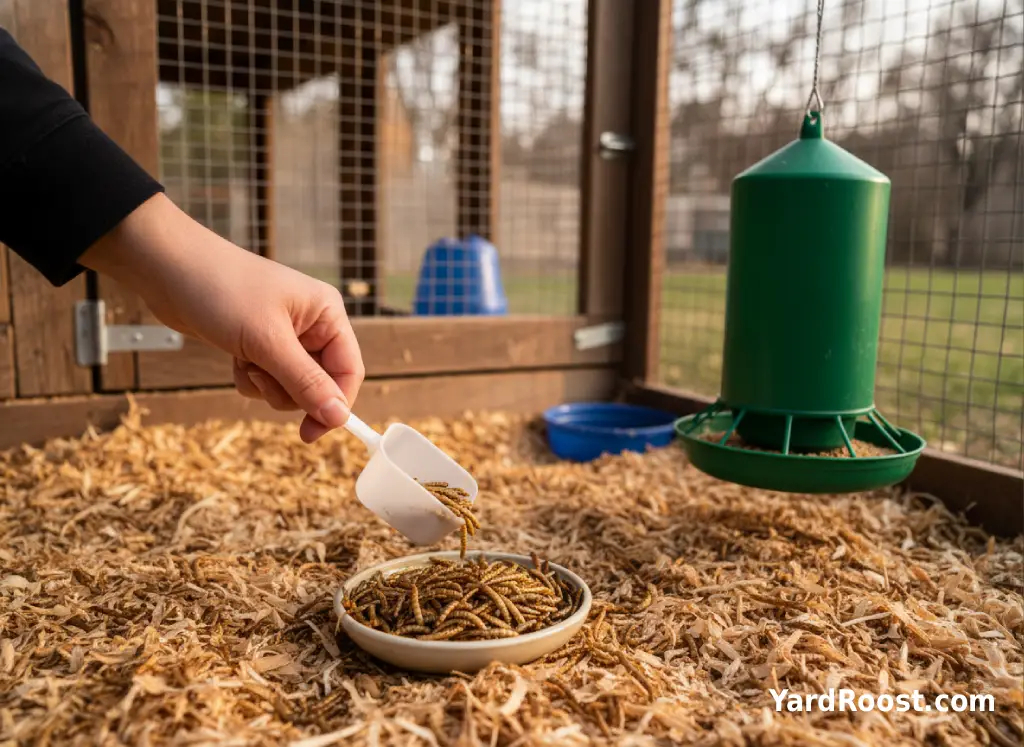
Mealworms are the larval stage of a beetle (often yellow mealworms, Tenebrio molitor). For your flock, they function like a “protein-forward snack” that’s highly motivating. That’s why dried mealworms for chickens are so popular: they store well, don’t require refrigeration, and they’re easy to portion.
Used thoughtfully, mealworms can help with:
- Training and handling: A small sprinkle can teach “come to the call,” which makes headcounts and coop inspections easier.
- Enrichment: Tossing a few into bedding or leaf litter encourages healthy foraging behavior.
- Targeted distraction: A few worms can keep birds calmly busy while you refill waterers or check latches.
The key is remembering what they are not: they’re not a complete feed, and they don’t replace a balanced ration designed for your birds’ life stage.
Dried vs Live Mealworms: Picking the Right Type
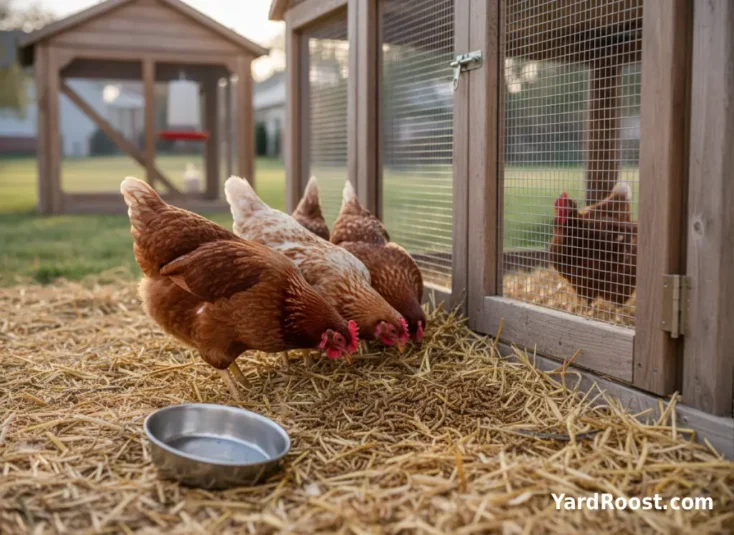
Both options can work well. Choose based on convenience, mess tolerance, and what you’re using them for.
| Type | Best For | Watch Outs |
|---|---|---|
| Dried mealworms | Quick training treats, easy storage, portion control | Easy to overfeed; keep sealed and dry to prevent moisture issues |
| Live mealworms | Enrichment (foraging), picky birds, DIY raising projects | Can escape; can attract rodents if spilled; requires a simple bin setup |
| Mealworm “meal” (feed ingredient) | Commercial feeds that include insects as a formulated ingredient | Different from treating with handfuls of worms; read the feed tag |
A practical note: many feeder insects (including mealworms) are relatively low in calcium compared to phosphorus, which is one reason they’re best kept as a treat rather than a dietary foundation.
How Much to Feed: Keeping Treats from Unbalancing the Diet
If you want one simple rule that prevents most mealworm problems, use the “treats are a small slice” approach: treats should stay around 10% or less of daily intake so birds still eat their complete feed. Colorado State University Extension puts treats at no more than 10% of the daily diet for poultry, and Texas A&M’s veterinary guidance echoes the same caution for backyard birds.
- Feed treats after they’ve eaten their ration: Offer mealworms later in the day so balanced feed comes first.
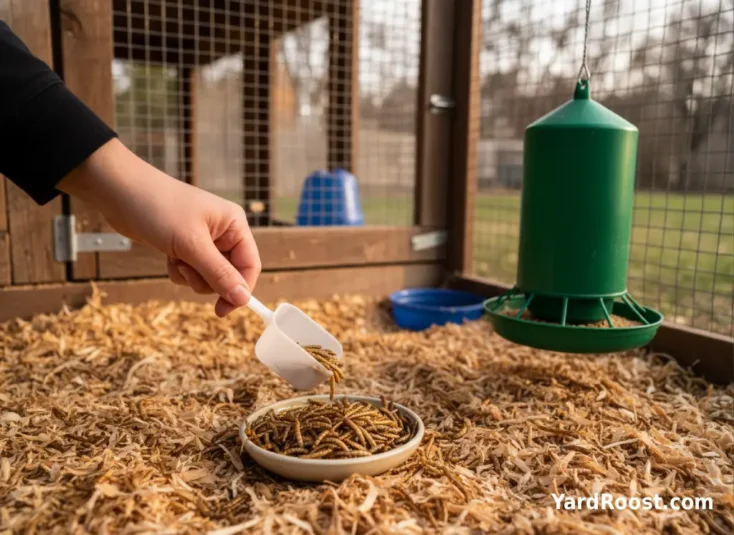
- Use “sprinkle, don’t dump” portions: For most small flocks, a light sprinkle that’s gone quickly is enough for training and enrichment.
- Watch the feeder level: If your birds start leaving their complete feed, cut treats back hard for a week.
- Keep laying hens on a calcium-appropriate base feed: Treats don’t replace the nutrition needed for consistent shell quality.
Sources we trust for the “don’t crowd out the ration” message: Alabama Cooperative Extension System and other land-grant poultry programs routinely remind keepers that scratch, scraps, and treats are incomplete feeds and should be used sparingly.
Mealworms Are Not a Natural Wormer: What to Know About Parasites
This is the spot where a lot of well-meaning advice goes sideways. Mealworms are worms for chickens in the snack sense, but they are not a wormer for chickens—natural, broad spectrum, or otherwise. If you’re worried about internal parasites, the safest path is confirmation and management, not guessing.
Here’s a safer, backyard-realistic approach that aligns with veterinary references and extension guidance:
- Look for patterns, not one-off weird poops: Ongoing weight loss, poor thrift, reduced egg production, or persistent diarrhea are more concerning than a single messy dropping.
- Get a fecal exam before you “treat”: The Merck Veterinary Manual notes that fecal examination is recommended to assess the extent of infestation before treatment decisions.
- Break the life cycle with management: Keep litter dry, reduce muddy traffic areas, clean droppings boards regularly, and avoid letting feed spill into wet spots where birds constantly peck.
- Don’t rely on home remedies: “Natural wormer” claims are common online, but they can delay proper help and let birds decline.
A common mistake we see is treating “just in case” based on a social post or a single stringy poop. Parasite loads vary, and many birds can carry low levels without obvious signs—so it’s worth confirming what you’re dealing with before making any big changes. (Sources we trust here include the Merck Veterinary Manual and extension-backed poultry health references.)
How to Raise Mealworms for Chickens at Home
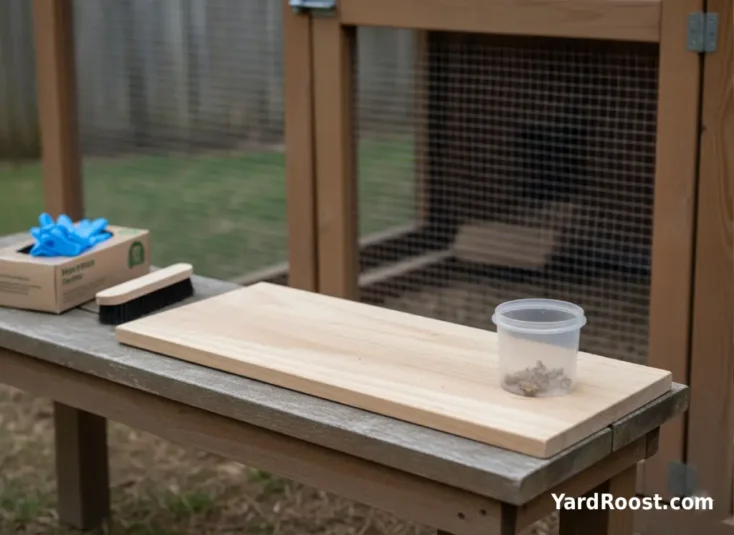
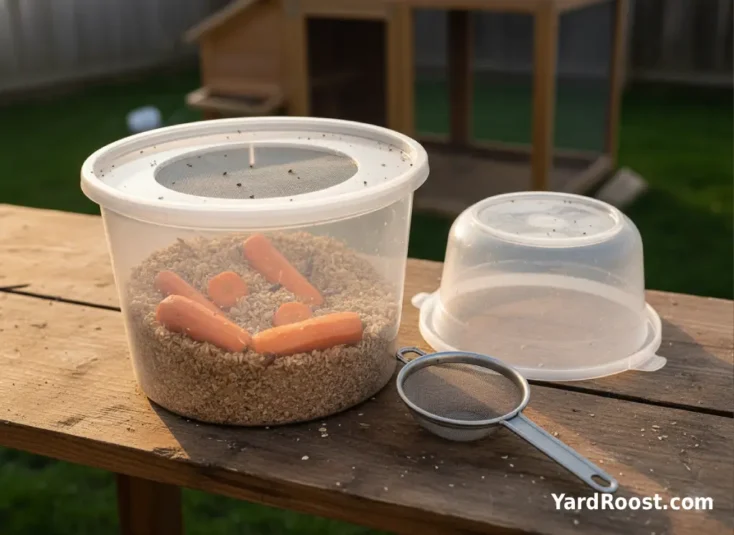
Raising mealworms for chickens is one of those projects that sounds complicated until you see it in a bin. You don’t need fancy equipment—just a clean container, breathable lid, and a routine that prevents mold and escapes.
- Start with a smooth-sided bin and a ventilated lid: A shallow tote works well; keep it in a dry spot away from rodents.
- Add bedding/food: Wheat bran or oats are common bases; keep it dry and replace if it smells musty.
- Add moisture carefully: Use slices of carrot or potato, but remove leftovers before they get soft or fuzzy.
- Keep it steady and clean: Room temperatures that feel comfortable to you usually work; avoid damp garages and hot sheds.
- Separate stages when you want faster breeding: If you’re breeding mealworms for chickens, moving beetles to a separate bin helps reduce egg/larvae loss.
- Harvest with a sifter: Sift larvae out as needed; keep the bin from getting overloaded with frass.
Tip: if you’re doing this to cut costs (meal worms for chickens bulk gets expensive fast), track two things for a month—how much you harvest weekly and how much time the bin takes. That will tell you whether “DIY mealworms” actually pencils out for your flock.
Feeding Garden Worms Safely: Tomato Hornworms, Armyworms, and More
Can chickens eat worms? Absolutely—most healthy chickens will happily eat worms and insect larvae. That said, “do chickens eat worms” safely depends on what those worms have been exposed to.
If you’re wondering whether chickens can eat tomato worms (tomato hornworms) or army worms, use these common-sense filters:
- Avoid anything from sprayed plants: If your garden has been treated with pesticides (even “garden-safe” products), don’t feed those worms to your birds.
- Skip unknown bright, hairy, or stinging caterpillars: When in doubt, don’t test it on your flock.
- Don’t toss in a pile that can’t be eaten quickly: Extra bugs left in the run can attract rodents.
For most keepers, mealworms are the controlled, predictable option. Random garden finds are best treated as “occasional bonus snacks,” not a routine feeding plan.
Storage, Cleanliness, and Salmonella-Smart Handling
Dried mealworms are convenient, but convenience can hide two practical risks: spoilage and germs.
Keep it simple:
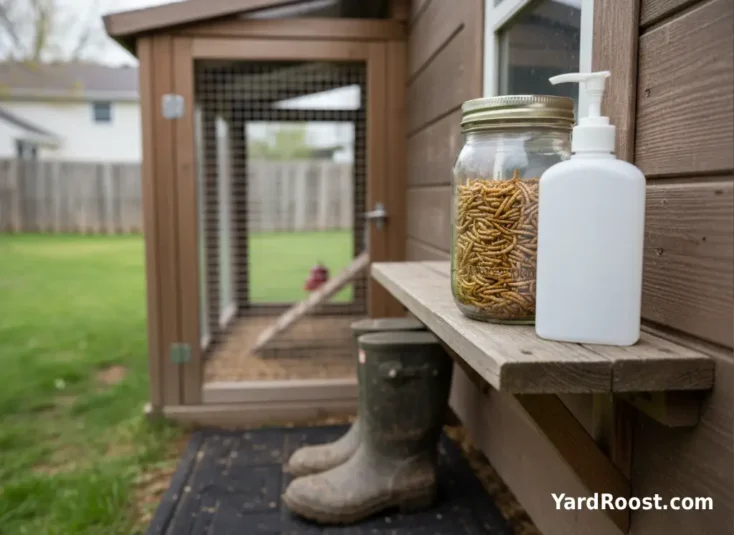
- Store dried mealworms sealed, cool, and dry: If you buy mealworms in bulk, repackage into smaller airtight containers so you’re not constantly opening one big bin.
- Don’t leave treats in the run: Offer, watch them eat, then remove leftovers to avoid rodents and moisture problems.
- Wash hands after chicken chores: The CDC recommends washing hands with soap and water right after handling chickens, eggs, or anything in their environment; sanitizer can help when soap and water aren’t available.
Common Mistakes to Avoid With Mealworms
- Using mealworms as a main feed: They’re a treat; keep your birds anchored to a complete ration.
- Accidentally training picky eating: If birds hold out for worms, stop treats for several days and offer only balanced feed.
- Feeding treats first thing in the morning: It’s the fastest way to reduce real feed intake.
- Leaving worms out “free choice”: This invites rodents and makes overfeeding almost guaranteed.
- Believing mealworms are the best wormer for chickens: Treats don’t replace parasite confirmation and flock management.
A common mistake we see is using mealworms as the peacekeeping tool for every problem—boredom, bullying, boredom again. They’re great, but they work best when they stay special.
When to Call an Avian Vet
Most mealworm questions are nutrition-and-routine questions. But if you’re here because you’re worried about “worming for chickens” or you’re looking for a treatment for worms in chickens, it’s smart to bring a professional into the loop when signs are significant or persistent.
Consider contacting an avian vet (or a poultry-experienced veterinarian) if you see:
- Ongoing weight loss or birds that feel sharp-boned despite eating
- Persistent diarrhea, lethargy, or a noticeable drop in appetite
- Marked drop in egg production not explained by molt, season, or stress
- Visible worms repeatedly along with birds that look unthrifty
Bring notes (when it started, how many birds, recent changes), and ask about a fecal test and management steps. The goal is clarity first, then targeted decisions—not guesswork.
Mealworms for chickens are a genuinely useful tool: a simple way to train, enrich, and reward your flock without needing fancy gadgets. They also fit real life—especially in winter or during busy weeks—because dried mealworms for chickens store easily and don’t turn into a refrigerator project. The win comes from keeping them in the right lane: a small, intentional treat that supports your routine instead of taking over the menu.
If you take only two things from this article, make them these: keep treats around 10% or less so your birds still eat their complete ration, and don’t confuse mealworms with a natural wormer for chickens. Parasite concerns deserve confirmation and good management, not shortcut claims. Start by tightening your feeding rhythm, using a “sprinkle not dump” approach, and pairing treats with practical habits like quick daily headcounts and clean, dry living spaces.