Can chickens eat avocado? For a backyard flock, the safest answer is no: do not feed avocado to chickens, including the flesh, skin, pit, leaves, or scraps from a sandwich, salad, or guacamole bowl. Avocado contains persin, a natural compound associated with heart injury in birds and other animals, and Merck Veterinary Manual lists chickens and turkeys among susceptible species after avocado ingestion. Chickens may be more resistant than some pet birds, but resistant does not mean safe.
YardRoost is not a veterinary service, and this guide is not a diagnosis or treatment plan. Our practical advice is prevention-first: keep avocado out of the run, remove dropped scraps quickly, and call an avian vet if a bird may have eaten it and begins acting unwell.
The tricky part is that chickens are curious. Some will ignore avocado; others will peck anything soft, green, oily, or interesting. That is why a clear household rule works better than guessing: avocado for chickens is a skip, not an occasional treat.
The Bottom Line: Do Not Feed Avocado to Chickens
If your goal is a simple feeding rule, make it this: chickens should not have avocado. That includes ripe avocado, bruised avocado, old guacamole, avocado toast leftovers, avocado oil-soaked scraps, and peels from meal prep. Colorado State University Extension’s backyard poultry guidance lists “no citrus or avocado” when discussing scraps for chickens, and Merck Veterinary Manual connects avocado exposure with serious cardiac effects in susceptible birds.
A common mistake we see is treating avocado flesh as different from the pit or skin because it looks like ordinary produce. For humans, avocado is a normal food. For birds, the safer flock-management decision is to avoid the whole fruit. University of Illinois College of Veterinary Medicine notes that persin is present in all parts of the avocado plant, including skin, meat, pit, and leaves.
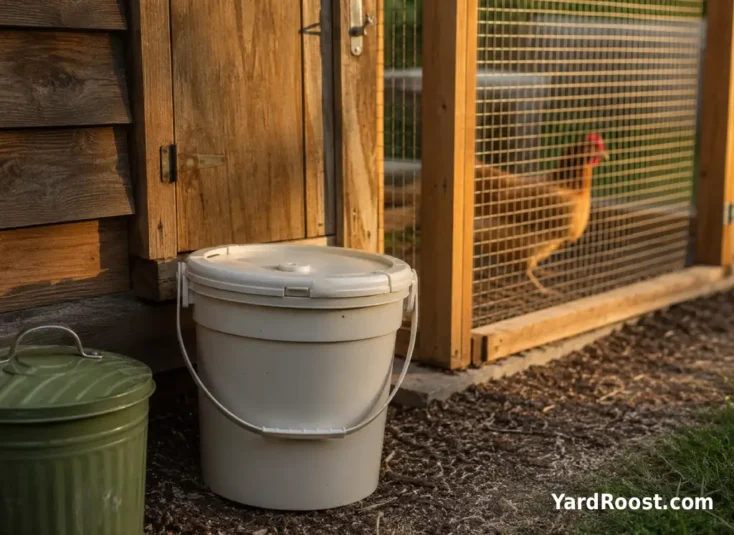
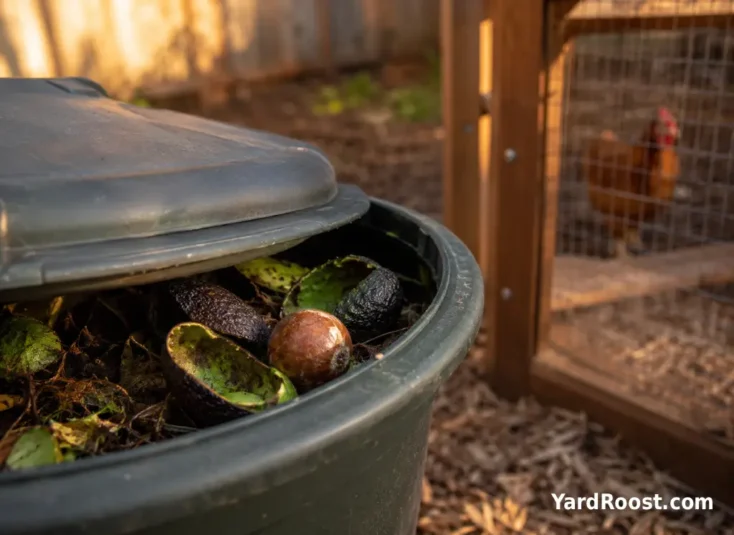
The practical fix is to change where scraps are sorted. Keep a lidded “flock-safe scraps” container on the counter and put avocado waste straight into household trash or a closed compost system chickens cannot access. If your birds free-range near a compost pile, use a bin with a fitted lid or hardware-cloth barrier so curious hens cannot dig up avocado peels later.
Why Avocado Is Risky for Birds
The concern with avocado is not ordinary spoilage or stomach upset. The concern is persin, a compound associated with myocardial injury in birds and mammals. Merck Veterinary Manual describes avocado toxicosis after animals ingest avocado fruit, stems, leaves, or seeds, and notes that birds exposed to avocado plants or fruits are among the animals at greatest risk.
Backyard keepers sometimes hear that chickens are less sensitive than parrots or other pet birds. That detail is easy to misread. Merck does say chickens and turkeys appear more resistant than some caged birds, but it still lists chickens among species susceptible to problems after avocado ingestion. For a small flock, especially where bird size, amount eaten, ripeness, avocado variety, and individual health are all unknown, “more resistant” is not a feeding recommendation.
There is also no useful backyard dose chart. A bantam pullet, an older laying hen, and a full-size rooster will not have the same margin for error. The safest move is not to test that margin. Skip avocado entirely and use safer treats such as chopped leafy greens, a small amount of melon, squash, or other flock-appropriate produce offered in moderation.
What Parts of Avocado Should Chickens Avoid?
Do not feed any part of an avocado to chickens. That means the soft flesh, green or black skin, pit, leaves, stems, and mixed foods that contain avocado. This matters because a hen does not neatly separate a safe-looking bite from a risky peel fragment the way a person might. If avocado scraps are in the run, a bird can peck at all of it.
- Avocado flesh: Avoid it, even though it looks soft and treat-like.
- Avocado skins: Avoid them; can chickens eat avocado skins safely is a no for practical flock care.
- Avocado pits: Avoid them and keep them out of compost areas birds can reach.
- Avocado leaves and stems: Avoid access to dropped leaves or prunings from avocado plants.
- Guacamole and mixed leftovers: Avoid them because they may also contain salt, onion, garlic, lime, or seasonings that do not belong in the flock’s treat bowl.
Editorial note: the most preventable avocado incidents usually happen during cleanup, not feeding time. Someone scrapes plates into a compost pile, the hens find it the next morning, and nobody knows how much each bird ate. A covered compost bin or a simple no-avocado-in-flock-scraps rule prevents most of that guesswork.
What to Do If Your Chicken Ate Avocado
If a chicken gets a tiny peck before you can stop it, remove the avocado immediately and watch the bird closely. Do not try home remedies, force fluids, or give medications without veterinary direction. Merck Veterinary Manual notes that no specific test confirms avocado toxicosis and that care is focused on clinical signs, so your best backyard role is to limit exposure, observe clearly, and contact a qualified professional when signs appear.
Use a simple, calm sequence:
- Remove all avocado scraps from the coop, run, yard, and compost area the flock can reach.
- Identify which birds likely ate it and roughly how much was missing.
- Keep the flock calm and avoid chasing stressed birds unless one needs to be separated for observation.
- Watch for changes such as unusual lethargy, reduced appetite, heavy breathing, weakness, swelling, or collapse.
- Call an avian vet or emergency veterinary clinic if you see concerning signs or if a bird ate more than a quick peck.
If you call a vet, be ready with the time of exposure, the part eaten, the bird’s size and age, and what signs you are seeing. Those details help the clinic decide how urgent the situation is. The University of Illinois College of Veterinary Medicine lists collapse, lethargy, heavy breathing, and sudden death among signs seen with persin toxicity in birds, so heavy breathing or collapse should be treated as urgent.
Can Ducks Eat Avocado?
Ducks should avoid avocado too. Most backyard duck keepers manage food scraps similarly to chicken keepers, but ducks can be even more enthusiastic about soft foods. Because avocado toxicosis is a bird-safety concern and Merck describes birds as a high-risk group for avocado exposure, the safest answer for ducks is the same: do not offer avocado flesh, skin, pit, or avocado-containing leftovers.
This is especially important in mixed flocks. If chickens and ducks share a yard, do not set out a “chicken treat” that ducks can reach or a “duck treat” that hens can steal. Keep the shared treat rule simple enough for every family member to follow. Safe kitchen scraps go in one container; avocado, moldy food, salty leftovers, and heavily seasoned foods go somewhere birds cannot access.
For waterfowl, also remember that messy feeding areas can attract rodents and wild birds. The CDC advises keeping poultry equipment outdoors, washing hands after handling birds or their environment, and using dedicated shoes for poultry chores. Those habits matter whether you keep hens, ducks, or both.
Safer Treats to Offer Instead
Chickens do not need avocado to have variety. Their complete poultry feed should do the nutritional heavy lifting, and treats should stay small enough that birds still eat their regular ration. Colorado State University Extension cautions not to fill chickens with too many scraps because they need enough ration to meet daily protein needs, and it suggests offering only what birds can finish quickly so scraps do not attract nuisance animals.
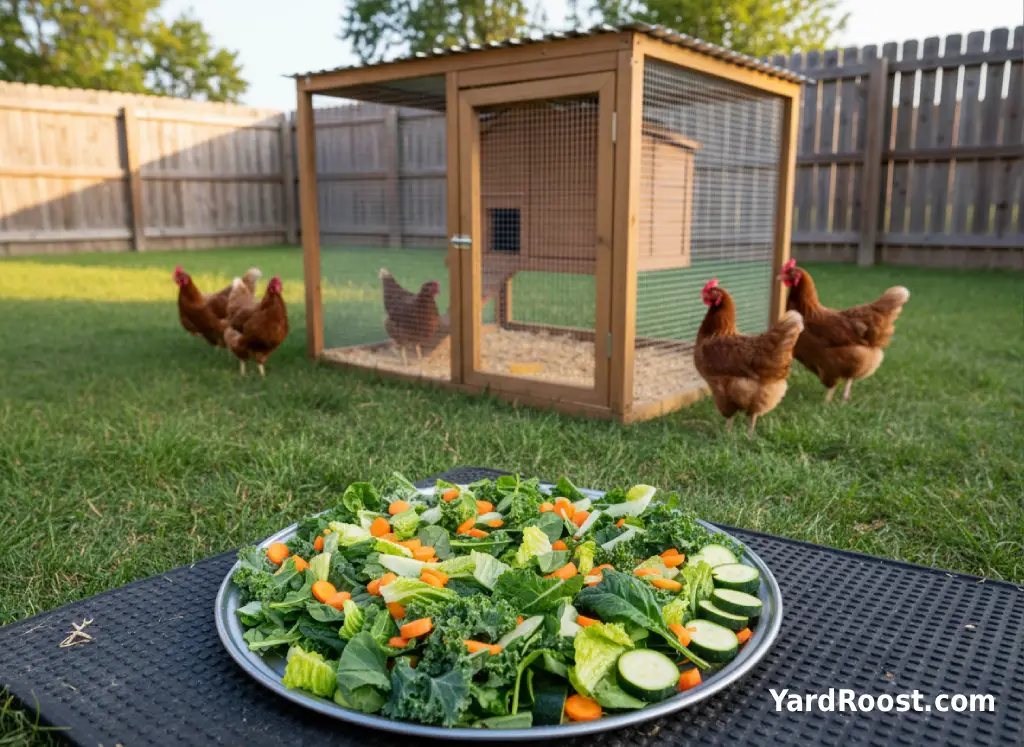
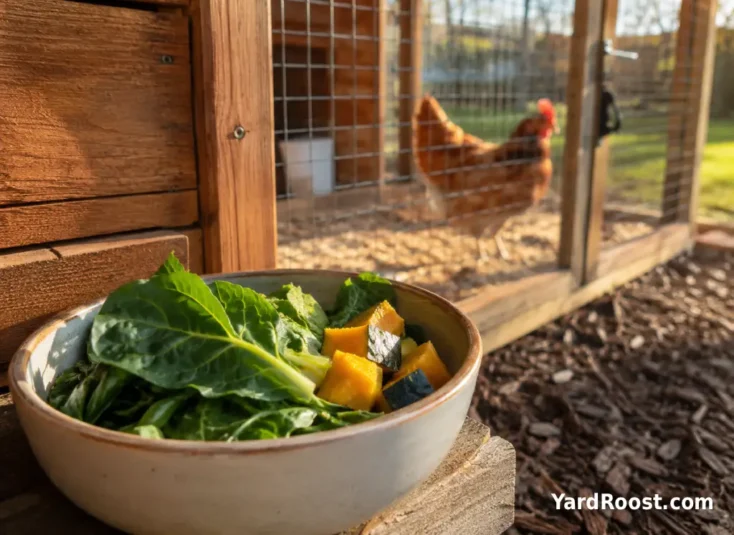
Better treat options include small amounts of chopped greens, squash, cucumber, pumpkin, berries, melon, broccoli, or cauliflower. Offer treats in a dish, on a clean surface, or hanging as enrichment rather than tossing wet food into bedding where it can be trampled. For more everyday feeding basics, see our guide to what chickens can eat.
| Instead of Avocado | Try This | Simple YardRoost Tip |
|---|---|---|
| Guacamole scraps | Plain chopped leafy greens | Skip salty, seasoned, or onion-heavy leftovers. |
| Avocado peel | Squash or pumpkin pieces | Remove leftovers before dusk to avoid pests. |
| Avocado toast | Small bits of plain produce | Keep treats occasional, not the main meal. |
| Compost-bin avocado | Covered compost away from birds | Use a fitted lid or hardware-cloth barrier. |
A practical rule is to make treats boringly safe. If a scrap is moldy, salty, greasy, heavily seasoned, or on the “not sure” list, do not feed it. Your flock will be happier with a few safe greens than with a risky kitchen experiment.
Common Mistakes to Avoid
The biggest avocado mistake is not usually intentional feeding. It is casual access. Chickens find a dropped peel beside the grill, a sandwich crust with avocado spread, or a compost pile that looked closed enough. Once one hen starts pecking, the rest often investigate.
- Assuming a small amount is harmless: There is no reliable backyard-safe serving size for avocado.
- Feeding only the flesh: Persin is associated with multiple parts of the avocado plant, and practical flock care means avoiding the whole fruit.
- Leaving scraps overnight: Wet food can sour and attract rodents, raccoons, and other unwanted visitors.
- Letting kids toss leftovers freely: Give children a short approved treat list instead of asking them to judge every food.
- Forgetting mixed dishes: Guacamole, salad leftovers, wraps, and toast may hide avocado plus salt or seasonings.
Editorial note: we like simple systems because they survive busy evenings. Put a small card or magnet near the scrap bowl with three columns: “yes,” “small amounts,” and “never.” Avocado belongs in the never column.
When to Call an Avian Vet
Call an avian vet, poultry veterinarian, or emergency veterinary clinic promptly if a chicken or duck may have eaten avocado and shows heavy breathing, marked lethargy, weakness, collapse, refusal to eat, swelling around the neck or chest, or sudden unusual behavior. Merck Veterinary Manual lists lethargy, breathing difficulty, loss of appetite, swelling, and death among reported clinical findings in birds with avocado toxicosis.
Do not wait for signs to become dramatic if the bird ate a meaningful amount or if you are dealing with a small bird, young bird, older bird, or bird that was already unwell. A vet may ask what part was eaten, when it happened, whether other birds had access, and what signs you have observed. Write those details down while they are fresh.
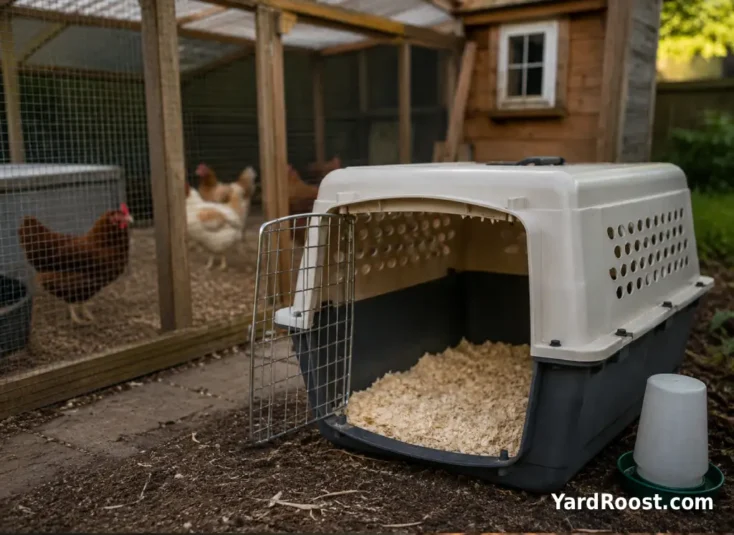
Also protect your household while you manage the flock. The CDC reminds backyard poultry keepers to wash hands after touching poultry, their food, or anything in their environment, and to keep poultry equipment outside the home. If you separate a bird for observation, wash hands after handling the crate, bedding, feeders, and waterers.
Conclusion: Keep Avocado Out of the Flock
So, can chickens have avocado? For everyday backyard chicken keeping, the answer is no. Chickens may peck at avocado if they find it, but that does not make it a safe treat. The risk comes from persin and the lack of a dependable safe amount for home flocks. Because authoritative veterinary sources connect avocado exposure with serious effects in birds, the most responsible approach is simple prevention.
Build the habit into your kitchen routine: avocado scraps go into a closed trash or compost system, not into the chicken bowl. Teach family members the same rule, remove questionable scraps before birds can investigate, and keep mixed leftovers like guacamole away from chickens and ducks. Then offer safer treats in small portions while letting complete poultry feed remain the daily foundation.
A flock-safe treat plan does not need to be complicated. Choose the foods you know are safe, skip the ones you are unsure about, and make the “no avocado” rule easy enough to follow on a busy night after dinner. Your birds will not miss it, and you will avoid a preventable health scare.