You crack an egg, and—surprise—there are two yolks staring back at you. Double yolk eggs feel like a tiny jackpot, especially when you’re collecting from your own nest boxes. But the “double yolk meaning” isn’t mystical or complicated: it’s usually a normal timing hiccup in a hen’s reproductive cycle, most often when a young pullet is just starting to lay.
Still, it’s smart to know what’s normal, what’s just “neat,” and what might deserve a closer look. Are double yolked eggs safe to eat? (Usually, yes.) How rare are double yolk eggs? (Depends on the flock and the birds’ age.) Can a double yolk egg hatch? (Technically possible, but very unlikely and not recommended to try.)
Below, we’ll break down what causes double yolks eggs, how to think about the odds, and what to watch for so you can enjoy the novelty without stressing your flock—or yourself.
What a Double Yolk Egg Means
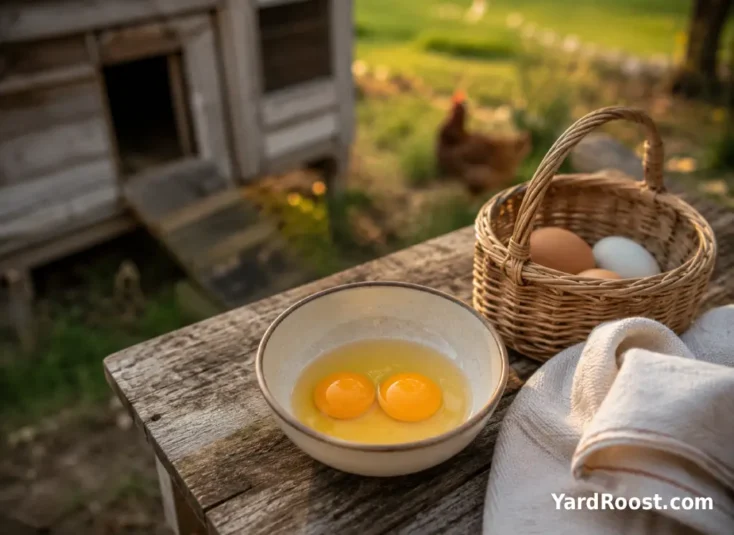
A double yolk egg (sometimes written as “double-yolked eggs” or “double eggs yolk” in searches) is exactly what it sounds like: two yolks that end up inside one eggshell.
Here’s the simple version of what does double yolk mean: instead of releasing one yolk from the ovary, a hen releases two yolks close together. Those two yolks travel through the oviduct and get packaged into one egg—white, membranes, and shell included. University of Florida IFAS Extension describes this as an “occasionally more than one yolk” situation during the egg-formation process, especially when yolks are maturing at similar times.
One quick note for anyone who landed here searching “double yolk burger bar” or “double yolk cafe”: those are business names. In chicken-keeping terms, “double yolk” is about egg formation, not a special breed, diet, or secret trick.
What Causes Double Yolk Eggs in Backyard Flocks
Most of the time, double yolk eggs happen because the hen releases two yolks so close together that they’re wrapped into one egg before the shell forms. University of Florida IFAS Extension explains this “catching up” process in the reproductive tract, where two yolks can be enclosed together.
In real backyard-flock terms, double yolks are most common when:
- Pullets are just starting to lay: Early laying can be a little “out of sync,” and the ovulation timing can be irregular.
- Eggs are trending jumbo: Larger eggs have more “room” for a second yolk to be packaged inside.
- Occasional flock randomness: Even in a steady, mature flock, one hen can throw you a surprise now and then.
A common mistake we see is assuming double yolks automatically mean your feed is “too rich” or that something is wrong in the coop. In most cases, it’s just biology being a little messy—especially in young birds.
How Rare Are Double Yolk Eggs, Really?
Double yolk eggs can feel like a rare little surprise, especially if you mostly buy eggs from the grocery store. But how uncommon they are really depends on the age of the hens and how the flock is managed.
One useful benchmark comes from commercial breeder guidance: Lohmann Breeders notes that around the time pullets reach sexual maturity, about 2% double yolk eggs can be common (early-lay is when timing irregularities show up most). That percentage typically drops as birds settle into a rhythm.
What that means for a backyard keeper:
- If you have new layers, you might see a cluster of double yolks for a few weeks.
- If your flock is fully mature, you may only see one occasionally (or not at all for long stretches).
- If you’re buying store eggs, double yolks may be less common simply because of sorting and sizing practices.
If you want a practical “spot check” before cracking: try candling (a bright light behind the egg) and look for two distinct round shadows.
Can a Double Yolk Egg Hatch?
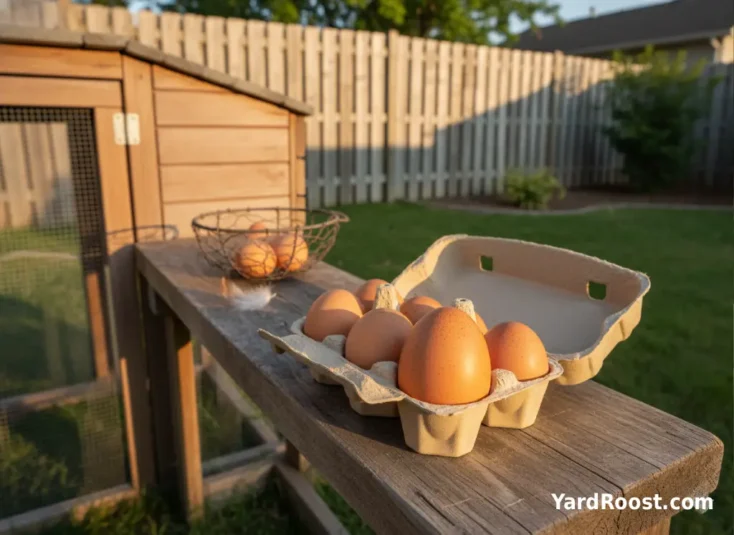
This is the question many backyard chicken keepers are most curious about: can a double yolk egg hatch? The honest answer is that it is very unlikely. In most backyard and hatchery settings, a double yolk egg is not considered a good choice for hatching.
University of Florida IFAS Extension notes that double yolk eggs have a very low hatch rate and any chicks that do hatch are often weak—so they’re generally not used for hatching. Utah State University Extension similarly explains that double yolk eggs are not suitable for hatching because they rarely develop into chicks.
If you like the science angle, poultry research backs that up: studies published in peer-reviewed journals (including an Animals/MDPI paper available via PubMed Central) report lower fertility and much lower hatchability for double-yolk eggs compared with single-yolk eggs.
Practical keeper takeaway: If your goal is healthy chicks, set aside normal, properly shaped hatching eggs and skip the double yolkers.
Are Double-Yolked Eggs Safe to Eat and Cook With?
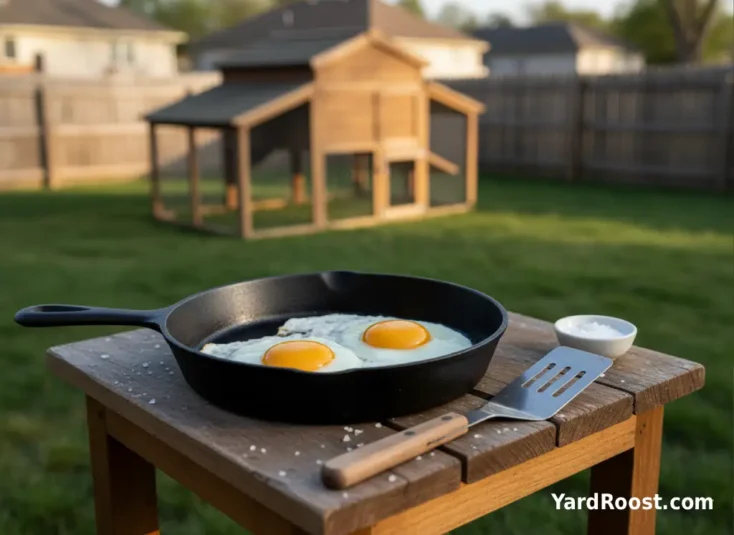
In general, a double yolk egg is safe to eat the same way any other clean, properly handled egg is. Utah State University Extension notes that double yolk eggs are safe to eat and have similar nutritional value to regular eggs.
Where double yolks can surprise you is cooking math:
- Scrambles and omelets: They’re a bonus—richer and a little more filling.
- Baking: Two yolks can change moisture and richness. If a recipe is finicky (cakes, macarons), use standard eggs for consistency.
- Portioning: If you’re tracking recipes carefully, treat a double yolk egg more like a “large egg plus extra yolk” than a perfect one-for-one swap.
Food safety reminder for backyard flocks: the bigger risk isn’t the number of yolks—it’s Salmonella hygiene. The CDC recommends washing hands with soap and water right after handling chickens, eggs, or anything in the coop/run area, and keeping egg-handling clean and kid-safe.
For collecting and storage basics: How Long Are Unwashed Eggs Good For? and How Long Do Farm Fresh Eggs Last?
What Double Yolks Can Tell You About Your Hen’s Laying Cycle
If you’re seeing a few double yolk eggs from a young bird, that’s usually just her internal “egg schedule” settling down. Many keepers notice oddities early on: extra-large eggs, occasional soft shells, or weird shapes—then everything normalizes.
However, patterns matter. If you notice frequent double yolks from the same hen over a long period, consider it a cue to look at the basics—not as a panic button, but as a quick management audit:
Two simple checks that help:
- Body condition: Hens that are very overweight can have more laying irregularities. Aim for steady, not “puffy and waddly.” If you’re unsure, ask an experienced keeper or avian vet to show you how to feel the keel area and assess condition safely.
- Stress and light swings: Abrupt changes in day length (or sudden bright artificial light in the coop) can disrupt laying patterns. Commercial guidance (like Lohmann Breeders) notes higher double-yolk incidence with overstimulation around sexual maturity—steady routines help.
A common mistake we see is “chasing” a double yolk by changing feed, adding random supplements, or turning coop lights on early in the morning to boost production. If you want healthier eggs, think comfort and consistency first.
Common Mistakes to Avoid With Double Yolk Eggs
- Assuming it’s “good luck” or a sign you should hatch it: Fun myth, but double yolk eggs aren’t a reliable path to chicks and aren’t recommended for incubation (low success, higher risk of weak hatchlings).
- Overcorrecting your flock management: One or two double yolks don’t require a feed overhaul or supplements. Let the pattern (not the surprise) guide you.
- Ignoring egg-handling hygiene: Whether it’s one yolk or two, keep egg handling clean—wash hands after collecting, keep kids from kissing chickens, and treat the coop/run as a “wash up after” zone (CDC guidance).
- Forcing a hen through straining: If a hen looks uncomfortable, stands penguin-like, strains, or seems lethargic, don’t wait it out because “she’ll lay eventually.” That’s a separate concern.
When to Get Professional Help
Double yolk eggs themselves are usually just a curiosity. The bigger question is whether your hen looks well while laying them.
Consider calling an avian vet (or an experienced poultry veterinarian) if you see any of the following—especially if they last more than a few hours:
- Repeated straining, panting, or “penguin stance” (upright, tail down)
- Lethargy, not eating/drinking, or staying fluffed up and withdrawn
- Bloody discharge, foul odor, or swollen abdomen
- A sudden, sharp drop in laying paired with obvious discomfort
Safe first steps while you arrange help: keep her warm, quiet, and hydrated, and separate her from pecking pressure. Avoid home “treatments” or dosing—egg-laying problems can look similar on the surface but have different causes, and it’s easy to make things worse.
Bottom Line: Enjoy the Surprise, Watch the Pattern
The meaning of a double yolk egg is usually simple: two yolks got released close together and were packaged into one shell. It’s most common with pullets as they start laying, and it’s generally not a health emergency by itself. Many double yolked eggs are perfectly fine to eat—handle them with the same clean-kitchen habits you use for any egg, and follow CDC guidance on handwashing after egg and coop contact.
Where you should pay attention is the pattern and the hen. A short run of double yolks in a new layer is typically just early-lay weirdness. Long-term frequent double yolks from the same bird can be a nudge to check basics like body condition, stress, and lighting consistency—without going into overcorrection mode.