The Light Sussex chicken is the kind of heritage-style bird that appeals to backyard keepers who want more than one thing from a flock: a steady layer, a calm personality, a handsome bird in the yard, and enough size to feel sturdy rather than delicate. For beginners moving beyond hatchery hybrids, Light Sussex poultry can be a comfortable next step because the breed is generally described as calm, curious, dual-purpose, and suitable for novice keepers.
That does not mean every Light Sussex hen will act the same. Strain, breeder selection, space, weather, flock mix, and daily handling all matter. A well-raised Light Sussex can be easy to enjoy in a small backyard flock, but it still needs a secure coop, dry bedding, balanced feed, shade in summer, and realistic expectations about egg production.
This guide focuses on what a backyard chicken keeper actually needs to know before buying Light Sussex chicks, hatching eggs, or started hens.
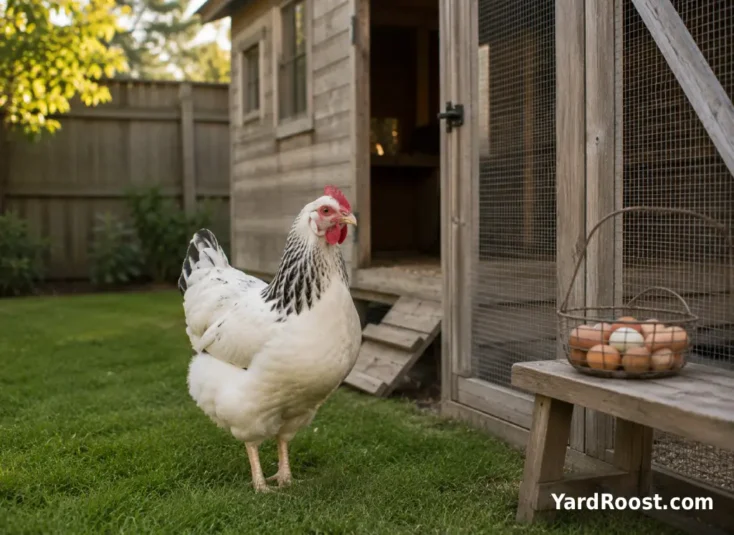
What Is A Light Sussex Chicken?
The Light Sussex is a color variety of the Sussex chicken, an old English dual-purpose breed kept for both eggs and meat. The Livestock Conservancy lists Sussex as a recovering heritage breed and describes it as calm, curious, large, and useful for eggs and meat. It also notes that the American Poultry Association recognized the Light variety in 1929.
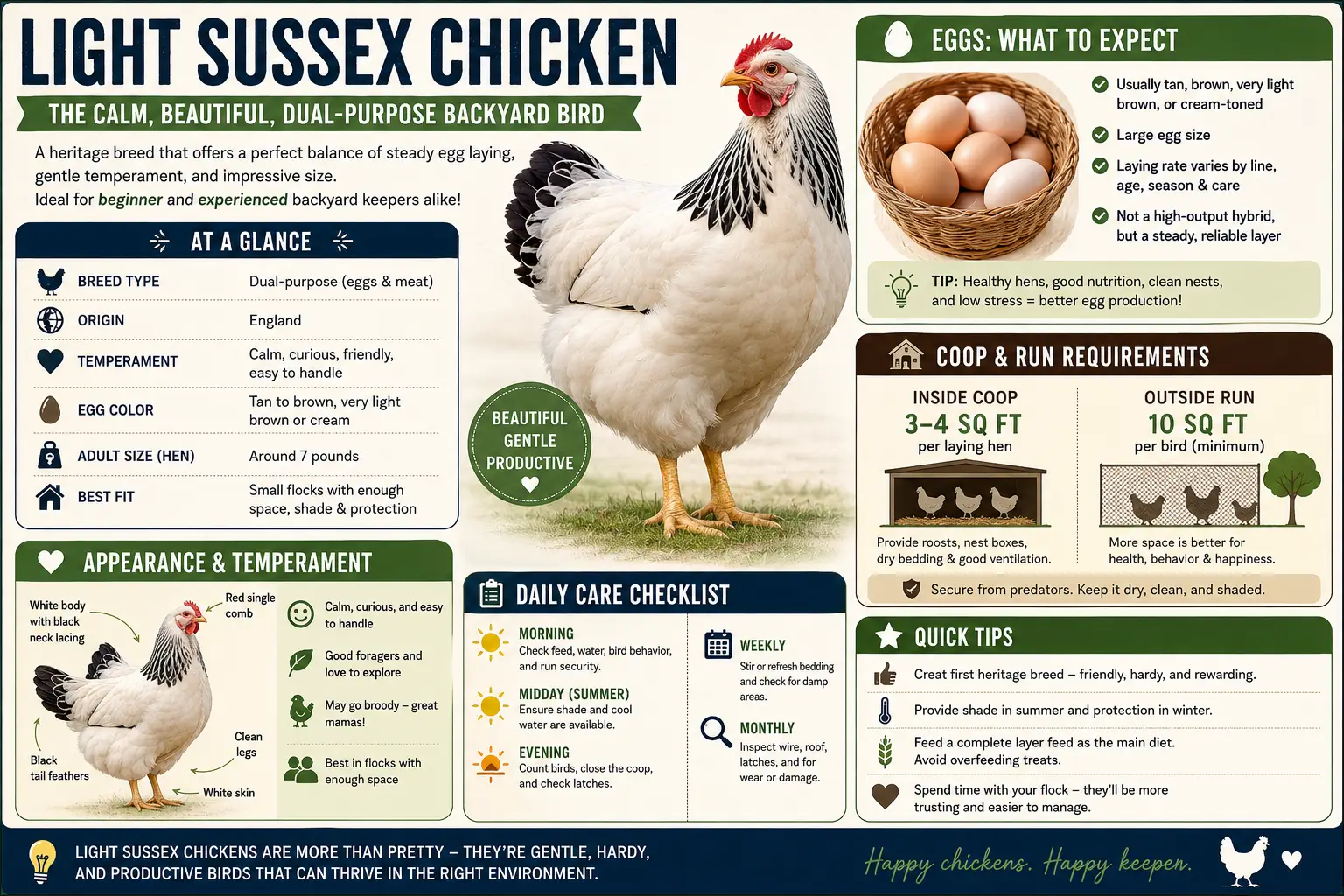
| Trait | Backyard Meaning |
|---|---|
| Breed Type | Dual-purpose chicken for eggs and meat |
| Origin | England, with Sussex chickens developed from old regional poultry lines |
| Temperament | Often calm, curious, and easy to handle |
| Egg Color | Usually tan to brown; some Light Sussex lines may produce very light brown or cream-toned eggs |
| Adult Size | A standard Sussex hen is commonly listed around 7 pounds |
| Best Fit | Small flocks with enough run space, shade, and predator protection |
A Light Sussex chicken is not the same thing as a commercial egg hybrid. It is usually a steadier, heavier, more traditional backyard bird. That is part of the appeal, but it also means you should not compare a Light Sussex hen directly with a high-output hybrid layer bred mainly for egg numbers.
Appearance, Temperament, And Backyard Fit
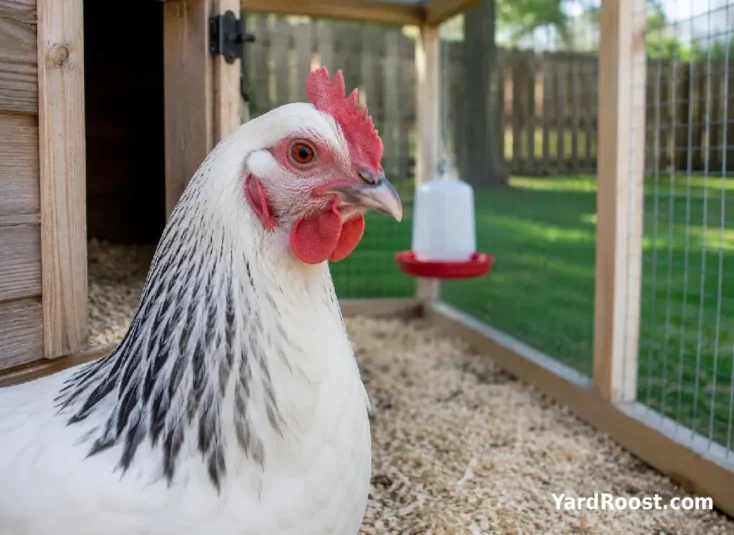
The classic Light Sussex look is easy to recognize: mostly white plumage with darker markings in the neck and tail, plus a red single comb and clean legs. Sussex chickens are also described as rectangular-bodied, broad, deep birds with close-fitting feathers and white skin.
For backyard keepers, temperament matters as much as looks. The Sussex is commonly described by breed sources as calm, curious, stout, and easy to handle. Oklahoma State University’s breed profile also notes that Sussex chickens are alert, good foragers, and may go broody.
In a small flock, that usually translates into a bird that does best with room to scratch, investigate, and move around. A bored Light Sussex in a bare run may still dig, pace, or push flockmates around. A Light Sussex with dry footing, shade, a secure run, and a few simple enrichment items usually has a better chance of settling into a calm routine.
Good backyard fit signs include:
- You want a friendly-looking, traditional dual-purpose breed.
- You have enough coop and run space for a heavier standard-size hen.
- You prefer calm flock behavior over flighty, high-energy birds.
- You can offer shade and airflow during hot weather.
- You are comfortable with possible broodiness in some hens.
A common mistake we see is choosing a breed only from photos. The Light Sussex is beautiful, but the practical question is whether your setup can support a large, curious bird every day of the year.
Light Sussex Eggs: What To Expect
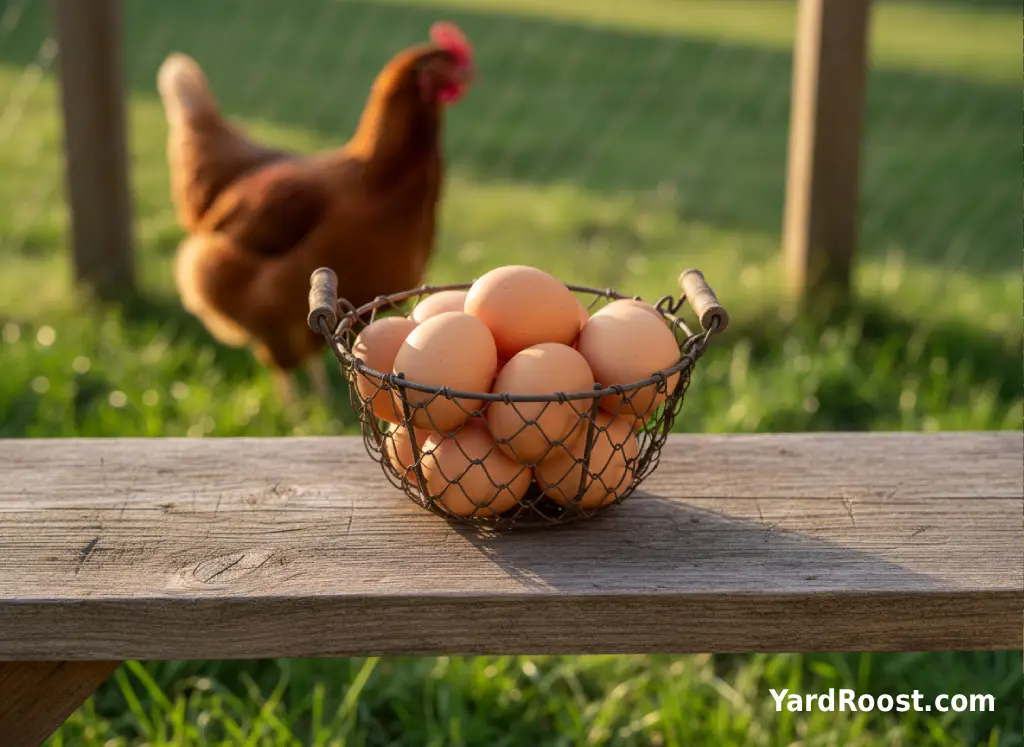
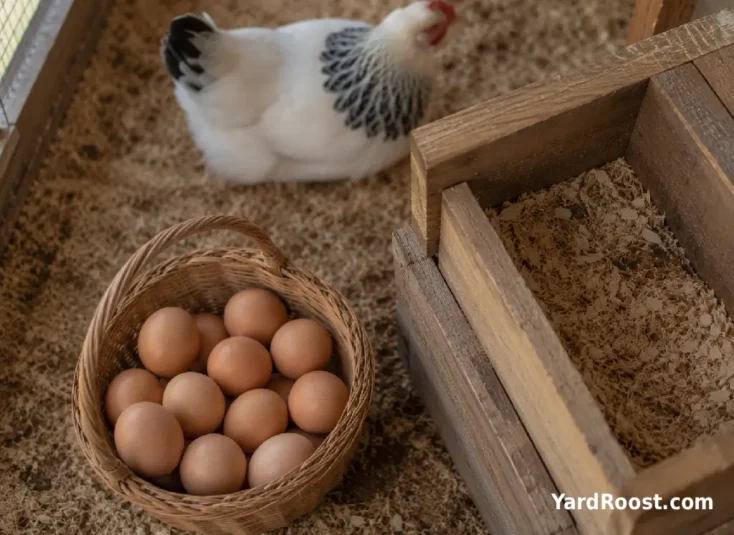
Light Sussex eggs are usually described as tan, brown, very light brown, or cream-toned depending on the line. The Livestock Conservancy lists Sussex egg color as tan to brown and egg size as large, while the University of Alberta’s maintained Light Sussex line notes very light brown eggs and a lower rate of lay for that specific population.
That variation is important. If a seller promises that every Light Sussex chicken hen will lay huge eggs nearly every day, slow down and ask more questions. Heritage and exhibition-influenced lines can vary more than commercial laying hybrids.
For a backyard flock, expect the most reliable laying from hens that are:
- Kept at a healthy body condition, not overfed on scratch or treats.
- Fed a complete age-appropriate poultry feed as the main diet.
- Given oyster shell separately once they are laying.
- Protected from chronic stress, bullying, and predator pressure.
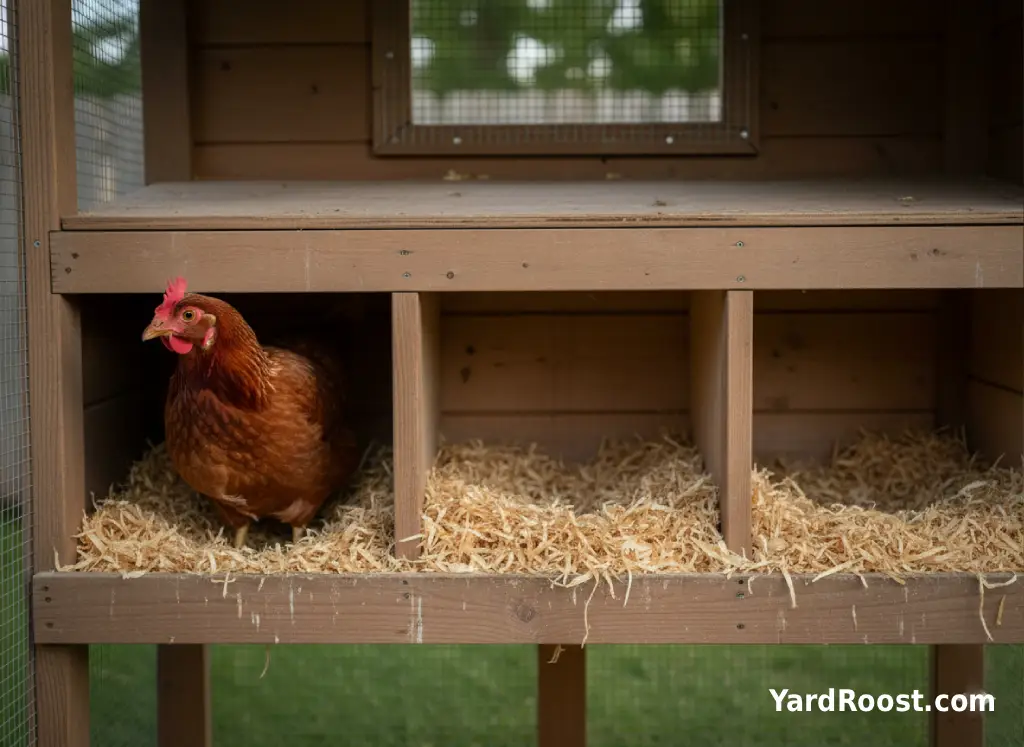
- Provided clean nest boxes that are darker and calmer than the run.
Egg production also changes with age, season, molt, weather, and daylight. A Light Sussex hen may be a pleasant layer, but she is still a living bird, not an egg machine.
Coop, Run, And Daily Care For This Dual-Purpose Breed
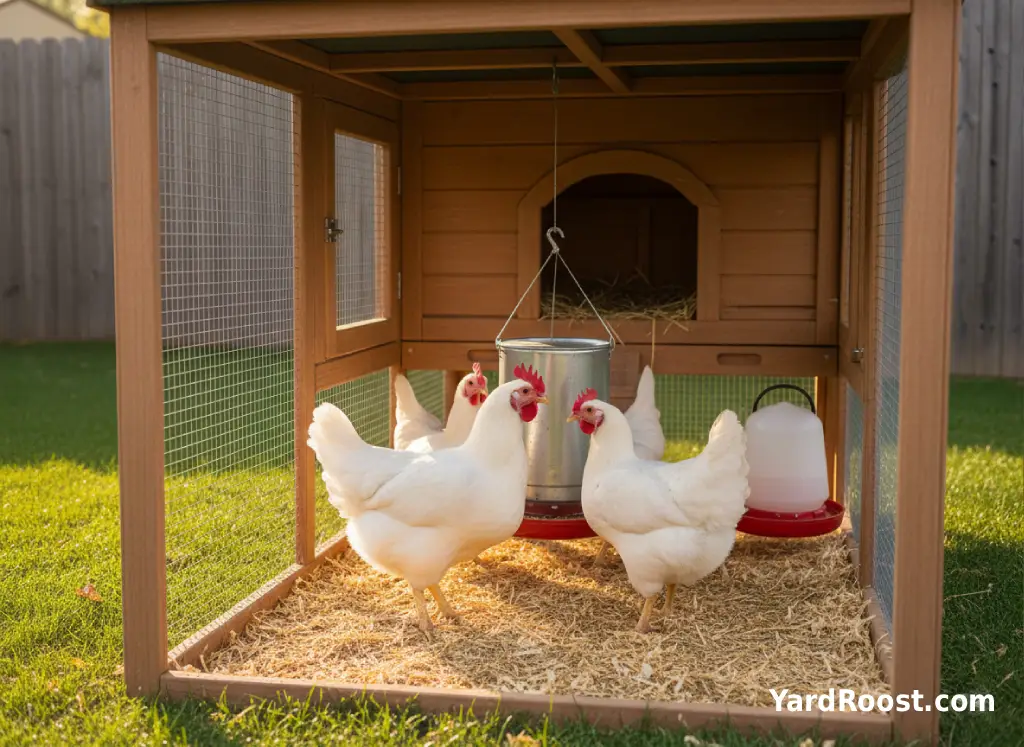
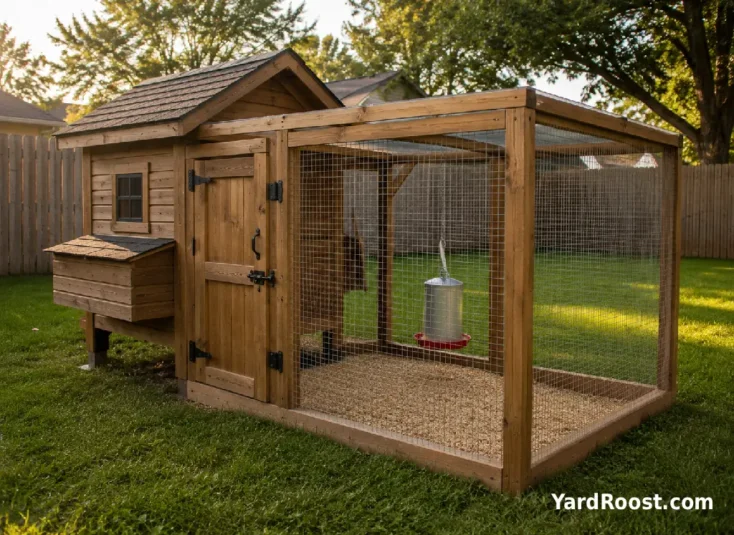
Because the Light Sussex is a standard-size dual-purpose bird, plan for space and footing before you bring birds home. Virginia Cooperative Extension lists 3–4 square feet per laying hen inside and about 10 square feet per bird in an outside run as a practical small-flock housing guideline. More space is better when the run is permanent, muddy, shaded in winter, or shared with more assertive breeds.
Daily care is not complicated, but it needs to be consistent. Check feed and water in the morning, collect eggs at least once daily, glance at droppings and bedding moisture, and make sure doors and latches are secure before dark. For a heavier bird like a Light Sussex, dry footing matters. Wet, compacted run soil can lead to odor, flies, and foot problems.
Use this simple care rhythm:
- Morning: check feed, water, bird behavior, and run security.
- Midday in summer: confirm shade and cool water are available.
- Evening: count birds, close the coop, and check latches.
- Weekly: stir or refresh bedding and look for damp corners.
- Monthly: inspect wire, roof edges, nest boxes, and rodent activity.
Editorial note: a Light Sussex often looks sturdy enough to “handle anything,” but coop details still matter. A damp coop, stale air, or a weak latch can cause problems long before the breed itself is the issue.
For more setup help, see our guide to chicken coop ventilation basics and our practical backyard chicken coop building guide.
Buying Light Sussex Chicks, Hatching Eggs, Or Started Hens
You may see Light Sussex chicks, Light Sussex eggs for sale, started pullets, or adult Light Sussex chickens for sale depending on the season and breeder. Each option has tradeoffs.
| Buying Option | Best For | Watch Carefully For |
|---|---|---|
| Day-Old Chicks | Keepers who can manage a brooder and wait for eggs | Heat setup, shipping stress, sexing accuracy, minimum orders |
| Hatching Eggs | Keepers with incubator or broody hen experience | Fertility is not guaranteed, shipping can reduce hatch rates, roosters are possible |
| Started Pullets | Keepers who want to skip brooding | Higher cost, quarantine needs, seller biosecurity |
| Adult Hens | Small flock keepers who need known birds | Age, health history, laying history, pecking order stress |
For chicks and hatching eggs, ask whether the seller participates in the National Poultry Improvement Plan. USDA APHIS describes NPIP as a voluntary federal-state testing and certification program for poultry breeding flocks, baby chicks, hatching eggs, hatcheries, and dealers; UConn Extension also notes that hatcheries shipping chicks across state lines must be NPIP-approved.
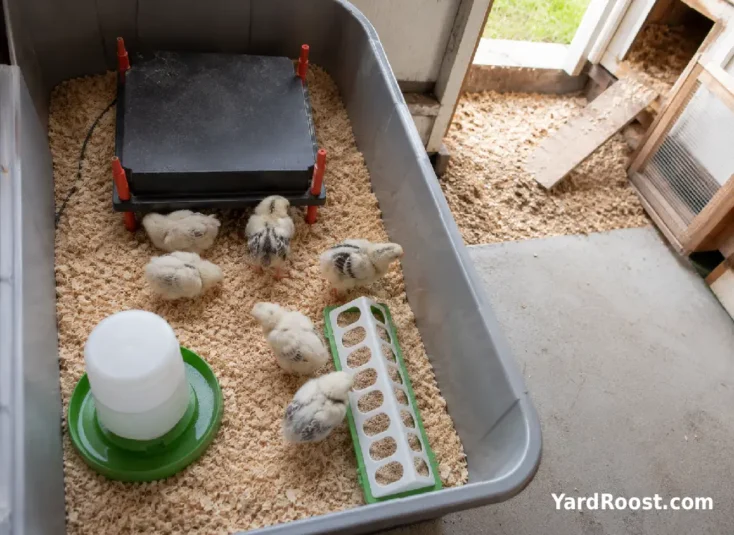
For Light Sussex chicks, have the brooder ready before pickup or delivery. University of New Hampshire Extension recommends 90–95°F for the first week under a heat lamp, with enough room for chicks to move away from heat, then reducing temperature by about 5°F each week as conditions and chick behavior allow.
When comparing listings, avoid buying from photos alone. Ask for parent-stock photos, age, hatch date, whether birds are vaccinated if applicable, whether roosters may be included, and how the seller handles illness in their flock. A careful seller will not be offended by careful questions.
Common Mistakes To Avoid
The biggest Light Sussex mistakes are usually not breed-specific. They are management mistakes that show up faster with heavier, curious chickens.
- Overfeeding scratch and treats. Sussex chickens can put on fat easily, and The Livestock Conservancy notes that hens lay best when not overly fat. Keep treats modest and make complete feed the main diet.
- Buying hatching eggs without a rooster plan. Light Sussex chicken eggs sold for hatching can produce males and females. Check local ordinances and HOA rules before you hatch.
- Using a small decorative coop. Many prefab coops look charming but are cramped for standard-size hens. Measure usable roost, floor, and run space before buying.
- Ignoring summer heat. Sussex are often described as hardy, but shade, airflow, and cool water still matter. The Livestock Conservancy notes Sussex do well in winter but are not fond of heat.
- Skipping quarantine for started birds. New birds can look fine and still bring parasites or disease exposure into a flock.
One practical rule: if you are buying Light Sussex for sale from a local breeder, prepare the housing first, then buy the birds. It is much easier to be patient while shopping than to fix a cramped, muddy, or insecure setup with birds already waiting in a dog crate.
Health, Biosecurity, And When To Call An Avian Vet
YardRoost is not a veterinary service, and breed guides cannot diagnose flock problems. With any Light Sussex hen, use a simple pattern: notice symptoms, separate the bird if needed, reduce stress, keep feed and water available, and contact an avian vet, poultry veterinarian, or local extension office when signs are serious or unclear.
Call a qualified poultry professional promptly if you see labored breathing, swollen eyes or face, repeated bloody diarrhea, inability to stand, sudden weakness, severe injury, unexplained death, or multiple birds acting sick. Merck Veterinary Manual notes that serious backyard poultry diseases can show signs such as bloody diarrhea, malaise, loss in production, and death, depending on the disease involved.
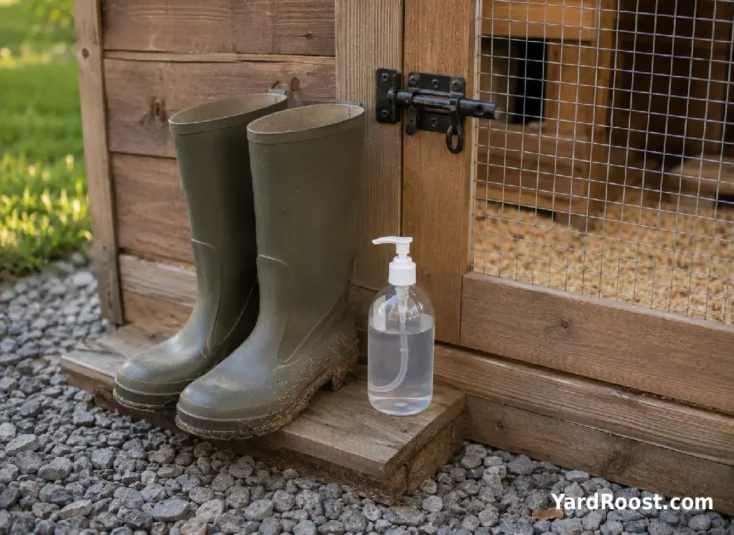
Biosecurity is just as important when birds look healthy. USDA APHIS describes biosecurity as key to keeping poultry healthy and reducing the risk of avian influenza and other infectious diseases. For backyard keepers, that means limiting visitors in the run, quarantining new birds, cleaning shared equipment, and not wearing coop boots to feed stores or other poultry areas.
Public-health hygiene matters too. CDC guidance for backyard poultry says to wash hands with soap and running water after touching poultry, eggs, equipment, or anything in the area where birds live and roam, and to supervise young children’s handwashing.
For a small flock, the safest routine is simple: separate sick birds, observe closely, avoid home-remedy guessing, and get qualified help early.
Is A Light Sussex Hen Right For Your Flock?
A Light Sussex hen is a good fit if you want a calm, attractive, dual-purpose chicken and you are willing to manage her like a real standard-size heritage bird. She needs more than a tiny coop and a bowl of scratch. She needs space, protection, shade, balanced feed, and a flock setup that does not let pushier breeds bully her.
This breed may not be the best choice if your top priority is maximum egg output in the smallest possible space. It may also be a poor fit if your run gets very hot, has no shade, or stays muddy after every rain. The bird can be hardy, but hardy does not mean maintenance-free.
Choose Light Sussex chickens if you value:
- Calm, curious flock behavior.
- A traditional white-and-black backyard bird.
- Dual-purpose heritage breed traits.
- Large tan-to-brown eggs from suitable lines.
- A beginner-friendly bird with enough space and good care.
Skip or delay the breed if you cannot yet provide predator protection, a dry run, local-rule compliance, or a safe plan for roosters from hatching eggs.
Final Thoughts On Light Sussex Chickens
The Light Sussex chicken is a practical, handsome breed for backyard keepers who want a calm dual-purpose bird rather than a top egg laying hybrid. The best results come from matching the breed to the setup: a dry coop, enough run space, good airflow, summer shade, secure fencing, balanced feed, and a careful buying source.
Light Sussex chicks can be a fun starting point if you are ready for brooder care. Started pullets are simpler but still need quarantine. Hatching eggs can be rewarding, but they require more skill and a rooster plan. The right choice depends on your space, experience, and local rules.
For a beginner-to-intermediate keeper, the Light Sussex is worth considering when you want a steady, calm bird with heritage character. Take your time choosing a reputable source, build the setup before birds arrive, and keep your care routine simple, clean, and consistent.