If you’ve ever seen a Jersey giant chicken in person, you remember it. These birds have a “small turkey” vibe—tall, broad, and surprisingly chill about the whole thing. For many backyard keepers, that’s the appeal: a gentle, heavy-bodied chicken that can fit into a family flock and still bring home a solid basket of eggs. The Jersey giant chicken breed is widely recognized as one of the heaviest chicken breeds, and it’s officially listed by major poultry organizations.
This article is written for beginner→intermediate keepers who want realistic expectations: how big Jersey Giants get, what jersey giant chicken eggs look like, what “blue jersey giant chicken” means in practice, and how to set up a coop and run that actually works for extra-large birds. We’ll keep it practical and safety-first, with a few “wish we’d told you sooner” notes along the way.
What Makes Jersey Giants Different From Other Backyard Breeds
Jersey Giants were developed as a large American dual-purpose breed, and they’re still best understood that way: big-bodied birds that can contribute both eggs and meat, without acting like high-strung sprinters. In official breed references, standard weights are notably higher than typical backyard layers, and recognized varieties include black, white, and blue (large fowl).
They also tend to be “slow and steady” compared to lighter breeds. That slower growth is part of why many keepers enjoy them—less frantic behavior, and often a calmer presence in the run. The tradeoff is patience: you’ll usually wait longer for full size and sometimes longer for consistent laying than you would with lighter production breeds.
Two quick reality-check tips:
- If you want fast eggs and early maturity, a lighter breed may fit better—and that’s okay.
- If you want a friendly, big-bodied bird and you don’t mind a slower timeline, Jersey Giants can be a great match.
Jersey Giant Chicken Size: How Big Do They Get?
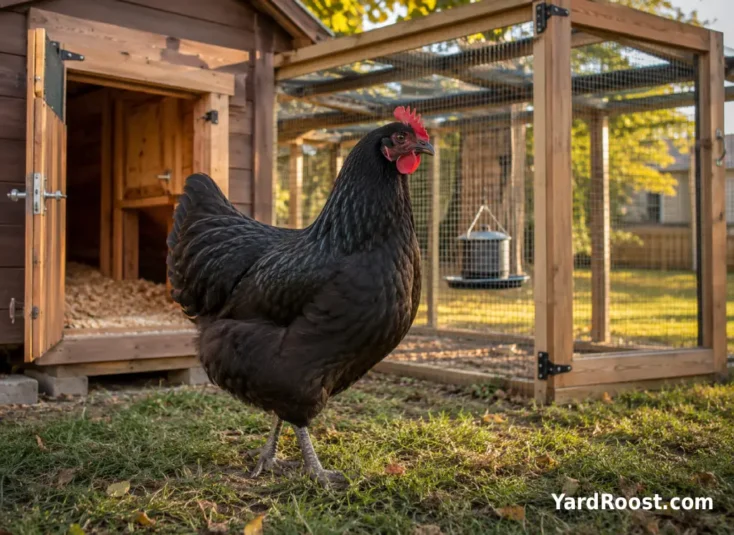
When people ask “what is the biggest breed of chicken,” Jersey Giants are almost always part of that conversation because they’re among the heaviest recognized breeds. Standard weights are commonly listed around 13 lb for adult cocks and around 10 lb for adult hens in breed references.
That size changes how you manage them. Big birds don’t love tight turns, steep ramps, or high, narrow perches. They do best when everything is designed for easy footing and short, safe hops rather than athletic leaps.
Practical setup adjustments for large birds:
- Use wide, stable roost surfaces and keep roost heights reasonable (think “safe step up,” not “gymnastics”).
- Make pop doors and run doors roomy so the biggest hens aren’t shoulder-checking their way through.
- Plan on stronger hardware: heavier hinges, latches you can secure, and sturdier run framing.
Black, White, And Blue Jersey Giant Chickens: What Those Colors Really Mean
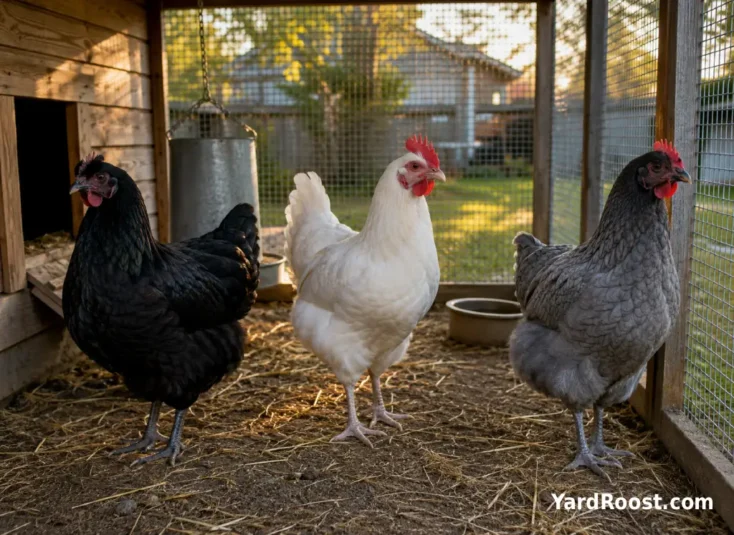
You’ll see a lot of color-related searches—black jersey giant chicken, white jersey giant chicken, and especially blue jersey giant chicken. The short version: black, white, and blue are recognized Jersey Giant varieties in major poultry standards listings for large fowl.
Color doesn’t change the fundamentals (size, basic temperament tendencies, housing needs). What it can change is availability. In many areas, black jersey giant chicks are easiest to find, while blue jersey giant chicks and white jersey giant chicks may be more seasonal or limited.
A common mistake we see is assuming “blue” means a different breed line with different egg color or a special “blue egg.” It doesn’t. Blue Jersey Giants are about feather color—not egg shell color.
Blue Jersey Giant Color Genetics: Blue, Black, and Splash
The blue color found in Jersey Giants is caused by a gene that dilutes black pigment. One copy of the gene produces blue plumage, while two copies produce the much lighter splash color. A bird without the dilution remains black.
This means that breeding two visually blue Jersey Giants does not normally produce an entire hatch of blue chicks. As a simplified expectation, a blue-to-blue mating can produce approximately:
- 50% blue chicks
- 25% black chicks
- 25% splash chicks
These percentages describe probability across many chicks, not a guarantee for every small hatch. A hatch of only a few chicks may lean heavily toward one color simply by chance.
Breeders may pair black birds with splash birds when they want to produce mostly blue offspring. Even then, the exact shade and quality of the blue coloring can vary. Some birds develop an even slate-blue color, while others mature with darker heads, uneven patches, or less distinct feather edging.
Young blue chicks may also change considerably after replacing their juvenile feathers. When choosing chicks, prioritize vigor, sound legs, clear eyes, and correct body development rather than expecting the early down color to match an adult bird perfectly.
How to Identify a Blue Jersey Giant
A Blue Jersey Giant should have the same broad, deep body and substantial frame as other Jersey Giant varieties. The color changes the plumage, not the breed’s basic body type.
Typical features include:
- A medium-to-long, wide, and deep body
- A relatively flat back
- A single comb
- Clean legs without feathering
- Yellow skin
- Slate-blue plumage, often with darker blue edging
- Dark willow or nearly black shanks
A large blue chicken is not automatically a Blue Jersey Giant. Body shape, leg color, comb type, mature size, and information about the parent stock all help determine what you are actually buying.
Hatchery-type Jersey Giants may still make excellent backyard chickens, but they can differ from standard-bred or exhibition lines in mature size, body shape, growth rate, and consistency of color.
Blue Jersey Giants Compared With Other Blue Chickens
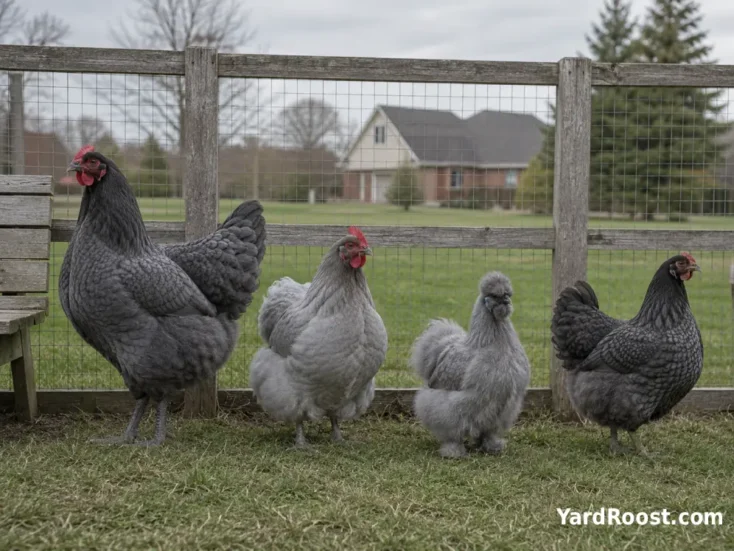
The word “blue” describes plumage color found in many chicken breeds. It does not tell you the bird’s mature size, egg color, feather structure, comb type, or housing requirements.
| Chicken | What Sets It Apart | Egg Color | Important Beginner Note |
|---|---|---|---|
| Blue Jersey Giant | Very large frame, clean legs, single comb, and slate-blue plumage | Brown | Needs sturdy fixtures and generous floor space |
| Blue Orpington | Large but generally smaller than a Jersey Giant, with softer and fuller feathering | Brown | Dense feathering can make the bird look larger than its actual frame |
| Blue Silkie | Small bird with soft hookless feathers, dark skin, a crest, and five toes | Cream or tinted | Has very different body size, feather structure, and housing needs |
| Blue Copper Marans | Blue body color combined with copper-colored neck feathers in properly marked birds | Dark brown shades | Color, egg shade, and breed quality vary considerably by breeding line |
| Rhode Island Blue | Usually a hatchery or breeder name for a cross rather than a standardized heritage breed | Usually brown | Ask the seller to identify the parent breeds and expected adult traits |
When a seller advertises “blue chickens,” confirm the actual breed or cross rather than relying on feather color or a blue-themed product name.
Jersey Giant Chicken Eggs: Size, Color, And Realistic Expectations
Let’s answer the top egg questions directly:
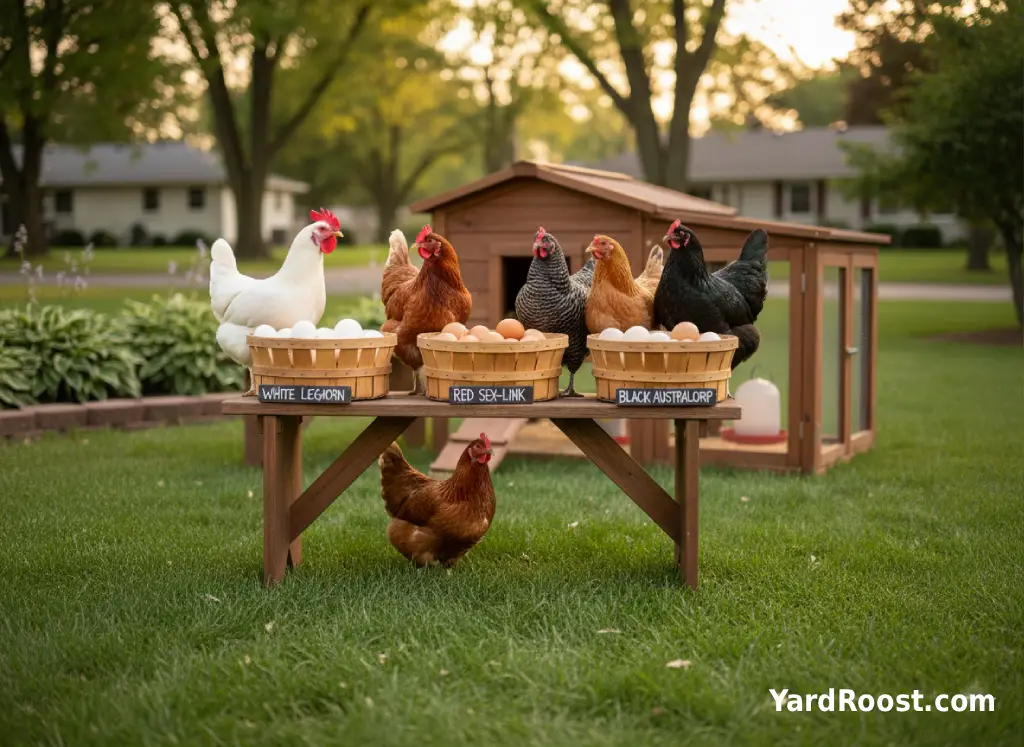
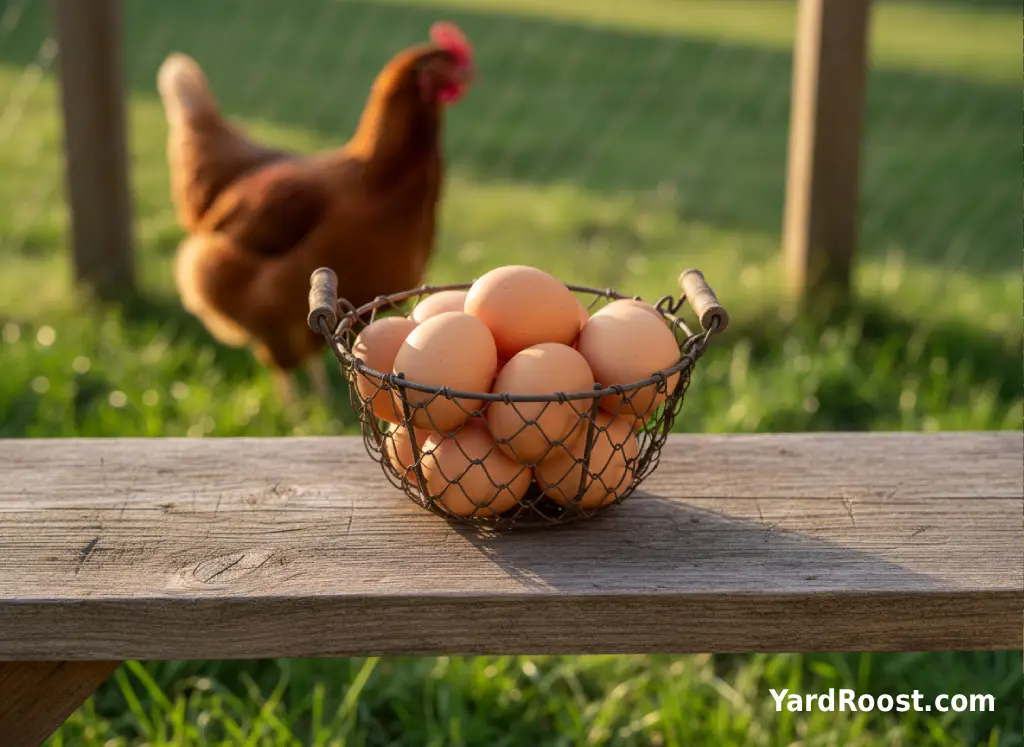
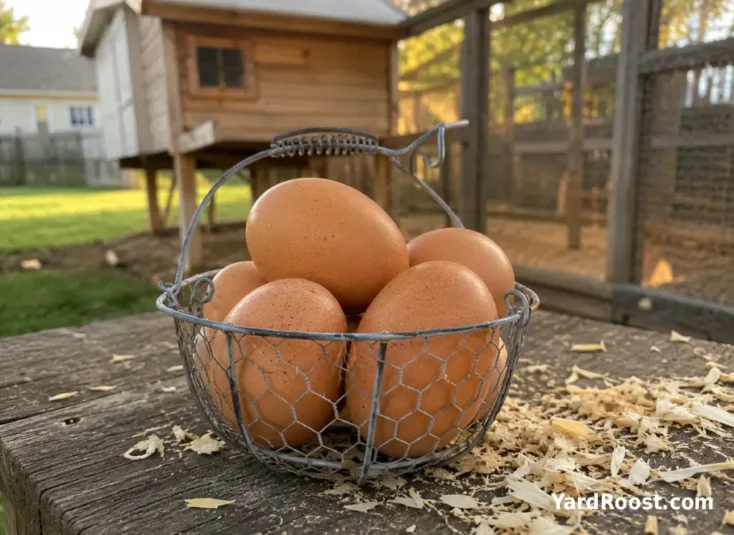
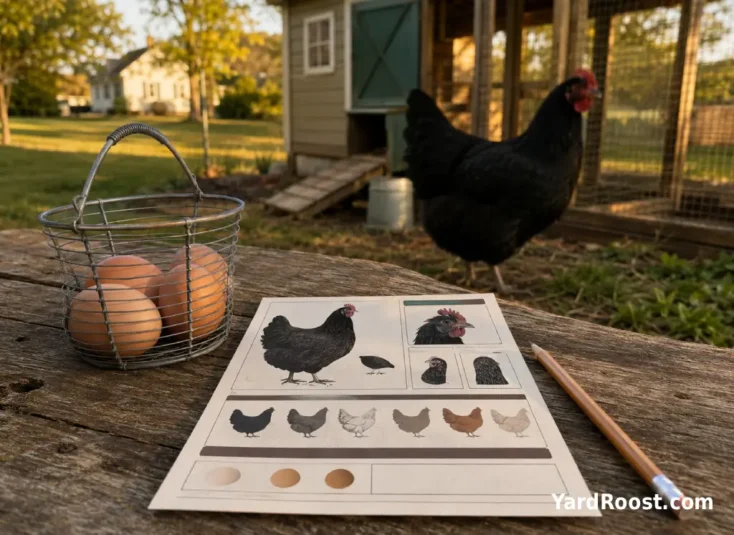
- Jersey giant chicken egg color: brown (including black jersey giant chicken eggs and white jersey giant chicken eggs—feather color doesn’t change shell color).
- Egg size: often described as extra large for the breed.
Now the expectation-setting part: Jersey Giants are commonly described as moderate layers, with production influenced by season, nutrition, stress, and your birds’ individual genetics. Some breed references give a broad estimate range for annual production under good conditions, but your backyard results can vary.
Jersey Giants can be a good choice if you’re hoping for larger eggs. They’re big birds and are often associated with extra-large eggs, but egg size still depends on the individual hen, her age, diet quality, and overall flock management. In other words, they can lay impressive eggs, but the “biggest egg” title is never guaranteed from bird to bird.
Coop And Run Setup For Giant Birds
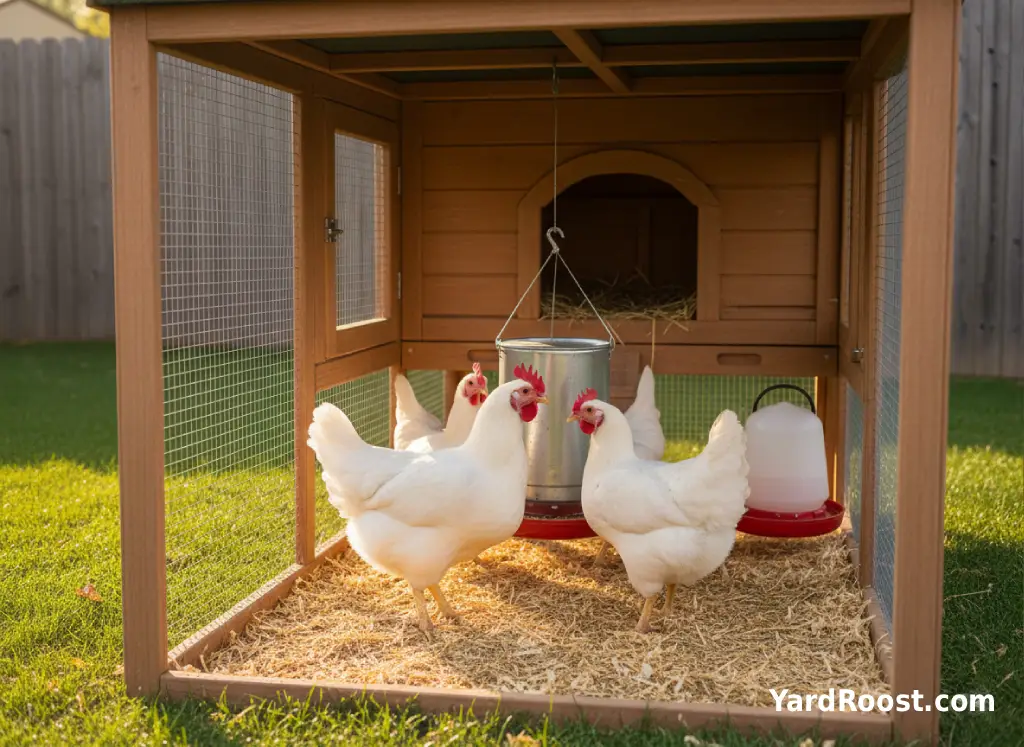
For Jersey Giants, think “roomy and low-stress.” Multiple university/extension resources commonly recommend several square feet of indoor coop space per bird, with outdoor run space scaled up as you’re able. For example, University of Minnesota Extension suggests a minimum of about 3–5 sq ft of indoor space per bird, and Poultry Extension resources commonly cite minimum indoor and outdoor targets in similar ranges.
Our YardRoost take for big birds: aim toward the roomier end of those ranges whenever you can. Giants do better when they can pass each other without chest-bumping and when they can rest without being stepped on.
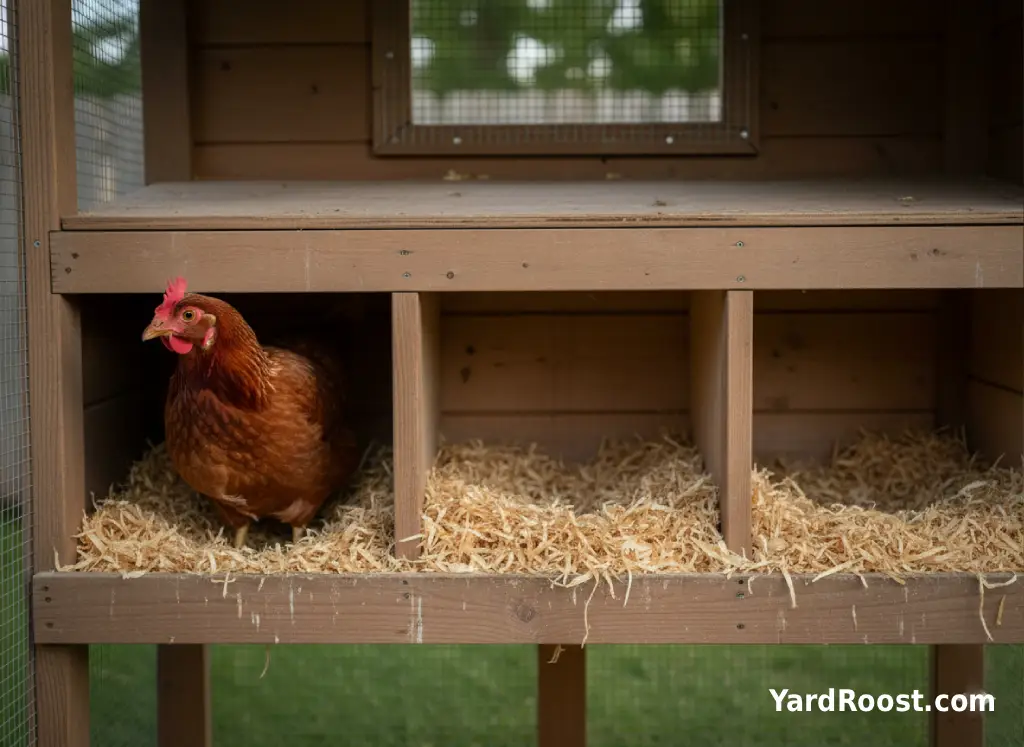
Nest boxes matter too. A practical rule used in extension guidance is roughly one nest box for every 4–5 hens.
Feeding Jersey Giants Without Overdoing It
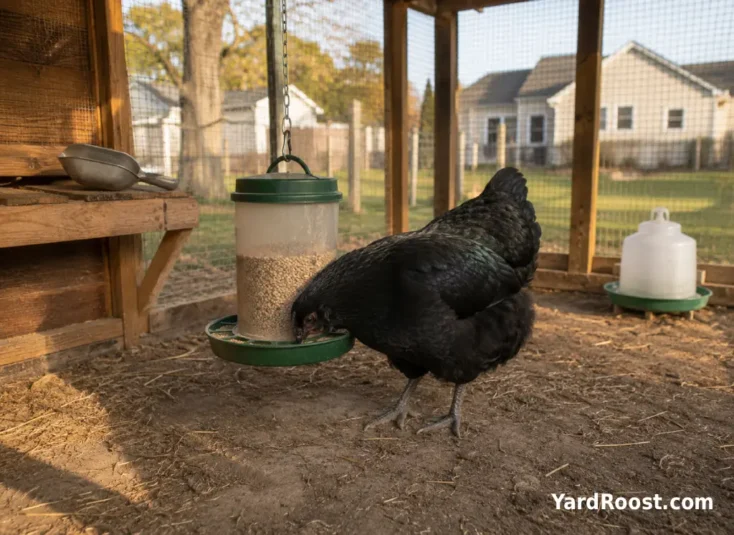
Big birds can become heavy birds fast—and that’s not always a win. With Jersey Giants, you’re trying to support steady growth and good body condition, not a “push for maximum weight.” The safest approach for backyard keepers is to use a life-stage-appropriate complete feed (starter for chicks, grower for adolescents, layer feed once hens are laying regularly) and avoid turning treats into a major calorie source.
Two simple checks that prevent a lot of trouble:
- Treat limit: keep treats as a small “bonus,” not a meal replacement—especially with giant breeds.
- Body condition check: pick up and handle your birds regularly so you notice changes early (too thin or too heavy) and can adjust management.
A common mistake we see is over-feeding scratch grains because the birds “look hungry.” Giants are big; they’ll always look like they mean business at the feeder. Stick with balanced feed as the base.
Raising Jersey Giant Chicks: Brooder And Early Growth Tips
Jersey giant chicks are raised like other chicks, but their future size rewards good footing and steady, clean conditions early on. Set up the brooder so chicks can choose warmer or cooler spots (don’t force them to “cook” in one hot corner). Use clean, dry bedding and keep water containers stable so you’re not fighting constant spills.
Quick brooder habits that pay off later:
- Give more floor space as they grow so they can move without piling up.
- Use bedding that stays dry and provides traction (slippery footing early on can create problems).
- Handle chicks gently and regularly to build that famously calm Jersey temperament.
For a full chick setup walkthrough, see: What Is a Chicken Brooder
Buying Jersey Giant Chickens For Sale: What To Ask Before You Pay
Spring is a popular time to buy Jersey Giants, but it helps to know what you want before choosing chicks. Are you hoping for show potential, friendly backyard pets, steady eggs, or a practical dual-purpose flock? That answer should guide which birds you bring home.
Questions worth asking a breeder or hatchery:
- Are these birds standard large-fowl Jersey Giants, and which color variety are they selling?
- Are the birds pure Jersey Giants, hatchery-type Jersey Giants, or Jersey Giant crosses?
- Which Jersey Giant colors are present in the breeding pen?
- If blue chicks are offered, can the seller explain whether black or splash chicks may also appear?
- Are the chicks sold as straight-run or sexed?
- What mature weight and body size should you expect from this particular line?
- Are the birds selected primarily for exhibition, utility, egg and meat production, or general backyard use?
- Does the breeder select for calm temperament, sound legs, and correct body structure?
- What poultry testing, health documentation, or flock-health information is available?
- What are the minimum-order and seasonal shipping requirements?
- What is the seller’s policy if shipped chicks arrive weak or unhealthy?
A common mistake we see is buying the biggest-looking chicks without planning the coop. Jersey Giants quickly outgrow “starter coops.” If your run door, roost layout, and interior space are tight, you’ll feel it by midsummer.
Predators, Biosecurity, And Salmonella-Smart Hygiene
Big birds still need the same two protections as any flock: predator resistance and disease-smart routines.
Predator-proofing basics (the non-negotiables
Poultry Extension guidance notes the importance of preventing predators from digging under fencing and describes burying hardware cloth as a deterrent strategy. If your setup relies on light wire meant mainly to “keep chickens in,” upgrade the vulnerable areas (especially lower run walls, doors, and vents) with stronger mesh and secure fastening.
Biosecurity (especially when adding new birds)
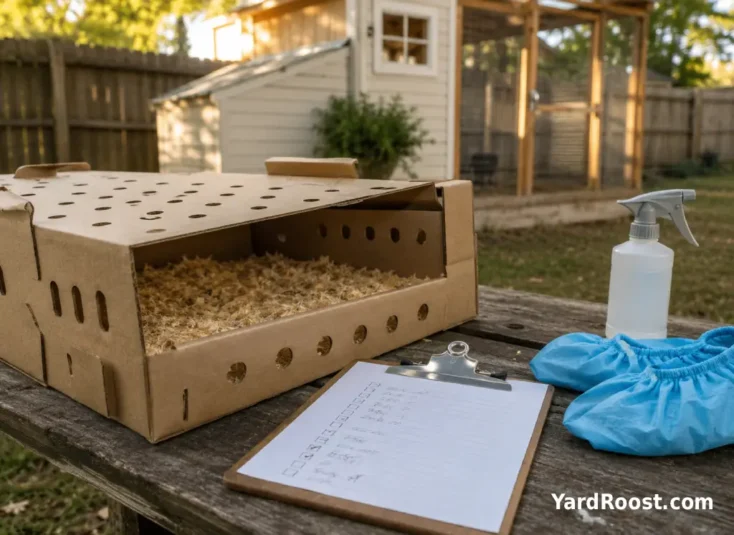
USDA APHIS guidance recommends isolating birds returning from shows for about 30 days to watch for signs of illness, a practice many backyard keepers also apply when bringing any new birds home.
Salmonella-smart hygiene
CDC advice for backyard flocks emphasizes washing hands with soap and water right after touching live poultry or anything in their environment, and supervising young children.
If you want a step-by-step run build that prioritizes security, see: How to Build a Predator-Resistant Chicken Coop
Common Mistakes To Avoid With Jersey Giants
- Underbuilding the coop: Jerseys are heavy; lightweight doors, flimsy latches, and narrow pop doors become daily annoyances (and potential security issues).
- Too-high roosts: Big birds jumping down from high perches can strain legs and feet—keep the layout “easy step” friendly.
- Assuming egg timing will match lighter breeds: Jersey Giants often reward patience; don’t panic if they don’t follow a fast-layer schedule.
- Letting treats take over the diet: Overdoing scratch and extras can throw off balance and body condition.
- Skipping quarantine: New birds (or show returns) should be separated long enough to reduce disease risk.
Quick Reference Table: Jersey Giant Snapshot
| Trait | What To Expect | Source Notes |
|---|---|---|
| Adult size | Very large/heavy; commonly listed around 13 lb (cock) and 10 lb (hen) | Breed reference listing standard weights |
| Recognized colors | Black, White, Blue (large fowl) | Listed in poultry standards varieties |
| Egg shell color | Brown (including black jersey giant chicken egg color) | Breed reference and conservation listing |
| Egg size | Often described as extra large | Conservation listing |
| Coop space basics | Common guidance ranges around 3–5 sq ft per bird indoors (more is better) | Extension guidance example |
Conclusion: Are Jersey Giants Right For Your Backyard?
If you want a big, calm bird with that classic heritage look—and you’re willing to build a coop that matches their size—the jersey giant chicken can be a genuinely enjoyable breed to keep. They’re widely recognized as one of the heaviest chicken breeds, they come in black, white, and blue varieties, and jersey giant chicken eggs are typically brown and often described as extra large.
The biggest “make or break” factor is space and layout. Give them roomy indoor floor space, a run that doesn’t feel like a hallway, and a roost/nest setup designed for heavy bodies. Then back it all up with predator-resistant construction, quarantine habits for new birds, and CDC-style handwashing routines—especially if kids help with the flock.
Want to keep going? Next steps we recommend: sketch your coop layout (doors, roost height, nest access), price out run materials, and decide which variety you’re hunting for this season—black, white, or that beautiful blue jersey giant chicken.