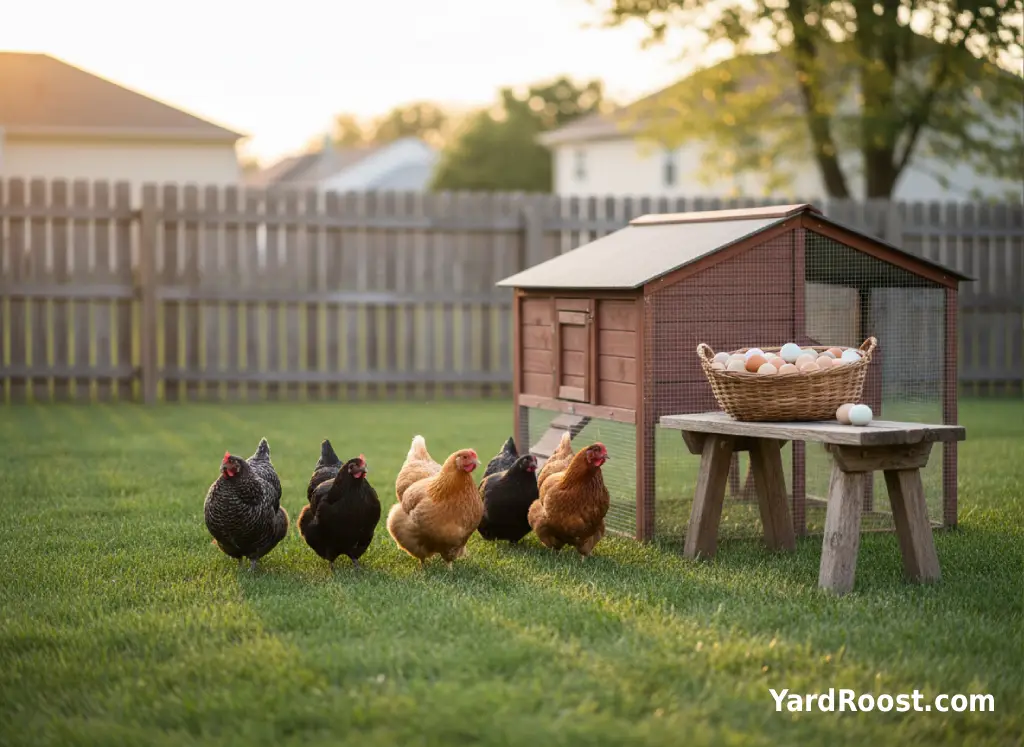
If you’ve ever watched a hen scratch, dust-bathe, and then hop-flap to the roost like she’s half-hovering, you’ve probably asked it out loud: is a chicken a bird? Yep—chickens are absolutely birds. They don’t just look like birds; they’re built like birds from the inside out, sharing the same core features that define birds as a group: feathers, a beak, egg-laying, and a bird-style skeleton and respiratory system.
The reason this question keeps popping up is practical. Backyard chickens don’t always match the “songbird on a branch” mental picture. Chickens spend a lot of time on the ground, they’re heavier-bodied, and most breeds don’t fly far. But none of that makes them less bird—think of them as the “barnyard branch” of the bird family tree.
Below, we’ll answer the simple question “are chickens birds?” in plain English. We’ll also look at where domestic chickens originally came from and how basic bird biology connects to real backyard care, including a quick public-health reminder for anyone handling chicks.
Quick Answer: Yes, Chickens Are Birds
In scientific terms, chickens are members of the class Aves—the same big group that includes hawks, ducks, robins, and penguins. In everyday terms: feathers + beak + laying eggs + bird anatomy = bird.
Two practical takeaways for keepers:
- Bird rules apply: chickens regulate heat differently than mammals and rely heavily on feather condition, shade, airflow, and hydration.
- Bird behavior applies: roosting, flock hierarchy, dust bathing, and foraging aren’t “extras”—they’re normal bird needs you’ll want to plan for.
A common mistake we see is assuming chickens are “basically small livestock” like tiny goats. They’re not. Treat them like birds that happen to live in your backyard, and your daily care decisions start making a lot more sense.
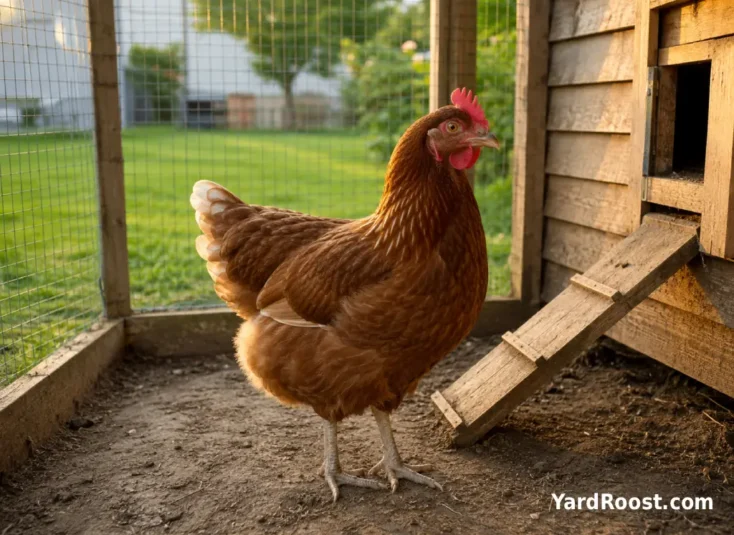
What Makes a Bird a Bird (And How Chickens Check Every Box)
Birds aren’t defined by “can it fly?” Plenty of birds don’t fly well—or at all. Birds are defined by a bundle of traits, and chickens match them neatly:
- Feathers: insulation, weather protection, and communication (yes, those neck feathers can “say” a lot).
- A beak (no teeth): chickens peck, pinch, and scoop—then grind food internally with a gizzard.
- Egg-laying: like all birds, chickens reproduce by laying eggs.
- Lightweight-but-strong skeleton: built for movement and balance, even when they’re mostly ground-based.
- Unique bird respiration: birds move air through their system differently than mammals (one reason good coop airflow matters).
Actionable backyard tip: if your coop smells “stuffy” at head height when you step inside, assume it’s worse at chicken height. Bird lungs are efficient, but that also means they’re sensitive to poor air quality. Good airflow (without a draft blasting the roost) is a keeper superpower—see Chicken Coop Ventilation.
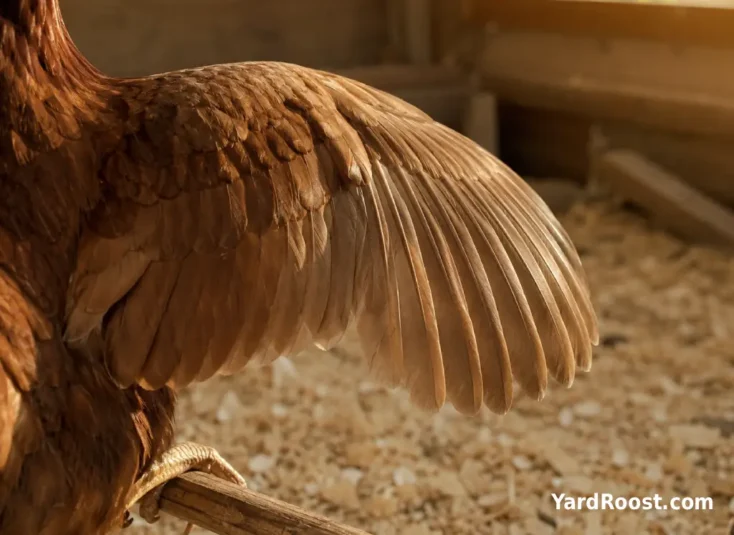
How Chickens Fit Into the Bird Family Tree
If you like names and categories, here’s the simple version: domestic chickens are commonly referred to as Gallus gallus domesticus, closely tied to (and generally considered a domesticated form/subspecies of) the red junglefowl (Gallus gallus). They’re in the order Galliformes—ground-loving birds that include turkeys, quail, and pheasants.
Why this matters for keepers (not just trivia):
Galliform birds are designed to forage, scratch, and live in social groups. So when a chick is a bird, it’s not just a label—it’s a clue. A chick’s brain comes pre-loaded with bird instincts: peck, explore, follow warmth, and figure out where it sits in a tiny social ladder.
Two “bird brain” management tips you can use today:
- Give safe foraging outlets: a scatter of scratch in litter or a hanging cabbage can reduce boredom pecking.
- Design for flock flow: avoid tight dead-ends in runs where one bird can trap another and start a bullying loop.
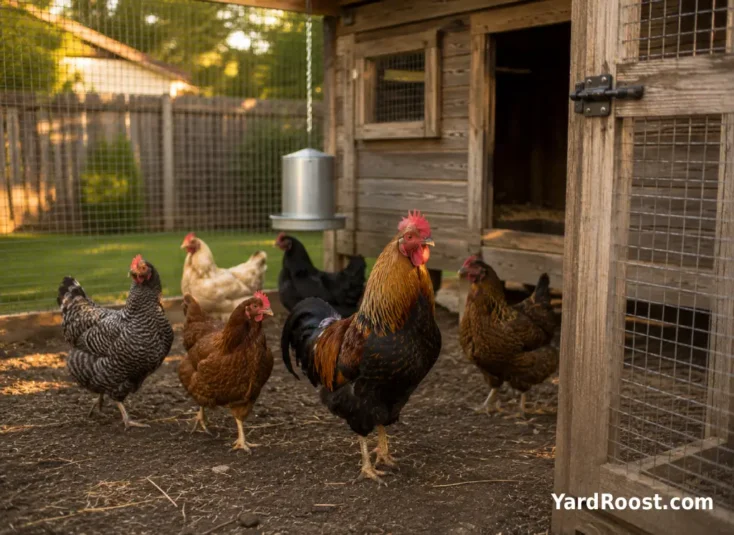
Where Did Chickens Come From Originally?
So, where did chickens come from? The strongest evidence points to domestic chickens descending primarily from the red junglefowl of South and Southeast Asia, with domestication and spread happening over thousands of years. As people moved, traded, and farmed, chickens traveled with them—eventually becoming one of the most widespread domesticated birds on Earth.
If you’re wondering “where did chickens come from originally” in a way that connects to your coop: those jungle origins show up in modern behavior. Chickens still prefer:
- Cover overhead (they feel safer under shelter or shrubs)
- Roosting up off the ground at night
- Scratching and pecking through loose material to find bits to eat
Practical backyard tip: if your run is wide-open and bare, add one or two simple “bird cover” features—like a small roof panel, a shade cloth section, or a couple of low perches—so timid birds have somewhere to decompress.
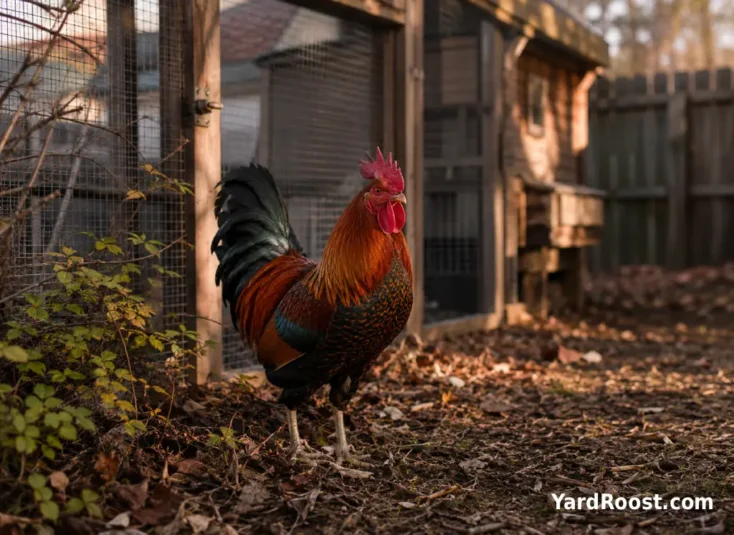
Why Chickens Don’t Fly Like “Birds” (But Still Fly)
One reason people ask “is a chicken considered a bird” is that most backyard chickens don’t soar. That’s mostly a design choice—by humans. Many breeds have been selected for body size, temperament, and productivity, not long-distance flight. Add in clipped wings (sometimes used for short-term management) and you end up with birds that look more like joggers than pilots.
Still, chickens can absolutely fly in short bursts. They’re good at:
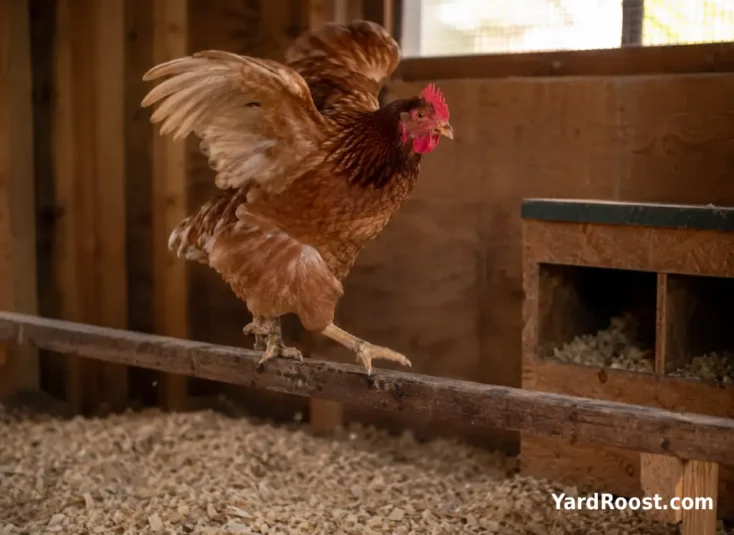
Hop-flapping to reach a roost, clearing a fence in a panic, or getting onto a compost pile like it’s a throne.
Two safety-first “short flight” checks:
- Fence reality test: if your run fence is low enough that a hen could hop onto it, assume she can get over it when spooked.
- Landing zone: provide a stable step-up path to roosts (like a lower bar or wide ramp) so heavy breeds don’t slam down and risk injury.
A common mistake we see is building a coop with a roost that’s “as high as possible” without considering how a heavier hen gets down. Height is fine—safe landings are better.
Why It Matters That Chickens Are Birds for Backyard Care
Once you fully accept “is chicken a bird,” your day-to-day management gets clearer. Birds have bird needs, and meeting them tends to prevent a lot of backyard headaches.
Start with these bird-focused basics:
- Roosting: plan a comfortable, stable place to sleep off the ground with good airflow above (not a cold draft blasting the birds).
- Foraging and enrichment: give them something to do besides arguing—loose litter to scratch, safe greens to peck, or a simple treat dispenser.
- Feather care: offer a dry dust-bath area (even a shallow bin under cover) so they can maintain feathers naturally.
- Hygiene for humans: public-health guidance matters with poultry. The CDC regularly reminds keepers to wash hands after handling birds, eggs, or anything in the coop/run area.
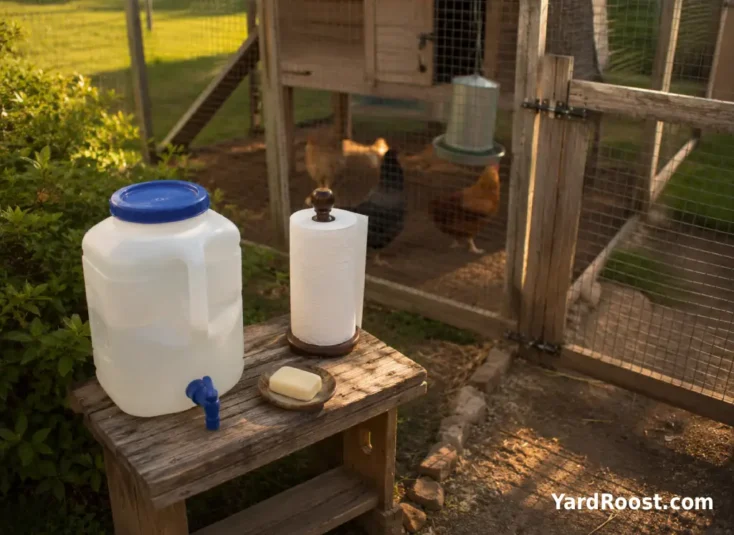
If you’re raising chicks, this is especially important. Chicks are adorable, but they can still carry germs that make people sick. A solid habit is putting hand sanitizer or a handwashing option right by the coop gate—make it easier to do the right thing than to forget.
Common Mistakes to Avoid When Thinking About Chickens as Birds
This topic sounds like trivia, but it creates real-world mistakes when people answer it wrong. Here are the big ones we see in beginner flocks:
| Mistake | Fix |
|---|---|
| “Birds don’t need much space; they’re small.” | Chickens use space horizontally. Build for movement, not just standing-room. |
| Treating the coop like a sealed box. | Birds need fresh air; aim for high vents and steady airflow without a direct draft at roost level. |
| Letting young kids cuddle chicks like stuffed animals. | Keep interactions supervised, and make handwashing non-negotiable afterward, especially before snacks. |
| Assuming “can’t fly” means “can’t escape.” | Startled birds do surprising hop-flights. Secure the run and plan a roof or cover. |
| Forgetting that a chick is a bird with instincts. | Provide warmth, traction underfoot, and calm routines; stress can turn into pecking problems fast. |
A common mistake we see is waiting until something goes wrong (an escape, a bullying issue, a smelly coop) to start thinking like a “bird keeper.” If you design and manage with bird biology in mind from day one, your flock usually stays simpler to care for.
FAQ: Chicken Bird Questions Backyard Keepers Ask
Is a Chick a Bird?
Yes. A chick is simply a young bird. In chicken-keeping terms, “chick” refers to age, not species.
Is a Chicken Considered a Bird Even If It Can’t Fly?
Yes. Flight isn’t the defining feature of birds—feathers, bird anatomy, and egg-laying are. Many birds are weak fliers or flightless.
Where Did Chickens Originally Come From?
Domestic chickens trace back primarily to red junglefowl from South and Southeast Asia, with domestication and spread occurring over thousands of years.
Are Chickens Closer to Ducks or Turkeys?
Chickens and turkeys are both in the Galliform group of birds, so they’re generally closer to each other than to ducks (which are waterfowl).
Wrap-Up: Chickens Are Birds—And That’s Good News for Your Flock
So, is a chicken a bird? Absolutely—and once you see chickens as birds, the “why” behind good flock care clicks into place. Birds need clean air, safe roosts, predictable routines, and meaningful ways to forage and socialize. Chickens also carry a lot of their history with them: the instincts of junglefowl show up every time your hens scratch through litter, seek overhead cover, or insist on sleeping up off the ground.
If you’re new to keeping chickens, don’t overthink the taxonomy—use it as a shortcut. When you’re deciding how to set up a coop, manage a run, or prevent boredom pecking, ask: “What would make sense for a ground-dwelling bird?” You’ll make smarter choices faster.
Want an easy next step? Do a quick “bird needs” audit this week: check coop airflow (especially above roost level), add one foraging/enrichment option, and set up a simple handwashing habit by the coop gate. Small changes add up—and your flock will show you the difference.