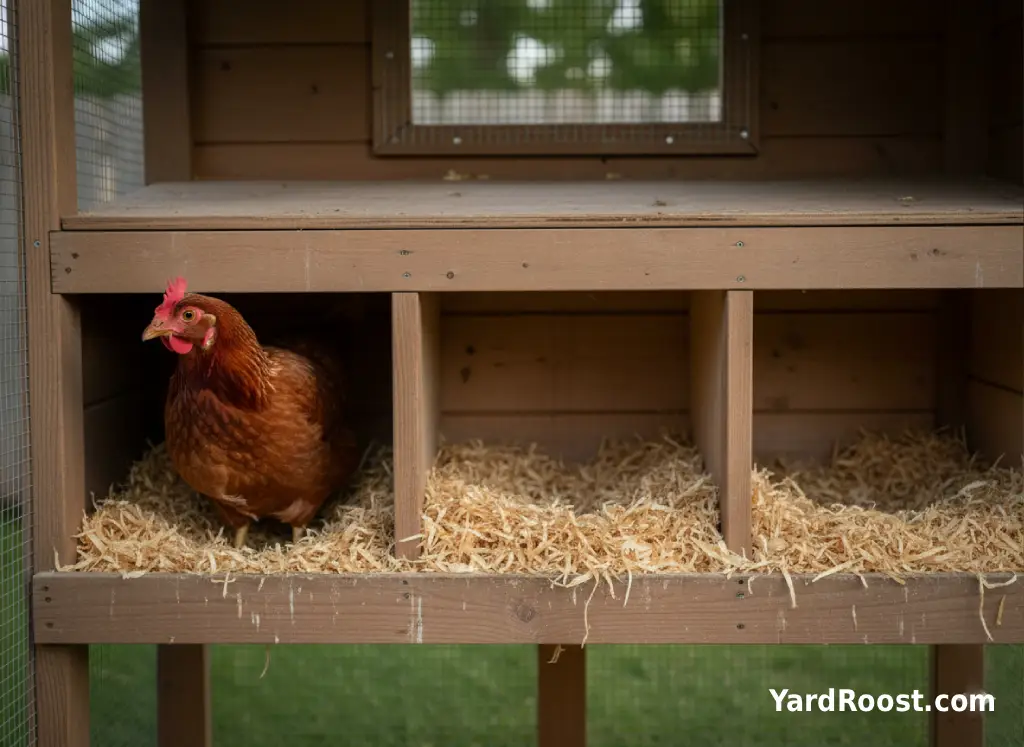
Easter Egger chickens are some of the most popular backyard birds in the U.S.—and it’s easy to see why. They’re often friendly, usually hardy, and they can surprise you with a basket of blue, green, or even pink-tinted eggs. If you’ve been browsing hatchery listings and noticed “easter eggers chicken” offered in a rainbow of feather patterns, you’re not alone. Beginners love them because they’re forgiving birds. Intermediate keepers love them because no two seem exactly alike.
Here’s the key thing to know up front: “Easter Egger” is typically a type, not a standardized breed. That’s not a downside—just a reality that affects how predictable your chick’s adult size, feathering, and easter egger chicken eggs color will be. In this guide, we’ll cover what Easter Eggers are, what egg colors you can realistically expect, how to set up a solid brooder for easter egger chicks, and how to house them safely as they grow. You’ll also get a few “learned it the hard way” notes we see all the time in backyard flocks.
What An Easter Egger Chicken Really Is
An Easter Egger chicken is usually a mixed-breed bird that carries the genetics for colored eggs—most commonly the “blue egg” gene that shows up in lines related to Araucana/Ameraucana-type birds. Many hatcheries sell them as a friendly, productive backyard option rather than a show-standard breed. That’s why you’ll see a huge variety of body shapes, comb types, and feather patterns under the Easter Egger label.
What tends to be consistent is the “look”: lots of Easter Eggers have cheek muffs and/or a little beard, and many have a pea comb (handy in colder climates because it’s less prone to frostbite than a large single comb). But none of those traits are guaranteed. If you’re shopping, treat Easter Eggers like a grab-bag of good backyard qualities rather than a paint-by-numbers breed profile.
A common mistake we see is assuming every Easter Egger will grow into the same size hen and lay the same shade of egg. Plan your housing and expectations like you would for a medium-size laying hen, and enjoy the surprise when your flock ends up with extra personality.

Easter Egger Chicken Eggs: Colors, Bloom, And What’s Actually Predictable
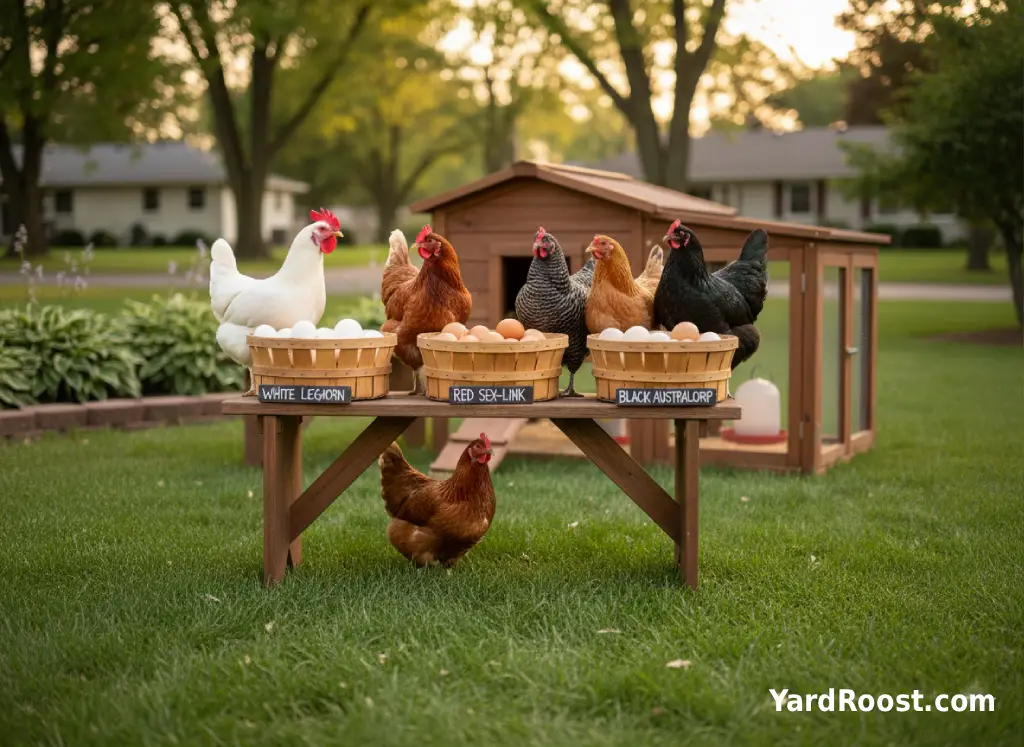
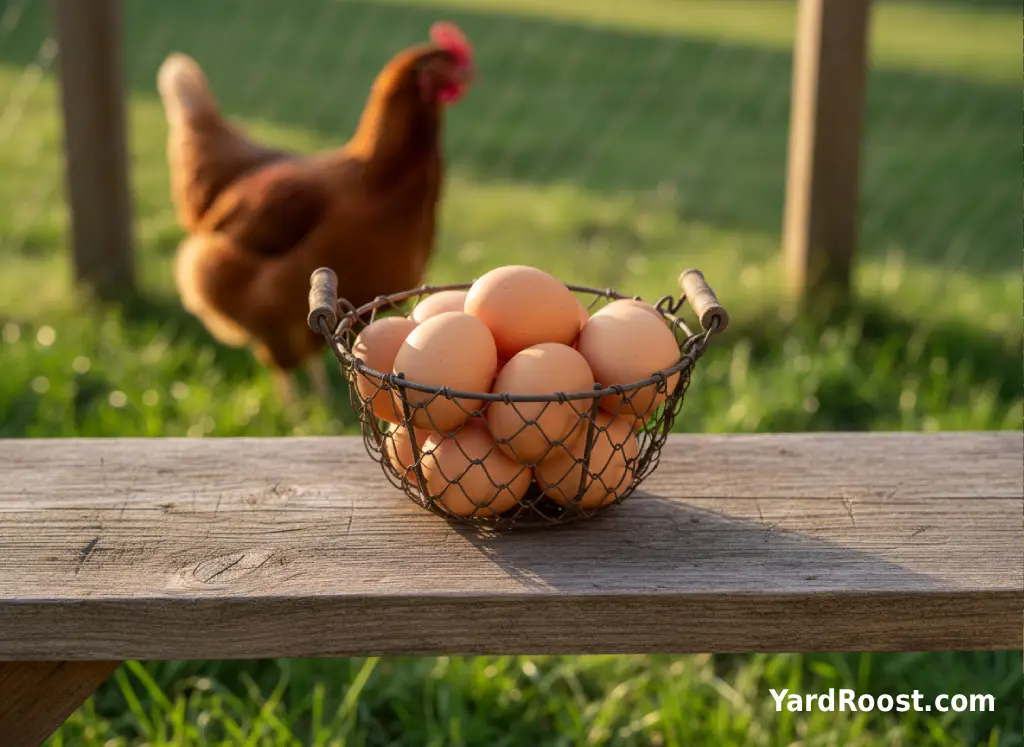
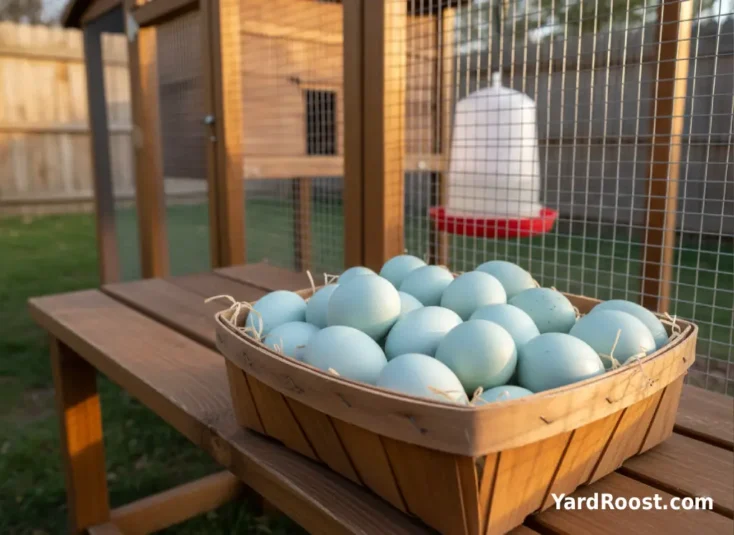
Most people come for the eggs—so let’s talk expectations. Easter Eggers are known for blue, green, and blue-green eggs, and some lines can produce pink-tinted or lighter pastel shells. The big takeaway: you can often predict “colored eggs,” but you usually can’t predict the exact shade.
Here’s what can change egg color (even from the same hen): the hen’s genetics, her age, and the natural “bloom” (the protective coating) that can make shells look more matte or slightly deeper in tone. What doesn’t change is the inside of the egg—shell color is about pigment in (or on) the shell, not the nutrition inside.
Practical tips for planning your basket:
- If a hatchery offers “assorted Easter Egger chicks,” expect a mix—great for variety, not for matching sets.
- If you want deeper olive tones, that’s usually a different cross (often called “olive egger”), not a typical Easter Egger lineup.
- Collect eggs often and keep nest boxes tidy; clean shells show off color better than stained shells.
Easter Egger Chicken Colors: Feather Patterns, Comb Types, And The “Black Easter Egger Chicken” Look
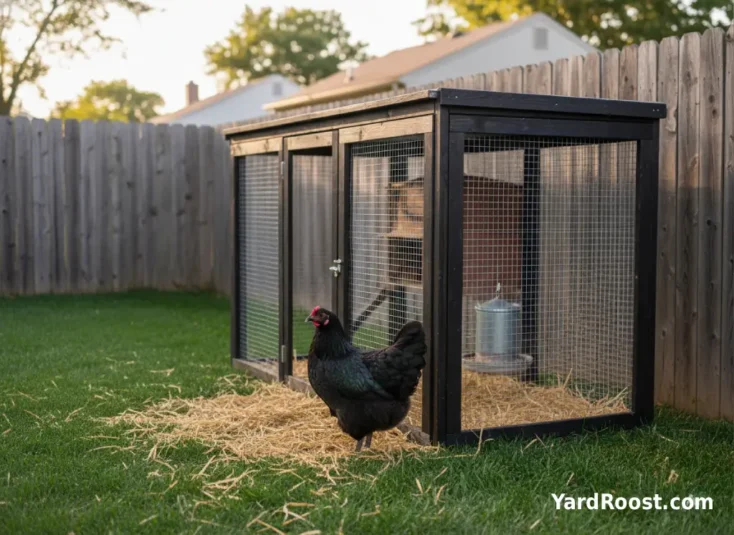
Easter Eggers come in a wide range of feather colors and patterns—think black, wheaten, brown, splashy mixes, and everything in between. If you’ve seen listings for a black easter egger chicken, that usually means the bird’s plumage is predominantly black (sometimes with a green sheen in sunlight), not that it’s a separate recognized breed.
Because “Easter Egger” covers a lot of mixed genetics, you may also notice differences like:
- Comb type: pea combs are common, but single combs happen too.
- Muffs/beard: many have them, some don’t.
- Leg color: slate, yellow, greenish, or mixed tones can show up.
If your main goal is a predictable appearance, you may want to compare Easter Eggers with standardized blue-egg breeds. If your goal is a friendly layer that looks unique, Easter Eggers are perfect “backyard character birds.”
Picking Easter Egger Chicks: What To Ask Before You Buy
Buying easter egger chicks is usually straightforward, but asking two quick questions can save you headaches later:
- Are they sexed? If you can’t keep roosters, confirm pullets (and understand sexing isn’t always 100%).
- Any notes on parent stock? Some sellers can tell you if the line tends to lay blue vs. green, even if it’s not guaranteed.
- Vaccination and hatchery practices: Ask what the seller provides and what they recommend you do next (without expecting them to “solve” biosecurity for you).
Also, consider your climate and setup. In colder areas, a pea comb can be a nice bonus. In hot, humid areas, focus more on your shade and ventilation plan than on the bird’s comb size.
One more honest note: impulse chick buying is a thing. Make sure your brooder is running at the right temperature before chicks come home, and have your first bag of starter feed ready. That single step prevents a lot of day-one stress.
Brooding An Easter Egger Chick: Simple Setup That Prevents Most Problems
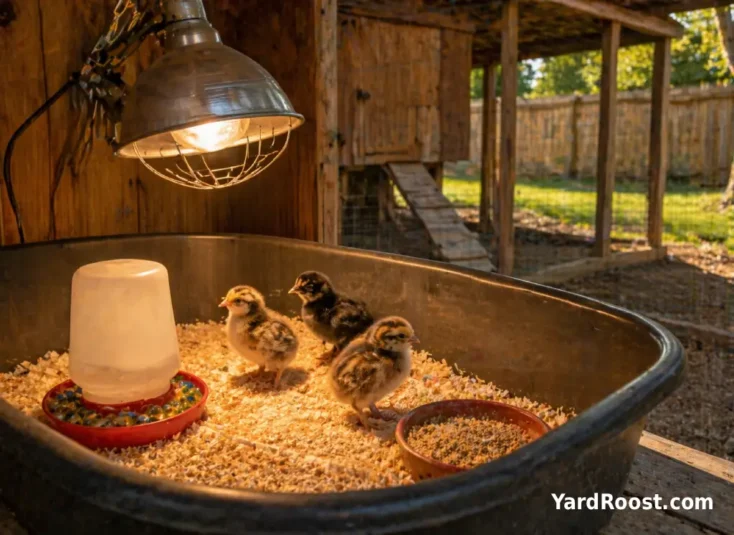
The most common early issue with any easter egger chick isn’t “mystery illness”—it’s temperature and layout. Multiple university extension resources recommend a brooder warm zone around 90–95°F for the first week, then reducing heat by about 5°F per week as chicks grow and feather out. If you take only one action step: measure temperature at chick level (right where they stand), not up near the lamp.
| Chick Age | Target Warm-Zone Temperature | Quick Check |
|---|---|---|
| Week 1 | 90–95°F | Chicks spread out and move around, not piling |
| Week 2 | 85–90°F | They nap comfortably both in and out of heat |
| Week 3 | 80–85°F | Less time under the heat source |
| Week 4 | 75–80°F | Most naps are outside the warm zone |
Two setup details that prevent accidents:
- Give them a cool side. Don’t heat the entire brooder. Chicks need to step away if they’re too warm.
- Secure the heat source. Use a sturdy clamp/chain setup so the lamp can’t fall into bedding.
A common mistake we see is “centered lamp, tiny bin, no escape.” That leads to overheating, stress, and piling. If your brooder is small, raise the lamp a bit and expand the footprint instead of cranking heat.
For more on airflow without drafts later on, bookmark Chicken Coop Ventilation Guide.
Housing Easter Eggers: Coop Space, Run Space, And Predator Reality
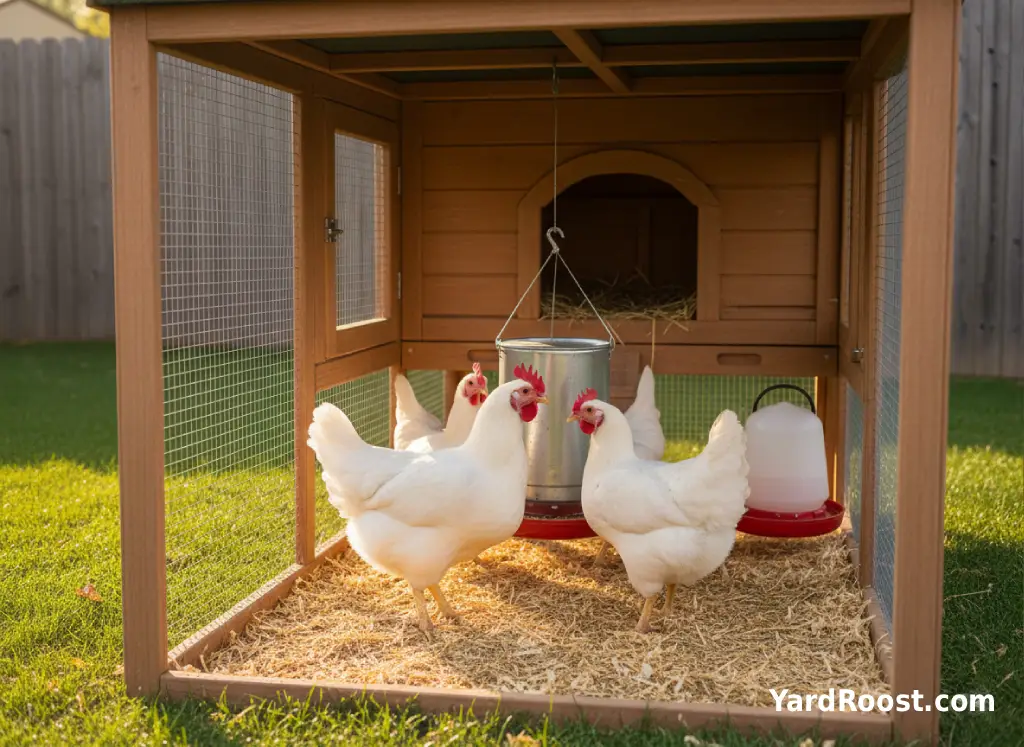
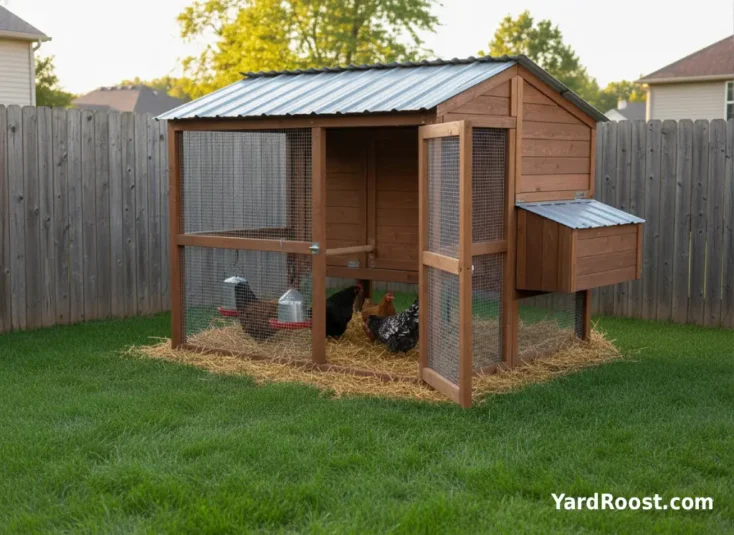
Easter Eggers generally do great in standard backyard setups meant for medium-size laying hens. For space, extension guidance varies by design, but a conservative, flock-friendly target is about 3–4 sq. ft. per bird inside the coop (when they also have an outdoor run) and roughly 8–10 sq. ft. per bird in the run if you want to reduce mud, pecking, and boredom. Some resources cite smaller minimums for tight urban setups, but more space almost always makes management easier.
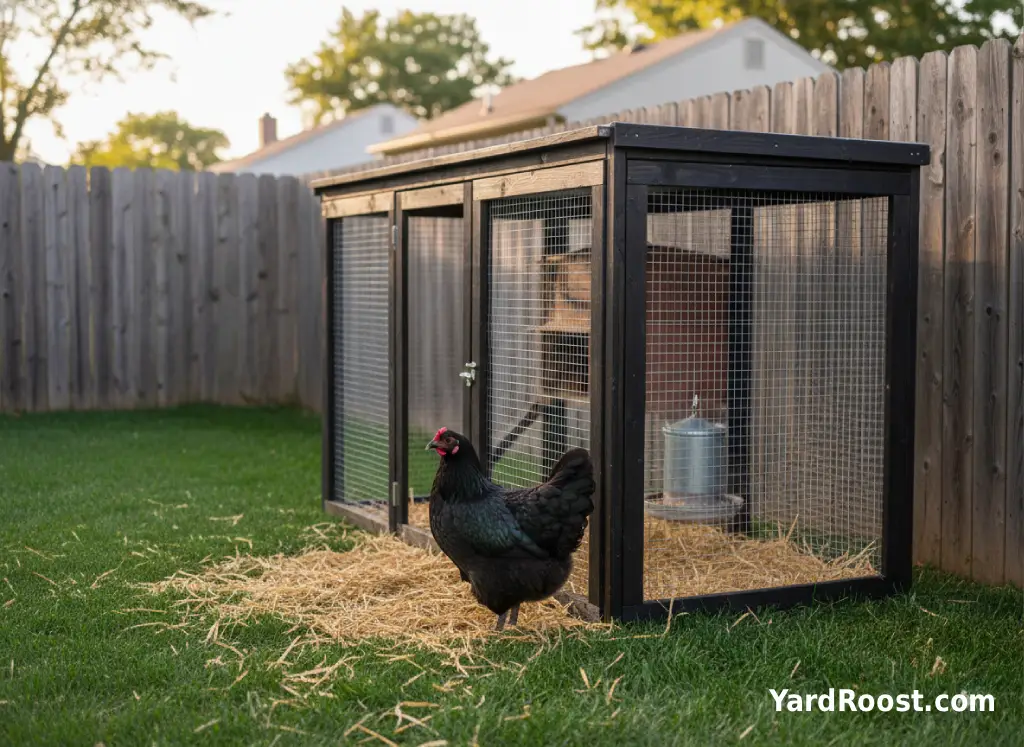
Predator-proofing is where backyard flocks win or lose. If you do one upgrade, make it this: use hardware cloth (not thin chicken wire) on runs and vents, and secure doors with latches that can’t be “raccoon opened.” Add a dig barrier by burying hardware cloth or extending it outward at ground level so predators can’t tunnel under.
Quick coop checks we actually use:
- At dusk, confirm every door and pop-hole is latched—no “we’ll do it later.”
- Stand inside the coop during daylight: if you can see light through a gap bigger than 1/2 inch, a weasel-sized predator might too.
- After heavy rain, check the run edges for fresh digging or soft spots.

Temperament, Laying Rhythm, And Flock Fit
Because Easter Eggers are a mixed group, temperament can range from “lap chicken” to “polite but not cuddly.” In many backyard flocks, they land in the sweet spot: curious, steady layers, and not usually the top bully. That said, any chicken can pick on a weaker bird if space is tight or boredom sets in.
To improve flock harmony, you don’t need fancy toys—just smart environment choices:
Two low-effort upgrades that reduce pecking: hang a cabbage or leafy greens just above head height for a pecking outlet, and keep two feed stations if you have more than 6–8 birds so timid hens can eat without pressure.
For laying rhythm, expect a solid “backyard layer” pace rather than a commercial-hybrid pace. Egg color is the fun part; consistency is the management part. A calm routine (same feeding time, consistent roosting space, clean nest boxes) usually keeps production more stable than any gimmick.
Common Mistakes To Avoid With Easter Eggers Chicken
This is the part that saves the most frustration—because Easter Eggers are easy birds, but beginners often get tripped up by avoidable stuff.
- Assuming egg color is guaranteed. Most Easter Eggers lay colored eggs, but exact shade can vary a lot—even between birds from the same hatchery line.
- Under-sizing the run. Too little outdoor space often shows up as muddy feet, dirty eggs, and flock drama. If you can’t expand, rotate a small “sacrifice area” with mulch or coarse sand so the run doesn’t become a swamp.
- Using chicken wire as “predator proof.” Chicken wire can keep chickens in, but it’s not strong enough to keep determined predators out. Hardware cloth is the upgrade that actually changes your odds.
- Overheating the brooder. Constant panting chicks and chicks avoiding the warm zone are a clue you’re running too hot. Give them a clear cool side and adjust lamp height.
- Letting kids handle chicks without a hygiene plan. Backyard poultry can carry Salmonella even when they look healthy. Make handwashing part of the routine every single time.
A common mistake we see is trying to “fix” behavior problems with treats. Most pecking issues are space, enrichment, and resource access (feeder/water/nest box) issues first.
Biosecurity And Salmonella-Smart Handling For Families
Easter Eggers are family favorites—especially when the eggs start coming in colors. But every backyard flock should be managed with basic public-health habits. The CDC regularly reminds chicken keepers to wash hands with soap and water right after handling birds, eggs, or anything in the coop/run area. This matters most for kids under 5, older adults, and anyone with a weakened immune system.
What works in real life (not just on paper):
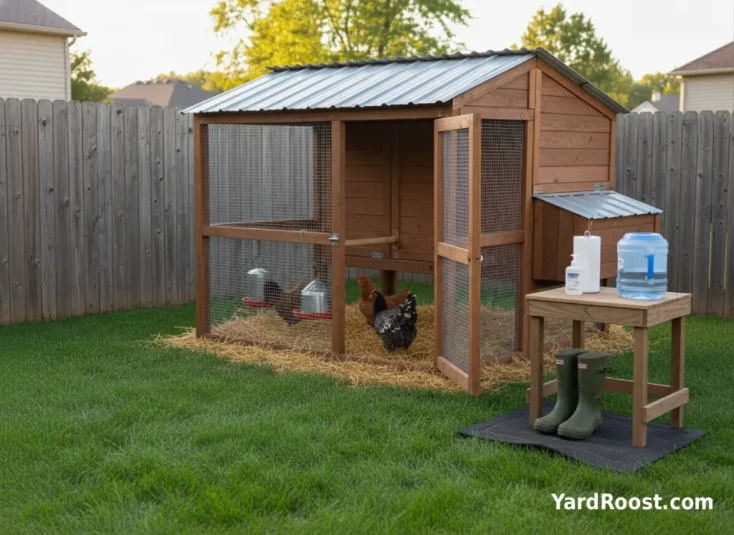
- Keep a dedicated “coop handwashing” spot outdoors (soap + water or sanitizer as backup).
- Use coop-only shoes/boots and don’t wear them inside.
- Don’t eat or drink in the coop/run area, and avoid kissing/snuggling birds—especially with kids.
If you sell or gift eggs, consider adding a simple routine: collect often, store eggs promptly, and keep nest boxes dry so eggs stay cleaner in the first place.
When To Call An Avian Vet
We’re backyard keepers, not veterinarians, and we won’t try to diagnose problems over the internet. What we can do is help you recognize when it’s time to get professional help—because earlier is almost always better with birds.
Call an avian vet (or an experienced poultry veterinarian) promptly if you see:
- Severe lethargy, collapse, or a bird that won’t stand
- Labored breathing, repeated open-mouth breathing at rest, or blue/pale comb color
- Sudden, significant drop in eating/drinking for more than a day
- Persistent bloody droppings, severe diarrhea, or rapid weight loss
- Egg-binding signs (straining, penguin stance, distress) or a prolapse
- Multiple birds showing similar symptoms (possible infectious issue)
While you’re arranging help, focus on safe first steps: separate the bird in a calm, warm, quiet space; make water easy to access; and reduce stress. If more than one bird looks off, tighten hygiene and limit movement between flocks (basic biosecurity) until you get guidance.

Conclusion: Why Easter Eggers Stay A Backyard Favorite
Easter Eggers earn their reputation the honest way: they’re enjoyable birds that fit most backyard situations, and their eggs add a little daily delight without requiring expert-level chicken keeping. If you remember that they’re typically a mixed type (not a single standardized breed), everything gets easier—egg shades become a fun surprise instead of a promise, and feather variety becomes part of the charm.
Set your flock up for success with the basics that matter: a brooder that’s warm (but not too warm), a coop and run that prioritize space and predator resistance, and a simple family hygiene routine that sticks. From there, Easter Eggers tend to reward you with steady laying, good flock energy, and plenty of “look at this egg!” moments.
If you want to keep learning, start with ventilation and predator-proofing—those two upgrades solve more real-world chicken problems than almost anything else. And when something feels truly off with a bird, trust your gut and call an avian vet sooner rather than later.