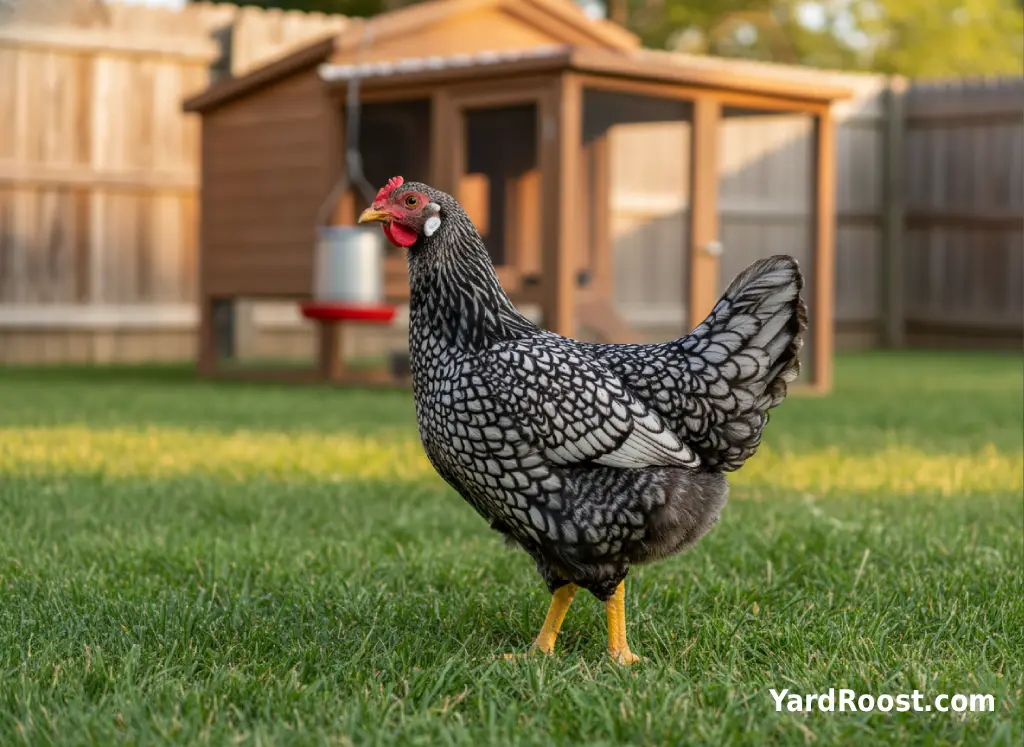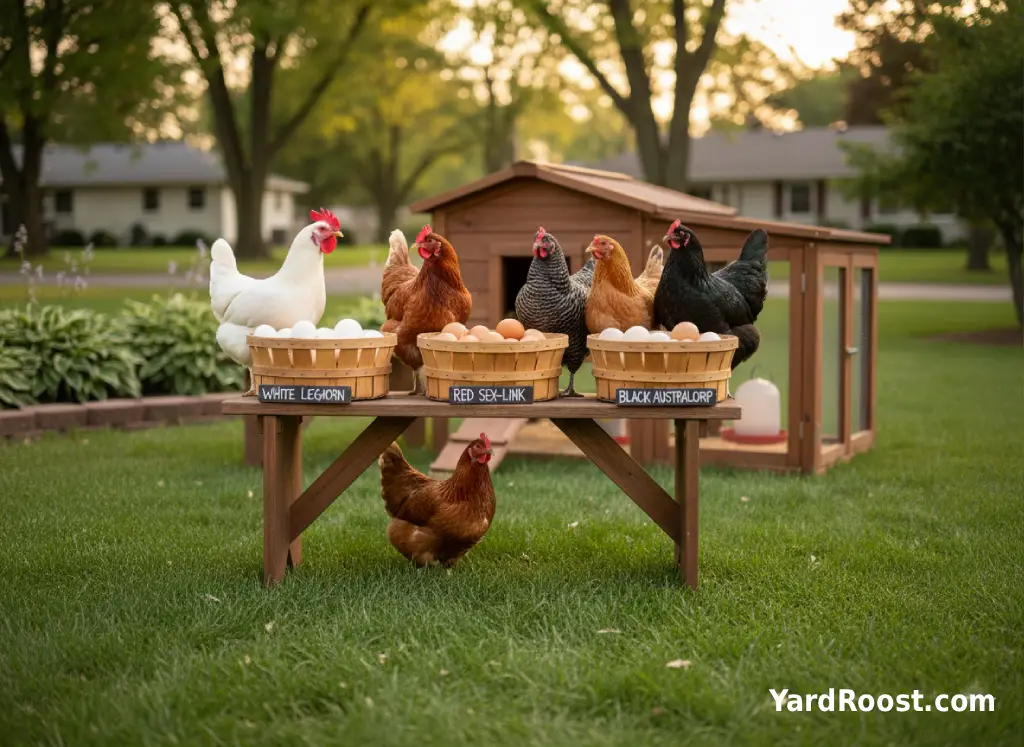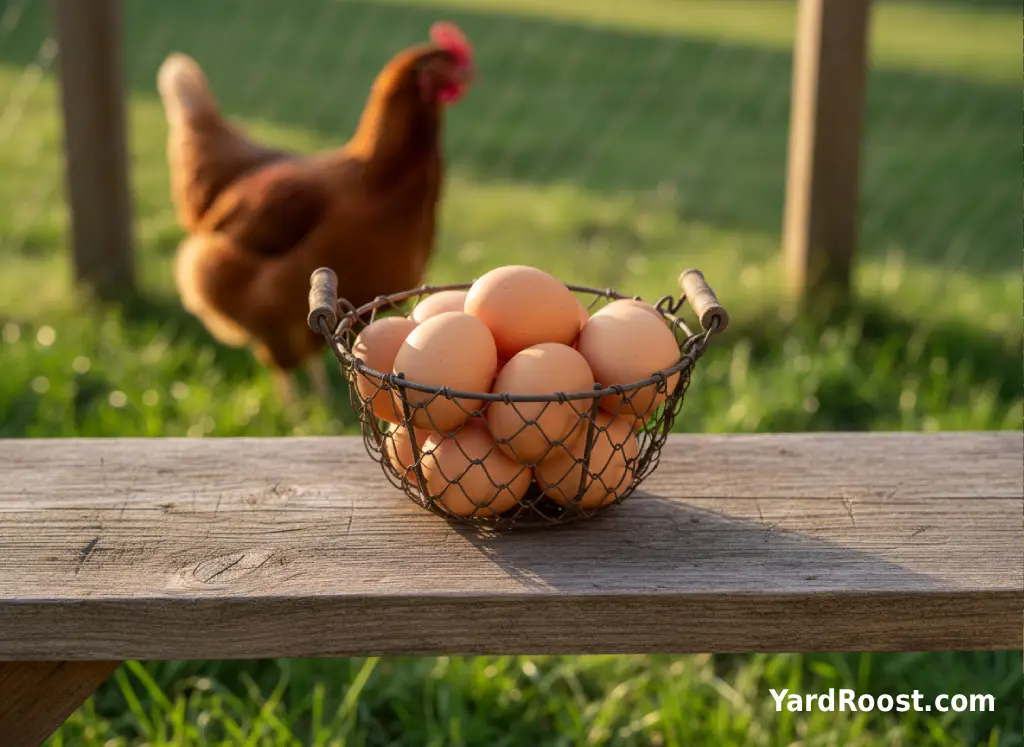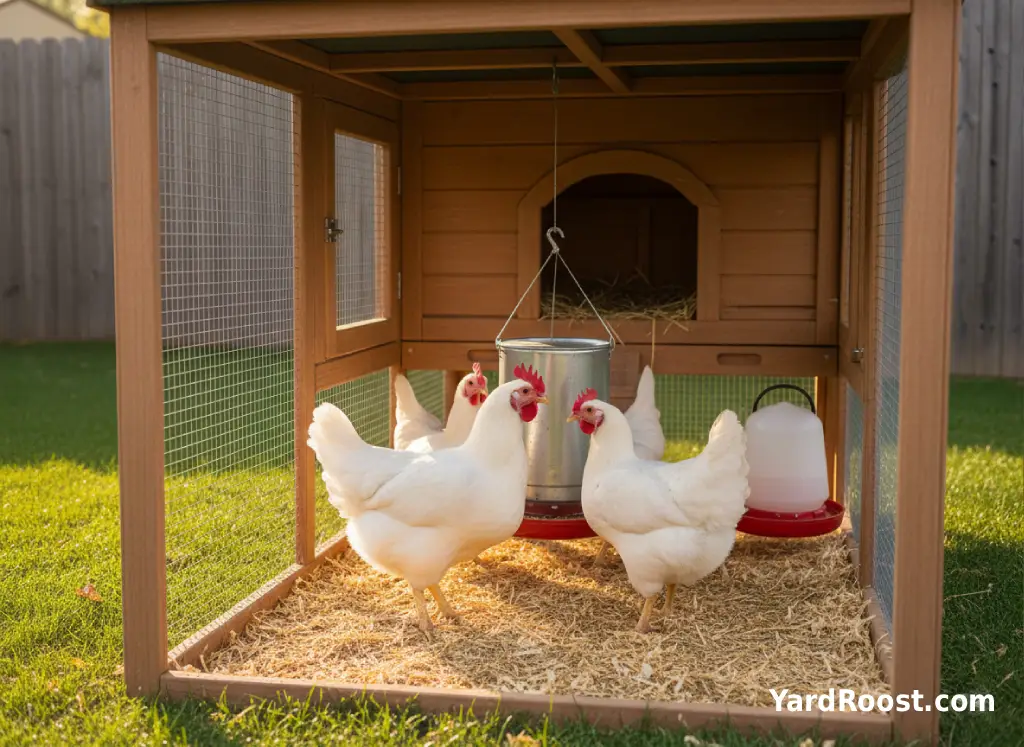
If you’re looking for a chicken that acts like it has a tiny engine inside it, the Ancona chicken might be your bird. Anconas are a Mediterranean breed known for bold black-and-white mottling, serious foraging skills, and steady white-egg production. They’re not typically the “pet me like a teddy bear” type—think alert, busy, and always scanning the yard—but they can be a great fit for backyard keepers who want active layers and don’t mind a little extra athleticism.
This profile is written for beginner-to-intermediate keepers in the US with small flocks. We’ll cover the practical stuff you actually need: what Anconas are like day-to-day, what their eggs look like, how much space they do best with, how to raise ancona chicks, and the common mistakes that lead to frustration (or a chicken in a tree). Along the way, we’ll reference guidance from Extension poultry programs, USDA biosecurity resources, and CDC hygiene recommendations so you can keep both your birds and your household safer.
Quick Ancona Chicken Snapshot
| Trait | What Most Keepers Notice |
|---|---|
| Egg color | White |
| Egg size | Medium to large |
| Temperament | Highly active, alert, strong foragers |
| Comb types | Single comb or rose comb |
| Typical adult weight | Roosters around 6 lb; hens around 4.5 lb |
| Laying tendency | Good layers; often not broody |
Where the Ancona Chicken Breed Came From
The Ancona chicken traces back to Italy (named for the seaport city of Ancona) and is grouped with Mediterranean-type breeds that were selected for efficient egg production and active foraging. In practical backyard terms, that “Mediterranean” label explains a lot: these birds tend to be lighter-bodied, energetic, and more inclined to roam than sit still.
If you’ve kept Leghorns, you’ll recognize the vibe. Oklahoma State University’s breed notes connect Anconas to early Leghorns and highlight their hardiness and prolificacy, especially for white eggs. The Livestock Conservancy also describes Anconas as vigorous, free-range-preferring birds and notes their “pheasant-like” feel—alert, quick to move, and not especially interested in being couch potatoes.
Ancona Chicken Characteristics You’ll Notice in the Backyard
Anconas are built to move. Most keepers describe them as “busy” birds: they forage hard, they notice everything, and they’re often more comfortable with space than with snuggles. The University of Maryland Extension’s breed comparison lists Anconas as “active” with good foraging ability and low broodiness—basically, a bird that would rather hunt bugs than sit a nest.
A few traits to expect:
- High activity level: Great if you want pest patrol; less great if you want a calm, lap-chicken flock.
- More flight than heavier breeds: They can hop fences or roost up high if they feel pressured.
- Hardiness: They’re often described as vigorous and weather-tolerant, but single combs can be more vulnerable to frostbite in harsh winter conditions.
Editorial note: A common mistake we see is choosing Anconas for a tiny, low run because “they’re not that big.” Size isn’t the issue—energy is. If they can’t move and forage, they’ll invent their own entertainment.
Sources: University of Maryland Extension; The Livestock Conservancy.
Ancona Chicken Eggs: Color, Size, And Production
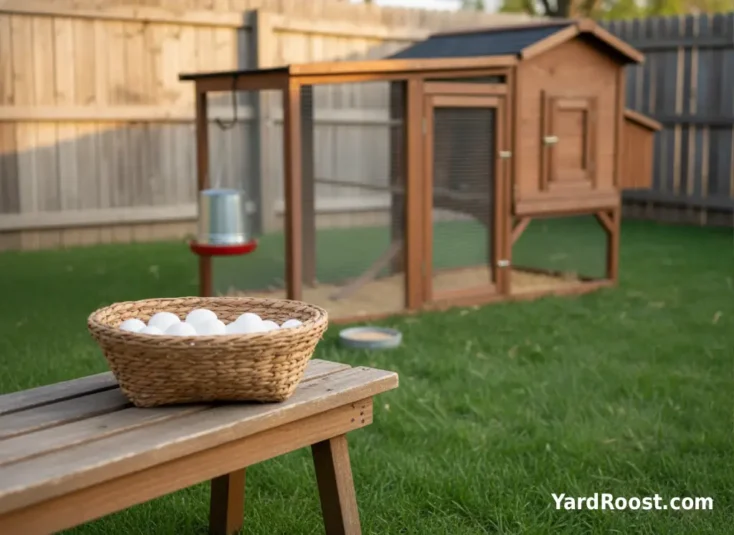
Let’s clear up the most searched question: ancona chicken egg color is white. Oklahoma State University lists Ancona egg color as white and egg size as medium to large. The Livestock Conservancy also lists white eggs, medium-to-large size, and describes them as excellent layers. Poultry Extension guidance for small flocks also specifically includes Anconas as a white-egg option.
How many eggs? Production varies with genetics, daylight, nutrition, and stress, but a practical expectation for a well-managed backyard Ancona is around 200+ white eggs per year, with some lines doing more. The Livestock Conservancy notes Anconas can lay about 220 eggs per year and that they’re valued as winter layers.
Two keeper tips that matter more than the “exact number”:
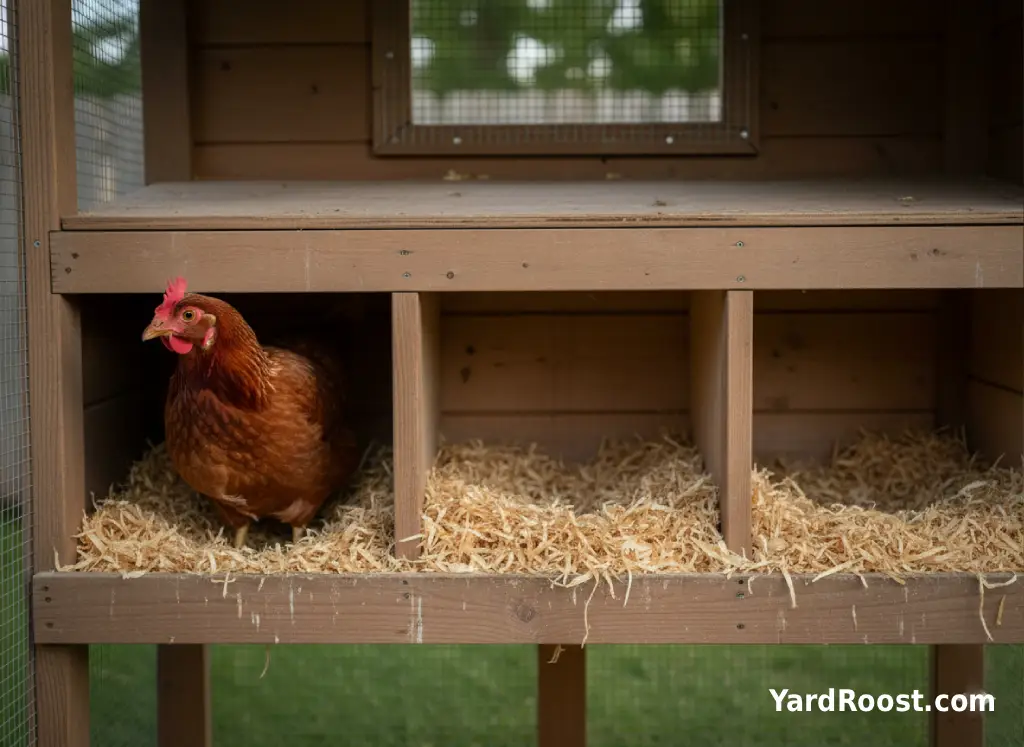
- Consistency comes from routine: Keep feed changes gradual, keep water available, and keep nest boxes easy to access and dim.
- Protect the laying cycle: Chronic stress (crowding, predator pressure, repeated coop disruptions) is a faster way to lose eggs than almost anything else.
Housing and Space for Active Anconas
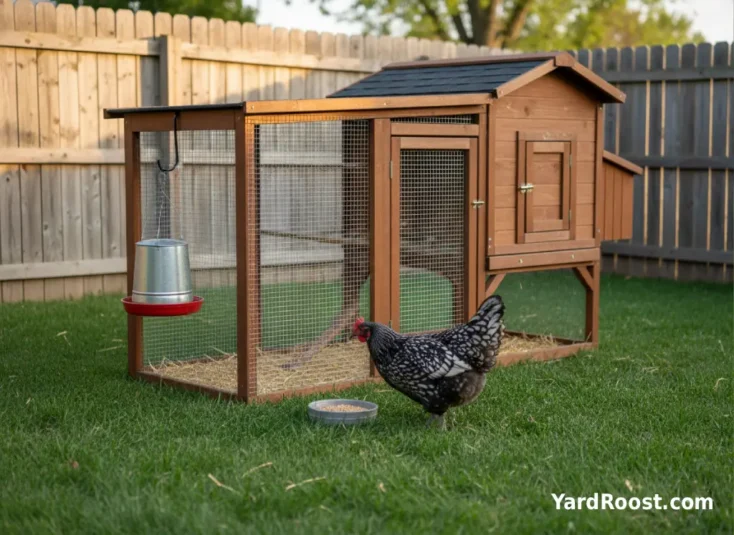
Anconas will tolerate a basic coop setup, but they thrive when you plan for movement. A solid starting point for laying hens is about 3–4 sq ft per bird inside and about 10 sq ft per bird outside if you’re using a run, according to Poultry Extension housing guidance. Oregon State Extension gives a similar baseline: at least 3 sq ft per bird when there’s outdoor access, and much more (8–10 sq ft per bird) if there’s no outdoor access.
If you want a simple “build it once” checklist, aim for this:
- Indoor coop space: 3–4 sq ft per Ancona (more is better if winter keeps them in).
- Run space: 10 sq ft per bird as a practical target; if you’re tighter than that, plan on mud control and enrichment.
- Ventilation without drafts: Vent high to remove moisture and odors, but keep roost-level air calm. For a deeper dive, see Chicken Coop Ventilation Guide.
Editorial note: A common mistake we see is “closing up the coop tight” in winter to keep them warm. Moisture builds up fast, and damp cold is harder on chickens than dry cold. Think “fresh air up high,” not “wind tunnel on the roost.”
Feeding and Daily Care for Ancona Chickens
Anconas are active enough that they’ll burn calories—especially if they free-range. Start with a complete commercial ration matched to life stage (starter for chicks, grower for juveniles, layer feed once they’re actively laying). Mississippi State University Extension’s small-flock guidance summarizes common feed types and typical protein ranges for starter/grower/layer feeds, which is a helpful “sanity check” when you’re staring at feed tags.
Two practical routines that keep Anconas productive:
- Do a “feed line” check weekly: Pick up two birds. Feel the keel bone. If they’re getting sharp or thin, tighten up access to a balanced ration and reduce empty-calorie treats.
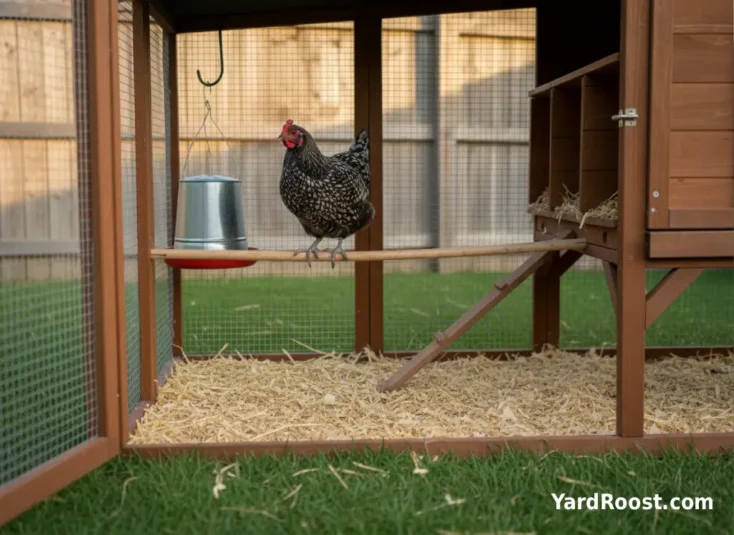
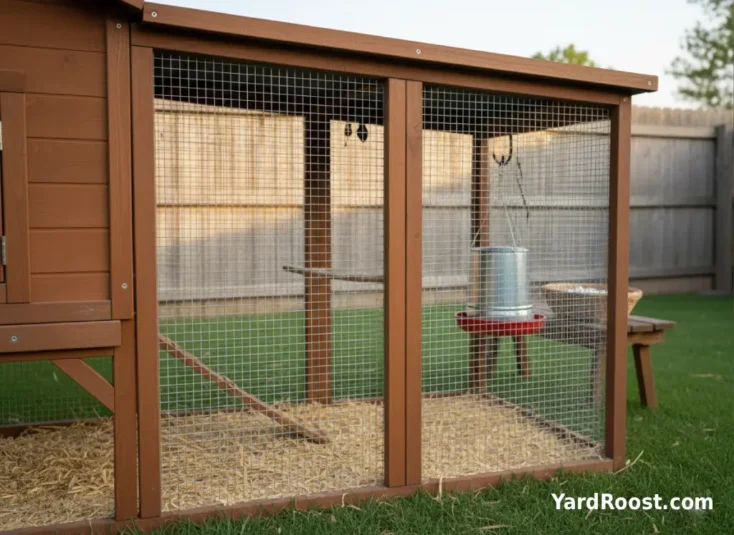
- Make your run interesting: Because they’re so active, boredom can turn into fence-hopping or mischief. Toss a few handfuls of straw, hang a cabbage, or scatter feed in a scratch area (not in mud).
Raising Ancona Chicks: A No-Stress Start
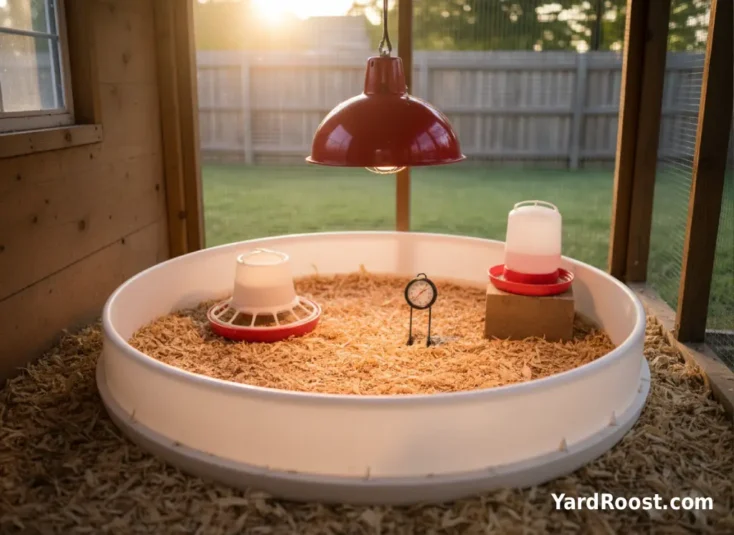
If you’re searching ancona chicks or ancona chick care, the good news is they follow standard chick basics. Temperature management is the make-or-break point. Multiple Extension sources recommend starting chicks around 90–95°F the first week and then decreasing by about 5°F per week as they grow and feather in.
A simple brooder routine you can follow:
- Week 1: 90–95°F at chick level, measured with a thermometer (not your hand).
- Each week after: Drop about 5°F per week until they’re comfortable at ambient temps and well-feathered.
- Use chick behavior as a “second thermometer”: Huddled and loud = too cold; hugging edges = too hot; relaxed and spread out = about right.
For feed, Oregon State Extension notes chicks typically start well on a starter ration around about 20% crude protein. Keep waterers stable and shallow to reduce chilling risks from spills.
Sources: University of New Hampshire Extension (brooder temps); UF/IFAS Extension (baby chick care); Oregon State University Extension (raising baby chicks).
Seasonal Care: Winter Comb Protection and Summer Comfort
Anconas are often described as hardy birds, but winter management still matters—especially for single-combed lines. The Livestock Conservancy notes the single comb can be vulnerable to frostbite. Your job is to reduce dampness and wind exposure where they sleep.
Winter priorities that pay off:
- Vent high, block wind low: Fresh air up high helps remove moisture; avoid a direct draft blowing across roost level.
- Keep bedding dry: Wet litter is a humidity machine. If you smell ammonia, you’re already behind—add dry bedding and improve airflow.
In summer, Anconas’ activity level can work against them in extreme heat—they keep moving even when they should be resting. Prioritize shade, airflow, and cool water access, and watch for birds that isolate or breathe hard. If heat stress signs don’t improve quickly with shade and cooling, that’s a “get help” moment.
Biosecurity and Family Hygiene for Backyard Flocks
Even healthy-looking chickens can carry germs that make people sick, especially Salmonella. The CDC’s backyard poultry guidance emphasizes handwashing after touching birds or anything in their environment, and it also recommends extra caution with young children (including not letting kids under 5 handle chicks). If you have little ones, this is one of the most important “rules” in the whole hobby.
For flock health, USDA APHIS biosecurity resources (Defend the Flock) focus on simple habits that reduce disease risk: limiting visitor contact, keeping footwear and tools clean, and avoiding cross-contamination between properties.
Practical, realistic habits for small flocks:
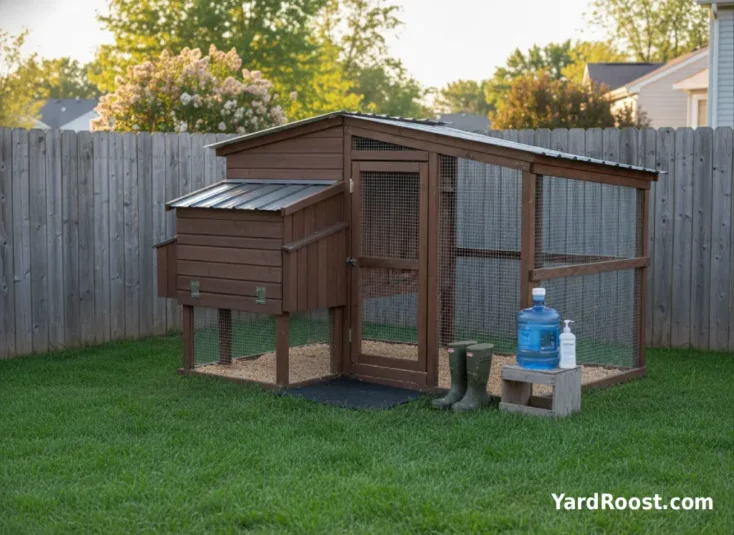
- Coop-only shoes or boots: Keep them by the run door; don’t wear them in the house.
- Handwashing habit: Wash after coop chores and egg collection; supervise kids.
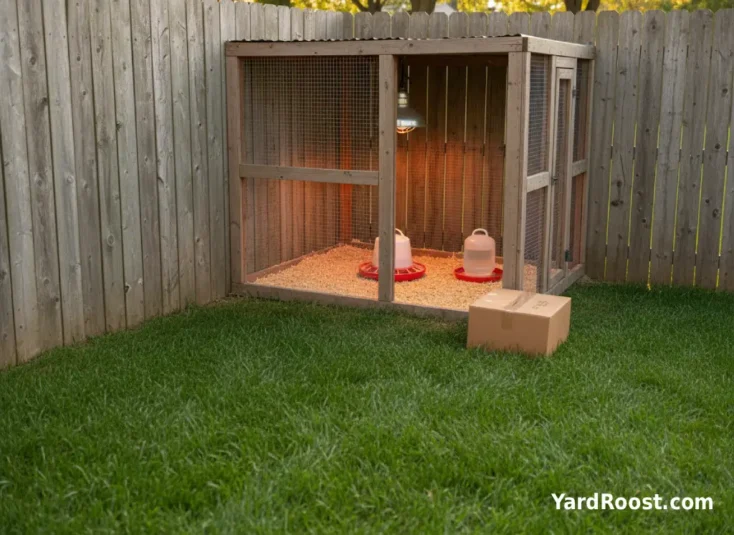
- New bird quarantine: House new arrivals separately before mixing with your flock (and keep chores for the main flock first, newcomers last).
Sources: CDC (Healthy Pets, Healthy People backyard poultry); USDA APHIS (Defend the Flock biosecurity).
Common Mistakes to Avoid With Anconas Chicken
Most “problems” with Anconas aren’t really problems—they’re predictable outcomes of keeping an active breed in a setup built for calm, heavy birds. Here are the mistakes that show up again and again:
- Under-building the run: Crowded, muddy runs make active birds restless. Use space guidelines as a baseline and plan drainage and dry footing early (straw, gravel, or raised areas).
- Assuming chicken wire is predator-proof: For predator pressure, build with sturdier wire and solid latches. Cornell Cooperative Extension points out predation is a major cause of losses in small flocks and recommends strong fencing and a buried barrier to discourage digging.
- Closing the coop “airtight” in winter: Moisture is the enemy. Use high ventilation to remove humidity while keeping roost areas draft-free.
- Buying chicks without a brooder plan: Have the brooder warmed, measured, and ready before ancona chicks come home.
Editorial note: A common mistake we see is blaming the breed for “being wild” when the real issue is the environment. Anconas calm down the most when they feel safe, have room, and aren’t repeatedly startled by predators or chaos.
Finding Ancona Chicks and Picking Birds That Fit Your Goals
When people look into Ancona chickens, they’re often trying to find a reputable source for birds. The most important choice isn’t just the breed itself—it’s the line and the seller. Some Anconas are selected heavily for show pattern, while others are bred more for laying ability and practical backyard traits. Decide what matters most to you: eggs, looks, or breeding quality.
Quick buying checklist:
- Ask what the flock is selected for: “Do you track egg production?” is a fair question.
- Match comb type to climate: If you have harsh winters, rose-combed birds may be less frostbite-prone than large single combs.
- Plan quarantine space before pickup: It’s part of biosecurity, not paranoia.
If you’re building a mixed flock, Anconas usually do best with other active, non-bully breeds. If you’re pairing with very calm birds, provide extra space and multiple feeding stations so the “go-go-go” birds don’t dominate traffic patterns.
Sources: The Livestock Conservancy (breed traits and comb notes); USDA APHIS (biosecurity basics).
Ancona Chicken Breed FAQ
What color are Ancona chicken eggs?
Ancona chicken eggs are white. Both Oklahoma State University and the Livestock Conservancy list egg color as white.
Are Ancona chickens good egg layers?
Yes—most reputable breed references describe them as good layers. The Livestock Conservancy notes Anconas can lay about 220 eggs per year, and University of Maryland Extension lists Anconas as “good” producers with large white eggs.
Do Anconas go broody?
Often, no. The Livestock Conservancy describes them as non-sitters (not broody), and University of Maryland Extension lists broodiness as “no” for Anconas in its breed chart.
Are Ancona chickens friendly?
They can be people-tolerant with consistent handling, but most are better described as active and alert rather than cuddly. If you want a calm pet breed, consider pairing Anconas with gentler flockmates and give them enough space to burn energy.
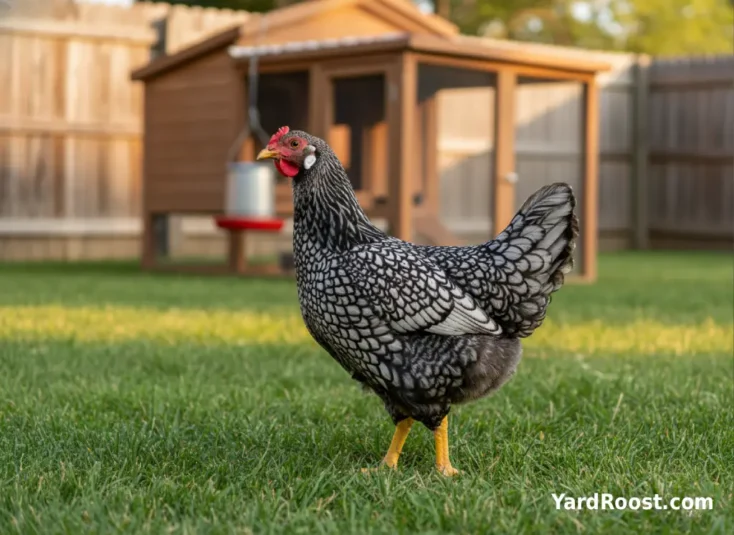
The Ancona chicken is a classic “working” backyard bird: highly active, sharp-eyed, and built to forage. If your goal is a steady stream of white eggs and a flock that stays busy (often even when the weather turns), Anconas can be a rewarding choice. They’re also a breed that gently forces you to level up your setup—more space, better run design, smarter ventilation, and a little more attention to predator-proofing and daily routine.
Keep expectations practical: you’re choosing energy and productivity over snuggle-factor. Give them room to move, manage moisture and airflow in every season, and start ancona chicks with measured brooder temperatures and a quality starter feed. And don’t skip the human side of flock care: CDC hygiene guidance and USDA biosecurity habits are what keep backyard chicken keeping fun instead of stressful. If you build with the breed’s personality in mind, Anconas often repay you with bright, hardy birds and a basket of clean white eggs that shows up day after day.