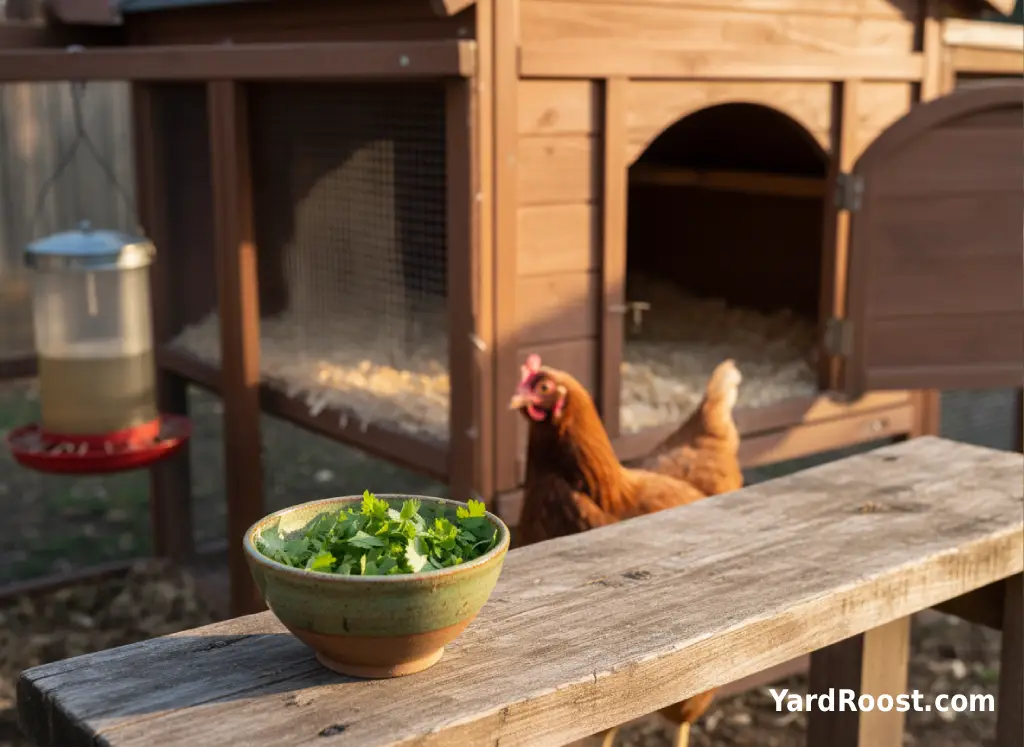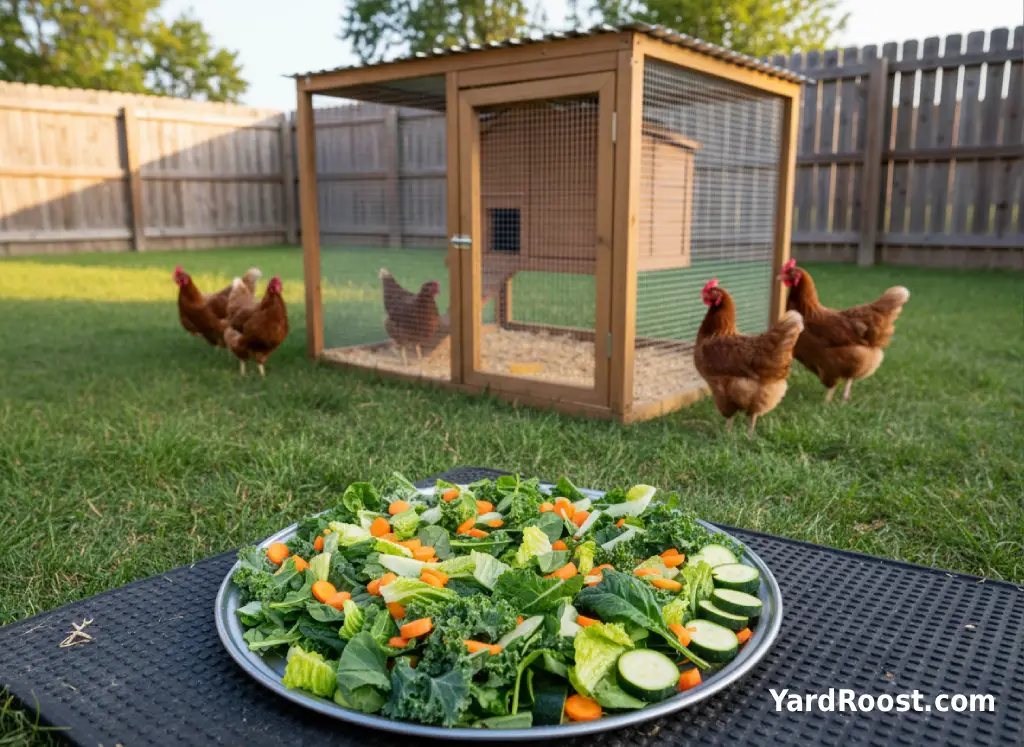
Yes—can chickens eat cilantro? In most backyard flocks, cilantro is a safe herb to offer as an occasional treat. Think of it like a leafy green “bonus,” not a diet upgrade. Chickens can peck at the leaves, nibble the stems, and even work through those leftover sprigs from taco night (as long as they’re clean and not slimy or moldy).
The bigger question isn’t “Is cilantro poisonous?”—it’s “How do I feed it so my birds still eat their balanced ration?” A handful of fresh herbs can be fun enrichment, but too many extras can dilute protein, vitamins, and minerals your hens rely on for steady laying and healthy bodies.
In this guide, we’ll cover how to prep cilantro, what portions make sense for small flocks, whether chickens actually like it, and what to do if cilantro (or any fresh treat) seems to disagree with a bird. We’ll also include quick notes on can ducks eat cilantro, since mixed poultry yards are common.
Can Chickens Eat Cilantro? The Short, Safe Answer
Cilantro (also called coriander leaves) is an edible culinary herb. For backyard chickens, it fits best in the same category as garden greens and veggie scraps: safe in moderation, offered as a small part of the overall diet.
Two practical rules keep you out of trouble:
- Make sure your chickens’ main diet is a complete poultry feed, and keep treats to a small slice of what they eat in a day.
- Only offer what they can finish quickly, so it doesn’t attract rodents, flies, or raccoons.
Colorado State University Extension specifically warns against overdoing scraps and emphasizes keeping treats limited and feeding only what birds will consume in minutes.
Leaves vs. Stems: How to Serve Cilantro Pieces Safely
Most flocks handle cilantro leaves easily. Stems are also generally fine, but they’re tougher and stringier, so prep matters—especially for smaller bantams or younger birds that tend to “gulp and run.” If you’ve ever watched a hen sprint away with a long noodle, you know the vibe.
What we do in our own coops:
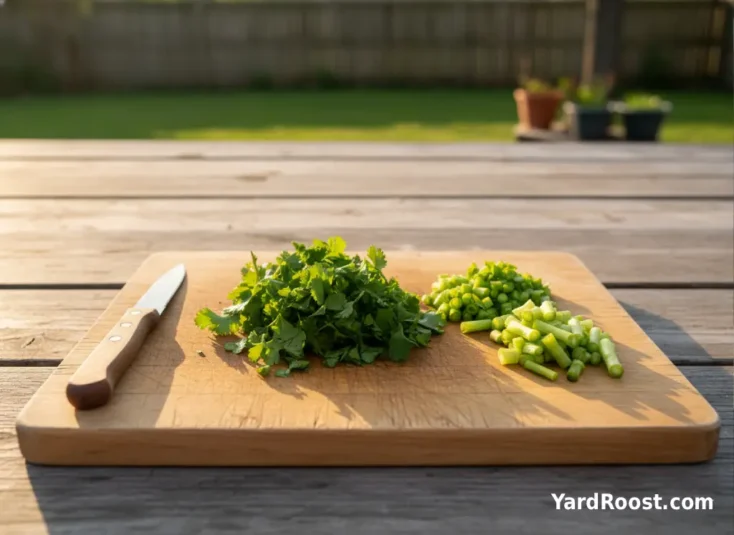
- Chop leaves and stems into short bits (roughly “pea-sized” to “blueberry-sized”).
- Remove rubber bands, twist ties, or produce stickers before it goes anywhere near the run.
- Skip cilantro that’s slimy, fermented-smelling, or moldy—compost it instead.
If you’re offering cilantro stems from bunches, the “can chickens eat cilantro stems” answer is still yes—just make them short enough that birds don’t drag long strands through bedding and turn it into a damp, trampled mess.
How to Offer Cilantro Without Unbalancing the Diet
If you remember one thing: cilantro for chickens should complement the ration, not replace it. University guidance for backyard chicken diets emphasizes that “treats” (including greens and veggie scraps) should stay limited so birds still meet their nutritional needs from complete feed.
Here’s a simple, repeatable way to do it:
- Start tiny: offer a small pinch of chopped cilantro the first time.
- Feed after the birds have eaten their regular ration (so cilantro doesn’t become the main event).
- Use the “fast finish” test: anything offered as scraps should be gone quickly—minutes, not hours.
- Rotate treats: cilantro one day, a different green another day, and plenty of “no treat” days.
A common mistake we see is dumping a big garden armful into the run “because it’s healthy.” Even healthy greens can crowd out balanced feed if they become the bulk of what birds fill up on. Colorado State University Extension explicitly recommends limiting treats and only offering what birds can consume in a short window.
| Cilantro Treat Quick Guide | What to Do | What to Avoid |
|---|---|---|
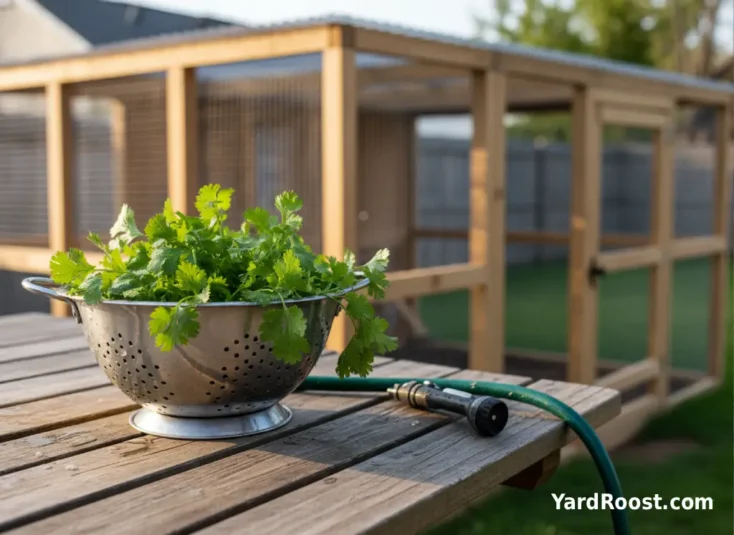
| Fresh bunches | Wash, shake dry, chop, offer a small amount | Rubber bands, slimy leaves, mold |
| Stems | Chop short so birds don’t drag long strands | Long, stringy pieces in muddy runs |
| Leftover sprigs | Only if plain (no salty sauces or oily dressings) | Heavily seasoned, salty, or spicy leftovers |
Do Chickens Like Cilantro? What to Expect
Some flocks go wild for cilantro. Others act personally offended and walk away like you offered them homework. That’s normal—herbs have strong aromas, and individual birds can be surprisingly picky.
If your hens ignore it, try one of these low-drama approaches:
- Chop it finer and mix a small pinch into their usual greens.
- Offer it alongside a familiar favorite (like chopped lettuce) for one day only.
- Hang a small bunch just above peck height so they can “work” at it (remove it if it gets soggy).
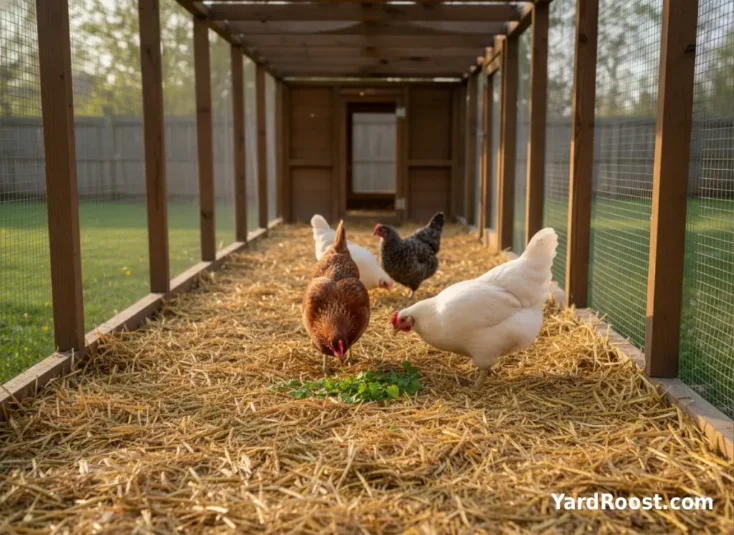
Whether chickens eat cilantro really depends on the flock, since some birds enjoy it and others ignore it completely. There’s no need to force it—if your chickens are not interested, other safe leafy greens can provide the same variety and enrichment.
Is Cilantro Good for Chickens? What It Adds (Without the Hype)
Cilantro is mostly water and plant fiber, plus small amounts of vitamins and natural plant compounds. It’s not a “supplement,” and it won’t replace a complete ration—but as a treat, it adds variety and encourages natural foraging behavior.
If you’re wondering “is cilantro good for chickens,” the most honest answer is: it can be a nice, safe herb option, especially if you rotate it with other greens. USDA nutrient data for coriander (cilantro) leaves shows it contains vitamin K, along with other micronutrients found in leafy herbs.
Where cilantro really shines in backyard keeping is boredom-busting. Pecking, scratching, and investigating new smells gives birds something constructive to do—which can matter in winter runs, rainy weeks, or small yards where the “fun zone” is limited.
Troubleshooting: If Cilantro Causes Loose Droppings or Fussiness
A little loose stool after a new treat is often just “too much fresh stuff, too fast.” Herbs and greens have moisture and fiber, and some birds are more sensitive than others.
Safe First Steps
- Pause all treats for a day or two and let birds eat their complete ration.
- Make sure water is clean and easy to access.
- Check that the cilantro (and any other scraps) wasn’t slimy, moldy, or contaminated.
- Reintroduce later in a much smaller amount if everyone is acting normal.
Also zoom out: not every weird dropping is caused by cilantro. Stress, weather swings, and other diet changes can all show up in the poop board first.
For feeding basics, SDSU Extension emphasizes offering kitchen scraps in moderation and avoiding moldy or insect-infested feed due to health risks like botulism.
Can Ducks Eat Cilantro? Notes for Mixed Flocks
Yes—can ducks eat cilantro? In backyard settings, cilantro is commonly offered to ducks as an occasional green treat, similar to chickens. The biggest duck-specific tip is about how they eat: ducks do better when they can rinse and swallow with access to water.
Cornell Cooperative Extension notes that ducks need a water source deep enough to submerge their heads to help them swallow food. That’s why floating chopped greens in a water pan can work well.
Keep it simple:
- Chop cilantro (especially stems) into small pieces.
- Offer it near water, or float a small amount so they can dabble.
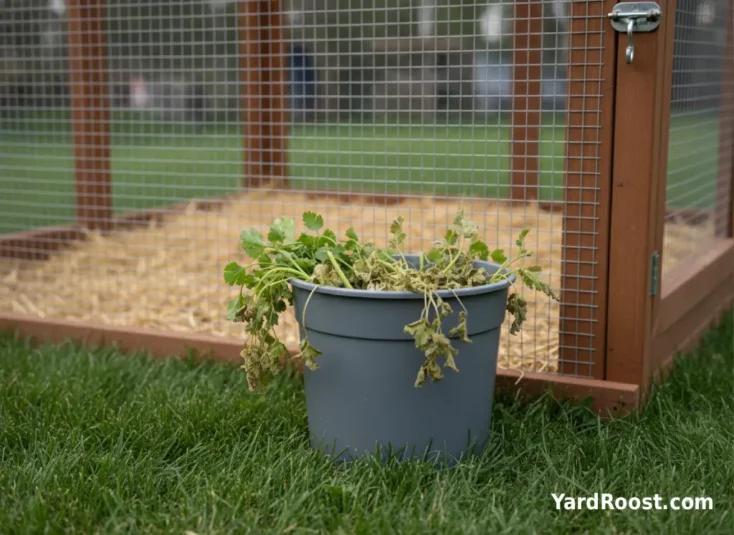
- Don’t let wet herb piles sit and ferment—remove leftovers.
Common Mistakes to Avoid When Feeding Cilantro
- Feeding wilted or moldy cilantro (or any scraps). If you wouldn’t eat it, don’t feed it.
- Letting scraps sit all day. Offer small amounts and remove leftovers so you don’t invite pests.
- Turning treats into the “main meal.” Even healthy greens should stay limited so birds keep eating complete feed.
- Assuming herbs are medical tools. Cilantro is food and enrichment—not a cure.
- Forgetting the “no-go” list. Colorado State University Extension specifically warns against certain items like avocado skins/pits, undercooked or dried beans, onions, and rhubarb.
Food Safety and Biosecurity for Fresh Treats
Fresh greens are one of the easiest ways to accidentally drag “gross stuff” into an otherwise clean setup. A few simple habits help protect both your flock and your household:
CDC guidance for backyard poultry emphasizes washing hands with soap and water right after handling birds, eggs, or anything in their environment—and keeping young children (under 5) from handling chicks, ducklings, or poultry due to Salmonella risk.
- Rinse cilantro and other greens well before feeding.
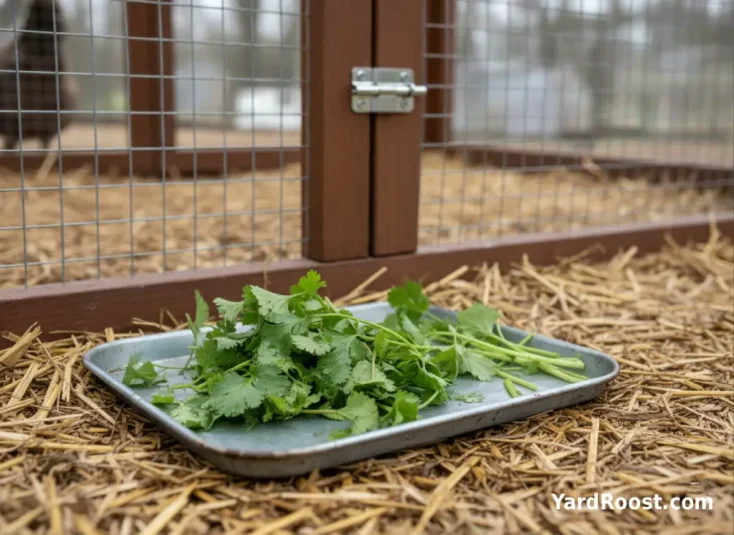
- Feed treats in a dish or on a clean surface (not directly on soggy litter).
- Pick up leftovers before dusk to avoid attracting nighttime visitors.
- Wash hands after coop chores and before eating or prepping food.
When to Call an Avian Vet
If a bird seems “off” after any new treat (including cilantro), it’s smart to stop treats and monitor—but don’t sit on serious symptoms. Contact an avian vet (or a qualified poultry veterinarian) if you see:
- Marked lethargy, weakness, or a bird isolating and not moving much
- Refusing feed for more than a day, or not drinking
- Blood in droppings, repeated vomiting/regurgitation, or severe diarrhea
- Labored breathing, significant swelling, or sudden neurological signs (stumbling, seizures)
For mild, short-lived loose droppings after a new green, the safest first step is usually simple: remove treats, return to a balanced ration, and keep hydration steady. If you’re unsure, it’s always okay to call for professional guidance.
Cilantro can be a simple, safe way to add variety to your flock’s routine. If you keep it occasional, clean, and chopped—especially the stems—most chickens handle it just fine. Some birds will love it, some will ignore it, and either outcome is totally normal. The win is in giving your hens something new to peck at without letting treats crowd out their complete feed.
The two guardrails that matter most are the same ones that keep backyard feeding drama-free year-round: keep treats limited and remove leftovers quickly. That protects nutrition, reduces pests, and lowers the chance of soggy scraps turning into a health problem. If you keep ducks too, offer cilantro near water so they can dabble and swallow comfortably.