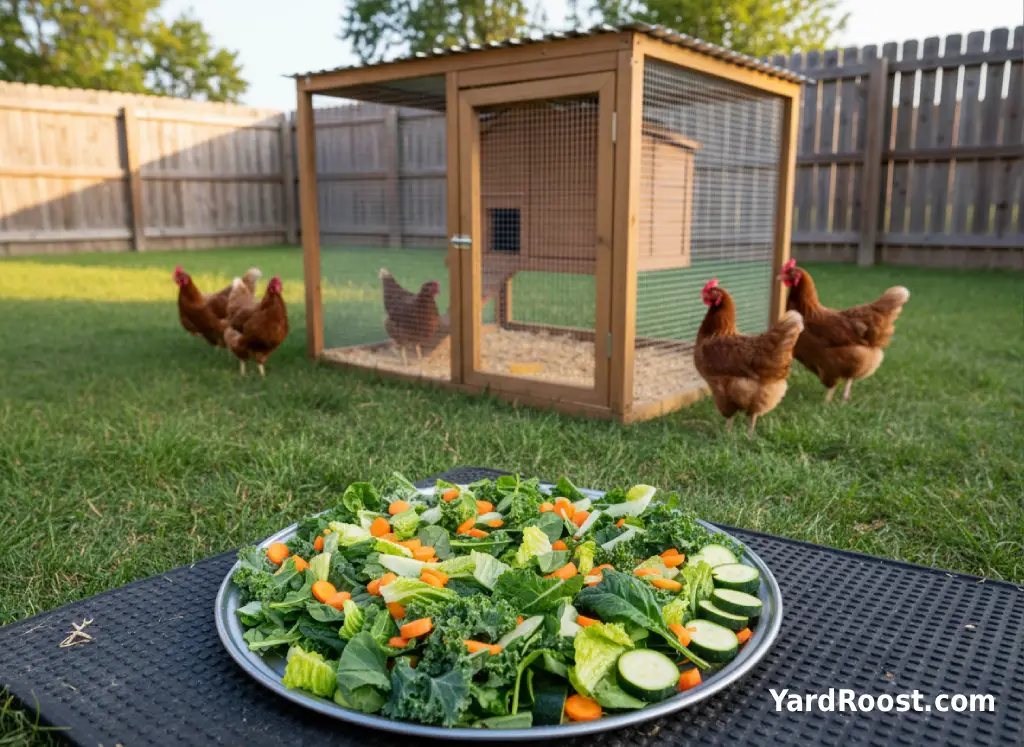
Yes—most backyard chickens can eat oranges as an occasional treat. The juicy fruit can be a fun enrichment snack, especially in winter when many of us have extra citrus around. The key is keeping it small and sensible: oranges are acidic and naturally sugary, so they’re not something you want replacing a balanced layer ration.
Also, don’t be surprised if your flock is unimpressed. Some chickens love the fruity smell and will peck enthusiastically; others act like you just offered them a lemon-scented rock. Both reactions are normal.
One more “real life” note: advice about citrus is inconsistent. Some poultry resources say to skip citrus entirely, while many keepers feed small amounts without issues. When guidance varies, we lean conservative—offer the fruit in modest portions, keep peels limited, and watch your birds’ droppings and appetite afterward. (More on that below.)
The Quick Answer on Oranges, Peels, and Mandarins
- Oranges (the fruit): Generally fine as an occasional treat in small amounts.
- Mandarin oranges: Same idea—fine in moderation (they’re just smaller, sweeter citrus).
- Orange peels: Most chickens won’t eat much peel anyway, and it’s the part most likely to cause trouble (tough texture, concentrated oils, and any surface residues). If you offer peel at all, keep it minimal and well-prepped.
Big picture rule: Treats and scraps shouldn’t crowd out a complete feed. Extension guidance emphasizes that too many scraps can reduce nutrition quality and productivity.
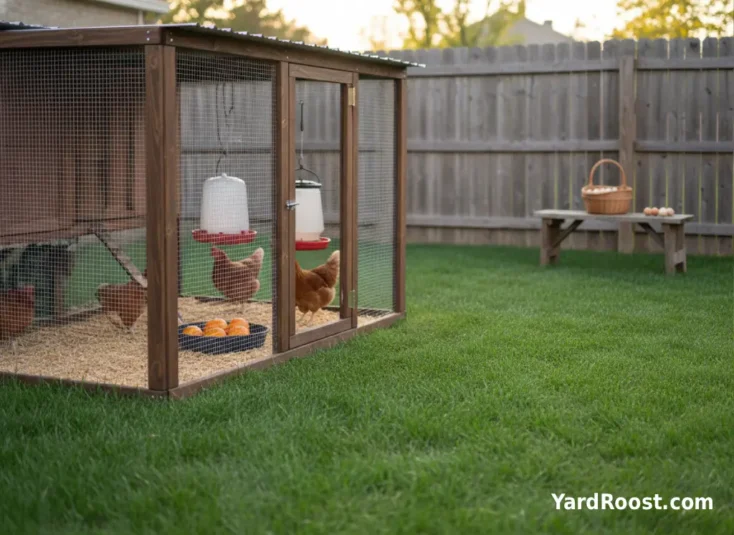
Why Citrus Is a “Sometimes Treat” Instead of an Everyday Snack
Oranges bring a few positives—moisture, a little fiber, and a change of pace that can encourage natural foraging behavior. The downsides are what keep citrus in the “treat” category:
- Acidity + sugar: A little is usually fine, but too much can contribute to loose droppings and picky eating (they fill up on “snacks” instead of balanced feed).
- Nutrition displacement: Poultry do best when a complete feed is the foundation. Multiple extension resources warn that excessive scraps and treats can be counterproductive.
- Conflicting citrus advice exists: For example, one Colorado State University Extension poultry handout explicitly lists “No citrus.” If you would rather play it safe, skip oranges entirely—your flock will not miss them, and there are plenty of other treats to offer, including options covered in our guide to can chickens eat strawberries.
If you do feed oranges, moderation and observation are your safety net.

How to Feed Oranges to Chickens (Clean, Cut, and Controlled)
Keep this simple and boring (boring is good when it comes to chicken treats):
- Wash the orange well before peeling or slicing. You’re trying to reduce anything on the surface from the store or garden.
- Serve the fruit in bite-size pieces (segments cut in half is plenty for most birds).
- Offer it after they’ve had access to their normal feed, so treats don’t become the “main course.”
- Remove leftovers the same day—fruit turns fast, and spoiled food is a real risk with poultry. SDSU Extension specifically warns against moldy/spoiled feed and scraps.
A common mistake we see is tossing a whole orange into the run and calling it enrichment. It can work, but it can also become a sticky mess that attracts flies or rodents. If you want the “peck toy” effect, do it with half an orange for a short time, then remove it and compost the remains.

Can Chickens Eat Orange Peels?
This is where we’d be cautious. Chickens can nibble peels, but peels are tougher, more bitter, and more concentrated than the fruit. Many birds ignore them, which is honestly fine.
If you choose to offer orange peel, keep it as a tiny add-on, not a “main treat”:
- Wash thoroughly, then peel thinly (avoid thick pith-heavy chunks).
- Chop into small strips so birds don’t tug and swallow long pieces.
- Offer a small pinch for the whole flock, not a heap.
- Remove what they don’t eat within a few hours.
If you’d rather play it safest, skip peels altogether. Some extension guidance already recommends avoiding citrus, and peels are the part most likely to be overdone.
Can Chickens Eat Mandarin Oranges and Other Citrus?
Mandarin oranges, clementines, and tangerines are basically the same “treat math” as oranges—just smaller and often sweeter. If your flock tolerates a little orange well, a few mandarin segments are usually handled the same way.
Two practical notes:
- Smaller fruit makes overfeeding easy. It’s tempting to toss several mandarins because they look “tiny.” Instead, think in total volume: a few segments per bird is plenty.
- Citrus isn’t required. If you want a fruit treat that’s typically less polarizing, many flocks do better with berries or melon in small amounts (still treats, still limited).
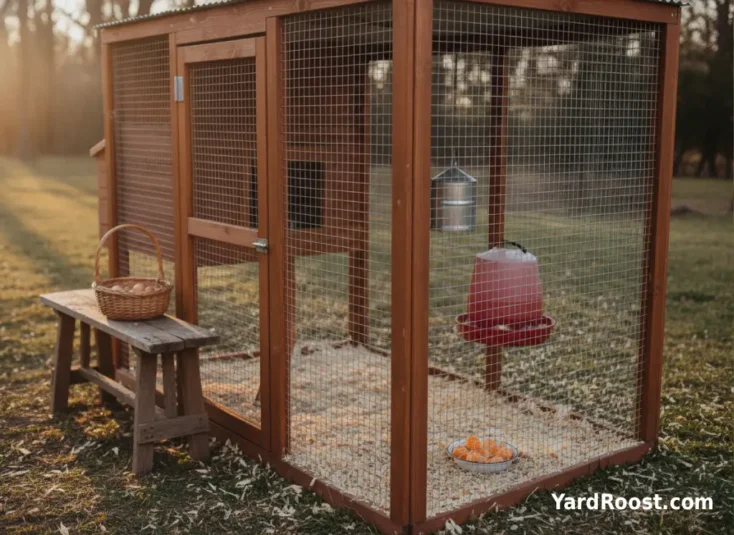
How Much Orange Can Chickens Have?
Use “treat budgeting” instead of obsessing over exact counts. A widely used rule of thumb is that treats should stay a small fraction of the overall diet so your birds still eat a complete ration. Texas A&M AgriLife notes treats should be less than 10% of a chicken’s diet.
For most backyard flocks, that translates to something like:
- Frequency: 1–3 times per week (not daily), especially if you offer other snacks too.
- Portion: A small handful of orange pieces shared across the flock—start smaller than you think, then adjust.
If droppings get noticeably loose or birds start ignoring their normal feed, scale back or stop the citrus for a while.
Signs Oranges Aren’t Agreeing With Your Flock
Chickens are hardy, but their digestion is pretty honest—if something doesn’t sit right, you’ll usually see it. After offering oranges (or any new treat), keep an eye out for:
- Looser-than-normal droppings that persist beyond a day, especially if you offered a lot.
- Reduced appetite for normal feed (hanging around the treat zone, ignoring the feeder).
- Messy bedding or fruit attracting pests—this is less about the chicken and more about what the treat does to your run.
Safe first steps are simple: remove remaining fruit, go back to their regular feed, and keep the coop/run extra tidy for a day or two. Also, avoid offering any spoiled or moldy scraps—extension guidance warns this can make birds ill.
Common Mistakes to Avoid
- Feeding citrus as a daily habit: Even if your birds “handle it,” daily sugary treats can crowd out balanced nutrition. Extensions repeatedly caution against excessive scraps.
- Leaving fruit in the run overnight: It spoils quickly and can attract rodents and flies.
- Assuming peels are “free fiber”: Peels are the easiest part to overdo and the hardest part for birds to bother with—keep them minimal or skip.
- Ignoring conflicting guidance: If you prefer a conservative program, it’s valid to avoid citrus entirely (some extension materials recommend “no citrus”).
A common mistake we see is treating fruit scraps like they’re “healthy by default.” Fruit can be fine—just not in unlimited amounts, and not as a substitute for a complete ration.
When to Get Professional Help
Oranges rarely cause serious trouble on their own, but any time a chicken looks “off,” it’s smart to take it seriously—especially with small flocks where one bird going downhill is easy to miss.
Consider contacting an avian vet (or a poultry-experienced veterinarian) if you notice:
- Marked lethargy, not just a lazy afternoon
- Not eating or drinking for more than several hours
- Persistent diarrhea or droppings that look abnormal for more than a day
- Swollen crop, repeated gagging, or distress
- Multiple birds affected around the same time
We’re backyard keepers, not veterinarians—when symptoms are significant or persistent, professional guidance is the safest move.
Kitchen Scrap Hygiene Around Backyard Poultry
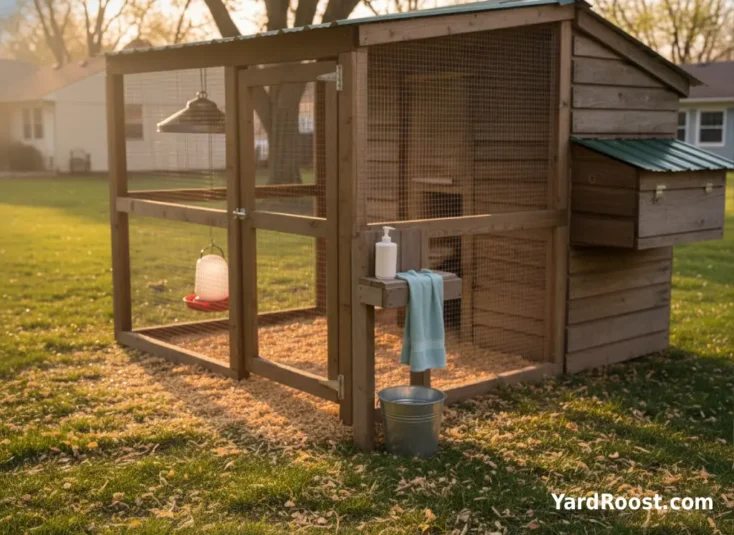
Whenever you’re feeding treats (especially hand-served scraps), think about two-way hygiene: protecting your birds from spoiled food, and protecting your household from germs that can live around poultry.
The CDC recommends washing hands with soap and water right after touching backyard poultry, their eggs, or anything in the area where they live and roam.
- Don’t eat or drink in the coop/run area, and keep treat prep surfaces separate from poultry gear.
- Supervise kids closely around birds and make handwashing non-negotiable afterward.
Conclusion: A Small Citrus Treat, Not a Feeding Strategy
So—can chickens eat oranges? In most backyard situations, yes, a little orange fruit is a reasonable treat. Keep portions modest, serve it clean and cut, and treat it like enrichment rather than nutrition. Orange peels are the part we’d keep most limited (or skip), and mandarin oranges follow the same rules as regular oranges.
If you prefer the most conservative approach, it’s also okay to avoid citrus entirely—some extension materials recommend “no citrus,” and your flock can thrive without it.
Whatever you choose, the best marker of “safe” is what your chickens do afterward: normal droppings, normal appetite, and no messy leftovers attracting pests. Keep the complete feed as the foundation, keep treats small, and you’ll be in the sweet spot for happy hens and clean coops.