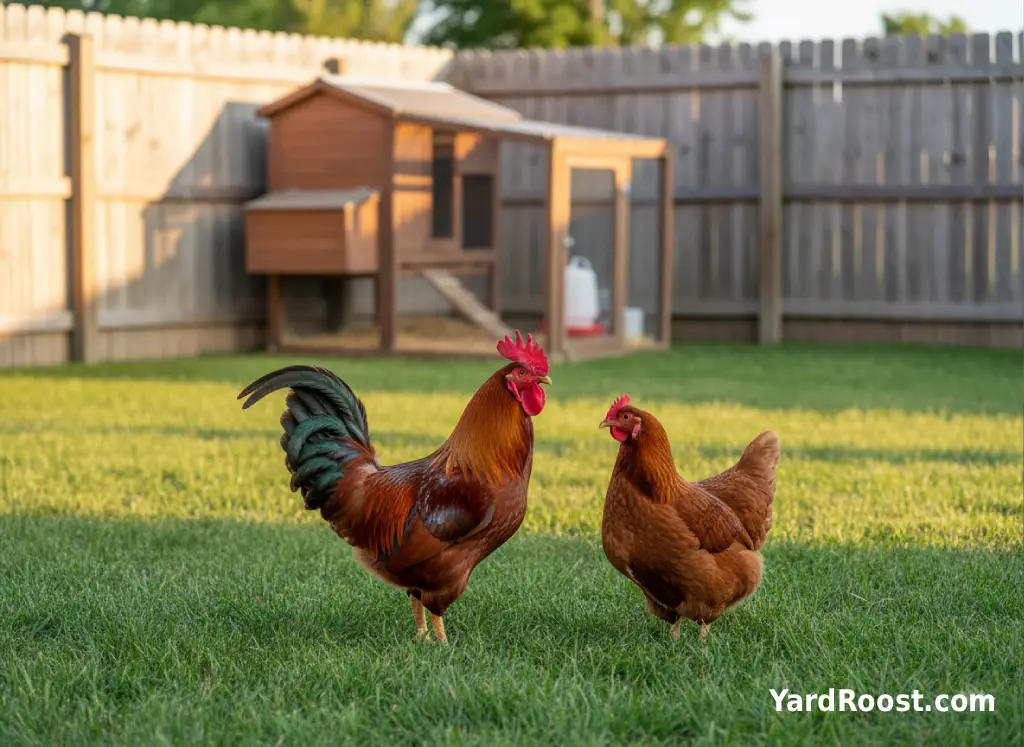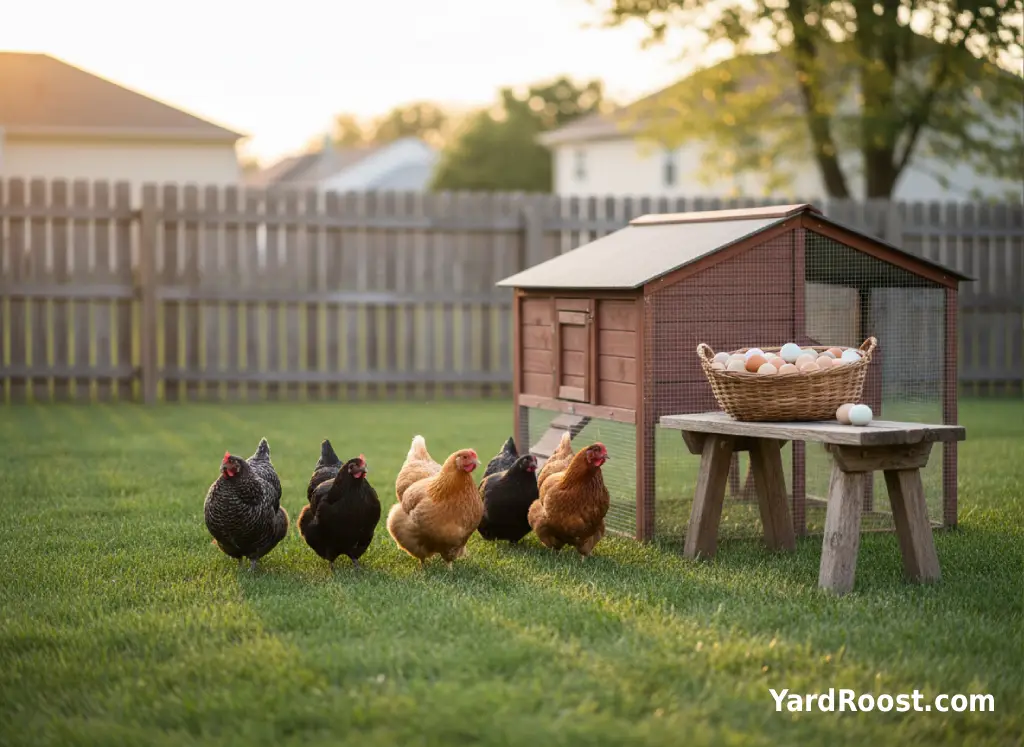
Yes, a rooster is a chicken. More specifically, a rooster is an adult male chicken. That sounds simple, but it trips up a lot of new keepers because people often use the word chicken to mean the whole species, while rooster and hen describe the sex and age of the bird. In everyday flock talk, a hen is an adult female chicken, a rooster is an adult male chicken, a pullet is a young female, and a cockerel is a young male. University poultry resources use those terms the same way, and they are worth learning early because hatchery labels, local ordinances, and flock discussions all rely on them. A rooster is still a chicken, but not every chicken is a rooster.
For beginners, the more useful question is usually how to tell whether a bird is male or female before the signs are obvious. That part is trickier. Young chicks are often hard to sex unless they are from a sex-linked cross, professionally vent-sexed, or bred for feather-sexing. As birds grow, clues like comb size, wattle growth, pointed saddle and hackle feathers, sickle tail feathers, and crowing usually make the answer clearer. Breed matters, though, and some birds mature later than others. YardRoost Editorial Team’s rule of thumb is simple: use several clues together instead of trusting one sign too early.
Chicken, Rooster, Hen, Cockerel, and Pullet: What the Words Mean
The easiest way to clear up the confusion is to separate species from sex and age. Chicken is the species. Rooster and hen are adult males and adult females. Cockerel and pullet are the younger versions. If you buy straight-run chicks, you are usually getting an unseparated mix of males and females rather than a guaranteed group of future laying hens. Cornell Extension notes that straight run is roughly a 50/50 split, which is why surprise roosters are so common in beginner flocks.
- Chicken: the species as a whole.
- Rooster: an adult male chicken.
- Hen: an adult female chicken.
- Cockerel: a young male chicken.
- Pullet: a young female chicken.
A common mistake we see is assuming chicken means female and rooster means a different animal. It does not. Think of it the same way you would think of dog as the species and male dog as one sex within that species. Another beginner mix-up is assuming you need a rooster for eggs. You do not. Hens lay eggs without a rooster; a rooster is only needed for fertile eggs that can develop into chicks. That point shows up in backyard flock publications from the University of Maryland and Virginia Tech and is worth remembering if your goal is simply a quiet egg flock.
Is a Chicken a Rooster?
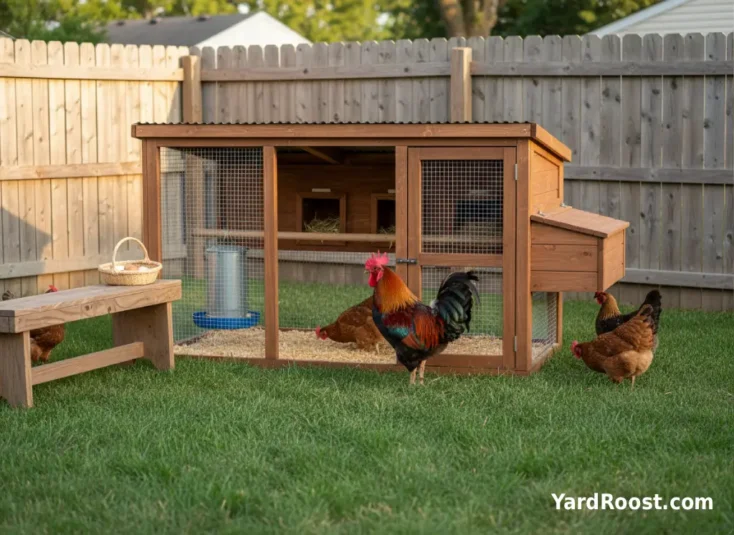
Sometimes people ask this backward: is a chicken a rooster? Only some chickens are roosters. A rooster is one type of chicken, not a separate animal and not a catch-all word for every bird in the coop. If the bird is male and mature, it is a rooster. If the bird is female and mature, it is a hen. If it is still young, cockerel or pullet may be more accurate.
This matters in real life because hatcheries, feed stores, zoning rules, and neighbor complaints usually do not use loose language. Many city rules allow hens but restrict roosters because of noise. Extension guidance from Tennessee and recent University of Connecticut material both note that roosters are commonly limited because crowing can become a nuisance in residential areas. Before you keep a bird that looks suspiciously male, check your local ordinances and HOA rules rather than assuming all chickens are treated the same.
That is also why it helps to learn the visual cues early. If a “maybe rooster” turns out to be a cockerel, you may need to make a housing or rehoming plan before the crowing starts. For a good beginner foundation, our guide on backyard chicken laws by city is useful next reads.
How Can You Tell a Chicken From a Rooster?
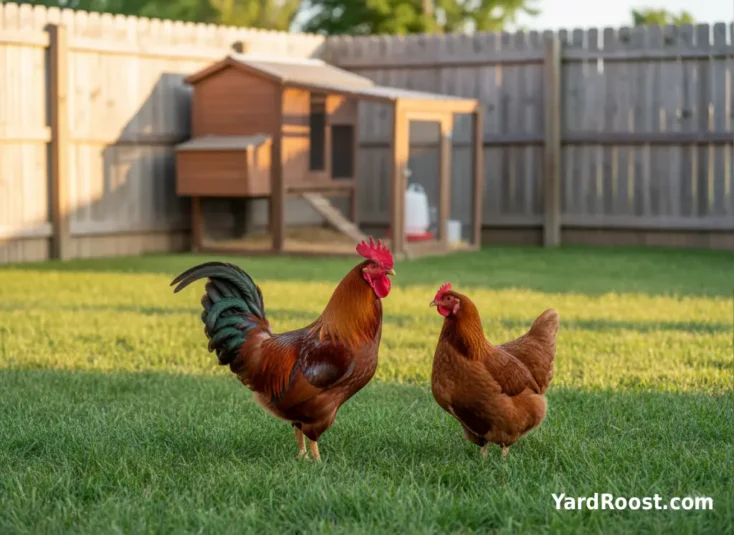
Once birds start maturing, telling a chicken from a rooster gets easier because several traits begin stacking together. University of Kentucky and Penn State poultry materials describe the same broad pattern: males tend to develop larger combs and wattles, pointed hackle and saddle feathers, larger spurs as they age, and long curved sickle feathers in the tail. Females usually look rounder and softer in the neck and back feathering.
The safest way to judge is to look for a cluster of signs instead of hanging everything on one clue. A single red comb does not prove you have a rooster because some pullets also redden up as they approach laying age. On the other hand, a bird with a noticeably larger comb, faster wattle growth, pointed neck and saddle feathers, thicker legs, and early crowing is much more likely to be male. Illinois Extension’s poultry material is especially helpful here because it notes the feather shape difference clearly: roosters have long pointed hackle and saddle feathers, while females have shorter, rounder feather ends.
- Check the comb and wattles: faster growth and earlier redness often lean male.
- Look at feather shape: pointed hackle and saddle feathers lean male; rounded feather tips lean female.
- Watch the tail: long curved sickle feathers are a classic rooster sign.
- Notice posture and leg thickness: many cockerels stand taller and heavier through the legs.
A common mistake we see is checking every day and changing your answer with every tiny feather. Instead, take clear photos once a week from the side and from above. Comparing week-to-week changes is usually more useful than staring at the bird in the run and second-guessing yourself.
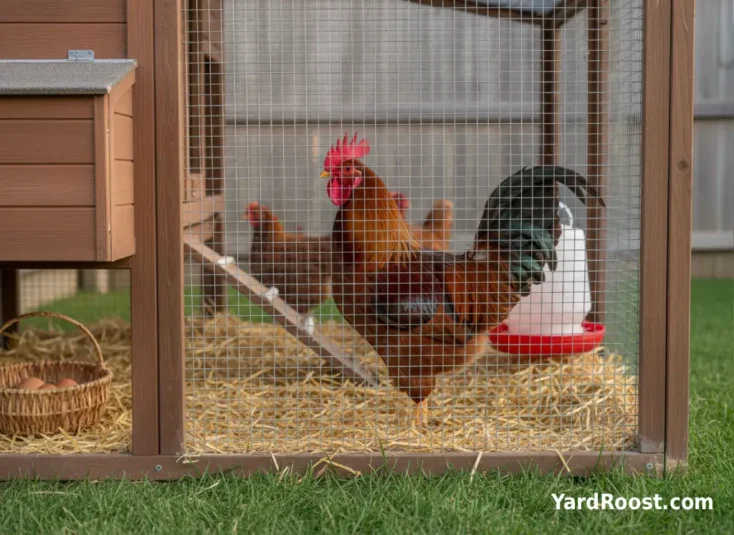
How to Tell if a Chick Is a Rooster
This is the part that frustrates beginners the most: very young chicks are often hard to sex accurately without breed-specific traits or professional handling. Illinois Extension explains that unless males and females were bred to differ in color or feather growth, you generally cannot tell them apart reliably without special training. That is why feed-store guesses are exactly that: guesses.
If you are trying to tell whether a chick is a rooster, start by asking what kind of chick you bought. Sex-linked crosses can show male and female chicks in different down colors right away. Professionally vent-sexed chicks may come labeled by hatcheries, though no method is perfect. Feather-sexed lines can also show different wing feather development, but that only works in the right genetics. For many mixed or heritage breeds, there is no reliable “look once and know” shortcut at hatch.
As the chick grows, clues may start to appear over the next several weeks. Kansas State youth poultry material notes that cockerels’ combs and wattles start getting larger than pullets’ as they mature, but the exact timing varies with breed. YardRoost Editorial Team’s practical tip is to wait for patterns, not one-day snapshots: if one chick keeps getting redder in the comb, stands taller, develops thicker legs, and later starts testing out rough little crow attempts, your odds of having a cockerel go up quickly.
For beginners buying chicks mainly for eggs, the simplest risk-reduction step is choosing sexed pullets from a reputable hatchery. It is not foolproof, but it lowers your odds of a surprise rooster compared with straight run birds. Cornell’s straight-run guidance is a good reminder of why surprises happen so often.
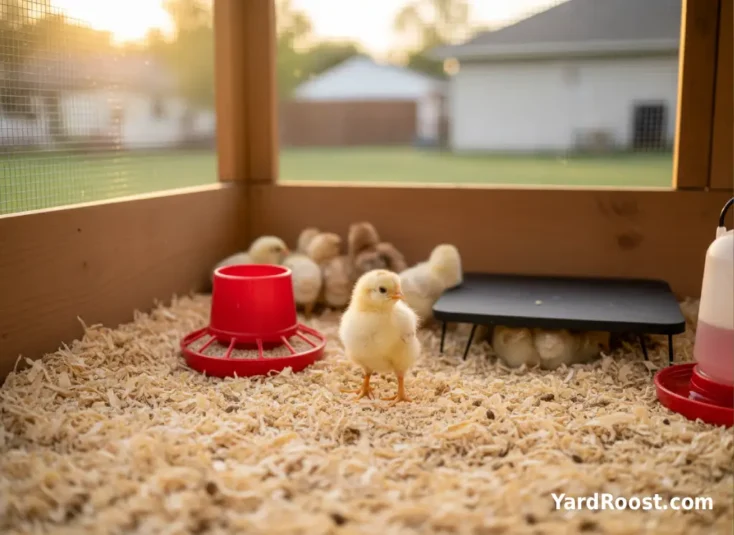
What Signs Usually Show Up First
For many backyard keepers, the first clue is not the tail. It is the head. Young males often start showing a larger, redder comb and more visible wattles earlier than their same-age sisters. After that, posture, leg thickness, and attitude often become more obvious. Eventually the feather clues catch up, especially around the neck and saddle area near the tail. Kentucky and Ohio poultry resources both point to these visible differences as birds mature.
Then comes the sound. Crowing can settle the question fast, although it does not always arrive on the same schedule. Cornell notes that roosters may crow throughout the day and sometimes at night if startled, and Kentucky reminds keepers that crowing is not just a dawn behavior. A common mistake we see is assuming a bird is female because it has not crowed yet. Some cockerels take longer to advertise themselves, and quiet breeds can keep owners guessing longer than expected.
- Early clue: comb gets bigger and redder sooner than flockmates.
- Mid-stage clue: wattles grow faster and the bird carries itself more upright.
- Later clue: pointed hackle and saddle feathers become easier to spot.
- Obvious clue: crowing, curved sickle tail feathers, or both.
When you are unsure, keep notes by age and compare only birds of the same breed and hatch date. Comparing a slow-maturing fluffy breed to a sleek fast-maturing breed can lead you straight into the weeds.
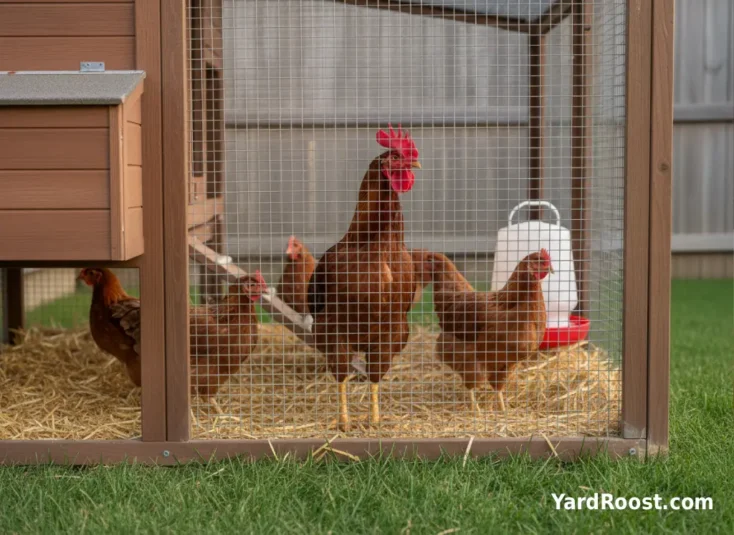
Common Mistakes to Avoid When Sexing Backyard Chickens
Most sexing mistakes come from rushing. Backyard chicken keepers understandably want a fast answer, especially where roosters are not allowed, but early certainty is often false certainty. The birds do not care about your deadline, and breed differences can make normal development look suspicious.
- Trusting one sign too early. A bigger comb alone is not enough. Use comb, wattles, feather shape, tail, posture, and sound together.
- Comparing different breeds. A fast-growing bird may look “more male” than a slower breed when it is really just maturing differently.
- Ignoring age terms. A young male is usually a cockerel before he is properly called a rooster.
- Believing every feed-store guess. Unless the chicks were sex-linked or professionally sexed, there is always uncertainty.
- Waiting until the first full crow to plan. If ordinances ban roosters, start your backup plan when multiple male signs show up, not after complaints begin.
A common mistake we see is owners getting emotionally attached to “probably a pullet” because that answer is more convenient. If your bird is developing a large red comb early, pointed saddle feathers, and a curved tail, it is better to prepare for a male outcome and be pleasantly surprised later than the other way around.
What to Do if You Think Your Chicken Is a Rooster
If you think your chicken is a rooster, the first step is practical rather than dramatic: confirm your local rules. Many towns allow hens but not roosters because of noise, and roosters may crow well beyond sunrise. That means waiting for certainty can box you into a rushed decision later.
Next, keep observing for one to two weeks and document what you see. Take side photos, note comb color and size, check for pointed hackle and saddle feathers, and listen for early crowing. If several signs line up, start contacting your hatchery, local farm network, or a pre-vetted rehoming option. A common mistake we see is posting a bird online in a panic with no plan for safe transport or placement.
Also think about flock dynamics. A maturing rooster can begin acting differently before he looks fully grown. He may stand between hens and a disturbance, become more upright, or get louder. That does not automatically mean he is a problem bird, but it does mean you should watch housing, neighbor tolerance, and your own goals for the flock. If your priority is a quiet egg flock, keeping a rooster may not fit even if local rules allow it.
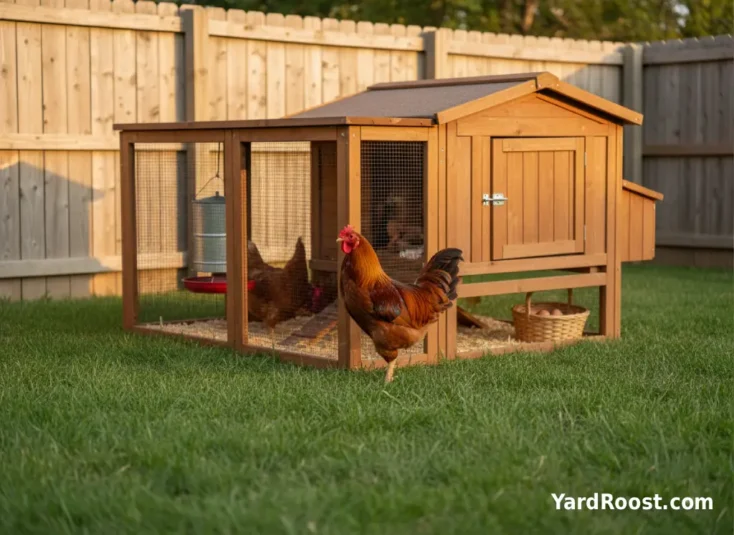
Bottom Line for Beginner Chicken Keepers
A rooster is a chicken, but he is specifically an adult male chicken. That is the clean answer. The more practical answer for backyard keepers is that sexing young birds takes patience, and no single clue is reliable in every breed. Large early comb growth, faster wattle development, pointed hackle and saddle feathers, curved sickle tail feathers, and crowing all point toward male, especially when several appear together.
For beginners, the smartest path is to learn the basic terms, buy birds that match your flock goals, and build a backup plan before a surprise cockerel turns into a neighborhood issue. Hens do not need a rooster to lay eggs, straight-run chicks can easily include males, and local rules may treat roosters differently from the rest of your flock. When you use those facts together, the whole subject gets much less confusing. Sources referenced in this article include University of Kentucky, Cornell Cooperative Extension, University of Maryland Extension, Illinois Extension, Penn State Extension, Virginia Tech, CDC, and University of Connecticut Extension.