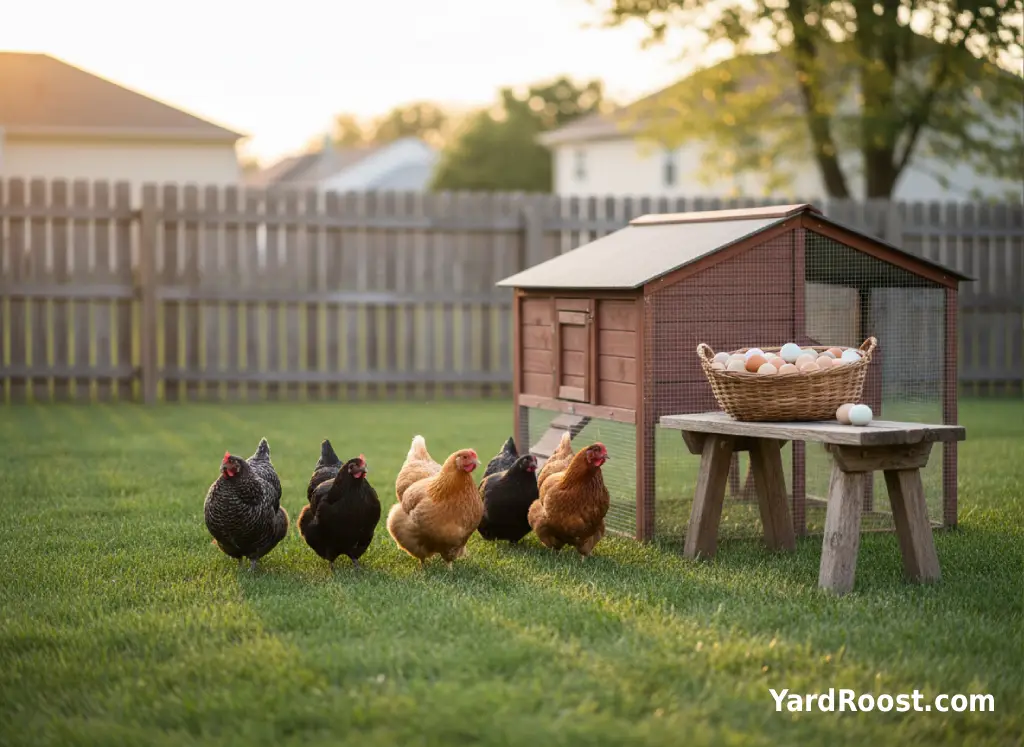
If you’re new to backyard chickens, it’s completely normal to wonder whether hens “need” a rooster (or cockerel) to lay eggs. The short version: a hen’s body makes eggs as part of her natural reproductive cycle, whether a male is around or not. A rooster’s role is fertilization—meaning chicks—rather than triggering egg production.
That difference matters in real life. Most backyard flocks in towns and suburbs keep hens only for quieter mornings, fewer neighbor complaints, and simpler management. If you do add a rooster, your daily egg basket usually looks the same—until you’re trying to hatch eggs, manage mating behavior, or navigate local rules that don’t allow crowing.
Below, we’ll walk through how egg laying works, what truly changes when you add a rooster, how to tell fertilized vs. unfertilized eggs (and what that means for eating), and a practical checklist for deciding what’s right for your yard.
The Short Answer (And the One Thing People Mix Up)
No—you do not need a rooster for chickens to lay eggs. Hens lay eggs with or without a rooster present. What a rooster changes is whether those eggs are fertilized (capable of developing into chicks under incubation).
- Hens only (no rooster): eggs are unfertilized, and they won’t hatch.
- Hens + rooster/cockerel: eggs may be fertilized, and they can hatch if properly incubated.
Sources you can trust on this: University of Kentucky poultry experts and UF/IFAS Extension both spell out that roosters are not required for egg laying—only for fertilized eggs and hatching.
How Hens Lay Eggs Without a Rooster
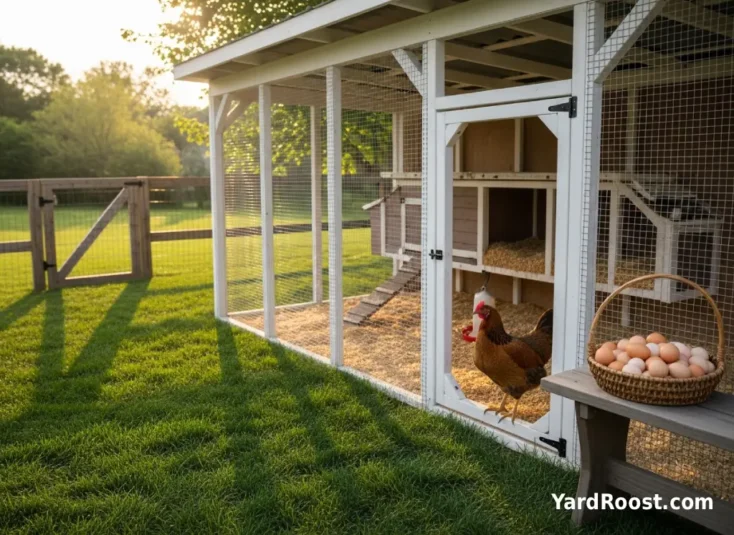
Think of egg laying like a monthly cycle—except hens run on a much faster schedule when they’re in peak production. A hen releases a yolk from her ovary; the rest of the egg (white, membranes, shell) is formed as it moves through her reproductive tract. None of that requires a rooster.
What does influence laying is the hen’s maturity, nutrition, stress level, and—big one—day length. Many extension resources note that increasing day length (and adequate light) is what supports steady laying, not the presence of a male.
Practical expectations for beginners:
- Even great layers take breaks due to heat, molt, age, or stress. If you want a clearer sense of what “normal” egg output looks like, breed, season, and age make a big difference.
- Match feed to life stage. Layer hens do best on a balanced “layer” ration once they’re actively laying; younger birds need different nutrition (your feed bag should clearly label the stage).
What a Rooster Actually Changes
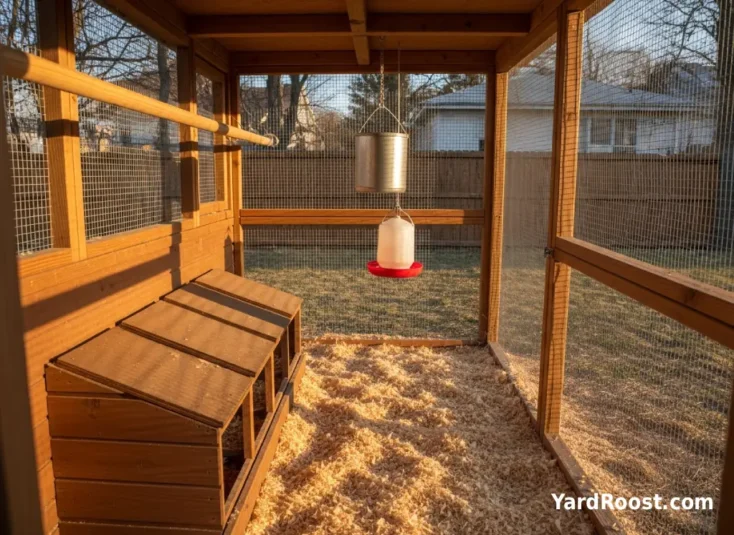
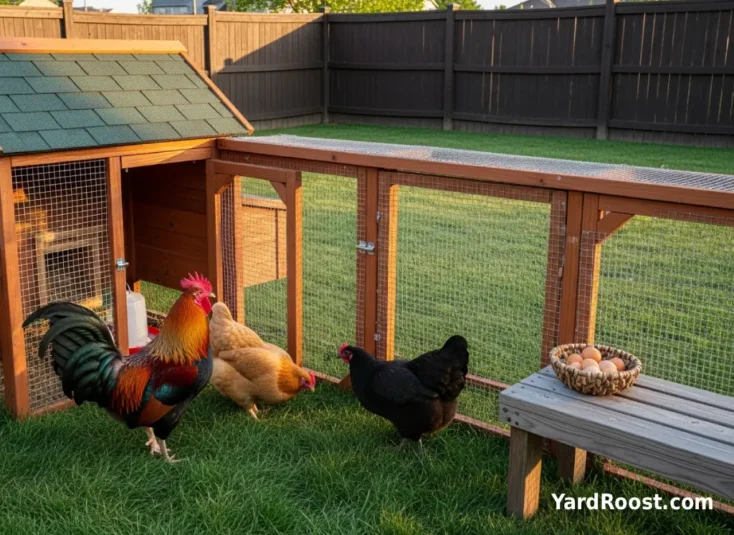
A rooster (adult male) or cockerel (young male) mainly changes one thing: fertilization. If mating happens, eggs laid afterward may be fertilized—even if the rooster is removed later, because hens can store sperm for a period of time.
Here’s the simplest way to think about it:
| Question | Hens Only | Hens + Rooster/Cockerel |
|---|---|---|
| Will my hens lay eggs? | Yes | Yes |
| Can eggs hatch into chicks? | No | Possibly (if fertilized and incubated) |
| Will eggs look/taste different? | No (freshness matters most) | No (freshness matters most) |
| Will flock management be simpler? | Usually yes | Often more complex (behavior, noise, rules) |
A common mistake we see is assuming “no eggs” means “you need a rooster.” In reality, when a flock stops laying, it’s usually lighting/day length, molt, heat stress, age, or diet—not the absence of a male. Sources: University of Kentucky poultry specialists and multiple extension publications emphasize this misconception.
Fertilized Eggs: What You’ll See and Whether You Can Eat Them
If you keep a rooster, it’s normal to wonder if fertilized eggs are “gross” or unsafe. Fresh, collected eggs are generally treated the same in the kitchen—what matters most is clean handling and proper storage. Many extension guides address fertilized vs. unfertilized eggs as a hatchability question, not an “edibility” one.
What you may notice:
- You can’t reliably tell from the outside. Shell color/shape doesn’t reveal fertilization.
- Early on, there’s usually nothing obvious inside. People often expect a “baby chick” immediately—biology doesn’t work that way without sustained incubation.
- Warm nesting conditions matter. If eggs are left in a warm nest for long periods, they can start developing—collect eggs regularly if you don’t want that risk.
If You Want Chicks: When You Do Need a Rooster or Cockerel
If your goal is to hatch chicks from your own flock, that’s when “do I need a rooster for chickens to lay eggs” becomes a different question: you need a male for fertile eggs.
A simple, backyard-friendly approach:
- Step 1: Decide if you truly want to hatch (space, time, and a plan for extra males).
- Step 2: Keep a healthy, well-mannered rooster with your hens during the breeding period.
- Step 3: For many flocks, a common guideline is roughly one rooster per group of hens to support fertility (exact ratios vary by breed and management).
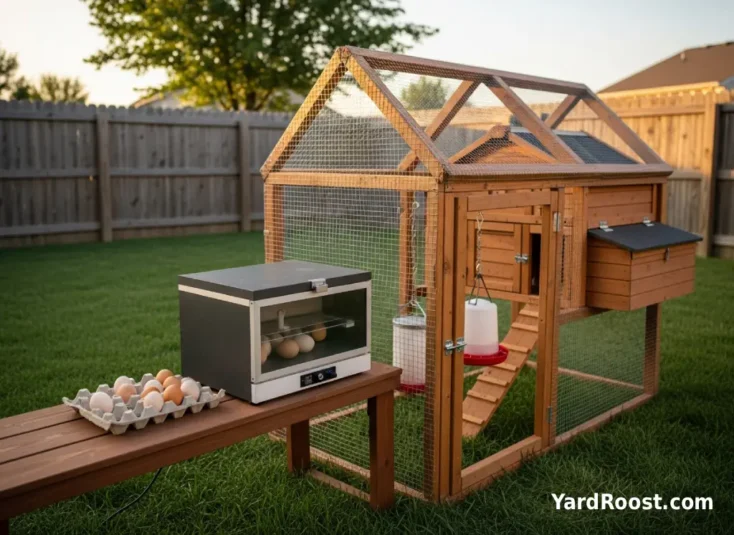
- Step 4: Collect hatching eggs frequently, store them carefully, and incubate using manufacturer instructions.
- Step 5: Plan ahead for chicks you can’t keep—especially extra cockerels.
Sources: University of Georgia Extension on common backyard flock misconceptions and fertility management; UF/IFAS Extension on roosters and fertilized eggs.
If you’re keeping hens only and still want more birds, many keepers find it simpler to buy sexed pullets from reputable hatcheries or local breeders instead of hatching at home.
Reasons People Keep a Rooster Anyway
Even though you don’t need a rooster for hens to lay eggs, some backyard keepers still choose to keep one. The best reasons are usually intentional and practical, not because it boosts egg numbers.
Common motivations include:
- Breeding and hatching for specific traits or replacing aging hens.
- Flock dynamics (some roosters are calm and help “organize” the group—others absolutely do not).
- Preference and enjoyment (some people simply like having a full barnyard experience).
Our honest take: the “right” rooster is a gem, but the average beginner experience is that roosters add complexity fast. If you’re on the fence, start with hens only and see how your setup, neighbors, and schedule feel first.
Common Mistakes to Avoid
- Mistake: Adding a rooster because egg laying slowed down.
Do instead: Check lighting/day length, molt, heat, age, and diet first. (Extension sources consistently tie laying patterns to management and light, not males.) - Mistake: Keeping a surprise cockerel with no plan.
Do instead: If you raise chicks, plan now where extra males will go by 10–16 weeks (rehoming can be hard, and many areas restrict roosters). - Mistake: Leaving eggs in a warm nest “all day” when you have a rooster.
Do instead: Collect eggs at least once daily (twice in hot weather) if you want to minimize the chance of early development and reduce breakage. - Mistake: Assuming “fertilized” means “unsafe.”
Do instead: Focus on clean collection, safe storage, and cooking thoroughly—regardless of fertilization status.
A common mistake we see is underestimating how quickly a maturing cockerel can change the peace of a backyard flock—noise, fence-fighting, and rough mating can escalate in a week or two. It’s not “bad chicken keeping” to decide a rooster isn’t the right fit for your yard.
Neighbor, Noise, and Local Rules
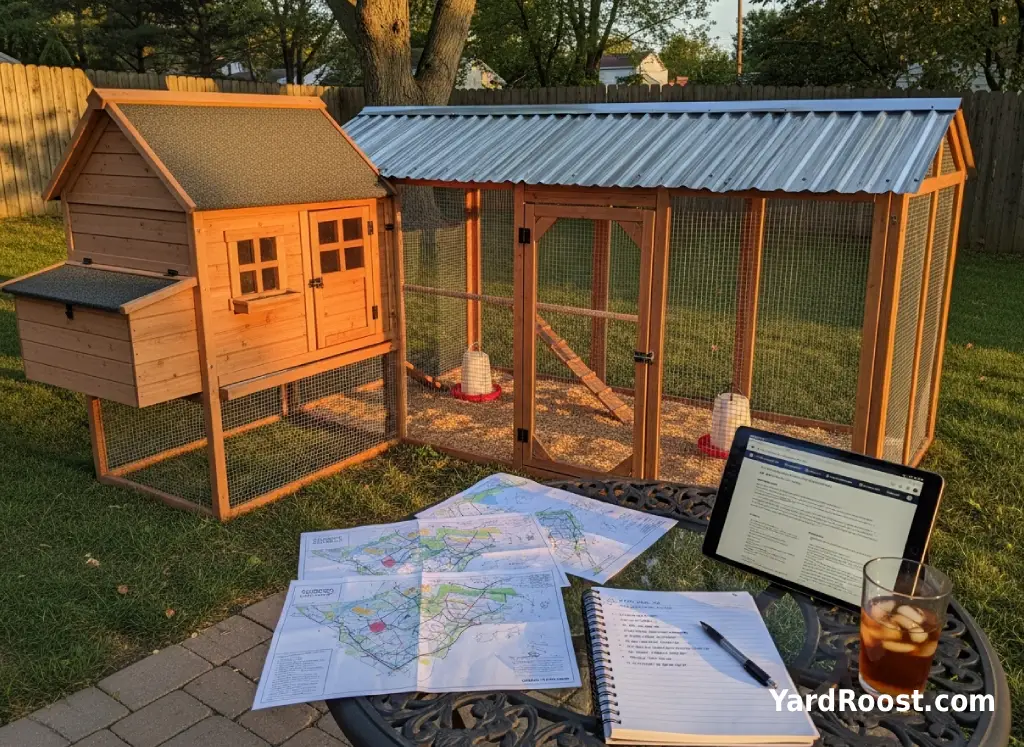
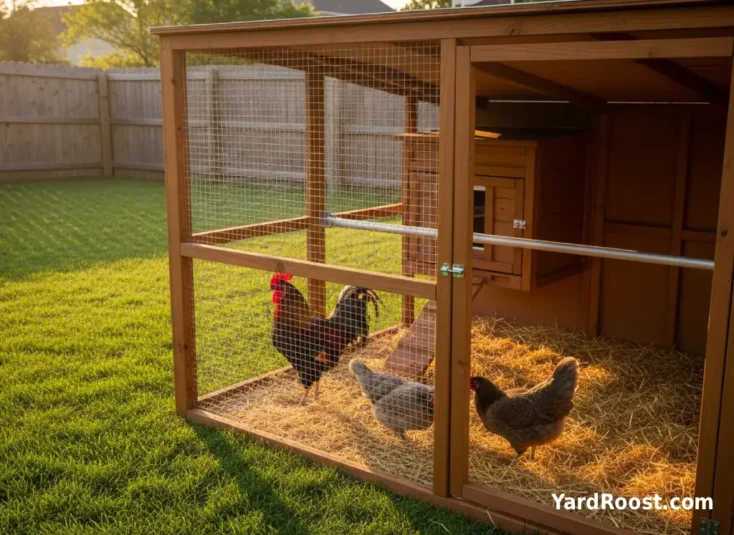
In many neighborhoods, the “rooster question” is really a “crow noise + ordinances” question. Some extension publications even point out that skipping roosters can keep the peace with neighbors and may be required in many municipalities—so always check your local ordinances, zoning, and HOA rules before you commit.
Two practical tips that save headaches:
- Assume rules are stricter than you think until you verify them (especially in city limits).
- Have a backup plan if you end up with an accidental rooster—many people buy “straight run” chicks and get surprised later.
Egg Handling and Salmonella-Safe Habits
Whether you keep hens only or hens plus a rooster, food safety doesn’t change: handle eggs and birds like you would any raw animal product. The CDC’s backyard poultry guidance focuses on practical hygiene—especially when kids help with chores.
- Wash hands after touching birds, eggs, or coop surfaces (supervise kids).
- Collect eggs often and discard cracked eggs you can’t use immediately. If you’re ever unsure about an egg’s freshness, these quick at-home checks can help you decide.
- Keep kitchen prep areas separate from coop gear (no egg baskets on the cutting board).
Bottom Line: Do You Need a Rooster for Chickens to Lay Eggs?
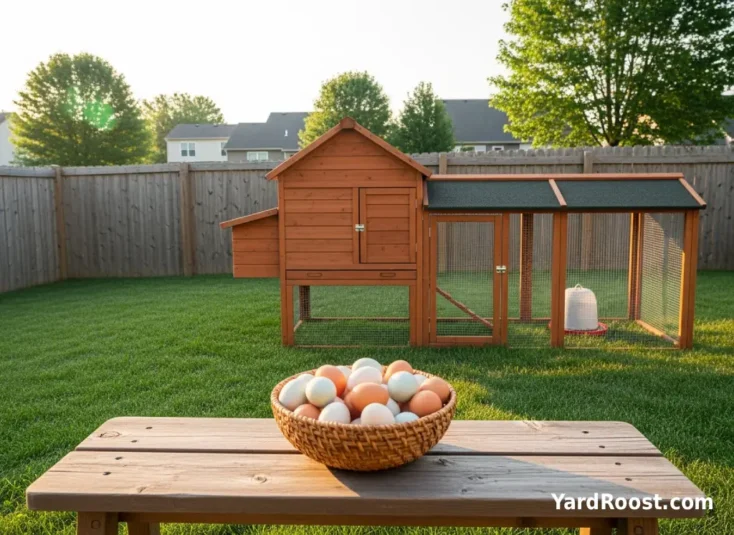
You don’t need a rooster (and you don’t need a cockerel) for hens to lay eggs. Hens lay eggs as a normal biological process. A rooster’s job is fertilization—so the only time you truly “need” a male is when you want eggs that can hatch into chicks.
For most beginner-to-intermediate backyard keepers—especially in town—starting with hens only is the easiest path to a steady egg basket and a quieter coop. If you later decide you want to hatch chicks, you can plan for a rooster intentionally (and responsibly) instead of getting surprised by one.