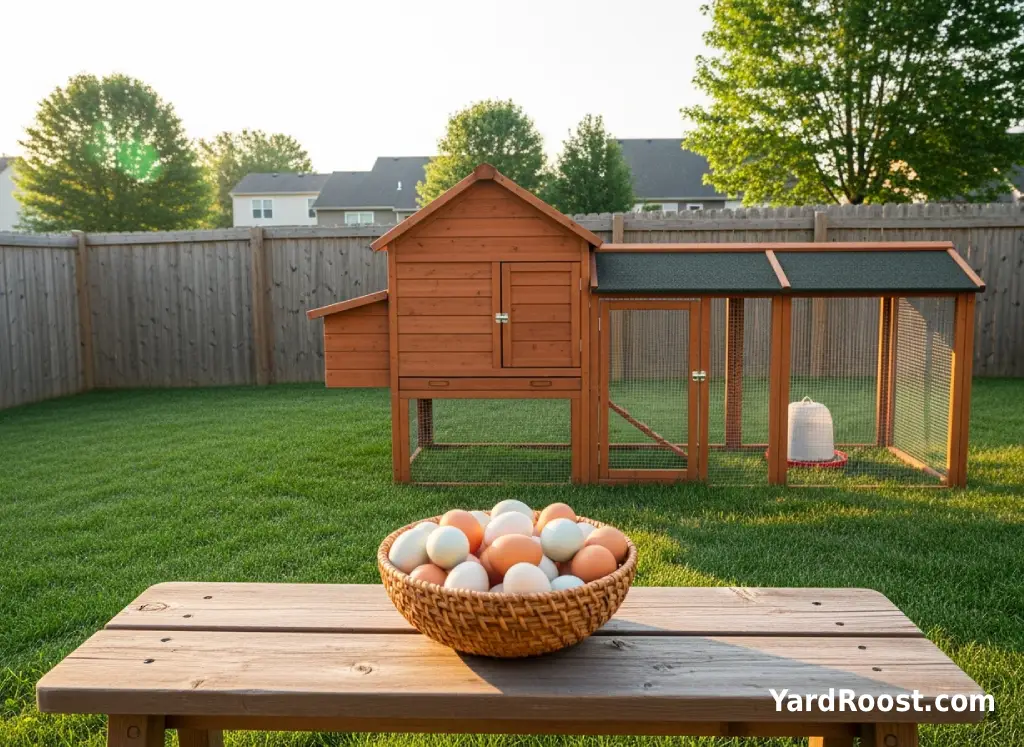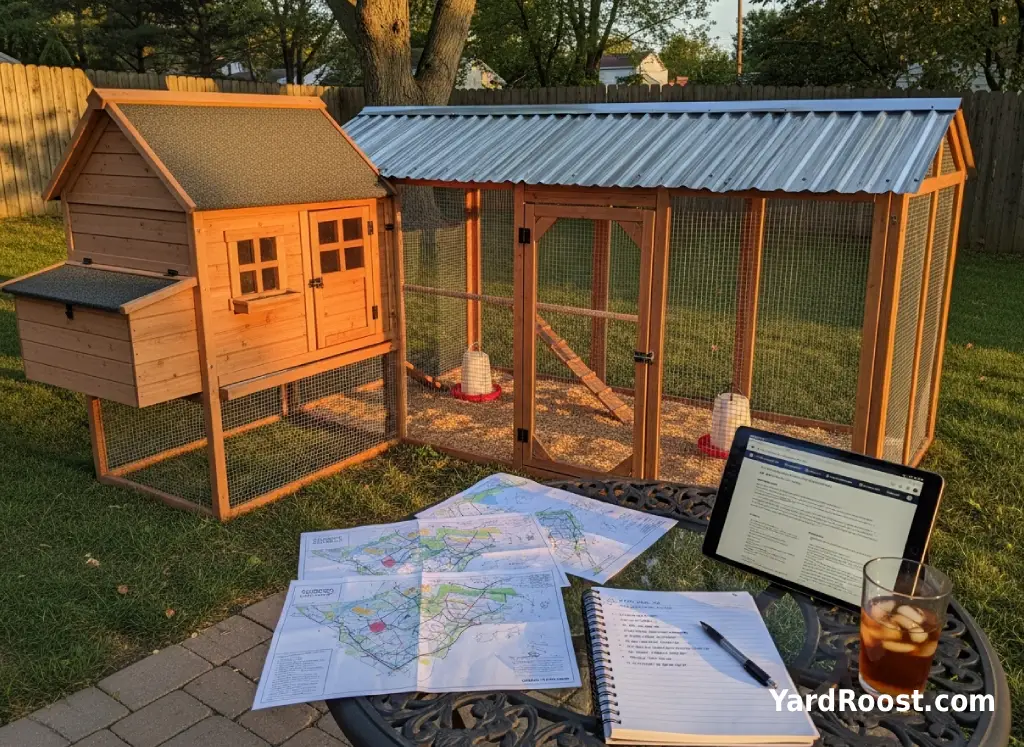
If you’re new to backyard chickens, it’s tempting to pick a breed based on the “most eggs ever” claim and call it a day. But beginners usually have a different goal: steady eggs and a flock that’s easy to manage, calm around people, and resilient when your routine isn’t perfect yet. The good news is there are plenty of breeds that lay well without acting like tiny feathered escape artists.
This guide focuses on beginner-to-intermediate keepers raising chickens for eggs in typical US backyards. We’ll cover reliable laying breeds, what their personalities are like, and how to match a chicken to your climate, neighbors, and coop setup. We’ll also share the practical “don’t learn this the hard way” stuff: why some high-output breeds frustrate first-timers, how many birds to start with, and the setup basics that keep egg production predictable.
What Makes a Chicken Beginner-Friendly and a Great Layer
For beginners, the “best” laying chicken is usually the one that keeps laying without creating new problems. Think of it as a balance of production, temperament, and practicality.
Here are the traits we look for in good chickens for beginners:
- Steady layers, not just peak layers. Many hens can produce well when everything is ideal; beginner-friendly breeds tend to stay consistent through normal life changes (weather shifts, schedule changes, occasional stress).
- Calm, easy-to-handle behavior. If your birds panic, fly, or refuse the coop, you’ll spend your time chasing chickens instead of collecting eggs.
- Hardiness for your region. Cold-tolerant, heat-tolerant, or at least adaptable. (Your local extension office is a goldmine for climate-specific flock tips.)
- Lower drama around nesting. Some breeds go broody more often (wanting to sit on eggs). That’s not “bad,” but it can reduce egg production and surprise new keepers.
A common mistake we see is starting with a breed that’s famous online for egg numbers, then realizing it’s too flighty for a small run or too skittish for kids. You can absolutely keep those breeds later—just don’t make them your “learn the basics” birds.
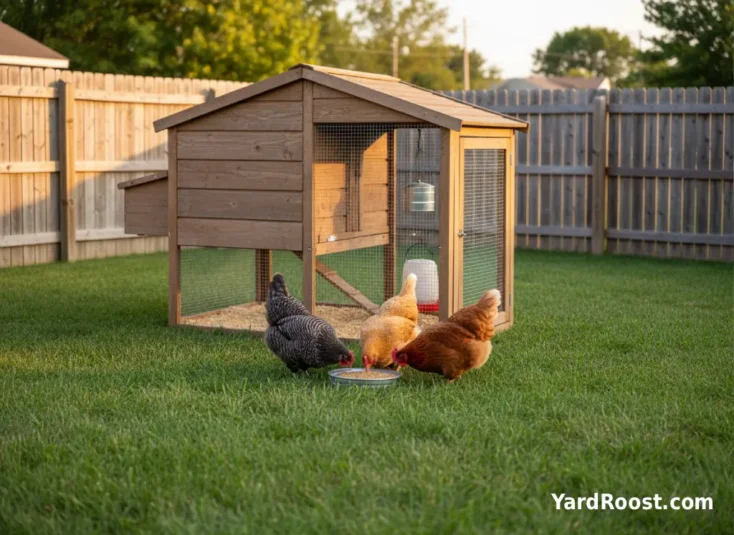
Sources we trust for breed and production context include University of New Hampshire Extension, Michigan State University Extension, and The Ohio State University Extension.
Beginner-Friendly Egg Breeds That Usually Deliver
If you want the best laying chickens for beginners, start with breeds that are known for a steady pace, generally friendly personalities, and solid confinement tolerance (most backyard setups are “coop + run,” not wide-open pasture).
| Breed | Egg Color | Beginner Notes | Typical Egg Output (Estimates) |
|---|---|---|---|
| Barred Plymouth Rock (Barred Rock) | Brown | Classic backyard bird; usually calm and cold-hardy | Often ~200–280 eggs/year |
| Black Australorp | Brown | Commonly gentle and people-tolerant; good “first flock” choice | Often ~200–280 eggs/year |
| Buff Orpington | Brown | Friendly “pet-like” temperament; can go broody more than some | Often ~200–280 eggs/year |
| Rhode Island Red | Brown | Hardy and productive; some lines are more assertive than others | Often ~250–280 eggs/year |
| Ameraucana / “Easter Egger” Types | Blue/Green (varies) | Fun egg colors; usually decent layers (not always “top output”) | Often ~180–200 eggs/year |
| Sex-Link Hybrids (Red Star, Black Star, ISA Brown Types) | Usually Brown (varies by cross) | Frequently excellent layers; great “eggs fast” option for beginners | Often ~250–300+ eggs/year |
| White Leghorn | White | High production, but often more flighty/noisy and less cuddly | Often ~280–300+ eggs/year |
Two quick takeaways:
- Dual-purpose breeds (like Rocks, Orpingtons, Reds, Wyandottes) are often calmer and larger-bodied, which many beginners prefer for an easy-going flock.
- Sex-link hybrids can be the shortest path to a full egg basket—especially if you’re raising chickens for eggs for beginners and want predictable production early on.
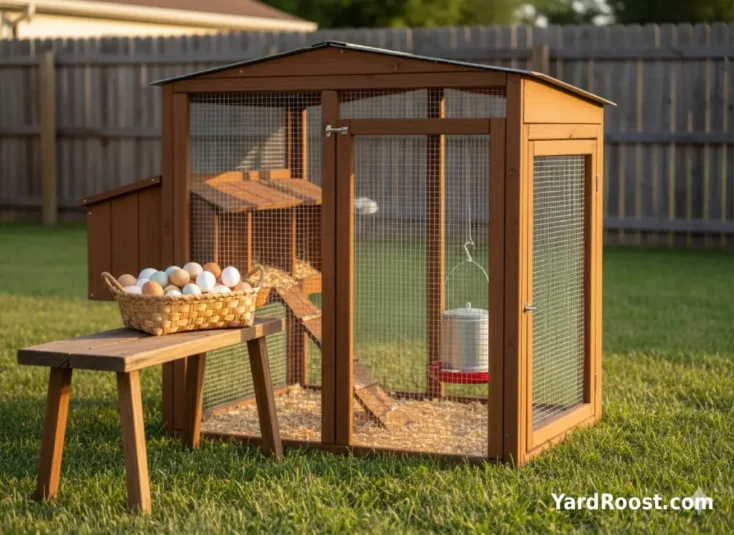
Sources we lean on here include University of New Hampshire Extension for egg production estimates, Michigan State University Extension for breed tendencies, and Purdue Extension and UC Agriculture and Natural Resources for backyard breed context.
Match the Breed to Your Yard, Not the Internet
The best breed of chickens for beginners depends on your “real life” limits: space, climate, noise tolerance, and how much handling you want. Here’s a simple way to choose without overthinking it.
- If you want calm + steady eggs: Barred Rocks, Australorps, Buff Orpingtons.
- If you want lots of eggs quickly: A quality sex-link hybrid line from a reputable hatchery.
- If you have close neighbors: Lean toward calmer dual-purpose types and avoid notoriously noisy/flighty birds.
- If winters are intense: Look for cold-hardy, heavier-bodied breeds; plan your coop ventilation well.
- If you want colorful eggs: Add 1–2 Easter Egger/Ameraucana-type birds, but don’t make them your only “production plan.”
A common mistake we see is buying a mixed “assortment” of breeds with totally different personalities and needs. Your coop can handle it, but beginners often find it harder to manage pecking order drama, broodiness surprises, and different escape tendencies. Starting with 2–3 breeds max keeps learning smoother.
If you’re stuck, a simple “starter flock” that works in many US backyards is: two Barred Rocks, two Australorps, and two sex-links (or Rhode Island Reds) for a balanced mix of temperament and output.
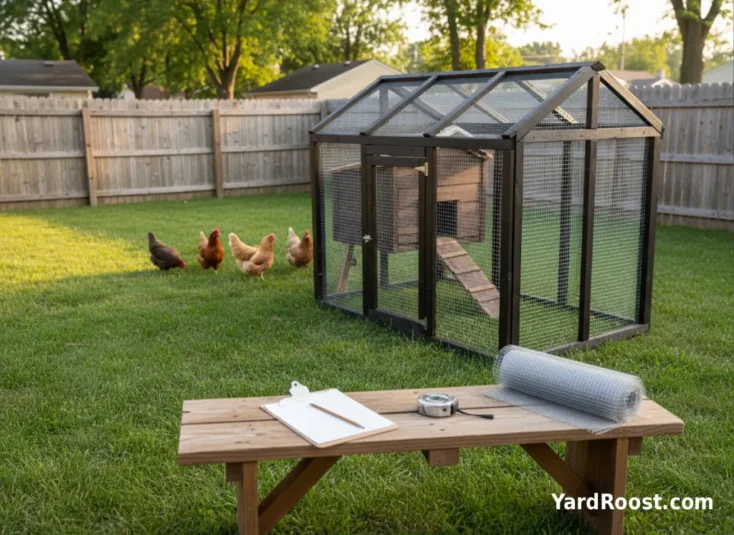
Sources: University of Minnesota Extension and Ohio State University Extension for selection and management guidance.
Set Them Up to Lay: Housing, Nest Boxes, and Light
You can buy the best laying chickens for beginners and still get disappointing eggs if the setup isn’t egg-friendly. The basics that matter most are space, nesting, and day length.
Coop and run space
Many extension resources land in the same ballpark: plan roughly 3–5 sq ft per bird inside and around 10 sq ft per bird in an outdoor run when possible. More room reduces stress, bullying, and floor-laying habits.
Nest boxes
Beginner-proof nesting is simple: boxes around 12″ x 12″ x 12″ work well for average hens, and a common guideline is one nest box per 4–5 hens. Get them in place before your pullets hit laying age, so they don’t “choose” a bad spot first. If you need help dialing in placement.
Light
Hens’ laying cycles are strongly influenced by day length. Many poultry education sources note that production is supported when birds get about 14–16 hours of light (natural + supplemental). If you add light, use a timer and keep nights dark enough for normal roosting.
Another common mistake is putting nest boxes too bright, too high traffic, or directly under a drafty vent. Hens prefer a slightly dim, protected spot—quiet beats fancy.
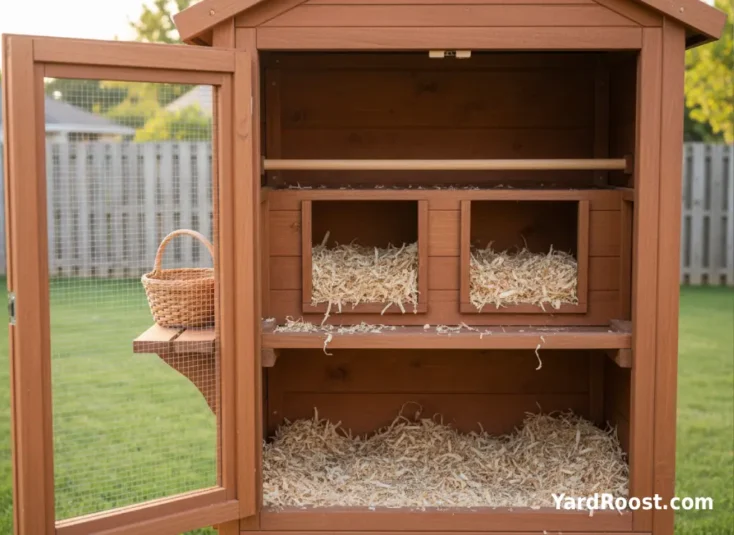
Sources: Penn State Extension and UF/IFAS Extension for nest box sizing and ratios, University of Minnesota Extension and Virginia Tech Extension for space guidance, and MSU Extension and University of Wisconsin Extension for light/day-length concepts.
Daily Care That Protects Egg Production
For raising chickens for beginners, “daily care” doesn’t need to be complicated—it needs to be consistent. Your goal is to reduce stress and keep nutrition steady, because egg production is sensitive to change.
Practical habits that help beginners the most:
- Keep feed transitions slow. Pullets typically begin laying around the 18–22 week range (breed and season matter). When you switch to a layer ration, do it gradually over several days so their gut doesn’t get upset.
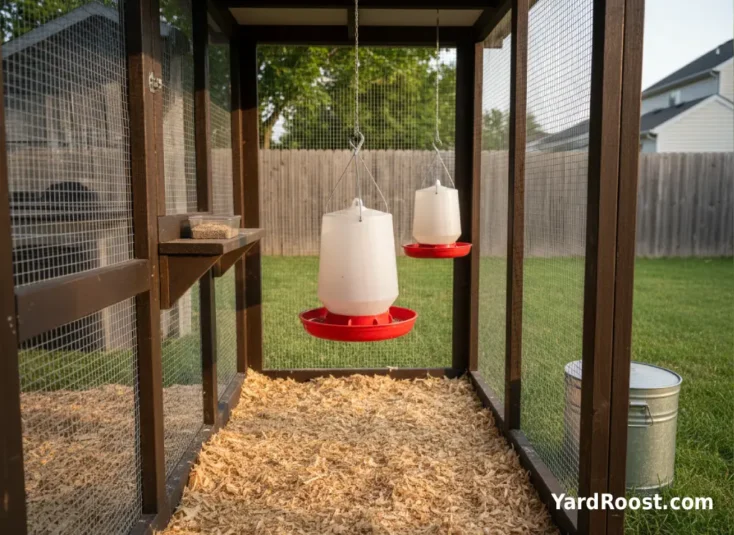
- Prevent feed waste and contamination. Hang feeders so birds can’t scratch bedding into them, and don’t let birds perch on the feeder rim. Feed that gets damp or dirty becomes a problem fast.
- Collect eggs regularly. Once-a-day is fine for many backyards, but in extreme heat or cold, checking twice can reduce cracks, freezing, or dirty eggs.
A common mistake we see is “treat overload”—too many scratch grains and kitchen extras that displace balanced feed. Treats are fine, but your birds should still be eating mostly a complete ration if you want reliable eggs.
Troubleshooting: When Egg Production Drops
Every beginner hits this moment: “They were laying great… and now nothing.” Before you assume something is wrong, run through the usual suspects.
Common non-emergency reasons layers slow down:
Seasonal daylight changes, molting, heat stress, cold snaps, a recent predator scare, a new flock member, or a sudden feed change can all reduce production. Pullets also don’t always lay daily—many backyard hens average something like several eggs per week rather than a perfect “one per day” pattern.
Safe first steps that usually help:
- Confirm they’re getting adequate day length and a steady routine (especially in fall/winter).
- Check nesting: are boxes clean, private, and easy to access, or are they laying elsewhere?
- Look for stressors: overcrowding, bullying at the feeder, or nighttime disturbances.
When to get professional help: If a bird is lethargic, not eating or drinking, struggling to breathe, has significant swelling, ongoing diarrhea, persistent bloody droppings, sudden paralysis, or you see multiple birds declining quickly, call an avian vet. For urgent local disease concerns, your state extension or state agriculture office may also be able to guide next steps.
Seasonal Considerations: Summer Heat and Winter Cold
Some “best laying chickens for beginners” lists ignore a big truth: climate changes how easy your flock is to manage.
In summer:
Heat is often harder on egg production than cold. Prioritize shade, plenty of water access, and airflow. If your birds are panting heavily, holding wings away from their bodies, or avoiding movement, treat it as a red flag to cool the environment quickly (more shade, more airflow, cooler water access).
In winter:
Cold-hardy breeds can do well, but dampness and poor ventilation are a bigger enemy than low temperatures. Good ventilation should exchange moist air without creating drafts right where birds sleep. Also remember: shorter days commonly reduce egg production, even in otherwise healthy hens.
A common mistake we see is “sealing up” the coop for winter and accidentally trapping moisture. That’s when comb issues, wet bedding, and respiratory stress start snowballing.
Safety, Biosecurity, and Egg Handling for Beginners
Backyard chickens for beginners should come with one non-negotiable habit: biosecurity. It protects your birds and your household.
Human health basics (Salmonella prevention): The CDC emphasizes washing hands with soap and water right after touching poultry, eggs, or anything in their area. Avoid kissing/snuggling birds, and supervise young kids closely around the flock.
Quarantine new birds: If you add to your flock, keep new birds separated for at least 30 days before introductions. This is a common CDC recommendation and also shows up in multiple extension biosecurity resources. If you attend shows or swap birds with friends, treat those as higher-risk situations.
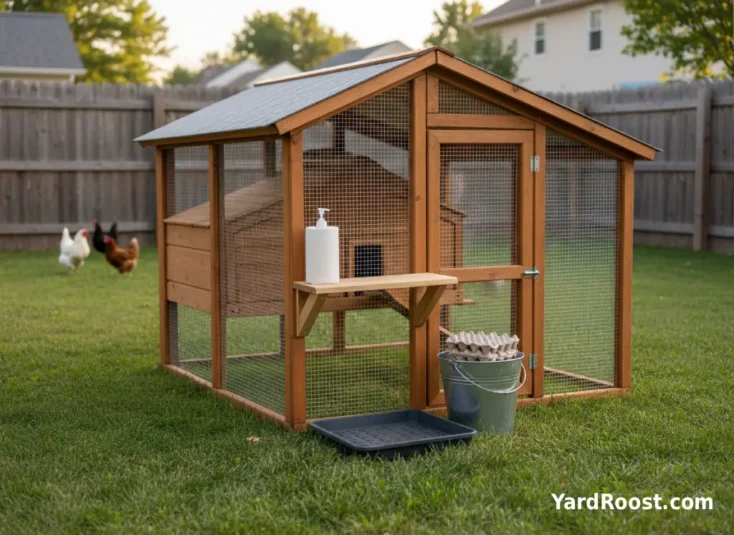
Property “line of separation” thinking: USDA APHIS encourages keeping clear separation between your poultry area and the rest of the world—limit visitors, keep dedicated coop shoes/boots, and clean tools that move in and out of the bird area.
Common Mistakes to Avoid
- Buying “top layers” without considering temperament. If you want easy handling, don’t start with the most flighty, nervous birds.
- Starting with too many breeds at once. Keep the first flock simple so you can learn what “normal” looks like.
- Not having nest boxes ready before laying age. Once a hen decides a corner is “the nest,” it can take time to retrain.
- Overcrowding the coop/run. Stress and bullying can quietly wreck egg production. Roomier setups are more forgiving for beginners.
- Too many treats, not enough balanced feed. Treats shouldn’t crowd out a complete ration if eggs are your goal.
- Skipping quarantine for new birds. A 30-day separation is far easier than dealing with a flock-wide health problem.
- Ignoring family hygiene rules. Handwashing after coop time isn’t optional—especially with little kids.
A common mistake we see is investing heavily in “premium” birds and then under-investing in the basics: secure housing, predictable feeding, and a calm routine. If you do the basics well, most good laying breeds will reward you.
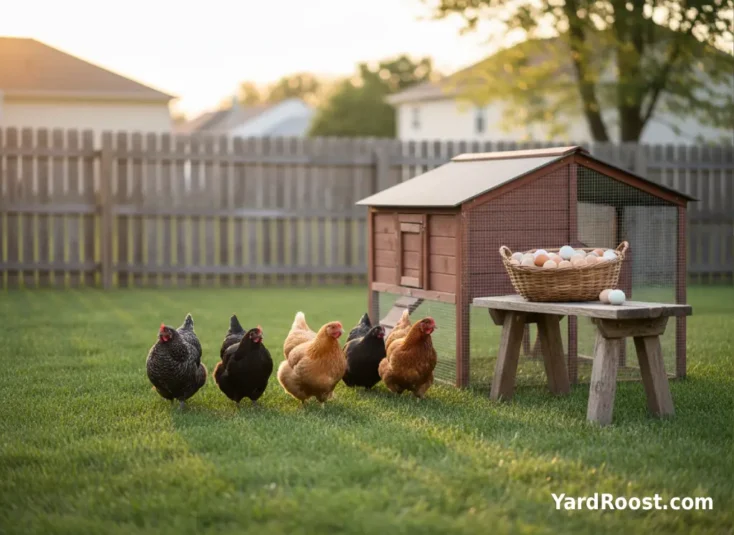
The best chickens for beginners aren’t always the ones with the flashiest egg counts—they’re the ones that fit your space, your climate, and your daily routine. For many first-time keepers, that means calm dual-purpose breeds like Barred Plymouth Rocks, Australorps, Buff Orpingtons, and Rhode Island Reds, plus (optionally) a couple sex-link hybrids if you want a steady stream of eggs sooner. If you love the idea of white eggs and high production, Leghorns can be excellent, but they often demand more patience with handling and containment.
As you plan your first flock, remember that raising chickens for eggs for beginners is half breed choice and half setup. Give your birds adequate space, nest boxes that make sense, and a predictable routine—then use seasonal tweaks (especially day length and heat management) to keep production steady. Finally, take biosecurity and hygiene seriously. Quarantine new birds, wash hands after coop time, and keep your flock area treated like its own “clean zone.” Do those things, and your first egg basket will feel less like luck and more like a system you can repeat.