Yes, you can eat a cockerel, and yes, you can eat roosters too. A cockerel is simply a young male chicken, while a rooster is an adult male. From a practical backyard flock perspective, the bigger question is not whether they are edible, but whether they will be tender, meaty, and worth the time you put into processing and cooking. North Dakota State University Extension notes that cockerels are male chicks under a year old and roosters are males over a year old, and that males may be kept for meat production.
That difference matters in the kitchen. Younger birds are usually more tender, while older roosters tend to be leaner, firmer, and better suited to slow cooking. Purdue Extension describes broilers and fryers as younger birds with tender meat, while University of Kentucky material notes that meat becomes coarser and tougher as roosters age.
For beginner to intermediate backyard chicken keepers, this is where expectations matter most. If you hatch your own chicks or buy straight-run birds, extra males often end up being part of the flock plan. Some are fine for the table. Others will give you more soup, stew, or stock than neat breast meat. Below, we’ll sort out what rooster meat is actually like, when a cockerel makes the most sense for eating, and how to handle it safely and cook it so your effort pays off.
The Short Answer
You can eat a cockerel. You can also eat a rooster. Male chickens are edible just like hens, but the eating quality depends heavily on age, breed, and how the bird was raised. Backyard cockerels from egg-laying or dual-purpose lines are usually leaner and often produce less breast meat than birds bred specifically for meat. Minnesota Extension notes that chickens can be raised for meat on a small scale, and Ohio State points out that meat strains are selected to grow faster and produce marketable cuts more efficiently.
For most small flock keepers, the plain-English version is this: a young cockerel can be good eating, while an older rooster is usually better treated as a slow-cook bird. That does not make older roosters unusable. It just means you should expect a firmer texture and plan meals accordingly.
What Rooster Meat Is Actually Like
Rooster meat is usually leaner and more muscular than what most people expect from store-bought chicken. That is especially true if the bird came from an active backyard flock instead of a commercial meat strain. Older males tend to have more developed leg and thigh muscles, less fat, and a firmer bite. University of Kentucky notes that when chickens take longer to reach market weight, the meat tends to become coarse, stringy, and tough as the rooster ages.
This is where beginner expectations can go sideways. A common mistake we see is assuming a backyard rooster will cook exactly like a supermarket fryer. Usually it will not. Even a young cockerel from an egg breed can be narrower through the breast and a little chewier. That does not mean it is poor quality. It usually means the bird is better matched to roasting, braising, soup, shredded meat dishes, or stock than to quick-cooked boneless portions.
If you want the easiest eating experience, look for these signs:
- A younger bird rather than a full mature rooster.
- A heavier dual-purpose or meat-leaning breed rather than a slim egg line.
- A cooking method with moisture and time if the bird feels firm or dense.
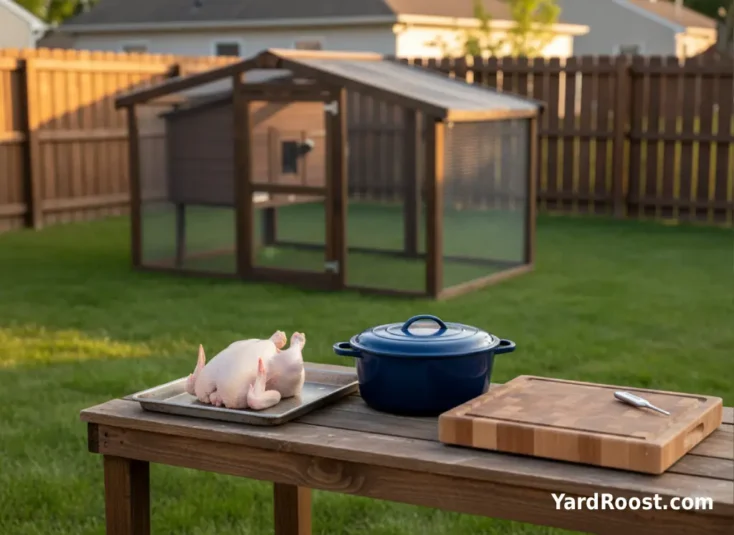
Best Age and Type of Bird for the Table
In practical terms, younger is usually better for tenderness. Purdue Extension describes younger meat birds as more tender, while older birds are a different category in the kitchen.
| Bird Type | What to Expect | Best Kitchen Use |
|---|---|---|
| Cockerel | Leaner than store chicken, but often more tender than a mature rooster | Roasting, braising, grilling in pieces if still young and not too tough |
| Older Rooster | Firmer muscle, less fat, often tougher | Soup, stew, pressure-cooking, stock, long braises |
| Meat-Bred Male | More muscle and better yield | General table use, including roasting |
| Egg-Breed Male | Usually lighter and less efficient for meat | Smaller meals, soup, stock, shredded dishes |
If you hatch chicks from laying breeds, the extra cockerels can absolutely be eaten, but they are rarely the most efficient meat birds. NDSU Extension notes that males are kept for meat production, and Ohio State points out that meat birds are bred to grow faster and produce better meat yield.
A good rule for backyard keepers is to decide early what your goal is. If your goal is freezer meat, raising random extra roosters from an egg flock is workable but not especially efficient. If your goal is reducing waste and using birds responsibly, a cockerel can make very good table fare.
How to Cook Cockerel and Rooster Meat So It Turns Out Well
The fastest way to ruin rooster meat is to cook it like a tender supermarket chicken when it is not one. Lean, older birds usually need moisture and time. That means braising, stewing, pressure-cooking, or making stock first and then picking the meat. A younger cockerel gives you more flexibility, but even then, slower cooking often gives the best result.
Three approaches work especially well:
- Braise it: Brown the pieces first, then cook covered with liquid until the legs and thighs relax easily.
- Use it for soup or stew: This is often the best match for a mature rooster.
- Cook whole only when the bird is still young: Small, younger cockerels can roast well, but watch texture closely instead of relying on appearance.
A common mistake we see is slicing into the breast, finding it a little firm, and assuming the whole bird is a failure. With backyard males, dark meat and shredded preparations are often the real win. Another mistake is undercooking because the bird “looks done.” USDA says all poultry should reach a safe minimum internal temperature of 165°F, measured with a food thermometer.
If you are working with a mature rooster, think less “Sunday roast” and more “deep-flavored stew pot.” That shift in expectations fixes a lot of disappointment.
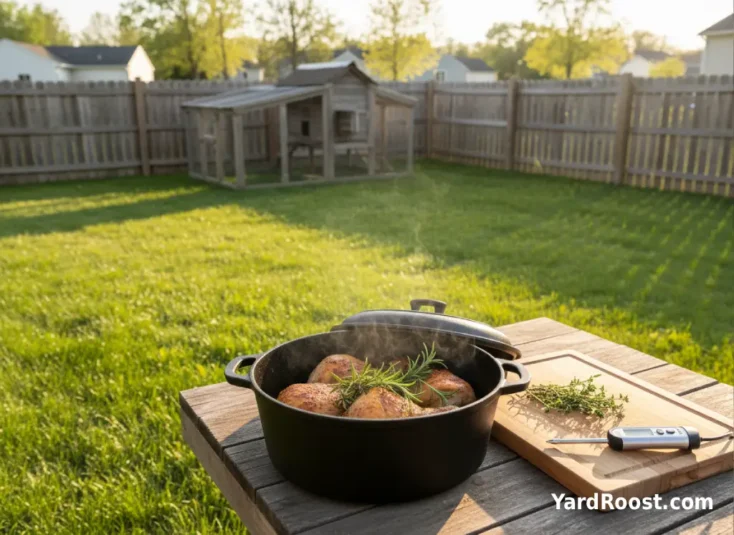
Processing and Food Safety Basics
If you plan to eat a cockerel or rooster from your own flock, cleanliness matters just as much as cooking method. Minnesota Extension notes that older birds can be harder to cut during processing, which is another reason beginners should work carefully and avoid rushing.
Keep the basics simple and strict:
- Chill the carcass promptly after processing.
- Keep raw poultry and its juices away from ready-to-eat foods.
- Use a thermometer instead of guessing doneness by color.
- Wash hands, tools, and surfaces thoroughly after handling birds or raw meat.
CDC warns that backyard poultry can carry Salmonella, and advises washing hands with soap and water right after touching birds, eggs, or anything in their environment. CDC also advises not eating or drinking around birds and supervising young children around flocks.
For kitchen safety, USDA recommends cooking all poultry to 165°F.
Also keep your local rules in mind. Processing birds for your own household is different from selling meat, and local ordinances or state rules may apply. Check your area before making it part of your flock plan.
Common Mistakes to Avoid
Most problems with rooster meat come from planning mistakes, not from the bird being inedible.
- Keeping too many males too long: Feed costs climb, birds may become harder to manage, and the meat usually gets tougher with age.
- Expecting egg-breed cockerels to dress like broilers: They often will not. Plan for smaller portions and different recipes.
- Using fast, dry cooking on a tough bird: Older roosters usually want slow, moist heat.
- Skipping the thermometer: Safe poultry is about internal temperature, not guesswork.
- Ignoring hygiene: Raw poultry handling and live-bird contact both carry food-safety risks.
A common mistake we see is waiting until a rooster has become a flock problem, then deciding to process him without a cooking plan. That often leads to a bird that feels disappointing at the table. Decide earlier whether a cockerel is being grown for meat, stew, or stock, and your expectations will line up much better with the result.
For flock setup and daily management, it also helps to think ahead about how many straight-run chicks you really want to raise and whether your housing can handle extra males.

Should Backyard Keepers Raise Cockerels for Meat?
For some backyard keepers, yes. Raising cockerels for meat can be a practical way to use surplus males, especially if you hatch your own chicks and do not want to rehome roosters into an already crowded market. NDSU Extension notes that male birds may be kept for meat production, which fits the reality many small flock owners face.
That said, it works best when your expectations are realistic. Cockerels from laying breeds are rarely the most feed-efficient meat birds. If your goal is the best meat yield for the feed bill, purpose-bred meat chickens are usually the better choice. Ohio State notes that Cornish Cross is the most common meat bird because its genetics favor faster growth and marketable muscle.
If your goal is responsible flock management rather than maximum efficiency, eating cockerels can make good sense. It can reduce waste, make your hatch plans more sustainable, and give you flavorful meat for soups, braises, and family meals. Just build your flock plan around housing, temperament, freezer space, and your actual willingness to process and cook those birds.
Final Take
So, can you eat a cockerel? Absolutely. You can eat cockerels, roosters, and other male chickens, and many backyard keepers do. The better question is how to make the most of the kind of bird you have. A younger cockerel is usually easier to cook and more likely to give you a tender result. A mature rooster is still useful, but he is often better treated like a soup bird or braising bird than a quick weeknight roast. Extension sources consistently separate younger, more tender meat birds from older, firmer birds, and that is the key practical takeaway for backyard flocks.
For most small flock owners, success comes from matching expectations to reality: know your breed, do not wait too long if tenderness matters, use a thermometer, and lean into slow cooking when the bird is older or lean. That approach usually turns rooster meat from a frustrating experiment into a useful, flavorful part of your flock plan. If you keep extra males, that can be one of the most practical ways to handle them responsibly.
Sources Mentioned: North Dakota State University Extension, University of Tennessee Extension, Purdue Extension, University of Kentucky, University of Minnesota Extension, Ohio State University Extension, USDA Food Safety and Inspection Service, CDC.