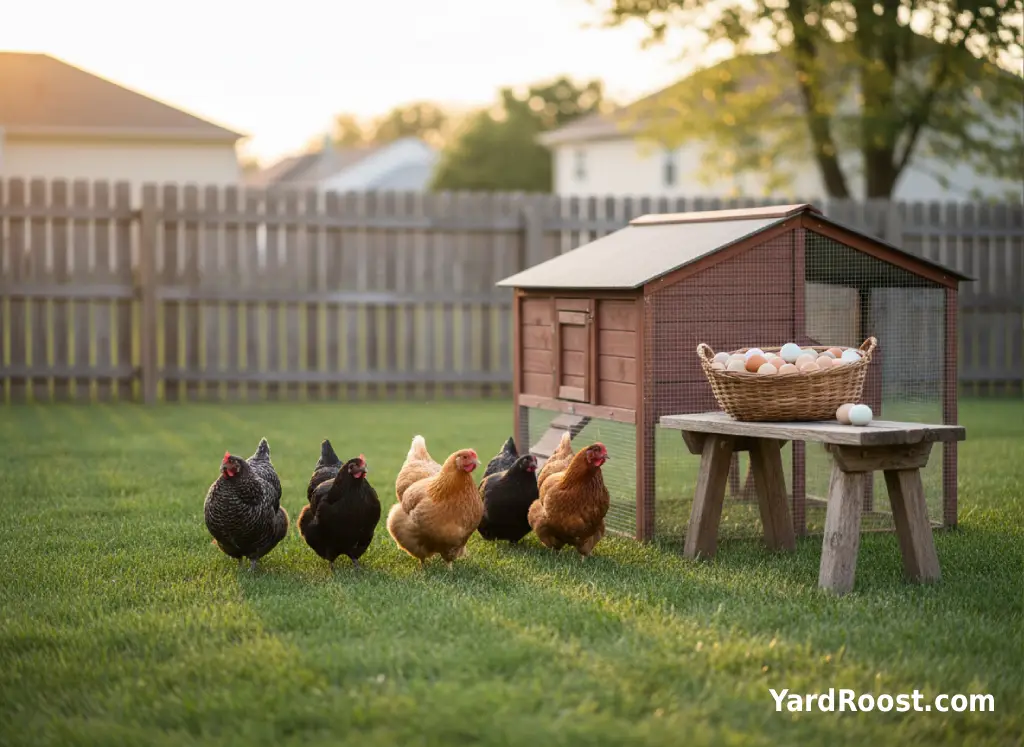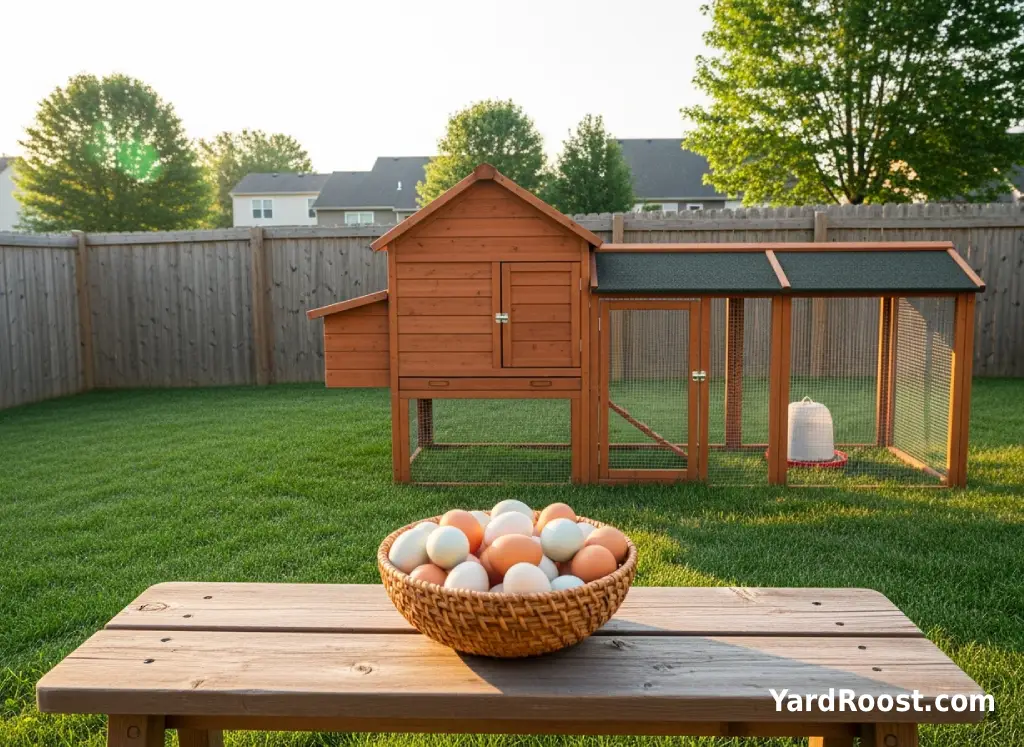
Raising chickens can be cheaper than people assume, or surprisingly expensive, depending on one big thing: how you build (or buy) your setup. The birds themselves are usually the smallest line item. The coop and predator-proof run are where budgets either stay sane or go off the rails fast.
This guide breaks costs into two buckets: what you pay once to start raising chickens (infrastructure and gear), and what you pay every month and year (feed, bedding, health, replacements). We’ll also run through common “how much does it cost to raise 2 chickens / 10 chickens / 100 chickens” questions, plus what changes if you’re raising chickens for eggs versus meat birds.
One note from the YardRoost Editorial Team: backyard chicken costs are rarely “one-and-done.” Most keepers upgrade something in year one—better latches, more run coverage, a larger feeder—because chickens have a way of revealing weak points. If you plan for those upgrades up front, you’ll enjoy the hobby a lot more.
What Drives the Cost Most
If you want a quick, honest answer to “how much does it cost to raise chickens,” focus on these cost drivers first:
- Coop and run build quality: A lightweight “starter coop” may look affordable until you replace it (or repair it) within a season or two. A sturdier build costs more up front but can lower long-term costs.
- Predator pressure in your area: If you have raccoons, hawks, neighborhood dogs, or coyotes, you’ll likely spend more on secure fencing, roofing, and latches.
- Flock purpose: Egg layers are a steady, long-term expense. Meat chickens are a short, intensive expense (lots of feed quickly, often more processing equipment).
- Your feed strategy: Bagged feed versus bulk, waste control (good feeders), and how much your birds can forage all move the needle.
- Local rules and constraints: Some cities require permits, limit flock size, or restrict roosters—costs vary, so check ordinances/HOA rules.
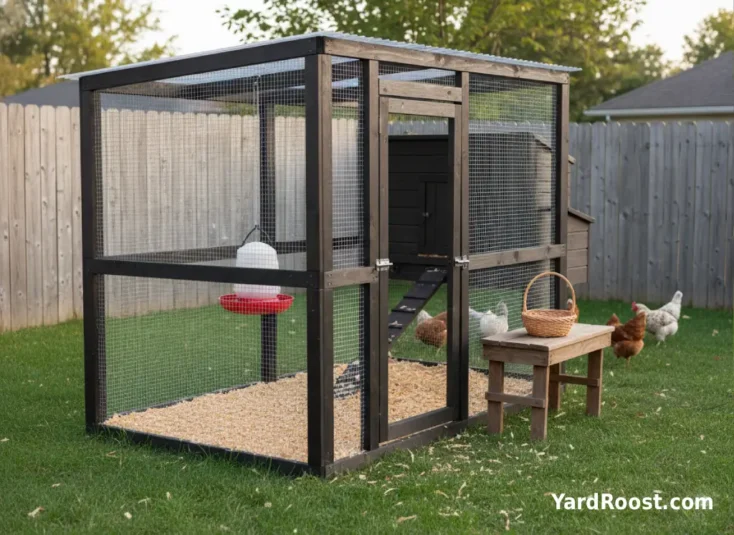
One practical planning detail: many housing recommendations for small flocks suggest around 3–4 square feet per laying hen inside and about 10 square feet per hen outdoors (run/pasture), which affects how big (and costly) your setup needs to be.
Startup Costs to Start Raising Chickens
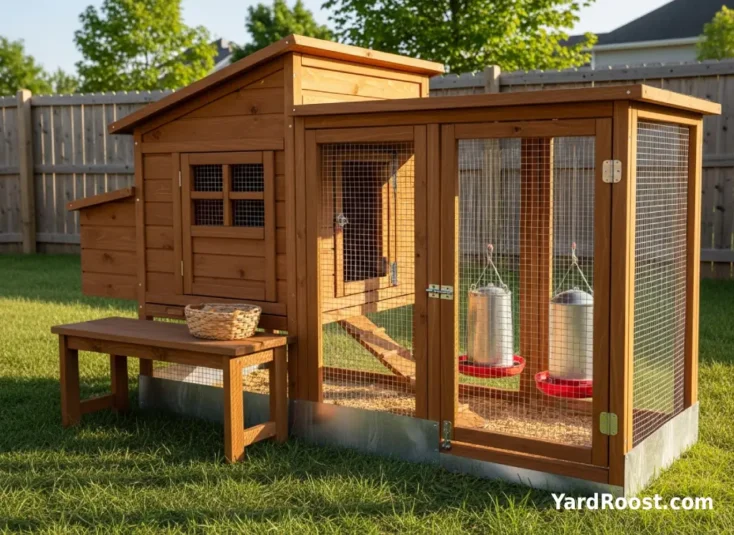
Startup costs are the “big swing.” Here’s what typically lands in the first receipt pile:
- Coop + covered run: Whether you build or buy, plan for weatherproofing, ventilation, and predator resistance.
- Predator-proof materials: Hardware cloth, screws, staples, and secure latches are common upgrades even for prebuilt coops.
- Feeders and waterers: Buying once (sturdier, easy to clean, harder to tip) can reduce waste and frustration.
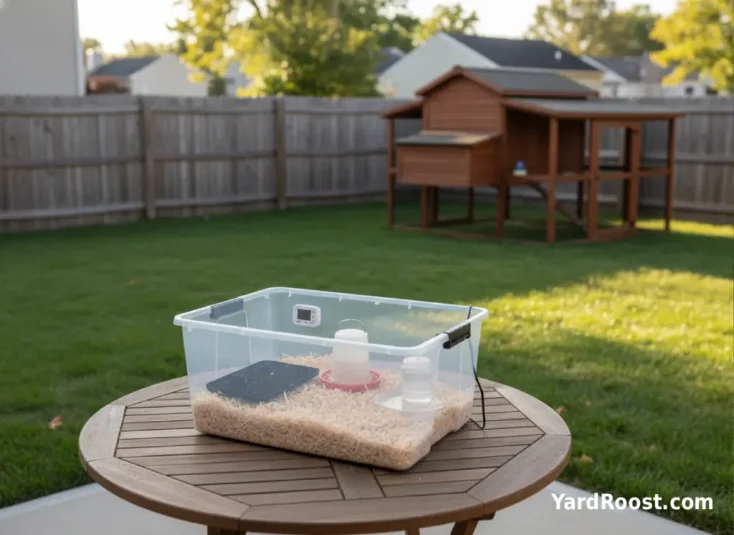
- Brooder gear (if starting with chicks): a brooder bin, bedding, heat source, thermometer, and chick-sized feeders/waterers — see our guide to setting up a chick brooder for a simple checklist.
- First birds: Chicks are cheaper than started pullets, but pullets can shorten the “no eggs yet” window.
- Basics you forget: Grit (as needed), oyster shell (for layers), a safe storage bin for feed, and a small first-aid style “supplies box” for minor issues (not medications).
A common mistake we see is under-building the run. People budget for a coop, then realize the run needs a roof (hawks), dig protection (raccoons/dogs), and better door hardware.
A Simple 6-Step Cost Estimate for Your Flock
If you don’t want to guess, use this quick process (it works for 2 hens, 10 hens, or 100 birds):
- Step 1: Choose your purpose: eggs, meat, or a mixed flock.
- Step 2: Set your target flock size (2, 6, 10, 25, 100) and confirm local rules.
- Step 3: Price your one-time setup: coop, run, predator-proofing upgrades, and brooder gear.
- Step 4: Estimate feed using a simple intake rule (examples below) and your local feed price.
- Step 5: Add “monthly keepers”: bedding, replacements, grit/oyster shell (layers), and utilities.
- Step 6: Add a surprise cushion (repairs, vet visit, predator damage, heat/cold gear) and call it your real budget.
Our editorial rule: if your plan has zero “oops money,” it’s not a plan—it’s a wish. Even a modest cushion can keep a broken latch from turning into a costly disaster.
Ongoing Costs Per Year to Raise Chickens for Eggs
For egg layers, the “yearly cost” question usually comes down to feed plus the small, steady stuff you buy all year.
Feed:
A common rule of thumb is about 0.25 lb of feed per laying hen per day (weather, breed, and waste can change this). That works out to about 91 lb of feed per hen per year. For help choosing the right ration and understanding what’s actually in the bag, see our guide on feeding backyard chickens.
Use this formula (no guessing):
Yearly feed cost ≈ (0.25 lb × 365 × number of hens ÷ 50 lb) × (your price per 50-lb bag)
Bedding:
Pine shavings, chopped straw, or similar bedding is usually a recurring cost. Your costs depend on how you manage moisture and odor (dry bedding lasts longer; wet bedding doesn’t).
Replacement and wear items:
Feeder parts, waterer seals, bulbs for a storage shed light, extra clips, and hardware. These small purchases add up, especially in year one.
Optional but common:
Oyster shell for laying hens, extra winter water gear to keep water available, and occasional soil/sand refresh in high-traffic run areas.
If you want to reduce yearly costs without cutting corners, focus on feed waste. A feeder that keeps feed dry and off the ground can pay for itself surprisingly fast.
How Much Does It Cost to Raise 2 Chickens or 10 Chickens?
Small flocks are where costs can feel “high per bird,” because your coop, run, and basic gear don’t shrink much just because you have fewer hens. Feed scales more predictably.
| Flock Size | Feed Math Using 0.25 lb/day | What Usually Surprises People |
|---|---|---|
| 2 hens | About 182 lb/year total (roughly 3.6 bags of 50 lb) | Setup costs feel “big” because they don’t scale down much |
| 10 hens | About 913 lb/year total (roughly 18.3 bags of 50 lb) | Feed storage and water capacity start to matter |
Two practical tips for budgeting small flocks:
- Plan your setup for your “future flock,” not just your starter birds. Many keepers add 2–6 hens later.
- Price feed by the month, not the bag. If your birds burn through a bag faster in winter (or waste more), you’ll see it immediately and can adjust.
Feed intake guidance for layers is commonly summarized by Extension services at about 0.25 lb per hen per day.
How Much Does It Cost to Raise Meat Chickens?
Meat birds tend to be a shorter project with a different cost shape: you spend a lot on feed in a short window, plus you may have processing-related costs.
Feed is still the big lever. One practical guideline used in youth broiler management materials is that modern broilers can gain about 1 lb of body weight for each ~2 lb (or less) of feed eaten (feed conversion varies by strain and management).
Instead of guessing a dollar amount, build your estimate like this:
- Pick a target processing weight (ask your hatchery/producer line what’s typical for your strain).
- Estimate total feed per bird using a conservative feed conversion assumption (worse conversion = higher feed cost).
- Add brooder costs (bedding, heat source, chick feed) if starting with day-old chicks.
- Add processing costs (equipment, fees, chilling supplies) based on how you’ll handle it locally.
Editorial note: the hidden cost with meat birds is often logistics. If your freezer space is limited or your processing plan is vague, you can end up making pricey last-minute choices.
How Much Does It Cost to Raise 100 Broiler Chickens or 100 Chickens?
Once you get to 100 birds, the question becomes less “how much is a bag of feed” and more “how do I build a system that doesn’t waste time, feed, or birds.”
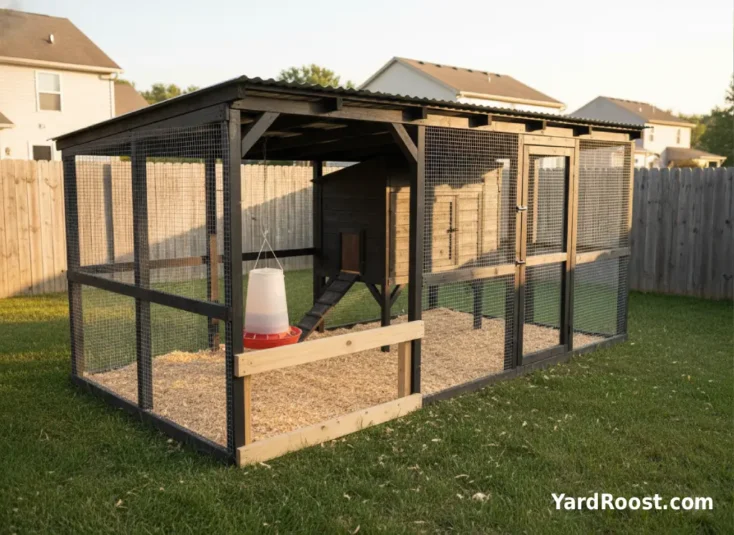
Space drives infrastructure. If you follow common small-flock guidance of about 3–4 square feet per bird indoors and (for layers) about 10 square feet per bird outdoors, you’re talking about real square footage and real material costs.
Feed becomes a scheduled supply chain. Layer feed intake is often estimated around 0.25 lb/hen/day, meaning 100 laying hens could go through roughly 25 lb/day—about a 50-lb bag every two days, give or take.
Two budget rules for big flocks:
- Overbuild your storage: Rodent-proof feed bins and a dry place to store bedding will prevent spoilage losses (which are real dollars).
- Price your time: If chores take 90 minutes daily, that’s a cost even if it’s not on a receipt.
Hidden Costs and “Surprise” Expenses
These are the “why didn’t anyone tell me?” expenses that show up often:
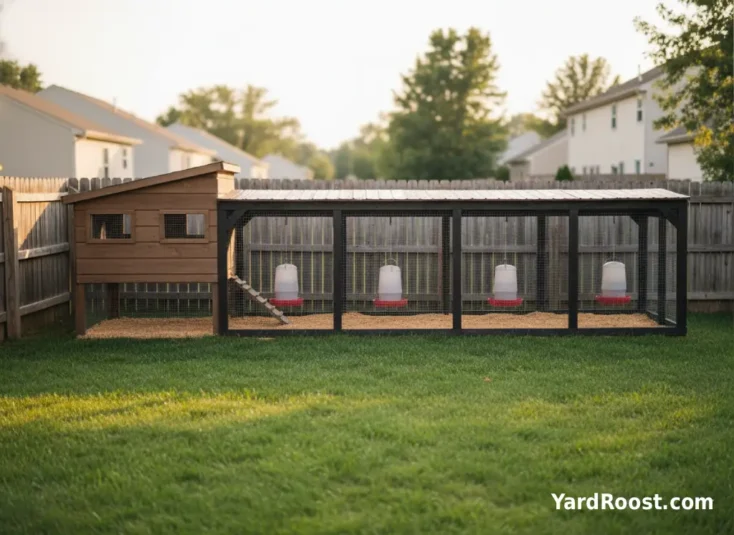
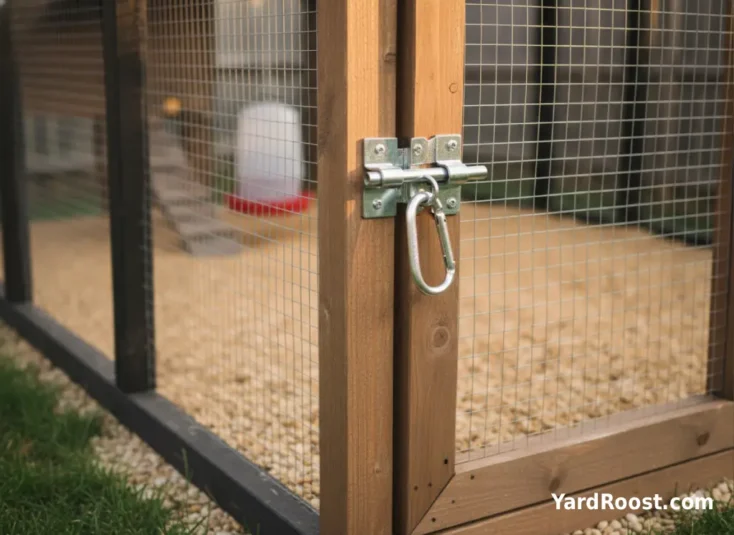
- Predator-proofing upgrades: Better latches, buried apron/skirt, extra roof coverage, patch repairs after a close call.
- Wear and tear: Waterers crack, hoses freeze, feeders get damaged by UV or rodents.
- Replacement birds: Even well-kept flocks can lose a bird to age, predators, or weather events.
- Egg handling supplies: Cleaning materials, storage cartons/containers, and extra nest bedding when eggs get dirty.
If you want to keep surprise costs lower, do a monthly “10-minute inspection”: check latches, check for run gaps, verify vents are open and dry, and look for signs of rodents around feed storage.
Common Mistakes to Avoid
A few budget busters show up over and over:
- Buying “too small” on purpose: A tiny coop can force a full replacement when you add birds or realize cleaning is miserable.
- Underestimating feed waste: Open trays and flimsy feeders can leak money daily. Upgrade early if you see feed on the ground.
- Skipping predator-proofing until after a scare: One incident can cost more than the upgrades you avoided.
- Not budgeting for the off-season: Winter water solutions and run management for mud can be real, recurring costs.
A common mistake we see is focusing on the cost of the birds and ignoring the “support system.” Chickens are inexpensive; safe housing is not. If you’re tempted to cut a corner, make it something cosmetic—not something that stands between your flock and a raccoon.
When to Call an Avian Vet (and Budget for It)
We’re not veterinarians, but chicken-keeping budgets are more realistic when they include the possibility of professional help. Even if you never need it, knowing where you’d go (and what after-hours care looks like in your area) is part of responsible ownership.
Consider calling an avian vet (or a veterinarian comfortable with poultry) if you see urgent red flags like severe lethargy, repeated collapse, heavy bleeding, breathing distress, or rapid flock-wide illness. For cost planning, the most important move is simple: find clinics that will see chickens before you’re in an emergency, and set aside a modest “health cushion” for unexpected care.
For higher-level poultry health reference information, many keepers and veterinarians use resources like the Merck Veterinary Manual alongside Extension guidance (your vet is the decision-maker for diagnosis and treatment).
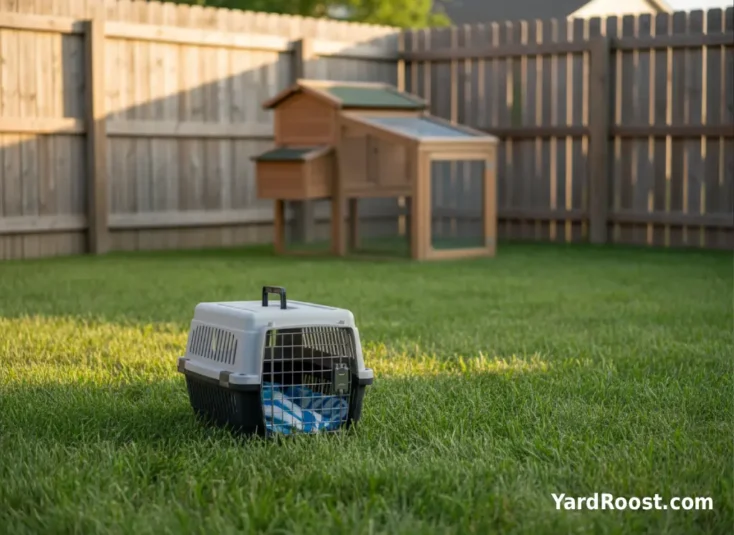
Biosecurity and Food-Safety Costs You Shouldn’t Skip
Some of the best “small expenses” are the ones that reduce risk: hand hygiene supplies, dedicated coop shoes, and a quarantine pen setup for new birds. These aren’t glamorous, but they can prevent the kind of outbreak or contamination event that becomes very expensive.
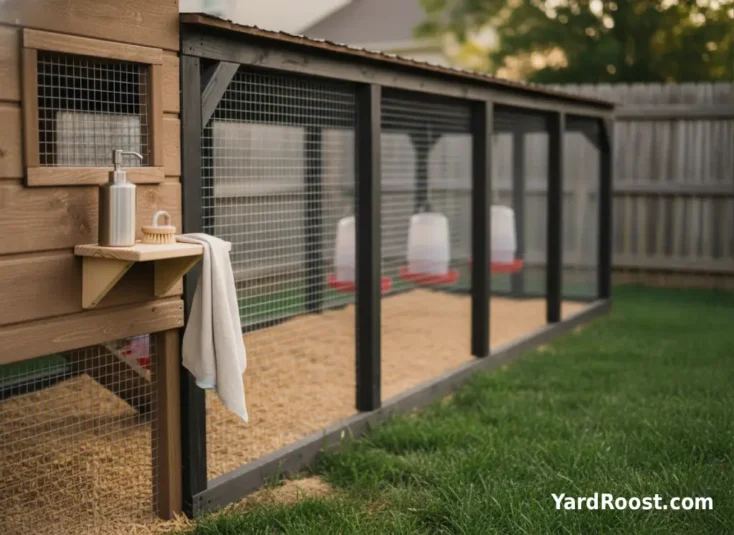
The CDC consistently recommends washing hands with soap and water immediately after touching backyard poultry, their eggs, or anything in the area where they live and roam (and using hand sanitizer if soap and water aren’t available). Budget-wise, that means keeping soap/sanitizer stocked and setting up a simple station near the coop.
Two practical, low-cost habits:
- Quarantine new birds: Even a temporary, separate area can reduce disease risk in your main flock.
- Keep feed sealed: Rodent control is both a health issue and a budget issue.
Bottom Line: What It Really Costs
So, how much does it cost to raise chickens? It depends—but not in a mysterious way. If you separate one-time setup costs from ongoing yearly costs, most of the “surprise” disappears. For egg layers, feed is usually your biggest predictable annual expense, and Extension-based rules of thumb (like roughly 0.25 lb of feed per hen per day) make it easy to estimate using your local prices.
For meat chickens, costs concentrate into a shorter timeline and swing with feed efficiency, housing choices, and processing plans. At larger flock sizes (like 100 birds), your system—space, storage, labor, predator control—matters as much as your receipts.
If you want the most budget-friendly path that still keeps birds safe, put your money into predator-proofing and waste reduction. A secure run and a good feeder can prevent the two most common money-losers we see: losses to predators and constant feed on the ground. Start with the formulas in this article, add a realistic cushion, and you’ll end up with a chicken budget that matches real life—not just the hatchery checkout page.