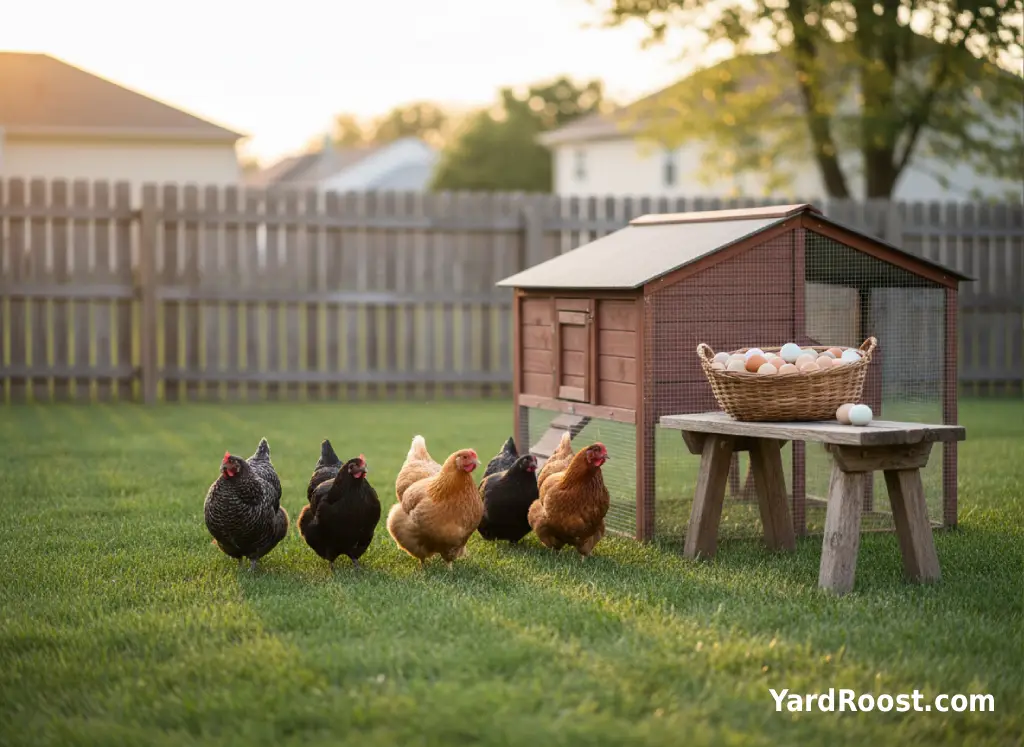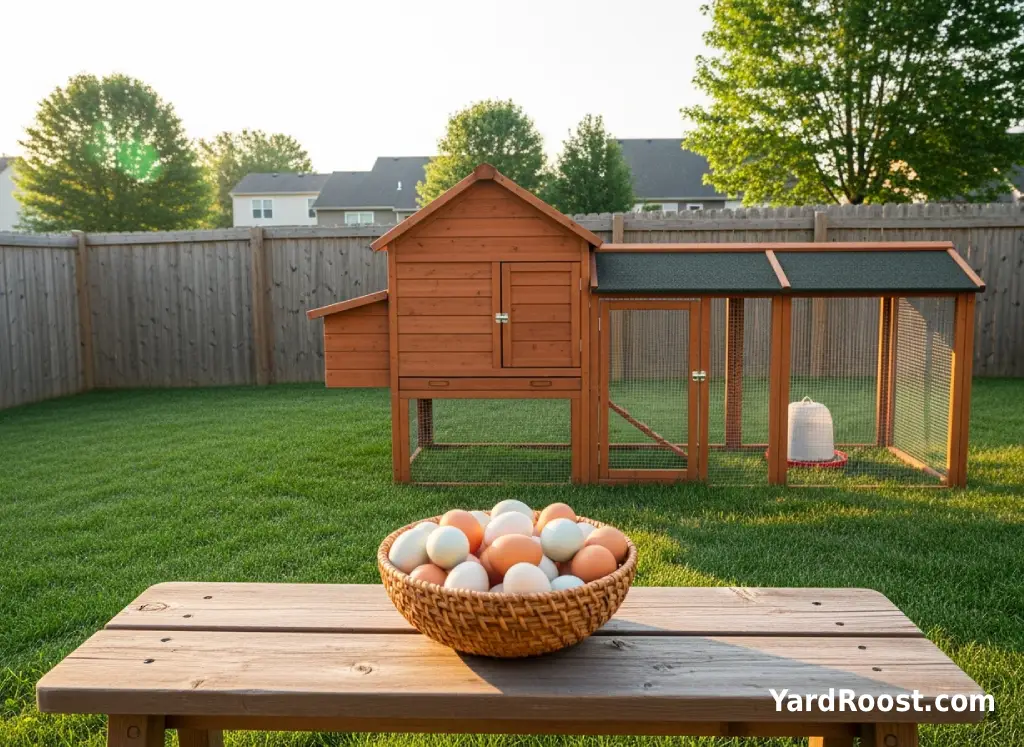
If you’re new to backyard birds, the words people toss around—chicken, hen, rooster, pullet, cockerel—can feel like a secret language. Then someone says “roost,” and suddenly you’re wondering if that’s another kind of rooster. (It’s not.) The good news: the core difference is simple. “Chicken” is the species and the everyday umbrella term. “Hen” and “rooster” tell you the sex and maturity of the bird. Everything else is mostly age, stage, or farm slang.
Knowing the right term isn’t just trivia. It helps you buy the right birds, choose the right feed, set realistic expectations for eggs, and avoid the classic surprise crowing episode a few months after you bring home “pullets.” We’ll keep this practical and beginner-friendly, with quick ID cues and a few honest “we’ve seen this go sideways” notes from the YardRoost team.
Chicken, Hen, And Rooster: The Quick, Correct Meanings
Chicken is the general, all-purpose word: it can mean the species overall, a flock (“I have six chickens”), or an individual bird when sex doesn’t matter. A or is still a chicken. A hen is still a chicken. A rooster is still a chicken.
A hen is an adult female chicken. A rooster (also called a “cock” in some contexts) is an adult male chicken. That’s the heart of “hen vs rooster vs chicken” and every “chicken vs hen vs rooster” search you’ll ever do.
One key beginner myth to clear up: a rooster is not required for hens to lay eggs. A rooster is required for fertile eggs that can develop into chicks. (Sources: Poultry Extension by land-grant university specialists; University of Wisconsin Extension.)
| Term | What It Means | Why You’d Use It |
|---|---|---|
| Chicken | Any bird of the species (male or female, young or adult) | When sex/age isn’t the point |
| Hen | Adult female chicken | Egg production, flock planning, feed choices |
| Rooster | Adult male chicken | Breeding, behavior/noise planning, flock dynamics |
Pullet, Cockerel, Chick, And More: The Age And Stage Terms
This is where “chickens hens and cockerels” comes from—people mixing umbrella terms (chickens) with sex/age terms (hens, cockerels). Here are the ones you’ll hear most:
- Chick: a baby chicken (either sex).
- Pullet: an immature female chicken (not a full adult hen yet).
- Cockerel: an immature male chicken—this is the term for a “teen rooster” and the answer to “what is the term for a young rooster called?” in most backyard conversations.
- Capon: a surgically altered male chicken (not a DIY backyard project; it requires specialized handling).
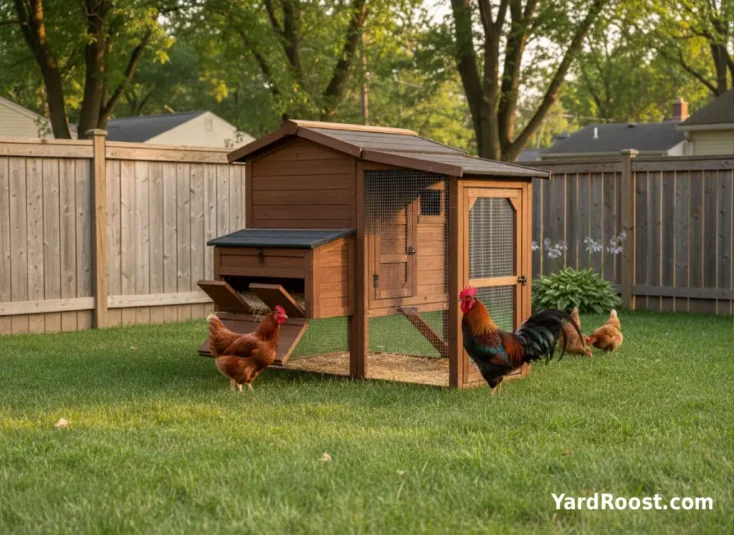
How To Tell A Hen From A Rooster (And Why Chicks Are Tricky)
Sexing adult birds is usually straightforward. Sexing chicks? That’s where “hen vs rooster chicks” searches come from—because it’s genuinely hard with many breeds. Some hatcheries can sex day-old chicks using trained vent sexing or sex-linked traits, but for the average backyard keeper, the most reliable “tell” is time.
Practical cues that often help as birds mature:
- Comb and wattles: cockerels often develop larger, redder combs earlier than pullets of the same breed.
- Legs and stance: many young males look thicker-legged and more upright.
- Feathering: as they approach maturity, males commonly show more pointed saddle/hackle feathers and more dramatic tail feathering.
- Voice: early, awkward crowing is a classic giveaway—even if it sounds like a squeaky toy at first.
About “what color is a rooster?”: there isn’t one rooster color. Color depends on breed and variety. That said, in many traditional breeds, males tend to have bolder patterning and shinier, more iridescent feathering than females.
A common mistake we see is assuming a bird is a pullet because it’s “quiet.” Some cockerels stay fairly quiet until they hit a social or maturity milestone—then the crowing starts seemingly overnight.
What Is The Purpose Of A Rooster?
Most backyard keepers keep roosters for one main reason: fertile eggs (meaning eggs that could hatch into chicks if incubated). Without a rooster, eggs are still laid, just not fertilized. (Sources: Poultry Extension; University of Wisconsin Extension.)
Roosters can also influence flock dynamics. Many owners notice their rooster:
• stays watchful and gives alarm calls
• breaks up minor squabbles or “herds” hens toward food
• mates with hens (which can be hard on individual hens if the ratio or temperament is off)
That last bullet matters. If you’re considering adding a rooster, plan for management: enough space, a way to separate birds if needed, and a realistic view of noise. Roosters are also a “personality pick”—two roosters of the same breed can behave very differently.
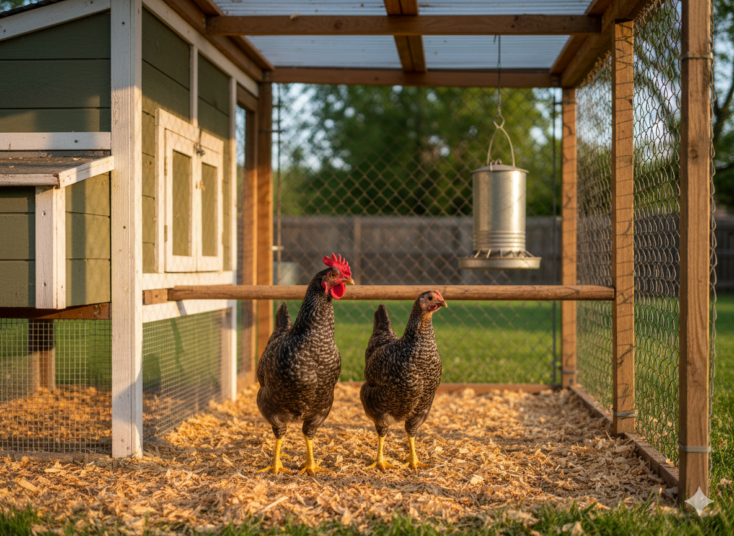
What Is A Roost?
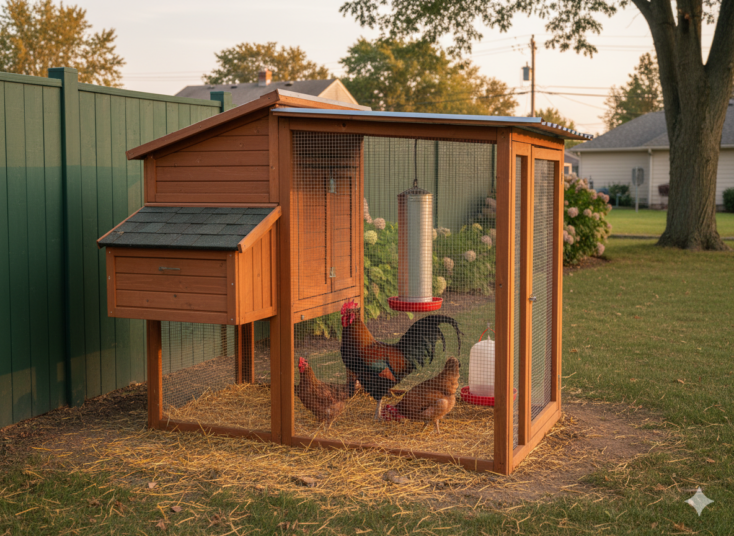
A roost is a perch where chickens rest and sleep, especially at night. Chickens naturally prefer to sleep up off the ground when they can. (Sources: University of Minnesota Extension; Alabama Cooperative Extension.)
This is the “roost” in “what is a roost”—and it’s completely separate from “rooster.” Roost = the place (or the act of perching). Rooster = an adult male chicken.
If you’re building or upgrading your coop, roost design affects cleanliness and pecking-order peace. A solid starting point is a smooth, stable perch that’s easy to clean, placed so birds can hop up without smacking into walls or each other.
Keeping Roosters In The Backyard: Noise, Rules, And Planning Ahead
Roosters are where backyard chicken keeping runs into real-world constraints: neighbors, noise, and local rules. Many cities and HOAs restrict or ban roosters, even when hens are allowed—so check your local ordinances before you get attached to the idea of hatching chicks.
Two practical planning tips:
- Have a backup plan before you buy straight-run chicks (unsexed). That could be a friend who can rehome a rooster, a local farm, or a poultry swap group that actually accepts roosters.
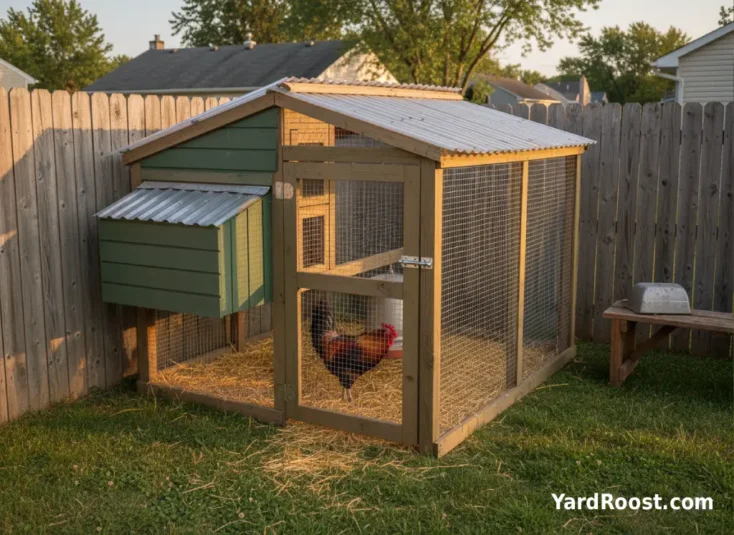
- Build a “separation option” into your setup—an extra pen, a divided run, or a spare dog crate for short-term management. You don’t want to invent this plan at 6:15 a.m. when the crowing starts.
If your goal is eggs only, a hen-only flock is usually simpler. If your goal includes breeding, flock protection behavior, or the full “barnyard vibe,” a rooster can be the right fit—just go in with eyes open.
Common Mistakes To Avoid
Most “hen vs chicken vs rooster” confusion doesn’t hurt anything—until it leads to the wrong purchase or the wrong expectations. Here are the big ones we see over and over:
- Buying “pullets” without confirming: If you’re paying pullet pricing, ask the seller what age they are and how they were sexed.
- Assuming quiet means female: Some cockerels don’t crow much until they do. Suddenly.
- Expecting a rooster to improve egg production: He won’t make hens lay more; his role is fertilization, not egg output. (Sources: Poultry Extension; University of Wisconsin Extension.)
- Keeping a problem rooster too long: Aggression and spurs can become a safety issue, especially around kids. (Sources: Ohio 4-H poultry resources; veterinary poultry health guidance.)
A common mistake we see is waiting until the rooster is “fully grown” to decide what to do. If you’re on the fence, decide early—re-homing is usually easier before habits and hormones are in full swing.
Safety Basics Around Roosters, Hens, And Chicks
Whether you keep hens only or add a rooster, two safety themes matter: physical handling and hygiene.
Handling:
Roosters can be protective, and spurs can cause real injury if a bird jumps or kicks. If you have children, set clear rules: no chasing, no cornering, and no carrying birds without an adult. If a rooster repeatedly targets people, treat that as a serious management problem (not a phase you ignore). (Sources: Ohio 4-H poultry resources; veterinary poultry health guidance.)
Hygiene:
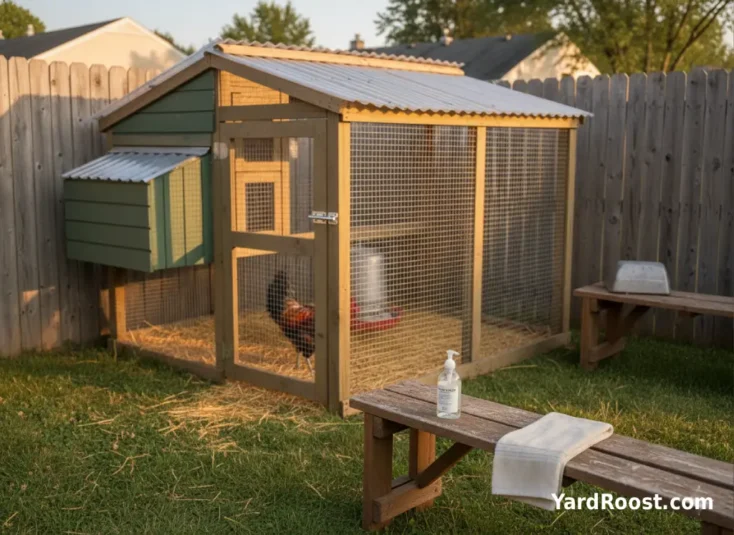
Backyard poultry can carry Salmonella germs even when they look perfectly healthy. The CDC’s guidance is straightforward: wash hands with soap and water right after touching poultry, eggs, or anything in their environment, and supervise young kids closely. (Source: CDC Healthy Pets, Healthy People / backyard poultry guidance.)
Once you get the hang of it, the language becomes second nature: chicken is the umbrella term, hen and rooster describe adult sex, and pullet/cockerel describe the “not quite adult yet” stage. And the roost? That’s simply where everyone sleeps, whether you’ve got a calm hen-only group or a loud rooster holding court at dawn.
If you remember nothing else, remember this: hens lay eggs with or without a rooster, and chick sexing is often a waiting game unless you’re working with a hatchery or a sex-linked breed. Planning for that reality—especially if you buy straight-run chicks—will save you stress later. The best backyard setups are the ones that match your goals (eggs, breeding, family pets, or all of the above) and your constraints (neighbors, rules, space, and time).
When you’re ready, the next step is building a flock plan you can actually live with: how many birds, whether you’re okay with the chance of a cockerel, and how your coop/run layout supports safe handling and easy daily care. That’s the kind of “boring” prep that makes chicken keeping feel fun instead of chaotic.