If you’ve ever walked out to the coop and found a missing egg, chewed bedding, or a panicked hen at night, it’s normal to wonder: can rats eat chicken—and how bad can it get? Here’s the honest, safety-first answer: rats are opportunistic omnivores. In chicken spaces, they’re usually after the “easy calories” first (feed, eggs, and sometimes chicks), but a big infestation can escalate into real injuries, especially to young birds. University extension guidance commonly notes rats are most associated with egg and chick losses, and in rare cases they may attack birds when pressure is high and food is scarce.
This article sticks to practical steps you can do this week—without gimmicks. We’ll cover what rats target, whether a rat can kill a chicken, how to rat-proof your coop and run, how to protect eggs and chicks (including from snakes that take eggs), and why bait/poison can backfire around poultry.
Yes, Rats Can Eat Chicken, but Here’s What They Usually Target First
In most backyard coops, rats aren’t “hunting chickens” the way a fox does. They’re exploiting what’s accessible. Extension resources commonly emphasize that rats and mice eat poultry feed and can break, chew, or steal eggs, and rats are known to prey on chicks when they can get to them. Sources you’ll see referenced for this include Utah State University Extension and Oklahoma State University Extension.
Here’s what rats tend to go after, in order:
- Feed: open bags, spilled scratch, loose crumble under feeders, and treats stored in cardboard.
- Eggs: they can chew shells, roll eggs, or carry smaller ones off if they have a hidden route.
- Chicks: especially in low pens, flimsy brooders, or runs with gaps.
- Damage and contamination: gnawing wood and wiring, nesting in insulation, and fouling areas with droppings/urine—creating a biosecurity mess (Mississippi State University Extension often stresses how much rodents ruin beyond what they eat).
Some keepers also wonder whether rats will mess with droppings or dirty bedding. They’ll investigate anything that smells like food, and they may root around in soiled litter if there are spilled crumbles, scratch, or kitchen scraps mixed in. The bigger issue is sanitation: droppings and damp bedding can attract flies and raise the overall germ load—so it’s more effective to keep the coop “boring” (no buffet, no hiding spots) than to worry about whether they’re literally eating manure.
Will a Rat Kill a Chicken? What’s Possible (and What’s More Common)
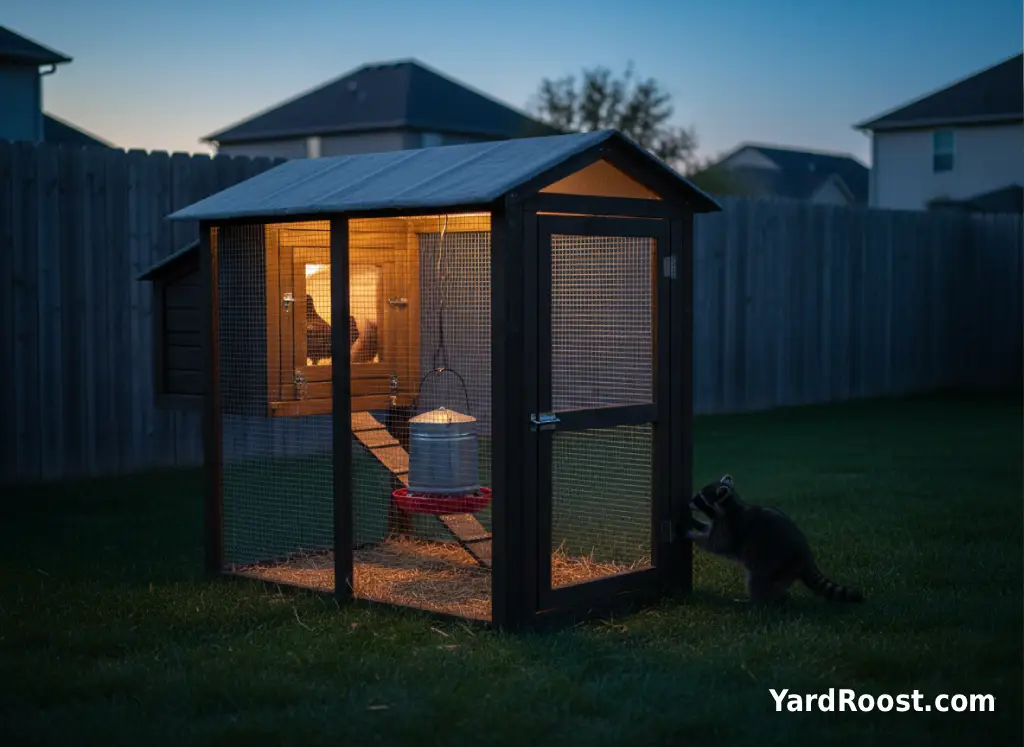
Most of the time, rats cause losses through eggs and chicks, not full-grown hens. That said, a severe infestation can become bold. Utah State University Extension has noted that when food is scarce and rat pressure is high, rats may raid coops at night and can attack juvenile—and in rarer cases adult—birds. That’s not meant to scare you; it’s meant to push you toward prevention early, before “a couple rats” becomes a colony.
Situations that raise the risk of a rat killing or badly injuring a chicken:
- Small or young birds. Bantams, juveniles, and chicks are simply easier targets.
- Night access. If rats can enter the coop after roost time, a sleeping bird is vulnerable.
- Narrow escape routes. Birds trapped in tight corners, low nest box areas, or cluttered brooder pens can’t get away.
If you suspect a chicken was injured by a rat, focus on immediate safety steps:
- Separate the injured bird into a clean, warm, quiet space with food and water.
- Improve security that same night: lock birds inside the coop; block gaps; set traps where chickens cannot reach.
- Plan to get professional help for significant wounds, shocky behavior, or heavy bleeding (see “When to Call an Avian Vet” below).
Why Rats Choose Coops: Food, Water, and the “Perfect Apartment” Under Your Floor
Rats don’t show up because your yard is “dirty.” They show up because a chicken setup can accidentally provide three essentials: steady calories, a water source, and safe cover. A feeder that spills even a handful of crumble daily can support rodents. A leaky nipple line, open waterer, or condensation under a coop can cover water needs. And the classic rat dream home is a sheltered void—like under a coop floor, under stacked lumber, behind stored feed cans, or inside a warm wall cavity.
A common mistake we see is trying to fight rats with one “silver bullet” (like a single trap) while leaving the buffet wide open. Rodent control works when you remove the easy food and the easy shelter at the same time.
Quick reality check: if you’re seeing rats in daylight, finding fresh burrows, or noticing feed disappearing fast, you’re likely dealing with a population that has moved from “visitors” to “residents.” That’s the moment to switch from casual cleanup to a system.
Rat-Proofing Your Coop and Run: A Simple Weekend Checklist
If you do only one thing, do this: assume rats can squeeze through surprisingly small gaps, climb well, and gnaw through weak materials. Many extensions recommend structural prevention—tight construction, secure barriers, and limiting access—because you’ll never trap faster than rats can reproduce if the coop stays welcoming.
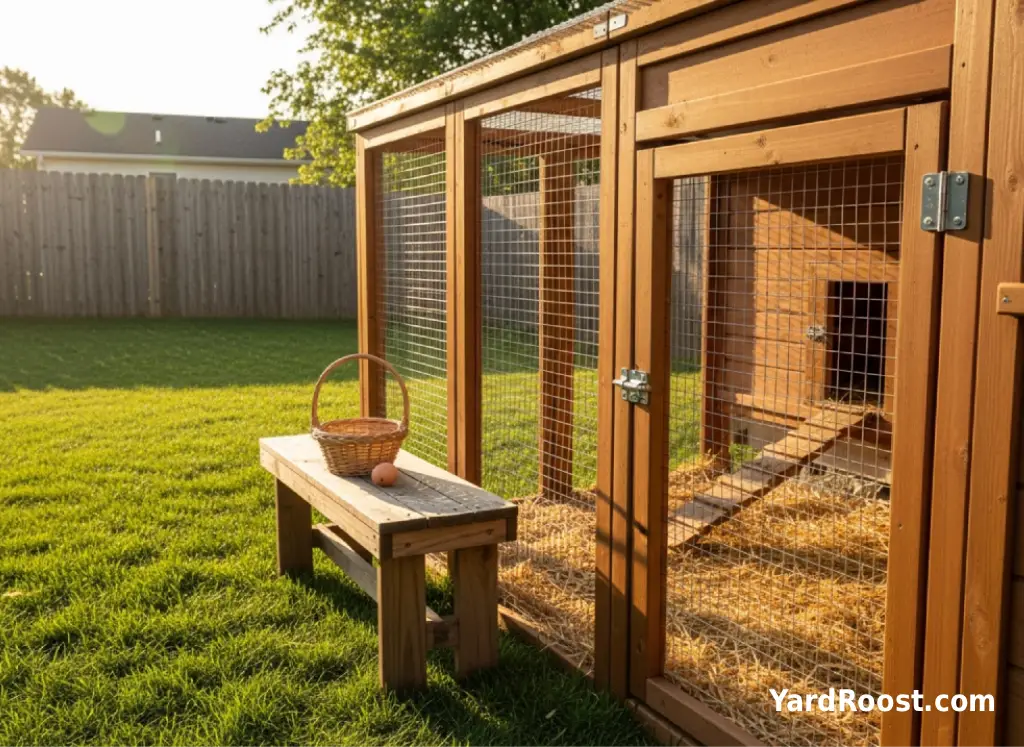
- Switch to hardware cloth (not chicken wire) where it matters. Use it on run walls, windows, vents, and any low openings. Pay extra attention to corners and seams.
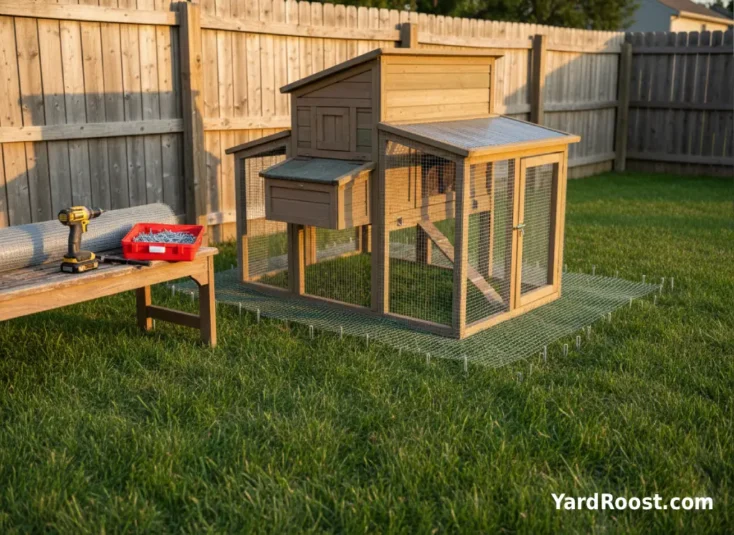
- Stop dig-ins with an apron/skirt. Extend hardware cloth outward along the ground at the perimeter and pin it down, or bury it. (Many predator-proofing guides, including veterinary references and extension predator resources, recommend an underground or outward barrier.)
- Seal gaps at floor level. Inspect the coop base, pop-door frame, corners, and where boards meet. If you can fit a fingertip in a gap, investigate it.
- Upgrade latches. Use a two-step latch (like a hasp plus a carabiner) on doors and feed rooms.
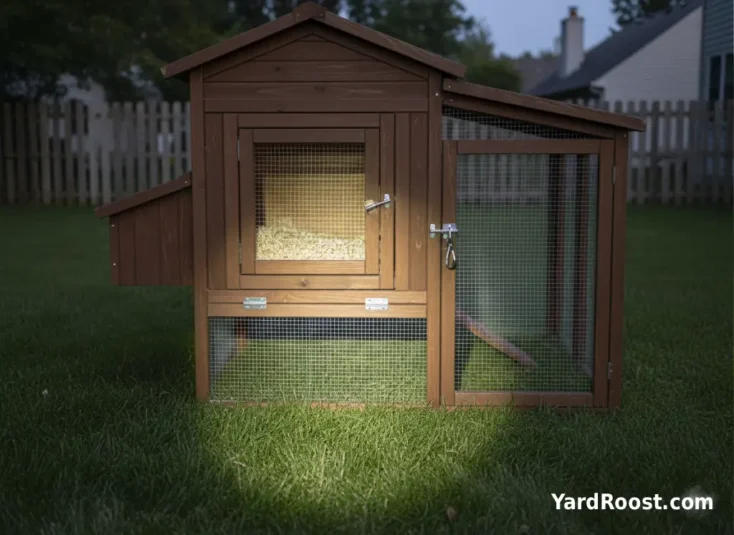
- Raise or block off “under-coop” space. Colorado State University Extension notes raising the coop can help discourage rats and snakes from taking up residence underneath; the goal is no hidden, undisturbed cavity.
Do Rats Eat Chicken Eggs and Chicks? How To Protect the Most Vulnerable
Yes—rats will eat eggs, and they’ll take chicks if access is easy. Multiple extension sources (including Oklahoma State University Extension and Utah State University Extension) describe egg damage/egg loss and chick predation as the most common “rat meets poultry” problem.
Make eggs and chicks harder to reach than your neighbor’s spilled birdseed:
Egg protection that actually works
- Collect eggs early and often. If you can, grab eggs midday and again near dusk during high-pressure seasons.
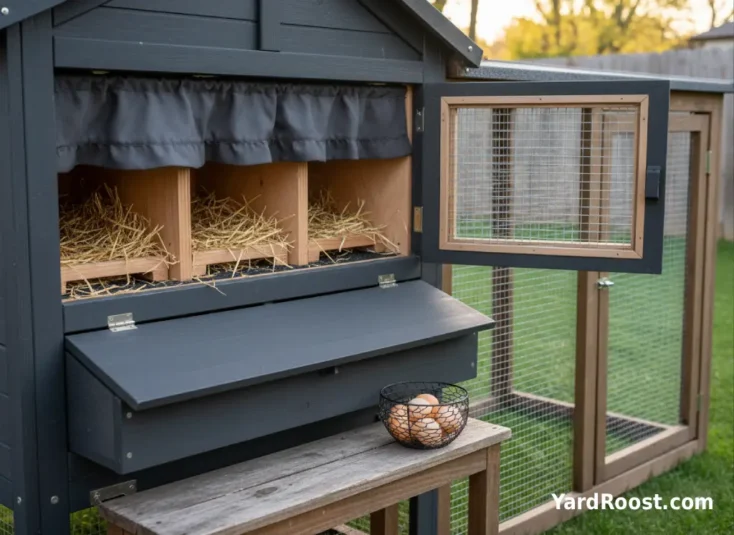
- Fix nest box access. Close gaps behind boxes and along the coop wall. Add a nest curtain to reduce visibility and discourage nighttime snooping.
- Consider roll-away nest trays. They can reduce egg breakage and make eggs less accessible to opportunistic pests.
Chick protection (brooder and early run)
- Use “no-gap” brooder walls and a secure lid. Cardboard alone is not a secure perimeter if rats are already around.
- When chicks graduate outside, use small-opening wire. University of Maryland Extension notes protecting young birds with wire openings too small for snakes to enter (rat wire/small mesh).
One more question that comes up often is do rat snakes eat chicken eggs? Snakes are commonly listed among possible egg predators by extension resources (for example, Ohio State University Extension and University of Maryland Extension). If eggs go missing with little mess, don’t assume it’s always rats—secure nest areas and keep egg pickup consistent either way.
Will Rat Poison Kill a Chicken? The Risks Most Keepers Don’t Expect
Rodenticide is where backyard flocks get into trouble fast. Poultry can accidentally ingest bait if it’s accessible, and some rodenticides can cause severe neurologic or bleeding problems in animals that eat them. Veterinary references (including the MSD/Merck Veterinary Manual) specifically warn that free-ranging backyard poultry and wild birds can accidentally ingest rodent baits, and rodenticide toxicosis in poultry can be serious.
Here’s the part many new keepers miss: it’s not only about a chicken eating the bait directly.
- Direct exposure: bait blocks/pellets accessible in the run, under the coop, or tossed into burrows chickens can scratch open.
- “Found bait” exposure: rodents may drag bait into the run, or crumbs can scatter around stations.
- Messy placement: bait used in multiple places without a map means you forget where it is—until a chicken finds it.
A common mistake we see is placing bait “just for one night” inside the coop or run because you heard scratching. That’s exactly when curious hens start pecking everything on the ground.
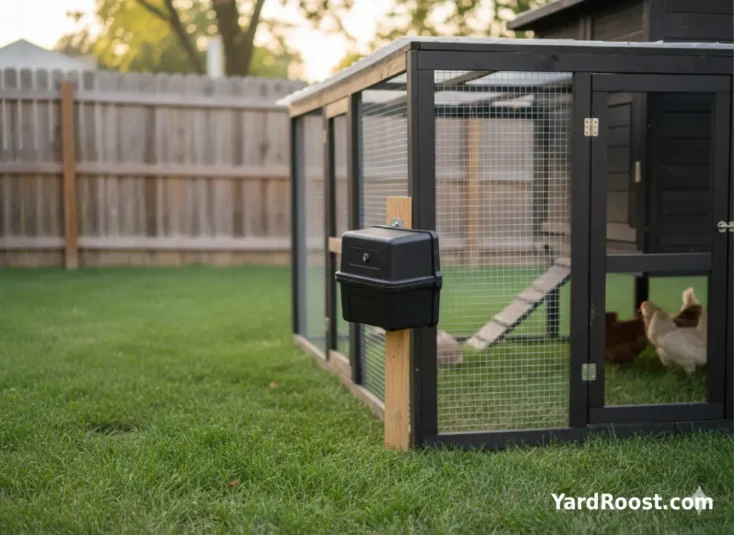
If you choose to use rodenticide anyway, the safest direction to take is: keep it in locked, tamper-resistant bait stations, placed outside any area chickens can access, and follow the label. If a chicken may have eaten bait (or you’re not sure), treat it as urgent and move straight to professional help steps in the last section.
Rodents, Germs, and Biosecurity: Protecting Your Birds and Your Family
Rats don’t just steal calories—they raise disease risk. Rodents can contaminate feed and surfaces, and they attract other wildlife traffic. USDA APHIS biosecurity guidance for poultry (including the “Defend the Flock” program) emphasizes keeping pests like rodents away from birds, feed, litter, and equipment to reduce disease introduction risk.
On the human side, the CDC reminds backyard poultry keepers that Salmonella is a real risk around birds and their environment, and emphasizes hygiene like handwashing and safe egg handling. If rodents are getting into feed and nesting areas, that’s one more reason to tighten your system: fewer droppings, fewer pests, fewer germs tracked around the yard.
Two practical, low-effort upgrades:
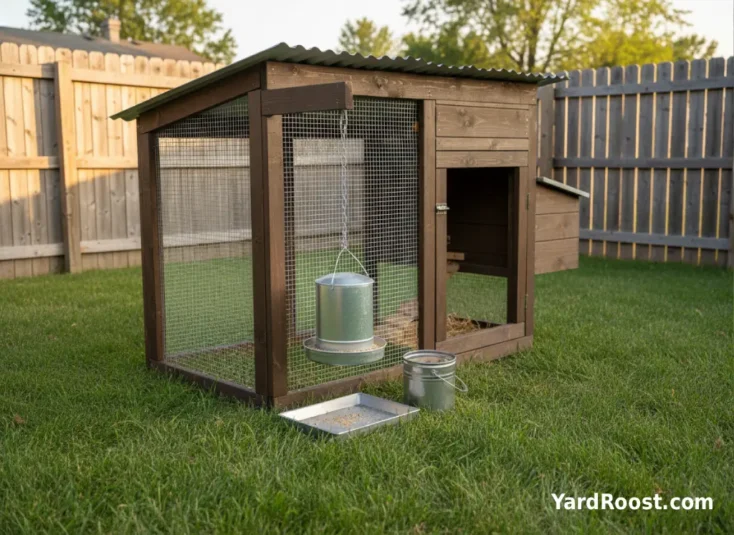
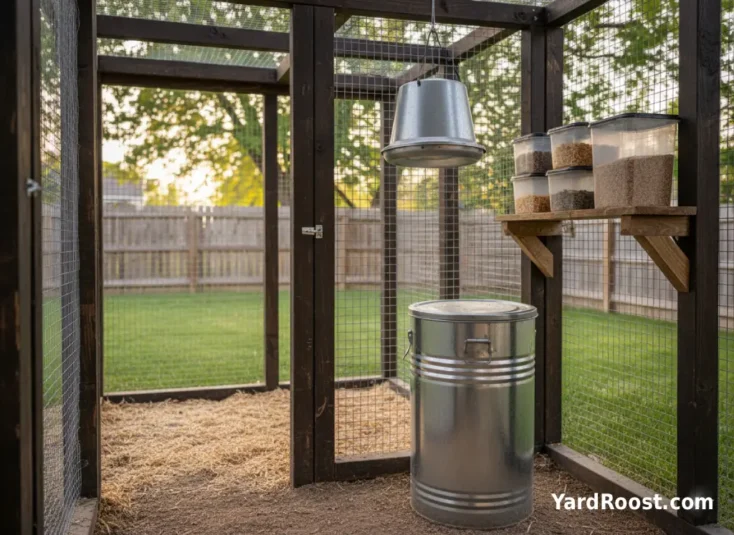
- Feed discipline: store feed in a metal container with a tight lid; don’t leave scratch on the ground overnight.
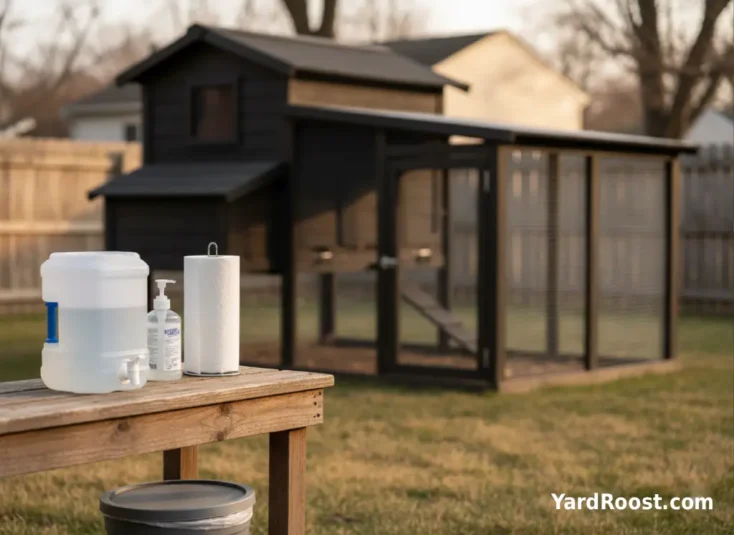
- Family hygiene “rules of the run”: wash hands after coop chores; keep little kids from kissing birds or touching their faces after handling poultry (CDC guidance is especially strict for children under 5 around animals).
Common Mistakes To Avoid When You’re Dealing With Rats
- Leaving feed out overnight. Even “just a little” is enough to keep rats coming back.
- Thinking chicken wire is rodent-proof. It’s not. Hardware cloth is the standard for small-pest pressure points.
- Ignoring the underside of the coop. Under-coop shelter is a top nesting zone unless you block it, raise it properly, or make it easy to inspect.
- Using poison where chickens can reach it. This is one of the fastest routes to accidental poultry deaths and emergency vet visits.
- Trapping without exclusion. If gaps stay open, you’ll trap a few and still have rats tomorrow.
Editorial note: if you’re feeling overwhelmed, start with the “boring basics”—feed locked up, spill cleanup, and sealing obvious gaps. Those three steps often shrink rat activity more than any fancy gadget.
When To Call an Avian Vet or Get Professional Help
Rats create two “get help now” scenarios: injury and poison exposure. We can’t diagnose problems online, but you should reach out to an avian vet (or an experienced poultry veterinarian) promptly if you see any of the following:
- Possible rodenticide ingestion: you saw a bird peck a bait block/pellets, or you can’t rule it out.
- Neurologic signs: severe weakness, loss of balance, tremors, seizures, paralysis, or sudden collapse (veterinary references note rodenticide exposures can cause serious neurologic or bleeding problems depending on product type).
- Heavy bleeding or deep wounds after a nighttime attack, especially to the head/neck area.
- Rapid decline: a bird fluffed up, not eating/drinking, or unable to stand after an incident.
What to do while you’re contacting help:
- Move the bird to a warm, quiet, secure space away from the flock.
- If poison is involved, bring the product packaging (or a clear photo of the label) so the clinic can identify the active ingredient quickly.
- Do not try “home antidotes” or dosing. Keep the bird safe, contained, and get professional guidance.
For your coop, consider calling a licensed pest professional if you’re seeing daytime rats, multiple burrows, recurring feed loss, or you can’t place traps/bait safely away from poultry. A good pro will focus on exclusion and sanitation first—not just stronger poison.
Rats in chicken areas are common, but they’re not inevitable. Once you remove the buffet, seal the easy entrances, and protect eggs and chicks, most backyard keepers see the problem shrink dramatically. The goal isn’t perfection—it’s making your coop the least convenient option on the block.