Most new chicken keepers eventually wonder how long a hen can stay with the family and keep laying. The honest answer is that lifespan and egg years depend a lot on how the birds are raised and housed. A backyard hen in a safe coop with balanced feed and basic health care can have a very different life expectancy than a fast-growing meat chicken or a commercial laying hen in a large facility. This guide focuses on small backyard flocks in the U.S. so you can set realistic expectations for how many years your chickens might live and how long they’re likely to produce eggs.
Most extension resources suggest that well-cared-for backyard hens commonly live around 6–8 years, sometimes longer, while their heaviest egg-laying years are much shorter. Some hardy birds quietly reach 10+ years, but that’s more bonus than guarantee. We’ll walk through average chicken lifespan, how long chickens lay eggs, what changes those numbers, and what’s different for specific breeds like Silkies and Rhode Island Reds.
Average Chicken Lifespan: The Short Answer
If you just want a ballpark number for how long chickens live in captivity, here it is:
- Backyard chickens: commonly around 6–8 years, sometimes longer with excellent care.
- Commercial laying hens: usually kept about 2–3 years before they’re culled as “spent” hens.
- Meat chickens (broilers): slaughtered very young, often around 7–9 weeks of age in commercial systems.
Backyard keepers usually experience the “average chicken lifespan” very differently from commercial farms. In a small flock, you’re protecting birds from predators, feeding a balanced diet, and often giving them more space per bird. Under those conditions, extension resources commonly describe a 6–8 year commitment per chicken, with egg production tapering off after the first few years.
Here’s a simple snapshot for quick planning:
| Type of Chicken | How Long They Usually Lay Well | Typical Lifespan or Slaughter Age |
|---|---|---|
| Backyard laying hen (small flock) | Best eggs for about 2–4 years | Often around 6–8 years, sometimes longer |
| Commercial egg-laying hen | 1–2 laying cycles | Typically culled around 1.5–3 years |
| Commercial broiler (meat chicken) | Not kept for eggs | Slaughtered at about 7–9 weeks |
| Backyard meat or dual-purpose bird | Not usually kept for long-term egg production | Commonly processed around 8–16 weeks for meat |
If you’re planning a backyard flock, assume each bird is a multi-year commitment, not a one-season project. That’s why breed choice and coop design up front really matter. (If you’re still deciding on breeds, bookmark a breed overview page like Top Egg Laying Chicken Breeds for later.)
How Long Do Chickens Lay Eggs?
Egg laying has its own timeline that’s separate from total chicken lifespan. Hens don’t lay steadily from hatch to old age; they have a strong peak and then a slow taper.
Extension publications commonly describe egg production like this:
- Hens usually start laying around 5–6 months of age (if you want a clearer timeline for when different breeds start laying, breed and body type make a real difference).
Peak production is in the first 1–2 years, when good layers may produce close to an egg a day at their best.
After about 2–3 years, egg numbers and shell quality drop off noticeably for most hens.
Many hens will continue to lay some eggs for 5–10 years, just at a much slower pace. - Peak production is in the first 1–2 years, when good layers may produce close to an egg a day at their best.
- After about 2–3 years, egg numbers and shell quality drop off noticeably for most hens.
- Many hens will continue to lay some eggs for 5–10 years, just at a much slower pace.
So if you’re asking “how long do egg laying chickens live and stay productive?” a realistic answer is:
Most backyard hens give you their best eggs for about 2–4 years, then shift into part-time production while they live out a natural lifespan that may stretch to 6–8+ years.
Practical planning tips:
- Stagger ages. Add a small group of pullets every 1–2 years so you always have some younger, higher-production hens alongside your retirees.
- Plan for “retired” hens. Decide ahead of time whether you’ll keep older hens as pets, rehome them, or process them, so the decision isn’t made in a rush later.
- Support layers. Balanced layer feed, enough daylight (around 12–14 hours of light), and a stress-reduced coop help hens stay productive longer.
Breed Differences: Silkies, Rhode Island Reds, and More
Most extension resources give overall chicken lifespan numbers rather than exact averages by breed, but in real backyards, breed does influence how long chickens live and how long they lay.
Silkies
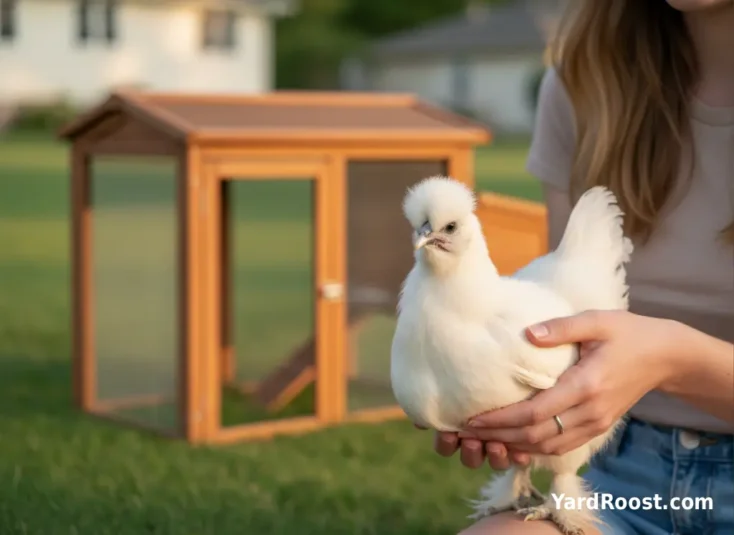
Silkies are small, ornamental chickens that often get treated more like pets than production birds. There aren’t many formal research numbers just on Silkie lifespan, but experienced keepers commonly report Silkies living similar or slightly longer than standard laying breeds, especially when they’re well protected and not pushed for high egg output.
- Expect a Silkie’s productive egg years to be a bit lower than a purpose-bred layer (they’re famously broody and take more breaks).
- With good care, a Silkie’s total lifespan can often fall in that same 6–8+ year window, and sometimes longer, especially in small hobby flocks.
Rhode Island Reds
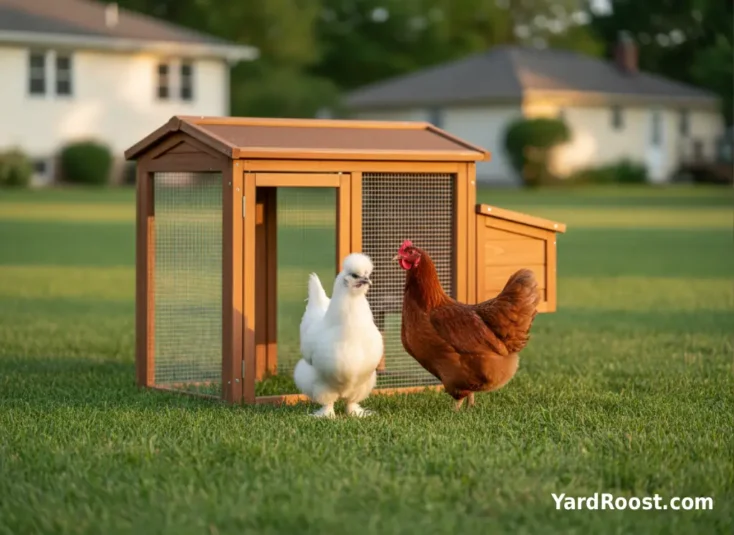
Rhode Island Reds are classic dual-purpose birds: good egg layers and solid table birds. Extension sources that discuss “average lifespan of a chicken” (around 6–8 years) often use standard breeds like Rhode Island Reds as examples of that commitment.
- They typically start laying around 5–6 months.
- They’re known for strong production in the first 2–3 years, then tapering like other breeds.
- Total lifespan in backyard settings often falls in the 5–8+ year range, depending on care and predator pressure.
Other factors beyond breed
Even within one breed, you’ll see huge variation. Hatchery strain differences, genetics, and simple luck matter. A careful keeper with secure housing can sometimes keep mixed-breed hens well past 8 years, while someone with heavy predator pressure might lose birds much earlier. That’s why focusing on coop setup and management will usually change outcomes more than obsessing over a specific breed’s “advertised” lifespan.
What Changes How Long Chickens Live?
Once you’re past the genetics, the biggest differences in chicken lifespan are almost all about management. The same breed can live 2 years or 10 depending on how it’s housed and cared for.
Key lifespan “levers” you control:
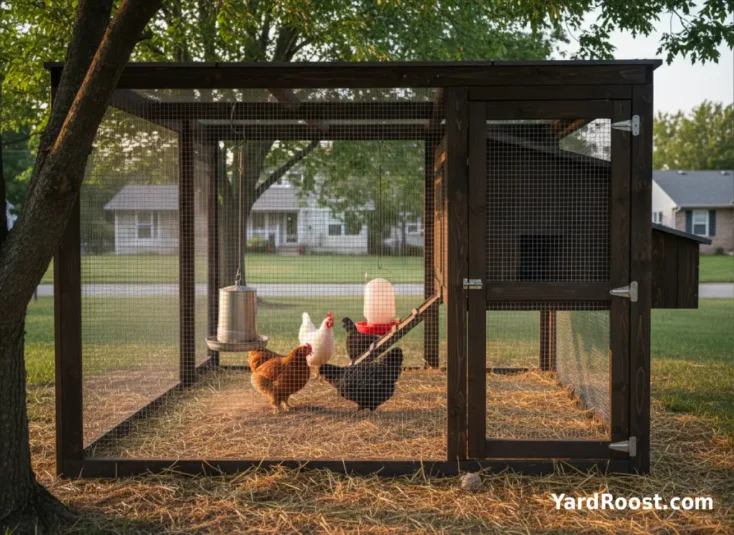
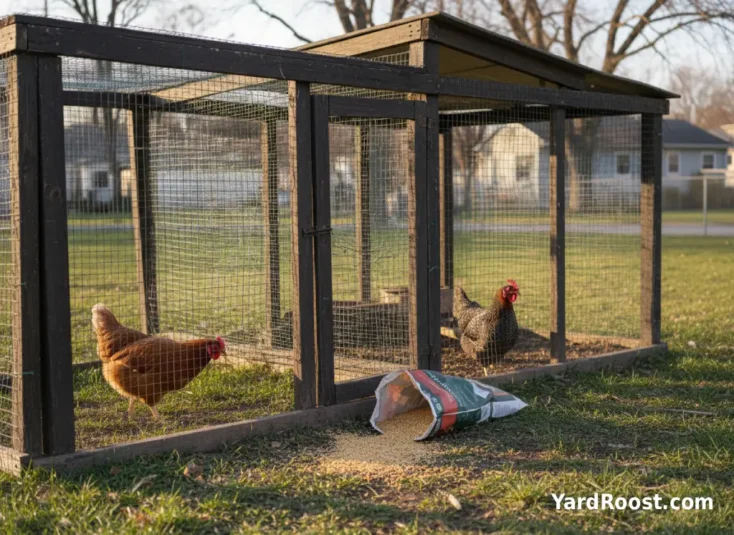
- Predator protection. Raccoons, foxes, hawks, neighborhood dogs, and even rats can shorten lifespans overnight. A covered run with hardware cloth (not chicken wire), secure latches, and buried or skirted fencing dramatically improves the odds that your birds make it to old age.
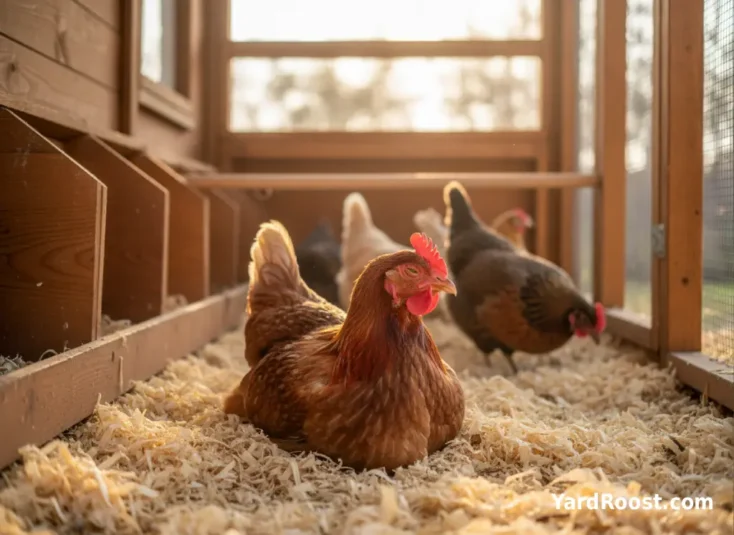
- Coop design and ventilation. A dry, draft-free coop with good airflow reduces respiratory stress and keeps bedding from staying damp and moldy. Aim for vents up high and no direct drafts at roost level.
- Nutrition. Using the right feed stage (starter → grower → layer) with appropriate protein and calcium levels supports bone, feather, and shell health over the long term.
- Biosecurity and flock introductions. Limiting visits from outside birds, quarantining new additions, and keeping wild bird contact with feed and water to a minimum lower disease risk.
- Climate stress. Extreme heat and cold both shorten lives. Shade, ventilation, and cool water in summer, plus dry bedding and wind protection in winter, help birds handle temperature swings.
A quiet rule of thumb: if you routinely walk into the coop and notice strong ammonia smell, damp bedding, or drafts at roost height, your chickens are paying for that with their long-term health. Fixing those basics is one of the most effective lifespan upgrades you can make.
How Long Do Chickens Live Before Slaughter?
When people ask “how long do chickens live before slaughter,” they’re usually thinking of meat birds or commercial layers.
Commercial meat chickens (broilers)
- Modern broilers are bred for very fast growth and are commonly slaughtered around 7–9 weeks of age at weights of roughly 3–5 pounds.
- Some are grown longer as “roasters” at 9–12 weeks or more.
Commercial laying hens
Commercial egg-laying hens are kept through one or sometimes two laying cycles, then culled once production drops below economic levels. Several extension and industry sources describe these “spent hens” being removed around 1.5–3 years of age, even though they could live several more years in a backyard setting.
Backyard meat birds
Backyard keepers who raise meat birds generally follow similar age ranges but may process a little later for larger carcasses. It’s common to butcher fast-growing hybrids somewhere between roughly 8 and 12 weeks, depending on desired size.
If you’re keeping dual-purpose breeds mainly as layers, you’re not locked into commercial schedules. Many small flock owners choose to let hens retire as pets, or to process them later in life when egg production drops to a trickle. The important part is deciding your plan ahead of time so it matches your own comfort level and flock goals.
Common Mistakes That Shorten a Chicken’s Life
Many chickens don’t die of “old age”—they’re lost to preventable issues years before they would have stopped laying. Here are some of the big lifespan killers we see over and over.
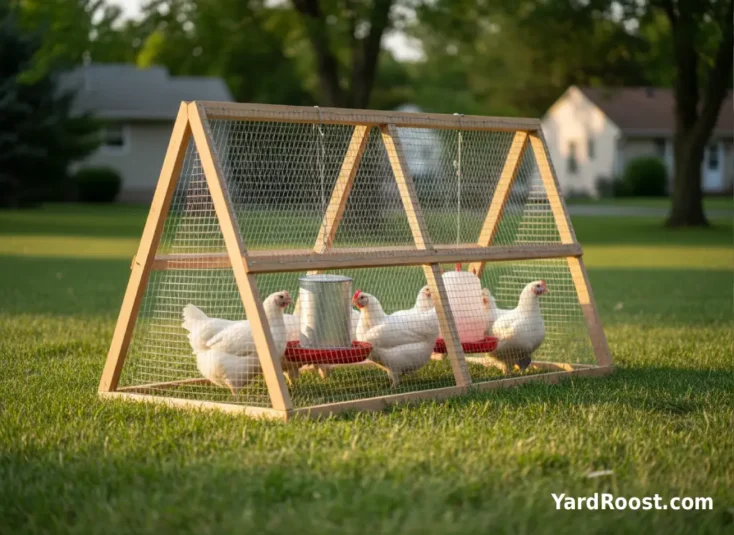
- Relying on chicken wire. Chicken wire keeps chickens in, but it doesn’t keep most predators out. Raccoons and dogs can tear through it; weasels and rats can squeeze through. Upgrade to ½-inch hardware cloth for runs and vulnerable spots.
- Coop dampness and ammonia. Wet, compacted bedding and poor ventilation lead to strong ammonia odors, which can irritate eyes and airways. If you smell ammonia when you open the coop, it’s time to remove wet patches, add dry bedding, and improve airflow.
- Overcrowding. Packing too many birds into a small coop increases stress, bullying, and disease risk. Many extension resources suggest about 4 square feet per bird inside the coop and more in the run for standard breeds, with some recommending around 10 square feet per bird in the run.
- Skipping quarantine for new birds. Introducing new chickens straight into your main flock can bring in parasites or infectious diseases that impact lifespan. A separate, temporary pen for new arrivals is cheap insurance.
- Ignoring heat stress. Chickens are more vulnerable to heat than cold. Lack of shade, poor ventilation, and warm drinking water in summer can quickly lead to heat stress, which shortens long-term survival even if birds don’t die on the hottest day.
YardRoost editorial note: A common mistake we see is assuming “nothing has gotten my birds yet, so my setup must be fine.” Predators often seem invisible until the first loss. If your run is still mostly chicken wire, or if your feed is accessible overnight, consider that a warning that your chickens’ natural lifespan is at risk.
When To Call an Avian Vet About an Aging Chicken
Longer lifespan means you’ll eventually care for senior chickens. Some slowing down is normal with age: fewer eggs, more naps, and slightly looser skin or muscle tone. But certain changes are red flags that deserve a call to a veterinarian who is experienced with birds.
Signs that may warrant professional help (especially if they appear suddenly or worsen quickly):
- Severe lethargy, difficulty standing, or sitting fluffed up for long periods
- Heavy or noisy breathing, coughing, or repeated sneezing
- Marked weight loss, prominent keel bone, or refusal to eat or drink
- Persistent diarrhea, bloody droppings, or straining to lay
- Swelling of the face, comb, or joints
Extension resources and organizations like the USDA and state animal health agencies emphasize early detection, isolation of sick birds, and contacting a vet or state diagnostic lab when serious signs show up, especially if more than one bird is affected.
Safe first steps while you seek advice:
- Isolate the sick bird in a warm, quiet, predator-safe area with easy access to feed and water.
- Practice good hygiene—wash hands well after handling chickens, and keep young children from kissing or snuggling birds, as the CDC notes for salmonella prevention.
- Review your flock records (age, vaccination history if known, recent additions, recent weather extremes) to share with the vet.
What you should not do is jump straight to home medications or internet “cures” without a diagnosis. Many drugs that people suggest casually online are not appropriate for backyard birds or may be regulated. A qualified avian vet or poultry extension specialist is your best ally for keeping chickens healthier for more of their natural lifespan.
Planning Ahead: Matching Chicken Lifespan to Your Flock Goals
Thinking about how long chickens live can feel a little heavy, but it’s actually one of the kindest things you can do before you bring them home. A typical backyard hen may give you strong egg production for 2–4 years and live somewhere around 6–8 years or more with good care. Silkies, Rhode Island Reds, and most other common breeds fit somewhere inside that general pattern.
When you know that timeline, it becomes easier to line up birds with your household reality:
- If you want steady eggs, plan to rotate in new pullets every couple of years while keeping some older hens as “aunties.”
- If you’re focused on pets first, eggs second, favor gentle breeds, invest extra in predator-proofing, and be ready for several years of light laying from older birds.
- If your main goal is meat production, treat those birds as short-term projects with clear processing ages from the start, rather than expecting them to live typical layer lifespans.
However you build your flock, small, consistent habits—secure housing, good ventilation, appropriate feed, clean water, and timely vet help when something seems off—do more to extend the lifespan of a chicken than any single “hack.” With realistic expectations and a bit of planning, you can enjoy many years with the same little group of hens scratching around your coop.