Finding watery chicken poop can make even experienced keepers spiral a little—especially when you’re staring at a mystery puddle and asking, “Is this diarrhea, or did someone just drink a gallon of water?” The truth is: chicken droppings vary a lot day to day. Diet, heat, treats, stress, and normal “cecal” poops can all change what you see on the coop floor. But truly watery stool (especially if it’s persistent or paired with a droopy, fluffed-up bird) can also be a sign something’s off and needs prompt attention.
YardRoost isn’t a veterinary service, and we can’t diagnose your flock online. What we can do is help you sort “likely normal” from “needs a closer look,” walk you through safe first steps, and show you when it’s time to call an avian vet. Along the way, we’ll lean on guidance from organizations like University of Maryland Extension, USDA-APHIS, and the Merck Veterinary Manual, plus the CDC’s hygiene recommendations for backyard poultry.
What Counts as “Watery” vs. Normal Chicken Poop?
Chicken droppings are a mix of feces and urates (the white “cap” that’s basically urine waste). It’s normal for droppings to vary in color and texture depending on what your birds ate (greens can tint poop), how much water they drank, and even time of day. Cecal droppings—released periodically from the ceca—are famously stinkier, darker, and more paste-like or pudding-like than “regular” poop. That alone can look alarming if you haven’t seen it before.
Watery poop is different: you’ll see noticeably more liquid pooling around the fecal portion, or a mostly-liquid dropping with very little solid content. One-off watery droppings happen. The concern goes up when you see a pattern (multiple birds, multiple times a day, more than a day), or when watery poop comes with behavior changes like lethargy, fluffed feathers, reduced eating, or a drop in egg production.
Helpful field rule: If the bird is acting normal and you only notice an occasional watery dropping, start by watching and cleaning up diet/treats. If the bird looks “sick,” treat watery poop as a symptom that needs a same-day plan.
A Quick “Poop Check” Chart You Can Use in the Coop
| What You See | Often Means | Safe First Step |
|---|---|---|
| Brown dropping with white cap (urate) | Typical “baseline” poop | Keep observing normal behavior |
| Darker, gooey, extra-stinky dropping | Often a normal cecal dropping | Note frequency; worry less if bird acts normal |
| Watery with clear puddle around it | Extra fluid intake, heat, diet change, stress—or illness | Use the 7-step triage below; isolate if bird seems unwell |
| Foamy, greasy-looking, or very foul with weight loss | Digestive upset that may need professional evaluation | Call an avian vet if it persists or bird looks ill |
| Black/tarry, red/bloody, or lots of mucus | Potentially urgent sign | Separate bird and contact an avian vet promptly |
| Milky/white watery poop plus lethargy | Can be a sign of significant illness or stress | Reduce stress, isolate, and seek veterinary guidance if ongoing |
A common mistake we see is focusing only on color and ignoring the bird. Poop clues matter, but behavior is usually the faster “truth meter.” If your hen is bright-eyed, eating, and bossy as ever, you have time to troubleshoot. If she’s quiet, fluffed, and planted in a corner, move faster.
The 7-Step Watery Poop Triage (Safe, No Drama)
If you’re seeing chicken watery stool, run this checklist once and you’ll usually know whether you’re in “watch and adjust” mode or “call for help” mode.
- 1) Check the bird first: Is she eating, moving normally, and alert? Or fluffed up, droopy, and hiding?
- 2) Check the flock pattern: One bird or many? One day or several days? A whole-flock issue pushes you toward environment/feed/water concerns.
- 3) Remove treat variables for 48 hours: Pause produce scraps, fruit, mealworms, and “mash.” Offer a balanced, age-appropriate feed only.
- 4) Inspect water: Dump, scrub, and refill waterers. If it’s hot out, add a second water station so timid birds drink enough.
- 5) Look for stress triggers: Recent move, new birds, predator scare, heat wave, broody hen drama, or a feed switch can all loosen droppings.
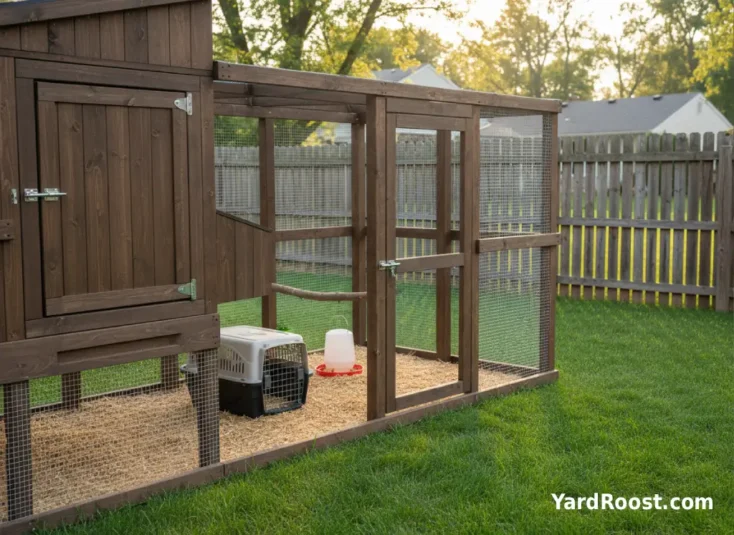
- 6) Isolate if she looks unwell: A separate, calm space reduces pecking pressure and helps you track droppings and appetite.
- 7) Decide your escalation point: If watery poop lasts more than a day or two with a bright, active bird, keep monitoring. If it lasts 24 hours with a sick-looking bird—or you see blood, severe lethargy, or rapid decline—call an avian vet.
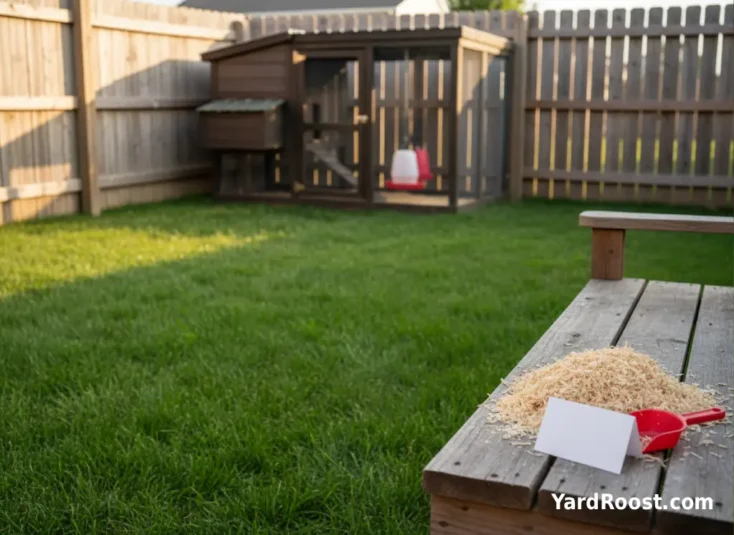
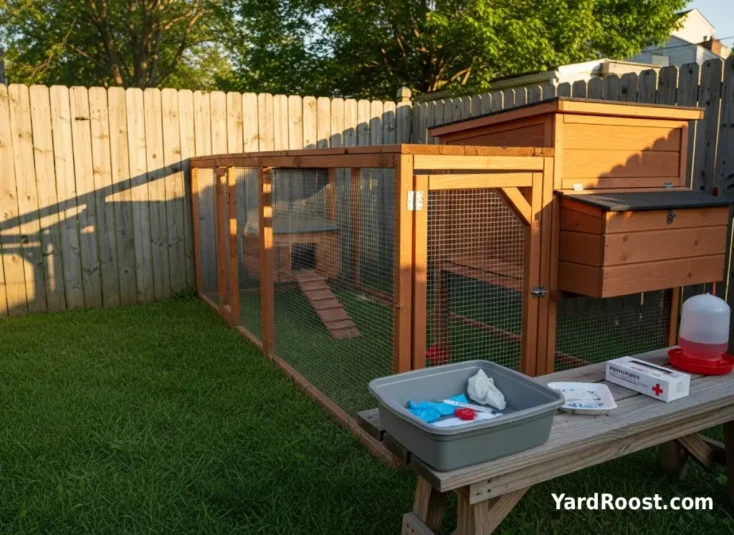
Keep a small “sick bay” kit ready (crate, spare feeder/waterer, fresh bedding, disposable gloves).
Common Everyday Causes of Chicken Diarrhea (That Aren’t an Emergency)
Plenty of watery poop episodes come down to “normal life” in a backyard flock. The key is pairing what you see on the ground with what changed recently.
Diet swings and watery treats: A big salad buffet (lettuce, cucumbers, watermelon) can loosen droppings fast. Same with sudden changes in feed brand or pellet size. If watery poop starts right after a treat spree, pull treats for 48 hours and reintroduce slowly later (a little at a time, not a trough of produce).
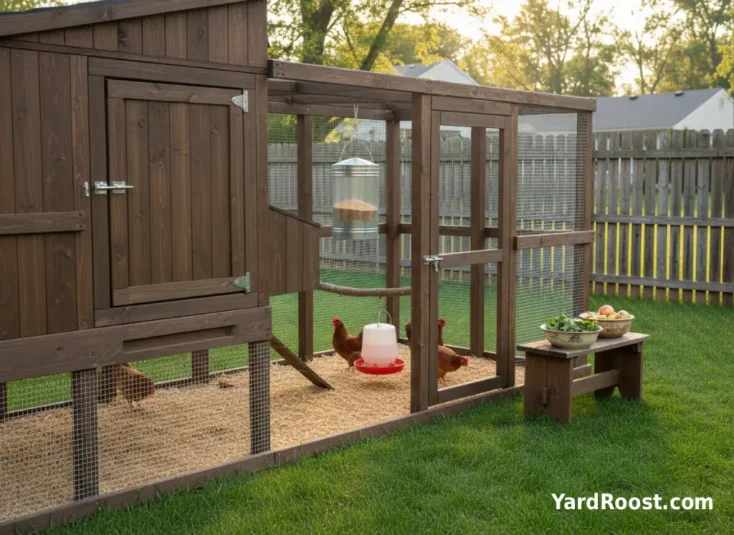
Heat and extra drinking: In warm weather, chickens drink more, and droppings can look looser. Your goal is comfort: shade, airflow, and extra water points.
Stress: New birds, pecking-order reshuffles, predator visits, or even a barking dog can trigger temporary digestive upset. When the cause is stress, the most helpful “fix” is stability: consistent lighting schedule, consistent feed, consistent routine, and enough space so bullied birds can eat and drink.
Wet litter: If droppings are watery, litter gets wetter, and wet litter can compound the problem by increasing ammonia and pathogen load. Add fresh dry bedding right away and remove wet spots daily until things normalize.
When Watery Poop Points to a Bigger Health Problem
We can’t diagnose, but we can talk about patterns that deserve faster action. Watery droppings paired with “sick bird” behavior can be seen with a range of infectious and non-infectious issues—especially in young birds. Watch for combinations like watery poop plus reduced appetite, weight loss, listlessness, ruffled feathers, dehydration, or a sudden drop in eggs.
Chicks and juveniles (especially around a few weeks old)
Protozoal issues like coccidiosis are a common concern in young birds and can involve diarrhea, dehydration, poor growth, and sometimes blood in droppings. If you see blood, rapid decline, or multiple chicks affected, that’s a “call now” situation.
Green watery diarrhea with other serious signs
Certain reportable poultry diseases can include green watery diarrhea among other symptoms. You don’t need to panic, but you do need a plan: isolate sick birds, tighten biosecurity, and contact a vet if birds are declining or deaths are occurring.
Parasites and other infections
Internal parasites or infections can be involved when watery poop persists and you also see weight loss, pale combs, or poor feathering. Treat this as “needs professional input,” not a DIY project—especially if you’re also seeing weakness or dehydration.
Chick Diarrhea and Pasty Butt: The Baby-Bird Special Case
Chicks can go from “fine” to “not fine” quickly, so watery stool in chicks deserves closer attention than the same symptom in an otherwise lively adult hen.
Pasty butt isn’t exactly diarrhea, but it can show up alongside loose droppings. If droppings stick to the vent and harden, it can block the chick’s ability to pass stool. The safe move is gentle: use a warm, damp cloth to soften and wipe away the buildup, then dry the chick and return it to a warm brooder. Don’t yank dried stool off—skin is delicate.
Brooder conditions matter: Too hot, too cold, drafty, damp bedding, dirty waterers, and stress from shipping can all contribute to digestive upset. Replace wet bedding immediately, keep waterers from spilling, and make sure chicks can move to a cooler or warmer zone in the brooder.
A common mistake we see is over-correcting the brooder—changing heat, feed, and bedding all at once. Make one change, observe for several hours, and keep notes. That’s how you actually learn what helped.
Biosecurity and Cleanup: Protect the Rest of the Flock (and Your Family)
When one bird has watery poop, assume germs can spread through droppings and wet litter. Your goal is twofold: reduce exposure for healthy birds and reduce risk for humans handling the flock.
- Isolate “sick-looking” birds: A simple crate setup works. Handle healthy birds first, then the isolated bird last.
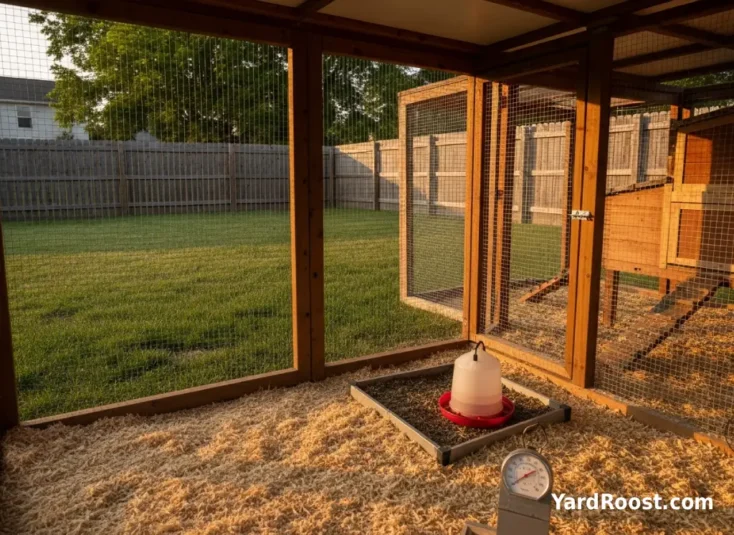
- Clean smart: Spot-clean wet litter daily, scrub waterers, and keep feeders dry. Wet areas are where problems multiply.
- Control traffic: Limit visitors and avoid sharing equipment with other chicken owners unless it’s cleaned and disinfected.
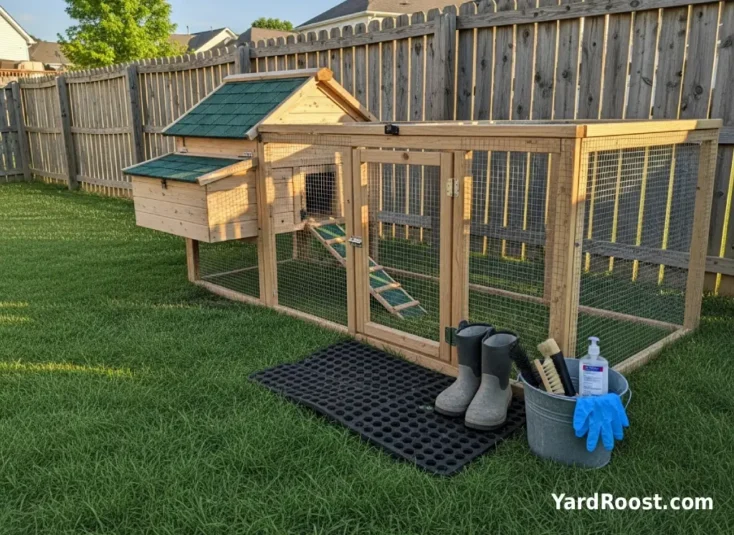
- Hand hygiene is non-negotiable: Wash hands with soap and water after touching birds, eggs, or anything in their environment. Keep sanitizer near the coop for quick use.
This is also why we like USDA’s “Defend the Flock” mindset: consistent, boring biosecurity beats heroic last-minute fixes.
Common Mistakes to Avoid When Your Chicken Has Diarrhea
Most backyard chicken diarrhea situations go sideways because of good intentions and rushed decisions. Here are the big ones to dodge:
- Throwing “remedies” at the problem without a plan: If watery poop is a symptom of something contagious or serious, random add-ons can delay real help.
- Changing everything at once: Feed change + new treats + deep clean + coop move makes it impossible to know what helped (or hurt).
- Ignoring waterer cleanliness: A slimy waterer turns “mild issue” into “why is everyone sick?” Scrub with a brush, rinse well, refill.
- Waiting too long when the bird looks unwell: If you see lethargy, dehydration, blood, or rapid decline, don’t “see how it goes” for three days.
- Forgetting kid hygiene: Little hands go straight to faces. Set a firm coop-to-sink routine, every time.
Editorial note: A common mistake we see is treating watery poop like an isolated poop problem instead of a management problem. Nine times out of ten, the “fix” starts with simple basics—stable feed, clean waterers, dry bedding, and reduced stress.
When to Call an Avian Vet
If you only remember one thing, make it this: watery poop matters most when it comes with a “sick bird.” Call an avian vet (or a poultry-experienced veterinarian) promptly if you notice any of the following:
- Blood or black/tarry droppings
- Marked lethargy, weakness, or inability to stand
- Signs of dehydration (sunken eyes, very dry-looking comb, refusing to drink)
- Rapid weight loss, not eating for a full day, or a dramatic drop in activity
- Multiple birds affected, especially chicks
- New deaths in the flock or severe respiratory signs plus diarrhea
Before you call, jot down: age of bird, how long symptoms have been present, any recent feed/treat changes, whether others are affected, and (if you can safely do it) a clear photo of droppings. That short summary saves time and helps the vet prioritize next steps.
If you suspect a serious contagious disease because birds are dying or rapidly declining, tighten biosecurity immediately and seek professional guidance without delay. USDA-APHIS resources under “Defend the Flock” can also help you think through isolation and disease-prevention steps.
Bottom Line: Watch the Bird, Not Just the Puddle
Chicken watery poop is one of those backyard chicken realities that’s both common and easy to misread. Sometimes it’s simply extra water intake during a warm spell or the aftermath of a “treat buffet.” Other times, it’s an early warning sign that your bird—or your management setup—needs attention. The fastest way to sort the difference is to pair poop observations with behavior: eating, drinking, moving, and acting normal versus hiding, fluffing up, losing weight, or going off feed.
Start with safe basics: pause treats, stabilize feed, scrub waterers, dry out wet litter, and reduce stress. If a bird looks unwell, isolate her so you can track droppings and protect the rest of the flock. And if you see blood, rapid decline, dehydration, or multiple birds affected (especially chicks), make the call to an avian vet quickly—waiting rarely improves outcomes.
For ongoing flock resilience, build habits that prevent repeat problems: a simple cleaning routine, a ready-to-go isolation crate, and consistent handwashing after coop time. Your future self will thank you, and your hens will too.