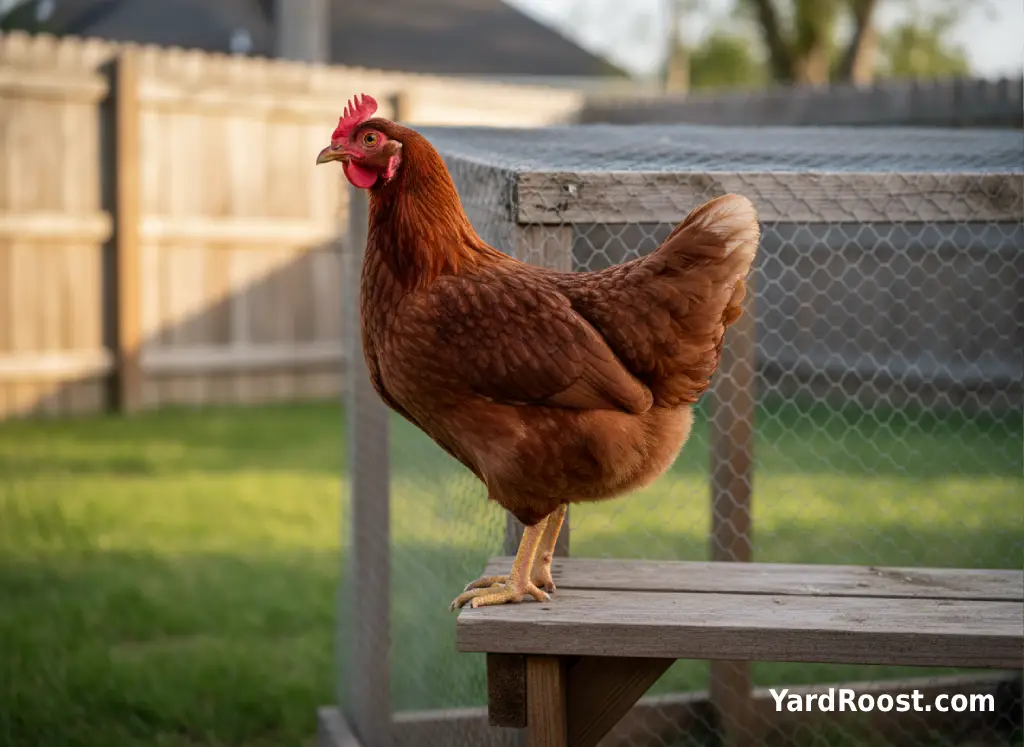
A broody hen isn’t “sick” or “being difficult”—she’s running a built-in parenting program. When a hen goes broody, hormones shift her from laying mode into incubation mode, and she’ll camp out in a nest as if she’s hatching eggs (even if there aren’t any). That’s the simple broody hen meaning: she has decided it’s time to be a mom. Sources like the University of Kentucky Cooperative Extension describe classic broody behavior as spending long stretches in the nest, guarding it, changing eating and drinking habits, and stopping egg production.
For backyard keepers, broodiness can be a gift (free “incubator”!) or a headache (egg basket suddenly empty, nest boxes blocked, and one grumpy hen who won’t budge). This guide walks you through what is a broody hen, what does it mean when a chicken is broody, how long a chicken stays broody, and—if you’re not trying to hatch—how to break a broody hen safely and practically. We’re not veterinarians, but we’ll share safety-first flock management and point you to trusted sources when it matters.
What Is a Broody Hen?
A “broody hen” is a hen that has switched from laying eggs to incubating eggs. In plain terms: she wants to sit. The University of Kentucky notes broodiness is when a hen is preparing to naturally incubate eggs and raise chicks, and the behavior often includes spending more time in the nest, protecting the nest, changes in feed and water consumption, and stopping egg production.
Two important clarifiers for beginners:
- Seeing a hen in the nest box doesn’t automatically mean “broody.” Hens can hang out in nest boxes before laying. The red flag is staying there most of the day, leaving only briefly to eat and drink.
- Broody can happen with or without a rooster. A hen can become broody even if there are no fertile eggs to hatch.
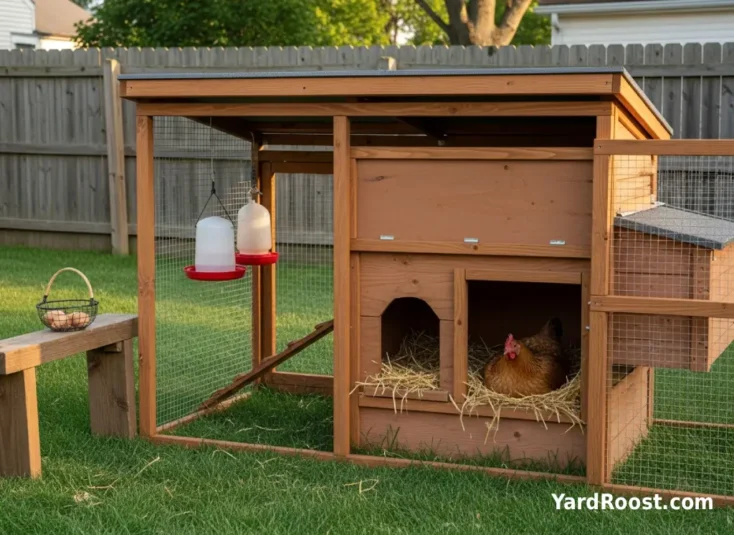
Broody Chicken Behavior: How to Tell If It’s Really Broodiness
Broody hens tend to be “all-in.” The University of Kentucky lists several telltales: staying in the nest all day with only short trips to food and water, pulling breast feathers into the nest, becoming protective (pecking when approached), and producing large, often strong-smelling droppings because she holds them longer than usual.
If you’re trying to figure out “what is a broody chicken” in your own coop, use this quick check:
- Time test: She’s still planted in the nest at multiple checks across the day (morning, midday, late afternoon).
- Attitude test: She guards the space—puffs up, pecks, or grumbles when you reach in.
- Feather test: You notice breast feathers pulled into the nest (or a thinning patch on her chest).
- Routine test: She’s not roaming with the flock, dust bathing, or foraging like normal.
A common mistake we see is assuming a hen is broody the first time you find her sitting in a nest box. Give it a day of observation, then decide—because the “fix” (blocking nest access) is annoying if she was just laying late.
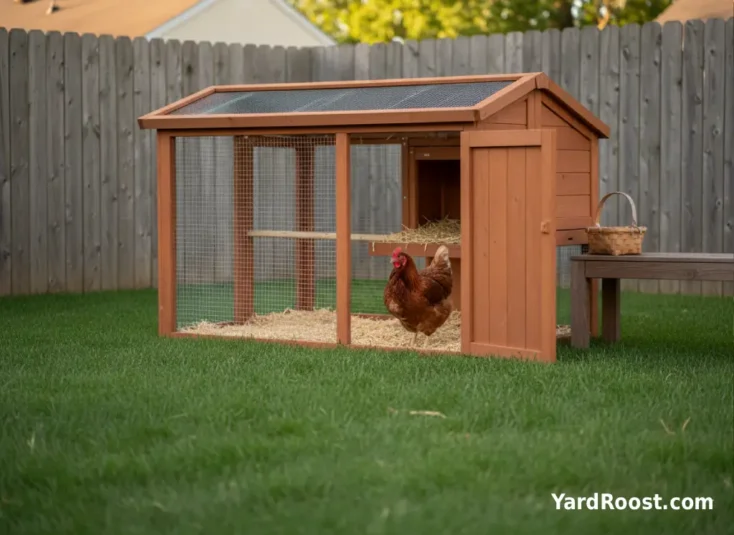
Why Hens Go Broody and How Long Broodiness Lasts
Broodiness is driven by hormones and reinforced by environment—especially cozy nests and a buildup of eggs. Oregon State University Extension explains that when a hen becomes broody, hormonal changes cause her to stop laying.
So, how long does a chicken stay broody? If she’s incubating fertile eggs, a common benchmark is about 21 days (the typical chicken egg incubation period), and the University of Kentucky notes some hens will give up after waiting that long—but not all will.
If you do nothing, broodiness can drag on for weeks. Merck Veterinary Manual notes that without intervention, hens can remain broody for 3–4 weeks.
First Decision: Hatch Chicks or Break the Broody Hen?
“What to do with a broody hen” depends on your goals and your setup. Broodiness can be positive if you want chicks, but it’s a negative if you want eggs—because broody hens stop laying.
Ask yourself three quick questions:
- Do I want more chickens right now? (And can I keep them long-term?)
- Do I have the space and plan? A safe broody area, chick-safe feed/water, and the ability to separate from aggressive flockmates if needed.
- Do local rules allow it? If you live in town or have an HOA, confirm your ordinances before you expand a flock.
If the answer is “not right now,” breaking broodiness is usually kinder than letting her camp in a nest for weeks.
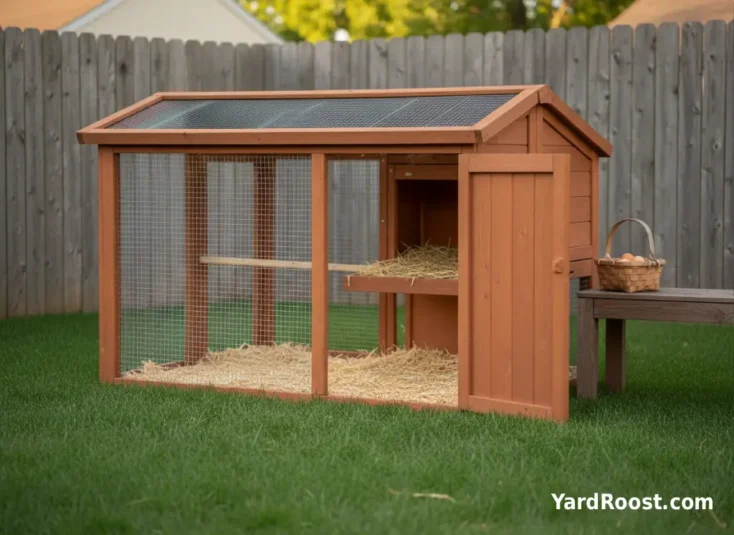
How to Break a Broody Hen Safely
If you’re trying to figure out how to stop a broody hen, you’ll run into a lot of folklore. Focus on methods that remove the nesting triggers while keeping her safe, well fed, watered, and protected from predators.
Step-by-step (YardRoost-proven and source-backed):
- Remove the incentive. Collect eggs at least daily so she can’t build a clutch in a favorite box. (This is a key prevention step, too.) Oregon State University Extension specifically recommends daily egg collection and removing her access to the nest for several days.
- Block nest access temporarily. Close off the nest box area during the day (or remove nesting material) so it’s not “the spot.” The University of Georgia poultry extension tip notes that removing the visual and physical stimulation of nests and nesting material helps discourage broodiness.
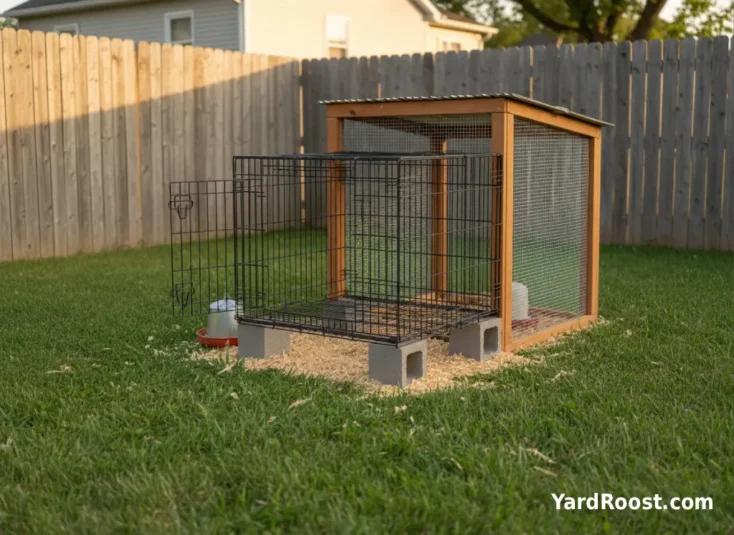
- Use a “broody breaker” crate if she’s stubborn. Merck Veterinary Manual recommends moving a broody hen to a wire cage as soon as the behavior is noticed, and notes most hens in cages become less broody in 2–3 days.
- Keep it breezy, bright, and boring. The goal is “not nest-like.” A wire-bottom crate (raised off bedding) removes that cozy feedback loop. Cornell’s small flock guidance notes broodiness may be halted by placing broody hens in a wire-floored cage for 5–7 days.
- Confirm she’s truly broken before returning normal access. When you let her out, watch: does she head straight back to a nest and pancake again? If yes, repeat another short round rather than letting it drag on.
Safety notes we care about: Always provide food and water, and make sure any crate/run setup is secure from raccoons and other predators at night. Also, handle broody hens carefully—Merck notes they can be aggressive during this period.
A common mistake we see is using “punishment” tactics (cold water dunks, chasing, rough handling). You don’t need drama. You need fewer nest triggers and a short reset period.
What to Do With a Broody Hen If You Want Her to Hatch Eggs
If you decide to let broodiness run its course, your job is to make it safer and less chaotic for the flock.
Practical broody-hen setup tips:
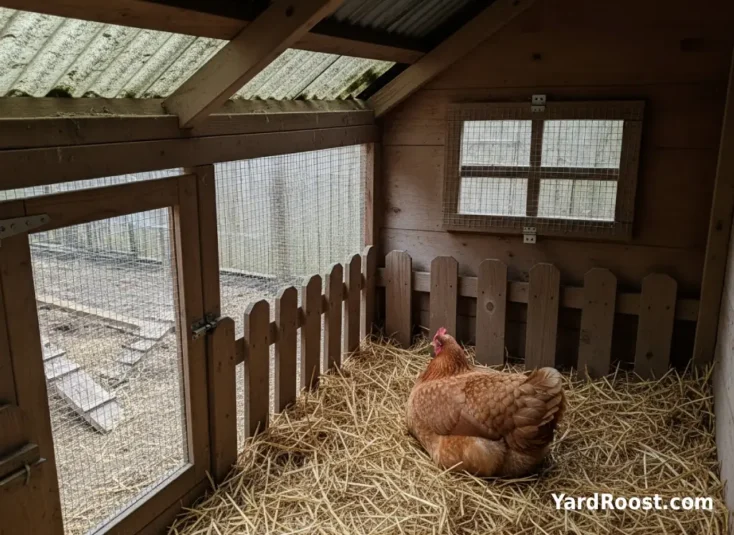
- Give her a quiet, low-traffic nesting spot. This reduces squabbles and helps prevent other hens from piling into the same box (which can break eggs or cause stress).
- Make food and water easy. Broody hens take short breaks; place feed and water close enough that she can refuel quickly.
- Mark your “do not disturb” plan. Decide how often you’ll check the nest (for cleanliness and safety) and stick to it—constant poking makes some broodies more defensive.
One more reality check: if no eggs hatch, some hens don’t get the “we’re done” signal and may continue sitting. The University of Kentucky points out that if no eggs hatch, she may not stop on her own.
Can a Broody Hen Die? Real Risks and What to Watch For
Most broody hens come out the other side just fine, especially if they’re eating and drinking daily. But broodiness can take a toll because some hens reduce feed and water trips, and they may sit for weeks if nothing changes. The University of Kentucky notes broodiness can involve changes in feed and water consumption, and Merck notes hens may remain broody for 3–4 weeks without intervention.
So while it’s not “common,” a broody hen can become dangerously weak if she isn’t maintaining body condition, is dehydrated, or is dealing with parasites or other health stressors. Your job is to spot the slide early.
Red flags that mean “act today,” even if you’re letting her hatch:
- She’s not getting up to eat and drink at least once or twice a day.
- Noticeable, fast weight loss (prominent breastbone) or severe weakness.
- Heavy soiling around the vent, persistent diarrhea, or blood.
- Labored breathing, repeated falling over, or inability to stand.
When to Call an Avian Vet
Broodiness itself is normal behavior, but you should get professional help if you see signs that go beyond “grumpy nest sitter.” Oregon State University Extension notes that when multiple birds show concerning signs, it’s time to seek professional help.
Call an avian vet (or a poultry-experienced veterinarian) promptly if:
- She won’t eat or drink, or she’s rapidly losing condition.
- You see severe lethargy, repeated straining, significant bleeding, or respiratory distress.
- She seems unable to walk normally, keeps falling, or is non-responsive.
- More than one bird becomes ill around the same time.
Common Mistakes to Avoid With Broody Hens
- Waiting too long to intervene (if you want eggs). The longer she practices broodiness, the more “locked in” it can become. Merck notes many hens break within a few days when moved to a wire cage.
- Leaving a pile of eggs in the box. OSU Extension recommends collecting eggs daily to reduce broodiness triggers.
- Making the nest box the coziest spot in the coop. Deep, warm bedding and dark corners invite nesting behavior—great for laying, not great for breaking broodiness.
- Using harsh “shock” methods. You don’t need panic tactics; change the environment and remove the nesting cue.
- Forgetting the rest of the flock. A broody hen can block nest boxes and cause more floor eggs, which the University of Kentucky notes can increase when broodies keep other hens out of nest boxes.
A common mistake we see is trying five different things in one day. Pick one solid approach (nest blocking + broody breaker crate if needed), do it consistently, and track whether she’s returning to “pancake mode.”

Biosecurity and Family Safety While Dealing With Broody Chickens
Broody hens can be extra defensive, which means more handling, more pecking attempts, and more chances for messy hands. The CDC’s backyard poultry guidance emphasizes washing hands with soap and water immediately after touching poultry, their eggs, or anything in their environment (and using sanitizer if soap and water aren’t available).
Two simple habits we recommend for every flock—especially if kids help:
- Keep coop shoes outside. Don’t track coop gunk into the house.
- No kissing or snuggling birds. It’s a common way people (especially kids) get exposed to Salmonella, and the CDC repeatedly warns against close face contact with poultry.

Quick Reference: Broody Hen Timeline and Best Next Step
| What You’re Seeing | What It Often Means | Best Next Step |
|---|---|---|
| Hen sits in nest most of the day, leaves briefly | Possible broodiness (observe across the day) | Confirm with repeat checks; remove eggs daily |
| Protective/pecking, feathers pulled into nest | Likely broody behavior | Block nest access for several days; remove nesting triggers |
| Returns to nest immediately after removal | Strongly broody, “stuck” | Use a wire cage/crate “broody breaker” for a short reset |
| Broody for weeks with no hatch | May not stop without intervention | Intervene; Merck notes 3–4 weeks can happen without intervention |
Broodiness is one of those “welcome to chicken keeping” moments that feels dramatic the first time—and routine after that. Once you know what a broody hen looks like (all-day nest sitting, protectiveness, pulled breast feathers, and a pause in laying), the rest is just choosing a plan and sticking with it. Extension sources emphasize the big levers: reduce nest triggers (collect eggs daily, limit access to nests for a few days) and, for stubborn broodies, use a wire cage/crate reset that breaks the cozy nesting feedback loop.
If you want chicks, set her up to succeed safely. If you don’t, breaking a broody hen sooner is usually kinder than letting her sit for weeks. Either way, keep an eye on basic welfare—eating, drinking, and body condition—and don’t hesitate to involve an avian vet if you see serious weakness or multiple birds acting off. And while you’re managing the drama in the nest box, keep the human side safe too: the CDC’s advice on handwashing after poultry contact is simple and worth treating as non-negotiable.