If you’re new to chickens, it’s easy to assume they’ll “just forage” and be fine. Chickens do love to scratch and snack on whatever they can find—greens, seeds, bugs, and the occasional unfortunate beetle. But for a healthy backyard flock (especially one you want eggs from), their main diet should come from a complete, balanced poultry feed matched to their life stage.
Think of feed as the nutritious “meal,” and foraging/treats as the “snacks.” Snacks can be fun and enriching, but too many scraps or scratch grains can quietly knock your birds off balance—less protein, less calcium, fewer vitamins—and you’ll often see it show up as poor egg production, messy droppings, or birds that act hungry all the time.
We’re not veterinarians, but we’ve fed a lot of backyard birds and made plenty of beginner mistakes ourselves. Below is a practical, safety-first breakdown of what chickens eat, what they like to eat, what baby chicks eat, what not to feed chickens, and how to adjust feeding for seasons and egg laying.
The Foundation: A Complete Feed Comes First
The simplest answer to “what do chickens eat?” is: a complete poultry feed plus clean water. A complete feed is formulated to cover protein, energy, vitamins, and minerals in the right proportions for a chicken’s age and job (growing feathers, building muscle, laying eggs). Sources like Oregon State University Extension emphasize that stage-appropriate feed matters from hatch through laying for long-term production and health.
As a beginner, you’ll save yourself a lot of trouble by making complete feed at least 90% of intake. Treats and scraps are where people accidentally create problems—birds fill up on low-protein “fun food,” then don’t eat enough of the balanced stuff.
Two practical rules that prevent most feeding headaches:
- Buy feed for your flock’s stage. “Chick starter” for chicks, “grower/developer” for adolescents, “layer” for birds actively laying.
- Keep feed dry and boring. Dry feed stays fresher, and “boring” feed means they’re not sorting only the tastiest bits. If your feeder gets damp or moldy, dump it and clean it.
Chicken Feed by Age: What Do Baby Chicks Eat?
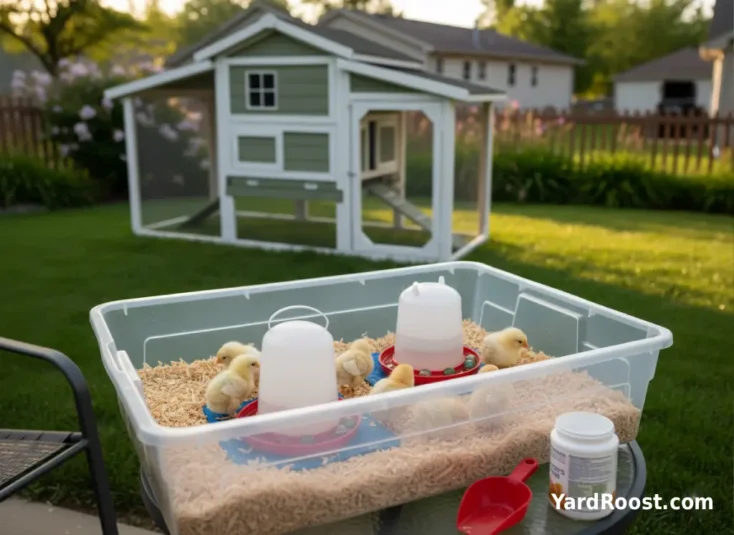
Baby chicks should start with chick starter (often crumbles) designed for fast growth. Many extension publications put starter feed around 18–20% protein, typically fed until about 6 weeks, followed by a lower-protein grower/developer feed until birds near laying age. Layer feeds are usually introduced around 18–20 weeks or when the first egg shows up, because layer feed includes extra calcium for shells.
Chicks also need correct brooder warmth so they’ll eat and drink steadily. A common extension guideline is about 90–95°F at chick level for week 1, then reduce about 5°F per week as they grow (always watch chick behavior and use a thermometer at chick level).
| Bird Stage | Typical Feed Choice | What to Know |
|---|---|---|
| 0–6 weeks | Chick starter (crumbles) | Higher protein for growth; keep feed available and dry. |
| 6–18 weeks | Grower/developer | Supports steady growth to maturity; don’t rush into layer feed. |
| ~18–20 weeks and laying | Layer feed | Extra calcium supports shells; consider free-choice calcium if needed. |
A common mistake we see is giving young pullets layer feed “so they’ll lay sooner.” It doesn’t work that way, and too much calcium for immature birds isn’t ideal. Stay patient and keep them on the right stage feed.
What Do Chickens Eat Naturally in the Wild or Free Range?
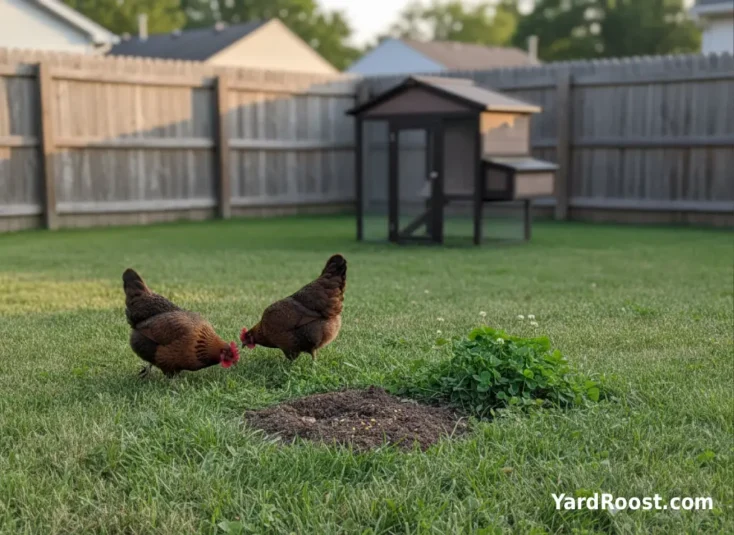
Chickens are opportunistic omnivores. Left to their own devices, they’ll spend hours doing three things: scratching, pecking, and investigating everything. In practical terms, “what do chickens eat naturally?” usually looks like:
They’ll target seeds and spilled grain, tender greens, and protein snacks such as insects and worms. Extension sources note that chickens with pasture access can consume meaningful amounts of insects and seeds when available, but they still need a concentrate ration for consistent nutrition—especially for laying performance. They’ll nibble grass, but they’re not built to digest large amounts of forage like a cow.
So yes—free range helps with enrichment and can offset a little feed, but it’s not a complete diet in most backyards. In winter, drought, or a closely mowed yard, there simply isn’t much “real” forage to balance a laying hen’s needs.
Practical tip: If you free-range, assume it changes behavior more than it changes math. Keep a complete feed available, and let foraging be the bonus.
Greens and Veggies Chickens Like to Eat
If you want an easy, flock-friendly way to add variety, greens and veggies are usually the first stop. Chickens tend to love leafy greens (especially when the yard is brown) and crunchy produce they can peck apart.
Good starter options most backyard keepers use successfully:
- Leafy greens: romaine, kale, collards, mustard greens, beet greens (in moderation), lawn weeds from untreated areas
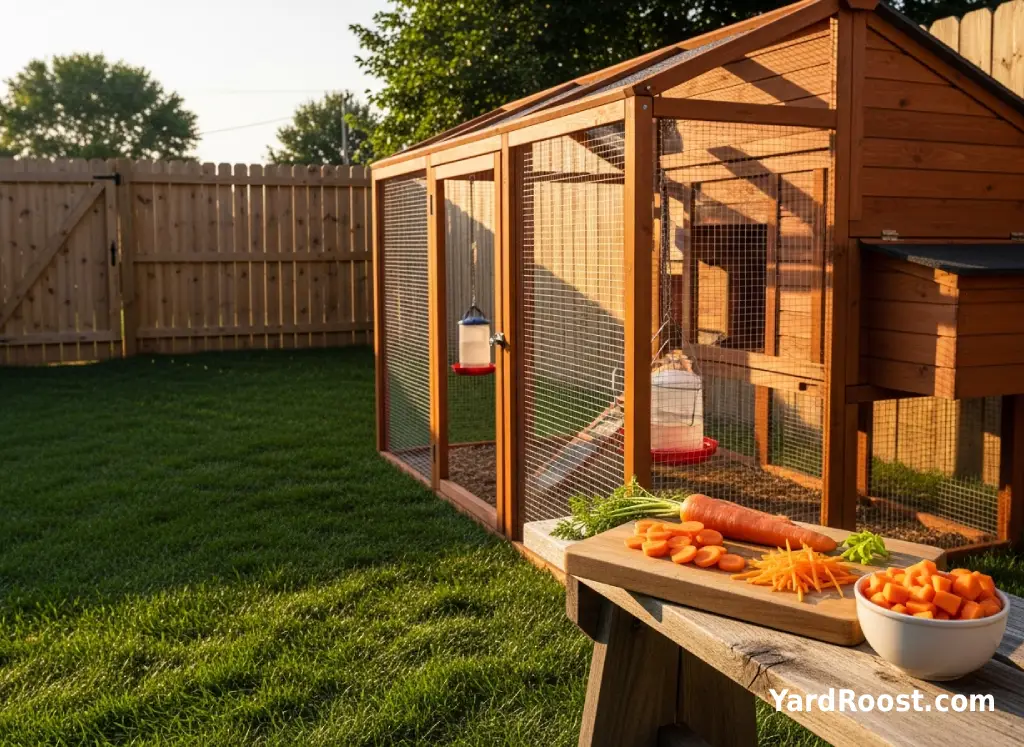
- Crunchy veg: cucumbers, zucchini, summer squash, bell peppers (flesh), carrots (chopped or shredded), broccoli florets
- Garden extras: pumpkin and winter squash (split open), peas, green beans (cooked is safest if you’re unsure)
Two ways to make greens safer and less wasteful:
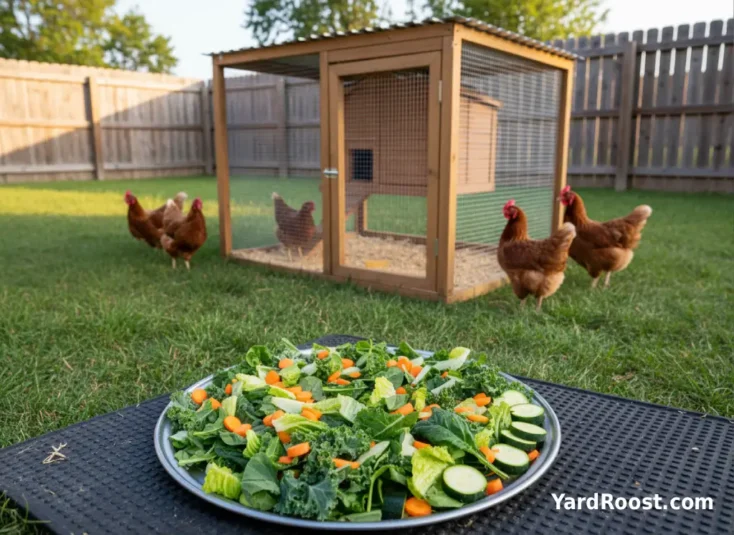
- Hang it. Clip a whole romaine heart or cabbage leaf to the run wall so it stays clean and becomes a pecking toy.
- Chop it. Chickens waste less when scraps are bite-sized. Think “thumbnail pieces,” especially for bantams.
A common mistake we see is tossing a whole bucket of kitchen scraps into mud and calling it “free feeding.” If it touches wet bedding or manure, it becomes a mold/mess magnet fast. Use a tray, mat, or hanging clip so treats don’t turn into a sanitation problem.
Treats, Scratch, and Kitchen Scraps: Use the 10% Rule
Chickens love treats—scratch grains, mealworms, sunflower seeds, leftover rice, veggie peelings. The problem isn’t treats; it’s the amount. Multiple extension sources recommend keeping scratch, grains, and kitchen scraps to no more than about 10% of the daily diet so birds don’t short themselves on balanced nutrition.
If you like rules of thumb, here’s a simple backyard approach:
- Feed first, treats last. Let them eat their complete feed before you toss snacks.
- Make treats “activity,” not “dinner.” Scatter a small handful so they scratch and move.
- Pick one treat moment per day. It keeps portions honest and birds calmer.
How much is “10%” in real life? Many laying hens average around 1/4 lb of feed per day (varies by size, weather, and production), so 10% is a small amount—more like “a sprinkle,” not a bowl of pasta.
If you want treats to help rather than hurt, aim for higher-value options: chopped greens, a little scrambled egg, or a measured portion of mealworms—then stop.
What Not to Feed Chickens
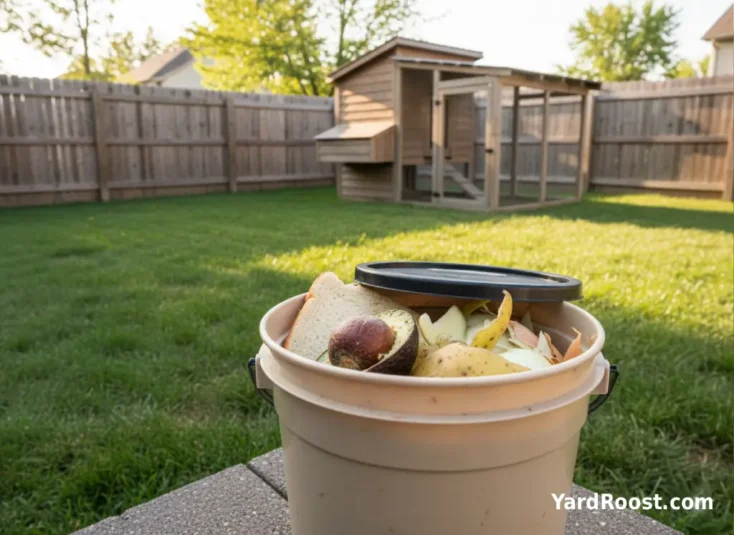
When people ask “what not to feed chickens,” they usually mean two categories: toxic/unsafe items and foods that create nutrition or hygiene problems. For backyard flocks, the safest mindset is: if it’s moldy, salty, chemically treated, or questionable—skip it.
Common “no” items (or “avoid” items) cited in extension guidance include:
- Moldy or spoiled food (mold toxins are a real risk)
- Avocado skins and pits
- Undercooked or dried beans
- Onions (especially in larger amounts)
- Rhubarb
- Potato peelings/green potatoes (be cautious)
- Very salty or heavily seasoned foods
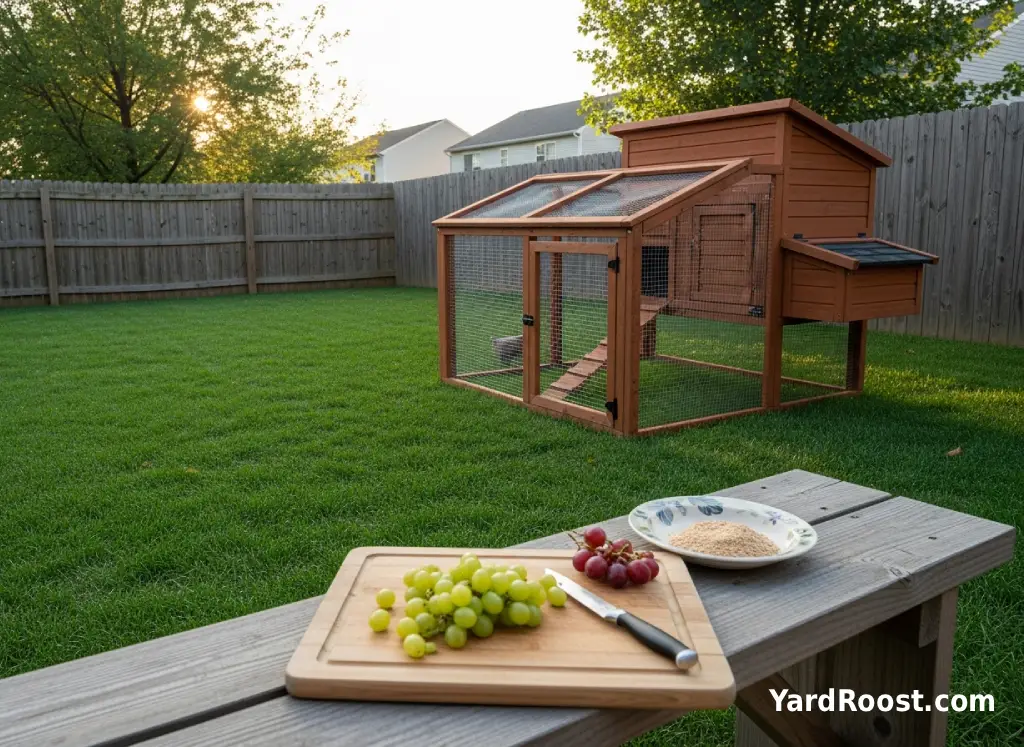
If you’re unsure about a plant from your yard, don’t toss it in as “greens.” And avoid lawn clippings if you can’t confirm the lawn hasn’t been treated with herbicides or pesticides recently.
Feeding for Eggs: What to Feed Chickens to Make Them Lay
If your real question is “what do I feed a chicken so it lays eggs?” the honest answer is: you don’t feed one magic ingredient—you feed the right base diet consistently, and you avoid undermining it with too many treats.
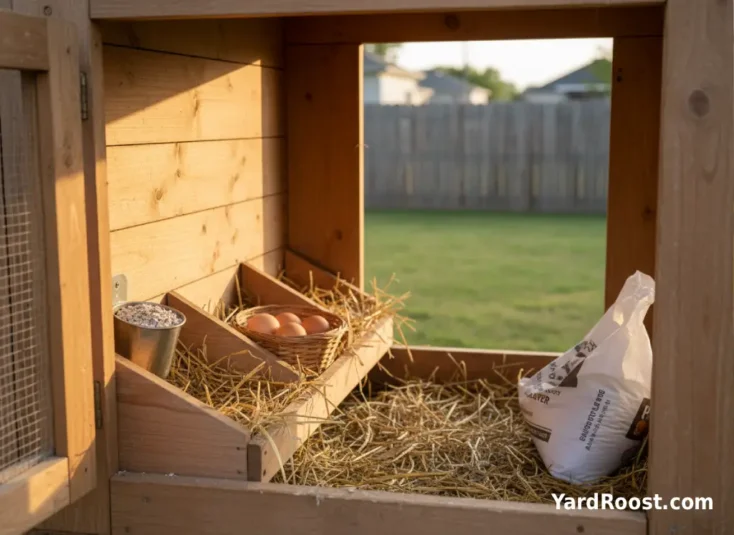
Layer feed is formulated with extra calcium for shells. Extension guidance commonly places layer feed around 3–4% calcium (and protein often in the mid-teens). Many sources recommend switching around 18 weeks or with the first egg.
What about oyster shell? If you’re feeding a quality layer feed, some hens do fine without extra calcium. But if you notice thin shells or easy cracking, extension guidance suggests offering crushed oyster shell free-choice in a separate feeder so hens can self-regulate. Also, oyster shell is not the same as grit (it’s too soft to function as grinding grit).
Quick troubleshooting (safe, non-medical):
- Soft/thin shells: confirm layer feed, reduce treats, offer free-choice oyster shell, ensure consistent access to water.
- Drop in eggs: check age/season, heat stress, molt, and whether birds are filling up on scratch instead of layer feed.
Winter and Summer Feeding Adjustments
Chickens eat differently when the weather swings. In heat, many birds eat less; in cold, they often eat a bit more to maintain body condition. That’s one reason a consistent, complete feed is so useful—you’re not guessing nutrients while the weather changes.
Practical winter moves that actually help:
- Keep feed dry. Damp feed can spoil faster in winter condensation. Store bags in a sealed bin.
- Add enrichment, not “replacement calories.” Offer leafy greens, hang a cabbage, or scatter a small scratch portion to get them moving—without replacing their main ration.
- Watch water access. If water freezes, feed intake often drops too (because birds don’t like eating without drinking).
In summer heat, focus on timing: offer the most feed during cooler morning/evening windows, keep water shaded, and don’t overdo heavy treats that sit in the run and spoil.
Feeders, Water, and Grit: Setup That Prevents Waste
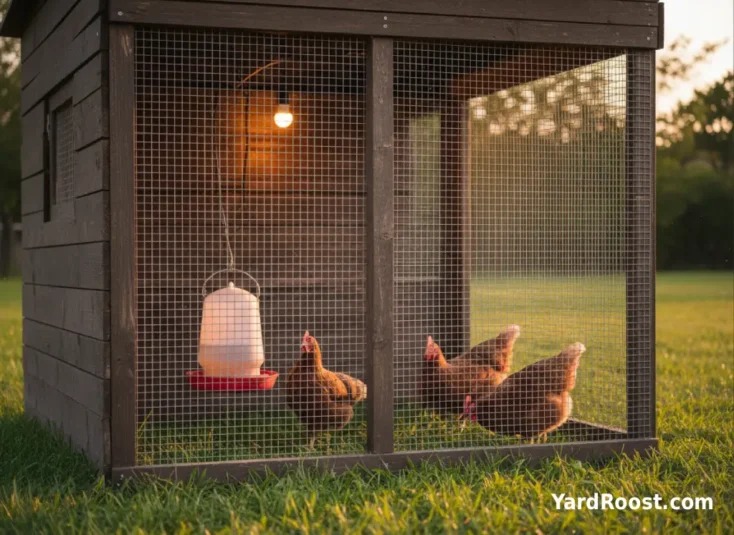
A good feeding setup saves money and reduces mess. The goal is simple: chickens eat the feed, not the mice, not the rain, and not the coop floor.
Here’s a quick routine that works for most small flocks:
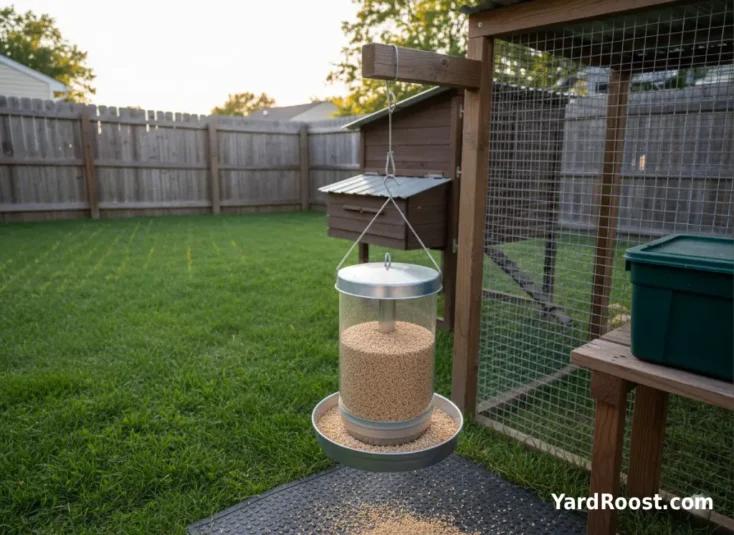
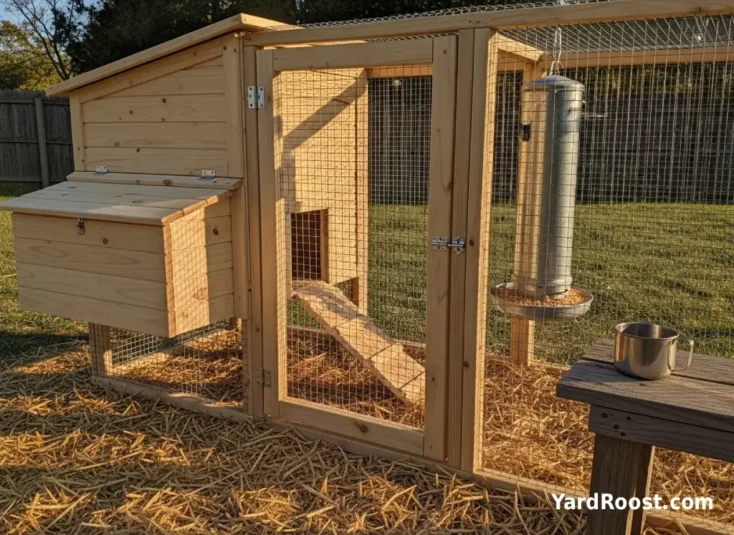
- Step 1: Hang the feeder so the lip sits around the birds’ back height (less scratching feed out).
- Step 2: Use a feeder that closes or is hard to roost on (less poop in feed).
- Step 3: Keep feed in a sealed bin and only fill the feeder with 1–3 days’ worth (fresher, less waste).
- Step 4: If you offer scratch or whole grains, provide insoluble grit (or ensure birds have access to small stones in soil).
- Step 5: Clean up spills and check corners weekly for dampness or mold.
A common mistake we see is using oyster shell as “grit.” Oyster shell is for calcium, not grinding. If you feed scratch, they need insoluble grit (small stones), not a calcium supplement.
Common Mistakes to Avoid
- Overfeeding treats. If birds beg nonstop, it’s tempting to toss more snacks. Stick to the 10% rule and feed treats after they’ve eaten their complete ration.
- Feeding the wrong stage feed. Chick starter for chicks, grower for adolescents, layer for active layers—don’t rush it.
- Letting scraps rot in the run. Use a tray or hang greens; remove leftovers the same day.
- Ignoring grit needs. If you feed scratch/whole grains and birds can’t access small stones, digestion can suffer.
- Storing feed where it gets damp. Moisture invites spoilage and pests—sealed bin, cool/dry spot, and rotate bags.
One more quiet mistake: changing feed brands or formats too fast. If you need to switch, blend old/new over about a week so their digestive system adjusts more smoothly.
When to Call an Avian Vet About Appetite or Droppings
Feeding questions sometimes bump into health questions. We can’t diagnose problems, but we can share a safe rule: appetite changes are information, and big or sudden changes deserve attention.
Consider calling an avian vet (or an experienced poultry veterinarian) if you notice:
- Not eating or drinking for most of a day, especially with lethargy
- Rapid weight loss or a bird that feels “knife-edged” at the breastbone
- Persistent watery diarrhea or droppings that look dramatically abnormal for more than a day
- Swollen abdomen, severe weakness, or repeated egg binding signs
Safe first steps while you arrange help: separate the bird to reduce bullying, offer easy access to water and its normal feed, keep it warm and quiet, and bring notes about what changed (feed brand, treats, weather, new birds, free-range access).
Food Safety and Salmonella: Protect Your People, Too
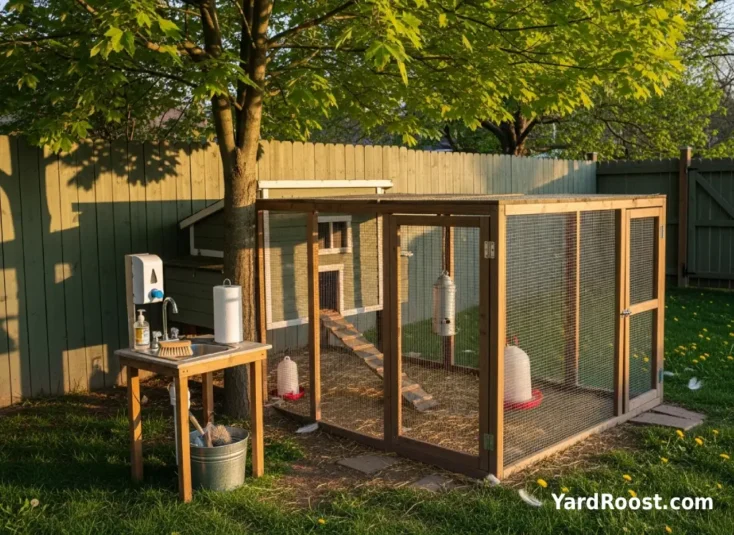
Any time you keep backyard poultry, it’s smart to think about hygiene. The CDC emphasizes washing hands with soap and water right after touching poultry, eggs, or anything in their environment (and using sanitizer if soap and water aren’t available). This matters extra when feeding, collecting eggs, or letting birds free-range near patios where kids play.
Two easy habits that reduce risk:
- Keep feed and treats out of the kitchen. Store poultry feed in its own sealed bin, and use a dedicated scoop.
- Feed in one “chicken zone.” Don’t toss scraps across the yard where they’ll be stepped on, tracked inside, or attract pests.
If you want cleaner eggs, cleaner eggs usually start with cleaner nest boxes and less mud—feeding setup and coop maintenance work together.
So, what do chickens eat? In a well-run backyard flock, they eat a complete poultry feed as their main diet, plus water—then they enjoy extras like greens, safe veggies, and small amounts of scratch or kitchen scraps as enrichment. Free-ranging adds bugs, seeds, and tender plants, but it rarely replaces the need for balanced feed, especially for laying hens.
If you remember just three things, make them these: match feed to age (starter → grower → layer), keep treats under about 10% of the diet, and don’t feed anything moldy or questionable. Add a smart setup—dry storage, a feeder that reduces waste, grit when needed—and you’ll avoid most of the “why are my chickens acting weird?” moments that hit new keepers.
Your flock will tell you how you’re doing: steady body condition, normal droppings, and consistent laying (when season and age allow) usually mean you’re on the right track. And if appetite drops sharply or a bird looks truly unwell, it’s worth looping in an avian vet early rather than trying to guess your way through it.