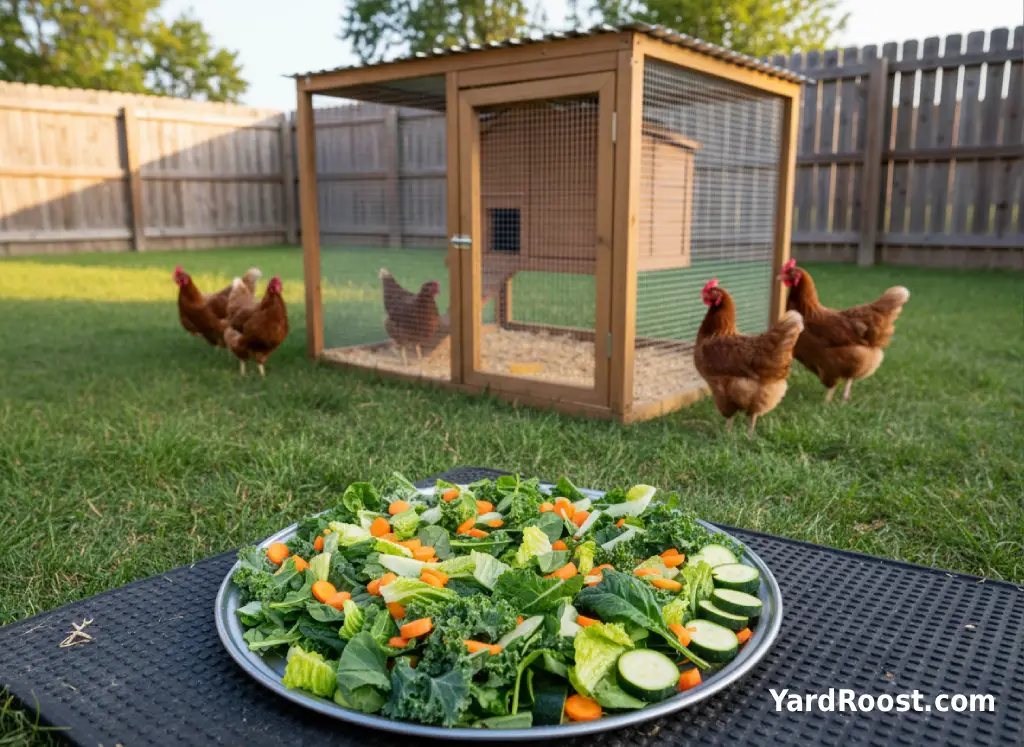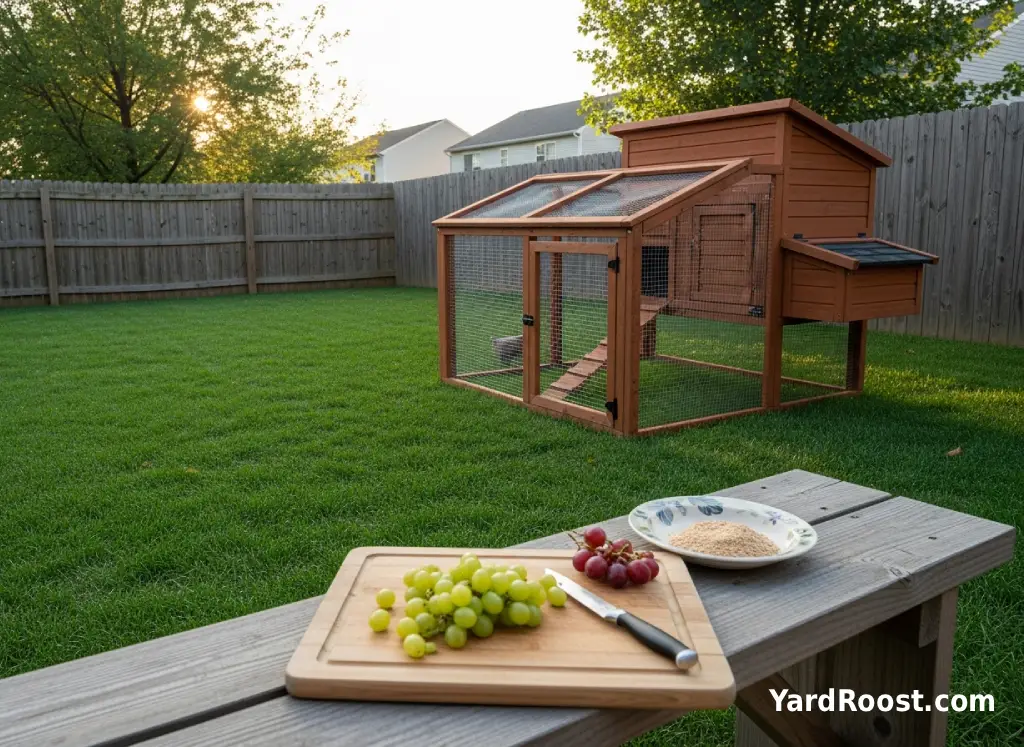
Yes—most backyard chickens can eat carrots. Think of carrots as a crunchy, vitamin-rich treat, not a diet makeover. A complete, life-stage-appropriate poultry feed should still do the heavy lifting for protein, calcium, and balanced nutrients. Carrots shine as a “something extra” that adds variety and keeps bored hens busy (especially in winter when the run turns into a mud season reality show).
The main thing to get right is prep and portion. Raw carrots can be hard and easy to waste if you toss in big chunks. Cooked carrots can disappear fast, which makes it easy to overdo treats. Peels and peelings are fine if they’re clean and pesticide-free, while carrot tops (greens) are usually enjoyed like any other leafy green—best offered fresh and in sensible amounts.
Yes—Carrots Can Be a Smart Treat
Carrots are non-spicy, low-fat, and easy to portion, which is exactly what you want in a chicken treat. They’re also a simple way to add variety without tempting your flock into an all-you-can-eat buffet of kitchen scraps.
What carrots don’t do: replace a balanced ration. Several poultry and veterinary resources emphasize that treats and extras should stay a small slice of the overall diet so birds don’t short themselves on essential nutrients.
Two quick, keeper-tested tips:
- Use carrots to “stretch” boredom busters. Mix a small amount of shredded carrot into a handful of chopped greens instead of offering a big pile of either.
- Watch the poop, not the hype. If droppings turn watery after a treat day, cut portions back and offer treats less often for a week.
A common mistake we see is using treats to “make up” for picky eating. If birds are leaving feed to chase scraps, pull back on extras and make sure the feed is fresh, dry, and appropriate for their age (starter/grower/layer).
Raw vs Cooked Carrots: Which Is Better?
Both raw and cooked carrots can work—the “best” choice is whichever helps you control portions and prevents waste.
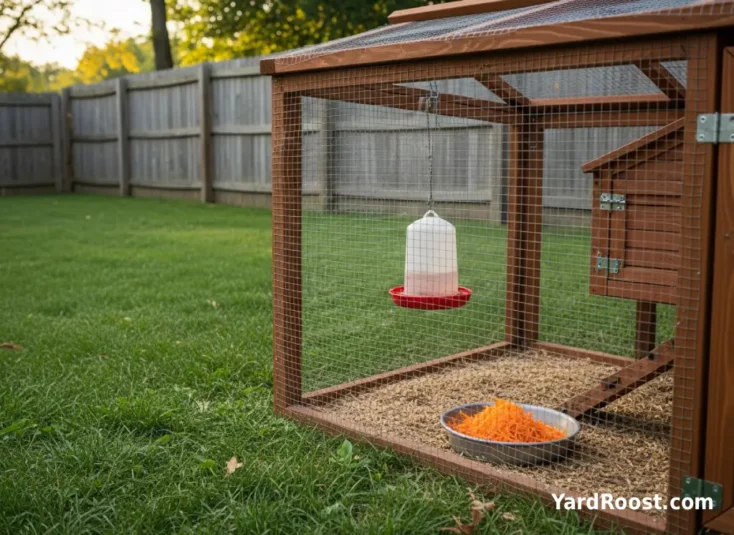
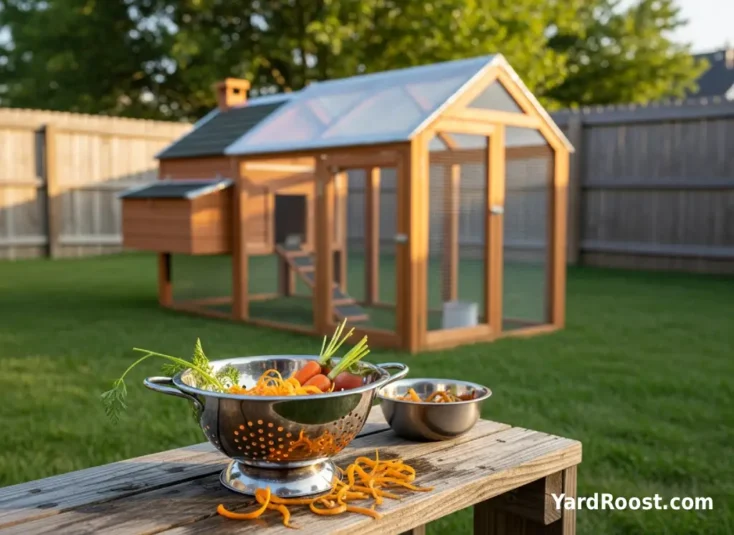
Raw carrots are great for pecking enrichment, but they’re tough. Many hens will ignore big chunks or peck a little and walk away. Shredding or slicing thin solves that problem and lowers the risk of birds trying to gulp oversized pieces.
Cooked carrots (plain, cooled) are softer and usually more popular. The downside is that birds can eat a lot quickly, so it’s easy to accidentally turn “treat time” into “this is dinner now.”
Best practice for most flocks:
- Choose raw if you want slow, busy pecking (shreds, matchsticks, thin slices).
- Choose cooked if you need easy chewing (older birds, beak issues) and you’re confident you’ll keep servings small.
- Skip butter/oil/salt/seasonings. Plain is the goal.
If you’re trying carrots for the first time, start small and offer them after the flock has had time on their regular feed for the day.
Can Chickens Eat Carrot Tops and Carrot Greens?
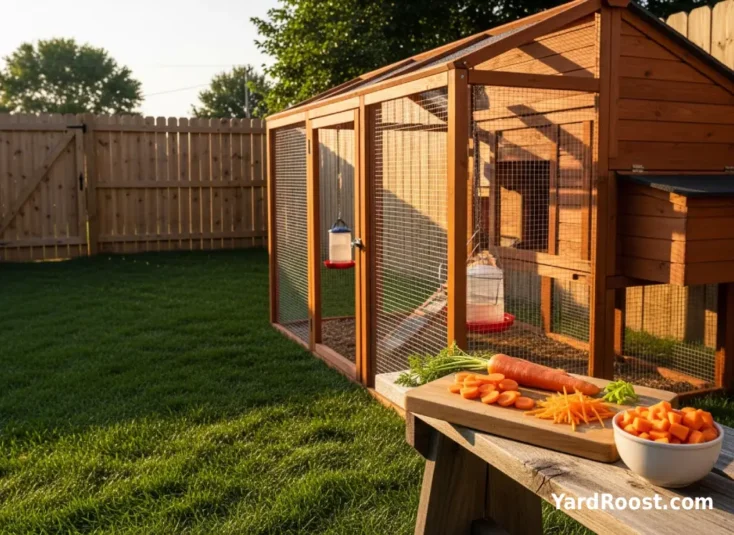
Carrot tops (carrot greens) are basically “leafy greens with attitude”—they’re fibrous, they wilt fast, and chickens tend to either love them or treat them like suspicious salad. In most backyard setups, carrot tops are offered the same way you’d offer other garden greens: fresh, clean, and in modest amounts.
Make carrot greens safer and less wasteful
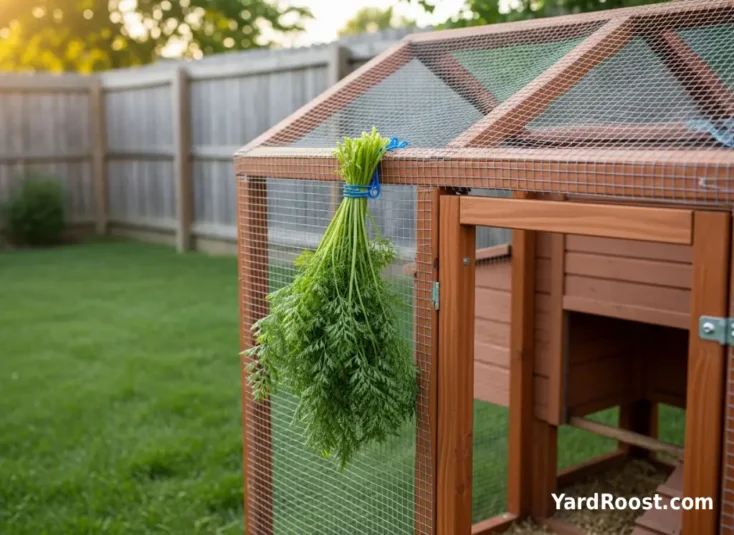
Give them a quick rinse, shake them dry, then clip them up off the ground so they don’t turn into a muddy, stepped-on mess in five minutes. If they’re droopy or slimy, compost them instead of feeding them.
Two guardrails we use at YardRoost:
- Introduce greens slowly. A big sudden pile of any leafy treat can lead to watery droppings.
- Keep it pesticide-conscious. If you wouldn’t eat the greens unwashed, don’t feed them to your flock unwashed.
Can Chickens Eat Carrot Peels and Carrot Peelings?
Carrot peels and peelings are fine if they’re clean and not spoiled. This is one of those “kitchen scrap” situations where food safety matters more than the ingredient itself.
Do:
- Wash first. Scrub or rinse carrots before peeling, especially if they’re store-bought and waxed or if they came from a garden bed with lots of soil.
- Offer peelings fresh. If they’ve been sitting wet in the sink or in a warm kitchen bowl, they can sour quickly.
- Feed off the ground. A shallow dish or scattered on a clean, dry area helps keep pests and mold down.
Don’t:
- Feed anything moldy or fermented. If it smells “off,” it’s a no.
- Dump a whole bag of peels at once. It’s too easy to turn scraps into the main course.
If your flock free-ranges and finds carrot bits in the garden, that’s usually not a crisis—just keep an eye on how much “foraging” is replacing their balanced feed.
How Much Carrot Is Too Much?
The easiest rule to live by: treats stay under about 10% of what your chickens eat, with the rest coming from a complete feed. This “less than 10%” guidance shows up across multiple poultry and veterinary education resources, and it keeps nutrition predictable—especially for laying hens who need consistent calcium and protein.
A common mistake we see is “healthy treat creep.” It starts with carrots, then it’s zucchini, then it’s oatmeal, then it’s yesterday’s pasta… and suddenly the feeder lasts twice as long because everyone is holding out for snacks. If eggshell quality or lay rate drops, treats are one of the first things to tighten up.
| Flock Size | Starting Point per Treat Serving | What to Watch For |
|---|---|---|
| 3–5 hens | A small handful of shredded carrot total | Watery droppings or ignoring feed |
| 6–10 hens | One to two small handfuls shredded (or a few thin slices each) | Bullying at the treat pile; too-fast eating |
| Mixed flock (bantams + standards) | Shred or chop extra fine and spread it out | Small birds getting pushed away |
Quick “is this too much?” check: if your birds rush treats and leave their feed untouched for hours afterward, cut treat portions in half for a week and reassess.
Easy Ways to Serve Carrots (Without Wasting Them)
If you want carrots to be a treat your chickens actually eat (instead of orange yard confetti), set them up for success. Here’s a simple routine that works in most small-flock backyards:
- Wash first. Especially if you’ll feed peels or greens.
- Decide raw or cooked. Raw for slow pecking; cooked (plain, cooled) for easy chewing.
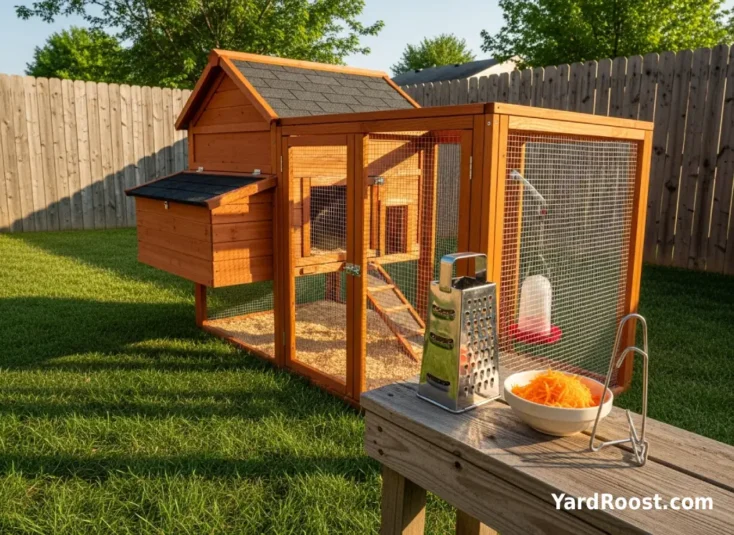
- Prep to “bite size.” Shred, grate, matchstick, or thin-slice—avoid big chunks.
- Serve in a way that spreads birds out. Use two small dishes or scatter lightly in a clean area so timid hens get a turn.
- Remove leftovers. If it’s wet, stepped-on, or attracting bugs, it’s done for the day.
Want a low-drama boredom buster? Hang a rinsed carrot (or a bunch of tops) just above head height in the run so they peck at it like a coop piñata—then pull it when it’s dirty or ignored.
Common Mistakes to Avoid
- Feeding “treat mountains.” Even healthy treats can crowd out balanced feed. Keep carrots as a small add-on.
- Tossing in big raw chunks. Chickens don’t chew like we do. Shred, slice thin, or cook and cool.
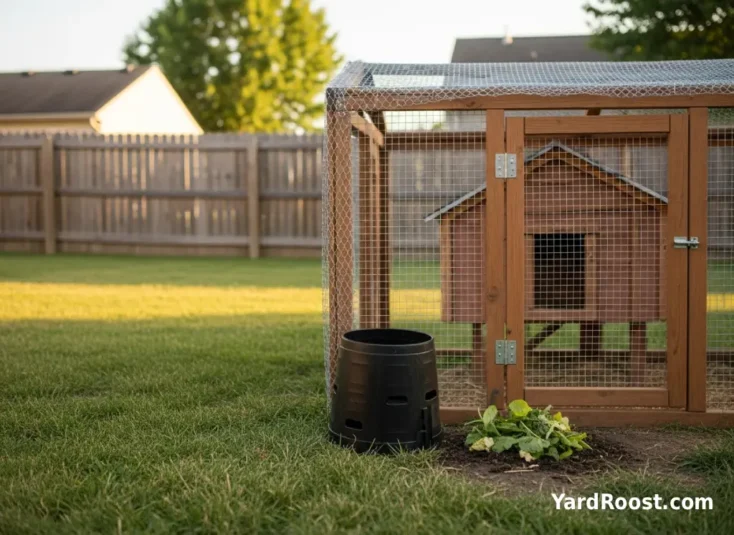
- Using spoiled scraps. Slimy, moldy, or sour-smelling peelings belong in compost, not the coop.
- Letting one hen hog everything. Spread treats out or use two stations to reduce bullying.
- Skipping basic hygiene. Treat prep is still food handling—wash produce and keep serving dishes reasonably clean.
If treats are becoming a daily habit, it may be time to revisit the basics of a balanced ration and feeding routine: Chicken Feeding Basics for Small Backyard Flocks.
When to Call an Avian Vet
Most carrot-related issues are mild (messy droppings after too many treats), and they improve quickly when you return to a straightforward diet of complete feed and water. But if a chicken seems genuinely unwell, don’t wait it out just because the “trigger” was a treat.
Consider calling an avian vet if you notice any of the following—especially if it lasts more than a day, worsens quickly, or affects multiple birds:
- Marked lethargy (not just a nap), reluctance to move, or isolating from the flock
- Repeated vomiting/regurgitation, or a persistently enlarged or concerning-feeling crop
- Watery droppings plus dehydration signs (weakness, very pale comb, not drinking)
- No interest in feed for an extended period or sudden weight loss
If more than one bird shows concerning signs, treat it as a flock health situation: pause treats, keep feed and water simple, tighten hygiene, and get professional guidance.
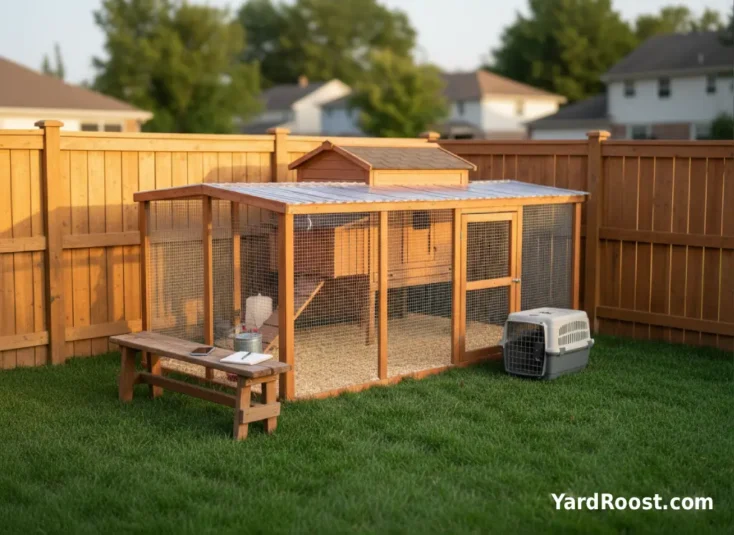
Keeping Food Safety in Mind Around Treats and Eggs
Feeding carrots isn’t just about the carrot—it’s also about what happens in the process: handling birds, gathering eggs, and moving between coop life and kitchen life. The CDC regularly reminds backyard poultry keepers to wash hands after touching birds, eggs, or anything in their environment.
Practical habits that actually stick:
- Keep coop shoes outside. Treat time often means stepping in and out—don’t track it through the house.
- Use a “chicken-only” treat dish. Easy to rinse, easy to grab, less cross-contamination with human food prep.
- Make handwashing automatic. Treats, eggs, bedding—wash up right after.
This isn’t about fear; it’s about keeping your flock care routine compatible with a normal family kitchen.
So—can chickens eat carrots? Absolutely, in the way most good chicken treats work: clean, plain, appropriately sized, and not so frequent that your flock starts side-eyeing their balanced feed.
Raw carrots are best shredded or thin-sliced to prevent waste and “gulping” issues, while cooked carrots can be a great option for easier eating as long as you keep portions modest. Carrot peels and peelings are fine when they’re freshly washed, and carrot tops can be offered like other leafy greens—fresh, pesticide-free, and introduced gradually.
If you remember just two things, make it these: keep treats under about 10% of the diet, and pay attention to what your birds do afterward (droppings, appetite, energy, and whether they’re still eating their feed normally). Treats should make chicken-keeping more fun, not more complicated. And if something feels truly off—especially persistent digestive issues, crop concerns, or a bird that’s dull and not acting like herself—bring an avian vet into the loop. Backyard flocks are wonderfully hardy, but they also deserve prompt help when a small problem is trying to become a big one.