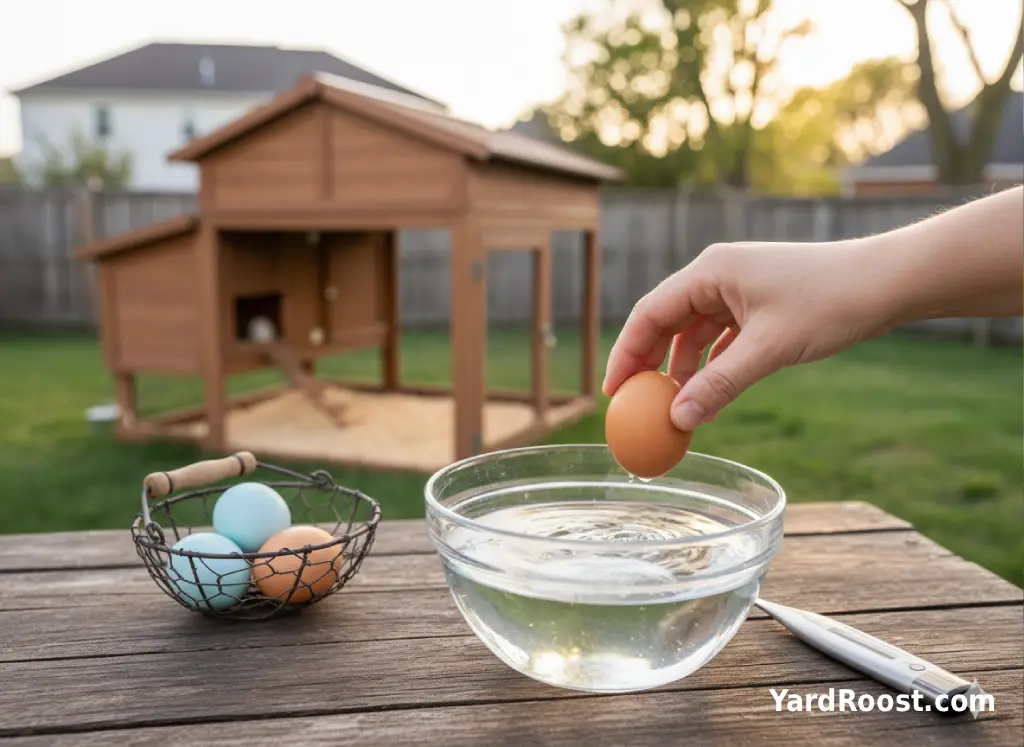
Fresh backyard eggs raise a question almost every new chicken keeper asks sooner or later: how long do unwashed eggs last, and do they really need to go in the fridge right away? The practical answer is that clean, unwashed eggs usually keep for about 2 weeks at room temperature, and they can last much longer in the refrigerator. Ohio State University Extension says unwashed, undamaged eggs can remain fresh for up to 2 weeks at room temperature, while refrigerated eggs can stay good for up to 3 months. FDA guidance for consumer egg safety is more conservative for refrigerated storage quality, recommending eggs be stored at 40°F or below and used within 3 weeks for best quality.
The reason unwashed eggs behave differently is the natural bloom, also called the cuticle. That thin coating helps slow moisture loss and reduces the movement of microbes through the shell. Once you wash eggs, that extra layer of protection is partly removed, which is why washed eggs should go straight into the refrigerator. In a backyard flock, storage also depends on how clean the eggs are, whether shells are cracked, how warm your house gets, and how often you collect from the nest boxes.
The Quick Answer on Unwashed Egg Shelf Life
For most backyard flocks, a clean, unwashed, uncracked egg can usually sit on the counter for up to about 2 weeks in a reasonably cool house. Put that same egg in the refrigerator and its usable life is longer, often around 3 months in practical backyard guidance, though FDA says 3 weeks is the best-quality benchmark for refrigerated eggs. That difference matters: “best quality” and “still usable” are not always the same thing. A fresh egg may still be fine after the point when texture and flavor are at their peak. For a fuller breakdown of storage times and what changes between room temperature and refrigeration, see our guide on storing farm-fresh eggs safely.
The safest way to think about it is like this: counter storage is the short game, refrigerator storage is the long game. If your family eats eggs quickly and your kitchen stays fairly cool, unwashed eggs on the counter can work. If you want a bigger margin for quality, or your home runs warm, unwashed eggs in the fridge are the better choice. A common mistake we see is treating every house the same. A farmhouse kitchen in winter and a sunny 78°F kitchen in July are not equal storage spaces.
| Storage Method | Practical Time Frame | Best Use |
|---|---|---|
| Unwashed eggs on counter | About 2 weeks | Small flocks, quick household use |
| Unwashed eggs in fridge | Longer storage, often up to around 3 months | Best for preserving freshness longer |
| Washed eggs in fridge | Refrigerate promptly; use sooner for best quality | Eggs that needed cleaning before storage |
How Long Can Unwashed Eggs Sit Out on the Counter?
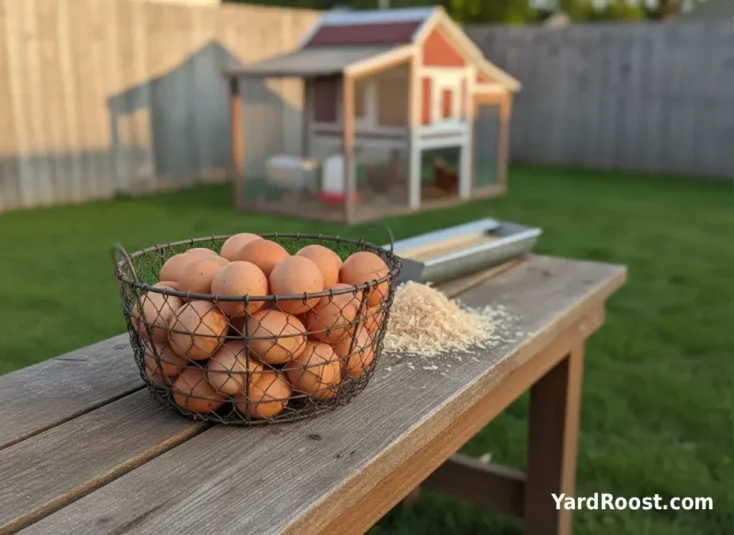
How long can unwashed eggs sit out depends heavily on temperature and shell condition. Ohio State University Extension gives the clearest practical backyard answer: clean, unwashed, undamaged eggs can remain fresh for up to 2 weeks at room temperature. That guidance assumes the eggs were collected from a clean nest, not scrubbed, and not left in a hot room.
That does not mean any countertop is automatically fine. If your kitchen often creeps into the mid-70s or higher, or you keep eggs near a stove, sunny window, or porch door, move them to the fridge sooner. Heat speeds quality loss. Eggs also pick up risk when they sit too long in dirty nesting material before collection. CDC recommends collecting eggs often, throwing away cracked ones, and refrigerating after collection to maintain freshness and slow bacterial growth.
- Collect eggs at least once daily; twice a day is even better in hot weather.
- Keep counter-stored eggs out of direct sun and away from the stove.
- Do not leave visibly dirty or cracked eggs at room temperature for later sorting.
If you are debating between convenience and caution, refrigerating wins. Counter storage is workable, but it is less forgiving.
How Long Do Unwashed Eggs Last in the Fridge?
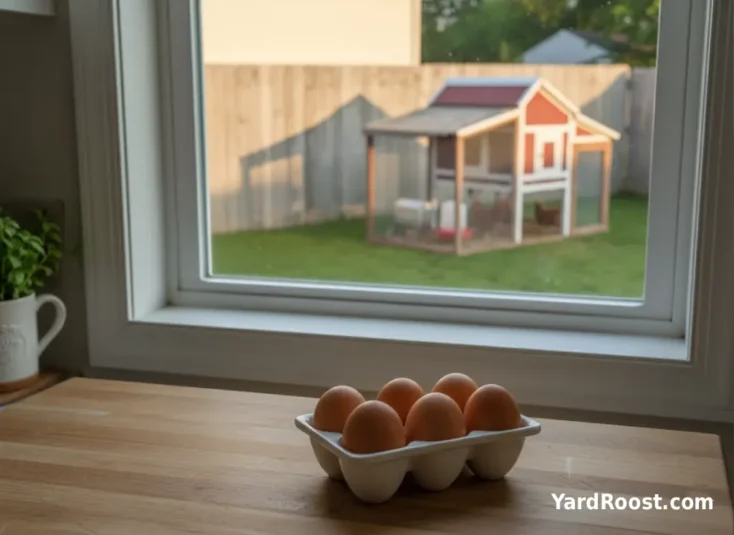
Unwashed eggs in the fridge generally hold quality much longer than unwashed eggs on the counter. Ohio State University Extension says refrigerated eggs can remain good for up to 3 months, while FDA says shell eggs should be stored promptly at 40°F or below and used within 3 weeks for best quality. Put together, that gives beginner keepers a sensible rule: refrigeration is your best option for longer storage, and the colder, steadier environment helps preserve both safety margin and eating quality.
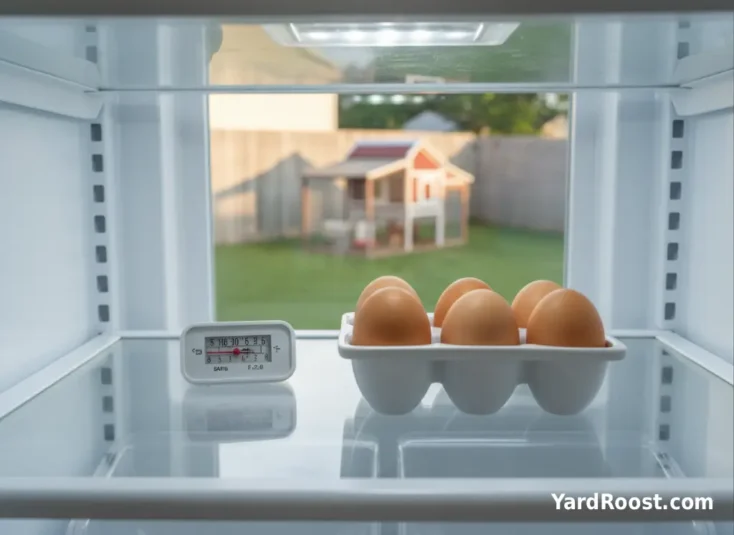
For home use, store eggs in a carton rather than loose in the fridge door. The door warms up every time it opens. A middle shelf is more stable. Keeping the eggs in a carton also reduces odor transfer and helps you rotate older eggs forward. If you wash eggs first, refrigerate them right away instead of switching back to room-temperature storage later. FDA also recommends 40°F or below, so a simple refrigerator thermometer is worth the few dollars it costs.
We also like a simple date habit: write the collection date on the carton. A common mistake we see is relying on memory once several dozen eggs pile up in the kitchen. That is how “fresh enough” turns into guessing.
What Changes How Long Unwashed Eggs Are Good For?
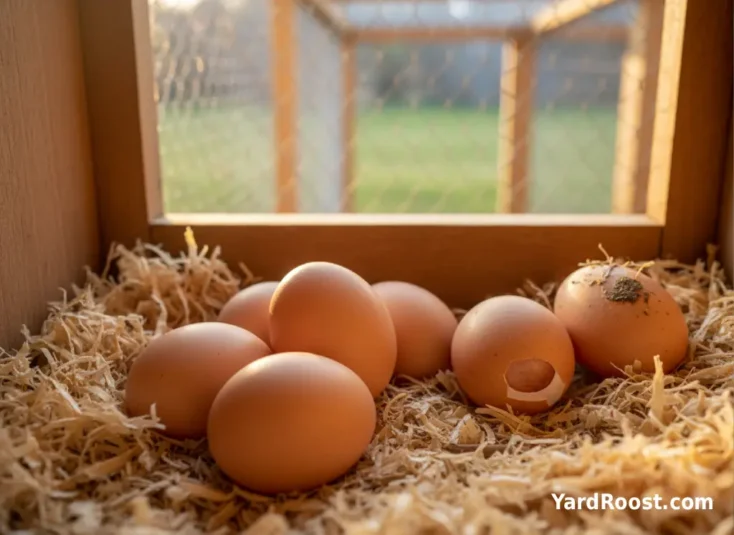
Two eggs laid on the same morning may not keep equally well. Shelf life changes with four big factors: cleanliness, cracks, temperature, and washing. The bloom helps protect the shell, but it is not magic. A heavily soiled egg, an egg with a hairline crack, or an egg left in a hot nest box all lose storage advantage fast. CDC specifically advises throwing away cracked eggs because bacteria on the shell can enter more easily through a cracked shell.
Collection habits matter more than many beginners expect. UF/IFAS notes that eggs should not be allowed to accumulate in nest boxes and that the longer they stay there, the more likely they are to become dirty, broken, or lower quality. That is one reason frequent collection helps both cleanliness and shelf life.
Here are the biggest shelf-life variables to watch:
- Shell cleanliness: Dry, clean shells keep better than eggs with manure or wet debris.
- Shell integrity: Even a small crack is a reason to skip long storage.
- Room temperature: Cooler indoor conditions are kinder to counter-stored eggs.
- Washing: Once washed, eggs belong in the refrigerator.
A common mistake we see is saving “just slightly dirty” eggs for later without a plan. Either dry-clean them gently and refrigerate, or discard the really messy ones. That is safer than trying to stretch every egg at all costs.
How to Store Unwashed Chicken Eggs the Smart Way
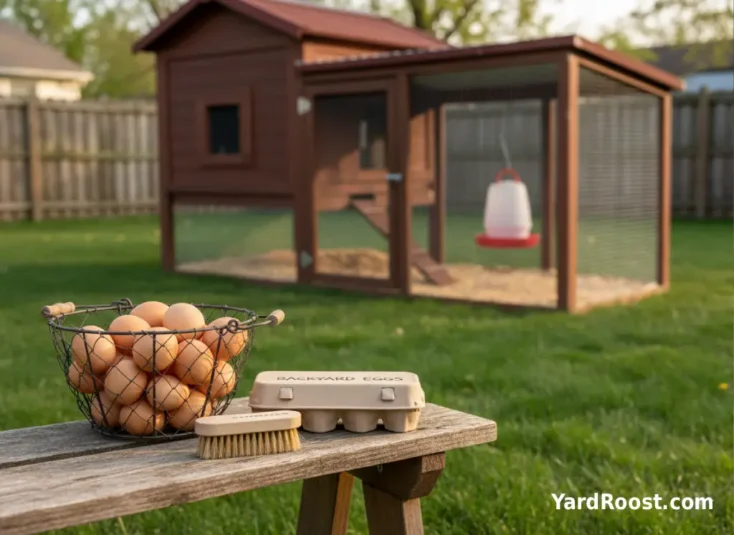
The easiest storage routine is simple: collect often, sort immediately, keep the cleanest eggs dry, and decide right away whether they are going to the counter or the fridge. CDC says eggs with dirt and debris can be cleaned carefully with fine sandpaper, a brush, or a cloth, and warns not to wash warm, fresh eggs with colder water because that can pull bacteria inward. UF/IFAS gives a similar standard for washing eggs that truly need it: use water at least 90°F and at least 20°F warmer than the eggs, and avoid soaking them.
That gives backyard keepers a practical workflow:
- Collect eggs once or twice daily, especially in hot weather.
- Set aside cracked eggs for discard.
- Dry-clean lightly soiled eggs first instead of washing automatically.
- Refrigerate any eggs you wash.
- Date the carton so older eggs get used first.
Editorial note: a common mistake we see is washing every egg out of habit because it “looks nicer.” For home use, that can shorten your storage flexibility. The better goal is cleaner nest boxes, more frequent collection, and less washing in the first place. And if you’re ever unsure about older eggs in the carton, our guide on simple float and sniff checks can help you make a quick home judgment.
Common Mistakes to Avoid With Unwashed Eggs
Most storage problems start with one of a handful of avoidable habits. First, leaving eggs in the nest boxes too long raises the odds that they get dirty, broken, or overheated. Second, storing eggs near heat sources on the counter quietly shortens their life. Third, mixing washed and unwashed eggs without labeling creates confusion later. Fourth, trying to save cracked eggs for long-term use is simply not worth it. CDC says to throw away cracked eggs, and frequent egg collection helps keep shells cleaner and less damaged in the first place.
Another common miss is forgetting the human-health side. CDC recommends washing hands with soap and running water after collecting eggs, handling poultry equipment, or touching anything in the birds’ environment. That matters even when eggs look clean. Backyard poultry can carry germs that spread through droppings, dust, and surfaces around the coop.
- Do not store cracked eggs for later.
- Do not wash eggs and then put them back on the counter.
- Do not keep eggs beside the stove or in direct sun.
- Do not rely on memory instead of dating cartons.
When in doubt, colder storage and better labeling are usually the safer call.
When to Refrigerate Right Away Instead of Using the Counter
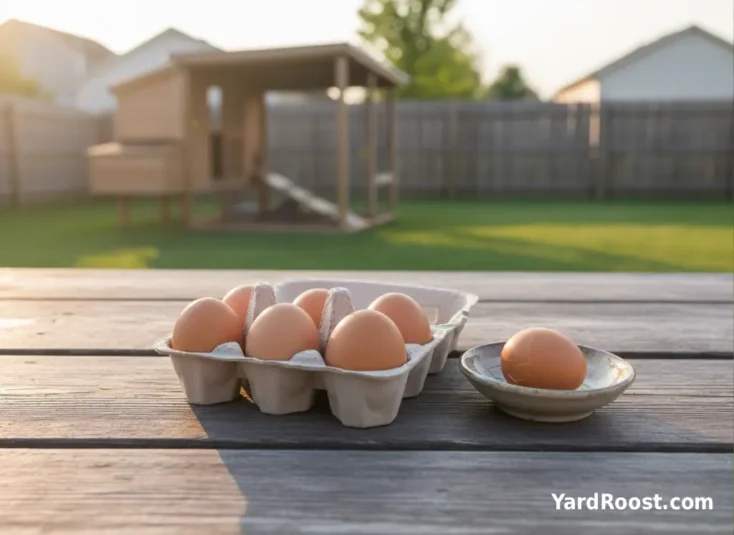
Counter storage makes sense only when conditions stay favorable. Refrigerate right away if your house runs warm, if you collected eggs during a heat wave, if shells needed washing, or if you simply want the longest storage window.
FDA says eggs should be stored promptly in a clean refrigerator at 40°F or below, and CDC recommends refrigerating eggs after collection to maintain freshness and slow bacterial growth. Those two points make refrigeration the safest default for families who want less guesswork.
This is also the better choice if you share eggs with friends or neighbors. Even when local rules differ on home-produced eggs, colder storage gives the next person a clearer safety margin. If you ever decide to sell eggs, check your local and state requirements instead of assuming home-use habits automatically apply.
So, how long do fresh unwashed eggs last? In everyday backyard terms, think roughly 2 weeks on the counter in a cool home and much longer in the fridge, often around 3 months for practical use. But the better question is not just how long they can last. It is how consistently you can store them well. Frequent collection, clean nest boxes, dry shells, dated cartons, and prompt refrigeration when conditions are less than ideal will do more for egg quality than any storage hack. That is good news for beginner keepers, because those habits are easy to build into a routine.
YardRoost Editorial Team’s rule of thumb is simple: if you want maximum flexibility, refrigerate. If you keep unwashed eggs on the counter, do it intentionally, not casually. Use the cleanest eggs first, discard cracked ones, and avoid warm kitchens and muddy nest-box conditions. The natural bloom gives unwashed chicken eggs a real advantage, but it works best when you back it up with smart flock management and good kitchen hygiene. Sources used in this guide include Ohio State University Extension, FDA, CDC, and UF/IFAS.