If you’re raising pullets for the first time, waiting on that first egg can feel like watching water boil. The good news: most healthy backyard hens start laying on a pretty predictable schedule, and “late” is often just normal variation. In general, chickens begin laying when their bodies are mature enough and their environment supports egg production—especially daylight length, nutrition, and stress levels.
Here’s the timeline most keepers see: pullets often begin laying somewhere around the 18–22 week mark, but breed, season, and management can move that window earlier or later. Lightweight, production-leaning breeds tend to start sooner, while heavier or more ornamental breeds may take longer. And if your pullets hit laying age during the short days of winter, they may wait for longer daylight before they “flip the switch.”
Below, we’ll walk through what’s normal, what changes by breed, what “point of lay” looks like, and how to set your coop up so those first eggs land in the nest box—not hidden in a corner of the run.
The Typical Age Range: When Do Chickens Start Laying Eggs?
Most pullets begin laying eggs at roughly 18–22 weeks old, assuming they’re healthy, well-fed, and getting enough light. Breed and season matter—so it’s normal for some birds to start earlier and others to take longer.
Day length is the quiet “master switch” most new keepers miss. Many hens won’t begin (or won’t continue steadily) unless they have roughly 14–16 hours of light in a day. That doesn’t mean you need floodlights—just that short winter days can slow or delay laying, especially for first-year pullets.
Two reality checks that prevent a lot of worry:
- Early eggs are often small or odd-looking. That’s common at the start. Give them a few weeks to settle into a rhythm.
- “Same age” doesn’t mean “same maturity.” Even pullets from the same hatch can start weeks apart.
If your birds are past typical laying age and you’re unsure what’s slowing them down, jump to the troubleshooting section below before you panic-buy supplements.
When Do Chickens Start Laying Eggs by Breed?
Breed affects maturity speed, but it’s more useful to think in “early, middle, later” buckets than to obsess over a specific birthday. Genetics (hatchery line vs. heritage line), season, and management can easily shift timing by a few weeks.
Here’s the practical way to set expectations:
Early starters (often earlier end of the normal window)
Many Mediterranean and production-focused birds start laying toward the early end of the usual 18–22 week window. Breeds like Leghorns are good examples and often come into lay sooner than heavier dual-purpose birds.
Middle-of-the-road (most backyard favorites)
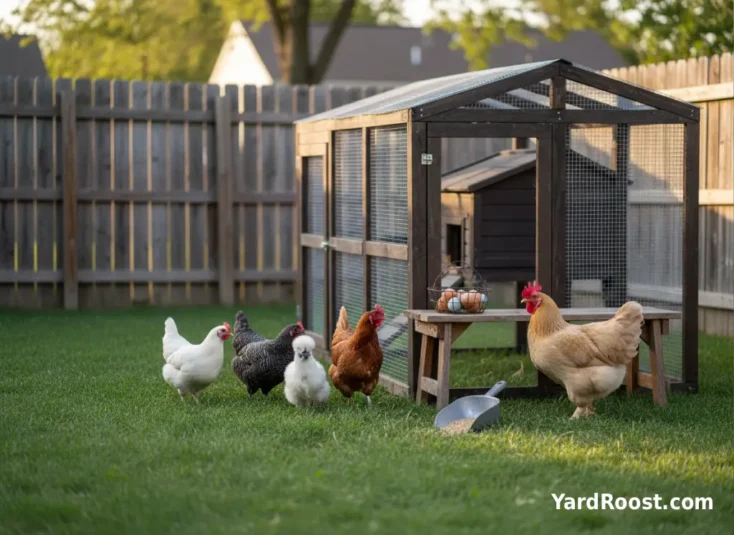
Breeds like Rhode Island Reds, Barred Rocks, Australorps, and Ameraucanas usually start laying around the typical 18–22 week window, with some birds coming in a little earlier or later.
Later starters (often noticeably later)
Heavier, slower-maturing, or more ornamental breeds—such as Silkies, Brahmas, Polish, and many bantams—tend to begin laying significantly later, especially if they were raised on a slower growth plan or are reaching maturity in winter.
If you want a deeper breed-planning breakdown for egg goals, see Top Egg Laying Chicken Breeds.
Signs Your Pullets Are Close to Laying
Pullets rarely “surprise” you if you know what to watch for. A few changes tend to show up in the last couple of weeks before the first egg.
- Comb and wattles redden and enlarge. This is one of the clearest visual hints.
- They start practicing the nest box. Sitting in boxes, rearranging bedding, or hopping in and out like they’re “trying it on.”
- The squat reflex shows up. Some pullets will freeze and squat when you approach from behind.
- More interest from the flock. A bit of pecking-order drama can pop up as they mature.
A common mistake we see is waiting to add nest boxes until you see these signs. By then, some pullets have already picked a “secret spot” and trained themselves to lay there.
Set Up for the First Egg: Nest Boxes, Feed, and Routine
If you do just a few things before point of lay, do these. They prevent floor eggs, broken eggs, and a lot of head-scratching.
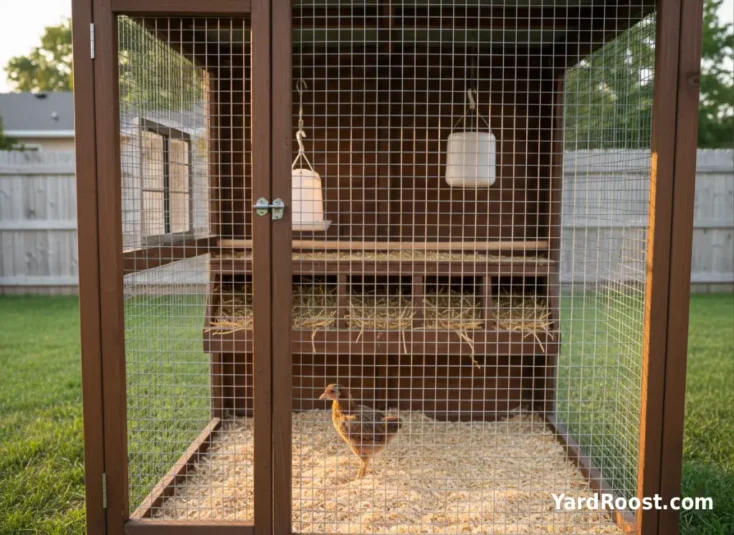
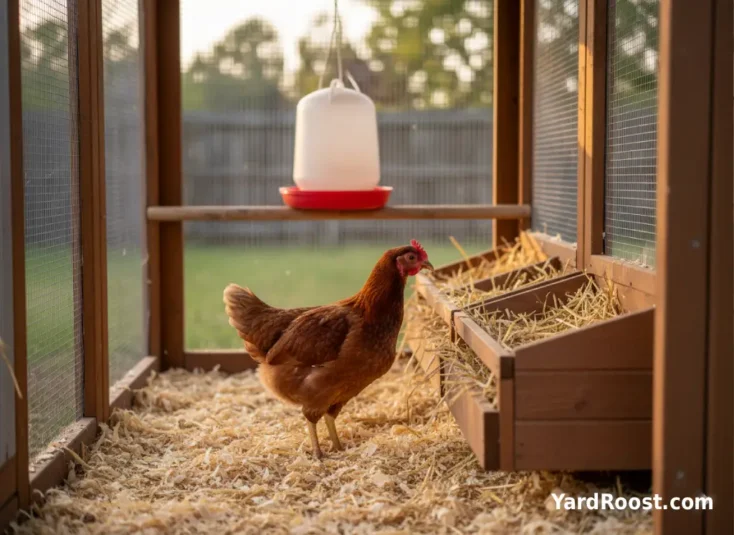
- Get nest boxes in early. A smart target is to have nest boxes available by about 16–18 weeks, so pullets can explore them before the first egg. For most standard hens, boxes around 12 in × 12 in × 12 in work well, with bigger boxes for larger breeds. Keep them off the floor and slightly dimmer than the rest of the coop so they feel safe and private.
- Time the feed change with actual laying. Many keepers switch to layer feed too early. A practical rule: keep pullets on a grower/developer feed until they start laying, then transition to a layer ration. If you’re unsure, make the switch when you see the first egg (or when multiple birds show strong point-of-lay signs and one begins laying).
- Offer calcium the simple way. Once eggs are arriving, offer a separate dish of oyster shell so layers can “self-dose” based on need. (Don’t rely on grit as a calcium source—different job.)
- Make collection easy. Start checking boxes at least once daily when you expect the first eggs. In the beginning, two quick checks—morning and late afternoon—can reduce breakage and egg-eating habits.
Not Laying Yet? A Quick Troubleshooting Checklist
If you’re worried your pullets are “late” to start laying, begin by checking the basics. In most backyard flocks, delays are usually about light, stress, or simple logistics—not something mysterious.
If your pullets are around typical laying age and you have zero eggs, check these in order:
- Day length: Are they getting roughly 14+ hours of light? Short winter days can delay first lay or slow consistency.
- Hidden nests: Walk the run perimeter and any “cozy corners.” Look behind stored items, under shrubs, and in tall grass.
- Nest box setup: Boxes present, bedded, slightly dim, and not directly under roosts (to avoid poop-filled nests)?
- Feed mismatch: Still on chick starter too long, or switched to layer feed very early? Keep it simple: grower until lay, then layer.
- Stress load: Recent predator scare, dog harassment at the fence, coop move, flock mixing, or bullying can pause progress.
A common mistake we see is changing three things at once—new feed, new lights, new coop layout—and then not knowing what helped (or hurt). Change one variable, give it a week or two, and keep notes.
When “late” is worth extra attention: If a bird seems lethargic, is losing weight, has persistent diarrhea, is breathing with effort, or is straining—don’t wait it out. Skip internet guessing and move to the “When to Call an Avian Vet” section below.
When Do Chickens Start Laying Eggs After Winter?
Winter laying is mostly about biology, not your “luck.” As daylight shortens, egg production often slows or stops. When days lengthen again in late winter and spring, many hens resume—sometimes suddenly, sometimes gradually.
If you’re trying to figure out “when do chickens start laying eggs after winter,” here are the big drivers:
Daylight
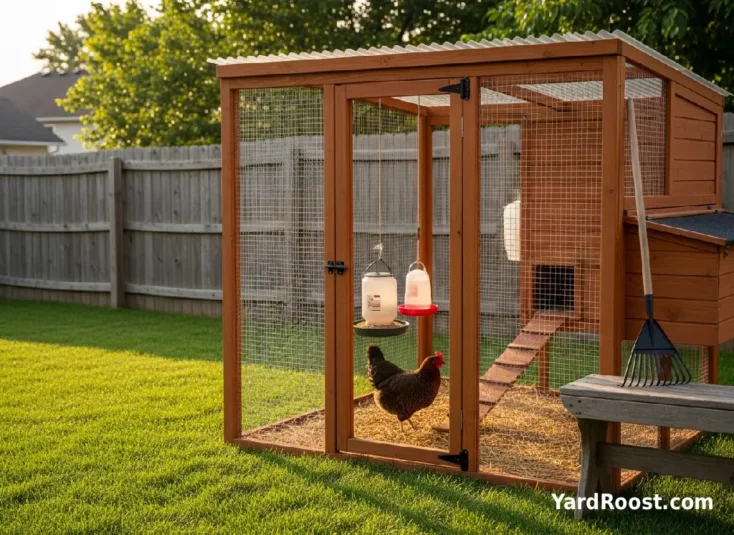
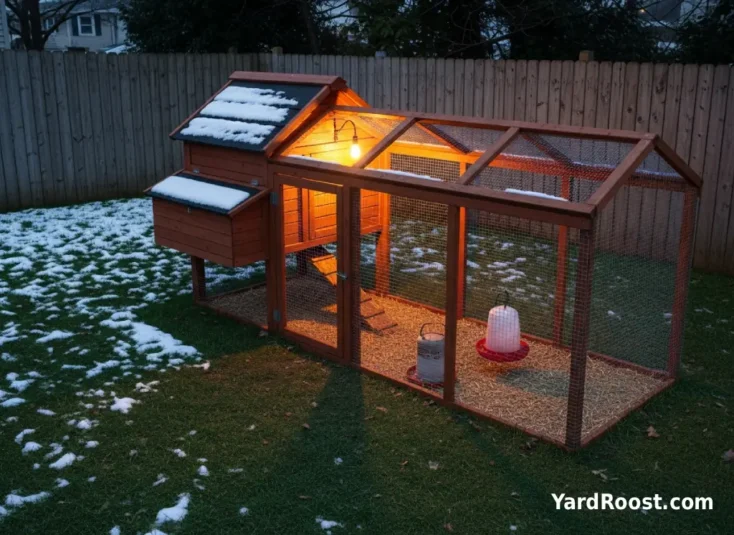
Many hens need roughly 14–16 hours of light to lay consistently. Some keepers use a simple timer and a modest bulb to extend day length. The key is consistency and allowing a real dark period at night (chickens need rest).
Molting
Late summer/fall molts can overlap with shortening days. Molting diverts energy away from egg production, so a winter pause after a fall molt is extremely common.
Cold stress and calories
Birds burn more energy staying warm. If body condition drops, laying often slows. Focus on steady access to balanced feed and wind protection rather than “boosters.”
We’re cautious about pushing young pullets too hard with heavy lighting changes. If you add supplemental light, do it gently and consistently—abrupt swings tend to backfire.
Keeping Eggs Clean and Safe to Eat
Backyard eggs are wonderful—but poultry can carry germs that make people sick even when the birds look perfectly healthy. The simplest safety habit is also the most effective: wash hands with soap and water after handling chickens, eggs, or anything in the coop/run area, and supervise kids closely around poultry.
Two keeper-friendly habits that help right away:
- Collect often: At least daily, and more often in extreme heat or cold. Fewer hours in the nest means cleaner eggs and fewer cracks.
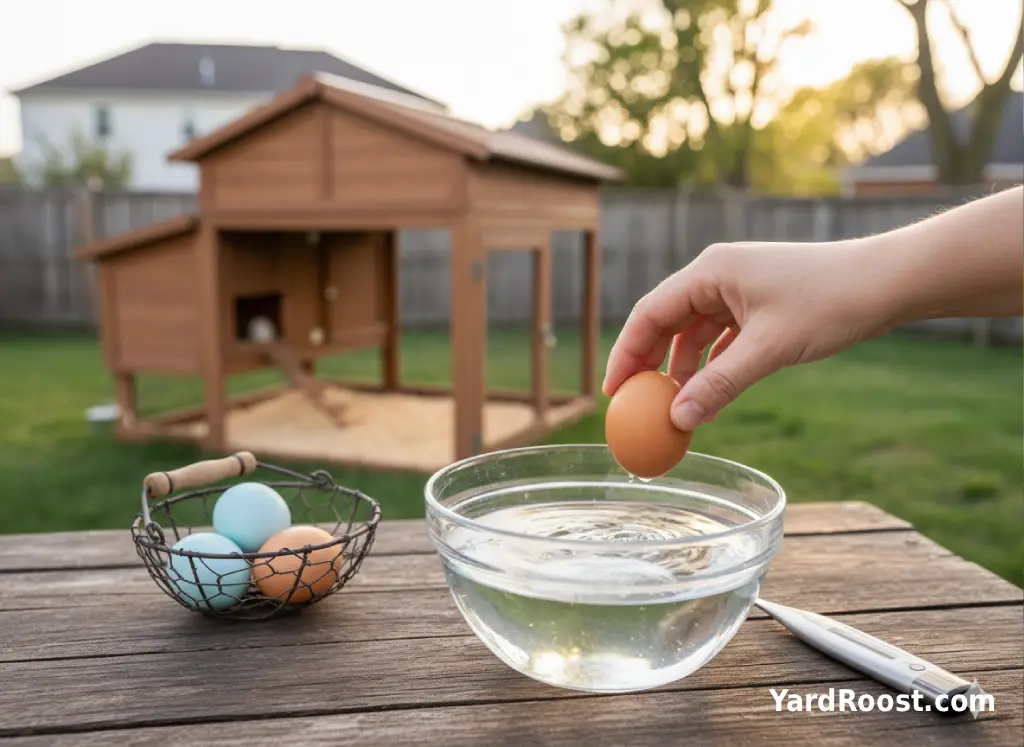
- Keep nests dry: Replace damp or dirty bedding quickly. Clean, dry nesting material prevents “mystery stains” that are hard to remove. If you’re ever unsure whether an egg is still safe to use, these quick at-home checks can help you decide before cooking.
Common Mistakes to Avoid
- Adding nest boxes too late: Train pullets early (around the mid-teen weeks) so they don’t develop a floor-egg habit.
- Switching to layer feed way too early: Wait until laying begins (or is truly imminent), then transition.
- Assuming “no eggs” means “no laying”: Hidden nests happen constantly—especially with free-ranging or cluttered runs.
- Making lighting changes randomly: Inconsistent light is confusing to a flock. If you use a timer, keep it steady day to day.
- Letting nest boxes become the dirtiest spot in the coop: Place boxes away from roost droppings and refresh bedding before it gets damp or packed down.
When to Call an Avian Vet
If you see concerning signs, it’s worth getting professional help rather than trying internet fixes.
Call an avian vet (or a poultry-experienced veterinarian) promptly if a hen:
- Is lethargic, weak, or not eating/drinking for more than a day
- Has labored breathing, persistent watery diarrhea, or rapid weight loss
- Is repeatedly straining, hunched, or seems unable to pass droppings
- Has a suddenly swollen abdomen or major behavior change
If you’re dealing with “late laying” plus clear signs of illness, treat it as a health issue first and an egg issue second.
Sources we trust for backyard laying-hen basics include land-grant university extension poultry resources, UF/IFAS Extension, Penn State Extension, Michigan State University Extension, the CDC (backyard poultry hygiene), and the Merck Veterinary Manual.
What to Expect From Your First Eggs
Most backyard chickens start laying somewhere around the 18–22 week window, but that timing flexes with breed, season, and management. If you’re seeing point-of-lay signs—reddening combs, nest-box scouting, and that “squat” behavior—you’re likely close. Your best move is to be ready early: nest boxes in place, bedding clean and dry, and a calm, consistent routine.
If your flock hits laying age during winter, don’t be surprised by a delay. Short days and post-molt downtime can pause egg production until daylight increases again. Before you chase “egg-boosting” tricks, run the basics: light, stress, hidden nests, and the right feed at the right time. And if any bird seems genuinely unwell, skip the guesswork and contact a poultry-experienced veterinarian.
When the first egg finally shows up, celebrate it—and then keep things boring. Boring (steady light, steady feed, steady coop habits) is what gets you a steady egg basket.