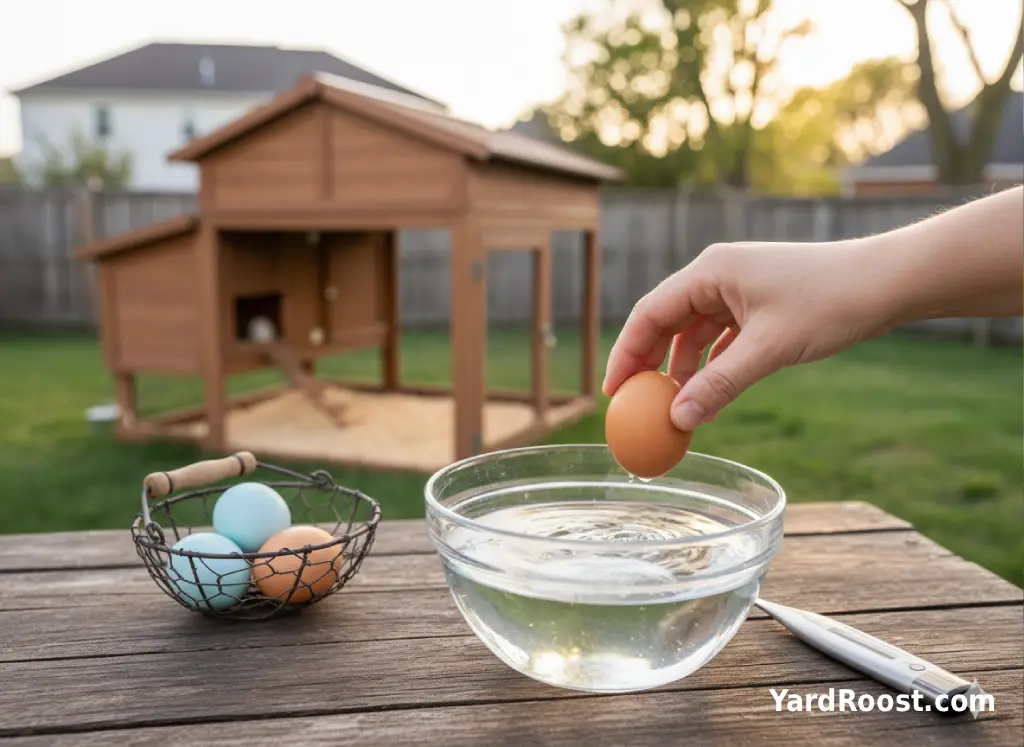
There’s “fresh from the nest box” fresh… and there’s “still safe and tasty” fresh. Most backyard chicken keepers are really asking two things: how long do farm fresh eggs last before quality drops, and how long they stay safe to eat.
In the U.S., the safest default is simple: refrigerate eggs promptly and keep them cold. USDA guidance says shell eggs kept refrigerated can be stored about 3 to 5 weeks after they’re placed in the refrigerator (quality slowly declines along the way). The FDA adds that using eggs within about 3 weeks is best for quality.
Farm fresh eggs add one twist: washing. Unwashed eggs can keep well for a while because the natural “bloom” helps protect the shell. But once eggs are washed (or if you’re not sure), refrigeration becomes the smart move for safety and consistency.
Quick Answer: Farm Fresh Egg Shelf Life at a Glance
If you want the “one-screen answer,” start here. These timelines assume eggs are not cracked and were collected and stored reasonably clean.
| Storage Method | Best Quality Window | Practical Notes |
|---|---|---|
| Refrigerator (in-shell) | About 3 weeks for best quality | USDA says refrigerated shell eggs are commonly good for 3–5 weeks after refrigeration; keep fridge at 40°F or below. |
| Room temp (unwashed, clean eggs) | Up to about 2–3 weeks in a cool home | Quality drops faster when it’s warm; if your kitchen runs hot, refrigerate instead. |
| Hard-cooked eggs | About 1 week (refrigerated) | Keep refrigerated; use sooner if you peeled them. |
| Frozen (out of shell) | Up to 1 year (quality varies) | Don’t freeze eggs in the shell; beat whole eggs or separate whites first. |
How Long Do Farm Fresh Eggs Last in the Fridge?
If your goal is “set it and forget it,” the fridge wins.
USDA’s baseline: eggs can be refrigerated for 3 to 5 weeks from the day they’re placed in the refrigerator.
FDA’s quality tip: store eggs at 40°F or below and use them within about 3 weeks for best quality.
Two practical habits that make that timeline actually work in real life:
- Store eggs in the main body of the fridge, not the door. Door storage warms up with every open/close, and temperature swings shorten quality.
- Keep eggs in a carton. Cartons reduce moisture loss and help eggs avoid picking up odors from foods like onions or leftovers.
A common mistake we see is folks putting “today’s eggs” loose in a bowl on the counter, then moving them around later. If you want the longest fridge life, pick one system: date a carton, keep it in the fridge, and rotate the oldest forward.

How Long Do Farm Fresh Eggs Last on the Counter?
This is where advice gets confusing—because “farm fresh” can mean unwashed (with the bloom intact) or washed (bloom reduced/removed).
If eggs are washed (or you aren’t sure): treat them like grocery-store eggs and refrigerate. Commercial eggs in the U.S. are washed and refrigerated, and food-safety agencies emphasize cold storage (40°F or below) to slow bacterial growth.
If eggs are unwashed and reasonably clean: some extension guidance notes they can keep at room temperature for a period (think “weeks,” not “months”), especially in a cooler home. One Extension example cites up to about 21 days for unwashed eggs at room temperature, with refrigeration giving longer storage.
Our YardRoost rule of thumb for beginners: if your kitchen regularly runs above the low 70s°F, if you have kids who snack in the kitchen, or if you sell/gift eggs, refrigerate. It’s the easiest way to reduce “oops” moments.
Also, once eggs have been sitting out, don’t bounce them back and forth between warm counter and cold fridge. Temperature swings can cause condensation, and moisture on the shell can make it easier for bacteria to move around.
Washed vs Unwashed Eggs: Why the Bloom Matters
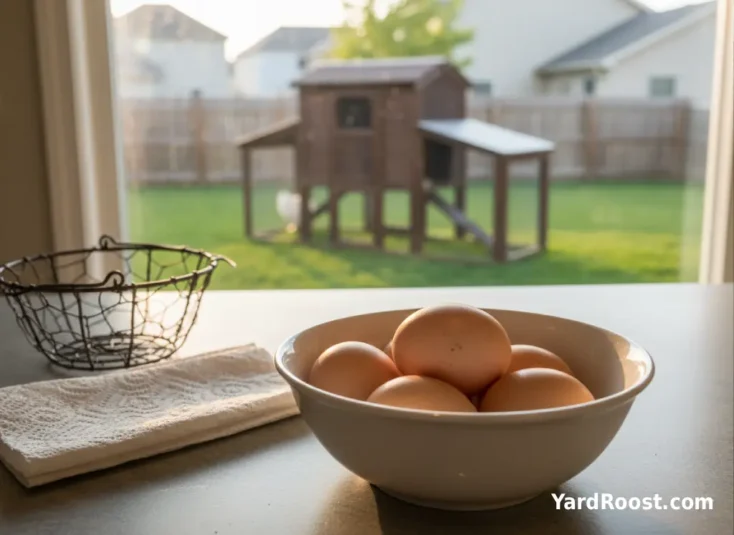
Freshly laid eggs come with a natural protective coating often called the bloom (or cuticle). It helps block bacteria from moving through the shell. Food-safety guidance notes that the bloom is removed during commercial washing.
So what should you do at home?
- Don’t routinely wash every egg “just because.” If it’s clean enough to store, leave the bloom intact and refrigerate (or store cool, if you follow an unwashed-room-temp approach).
- If an egg is dirty, handle it like a “use soon” egg. Either dry-clean it (gentle brush/sandpaper) or wash it right before use and then refrigerate immediately.
- Never soak eggs in a bowl of water. Soaking increases the chance bacteria can move around and into pores.
If you do wash an egg, extension guidance often recommends washing with water that’s warmer than the egg (one example notes about 20°F warmer) to reduce the chance of pulling contaminants inward as the egg cools. Dry it promptly and refrigerate.
Best Storage Practices That Actually Extend Freshness
Egg shelf life is mostly about two things: time and temperature stability. Here’s a simple system that keeps you out of trouble.
Simple 5-Step Egg Storage Routine
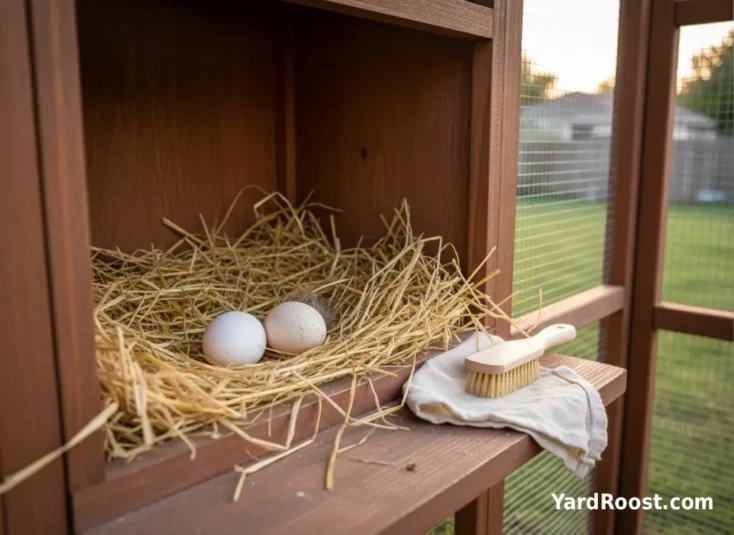
- Collect at least daily (twice daily in hot weather) so eggs aren’t warming up in the nest box.
- Sort: cracked eggs don’t go into storage—use immediately in fully cooked dishes or discard if you’re unsure.
- Dry-clean first (brush or wipe). Wash only when needed, and don’t soak.
- Carton + date: put new eggs behind older eggs so you naturally use the oldest first.
- Refrigerate at 40°F or below for the most consistent food-safety margin.
A common mistake we see is storing eggs in the fridge door because it’s convenient. Convenience is real—but the door is the warmest, most variable spot. If you want farm fresh eggs to last in the refrigerator as long as they reasonably can, move the carton to the back of a main shelf.
How to Tell If Eggs Are Still Good
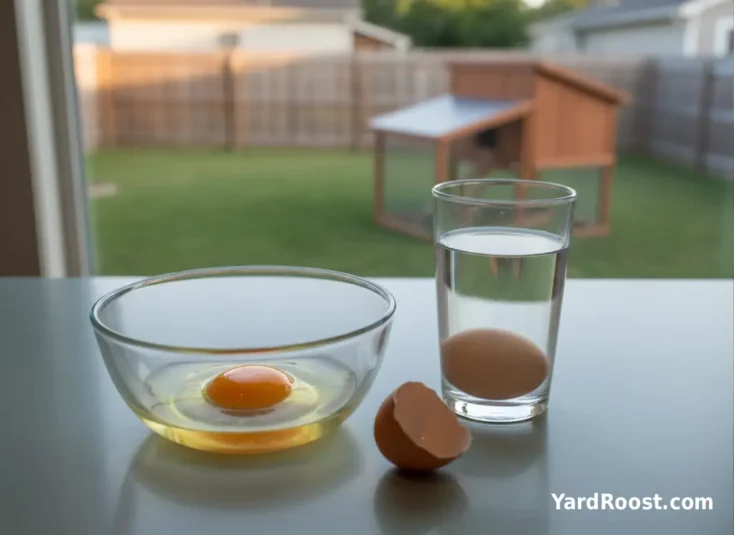
When in doubt, crack eggs one at a time into a separate bowl before they join your mixing bowl or pan. That way, one questionable egg doesn’t ruin a batch of pancakes.
Three checks that are actually useful:
- Smell check (best reality check): a truly spoiled egg often smells unmistakably bad once cracked. If it smells “off,” don’t talk yourself into it.
- Visual check: discard eggs with unusual discoloration, a very cloudy/pinkish look, or anything that makes you pause. (If you’re uneasy, that’s your answer.)
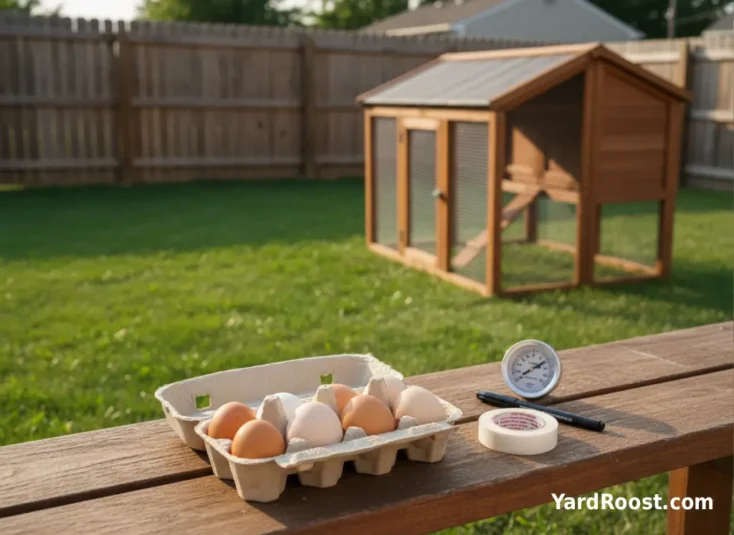
- Float test (quality, not a perfect safety test): eggs float as the air cell grows with age. USDA notes floating can mean poor quality, but an egg may still be safe; storage conditions also affect it.
If you use the float test, treat it like a sorting tool: very fresh eggs sink and lie flat; older eggs may stand upright; floaters are usually “past their prime” and not what we’d choose for a simple fried egg. When in doubt, crack and sniff in a separate bowl.
Hard-Cooked and Frozen Eggs: How Long They Last
If your flock hits a spring laying streak, you don’t have to give away 10 dozen eggs to stay ahead of it.
Hard-cooked eggs: FDA guidance says use hard-cooked eggs within about 1 week when refrigerated.
Freezing eggs: the FDA also notes you can freeze eggs for up to 1 year, but don’t freeze eggs in the shell. Beat whole eggs together (or freeze whites separately) in a freezer-safe container.
One practical tip: freeze in “recipe-sized” portions (like enough for a batch of muffins) so you aren’t thawing a giant block of egg you can’t use quickly.
Common Mistakes to Avoid
- Washing every egg and then leaving them on the counter. If you wash, refrigerate promptly—washing removes the bloom.
- Storing eggs in the fridge door. Temperature swings shorten quality and add risk.
- Soaking eggs to “get them clean.” Use dry cleaning first; soaking can spread contamination.
- Mixing unknown-age eggs with your best eggs. Date the carton and rotate old-to-front.
- Relying only on the float test. It’s a freshness/age clue, not a guarantee of safety.
A common mistake we see is assuming “farm fresh” automatically means “safe no matter what.” Backyard eggs can be excellent—but the same basics still apply: clean handling, stable cold storage, and using your senses when something seems off.
Food Safety Basics for Backyard Eggs
Even with perfect storage, safe handling matters—especially if you have young kids, older adults, or anyone immunocompromised in the household.
FDA egg-safety guidance emphasizes keeping eggs refrigerated and cooking eggs until yolks are firm (and egg-containing dishes thoroughly cooked).
Two simple habits that pull a lot of weight:
- Wash hands after collecting eggs and after touching egg shells, cartons, or anything that contacted coop dust.
- Don’t leave eggs out longer than needed. CDC’s general food-safety rule is to avoid leaving perishables out more than 2 hours (or 1 hour if it’s above 90°F).
If someone in your household develops symptoms of foodborne illness after eating eggs (especially severe symptoms or dehydration risk), contact a healthcare professional.
Conclusion: The Safest, Easiest Answer for Most Flocks
So, how long do fresh farm eggs last? If you want the most dependable answer—especially for a beginner flock—refrigerate. It’s the easiest way to keep quality high and reduce food-safety risks. USDA puts refrigerated shell eggs in the 3–5 week window after they’re placed in the fridge, while the FDA notes about 3 weeks is best for top quality.
Counter storage can work for unwashed, clean eggs in a cool home, but it’s less forgiving—especially when your kitchen warms up, eggs are washed, or routines get inconsistent. If you’re ever unsure whether eggs were washed, refrigerated consistently, or stored too warm, default back to the fridge and the “crack-one-into-a-bowl” check.
Build a simple habit: collect, sort, dry-clean when possible, date your carton, and keep eggs cold and stable. Your future self (and your weekend baking plans) will thank you.