If you’re staring at an egg carton price tag and wondering how many eggs a chicken really lays per day, you’re not alone. New chicken keepers often picture a basket overflowing with eggs every morning from just a couple of hens. The truth is a little more nuanced, but it’s easy to grasp once you understand how a hen’s body works and how things like daylight, age, and stress affect production over time.
Big picture: a healthy hen in her prime can only lay at most one egg in a day, and on many days she won’t lay at all. Across a full year, most backyard hens average somewhere between 3 and 6 eggs per week, depending on breed and management.
This guide walks through how many eggs a chicken lays in a day, what “normal” looks like at different ages, and how to do simple egg math so you can plan the right-sized flock for your household.
Short Answer: How Many Eggs Per Day From One Chicken?
Many new chicken keepers who wonder how many eggs a hen lays in a day are really asking two things: what’s the physical maximum, and what’s realistic in a backyard coop.
Physically, a hen’s body takes about 24–26 hours to form a single egg from yolk to finished shell. That means one chicken can lay at most one egg per day; she simply can’t crank out more than that because the shell and egg white need time to form.
However, that doesn’t mean she will lay one egg every single day. Because it takes slightly longer than a day, the lay time creeps later and later; eventually the hen skips a day, then starts earlier the next morning. Over weeks and months, this adds up to an average instead of a perfect “one egg a day” pattern. Many strong layers in small flocks give around 5–7 eggs per week during their peak months, especially in their first year.
So the practical answer to how many eggs you can expect per hen per day is “a little less than one,” even in good conditions.
Understanding the Hen’s Egg-Laying Cycle
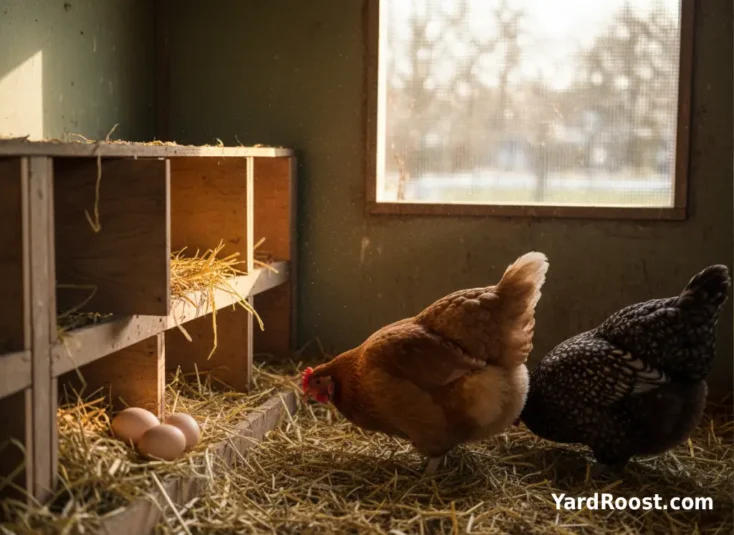
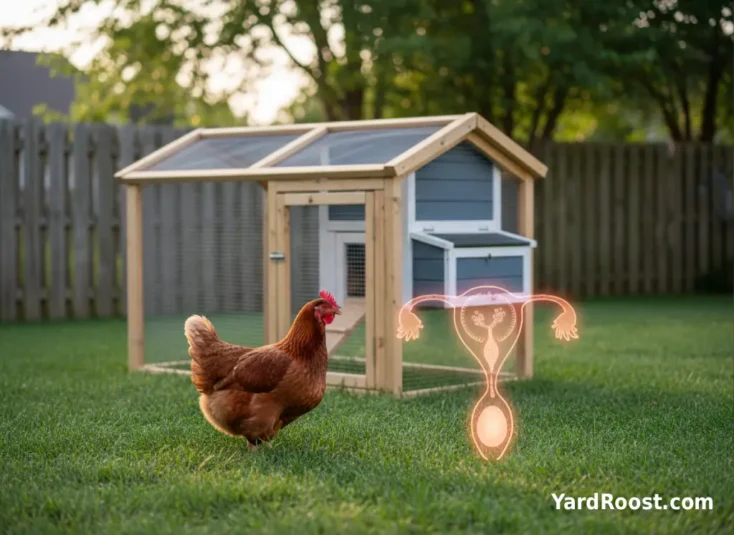
To understand how many eggs a chicken lays each day, it helps to peek inside the process. A hen carries many tiny yolks at different stages of development. When one yolk is ready, her body releases it and sends it through the oviduct, where the egg white, membranes, and shell are built in order. This entire journey from yolk release to laying the egg usually takes about 24–26 hours.
Because the process runs a little longer than a calendar day, the egg shows up slightly later each day. A hen might lay at 8 a.m. one day, mid-afternoon the next, and early evening after that. Once the timing gets too late in the day, her body “skips” and waits until the following morning to start again. That’s why even excellent layers have an occasional day off and don’t hit a perfect 7 eggs every week.
You also don’t need a rooster for eggs. Ovulation happens whether or not a rooster is present; he only affects whether the eggs are fertile, not how many eggs your hens lay. University and extension poultry programs all emphasize that a rooster is optional for backyard egg production.
The big thing to remember is that daily egg numbers are driven by a slightly-longer-than-a-day biological cycle, not a perfect, clock-punching factory schedule.
Real-World Egg Math: Per Day, Week, and Year
When people ask how many eggs one hen lays in a day, the most honest answer is a range over time, not a single number. Extension resources commonly describe good backyard layers producing roughly 5–7 eggs per week in their first laying season, or about 250 eggs in a year under solid management.
Approximate Egg Production Per Hen
| Hen Stage | Eggs Per Week (per hen) | Average Eggs Per Day | Example: 6-Hen Flock |
|---|---|---|---|
| Pullets just starting (first 1–2 months) | 2–4 | 0.3–0.6 | About 1–3 eggs per day total |
| Peak first year (good laying breeds) | 5–7 | 0.7–1 | About 4–6 eggs per day total |
| Second year layers | 3–5 | 0.4–0.7 | About 2–4 eggs per day total |
| Older hens (3+ years) | 1–3 | 0.1–0.4 | About 1–2 eggs per day total |
These numbers are averages across the year. In spring and early summer, your flock may run higher than the table; during winter, molt, or heat waves, they’ll likely run lower. University flock examples often show 10–12 hens giving around 9–10 eggs per day at peak, then easing down to 6–7 eggs per day as the birds age.
If you want about a dozen eggs per week year-round, aim for at least three or four good laying hens to buffer those slower seasons. If you bake a lot or share eggs with neighbors, bump that up to six or more hens. For a deeper dive into how breed and start-of-lay timing affect your yearly egg numbers, check out our guide, When Do Chickens Start to Lay Eggs by Breed?.
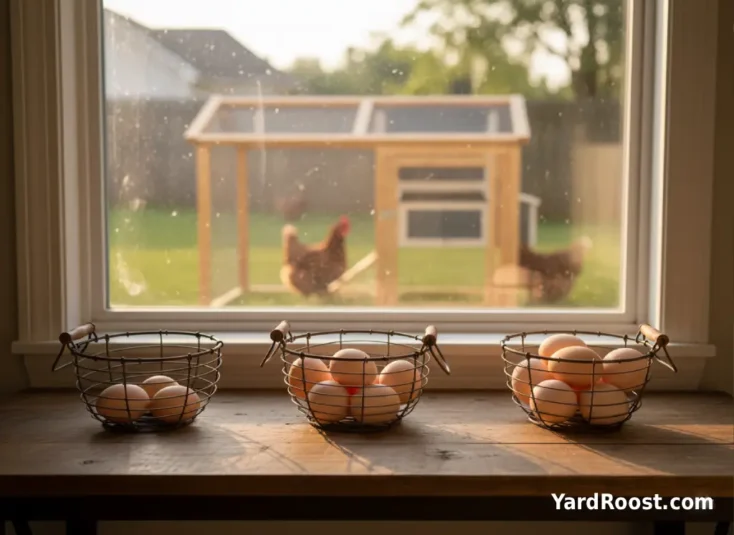
Big Factors That Change How Many Eggs You Get
How many eggs a hen lays each day depends heavily on how you manage your flock and what nature is doing outside. Research from land-grant universities points to a handful of big levers that can boost or crater production.
- Breed: High-production breeds (like many commercial hybrids and some Mediterranean breeds) can outlay heavier dual-purpose birds. If eggs are your main goal, look for varieties known for strong production and consider our list of best egg-laying chicken breeds.
- Age: Hens ramp up around 18–22 weeks, peak for roughly the first year, then gradually decline with each molt.
- Daylight: Layers typically need about 12–14 hours of light daily to maintain steady egg production. Below that, their bodies interpret the short days as “off season” and slow down or stop laying. Many backyard keepers add a low-wattage bulb on a timer in winter to top up daylight to ~14 hours.
- Nutrition: Laying hens should be on a complete layer feed with adequate protein (often around the high-teens for crude protein) and calcium, not just scratch grains or kitchen scraps. Poor-quality or unbalanced diets are a classic cause of low egg numbers.
- Water: Even a few hours without fresh water can drop egg production. Make it a habit to check waterers at least twice a day and more often in hot or freezing weather.
- Health, parasites, and stress: Illness, external parasites like mites, predator pressure, overcrowding, or frequent coop changes all push hens off-lay. If hens seem lethargic, are losing weight, or have diarrhea or breathing changes, call an avian vet or extension poultry specialist.
A common mistake we see is treating scratch grains like a complete diet. Scratch is more like chicken candy—fun in small amounts, but if it replaces balanced feed, egg production and overall health suffer.
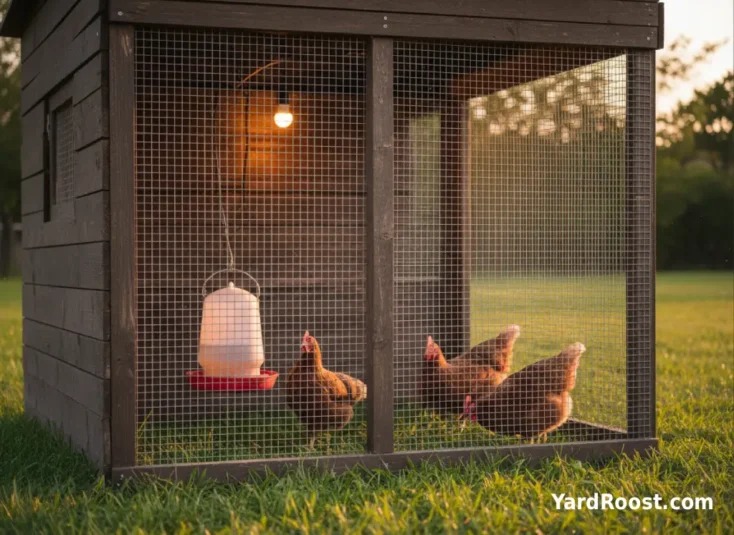
What To Expect At Different Ages
Your answer to how many eggs a hen lays in a day will change as your birds grow up and grow older. Age is one of the most predictable drivers of egg output.
Pullets Just Starting Out
Most pullets (young hens) start laying somewhere around 18–22 weeks old, though some breeds are earlier or later. At first, you’ll see a few small, sometimes oddly shaped eggs and an inconsistent schedule. Two or three eggs a week from a new layer is perfectly normal.
Peak First Year
Once your hens hit their stride, they’ll enter a peak laying phase that can last many months. During this time, a good backyard layer often gives 5–7 eggs per week, especially in spring and early summer with plenty of daylight. In day-to-day terms, that means some days you’ll get an egg from almost every hen, and some days you’ll have a few empty nests.
Second Year and Beyond
After the first molt and second laying season, production slowly tapers. University examples show flocks that once averaged nearly an egg a day per hen easing down to more like 0.6–0.7 eggs per hen per day, then continuing to decline each year. Some keepers keep older hens as beloved, lower-production birds; others rotate in younger pullets each year to keep egg numbers steady.
If you mainly care about egg numbers, a good strategy is to add a few new pullets annually so you always have some birds in that high-production first year. Our article on how long chickens lay eggs walks through how long most people keep their hens.
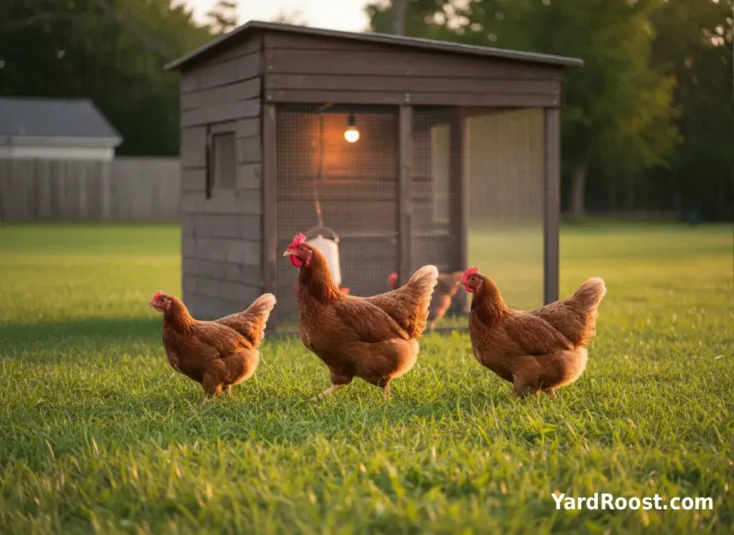
Troubleshooting: My Hens Aren’t Laying Like They Used To
If you were getting plenty of eggs and suddenly you’re not, it’s natural to worry. Before assuming something is “wrong” with your hens, run through a quick checklist.
- Season and daylight: Is it fall or winter with shorter days? Many hens shut down or slow way down without 12–14 hours of light.
- Molt: Are you seeing lots of feathers and scruffy birds? During molt, hens put energy into feather regrowth and often pause egg laying until they’re re-feathered.
- Feed and water: Has the feed changed? Are feeders or waterers running empty during the day? Even short gaps can dip production.
- Hidden nests or egg thieves: Check under shrubs, behind hay bales, or in corners of the coop for secret nests. Also consider predators or pets stealing eggs.
- Stress and flock changes: New birds, a recent move, frequent coop “renovations,” or predator scares can all cause hens to stop laying for a while.
If hens are acting bright and active, eating, drinking, and moving normally, a temporary drop is often linked to one of these management or seasonal issues. A common mistake we see is adding multiple “fixes” at once—new feed, extra lighting, extra treats—which makes it harder to tell what helped. Try changing one major thing at a time and give the flock a couple of weeks to respond.
On the other hand, if your birds are fluffed up, reluctant to move, breathing oddly, losing weight, or have persistent diarrhea, treat that as a health issue rather than an egg-count problem. In that case, contact an avian veterinarian or your local extension poultry program for guidance. They can help you decide on safe next steps without guessing.
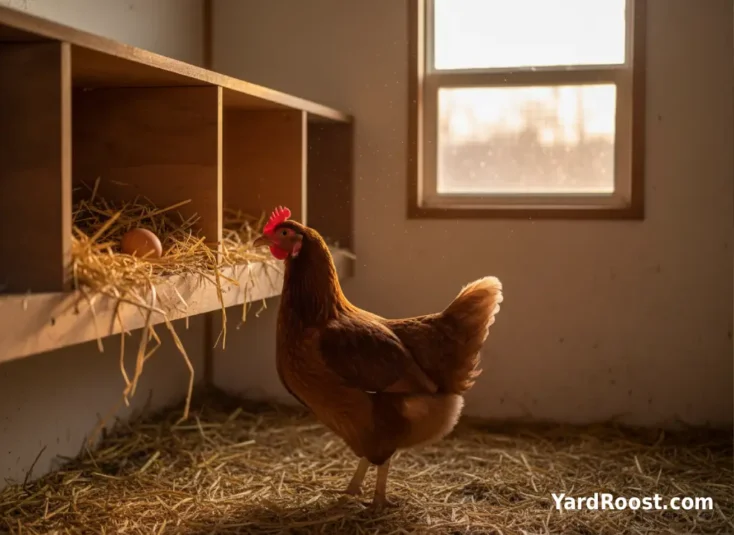
Common Mistakes To Avoid With Egg Production
- Expecting an egg every day forever: Even excellent layers have days off and slow down with age. Planning as if each hen always gives one egg per day sets you up for disappointment.
- Feeding mostly scratch or kitchen scraps: Scratch and treats should be a small portion of the diet. Too many “fun foods” dilute the protein, energy, and calcium hens need to lay well.
- Ignoring daylight: Keeping hens in dim coops or not realizing how short winter days get can make production crash. A simple light on a timer can make a big difference in some flocks, as long as birds still get a dark rest period.
- Overcrowding: Too many birds in a small coop or too few nest boxes (aim for at least one nest box per 3–4 hens) leads to stress, broken eggs, and bullying, which all reduce laying.
- Not checking for hidden nests: If egg numbers suddenly drop but hens look great, hidden nests are one of the first things we’d check. Walk the yard and outbuildings with a keen eye.
- Panicking at every dip: Short dips around molt, heat waves, or flock changes are normal. Track eggs on a simple calendar so you can see patterns over months, not just from one Friday to the next.
A common mistake we see is comparing your flock to impressive numbers you see online, without realizing those birds might be young hybrids on carefully managed lighting and feed. Your backyard numbers will still be good even if they’re not “perfect.”

Planning Your Flock Size Based on Eggs Per Day
Once you understand how many eggs one chicken lays in a day on average, you can reverse-engineer your flock size. Think in weekly eggs and remember that your girls will have slower seasons.
- Step 1: Decide how many eggs you use. For many households, that’s 8–18 eggs per week. If you bake a lot, it might be more.
- Step 2: Assume 3–5 eggs per hen per week on average across the full year. This factors in winter slowdowns, molt, and aging.
- Step 3: Divide your egg need by that number. If you’d like a dozen eggs a week and assume 4 eggs per hen per week, you’d want about three hens.
Many small-flock keepers find that 4–6 hens nicely covers a family that cooks breakfast regularly and bakes once in a while, with a few extra eggs to share during peak seasons. If you plan to sell eggs or have frequent guests, bump that number up and consider staggering ages—adding new pullets every year so you always have some first-year powerhouses.

So, how many eggs does one chicken lay a day? Thanks to that 24–26-hour egg-making clock, a hen can only manage at most one egg per day, and in real life she’ll average a bit less, even in her best year. Across the seasons, most backyard hens land somewhere around 3–6 eggs per week, with higher numbers in their first year and lower numbers as they age.
Once you know this, the math—and the expectations—get much kinder. Instead of chasing a perfect “seven eggs a week” from every hen, you can plan a realistic flock size, support good nutrition, lighting, and low-stress housing, and accept the slower months as part of the rhythm. Your coop will still give you a steady stream of fresh eggs, just with a naturally lumpy pattern over the year.
If egg numbers drop sharply and don’t match the usual suspects—short days, molt, heat, or feed changes—look closely at your birds. Bright, active hens that are eating, scratching, and dust-bathing are usually fine to watch and adjust management for. Birds that seem sick or distressed deserve a call to an avian veterinarian or extension poultry specialist. With realistic expectations and simple management habits, your flock can supply plenty of delicious eggs without you needing a commercial-style setup.