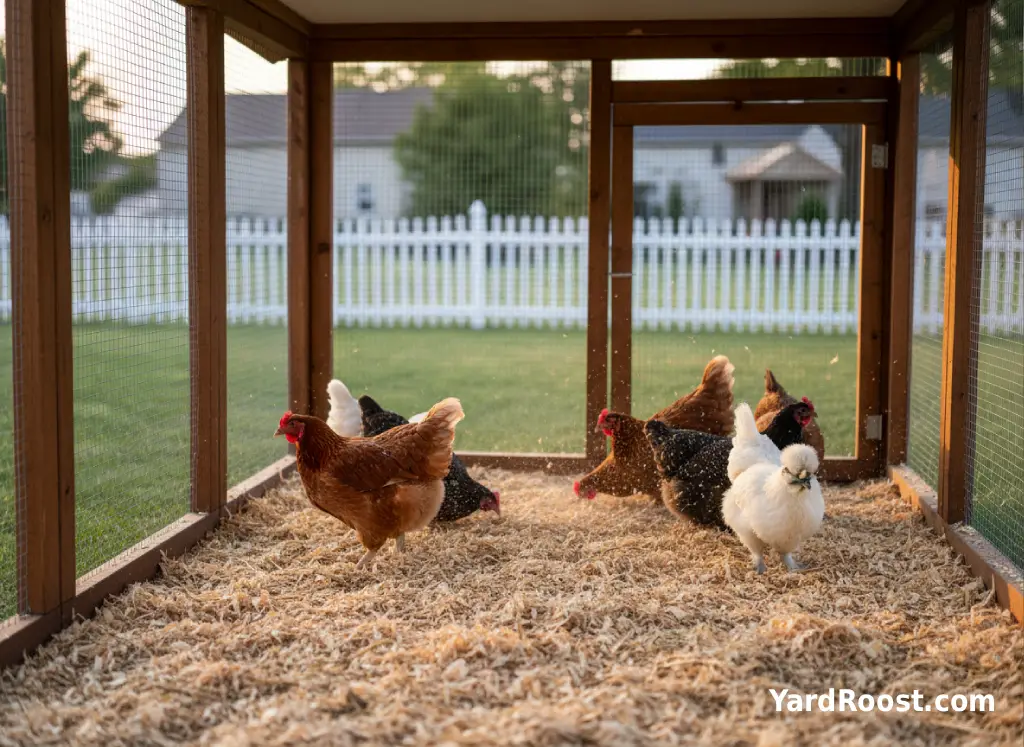
If you’ve ever opened the coop door and been greeted by a wall of stink, you’re not alone. New chicken keepers are often surprised by how much smell a small flock can create and wonder if chickens themselves are naturally smelly animals. At the same time, there’s another angle to this question: can chickens smell their surroundings, and do they have taste buds that affect how they eat?
The short version: healthy chickens have only a mild, earthy odor. Strong, eye-watering smells usually come from the coop environment—especially wet litter and built-up manure—rather than the birds themselves. That’s actually good news, because it means you can do a lot to control odor with simple management changes.
This article looks at both sides of the “chicken smell” question: whether chickens stink, how well they can smell and taste, what causes bad odors, how to get rid of ammonia smell in your chicken coop, and when strong smells are a sign to get veterinary help. YardRoost is not a veterinary service; the information here is for general education only. If you’re worried about a specific bird or severe breathing issues, an avian veterinarian is the right person to call.
We’ll keep the focus practical so you can walk out to the coop, take a deep breath (literally), and know what to fix—and when everything is just fine.
Do Chickens Actually Smell Bad?
Healthy chickens themselves are not especially smelly. If you stand next to a calm hen and take a quick sniff (and yes, many of us have done this), you’ll usually notice a light, dusty, feather smell with maybe a bit of earthiness. That’s normal “chicken smell.” It shouldn’t make your eyes water or make you want to back away.
Most of the bad smell people associate with chickens actually comes from three things:
- Wet or caked manure on the floor or perches
- Damp, compacted bedding that can’t dry out
- Built-up ammonia gas from droppings breaking down
If your birds look clean, but the air in the coop smells like a dirty litter box, the problem is the environment, not the chickens. That’s encouraging because you can change bedding, improve ventilation, and adjust how often you scoop droppings. Extension resources from universities like Oregon State University emphasize that good coop design and ventilation are key to removing moisture and ammonia fumes while bringing in fresh air.
A quick rule of thumb: if you can smell a strong “barnyard” or ammonia odor as soon as you open the coop, it’s time to adjust cleaning and airflow. If you have to really search for a faint manure smell, you’re probably in a good place for both you and your flock.
Can Chickens Smell and Taste? Their Senses Explained
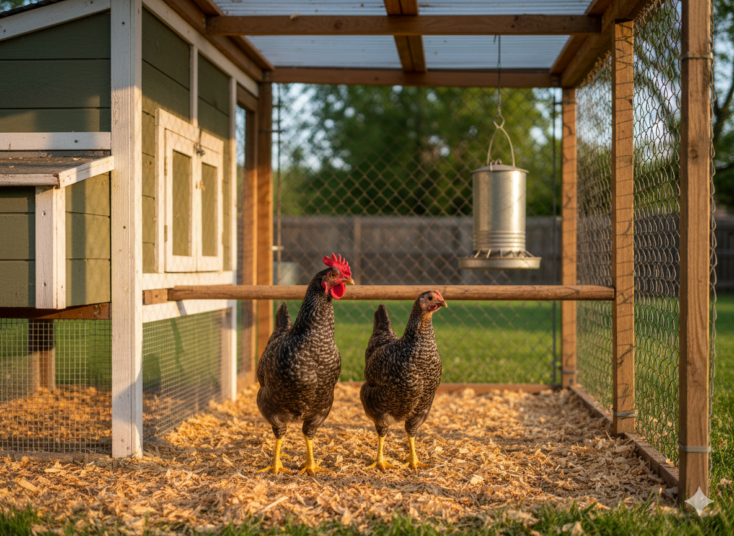
For years, many people repeated the myth that chickens have almost no sense of smell or taste. Newer research has pushed back on that idea. Studies of chicken sensory organs show that they do respond to odors and use smell in feed selection and behavior. Chickens may not smell the world exactly like we do, but they’re not “nose-blind.”
On taste, early textbooks said chickens had very few taste buds, so they assumed chickens had poor taste acuity. More recent work has found several hundred taste buds—far fewer than humans, but enough to give chickens a well-developed taste system. Research has shown that chickens can sense:
- Salty and sour tastes
- Many bitter compounds (often a natural warning system)
- Umami-type tastes related to amino acids and some fatty acids
They’re generally less sensitive to sweet tastes than we are, but they still distinguish between feeds and will often preference certain textures and flavors.
In practical backyard terms, this means:
- Your chickens can notice off-smelling or spoiled feed and may refuse it.
- Strong chemical or perfumed smells in the coop can bother them, even if they can’t complain about it.
- They can be picky about new feeds or supplements; slow transitions are easier on both taste and digestion.
So yes, chickens can smell, and they absolutely have taste buds. When you’re working on “chicken smell,” you’re managing both odors for your own comfort and the micro-environment their sensitive respiratory system and senses live in.
Why Do My Chickens Stink? Chicken and Coop Odor Sources
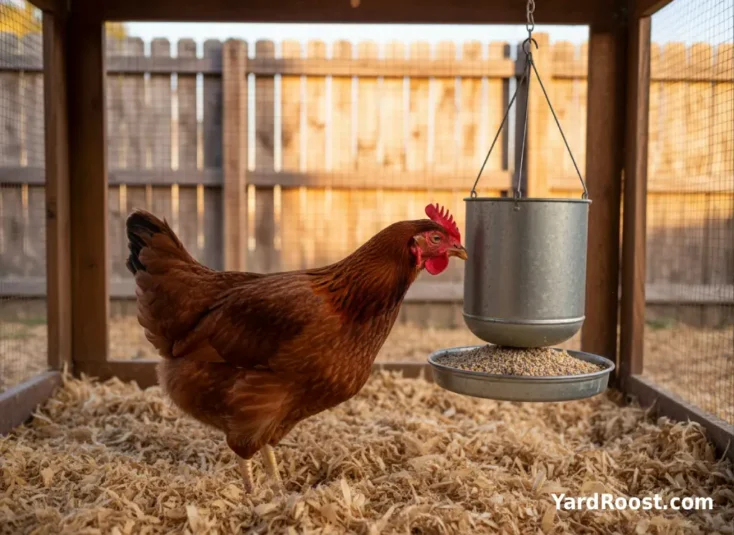
If your chickens or coop smell bad, you’re usually smelling the by-products of manure breaking down in a closed space. A few main culprits show up over and over:
- Too much moisture from leaky roofs, waterers, or wet ground under the coop.
- Not enough bedding to absorb droppings and keep manure from caking on surfaces.
- Poor ventilation so humidity and ammonia gas build up instead of drifting away.
- High stocking density—too many birds in a small coop or run.
When litter stays damp, bacteria get busy breaking down the nitrogen in droppings into ammonia. That’s the sharp, eye-stinging smell many keepers notice. In more extreme cases, a sick or injured bird with infected wounds or dirty, matted feathers can also smell bad, but that’s a separate issue from normal coop odor and deserves a closer look or a call to an avian vet.
Here’s a simple reference to match different odors with likely environmental causes and first steps:
| Odor Description | Likely Environmental Cause | First Fix to Try |
|---|---|---|
| Sharp ammonia, eye-stinging | Wet litter and built-up manure | Add dry bedding, clean under roosts, increase ventilation |
| Heavy “barnyard” manure smell | Dirty coop, droppings not removed regularly | Spot-clean daily hot spots, do a deeper clean |
| Musty, moldy odor | Wet bedding or feed, poor airflow | Remove damp litter, check for leaks, improve air movement |
| Rotten or sour smell from one spot | Rotting eggs, spoiled feed, or soiled nest material | Find and remove the source, refresh nest material |
Editorial note: A common mistake we see is focusing on deep cleaning only every few weeks instead of doing quick, daily “hot spot” cleanups under the roost and around feeders. Ten minutes every day or two often makes more difference to coop smell than a massive scrub once a month.
Ammonia Smell in the Chicken Coop: Why It’s a Big Deal
Ammonia is the sharp, harsh smell that makes your nose wrinkle and your eyes sting. It’s produced when the nitrogen in chicken manure breaks down, especially in damp bedding. Besides being unpleasant for you, ammonia is rough on your birds’ airways.
Extension and poultry science sources consistently warn that elevated ammonia levels can irritate the delicate lining of the respiratory tract and make birds more susceptible to respiratory infections. Large commercial operations use meters and ventilation systems to keep ammonia below about 20–25 parts per million (ppm). Backyard keepers usually don’t have meters, but the good news is your nose is a helpful early-warning tool: if you can smell ammonia when you open the coop, that’s your cue that ventilation and litter management need attention.
Land-grant university extension guidance on coop design emphasizes that ventilation’s job is to remove ammonia fumes, moisture, and carbon dioxide while bringing in fresh air, without chilling birds at roost height. That means high vents or windows near the roofline to let humid, warm, ammonia-laden air escape, and safe intake openings where cooler, fresh air can come in above the birds.
Because ammonia is a gas heavier than air when cool and lighter when warm, it tends to hover near damp litter and then accumulate in poorly ventilated spaces. The result: the closer your chickens sleep to a dirty floor with minimal airflow, the more they’re breathing in what you’re smelling at the door.

How To Reduce Ammonia and Chicken Odor Step by Step
When you notice a strong ammonia smell in your chicken coop, it helps to have a simple playbook. Here’s a practical sequence you can follow.
- Step 1: Do the “door test.” Open the coop after it’s been closed overnight. If you smell ammonia or heavy manure odor at the doorway, plan to act that day.
- Step 2: Target the worst spots. Scrape droppings off roosts and any droppings boards or trays. Scoop out wet or caked bedding under the roost area and around feeders and waterers.
- Step 3: Add dry, absorbent bedding. Replace dirty spots with several inches of dry pine shavings or similar bedding. Avoid dusty, perfumed, or chemically treated materials that can irritate lungs.
- Step 4: Improve ventilation without drafts. Open or add vents high on the walls or near the roof so humid, warm air can escape. Protect openings with hardware cloth to keep predators out. If you’re unsure where to start, cutting more vent space up high is usually safer than cracking doors at bird level. You can learn more in our guide on coop ventilation basics.
- Step 5: Check waterers and roofs for leaks. Fix drips, move waterers so they don’t soak the bedding, and confirm the roof keeps rain out. A dry coop smells better and grows less ammonia.
- Step 6: Adjust your cleaning rhythm. Many backyard keepers find that cleaning under the roost daily or every other day and doing a bigger clean every few weeks keeps odor very manageable.
Some keepers like using deep-litter or composting-style systems, where you build up bedding and stir it regularly instead of fully removing it. This can work well if you keep moisture under control and give the litter plenty of airflow; for more on that approach, see our guide on the deep litter method.
Editorial note: A common mistake is trying to cover up smells with strong disinfectant or scented products instead of fixing the moisture and airflow. If your coop smells like a cleaning aisle at the store, it’s probably overwhelming your birds’ senses and may still not solve the ammonia problem underneath.

Season, Weather, and Litter: Why the Smell Changes
Chicken odor is rarely a “set it and forget it” issue. The smell from your coop can change a lot with season and weather, even if your flock size stays the same.
In hot, humid weather, moisture hangs in the air and bedding dries out more slowly. Warm temperatures also speed up the breakdown of manure into ammonia, so you may notice stronger smells in the morning after a warm, still night. In those conditions, prioritizing airflow—even if it means a bit more breeze—is usually better for your birds than closing the coop too tightly.
In cold weather, it’s tempting to seal the coop to “keep them cozy,” but backyard poultry guidance from university extension programs stresses that coops still need good ventilation even in winter to remove moisture and prevent ammonia buildup. Chickens tolerate dry cold far better than damp, stuffy air. Aim for vents high up, so moist air can escape while birds on the roost stay out of direct drafts.
Wind and rain also play a role. If your run or the ground under the coop gets soaked, the litter may stay wet, fueling smell. A roofed run, well-drained site, and a bit of elevation under the coop help keep things drier.
Finally, litter choice matters. Pine shavings and similar absorbent materials usually handle moisture and odor better than flat, thin layers of straw alone. Whatever you choose, the real key is keeping it dry and fluffed so air can move through it.
What Smells Do Chickens Hate (and Should You Use Them)?
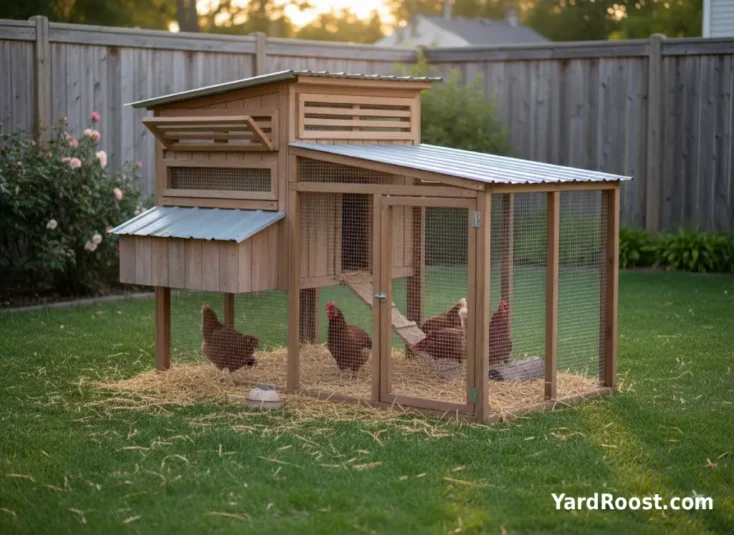
Because chickens do have a sense of smell, very strong odors can bother them. Keepers sometimes ask about using scented products or “smells chickens hate” to keep birds away from certain areas or to mask coop odor. It’s worth being cautious here.
Chickens may dislike or be stressed by:
- Very strong chemical disinfectant smells inside the coop
- Heavy perfumes or air fresheners sprayed in an enclosed space
- Strong fumes from paints, sealants, or fresh tar near the coop
Instead of trying to overpower coop odor with intense smells, focus on the basics: dry litter, regular droppings clean-up, and good ventilation. Those solve the root problem rather than layering a second issue on top.
Some people use mild, natural-smelling herbs in nest boxes. These can be pleasant for humans and likely aren’t a problem in small amounts, but they won’t fix an underlying ammonia issue. Think of herbs as a garnish, not a solution.
Bottom line: it’s safer to aim for a coop that smells lightly of clean wood and bedding than one that reeks of strong cleaners. If you can smell chemicals strongly, your birds’ sensitive respiratory system is living in that same air.
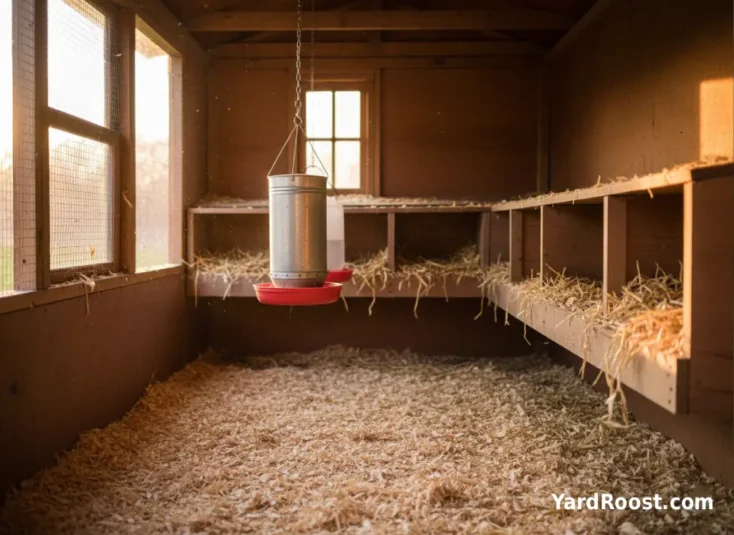
Common Mistakes To Avoid With Coop Odor
Most smelly-coop problems trace back to a handful of repeat mistakes. If you can avoid these, you’re already ahead of the game.
- Overcrowding the coop. Squeezing “just a few more” hens into a small coop means more manure in the same space and faster odor buildup. Follow conservative space guidelines and remember that more birds = more smell.
- Closing all vents in winter. Sealing the coop might feel kind, but it traps moisture and ammonia. Keep vents open up high and block only direct drafts on the roost.
- Relying on strong cleaners instead of cleaning more often. No spray can replace scraping droppings and removing wet bedding regularly.
- Ignoring slow changes in smell. It’s easy to get used to a coop that gradually gets smellier. Make a habit of stepping back, taking a fresh sniff from the door, and adjusting as needed.
- Letting leaks go “just a bit longer.” A slow drip from a waterer or roof can keep one area constantly damp, fueling stink and ammonia.
Editorial note: A common mistake we see is building a beautiful, solid coop and then realizing later there’s barely any ventilation once the birds move in. If you’re still in the planning phase, it’s almost always better to add more vent openings (with hardware cloth) than you think you’ll need. You can always close some off later if needed.
When To Call an Avian Vet About Odors or Breathing Problems
Most coop odor problems can be solved with better cleaning, bedding, and ventilation. But sometimes smells go hand-in-hand with health issues. Because YardRoost is not a veterinary service, we won’t try to diagnose specific diseases. Instead, here’s a general, safety-first framework.
After you improve coop conditions, consider calling an avian vet if you notice any combination of these signs:
- Persistent, very strong odor from a particular bird (even after you gently clean visible mess from feathers)
- Chickens breathing with open mouths, stretching necks to breathe, or making unusual respiratory sounds
- Swollen, crusty, or very watery eyes, especially if more than one bird is affected
- Thick nasal discharge or bubbles around the nostrils
- Lethargy, reduced appetite, or birds isolating themselves in addition to smell issues
These signs don’t automatically mean your flock has a specific disease, but they do mean your birds are struggling and need professional attention. In the meantime, keep the coop as dry and well-ventilated as possible, offer dust-free feed, and avoid introducing any new birds.
For your own health, the U.S. Centers for Disease Control and Prevention (CDC) strongly recommends washing your hands with soap and water after handling backyard poultry, their eggs, or anything in the coop or run. Keep dedicated coop shoes outside and avoid letting very young children handle birds directly, since salmonella and other germs can spread from poultry to people even when birds appear healthy.
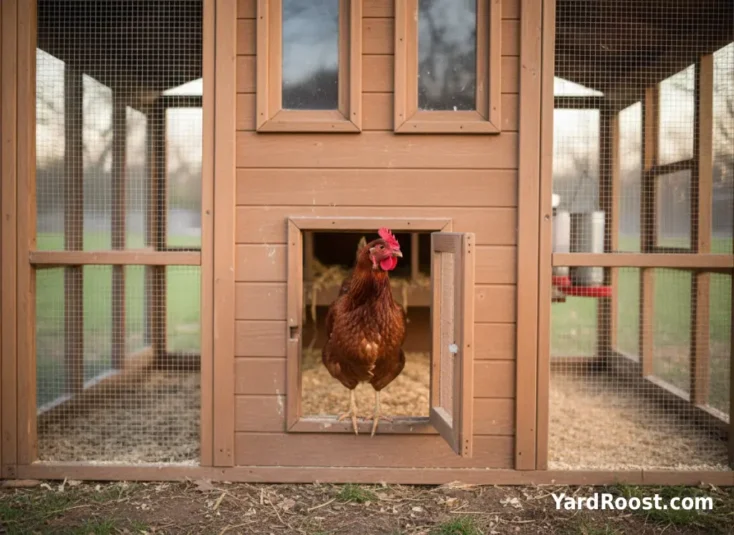
Wrapping Up: Do Chickens Smell, or Is It the Coop?
So, do chickens smell? A healthy chicken has only a mild, feathery, “farm” scent. The strong stink most people complain about comes from wet litter, built-up manure, and trapped ammonia in a small, enclosed space. The better news is that those are problems you can fix with simple management: dry bedding, regular cleanouts, and plenty of safe ventilation, even in winter.
Chickens themselves are far from oblivious to smell and taste. They have a more capable sense of smell and hundreds of taste buds—enough to notice spoiled feed, strong fumes, and sudden changes in their environment. Managing odor is about keeping both your nose and their sensitive respiratory system comfortable.
As you dial in your setup, remember a few anchors: if you smell ammonia, it’s time to act; if you see damp, clumped bedding, remove and replace it; if birds seem to struggle with breathing or you notice persistent, foul odor from a specific hen, loop in an avian vet. Combine that with solid hygiene for your family—handwashing and dedicated coop shoes—and “chicken smell” becomes just part of a healthy, enjoyable backyard flock instead of a daily frustration.
With a bit of practice, you’ll reach the point where opening the coop in the morning smells like clean wood, dry bedding, and a hint of fresh air—plus maybe a side of breakfast eggs in your future.