The Rhode Island Red chicken has earned its reputation the honest way: it shows up every day, handles a wide range of weather, and usually keeps the egg basket from staying empty for long. For beginner-to-intermediate keepers, that mix of hardiness and steady laying is the big draw. But Rhode Island Reds also have a “real farm bird” streak—some lines are more assertive, some roosters can be pushy, and the difference between a calm hen and a bully often comes down to space, feed access, and flock dynamics.
This guide covers what most people want to know before buying Rhode Island Red chicks (or adding a Rhode Island Red chicken hen to an existing flock): typical size, temperament, egg color, realistic production expectations, and how to set up feed and housing so the birds stay productive and pleasant. When we mention numbers (like brooder temperature or nest box sizing), they’re pulled from trusted poultry references such as land-grant university extension programs and CDC guidance for backyard poultry hygiene.
Rhode Island Red Chicken Breed Snapshot
The Rhode Island Red chicken breed was developed as a true dual-purpose bird—useful for eggs and suitable for the table if needed. In modern backyard flocks, they’re most often kept as dependable brown-egg layers with enough body size to handle cold snaps and the occasional “less-than-perfect” day without falling apart.
Two details matter right away:
- Lines vary. Some Rhode Island Reds are bred heavily for production, while others are closer to heritage/standard type. That can shift temperament, broodiness, size, and how long they stay at peak laying.
- They’re often confident. Many hens are calm with routine handling, but they can be higher on the pecking order—especially in tight quarters or when feed space is limited.
Quick reality check: If your goal is a quiet, ultra-gentle “pet hen,” you can still do well with Rhode Island Reds—but plan your coop space and flock management like you mean it. That’s what keeps their good traits front and center.
Rhode Island Red Chicken Size And Growth
Rhode Island Reds are considered a large breed compared with many popular backyard layers. Standard weights commonly listed for adults are about 6.5 lb for hens and 8.5 lb for roosters. That extra body mass is one reason they tend to be cold-hardy and less fragile than lighter breeds in marginal weather.
For keepers, “size” mostly affects three practical things:
- Perch comfort: heavier birds appreciate stable, properly spaced roosts.
- Nest box sizing: roomy boxes reduce broken eggs and hens sleeping in nests.
- Feed access: bigger birds can dominate a feeder if there isn’t enough space.
If you’re raising Rhode Island Red chicks, expect them to look a little “all legs” at first, then fill out as they approach maturity. Keep handling gentle and consistent—calm birds are made through routine, not luck.
Rhode Island Red Chicken Temperament And Flock Fit
Most Rhode Island Red chicken hens do well with a predictable routine: same feeding time, same access points, and enough space to step away from flock drama. Many keepers describe them as steady, curious, and confident—traits that can read as “bossy” if your run is cramped or you only have one feeder.
A common mistake we see is adding a Rhode Island Red chick (or pullet) to a mixed flock and assuming temperament is purely “breed personality.” Flock behavior is often a management issue in disguise. If you want the calm version of a Rhode Island Red, prioritize these basics:
- Multiple feed and water stations so timid birds can eat without being body-blocked.
- Visual breaks (a plywood panel, hanging tarp strips, a low perch) to give lower-ranking hens a way out of line-of-sight conflict.
- More space when confined during storms or winter—tight quarters amplify pecking order issues.
If kids are involved, practice “two-handed holds” (support the body, don’t dangle legs) and keep sessions short. Calm handling now makes future coop chores much easier.
Rhode Island Red Chicken Eggs And Egg Color
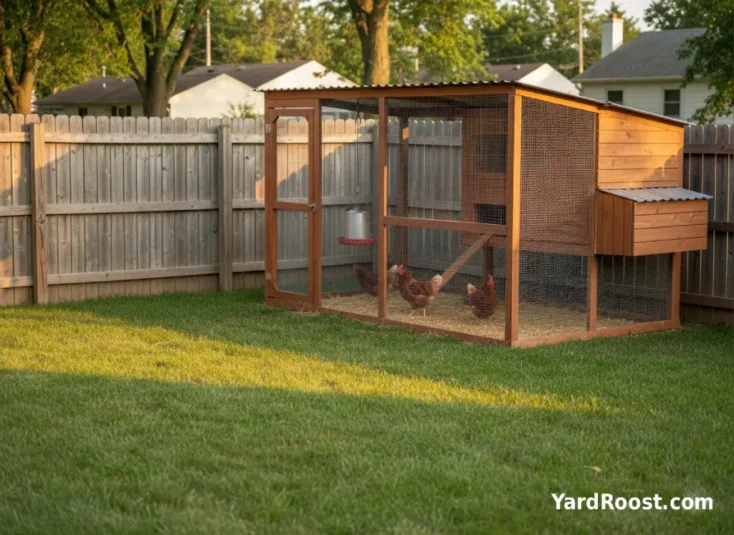
Rhode Island Red chicken eggs are brown. Shade varies from light to deeper brown depending on the individual hen, age, stress level, and genetics. If you’re trying to compare egg color across breeds, it helps to know that pigments are added during shell formation—brown shells get surface pigment late in the process, which is why the inside of a brown shell is still white.
How many eggs can you expect? Many reputable breed references describe Rhode Island Reds as capable of roughly 200–300 eggs per year under good management, with variation by line and environment.
Two simple ways to protect your production (and your sanity):
- Keep nest boxes inviting: dry bedding, dimmer placement, and enough boxes for the flock (more on sizing below).
- Plan for seasonal dips: shorter winter days commonly reduce laying even in good layers; avoid “panic changes” to feed or lighting without understanding the trade-offs.
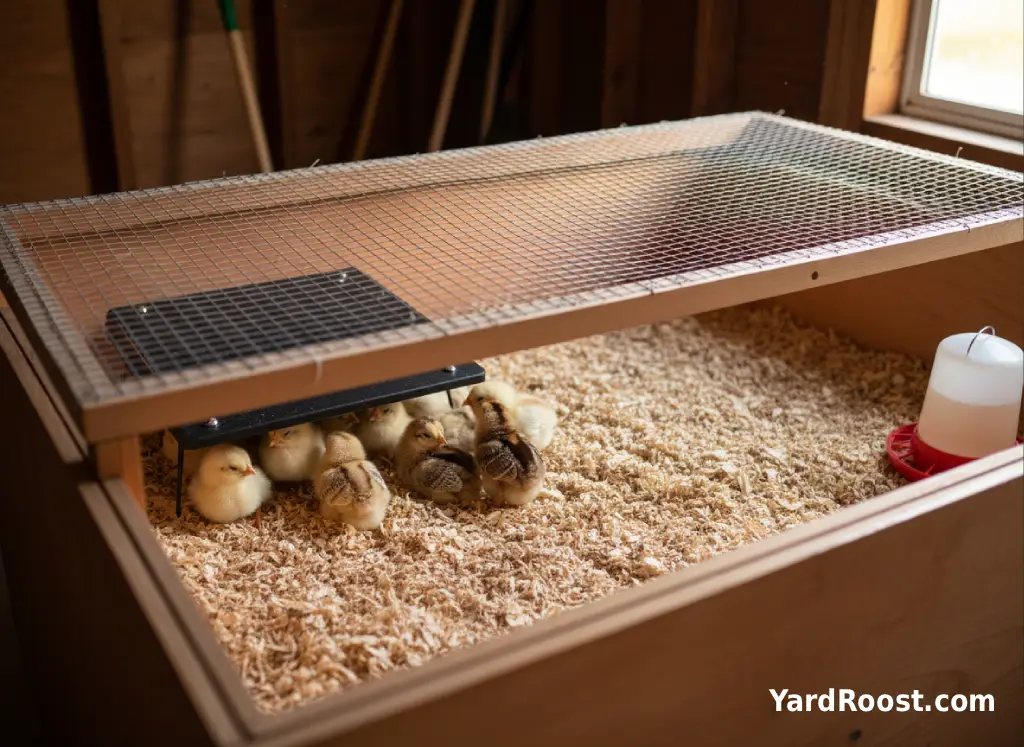
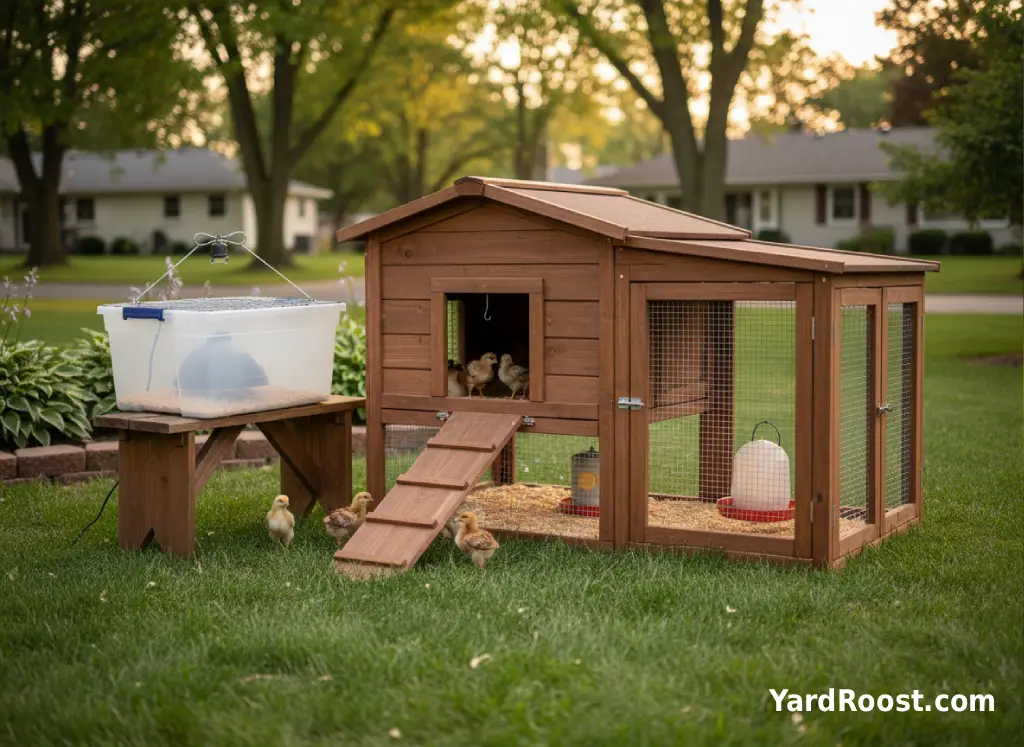
Rhode Island Red Chicks: Brooder Basics That Prevent Early Problems
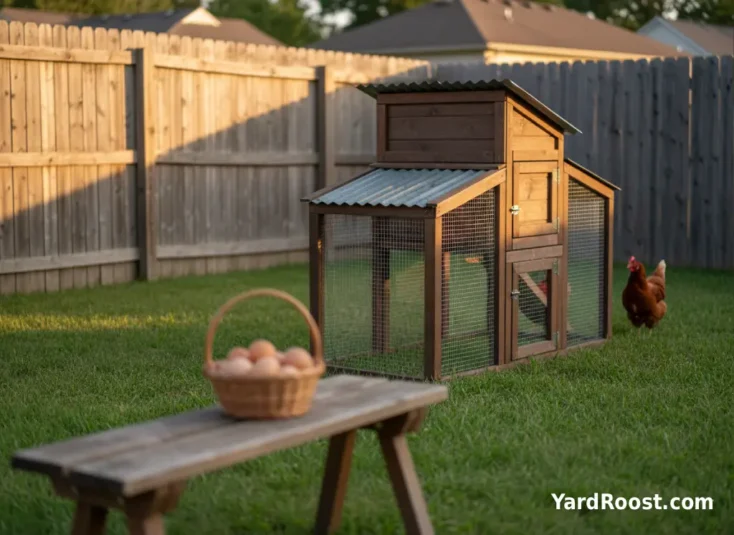
Healthy Rhode Island Red chicks are usually vigorous, but brooder mistakes can knock even hardy chicks off course. The big one is temperature management. Multiple extension sources recommend starting at about 95°F for the first week measured at chick level, then lowering by about 5°F each week until chicks no longer need supplemental heat (often around 70°F).
| Chick Age | Common Brooder Target (At Chick Level) |
|---|---|
| Week 1 | About 95°F |
| Weeks 2–5 | Reduce by about 5°F per week |
| When Ready To Wean | Around 70°F, watch chick comfort and feathering |
Use chick behavior as your “second thermometer.” If they pile up tight under the heat, they’re likely cold; if they avoid the heat completely, they may be too warm.
Two quick tips that prevent common headaches:
- Give traction: pine shavings or other appropriate bedding helps prevent leg issues that can happen on slick surfaces.
- Make drowning nearly impossible: use a chick-safe waterer and add clean marbles/pebbles in open dishes if you must use them.
Rhode Island Red Chicken Feed: What To Buy And When To Switch
Rhode Island Red chicken feed choices don’t need to be complicated—most problems come from switching too early, feeding the wrong calcium level, or letting dominant birds guard the feeder.
Here’s a conservative, extension-aligned framework you can follow:
- Chicks: a starter feed commonly runs about 18–20% protein for future layers.
- Growing pullets: many programs move to a grower/developer feed in the mid-teen protein range; some guidance also uses 16–18% grower in backyard settings.
- Point of lay and laying hens: a layer ration is commonly in the 16–18% protein range and includes higher calcium for shell quality.
A common mistake we see is feeding layer ration to young birds “because it’s what we have.” Several extension resources warn against giving layer feed to birds under about 18 weeks because the calcium level is higher than growing birds need.
If you want a simple setup that works for most small flocks:
- Feed a complete ration as the base (starter, then grower, then layer).
- Offer oyster shell separately for laying hens so each hen can self-regulate calcium intake.
- Add a second feeder or extra feed space if you notice “shoulder-checking” at mealtimes.
For more on airflow and ammonia control (which affects appetite and laying), see /coop-ventilation-basics/.
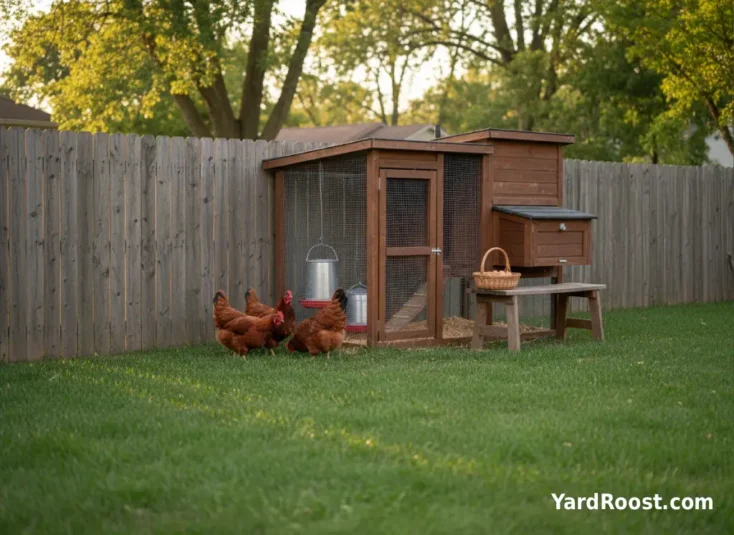
Rhode Island Red Chicken Coop Setup: Space, Roosts, And Nest Boxes
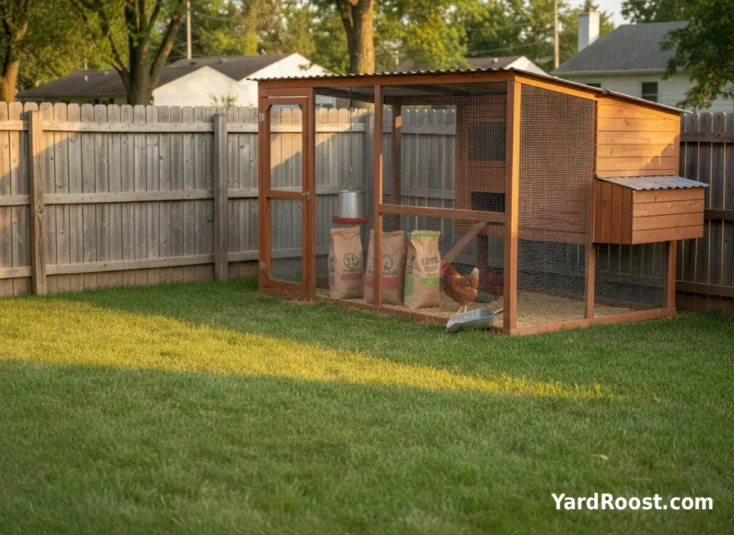
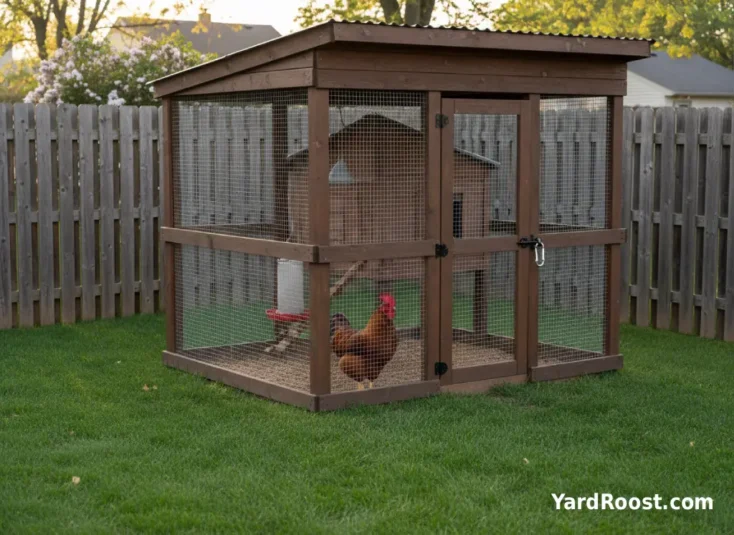
Good housing is where Rhode Island Reds really shine—give them reasonable space and they’re usually low-drama and productive. For space planning, poultry extension guidance commonly suggests about 3–4 sq ft per laying hen indoors and about 10 sq ft per hen outdoors when feasible.
Roosts and nests are the next “make-or-break” details:
- Perch space: a practical rule of thumb is about 6–10 inches of linear perch per chicken.
- Nest box size: many backyard resources use 12 x 12 x 12 inches as a standard nest box size; larger breeds may do better with a bit more room.
- Nest box count: a common guideline is roughly one nest box per 4–5 hens.
If you’re building or upgrading, predator-proofing matters more than breed choice. Hardware cloth and secure latches prevent the kind of losses that make any breed “hard to keep.”
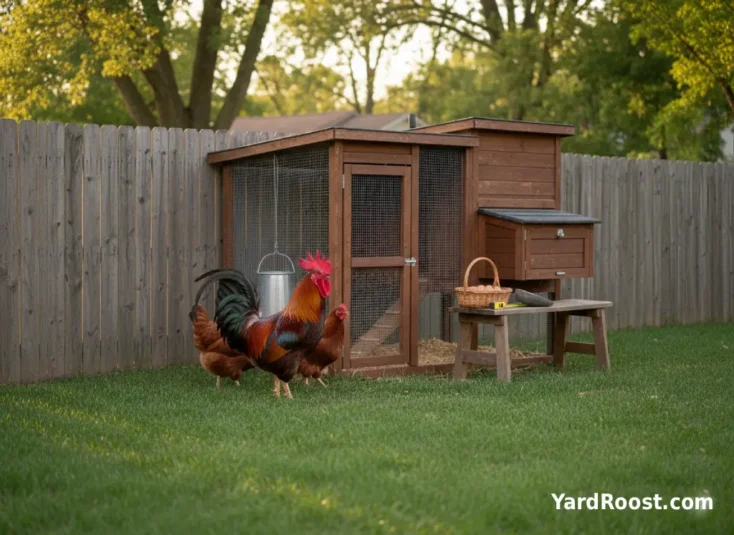
Rhode Island Red Chicken Rooster Notes
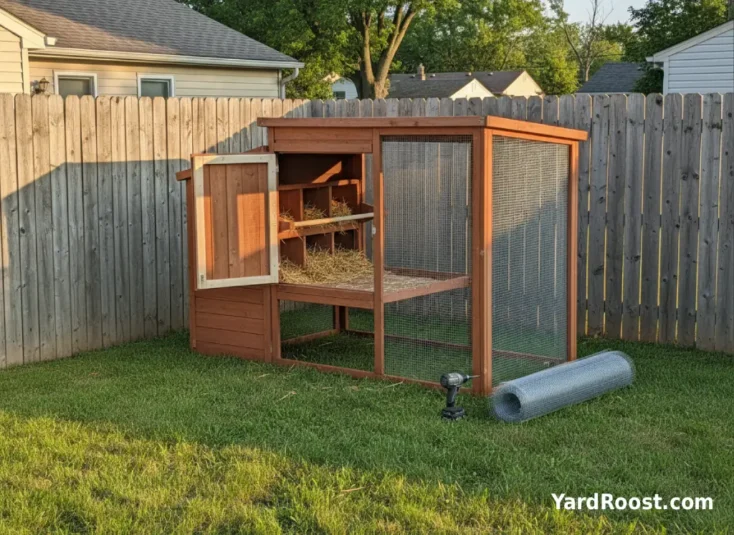
A Rhode Island Red chicken rooster can be a good flock guardian, but it’s smart to plan for personality differences. Some breed references note that some roosters may be aggressive at times, especially as they mature or if they feel the flock is threatened.
If you’re considering a rooster, keep three beginner-friendly rules in mind:
- Check local rules first: roosters are often restricted even where hens are allowed.
- Handle for calm, not dominance: steady, low-stress handling beats “alpha” showdowns.
- Have an exit plan: know your options (a separate pen, rehoming through a local network) before problems start.
If your goal is eggs only, you don’t need a rooster—Rhode Island Red chicken eggs are laid without one. A rooster only matters if you want fertile eggs for hatching.
Rhode Island Red Chicken Hatching Eggs: Storage And Incubation Basics
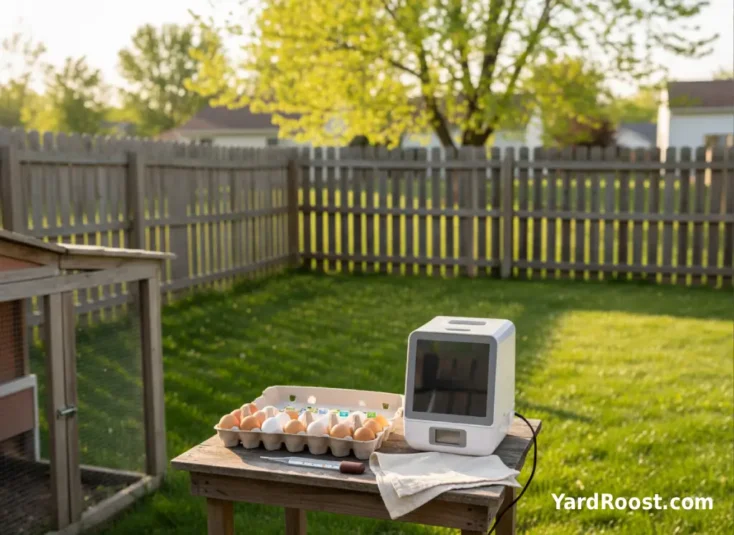
If you’re buying Rhode Island Red chicken hatching eggs (or collecting your own), handling and storage matter as much as the incubator. Extension guidance commonly recommends storing fertile eggs in a cool range around 55–65°F, and warns that typical room temperature is often too warm while a standard refrigerator is too cold.
For incubation, different incubator types and manufacturers vary, but multiple extension references list a common target incubation temperature for chicken eggs around 99.5°F (forced-air/forced-draft setups).
Practical tips that help beginners avoid heartbreak:
- Set eggs while they’re fresh: some guidance suggests setting within about 7–10 days for better hatch results.
- Turn consistently: turning is a key part of embryo development; automatic turners reduce missed turns.
- Pick up locally when possible: shipping can reduce hatch success due to handling and temperature swings.
Seasonal Considerations For Rhode Island Reds
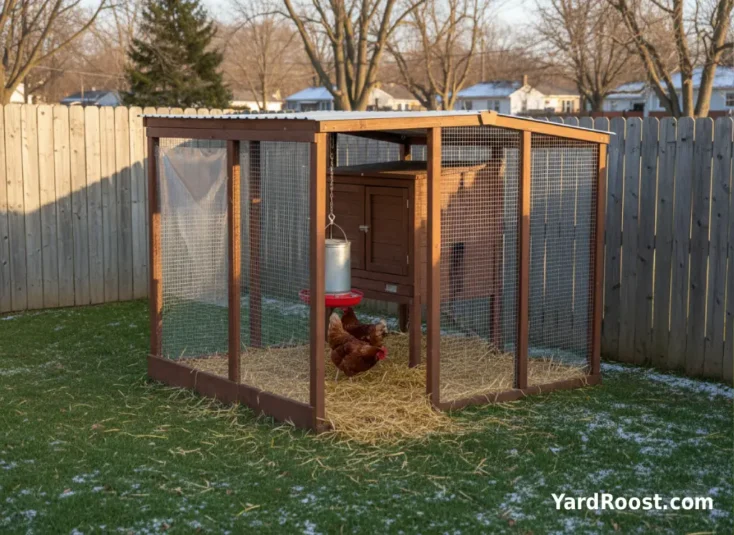
Rhode Island Reds are often described as cold-hardy, and they tend to do well in many U.S. climates with basic protection from wind, wet bedding, and poor ventilation. The key is remembering that “hardy” doesn’t mean “invincible.” Wet litter, ammonia buildup, and drafts at roost level can stress birds and invite problems.
Winter priorities that pay off fast:
- Keep bedding dry: add dry material before it gets sour-smelling; aim for “earthy” not “sharp.”
- Vent high, block wind low: you want air exchange without a direct breeze on resting birds.
In summer, shade and cool water access matter more than breed. When heat hits, the simplest upgrade is additional airflow through the run and extra water points so birds don’t have to wait their turn.
Biosecurity And Egg Handling Basics For Backyard Flocks
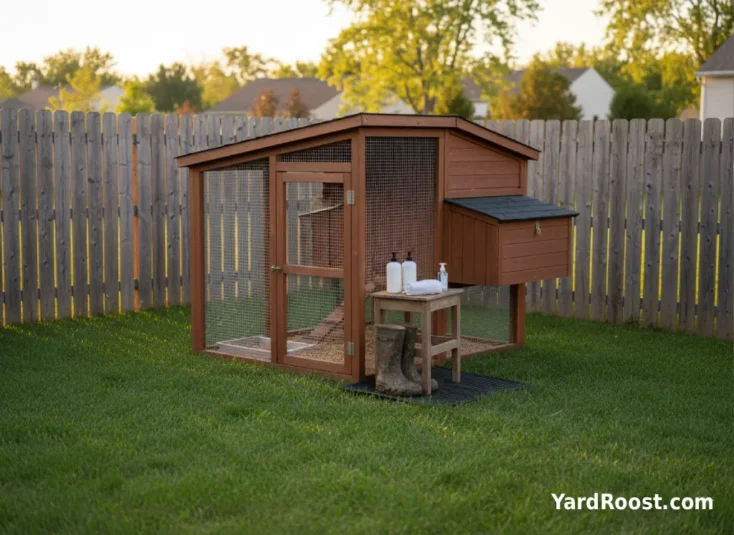
Backyard poultry can carry Salmonella even when birds look healthy. The CDC’s guidance is straightforward: wash hands with soap and water right after touching poultry, eggs, or anything in their environment, and consider keeping sanitizer at the coop for convenience.
Low-effort habits that reduce risk in real life:
- Keep “coop shoes” outside: don’t track coop dirt through the house.
- Don’t kiss or snuggle birds: it’s a common kid habit—redirect to gentle petting outdoors, then handwashing.
- Collect eggs often: fewer cracked/dirty eggs and less temptation for egg-eating.
If you add new birds (including Rhode Island Red chicks from a swap or auction), quarantine and a slow integration protect your existing flock more than any supplement ever will.
Common Mistakes To Avoid With Rhode Island Reds
Rhode Island Reds are forgiving birds, but a few patterns cause most of the “Why are my Rhode Island Reds acting like this?” questions.
- Under-sizing the coop/run: tight space turns confident hens into bullies and makes feather damage more likely. Use extension-based space planning as a starting point.
- Too few feeders: one dominant hen can quietly reduce everyone else’s intake and laying.
- Wrong feed at the wrong time: especially layer feed too early, or no calcium support once laying begins.
- Letting hens sleep in nest boxes: it leads to dirty eggs and broken shells—block nests at night if you need to retrain the habit.
- Skipping hygiene basics: handwashing and keeping coop gear out of the house is a simple CDC-aligned win.
Editorial note: The most expensive “mistake” is usually not a product—it’s waiting too long to fix a small management issue (like a single narrow feeder) until it becomes pecking, weight loss, or chronic dirty eggs.
When To Call An Avian Vet
YardRoost isn’t a veterinary service, but we are big believers in knowing the “don’t wait” signs. If any chicken—Rhode Island Red or otherwise—shows sudden, severe, or worsening symptoms, getting professional help early is often the difference between a quick recovery and a flock-wide problem.
Consider contacting an avian vet (or a veterinarian comfortable with poultry) if you see:
- Labored breathing or persistent open-mouth breathing at rest
- Marked lethargy (won’t move to eat/drink) lasting more than a short period
- Significant weight loss or a bird that feels “knife-edged” at the breastbone
- Neurologic signs (loss of balance, twisting neck, inability to stand)
- Multiple birds showing similar symptoms
While you arrange help, safe first steps usually include isolating the bird, keeping it warm and quiet, and confirming it can reach water—without attempting home “treatments” that could delay proper care.
Bottom Line: Are Rhode Island Reds A Good Backyard Choice?
For most beginner-to-intermediate keepers, the Rhode Island Red chicken is a solid “first flock” contender: generally hardy, usually productive, and straightforward to feed and house if you follow the same basics that make any breed thrive. Expect brown eggs, a confident personality, and a bird that does best when you don’t cut corners on space and access (feeders, waterers, and nest boxes).
If you’re starting with Rhode Island Red chicks, dial in the brooder temperature and resist the urge to improvise feed too early—those two choices prevent a huge share of early setbacks. If you’re buying adult birds, ask what line they come from (production-focused vs. heritage/standard type) and watch flock dynamics closely during the first few weeks. With reasonable housing, predictable routines, and CDC-style hygiene habits, Rhode Island Reds can be the kind of backyard chicken that quietly becomes your “reliable favorite.”