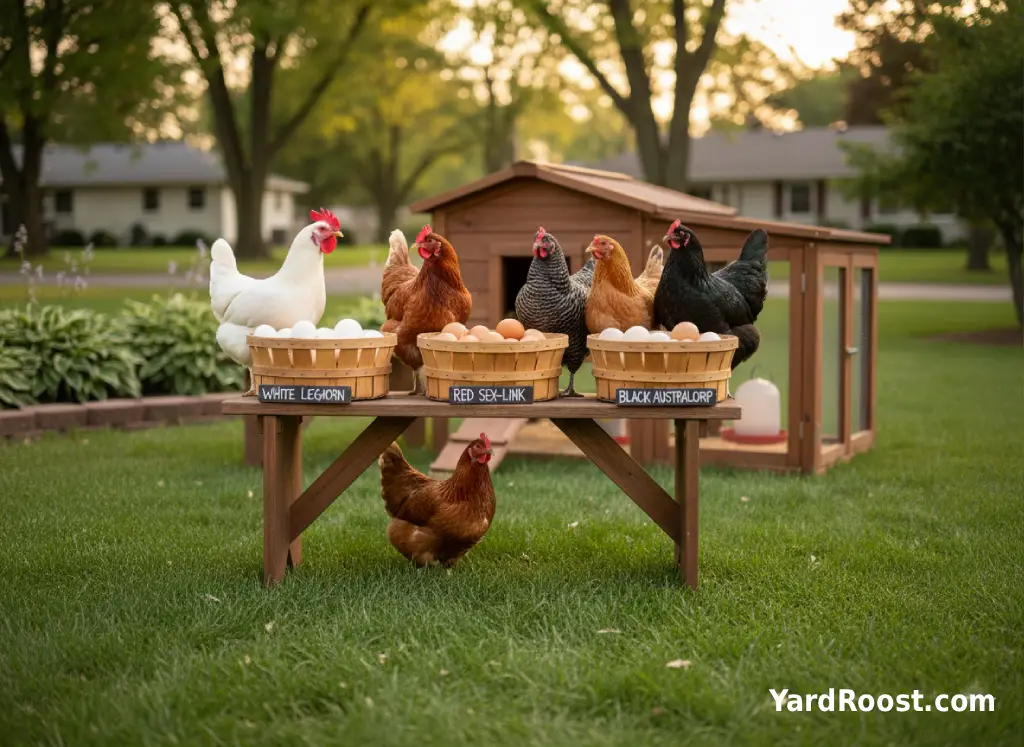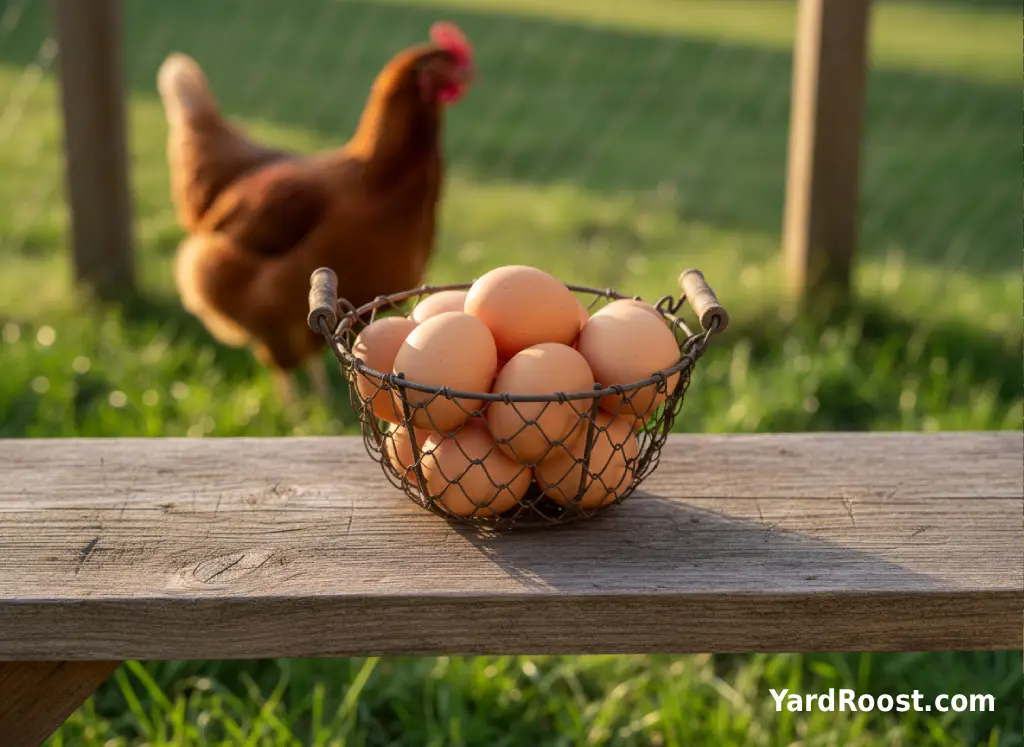
White Leghorns are the classic commercial egg layers: sleek, bright white, and bred for serious production. For backyard keepers, they can be a great fit when you want more eggs than meat and don’t mind a little extra energy in the run. This guide walks through what to expect from white Leghorn chicks and adults, how to house and feed them, and how to decide if this breed belongs in your flock.
We write from a practical, backyard point of view—what actually works on a small property, not just in commercial barns. Along the way, you’ll see where white Leghorns shine (egg baskets that fill fast), where they can frustrate beginners (flightiness, noise, and stubborn foraging), and how to set them up for a long, healthy laying career in a US backyard.
What Is a White Leghorn Chicken?
“White Leghorn” refers to a variety of the Leghorn breed, originally developed from Mediterranean birds and refined into today’s classic white egg layer. Modern single-comb White Leghorn strains are the backbone of commercial white-shelled egg production in much of the United States, which tells you a lot about their efficiency and focus on eggs over meat.
In a backyard, white Leghorns are small, active, and alert. They’re usually considered a light breed rather than a dual-purpose bird. That means they eat less feed per egg than a big-bodied hen, but they don’t fill a roasting pan the way a heavy breed does. Many lines are fairly flighty and prefer to be “chicken-friendly” rather than lap pets, though calmer strains exist if you buy from hatcheries that select for small-flock temperament rather than just commercial output.
Because white Leghorns are so widely used, you’ll see both commercial-style hybrids (extremely high-laying) and more old-fashioned or show lines (still productive but a bit calmer and heavier). When you order chicks, pay attention to how the hatchery describes the strain so you’re not surprised by the energy level that shows up in your coop.
White Leghorn Chicken Characteristics
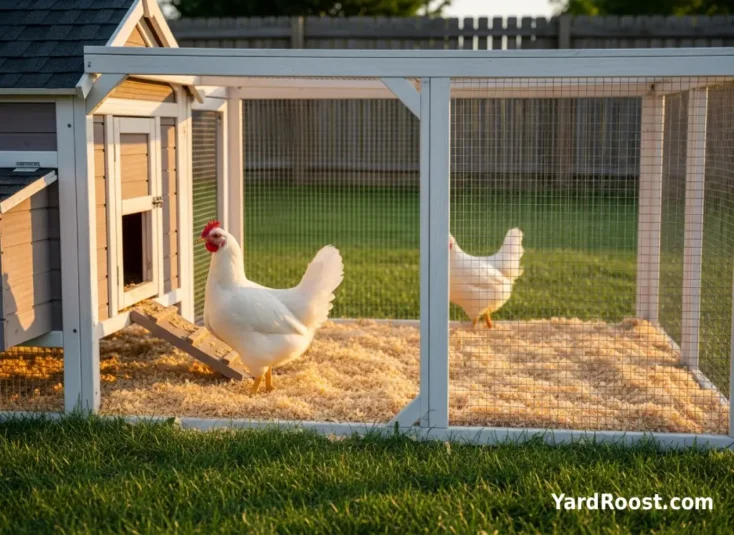
White Leghorns have a distinctive look: gleaming white feathers, a large red single comb, and yellow legs. Hens are on the smaller side, often around 4–5 lb as adults, with roosters a bit larger. Their light frame is part of what makes them such efficient layers—they put more of what they eat into eggs instead of extra body mass.
Temperament-wise, expect alert and sometimes nervous birds rather than cuddly lap chickens. Many white Leghorns prefer to keep a bit of distance, especially if they weren’t handled much as chicks. They’re quick on their feet, good fliers, and excellent foragers if you allow supervised free-ranging. All of that is great for predator avoidance but can be a challenge in small city yards without a secure top on the run.
Some quick traits to keep in mind:
- Energy level: High; they like to move, scratch, and explore.
- Noise: Moderate; not usually as loud as some heavy breeds, but they can be chatty, especially around laying time.
- Comb size: Large single combs can be prone to frostbite in very cold climates without good management.
- Broodiness: Generally low; most white Leghorns rarely go broody, which is good for egg production but not for hatching your own chicks.
A common surprise new keepers mention is how “flighty” their white Leghorns feel compared to heavier, brown-egg breeds. If you want child-friendly lap chickens, this variety may not be your first pick—but if you want eggs and don’t mind a bit of distance, they’re hard to beat.
White Leghorn Egg Production: What to Expect
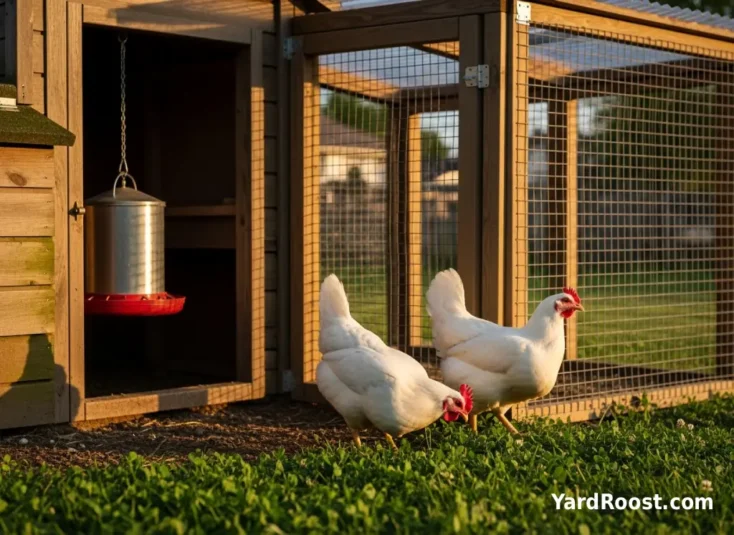
Egg production is where white Leghorns shine. Commercial-style strains are famously prolific, often capable of about 250–280 eggs per year under good management—roughly five or more large white eggs a week during their peak laying period. Backyard birds may lay a bit less than commercial records, but even so, a small flock of four to six hens can easily cover a family’s egg needs.
Egg production is where white Leghorns shine. Commercial-style strains are famously prolific, often capable of about 250–280 eggs per year under good management—roughly five or more large white eggs a week during their peak laying period. If you’re wondering how many eggs a chicken typically lays per day, backyard birds may lay a bit less than commercial records, but even so, a small flock of four to six hens can easily cover a family’s egg needs.
Key points about white Leghorn eggs:
- Egg color: Bright white shells, typical “store-style” eggs.
- Egg size: Usually large, with good shell quality if nutrition is right.
- Start of lay: Many white Leghorn pullets begin laying around 18–20 weeks of age, though climate, feed, and daylight all affect timing.
- Peak production: First and second laying seasons are usually the strongest, with output gradually decreasing over time.
Leghorn-type hens generally stay productive for a couple of years, but like all hens, egg numbers taper as they age. Some backyard keepers keep them on as “retired” pets; others rehome or cull older hens when production drops. Extension sources commonly note that hens in general are most productive for about 2–4 years, with life expectancy that can stretch up to 7 years or more in good conditions.
If eggs are your main goal, white Leghorns are one of the most efficient ways to turn feed into breakfast. Just be sure you’re ready for the maintenance that comes with such a high-output bird—solid nutrition, good housing, and regular checks on body condition.
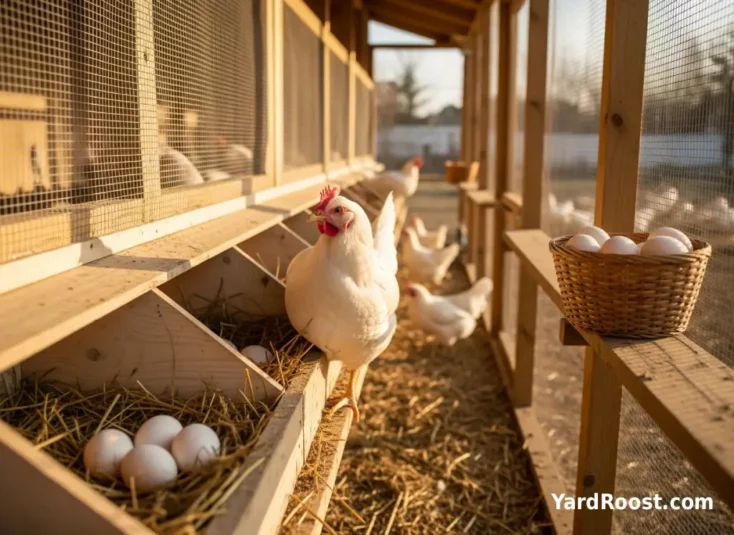
Raising White Leghorn Chicks at Home
White Leghorn chicks are tiny rockets: active, curious, and quick to test the edges of your brooder. They do best in a secure enclosure with solid sides high enough to prevent escape once they start hopping and fluttering at a few days old.
White Leghorn chicks are tiny rockets: active, curious, and quick to test the edges of your brooder. They do best in a secure enclosure with solid sides high enough to prevent escape once they start hopping and fluttering at a few days old. If you need a full walkthrough on brooder setup, heat, feed, and hygiene, it’ll help you dial in the basics before they really get adventurous.
Most land-grant extensions recommend starting day-old chicks at about 95°F at chick level for the first week, then reducing the heat by about 5°F each week as they feather out and behave comfortably. Always watch the chicks: if they’re piled tightly under the heat, it’s too cool; if they’re hugging the edges of the brooder and panting, it’s too hot. Behavior is your real thermometer.
| Chick Age | Approx. Brooder Temp (°F) |
|---|---|
| Week 1 | Around 95 |
| Week 2 | Around 90 |
| Week 3 | Around 85 |
| Week 4 | Around 80 |
Feed a chick starter or starter–grower feed appropriate for egg-laying breeds, with protein in roughly the upper teens to about 18–20% for the early growing phase, as recommended by several extension sources. Make sure feed and water are always available and that very young chicks can’t tip or fall into open waterers.
A common mistake we see is leaving chicks on slippery newspaper or smooth plastic. Extension publications strongly suggest using absorbent, non-slippery bedding like pine shavings to help protect legs and joints as they grow.
Housing and Space Needs for White Leghorns
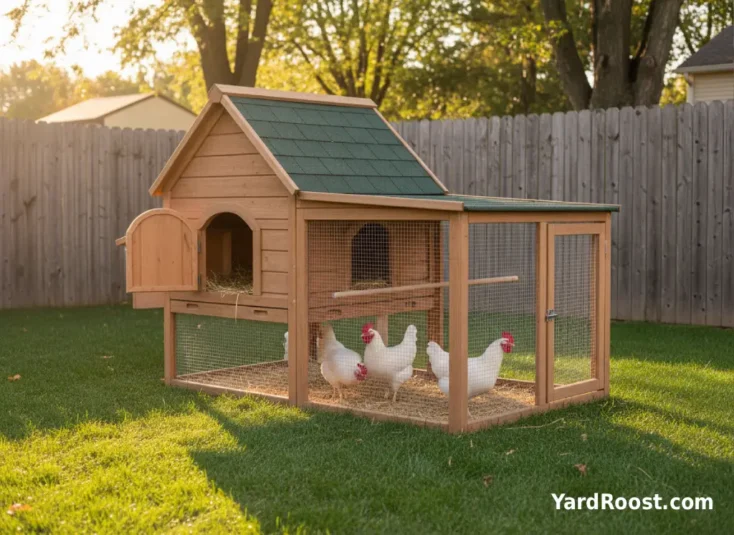
Because white Leghorns are active and like to move, they benefit from generous space in both the coop and the run. Cooperative extension sources often recommend roughly 3–4 ft² of indoor coop space per standard laying hen, plus about 8–10 ft² of outdoor run space per bird when possible. For smaller urban runs, tighter spacing can work if you’re diligent about cleanliness, ventilation, and enrichment, but more space almost always means less stress and fewer behavior problems.
Some housing basics for white Leghorns:
- Roosts: Provide around 6 inches of roost space per standard bird, with roosts roughly 18–24 inches off the floor and at least a foot apart.
- Nest boxes: One nest box for every 3–4 hens is usually adequate; a 12 in × 12 in box works well for light breeds.
- Ventilation: Install high vents or windows to let warm, moist air escape without creating drafts at roost level.
- Predator protection: Use hardware cloth (not chicken wire) and secure latches; consider burying a predator apron around the run.
White Leghorns can and will fly over low fencing. If your birds are escaping regularly, raising fence height, adding a covered run, or clipping one wing (done carefully and safely) are all more reliable solutions than simply hoping they “learn” to stay put.
Feeding and Daily Care for High-Production Hens
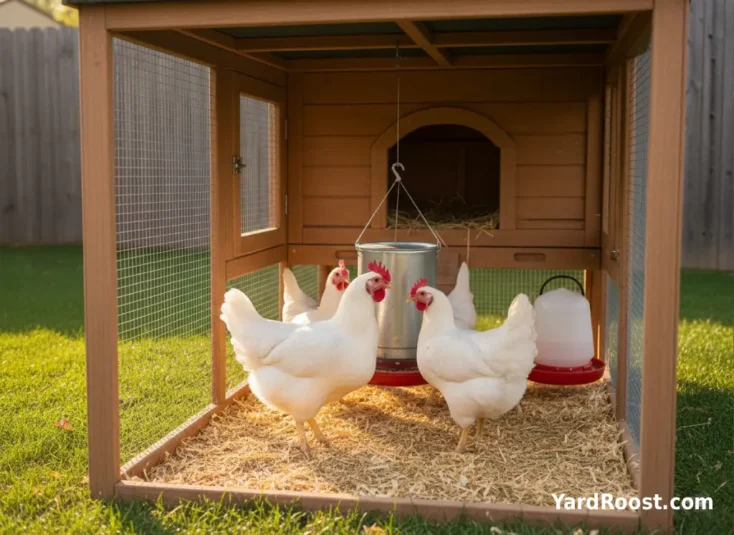
Once your white Leghorn pullets are close to laying age or you see the first egg, it’s time to switch them from grower feed to a complete layer ration. Extension publications commonly recommend layer feeds around 16% protein with extra calcium (roughly 3–4%) to support strong shells and keep hens from depleting their own bones. Offer the ration free-choice so birds can eat throughout the day.
Daily care checklist for white Leghorn hens:
- Check water at least twice daily; high-output hens dehydrate quickly in heat.
- Top off feed and make sure the feeder stays relatively dry and clean.
- Walk the coop and run to spot wet bedding, sharp edges, or new holes in fencing.
- Collect eggs at least once a day to reduce breakage and egg-eating habits.
Because white Leghorns are so efficient, they can get thin if feed quality or access isn’t ideal. Run your hand over the breastbone every week or two: you should feel muscle on both sides, not a sharp, jutting keel. If birds seem underweight, double-check that each hen can reach the feeder without being bullied, and consider adding more feeder space or a second station.
A common mistake we see is feeding layer pellets to mixed-age flocks that still include growing chicks. Adult hens need the extra calcium; young birds do not. When in doubt, talk to your local extension office or poultry-savvy veterinarian about feed options for mixed flocks.
Seasonal Considerations: Heat, Cold, and Molt
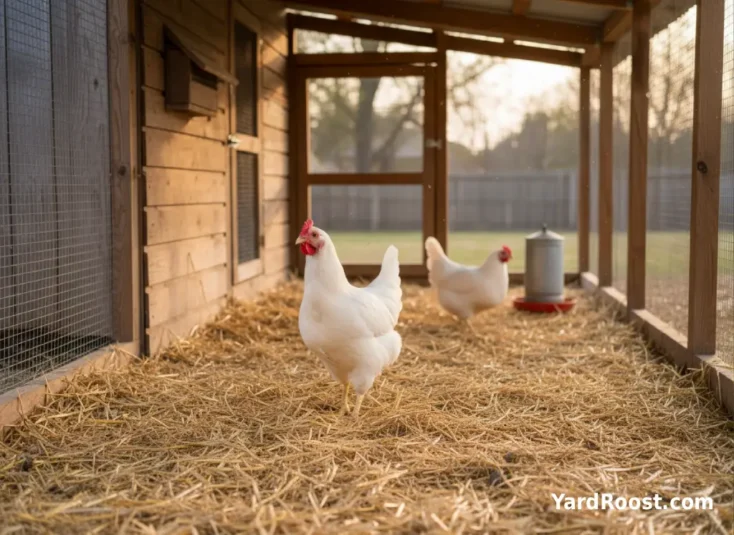
White Leghorns handle heat fairly well for chickens, thanks to their light bodies and large combs, but they still need shade, cool water, and good airflow in hot weather. In winter, that same large comb can be frostbite-prone if the coop is damp and poorly ventilated. The key is dry, draft-free housing with plenty of fresh air moving above roost level rather than across the birds.
Seasonal tips for white Leghorns:
- Summer: Provide shade over the run, add extra waterers, and increase coop ventilation. Shallow pans of water or frozen water jugs in front of a fan (if power is available and safely installed) can help in extreme heat.
- Winter: Focus on dryness and ventilation rather than heavy insulation. Deep litter bedding and high vents let moisture and ammonia escape while keeping drafts off the roosts.
- Comb care: In very cold climates, some keepers lightly coat large combs with a thin layer of safe ointment as a moisture barrier; more importantly, keep humidity under control to reduce frostbite risk.
- Molt: Expect an annual molt where hens shed feathers and egg production dips. This is normal; a bit of extra protein in the diet and patience usually see them through.
Editorial note: many new keepers worry more about temperature than ventilation. For most US backyards, a dry, well-ventilated coop with wind protection at roost height is safer than a tightly sealed, humid box—even in winter.
Common Health Concerns in White Leghorns
White Leghorns don’t have unique “mystery illnesses,” but their intense egg production can put extra stress on their bodies. Like other high-output layers, they may be more prone to certain reproductive problems as they age, especially after long periods of heavy laying. It’s important to watch your birds as a group and as individuals so you notice changes early.
Safe, non-diagnostic red flags to watch for include:
- A hen that suddenly isolates herself, stands puffed up, or refuses to move with the flock.
- Consistently loose or oddly colored droppings combined with other signs like weight loss or lethargy.
- Labored breathing, repeated open-mouth breathing at normal temps, or persistent coughing/sneezing.
- Noticeable, ongoing weight loss despite normal access to quality feed.
- Persistent shell issues—very thin shells, shell-less eggs, or sudden drop in production that doesn’t match molt or season.
Basic biosecurity—such as quarantining new birds for a few weeks, keeping wild birds from sharing feed, and washing hands after handling chickens or equipment—is recommended by agencies like USDA and university extensions for small flocks. These habits reduce the spread of common poultry diseases and protect human health as well.
Remember, it’s not your job to diagnose exactly what’s wrong. Your job is to notice “this bird is not acting like herself” and get help when the pattern seems serious or persistent.
When to Call an Avian Vet
Because white Leghorns are so efficient at laying, changes in behavior or egg production often stand out quickly. When small problems get attention early, the chances of a good outcome are better—no matter the breed.
Consider calling an avian veterinarian or poultry-experienced vet if you notice:
- A hen that is unable to stand or walk normally, or is frequently falling over.
- Severe breathing trouble, repeated gasping, or blue-tinged comb or wattles.
- Sudden extreme swelling around the eyes, face, or joints.
- Large amounts of blood, severe wounds, or suspected predator trauma.
- A significant portion of the flock showing similar serious signs (respiratory distress, sudden deaths, or dramatic drops in egg production).
For milder but persistent concerns—like a hen that is gradually losing weight, has ongoing diarrhea, or repeatedly lays abnormal eggs—keep written notes for several days and then share them with a vet or extension poultry specialist. Extension services at land-grant universities can often help you decide whether what you’re seeing is likely “normal but inconvenient” or something that needs professional attention.
Most of all, trust your gut. If a bird looks “off” and you’re worried enough to search online, it’s reasonable to at least call a clinic for advice rather than hoping the issue simply disappears.
Common Mistakes to Avoid With White Leghorns
Even experienced keepers get caught by white Leghorns’ quirks. Here are some frequent pitfalls we see—and how to sidestep them.
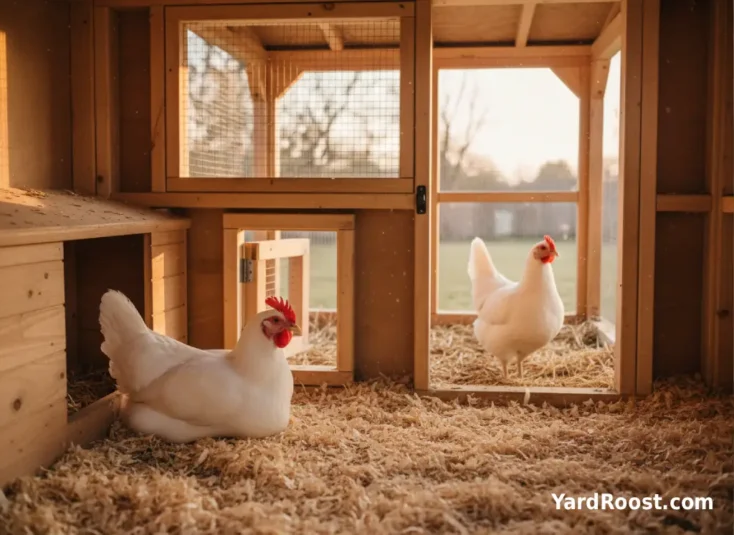
- Underestimating space needs: Treating Leghorns like tiny bantams in a cramped coop leads to pecking and stress. Aim for that 3–4 ft² indoors and as generous a run as your yard allows, with vertical interest like perches or platforms.
- Ignoring ventilation: Sealing up the coop too tightly “for warmth” can create damp, ammonia-heavy air that’s harder on Leghorns’ big combs than a bit of dry cold.
- Mixing feed for all ages: Feeding layer rations to chicks or non-laying birds can cause problems; keep age groups and feed types matched whenever possible.
- No predator plan: A flimsy run or basic chicken wire is no match for raccoons, dogs, or hawks. Use hardware cloth, solid latches, and consider buried aprons.
- Expecting cuddle chickens: Many white Leghorns stay aloof even with regular handling. If you want lap birds, choose breeds selected for that trait and enjoy Leghorns primarily as egg partners.
A common mistake we hear about is buying “whatever white layer” was on sale at the farm store without reading the tag. A year later, the keeper is surprised by birds that fly, yell when confined, and lay like crazy. For many people, that’s actually perfect—as long as they planned for it from the start.
Is the White Leghorn Right for Your Backyard Flock?
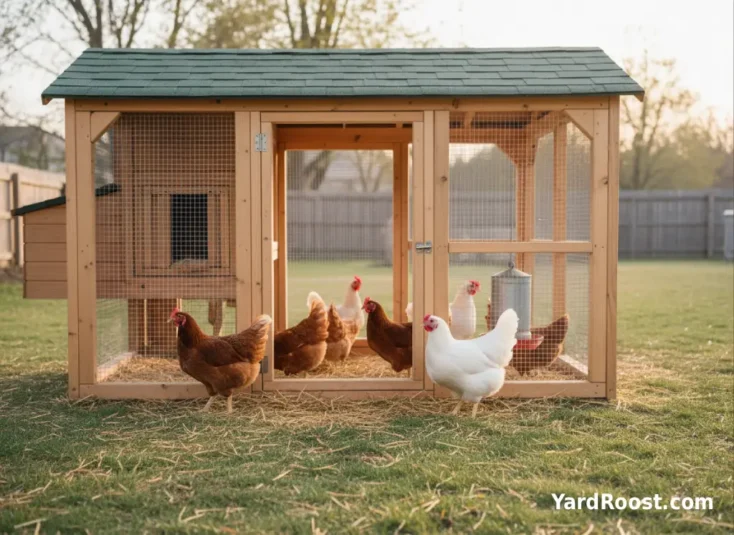
White Leghorn chickens are specialists. If your top priority is a steady supply of large white eggs from birds that don’t eat a ton of feed, they’re some of the best choices available. They bring commercial-level efficiency into a backyard footprint, especially when you match their needs for space, ventilation, and feed quality.
They’re less ideal if you’re mainly interested in dual-purpose birds for both eggs and meat, if you want very calm “pet” chickens for small children, or if your setup can’t accommodate active, flight-capable hens. In those cases, pairing a few Leghorns with more laid-back breeds (or choosing calmer strains from the start) can give you both eggs and friendlier personalities in the same coop.
Before you place your chick order, take a walk through your yard and picture where a secure, well-ventilated coop and covered run will go, using the space and housing guidelines above as a checklist. If what you see lines up with what white Leghorns need, you may find that a few of these bright, busy hens are exactly what your backyard flock has been missing.