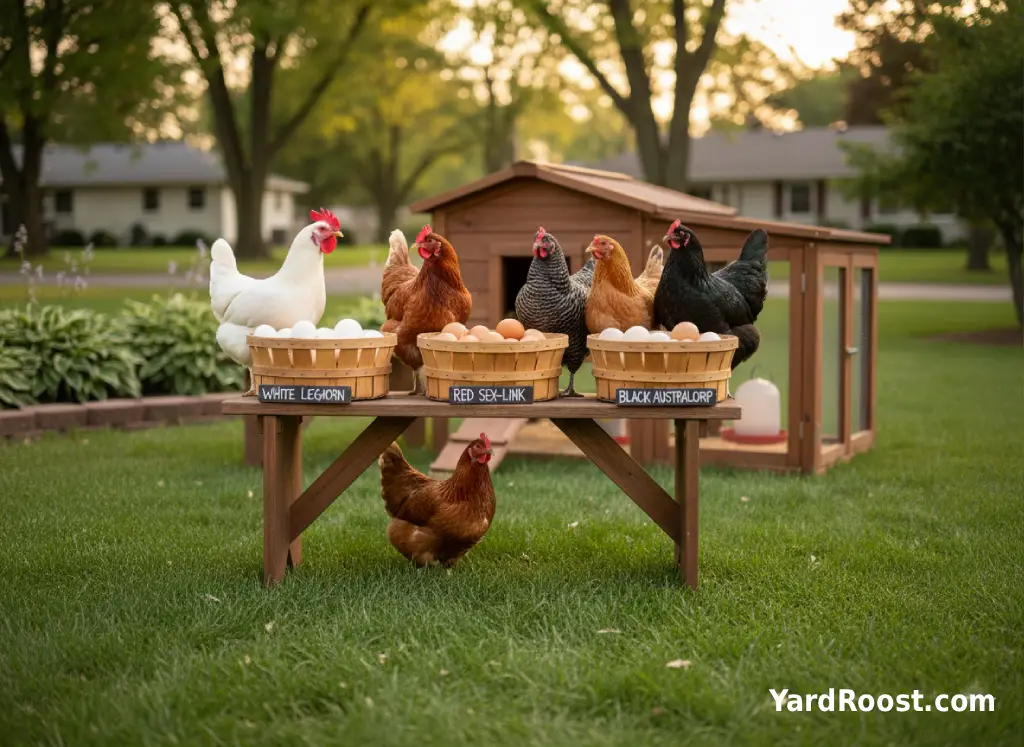
Sapphire Gem chickens have a way of turning “just one more chicken” into “okay… make that three.” They’re widely sold as a pretty, blue-gray backyard layer with a reputation for steady eggs and an easygoing attitude. But there’s also a lot of confusion around them—especially about egg color (“blue eggs?”), whether they’re a true breed, and how reliable chick sexing really is when you’re staring at a fluffy blue chick in a brooder.
This guide is written for beginner to intermediate keepers who want clear expectations: what Sapphire Gems are (and aren’t), what their eggs typically look like, how egg production usually compares to other good backyard layers, how to spot likely males vs females, and how to set them up for success from chick stage to laying age. We’ll keep it practical, safety-first, and realistic—because the only thing worse than a surprise rooster is a surprise rooster you weren’t prepared to house.
What a Sapphire Gem Chicken Really Is
Sapphire Gem is typically sold as a hybrid/production-type chicken rather than a standardized heritage breed. In plain English: you’re buying a consistent “type” created for looks + laying, not something with a single, universal breed standard across every hatchery.
What that means for you:
- Appearance can vary (shade of blue-gray, patterning, and whether males show barring).
- Egg color and egg counts vary more than with tightly standardized breeds.
- Sexing claims depend on the cross—some lines behave like sex-links, others are less predictable.
If you’re comparing listings like “blue sapphire gem chicken” or “black sapphire gem chicken,” treat those as seller descriptors. Ask what hatchery line they came from and whether chicks are sold as straight run, sexed, or “sex-link.”
Sapphire Gem Chicken Size and Look
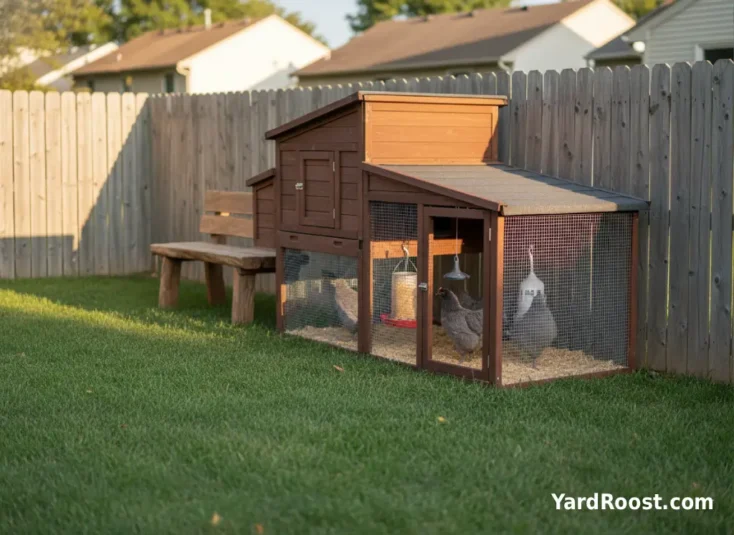
Most Sapphire Gem-type birds are medium-bodied—think “comfortable backyard size” rather than bantam or giant. Their signature look is that dusty blue/gray plumage that can range from pale slate to deeper charcoal. Some males show more obvious barring or lighter patterning as they mature, while females often look more uniform.
Two practical “size” tips for planning your setup:
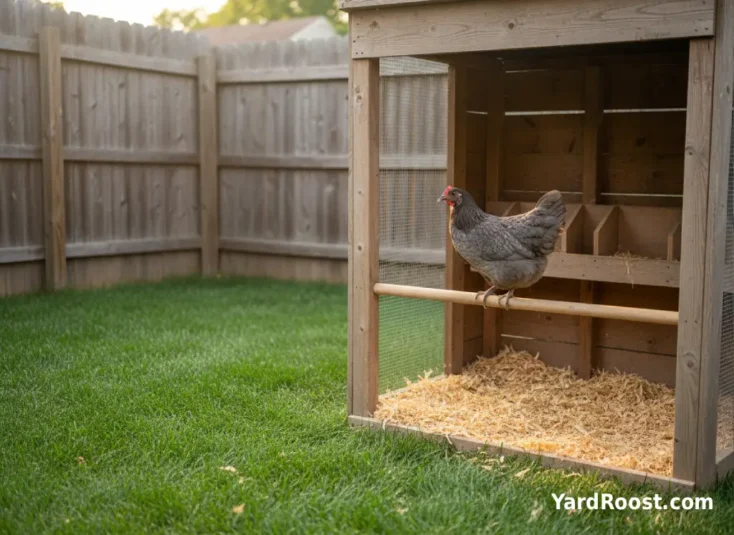
- Build roosts for a medium hen: a stable 2×4 (wide side up) works well for many backyard birds and helps reduce foot strain in colder weather. For more on coop interior space and run size, see Chicken Coop Size Calculator.
- Assume they’ll hit standard-layer appetites: plan feeder space and water access so timid birds can eat without being chased off (especially if you mix them with more assertive breeds).
Sapphire Gem Chicken Egg Color
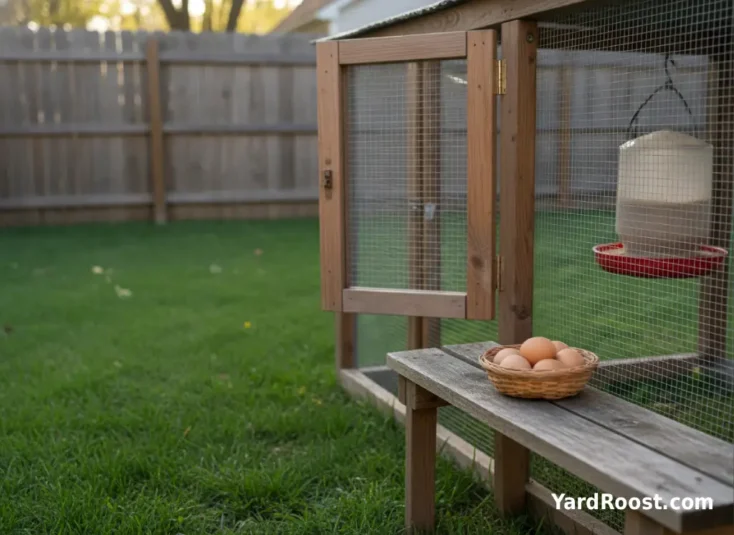
Let’s clear up the big question: Sapphire Gem chickens are generally expected to lay brown or tinted eggs, not true blue eggs. If you’re noticing a lot of questions about Sapphire Gem egg color, it’s because the birds have blue-gray feathers—so people naturally assume the eggs might be blue, too.
What you may see in real backyards:
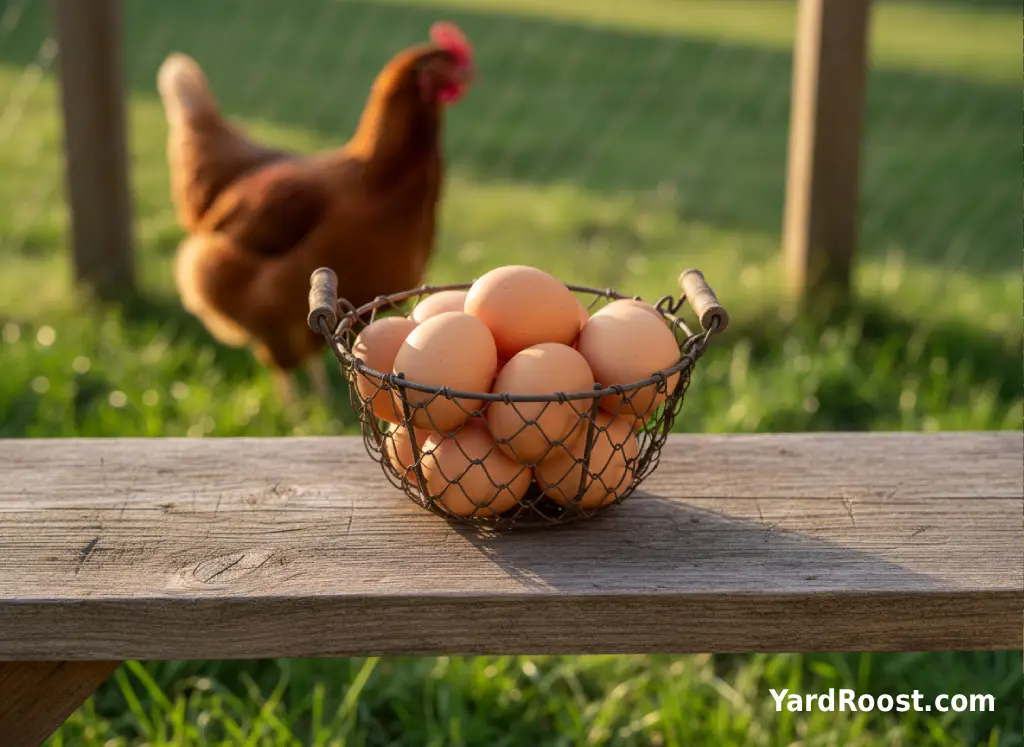
- Light to medium brown shells (most common).
- Subtle shade shifts over a season—older hens and heat stress can lighten shell color.
- A faint “bloom” (the protective coating) that can make an egg look slightly different until it’s washed off by time or handling.
A common mistake we see is buying “Sapphire Gems” expecting blue eggs and then feeling disappointed. If you want reliable blue/green eggs, look for true blue-egg layers like Ameraucana-type birds or Cream Legbar lines from reputable sources.
Sapphire Gem Chicken Egg Production and Laying Age
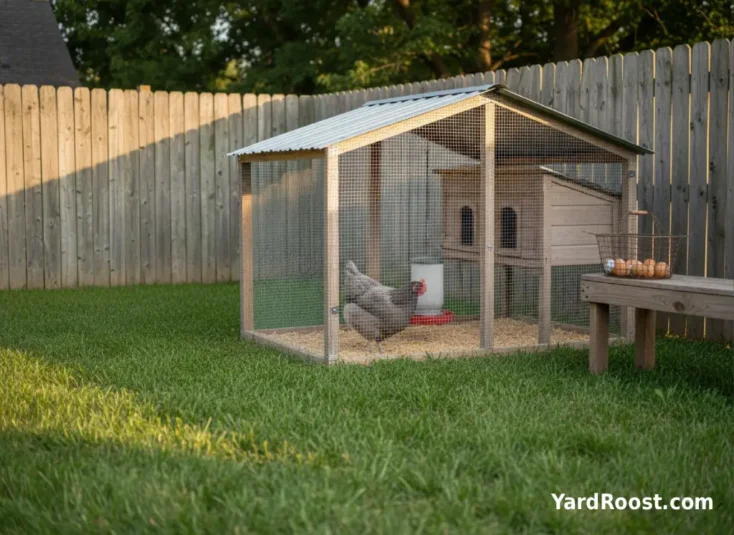
Sapphire Gems are commonly marketed as strong layers, and many keepers do report steady production—especially in the first couple of laying years. A good reality check is to compare them to other productive backyard layers: many well-managed hens average around ~260 eggs per year, and pullets often begin laying around ~22 weeks (breed and conditions can shift this). Sources: Purdue Extension poultry materials.
Two ways to set yourself up for the “good layer” outcome:
- Keep day length steady in fall/winter if you use lights: sudden decreases can reduce laying. If you don’t want to use supplemental light, expect seasonal slowdowns—totally normal.
- Support shells the safe way: offer a separate dish of oyster shell and let hens self-regulate, rather than mixing supplements into feed “just because.”
If your Sapphire Gem hen slows down, the first suspects are usually management—not “something wrong with the breed”: stress, molt, heat, predator pressure, and nutrition are common culprits.
Sapphire Gem Temperament and Flock Fit
Most Sapphire Gem-type birds are described as fairly calm and people-tolerant once they’re settled. That said, temperament is hugely shaped by handling, flock dynamics, and whether you end up with an unexpected rooster.
Practical flock-fit advice (especially for mixed-breed backyard flocks):
If you’re adding Sapphire Gem pullets to an established group, plan a slow introduction. We like the “see but don’t touch” approach for at least several days—adjacent pens or a divider—so the flock can posture without full contact. Then introduce at dusk with multiple feed/water stations so no one bird can guard resources.
Editorial note: A common mistake we see is introducing new birds at midday and walking away. If pecking escalates, you’ll miss the chance to intervene early (extra space, visual barriers, or a temporary separation can prevent injuries).
Sapphire Gem Chicks: Brooder Basics That Prevent Headaches Later
Sapphire Gem chicks don’t need special chick care—but they do benefit from the same “boring basics done well” that make any chicks grow into sturdy pullets.
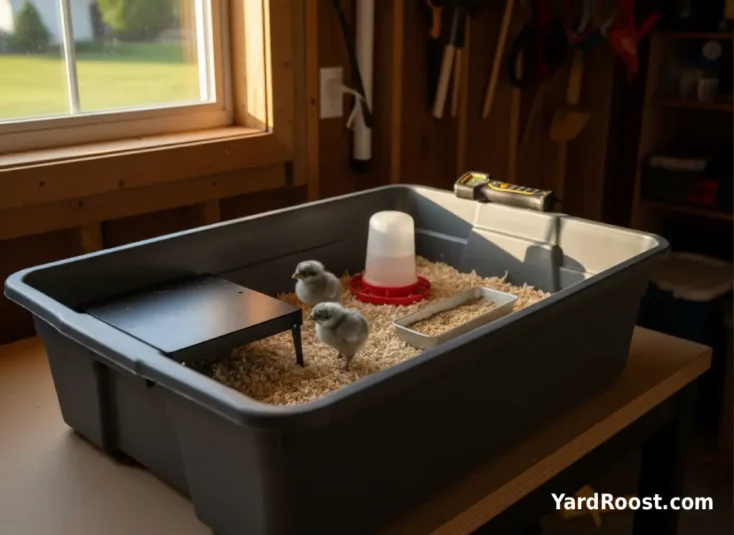
- Heat that chicks can escape: whether you use a heat plate or lamp, set up a warm zone and a cooler zone so chicks can self-regulate. If they’re piled tightly under heat, they’re too cold; if they’re pressed to the edges panting, they’re too hot.
- Dry footing matters: damp bedding is a fast track to odor, bacteria growth, and foot issues. Stir daily and replace wet spots immediately around the waterer.
- Plan for mess: raise the waterer slightly (on a stable platform) as chicks grow to reduce bedding-kicking into the water.
If you’re new to brooding, bookmark a checklist and keep it simple. Fancy gadgets don’t beat consistent observation.
Sapphire Gem Chicken Male vs Female: How Sexing Usually Works
This is where Sapphire Gems get tricky: some are sold as sex-linked crosses, meaning chick coloration/patterning can hint at male vs female. In classic barred sex-linked crosses, barring genetics can create visible differences between the sexes early on. Sources: eXtension (poultry.extension.org) and University of Kentucky poultry resources describe how barred sex-linked crosses can show different patterns and head spots in chicks.
Here’s the safe, honest version for backyard keepers:
- Seller sexing is usually more reliable than DIY guessing, especially if the hatchery is actually selling “sexed pullets.”
- Visual sexing is “probable,” not guaranteed unless you’re dealing with a well-established sex-link line and you know what cross produced the chicks.
- Confirm with growth cues: early comb reddening, thicker legs, slower feathering in some lines, and (later) crowing and saddle feather development.
If “sapphire gem chicken sexing” is your top concern, buy from a seller who will put their policy in writing (what they do if a “pullet” turns out to be a rooster).
Housing and Run Setup for Sapphire Gems
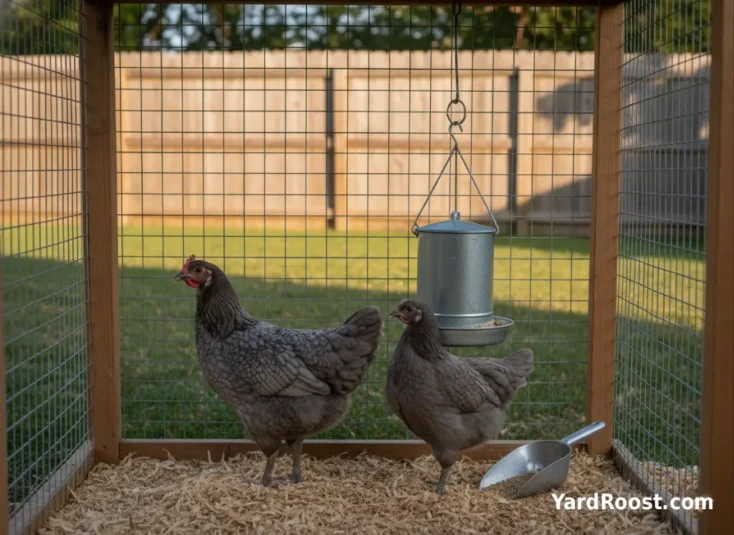
Since Sapphire Gems are medium, active layers, the right setup is less about “special needs” and more about preventing the three classic backyard problems: crowding, drafts at roost level, and predator weak points.
We recommend you focus on these high-impact details:
- Ventilation high, not windy: aim for air exchange above roost height so moisture can leave without a direct draft on sleeping birds. See /coop-ventilation-basics/.
- Predator-proof the run, not just “predator-resistant”: hardware cloth beats chicken wire for most predator scenarios, and simple latches often need a secondary lock. (If a raccoon can “work” it, it’s not a lock.)
- Make egg-laying easy: keep nest boxes dimmer than the coop interior, and give enough boxes so timid hens don’t get bullied out.
Biosecurity and Egg Handling: Keep Your Flock (and Family) Safer
Whether your chickens are Sapphire Gems or anything else, the biosecurity basics don’t change—and they matter more than most beginners realize.
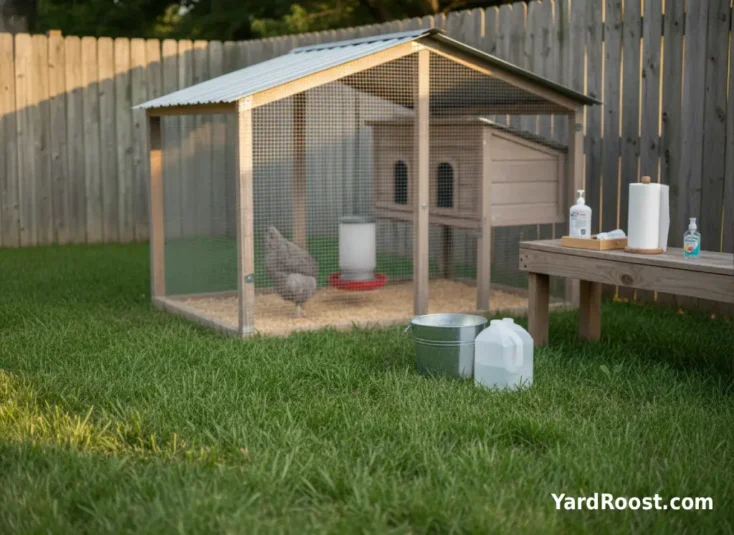
- Quarantine new birds before mixing: USDA poultry biosecurity materials emphasize separating new additions and watching daily for signs of illness before bringing them into the flock. (USDA APHIS “Defend the Flock” resources also reinforce practical backyard biosecurity.)
- Wash hands after handling birds or eggs: CDC guidance for backyard poultry stresses washing hands with soap and water right after touching poultry, their eggs, or anything in their environment—and using sanitizer if soap and water aren’t available.
- Supervise kids closely: CDC materials also highlight that young children are higher-risk and need supervision for handwashing around poultry.
A common mistake we see is treating the coop like a “clean” zone because it looks tidy. Even healthy-looking birds can carry germs, so simple habits—handwashing, dedicated coop shoes, and keeping poultry out of kitchens—go a long way.
Common Mistakes to Avoid With Sapphire Gem Chickens
- Assuming “Sapphire Gem” guarantees a specific egg color: expect brown/tinted eggs in most cases; choose a known blue-egg layer if that’s your goal.
- Relying on chick color alone for sexing: unless you bought a clearly labeled sexed chick or a known sex-link line, treat early sexing as an educated guess.
- Underestimating winter moisture: cold is often manageable; damp + ammonia is what gets flocks in trouble. Ventilate high and keep bedding dry.
- Buying “for sale” birds without a plan for roosters: before you purchase, check local ordinances/HOA rules and decide what you’ll do if you end up with a male.
If you want a smoother start, buy a small group of pullets (not a single bird), plan your space, and keep your routine consistent for the first two weeks after they arrive.
When to Call an Avian Vet or Get Professional Help
We’re not veterinarians, and backyard problems can turn serious faster than people expect. If you see any of the signs below, it’s time to contact an avian vet (or an experienced poultry professional) rather than trying to “wait it out.”
- Labored breathing, open-mouth breathing at rest, or repeated coughing/sneezing
- Sudden drop in eating/drinking lasting more than a day, especially with lethargy
- Bleeding, severe limping, or inability to stand
- Swollen eyes/face or heavy discharge from eyes/nostrils
- Egg-binding concerns (straining, penguin stance, weakness)—urgent
For flock-wide illness, tighten biosecurity immediately: isolate the sick bird(s), limit visitors, and avoid moving birds/equipment between properties. USDA APHIS backyard biosecurity guidance (Defend the Flock) is a solid reference point for what to do next.
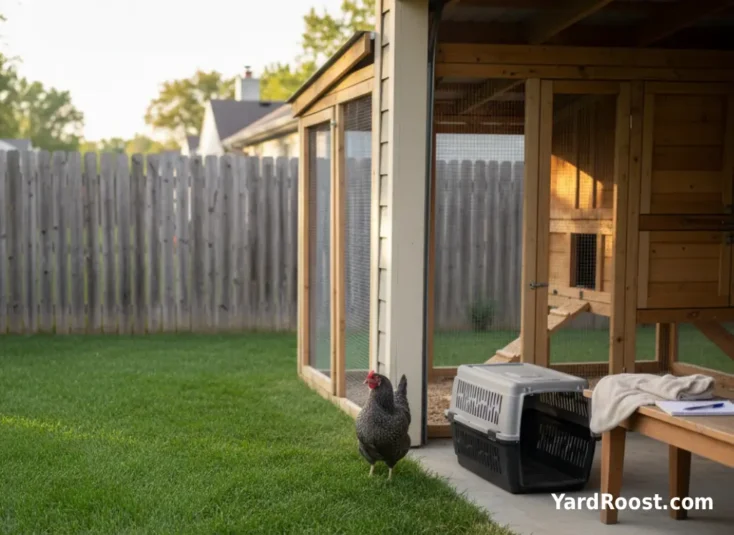
So—are Sapphire Gems “worth it”? For many small-flock keepers, yes: they’re attractive, typically productive, and usually slot into backyard life without drama. The key is going in with the right expectations. Sapphire Gem is a category of chicken sold for certain traits, not a single, universally identical breed. That’s why you’ll see variation in feather shade, how obvious males look, and what egg shells look like across different sellers.
If you want the best odds of getting what you’re picturing, buy from a reputable source, decide ahead of time how you’ll handle surprise roosters, and focus on fundamentals: dry, well-ventilated housing; predator-resistant run construction; steady nutrition; and simple hygiene. Do those things well and most Sapphire Gem-type hens will reward you the same way good layers always do—by making the morning egg check feel like a little win, even on an ordinary day.