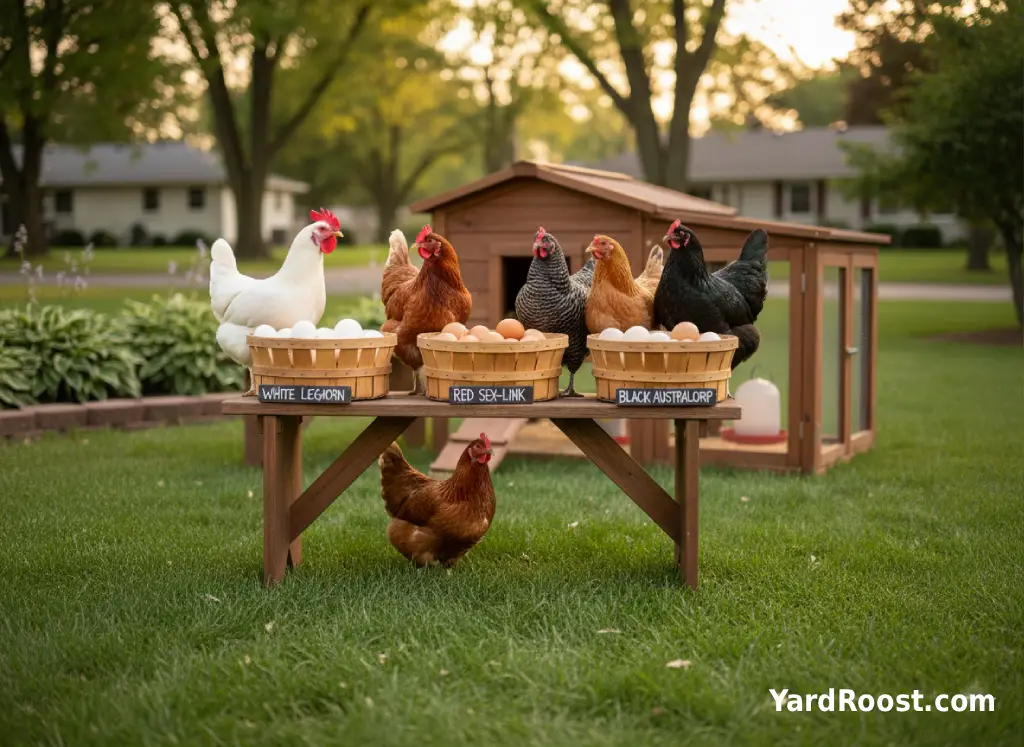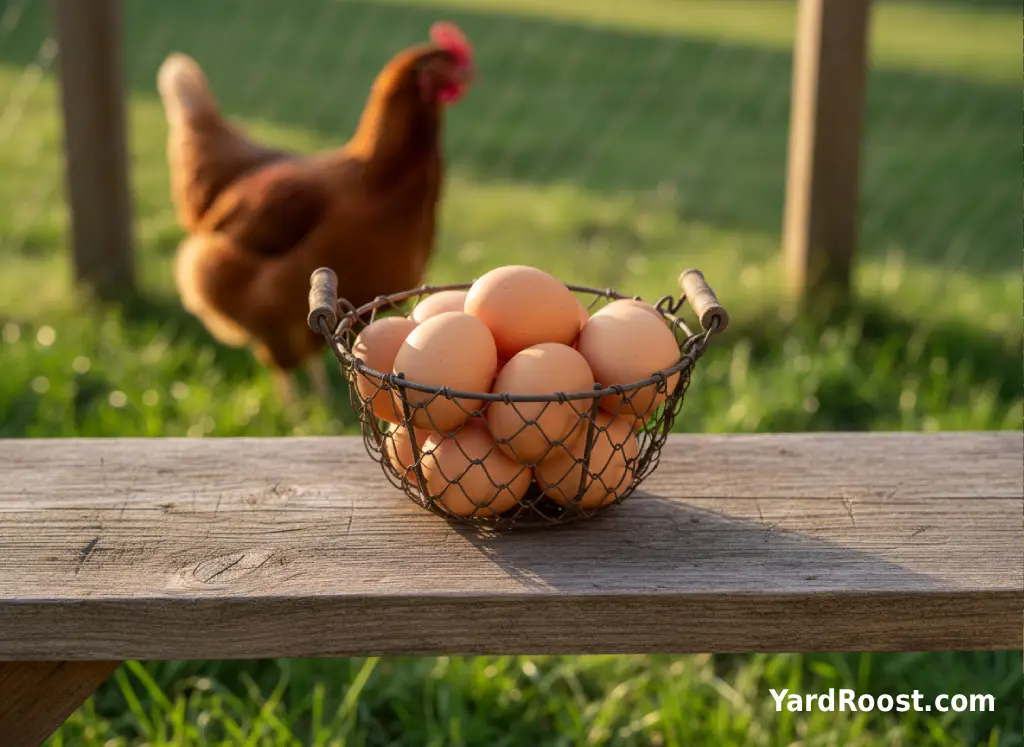
ISA Browns have a reputation for doing one thing extremely well: laying lots of brown eggs with minimal drama. For a beginner-to-intermediate backyard keeper, that can be a great fit—especially if you want steady breakfast eggs without committing to rarer heritage breeds. The trade-off is that ISA Browns are a commercial hybrid (not a true, breed-standard bird), so you’ll see more variation between hatcheries, and they generally shine brightest in their first couple of laying years.
This guide walks through what to expect with an isa brown chicken in a small U.S. backyard flock: temperament, space needs, raising isa brown chicks, and the reality behind isa brown chicken egg production. We’ll also cover the common “surprises” new owners run into—like early laying, egg-laying slowdowns, and why some birds burn out if nutrition and management lag behind their genetics. Along the way, we’ll flag safety-first basics from cooperative extension resources (and a few hard-won backyard lessons we see again and again).
ISA Brown Basics: Hybrid Layer, Big Output
An isa brown is a purpose-bred brown-egg layer developed for efficiency and consistency. In plain English: these birds are selected to convert feed into eggs really well, and they typically start laying relatively early compared with many heritage breeds. Commercial performance targets for ISA Browns are extremely high under controlled conditions, which helps explain why they’re popular with keepers who want eggs more than show traits.
In a backyard setting, results depend on daylight, stress, predators, diet consistency, and weather swings. But as a “type,” ISA Browns are usually calm, people-tolerant, and flock-friendly—excellent for first-time keepers who want a steady routine. A common mistake we see is treating them like a rugged dual-purpose bird that can “make do” on scraps. They’re forgiving, but their bodies are built around laying, so basics like good feed and a dry, draft-managed coop matter more than people expect.
What ISA Brown Chickens Look Like and How They Act
Most ISA Browns are a warm chestnut-brown with lighter feathering around the neck and underside. You’ll often see a sturdy “working layer” body rather than a fancy silhouette. In commercial guides, adult body weights land in the 4 lb range in later lay, but backyard birds can vary with diet, activity, and genetics.
Temperament is where ISA Browns win fans. Many are curious, easy to handle, and less likely to spook than flightier breeds. That said, any chicken can be stressed by crowding, bullying, or inconsistent management. Two practical ways to keep the peace:
- Feed and water “traffic control”: Offer more than one feeder/waterer station if you have a pushy hen. It reduces shouldering and keeps timid birds eating.
- Roosting real estate: Give enough roost bar space so everyone can sleep without shoving matches (and place roosts so birds aren’t forced to roost over feeders or water).
Editorial note: A common mistake we see is assuming a “sweet” hen can’t become a resource guarder. Even gentle birds will body-check flockmates if space or feed access is tight.
Buying ISA Brown Chicks: What to Ask Before You Commit
When shopping for isa brown chicks, the biggest “gotcha” is naming. Many hatcheries sell similar brown sex-link hybrids under different labels (including “red sex link” lines). That’s not automatically a problem—just don’t expect breeding consistency or a perfect copy of someone else’s flock.
Ask these questions before you buy:
- Is this a commercial hybrid brown layer line? If yes, expect strong early laying and fewer broody tendencies.
- How are chicks sexed? Many commercial lines are sex-linked, meaning day-old chicks can be separated by visible traits. (That helps reduce accidental roosters.)
- Are they vaccinated? Policies vary by hatchery. If you’re unsure, plan management around biosecurity and stress reduction rather than assuming protection.
If you’re building a small flock from scratch, consider buying all chicks at the same time (or same age pullets). Mixing ages can work, but it’s a bigger management lift.
Brooding ISA Brown Chicks: Temperature, Space, and Behavior Cues
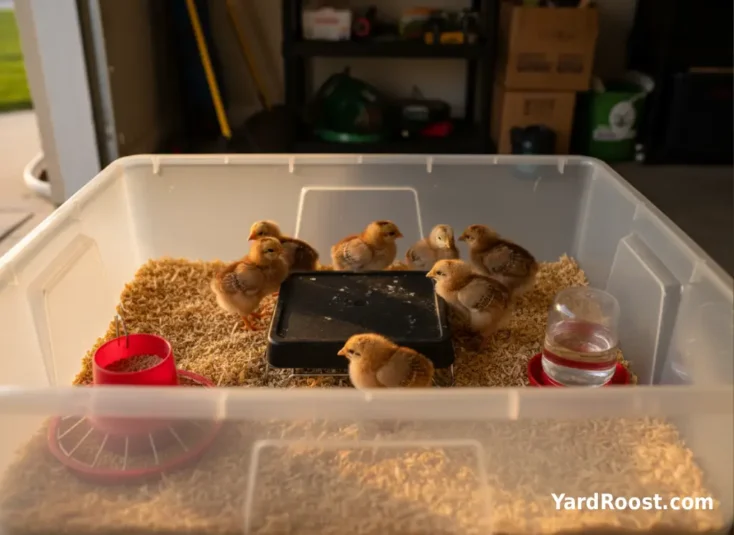
Chicks don’t need fancy—just correct heat, clean water, dry bedding, and enough room to move away from the heat source. Multiple cooperative extension resources recommend starting around 90–95°F at chick level for the first week, then reducing by about 5°F per week until chicks are feathered or ambient temperature is reached. Watch the chicks: piling under heat = too cold; hugging the edges = too hot; evenly distributed = just right.
Two practical tips that prevent most early losses:
- Secure your heat source: Clamp, chain, or otherwise fail-safe it. Fire risk is real, especially with heat lamps.
- Prevent pasting early: Check vents daily for the first week (quick glance while you refresh water). If a chick is struggling, isolate for warmth and hydration and contact an avian vet if it doesn’t rebound quickly.
A common mistake we see is using slippery brooder flooring (like bare plastic). Add bedding and traction so legs develop normally.
Coop and Run Setup for ISA Browns: Space, Ventilation, and Predator Basics
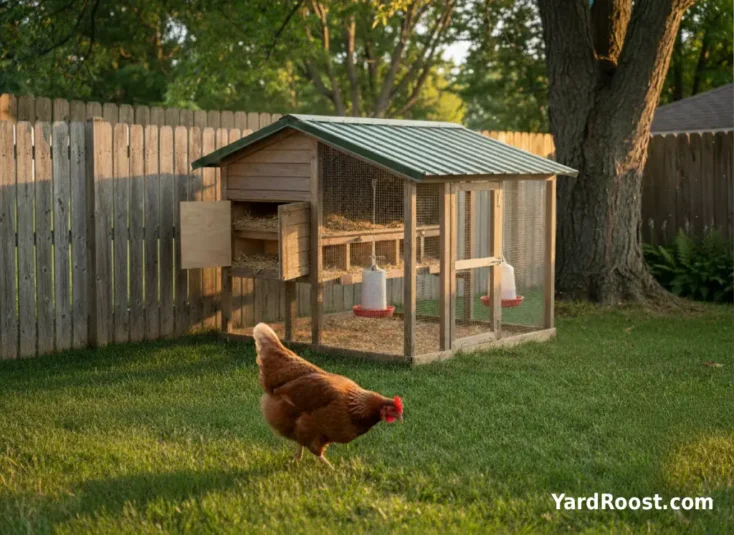
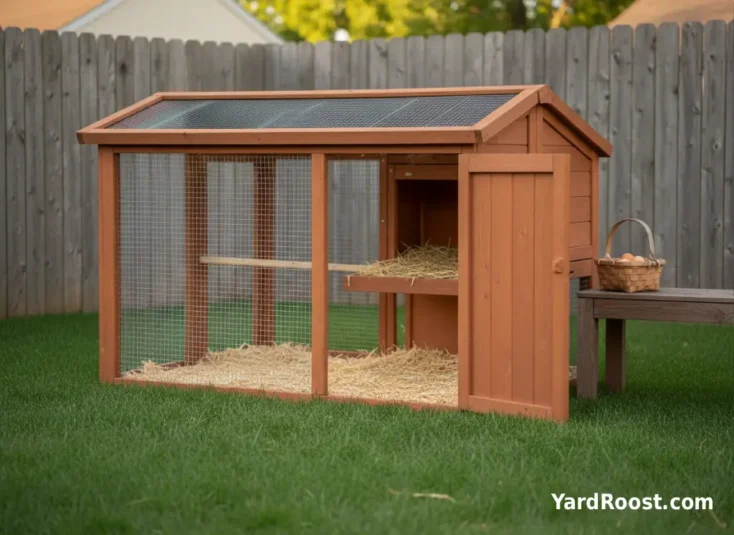
High-laying hybrids do best when the coop is boringly functional: dry, well-ventilated, and not overcrowded. A solid starting point for laying hens is about 3–4 sq ft per bird indoors and about 10 sq ft per bird outdoors, adjusting for weather and how often birds are confined.
Ventilation matters year-round. Extensions emphasize that fresh air exchange removes moisture and ammonia; dampness and ammonia smell are signs you need more ventilation (even in winter). Aim to vent high and avoid direct drafts on roosting birds.
Predators are the other “make or break” issue. For backyard flocks, poultry extension guidance commonly emphasizes digging protection and strong wire choices. If you’re using fencing, plan for diggers (apron or buried barrier) and consider covered runs where pressure is high.
Feeding ISA Browns: Supporting Egg Production Without Overdoing It
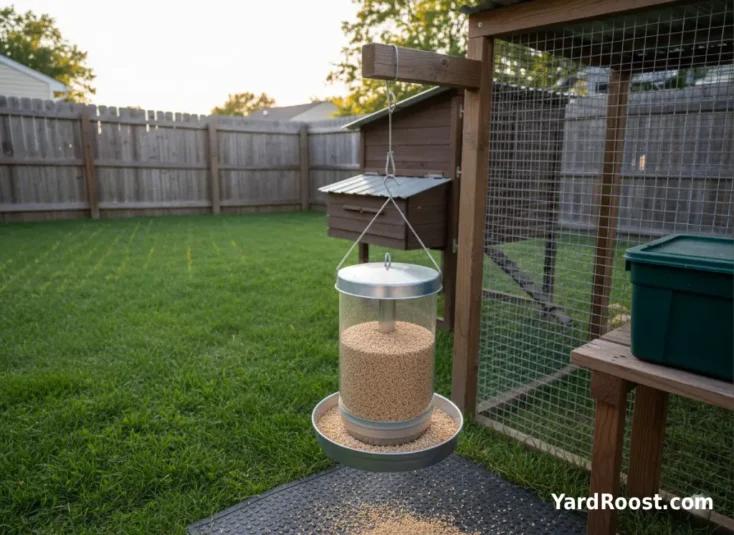
The simplest feeding plan is usually the best: a quality complete ration matched to age (starter/grower for chicks, then a layer feed once laying), plus clean water 24/7. Where ISA Browns get into trouble is when they’re underfed protein/energy during peak lay, or when they’re fed high-calcium layer feed too early.
Extension guidance notes that layer rations typically contain significantly higher calcium than grower feeds, and feeding high-calcium diets to growing birds can cause problems. For a fuller look at how to match ration type, treats, and supplements to your flock’s stage of life, see our guide on what to feed backyard chickens. Once hens are laying, some high-producing layers benefit from free-choice oyster shell offered separately, so the hen can regulate intake.
- Keep treats to “small handful” levels so birds don’t swap balanced feed for snacks.
- If shells get thin, start by checking feed freshness, water access, and stressors before assuming a supplement will fix everything.
ISA Brown Chicken Eggs: Color, Size, and Realistic Output
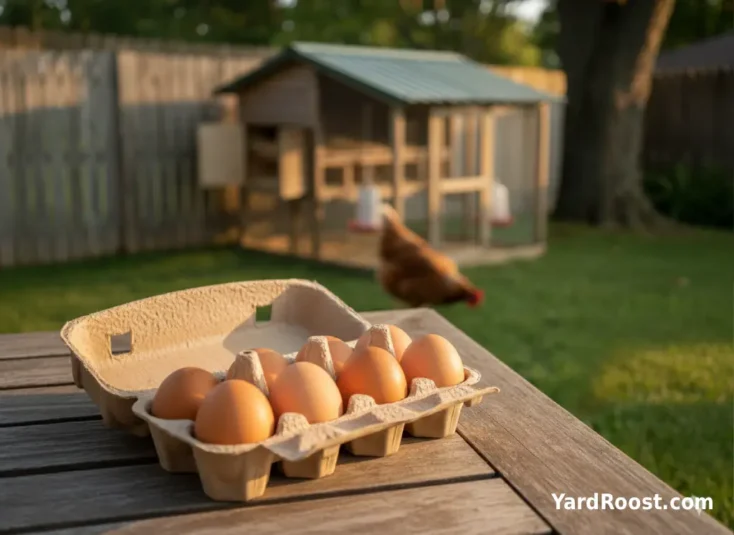
If you’re here for isa brown chicken eggs, you’re in the right neighborhood. ISA Browns are brown-egg layers, and commercial documentation lists an average egg weight in the “large egg” range under managed conditions.
For backyard expectations, think in ranges rather than promises:
- Peak years: Many hens lay most consistently in the first 1–2 years, then gradually slow.
- Seasonal dips: Molting and shorter winter days commonly reduce production.
- Egg color variation: Brown intensity can shift by hen, season, stress, and age. It’s normal for the “shade” to wander.
A common mistake we see is panicking at the first slowdown and changing three things at once (feed brand, lighting, and coop layout). Change one variable, observe for 2–3 weeks, then adjust again.
ISA Brown vs Red Star: How Different Are They Really?
“ISA Brown vs Red Star” is one of those backyard debates that sounds bigger than it usually is. In many U.S. listings, both are sold as brown, high-producing hybrid layers. The key practical point: they’re commercial-type birds selected for egg output, and many hatchery labels function more like “brand lines” than a heritage breed name.
| Trait | ISA Brown | Red Star / Red Sex-Link (Common Listings) |
|---|---|---|
| Type | Commercial hybrid brown layer | Commercial hybrid brown layer category (often marketed as sex-link) |
| Egg Color | Brown | Usually brown (varies by line) |
| Best Laying Years | Often strongest in first 1–2 years | Similar pattern for high-output hybrids |
| Breeding “True” | No (hybrid; offspring won’t be consistent) | No (hybrid; offspring won’t be consistent) |
If your goal is reliable eggs, pick based on hatchery reputation, health, and how the birds were raised—not just the label. If your goal includes breeding or show standards, neither option is ideal; look for true breeds instead.
Seasonal Management: Winter Ventilation and Summer Heat
Cold weather usually hurts chickens more through moisture than through temperature. Multiple extension resources emphasize that humidity and ammonia buildup are warning signs; keeping the coop dry with controlled ventilation helps birds handle cold better. Block drafts at bird level, but don’t seal the coop tight.
In summer, heat stress can sneak up fast, especially in heavy-laying birds. Practical backyard moves:
- Shade and airflow: Provide shade in the run and increase ventilation without creating a wind tunnel on roosts.
- Water strategy: Add a second waterer and place it where timid hens will actually use it.
- Timing: Do messy chores (deep clean, big flock changes) during cooler parts of the day.
Biosecurity and Egg Safety: Protect Birds and People
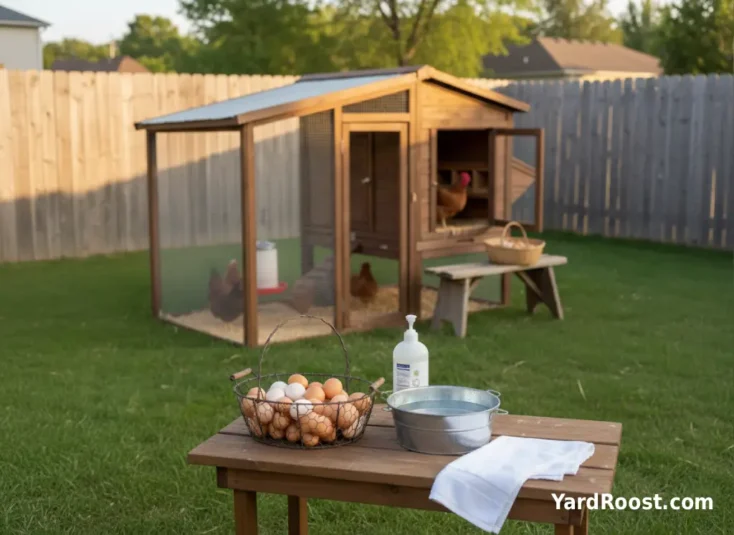
Backyard poultry can carry Salmonella even when they look healthy. The CDC emphasizes washing hands with soap and water right after touching poultry, eggs, or anything in their environment (hand sanitizer if soap isn’t available). Keep little kids out of coop-cleaning zones, and avoid “snuggling” birds near faces.
For flock health, keep a simple biosecurity routine: dedicated coop shoes, limit visitors, and quarantine returning birds. USDA APHIS materials for backyard owners commonly recommend isolating birds that return from shows for about 30 days to watch for illness.
Egg handling matters too. University of Minnesota Extension notes that not washing eggs helps preserve the protective coating; if you must clean, do it carefully and store eggs properly.
Troubleshooting: Slow Laying, Thin Shells, and Behavior Changes
When a high-producing hen changes pace, start with the simplest explanations: daylight shift, molt, stress, feed/water access, or predator pressure. Resist the urge to “chase symptoms” with lots of changes at once.
Safe, practical first steps:
- Check the basics daily: Is water clean and easy to reach? Is the feeder emptying normally? Is anyone guarding resources?
- Scan the coop environment: Any ammonia smell or damp bedding? Increase ventilation and improve litter management if so.
- Review diet timing: Make sure pullets aren’t on layer feed too early, and that laying hens have an appropriate layer ration.
Editorial note: A common mistake we see is assuming “thin shells” means “add more calcium” immediately. Sometimes it’s actually inconsistent water, heat stress, feed quality, or a hen that needs time post-molt.
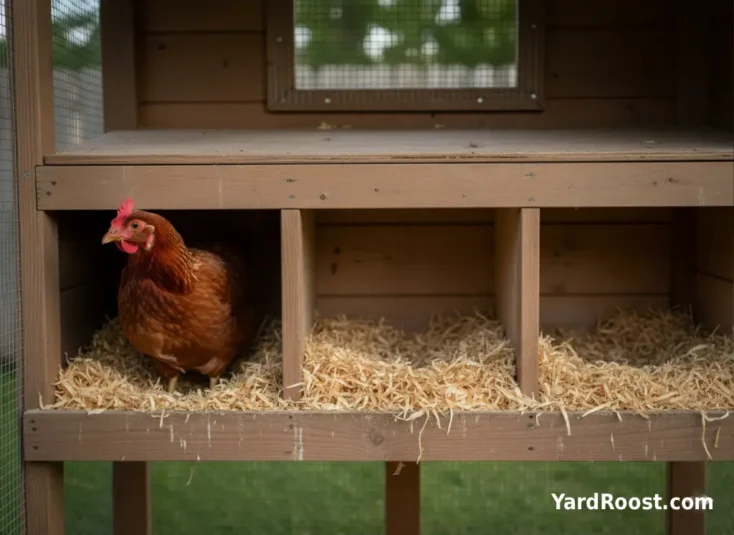
Common Mistakes to Avoid With ISA Browns
- Overcrowding “because they’re small”: Crowding increases stress, bullying, and hygiene problems. Use the 3–4 sq ft indoors / 10 sq ft outdoors baseline and adjust for confinement time.
- Sealing the coop in winter: Dampness and ammonia are bigger enemies than cold air. Ventilate without blasting roosts with wind.
- Treating scraps like a “diet”: Treats are fine; replacing balanced feed is not, especially for high-output layers.
- Skipping quarantine for newcomers: One new bird can introduce disease or parasites. Quarantine and observe.
- Not planning for the later years: Egg output typically declines over time; that’s normal biology, not “failure.”
When to Call an Avian Vet
Not veterinary advice: Backyard keepers can do a lot with good management, but diagnosing and treating illness should be done with an avian vet when possible.
Call an avian vet (or an experienced poultry veterinarian) promptly if you see:
- Breathing trouble (open-mouth breathing at rest, wheezing, severe nasal discharge)
- Sudden collapse, inability to stand, or severe lethargy
- Continuous straining, bleeding, or a prolapse-like emergency (urgent)
- Not eating/drinking for most of a day, especially with a drooped posture
- Multiple birds affected quickly (suggests contagious risk—tighten biosecurity immediately)
Until you’re seen, focus on safe basics: warmth, hydration access, low stress, and isolation from the flock to prevent bullying and reduce exposure.
ISA Brown Chicken Life Expectancy: What to Expect Over the Years
For isa brown chicken life expectancy, it helps to separate “how long they lay well” from “how long they can live.” University of Wisconsin Extension notes that hens in backyard flocks may live 6–8 years, and most flocks produce eggs for about 3–4 years, with production and shell quality declining each year. Oklahoma State Extension similarly notes that 6–8 years can be reasonable for small flocks under good conditions, while commercial layers are commonly kept for about 2–3 years as production drops.
ISA Browns are built for strong output, so many owners notice the “golden era” is front-loaded. Your best management move is planning: if you want consistent eggs long-term, rotate in younger birds every couple of years rather than expecting one hen to carry the whole household indefinitely.
Conclusion: Are ISA Browns a Good Backyard Choice?
If your priority is a steady basket of brown eggs and a flock that’s generally easy to live with, ISA Browns are a practical pick. They tend to settle into backyard routines quickly, and their early laying years can feel almost magical compared with slower-starting breeds. The key is respecting what they were designed to do: lay. That means consistent nutrition, adequate space, clean water, and a coop that stays dry and well-ventilated without blasting birds with drafts.
Where new keepers get frustrated is expecting “set it and forget it” performance. Egg production changes with seasons, molting, daylight, and stress, and high-output hybrids often show that sooner and more noticeably. If you go in with realistic expectations—strong early production, gradual decline, and a need for solid basics—you’ll likely find ISA Browns to be one of the easiest ways to learn chicken keeping while still getting the eggs you hoped for. Build the coop right, keep biosecurity and hygiene simple but consistent, and you’ll set your chicken isa brown flock up for a calm, productive life.