A buff Orpington chicken tends to win people over fast: big, fluffy, calm, and usually happy to hang around the coop like a golden retriever in feather form. For beginner to intermediate keepers, that steady temperament can be a real gift—especially in small suburban flocks where you want birds that are easy to manage and gentle around kids (with the usual hygiene rules).
This guide covers what you’ll actually notice day to day: how buff Orpington chicken eggs look, what “good” production is for this breed, why buff Orpington chicks need a little extra planning early on, and how coop design matters more for this heavy-bodied bird than for lighter, flightier breeds. We’ll also talk honestly about the downsides—like broodiness and “gentle but not very street-smart” behavior that can get them bullied in mixed flocks.
Sources referenced in plain English throughout include University of New Hampshire Extension, University of Minnesota Extension, Mississippi State University Extension, Penn State Extension, Virginia Tech Extension, Ohio State University Extension, and CDC backyard poultry hygiene guidance.
Buff Orpington Breed Snapshot (Size, Personality, And Fit)
Orpingtons are a classic dual-purpose breed, and the buff variety is the one most backyard keepers recognize instantly. They’re typically calm and docile, and many lines have strong mothering instincts (which is charming until you’re wondering why egg production suddenly dropped). Mississippi State University Extension notes Orpingtons are large-framed with a fluffy look, calm temperament, and good mothering ability—plus brown eggs that can range light to dark.
Size matters with this breed. University of Minnesota Extension lists Orpington hens at about 8 pounds, and Mississippi State University Extension puts adult Orpingtons in the 7–10 pound range. That “soft, heavy” build is part of why they do well in colder climates, but it also means you want sturdy roosts, enough perch space, and a coop that stays dry and well-ventilated.
| Trait | What Most Keepers Notice |
|---|---|
| Temperament | Calm, friendly, often easy to handle; can be pushed around by bossier breeds |
| Adult size | Large/heavy (plan sturdier perches and more space) |
| Egg color | Brown, often light to medium; can vary by hen and line |
| Egg production | Common estimates run roughly 200–280 eggs/year depending on line and management |
| Best “fit” | Families, calm mixed flocks, keepers who want a friendly, steady bird |
Buff Orpington Chicken Eggs: Color, Size, And Realistic Production
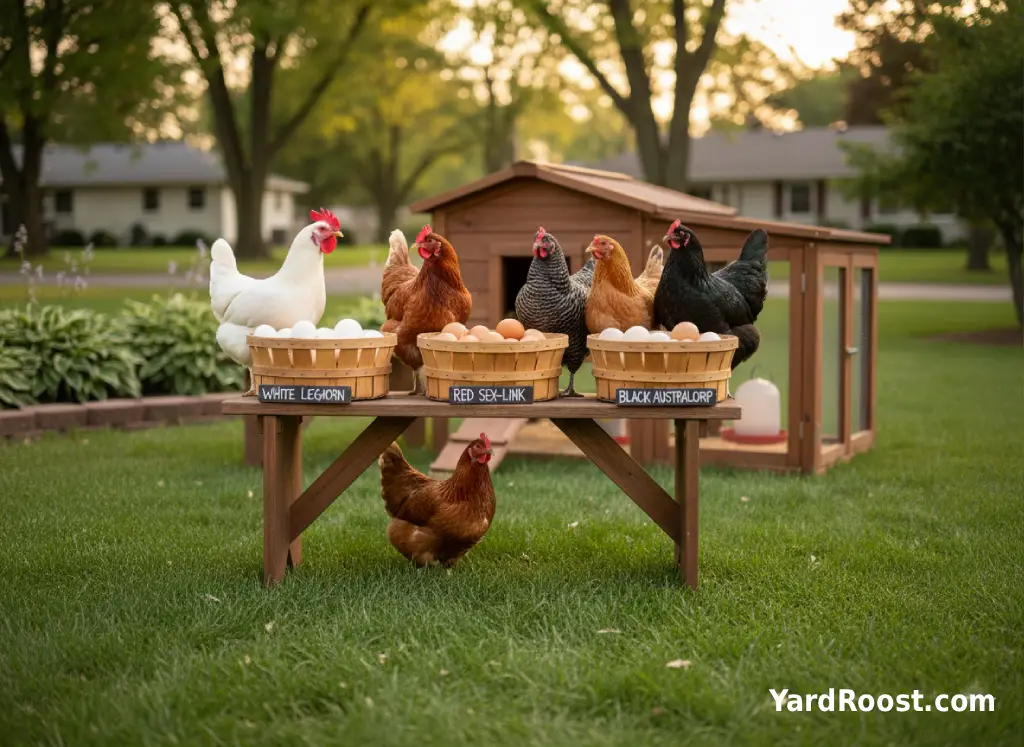
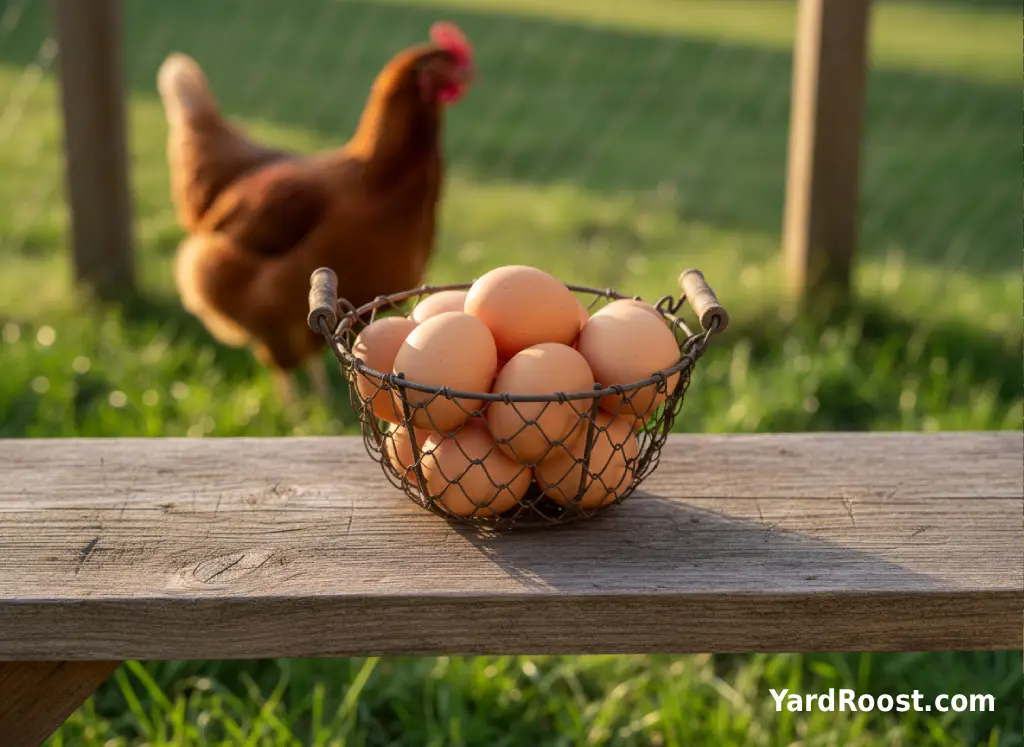
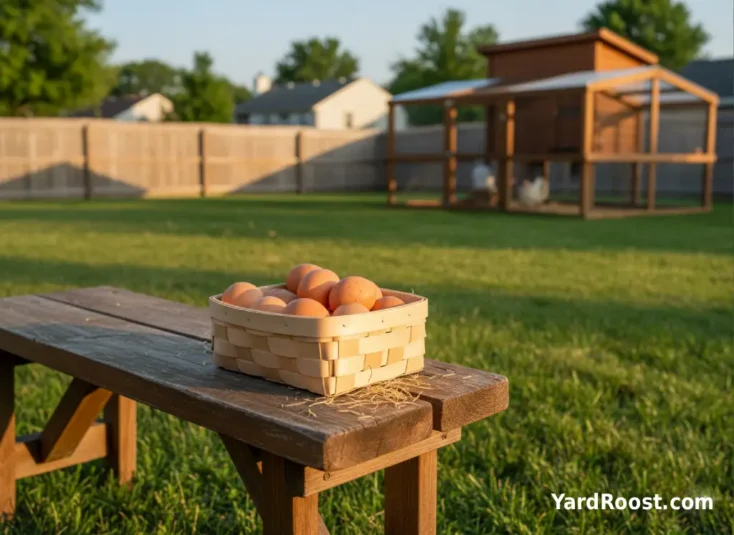
Let’s talk buff Orpington chicken egg color first, because it’s one of the most common surprises: it’s not a “paint swatch.” Even within one flock, you can see light brown, medium brown, and occasionally darker brown. Mississippi State University Extension explicitly notes Orpington eggs range from light to dark brown. University of Minnesota Extension also lists Orpingtons as brown egg layers.
For production, the most useful answer is a range. University of New Hampshire Extension includes Buff Orpington in a breed table with an estimate of 200–280 eggs per year. That range makes sense because your results depend on genetics (hatchery line vs. show line), daylight hours, molt timing, and stress from crowding or bullying.
Practical expectations you can actually use:
- If you want steady eggs: treat 200–240/year as “solid,” and anything above that as a nice bonus—especially after the first year.
- If eggs slow down suddenly: check the simple stuff first: broodiness, molt, predator stress, or a change in light/day length (UNH Extension notes light affects laying).
- If you’re comparing breeds: Orpingtons are typically not “egg-machine” layers like high-production hybrids. They’re more of a dependable, family-friendly layer with a big, calm presence.
Raising Buff Orpington Chicks: Brooder Setup That Prevents Problems
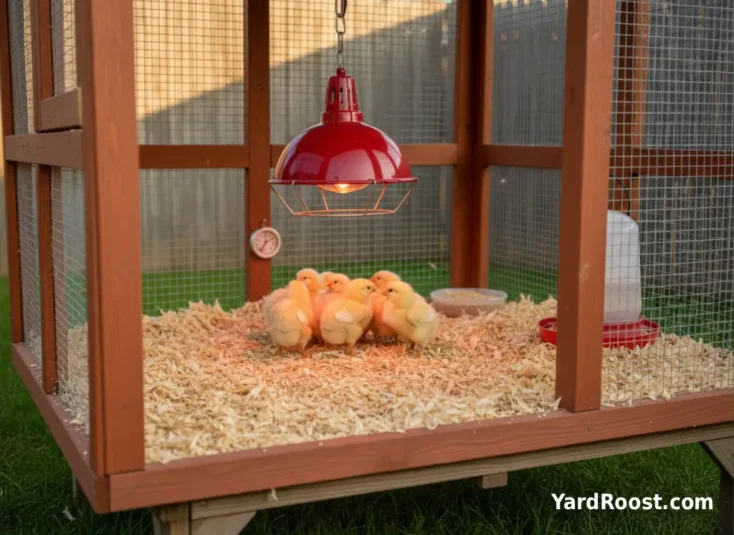
Buff Orpington chicks don’t need “special” care compared to other chicks—but they do benefit from a brooder that’s stable, dry, and not overcrowded. The biggest early losses we see in backyard flocks come from avoidable brooder mistakes: temperature swings, wet bedding, or a setup where chicks can’t get away from the heat.
Ohio State University Extension and University of New Hampshire Extension both give a clear baseline: aim for about 90–95°F the first week, then reduce by about 5°F each week as chicks grow and feather out. Use a thermometer at chick level and watch behavior: loud huddling usually means cold; chicks plastered far from the heat source can mean too hot.
- Give them a temperature gradient: warm zone + cooler zone, so chicks can self-regulate.
- Keep bedding dry: if shavings are damp near the waterer, swap that patch immediately—wet bedding is where trouble starts.
- Plan space early: big-bodied breeds get crowded faster; add square footage or move to a larger brooder before they start “piling.”
A common mistake we see is relying on a single “lamp height” for weeks. Chicks grow fast; your setup should change weekly, not monthly.
Coop And Run Needs For A Buff Orpington Chicken
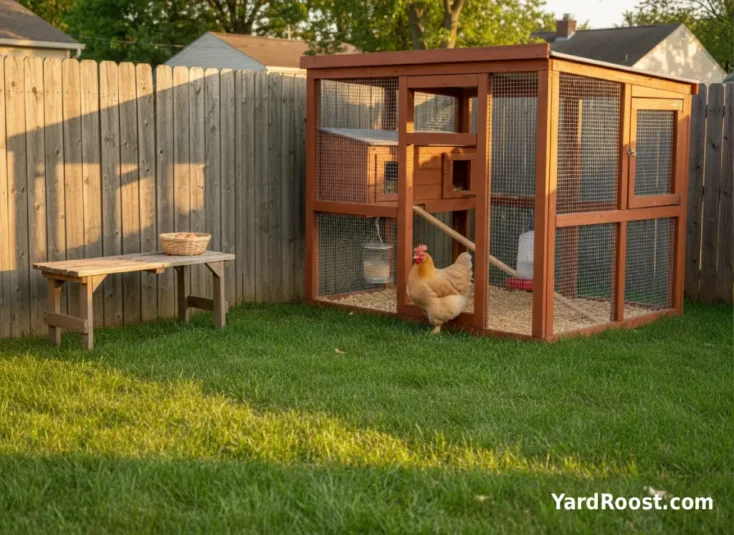
A buff Orpington chicken is heavier than many common backyard breeds, so coop comfort is less about “cute” and more about space, dryness, and sturdy construction.
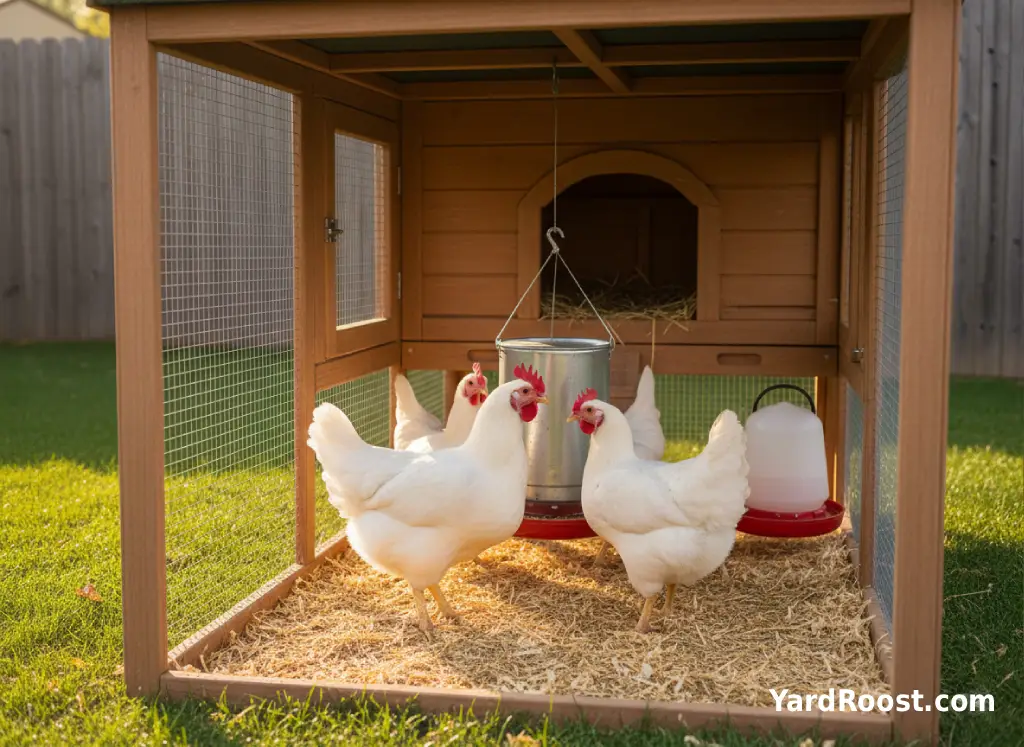
For floor space, poultry.extension.org suggests a minimum of about 3–4 square feet per laying hen indoors and about 10 square feet per hen outdoors (where practical). Bigger is better with Orpingtons because they’re not tiny birds, and crowding can lead to feather picking, stress, and dirty eggs.
Two build details that pay off immediately:
- Perch space: Virginia Tech Extension recommends about 8–10 inches of perch space per bird. For big hens, err toward the generous end and use a perch that supports the foot comfortably (think wider/smoother rather than a sharp edge).
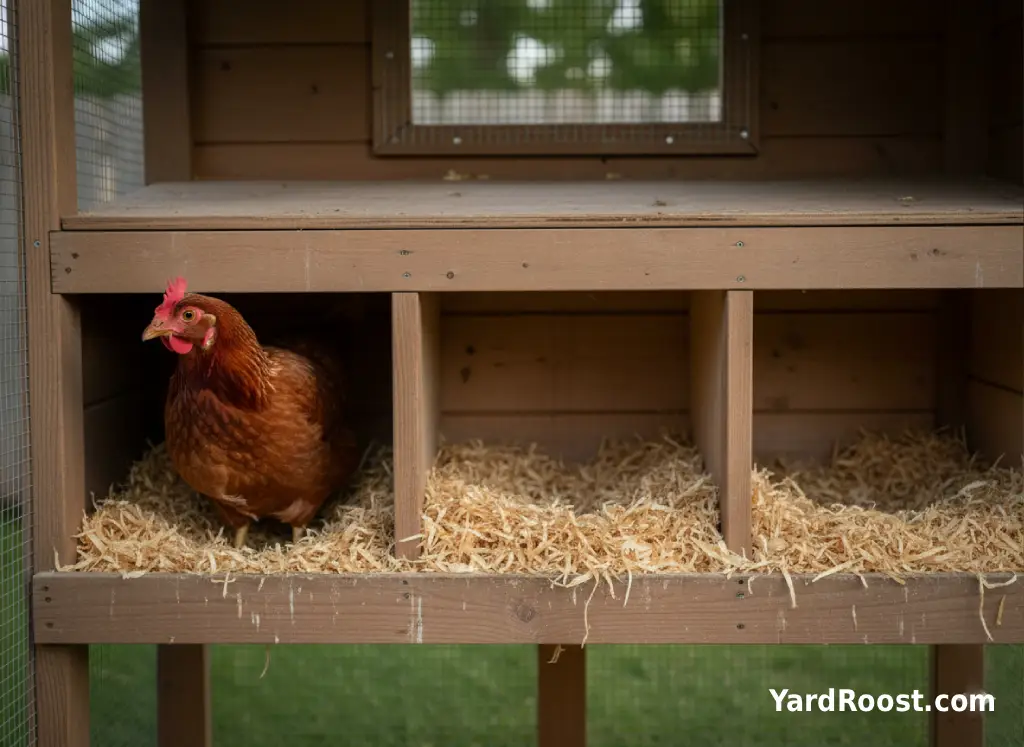
- Nest box size: Penn State Extension suggests nests should be at least 12″ x 12″, and larger birds may need a bit more room.
If you’re dialing in airflow, start here: Coop Ventilation Basics. Heavy, fluffy birds do best when the coop stays dry and fresh without a cold draft blasting at roost height.
Feeding And Weight Management For “Fluffy, Heavy” Hens
Orpingtons can be enthusiastic eaters—and because they’re calm and not as sporty as active foragers, they can put on excess weight if treats get out of hand. That matters because overweight hens can have a harder time moving comfortably, and they may be more prone to messy vent feathers and dirty eggs simply from reduced activity.
What works well in small backyard setups:
Use a complete feed as the base, and keep treats as a true “extra,” not a major calorie source. University of New Hampshire Extension emphasizes the importance of quality feed for productivity and notes that conditions like poor feed can reduce laying. If you feed scratch or cracked corn, keep it limited and timed (think “a small handful as a training tool,” not an all-day buffet).
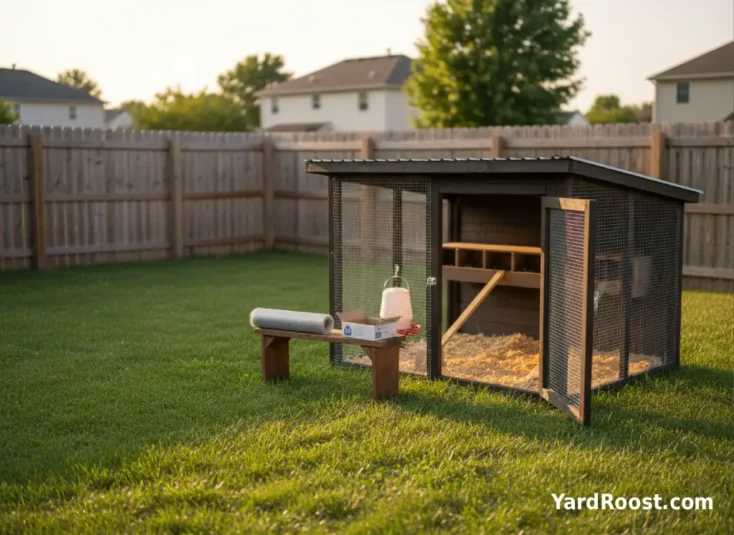
Hang feeder and waterer at back-height so hens can’t scratch bedding into them. It’s a small change that reduces waste and helps keep the coop drier—especially important for a big-feathered breed.
If you notice your buff Orpington hens are slowing down and waddling more than walking, reduce high-calorie treats, increase enrichment (hanging greens, scattered feed in litter), and consider giving them a bit more run space to move naturally.
Color Varieties And “Lavender Buff Orpington Chicks” (What Sellers Mean)
Buff Orpington is a specific color variety, but you’ll see hatcheries and breeders offer many “Orpington colors” beyond buff. Here’s the key keeper takeaway: color names can be marketing terms unless you’re working with a breeder who’s clear about genetics and standards.
The American Poultry Association recognizes Orpingtons in four varieties (Buff, Black, White, and Blue), and organizations like The Livestock Conservancy also reference those standard varieties. “Lavender” Orpingtons are widely sold (often described as self-blue), but they may not be considered an APA-recognized variety in the same way as the core four.
So what about lavender buff Orpington chicks? That phrase often shows up when a seller is describing:
- a lavender (self-blue) Orpington line alongside buff in the same listing,
- a cross meant to produce interesting colors, or
- a project line where chicks may mature into different shades than the name suggests.
If your goal is predictable adult color, ask for parent variety details and photos of mature birds. If your goal is simply sweet backyard birds, focus more on temperament and health history than the exact shade of fluff.
Common Mistakes To Avoid With Buff Orpingtons
Buff Orpingtons are forgiving birds, but a few common “new keeper” choices can make them harder than they need to be.
- Underbuilding the roost: heavy birds need a stable perch that won’t spin or flex. If the roost wobbles, they may sleep in nest boxes and you’ll get dirty eggs fast.
- Going too tight on space: minimums are just that—minimums. If you’re near the low end of indoor/run space, you’ll work harder to keep bedding dry and pecking issues down.
- Mixing with very assertive breeds without a plan: gentle birds can end up at the bottom of the pecking order and may lose access to the best roost spots.
- Ignoring broodiness: Orpington lines often go broody. If a hen parks herself in the nest box all day, collect eggs more frequently and make sure other hens still have access to nests.
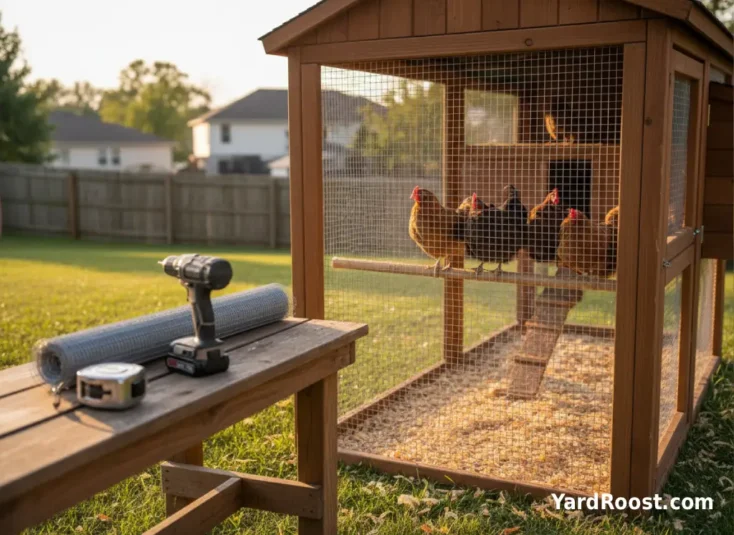
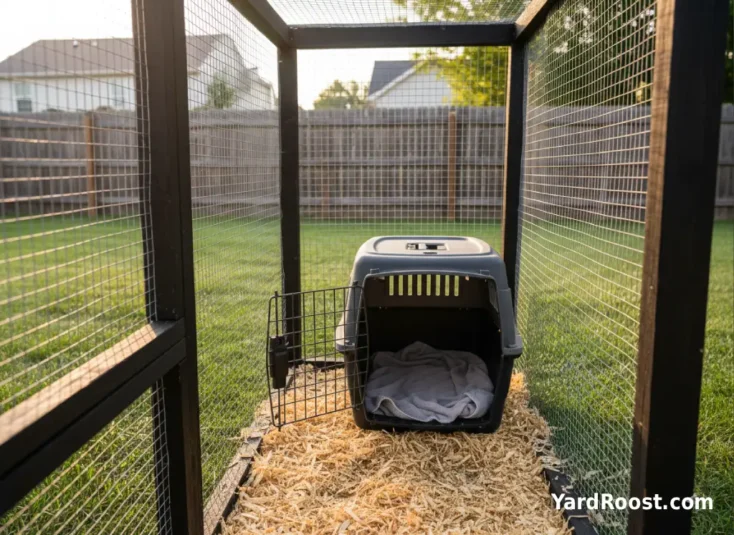
- Using chicken wire as “predator-proof”: it’s not. For a secure run, use hardware cloth and solid latches.
A common mistake we see is buying buff Orpington chicks because they’re “so friendly,” then placing them in a coop built for smaller birds. A few inches and a little sturdiness make a big difference for this breed.
Biosecurity And Family Hygiene (Yes, Even With The Sweetest Birds)
Buff Orpingtons look like plush toys. They are not plush toys. The CDC regularly reminds backyard keepers that poultry can carry Salmonella even when they look perfectly healthy. Their advice is straightforward: wash hands with soap and water after touching poultry, eggs, or anything in the area where birds live and roam, and supervise handwashing for kids.
Two easy habits that reduce risk without making chicken keeping feel stressful:
- “Coop shoes” only: keep a dedicated pair of boots for the run/coop and don’t wear them inside.
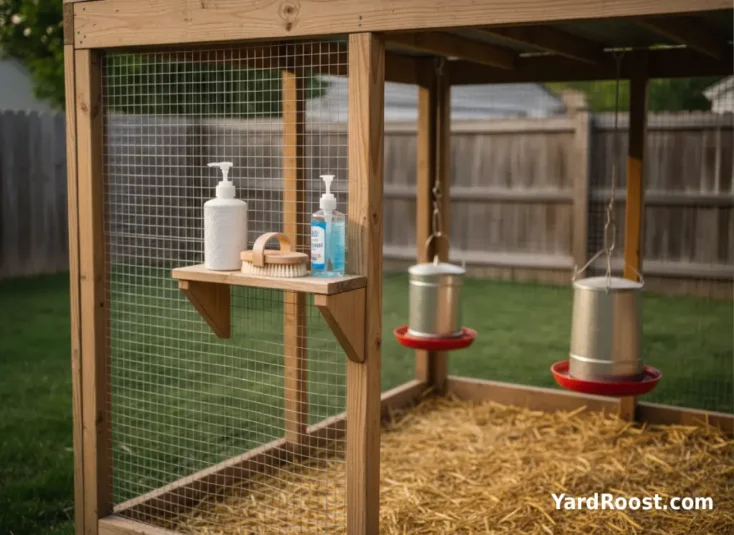
- Handwashing station mindset: keep soap-and-water access nearby when possible, or stash hand sanitizer right at the gate for the moment you latch up.
If you’re adding new birds, use a quarantine period and separate equipment when possible. Biosecurity is less about being perfect and more about preventing the obvious, repeatable mistakes.
When To Get Professional Help (Avian Vet Or Experienced Poultry Pro)
This article isn’t veterinary advice, but every keeper should know the “don’t wait” moments. If you see any of the signs below, contact an avian veterinarian (or a local poultry-experienced clinic) promptly:
- labored breathing, repeated open-mouth breathing, or severe lethargy
- continuous watery diarrhea, significant swelling, or bleeding
- a hen that won’t stand, won’t eat/drink, or declines rapidly over hours
- multiple birds showing similar symptoms at the same time
Safe first steps while you arrange help: separate the bird somewhere warm, quiet, and clean; offer water; and minimize handling. If you suspect something contagious, tighten hygiene and pause new introductions until you’ve gotten guidance.
If you want a chicken that’s pleasant to live with—calm, cuddly-looking, and generally steady—buff Orpingtons are hard to beat. They’re big birds with big presence, and that means a few practical upgrades (sturdier roosts, decent space, and a dry, well-ventilated coop) pay you back every single week.
For buff Orpington chicken eggs, expect brown shells that vary from hen to hen, and a realistic annual production range that depends on genetics and season. If you’re raising buff Orpington chicks, your early wins come from the basics done well: stable brooder temperatures, dry bedding, and enough space to avoid piling and stress. Add in simple CDC-style hygiene habits, and you’ve got a flock that’s friendly, productive, and easier to manage long-term.
Set them up for success, and they’ll do what Orpingtons do best: show up calmly every day, take life at their own pace, and quietly fill your egg basket.