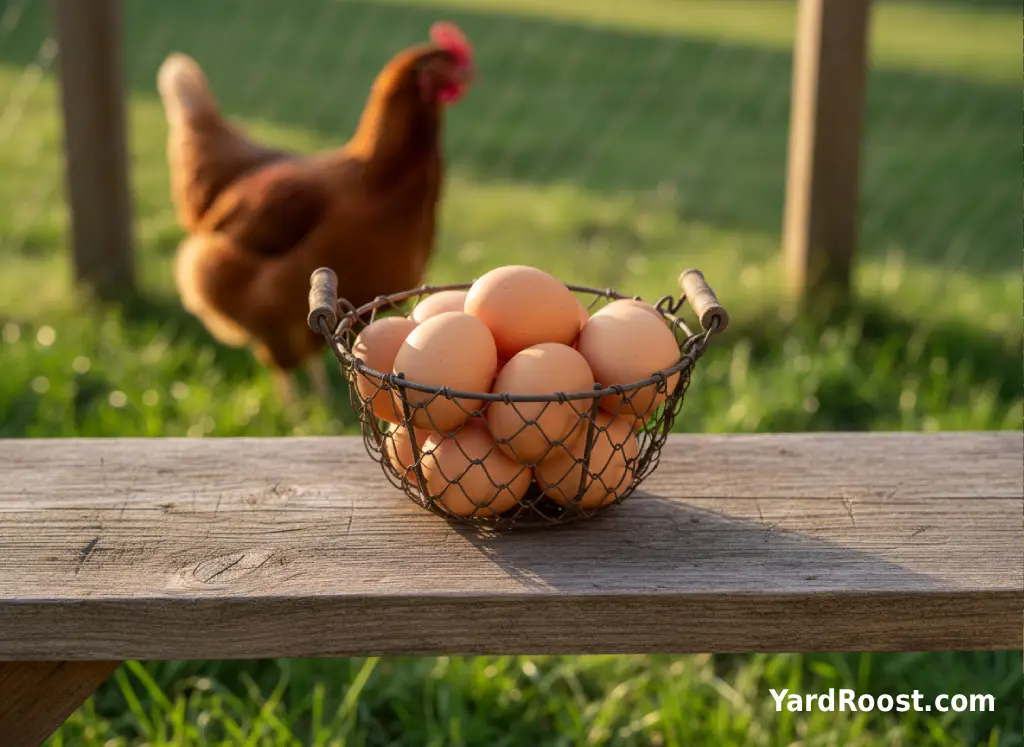
If you’re dreaming of collecting a steady basket of fresh eggs from your backyard, choosing the right breeds makes a huge difference. A good layer can produce well over 200 eggs per year under solid management, while a poor match for your climate or setup may lay far fewer. University extension resources suggest that productive backyard hens often average around 200–260 eggs per year, depending on breed, care, and day length.
This guide walks through the best chickens for laying eggs, how many eggs you can realistically expect, and how to match top egg layers to a family backyard. We’ll look at high-output hybrid layers, classic dual-purpose breeds, and friendly “kid breeds” that still put plenty of eggs in the carton. We’ll also touch on normal ups and downs in egg production and when it’s time to call an avian vet for help.
What Makes a Chicken a Great Egg Layer?
Before picking breeds, it helps to know what actually makes a hen a “good layer.” Breed genetics are a big piece of the puzzle, but they’re not the only factor.
- Genetics and breed type: Commercial-style layers (such as White Leghorns and brown-egg hybrids like ISA Browns and sex-links) are bred to lay heavily, often 280–320 eggs per year in ideal conditions.
- Body size and feed efficiency: Lighter-bodied breeds usually convert feed to eggs more efficiently than large, fluffy birds.
- Age and production curve: Most hens start laying around 5–6 months old and peak in their first 1–2 years, then gradually slow down.
- Day length: Hens need roughly 12–14+ hours of light to maintain strong laying; shorter winter days naturally slow production.
- Nutrition and housing: Birds fed a complete layer ration with enough protein and calcium, plus a dry, draft-free, well-ventilated coop, will outlay birds on poor diets in damp, crowded housing.
As a ballpark, extension publications often suggest that a well-managed backyard layer can produce about 200–250 eggs per year, with high-performance breeds and hybrids reaching the upper end of that range. The “best egg laying chicken” for you will balance egg numbers with temperament, climate hardiness, and the kind of flock you want around your home.
If you’re brand new to breeds, you may also want to bookmark a general overview like Raising Chickens for Eggs for Beginners for later.
Top Egg Laying Chicken Breeds at a Glance
Here’s a quick comparison of popular egg laying breeds and what they tend to offer small backyard flocks. Numbers are approximate ranges based on multiple university extension sources and will vary with strain, feed, and management.
| Breed / Type | Eggs / Year (approx.) | Egg Color | Temperament | Best For |
|---|---|---|---|---|
| White Leghorn (commercial type) | 280–320 | White | Active, flighty | Maximum production, lower feed cost per egg |
| ISA Brown / Brown Hybrid | 300–320 | Light brown | Calm, friendly | Beginner backyard keepers, consistent layers |
| Red Sex-link (e.g., Golden Comet) | 280–300+ | Brown | Generally docile | Families wanting lots of eggs early |
| Rhode Island Red (heritage / dual-purpose) | 200–250+ | Brown | Alert, can be bold | Eggs plus meat in mixed-use flocks |
| Barred Plymouth Rock | 200–280 | Brown | Calm, friendly | Family backyards, cold climates |
| Australorp | 200–280 | Brown | Docile | Dual-purpose, good layers in small flocks |
| Buff Orpington | 200–280 | Brown | Very gentle | Kids, mixed-purpose flocks |
| Easter Egger / Ameraucana type | 180–200 | Blue/green | Varies, often friendly | Colorful egg baskets, moderate laying |
If pure numbers are your top priority, look to commercial-style layers (Leghorns, ISA Browns, sex-links). If you want a friendlier, heavier bird that still lays well, focus on Rocks, Australorps, Orpingtons, and Rhode Island Reds.
High-Output Egg Layers for Maximum Production
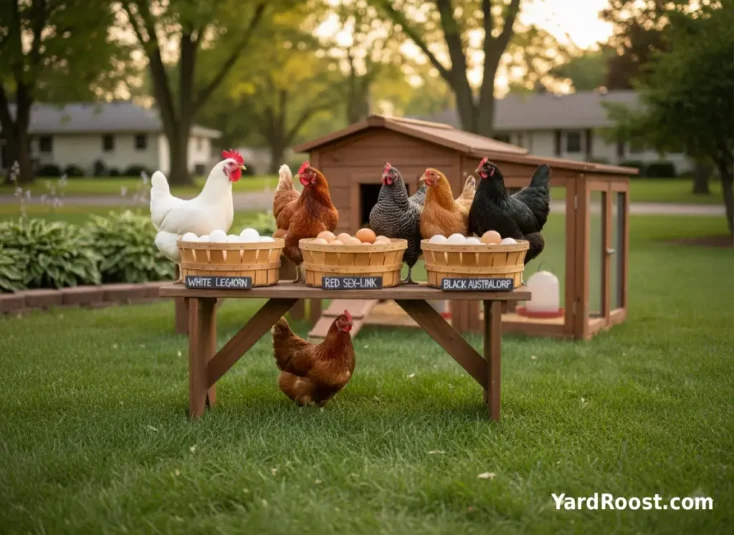
When people ask about the best egg-laying chickens, they’re usually talking about pure output. If you want the most eggs per pound of feed, these breeds are the real workhorses of the chicken world. If you also want help turning those yearly egg numbers into realistic “eggs per hen per day” expectations, see our guide on how many eggs one hen typically lays in a day.
- White Leghorn: A classic commercial white-egg layer known for efficiency. Extension resources note that commercial Leghorn hens can average around 260+ eggs per year, and some specialized strains can go higher under ideal conditions.
- ISA Brown and similar brown commercial hybrids: Bred specifically for egg production, Utah State University lists ISA Browns and Lohmann Browns at roughly 300–320 eggs per year in good systems.
- Red sex-links (e.g., Golden Comet, Red Star): Crosses designed so pullet chicks are easily sexed by color. Mississippi State notes that sex-link hens can often produce around 300 eggs per year or more.
To get the most from these power layers:
- Use a complete layer feed (around 16% protein) with appropriate calcium; don’t mix your own ration unless you’re following a proven formulation from a university or feed company.
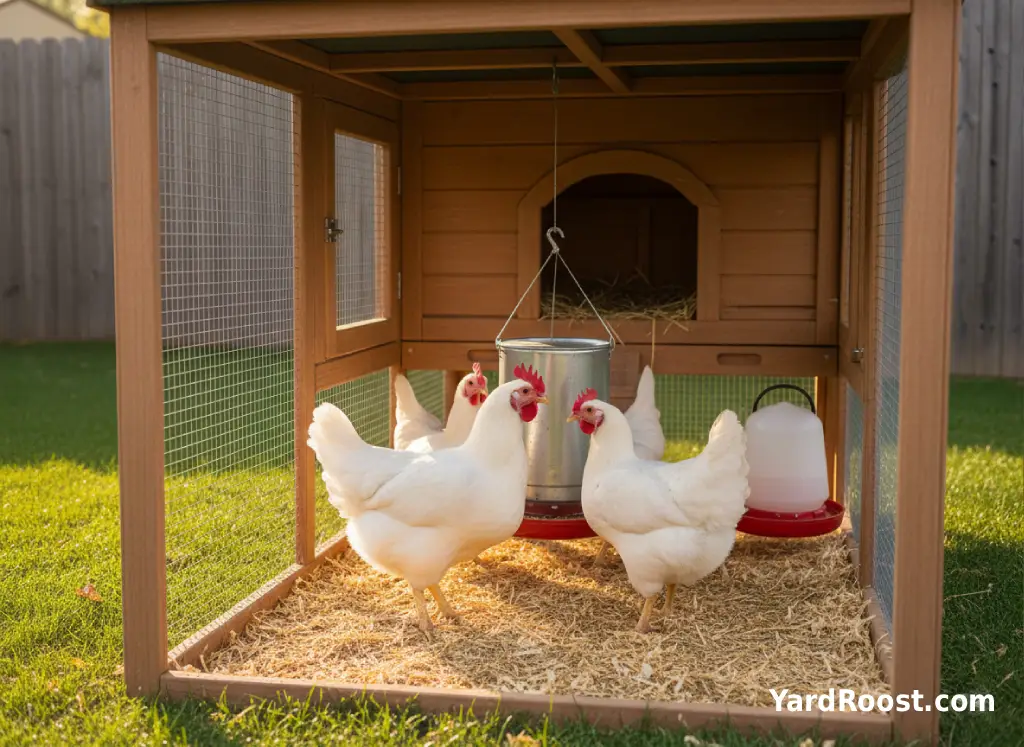
- Plan on at least 4 square feet of indoor coop space per bird and 8–10+ square feet of outdoor run space, more if they’re confined most of the day.
- Maintain 12–14+ hours of light in winter if you want to keep production closer to peak.
A common mistake we see is buying the highest-output birds you can find without thinking about their energy needs. These hens burn hot. If they’re underfed, stressed, or crowded, they can lose condition and stop laying long before they hit their potential. When in doubt, follow feed label directions and watch body condition—breastbone covered but not buried in fat is a good sign.
Best Dual-Purpose Chickens That Still Lay Well
If you want birds that lay well and also have decent carcass size for stew birds or extra roosters, classic dual-purpose breeds are a sweet spot. They won’t quite match commercial hybrids for egg count, but they’re usually calmer and often handle cold weather better.
Rhode Island Reds
This well-known American breed was developed as a brown-egg dual-purpose bird. Extension sources describe Rhode Island Reds as good layers, often in the 200+ eggs per year range in small flocks, with some tables listing 250–280 eggs under strong management. They’re hardy and adaptable but can be a bit bold or bossy in mixed flocks.
Barred Plymouth Rocks
This classic backyard favorite is often listed in New Hampshire and other extension resources at around 200–280 eggs per year. Barred Plymouth Rocks are usually steady layers, good for cold climates, and often friendly enough for kids with gentle handling.
Australorps
This breed has a legendary reputation as a layer; one hen famously laid 364 eggs in 365 days in early trials, and extension materials describe Australorps as strong brown-egg producers suitable for dual-purpose use. In typical backyard conditions, expecting 200+ eggs per year is reasonable.
Buff Orpingtons
This big, fluffy, famously gentle breed is a favorite in many family flocks. While Buff Orpingtons are not the highest-output layers on this list, sources list them around 200–280 eggs per year, making them solid producers for families who prioritize temperament.
If you’re not chasing maximum efficiency and want birds that are pleasant to be around, dual-purpose layers are often the most satisfying choice for a first flock.
Calm, Family-Friendly Layers for Backyard Flocks
If you have kids, close neighbors, or just want a laid-back flock, temperament matters as much as egg count. The good news: there are many calm breeds that still lay very respectably.
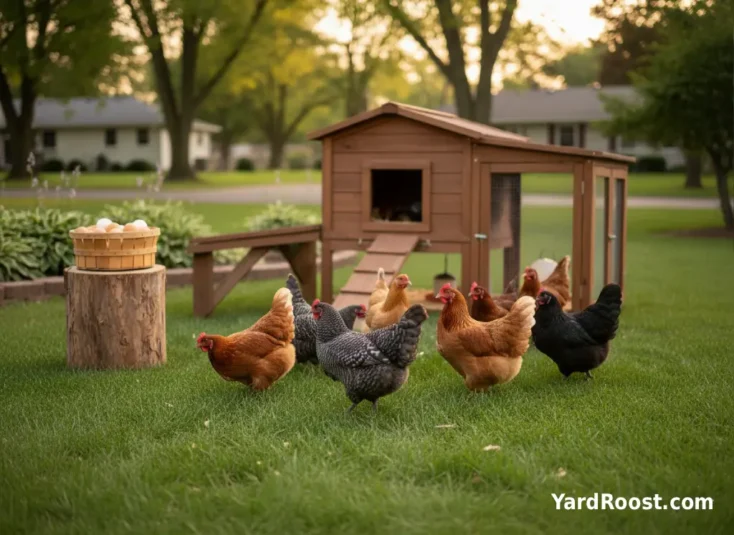
Buff Orpingtons and Australorps are two of the most consistent “family favorites.” They’re typically mellow, easy to handle, and large enough that small kids aren’t intimidated. With roughly 200–280 eggs yearly in good conditions, they’re far from slackers.
Barred Rocks also earn high marks for being friendly while still productive. Many keepers say they’re the first to come running when they hear the treat bucket.
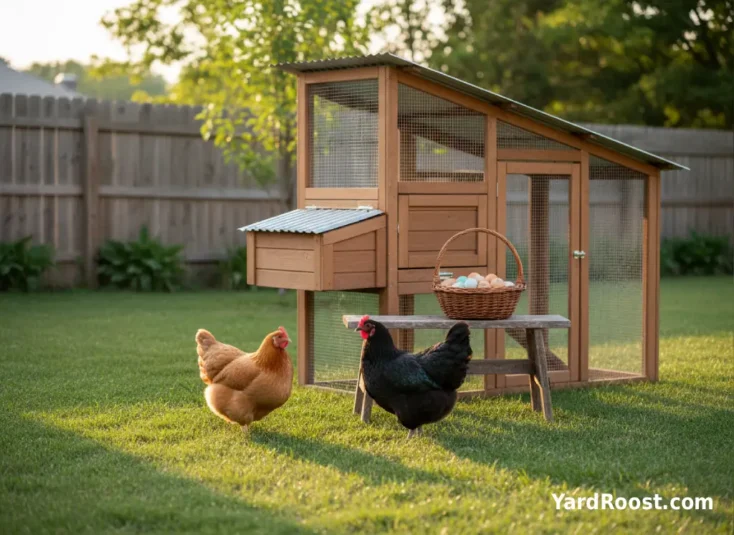
Easter Eggers / Ameraucana-type birds lay blue or green eggs and can be very personable. Egg counts often fall in the 180–200 range, so they’re more “moderate” layers, but they add a lot of visual fun to a backyard flock.
Tips for matching gentle birds to a family backyard
- Prioritize breeds known for calm temperaments over extreme egg numbers if children will be handling them regularly.
- Order sexed pullets from a reputable hatchery to reduce surprise roosters, which can be noisy and sometimes aggressive.
- Handle chicks gently and often so they associate humans with calm, positive experiences.
If you’re trying to design the perfect “kid flock,” you might combine 1–2 high-output hybrids with several Orpingtons, Australorps, or Rocks for a nice mix of personality and production.
Matching the Best Egg Layers to Your Climate and Setup
The “best egg layer chicken” on paper won’t perform well if it’s miserable in your climate or crowded in your coop. Before clicking “checkout” on a hatchery website, run through a quick checklist.
Climate
Heavier-bodied, fluffed-out birds like Orpingtons, Rocks, and Australorps generally tolerate cold better than light Mediterranean breeds; light breeds excel in heat but need good shade and water in summer. If you live in a very hot climate, consider slim-bodied layers (including Leghorns and many hybrids) and design your coop with plenty of high ventilation and shade. For cold climates, focus on draft-free coops, wide roosts, and breeds without giant single combs where frostbite is common.
Space and neighbors
Active, high-output birds like Leghorns need more room to roam and can be more vocal. Quiet, heavy breeds are often less flighty and less likely to fly over fences. Always check your local ordinances and HOA rules before buying birds; many areas limit flock size or ban roosters.
Coop design
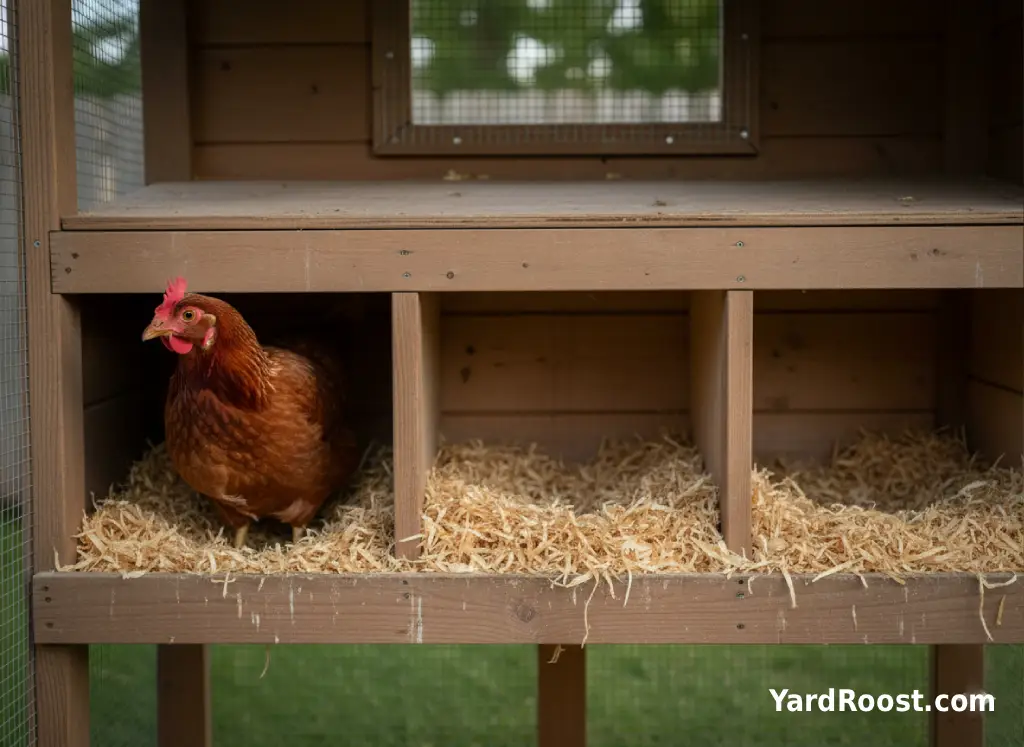
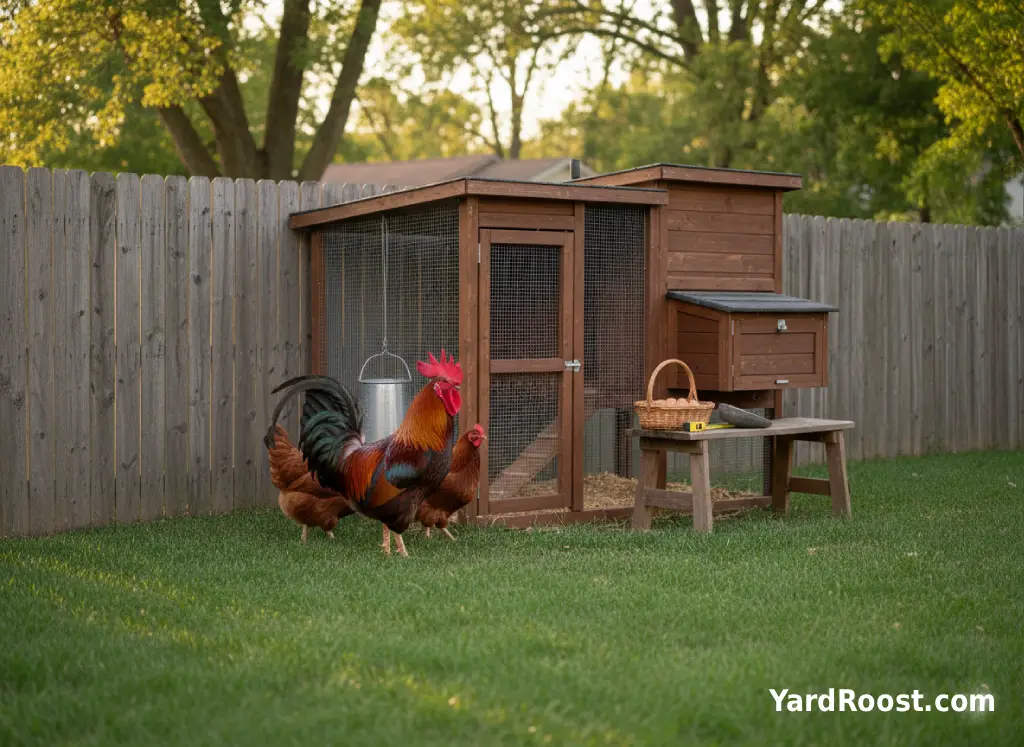
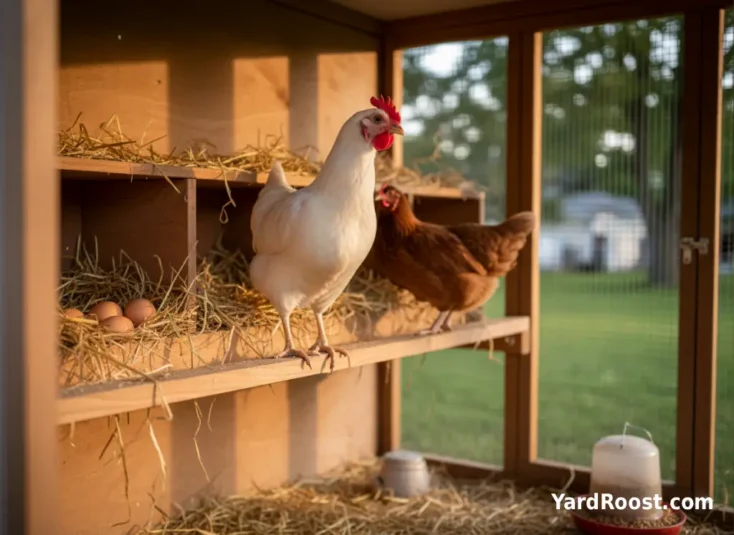
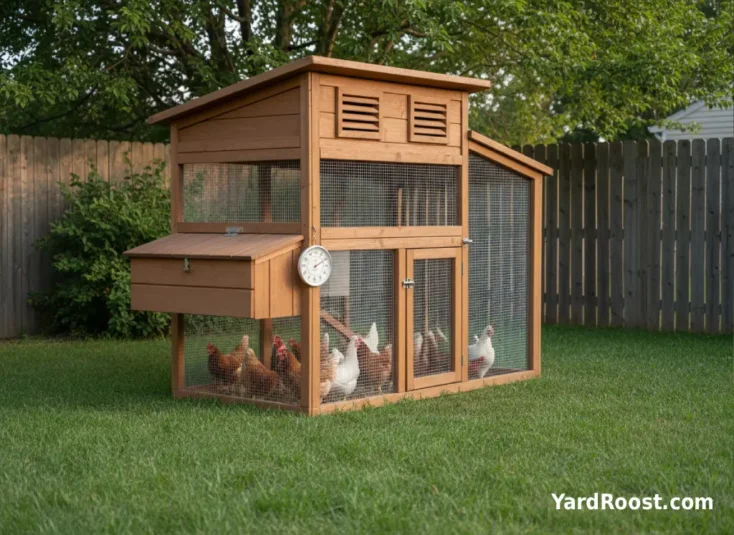
Any good layer needs a dry, well-ventilated coop with enough nest boxes (roughly one box per three to four hens) and a predator-resistant run.
When you match breed type to climate and coop, you’re less likely to run into preventable stress that cuts into egg numbers.
Common Mistakes to Avoid With Egg Laying Chickens
Even if you pick the top egg laying breeds, a few common missteps can seriously dent production.
- Overcrowding: Too many birds in a small coop leads to pecking, stress, and lower egg numbers. Aim for modest flock sizes and give each hen enough space on the roost and in the run.
- Skipping complete feed: Relying heavily on scratch, kitchen scraps, or free-ranging without a balanced layer ration can short your hens on protein and calcium, reducing egg size and shell quality.
- No plan for winter light: In northern areas, hens may practically shut down in mid-winter without supplemental light to bring total day length to roughly 12–14 hours.
- Dirty or inconvenient nest boxes: Hens prefer clean, slightly dim nest boxes. If they’re wet, full of droppings, or hard to reach, birds will find other spots and you’ll “lose” eggs around the yard.
- Expecting peak farm numbers in backyard conditions: Commercial-style egg counts assume carefully controlled light, feed, and environment. Backyard birds outdoors in variable conditions usually lay less, and that’s normal.
A very common mistake we see is assuming that a breed description (like “300 eggs per year!”) is a guarantee. Think of those numbers as “top potential under well-managed conditions,” not a promise. If your hens are laying a bit less but look bright-eyed, active, and in good body condition, you may already be doing quite well.
When Egg Production Drops: Normal Changes vs Red Flags
Even the best egg layer chicken will not lay steadily every single day of her life. Some ups and downs are completely normal; others may be a sign that something’s wrong.
Normal reasons for fewer eggs include
- Short day length: As fall and winter reduce natural light, hens commonly lay fewer eggs unless you provide safe supplemental lighting.
- Molt: Once a year, hens shed and regrow feathers. During this time, they often pause or greatly reduce laying while their bodies focus on feather growth.
- Age: After the first couple of highly productive years, yearly output slowly tapers off. For more details on early laying stages, see our guide on When Do Chickens Start to Lay Eggs.
- Heat or cold stress: Very hot or very cold weather can temporarily slow or halt egg production until conditions improve.
Red flags that deserve professional help
- Sudden, severe drop in eggs plus hens looking fluffed up, lethargic, or not eating.
- Repeated straining in the nest, obvious discomfort, or bloody discharge from the vent.
- Multiple hens with diarrhea, breathing trouble, or sudden deaths.
For these types of signs, the safest move is to contact an avian veterinarian or a poultry-savvy vet as soon as possible. They can help rule out serious issues and advise on testing or treatment options. State veterinary schools and extension poultry specialists are also valuable resources for flock health questions, even if you have just a small backyard coop.
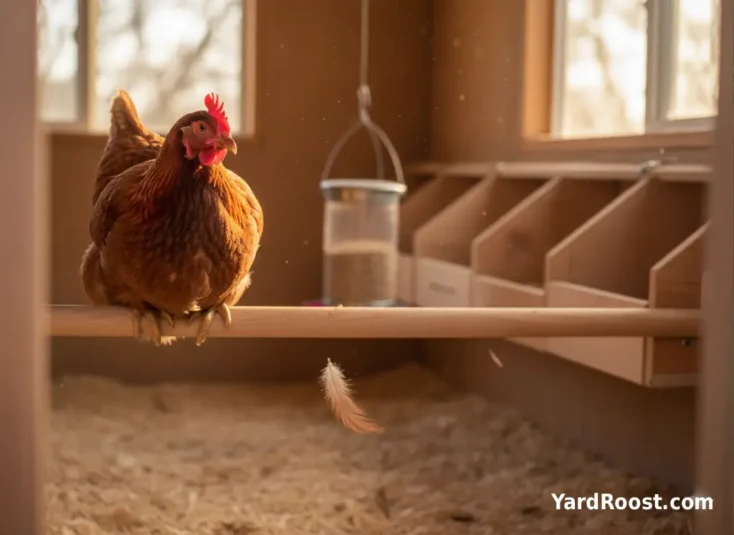
In the meantime, basic steps like checking feed and water, improving coop ventilation, and separating obviously sick birds can help limit stress and reduce the chance of spreading disease through the flock.
Bringing It All Together: Choosing the Best Egg Layers for You
There isn’t one single “best egg laying chicken” for every backyard, but there probably is a best mix for yours. If you mainly want inexpensive, store-style eggs and don’t mind a more active bird, White Leghorns and high-output hybrids like ISA Browns or sex-links are hard to beat.
If you’d rather have calm, heavier birds that still lay plenty, classic dual-purpose breeds such as Barred Rocks, Australorps, Orpingtons, and Rhode Island Reds are often a happier fit. Then you can sprinkle in a few Easter Eggers for blue-green eggs and extra personality without sacrificing too many total eggs.
As you plan, ask yourself:
- How many eggs does my household actually use per week?
- Is my priority maximum production, kid-friendly pets, or a blend?
- What does my climate demand in terms of hardiness and coop design?
- What do my local rules allow (especially regarding roosters)?
Start with a small, manageable flock, learn your birds, and adjust future breed choices based on what you enjoy most. With a thoughtful mix of breeds, good housing, and steady management, you’ll have your own “top egg laying hens” delivering a colorful, reliable breakfast right outside your back door.