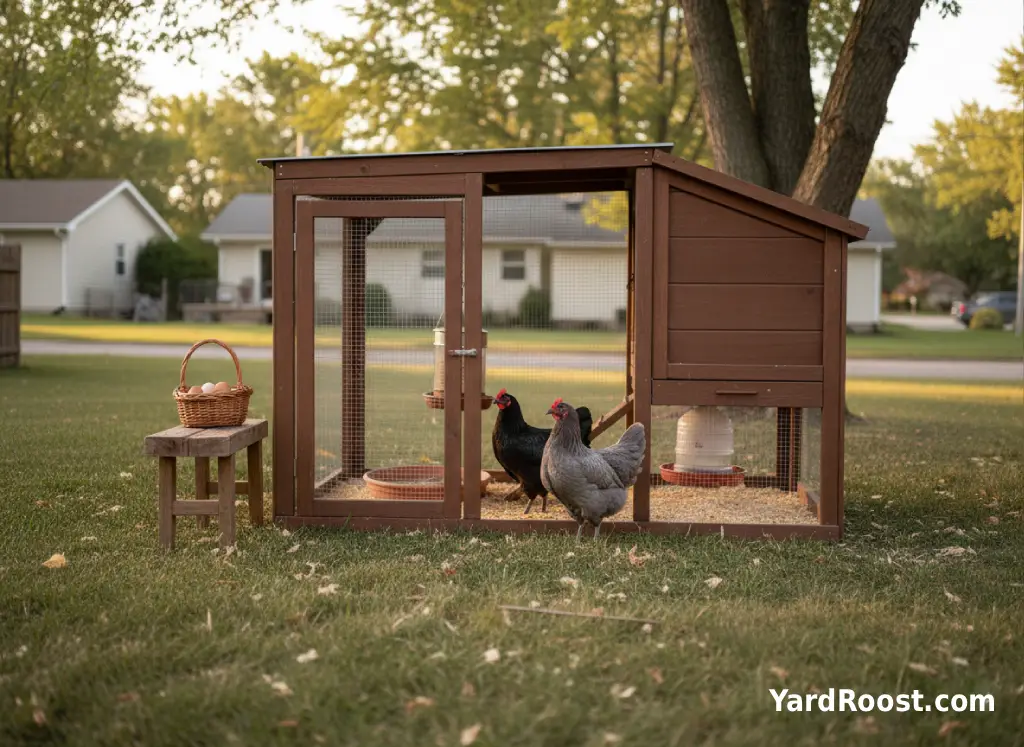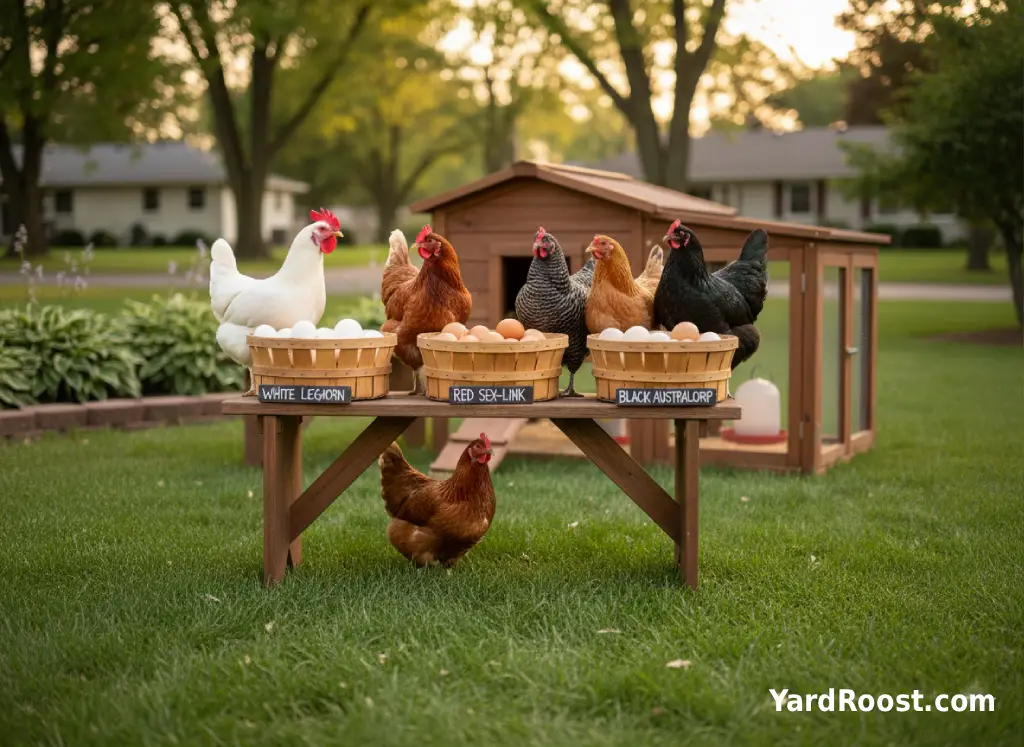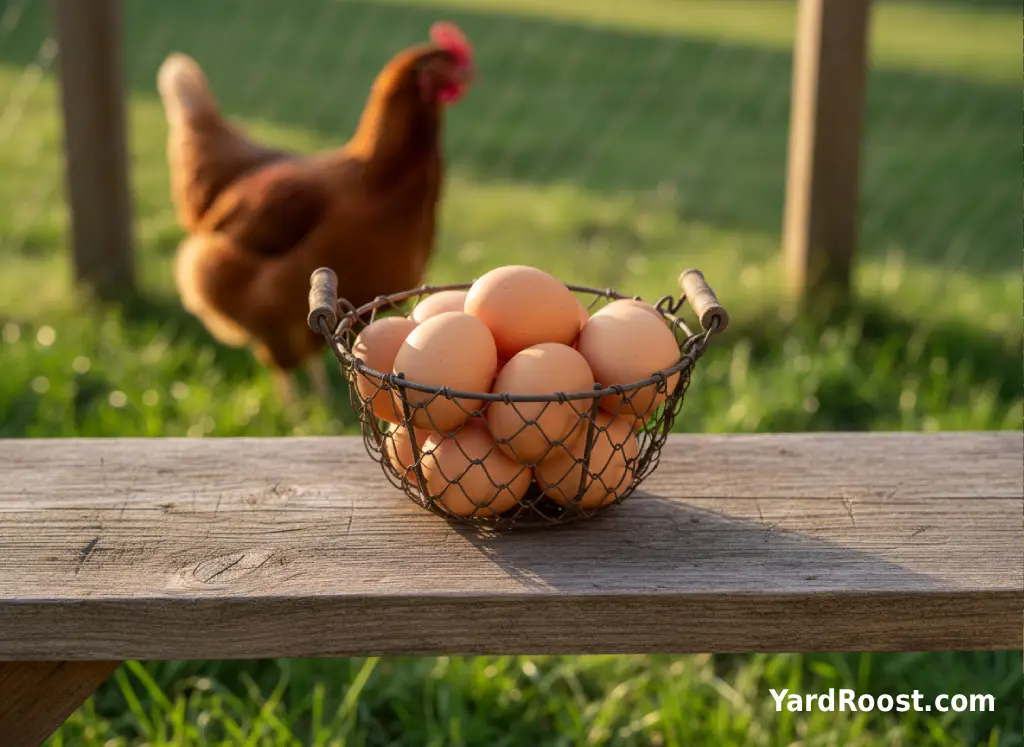
There’s a reason the black Australorp chicken shows up on so many “starter flock” shortlists: it’s typically calm, sturdy, and known for steady laying. If you’re building a small backyard flock and you want a bird that’s pleasant to live with (not just productive on paper), the australorp chicken is worth a serious look.
That said, Australorps aren’t magic. Their egg numbers can dip if your coop is drafty, your feed plan is inconsistent, or your flock is stressed from overcrowding. And because they’re often friendly, beginners sometimes get lax about biosecurity (yes—handwashing still matters, even with your sweetest hen).
Below is a practical, backyard-focused rundown of the black australorp chicken, including what egg color to expect, what “good production” looks like in real life, how to set up for black australorp chicks, and the common mistakes we see when people bring home their first Australorps. Sources referenced by name include University of New Hampshire Extension, Poultry Extension (extension.org), Virginia Tech Extension, USDA APHIS, and CDC.
Meet The Black Australorp: Personality, Size, And What They’re Like
Most backyard keepers describe the Black Australorp as “easy to have around.” Many lines are reasonably docile, often tolerate handling, and do well in mixed flocks—especially when you avoid crowding and provide enough feeder/waterer space so timid birds don’t get pushed out.
They’re also a substantial bird. That matters because heavier hens benefit from:
- Stable roosts that don’t wobble (less risk of bumblefoot and awkward landings).
- Dry footing in the run (mud + heavy birds is a recipe for foot trouble).
- Extra “passing lanes” in the coop so birds can move without bullying or pile-ups.
A common mistake we see is buying Australorps for “kid-friendly pets,” then keeping them in a too-tight coop because the birds seem chill. Calm birds still need space—stress just shows up later as pecking, dirty eggs, and weaker laying.
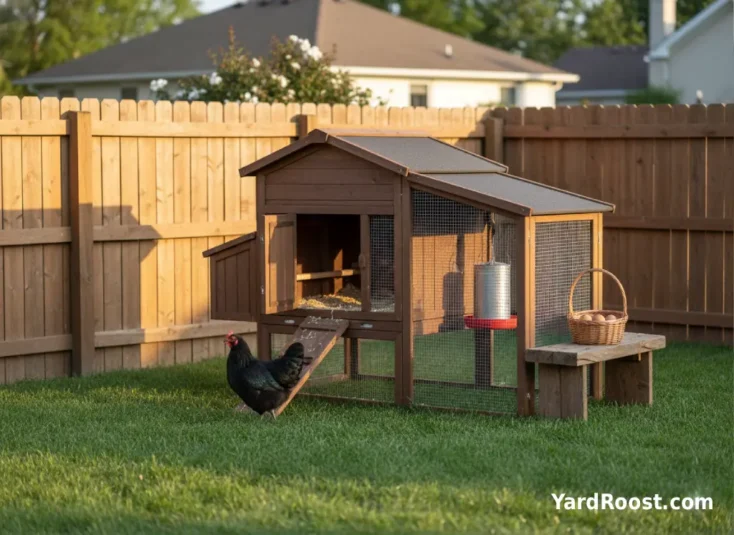
Black Australorp Chicken Eggs: Production And Egg Color Expectations
If you’re choosing an Australorp primarily for eggs, set your expectations like a seasoned keeper—not like a catalog blurb.
Egg production:
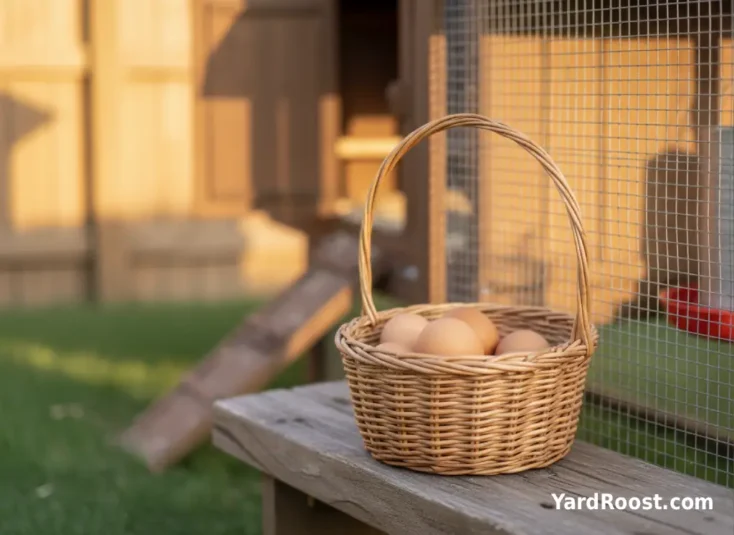
A practical estimate you’ll see from Extension sources for Black Australorps is roughly 200–280 eggs per year, with management, daylight hours, and individual genetics making a big difference. If you’re comparing them with other strong layers, our guide to the best egg-producing chicken breeds gives a broader side-by-side view. (Source: University of New Hampshire Extension.)
Egg color:
For australorp chicken egg color, expect medium-brown eggs (shades vary by hen and season). (Source: University of Illinois Extension.)
Two tips that help keep production consistent:
- Keep winter moisture down. Damp litter and ammonia stress birds and can nudge laying downward. Ventilate high and keep bedding dry; use our internal guide at /coop-ventilation-basics/.
- Reduce “nest box drama.” If eggs are dirty or cracked, add a second nest box option and make sure nests stay dry and bedded. Cramped nests are an underrated cause of broken eggs.
Black Australorp Chicks: Brooder Setup That Prevents The Big Early Problems
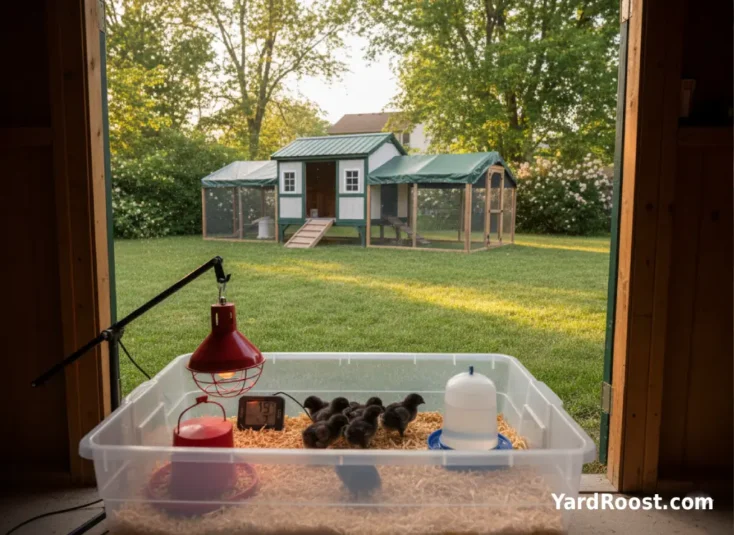
Black Australorp chicks aren’t “harder” than other chicks—but the brooder mistakes are the same ones that trip up first-timers: overheating, chilling, and crowding.
Most extension guidance starts chicks around 90–95°F for the first week, then drops the brooder temperature by about 5°F per week as chicks feather out. (Sources: University of New Hampshire Extension; University of Minnesota Extension; North Dakota State University Extension.)
Practical setup tips that work in real coops and garages:
- Give them a warm zone and a cool zone. Don’t try to make the whole brooder one temperature—chicks should be able to self-regulate by moving.
- Watch behavior more than the thermometer. Loud peeping and huddling can mean they’re cold; chicks pressed far away from heat can mean they’re too warm. Adjust lamp height in small increments.
- Prevent pasty butt early. Keep bedding dry, avoid drafts, and make sure water isn’t spilling. The first 7–10 days are when a little mess becomes a big problem fast.
A common mistake we see is setting the heat lamp “dead center” and crowding everything underneath it. Put feed and water just outside the hottest spot so chicks eat and drink without camping under the lamp all day.
Coop And Run Space For Australorps: A Quick, Backyard-Friendly Standard
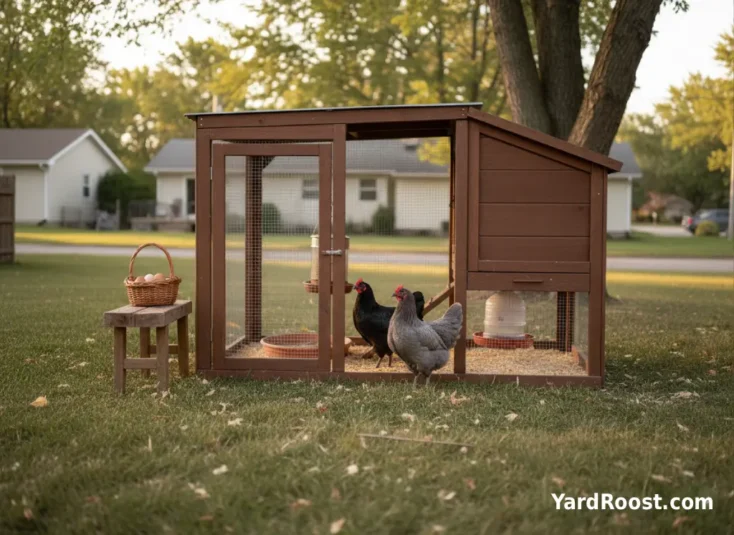
Australorps do best when you plan space like you’re keeping a “full-sized” bird—because you are. If your goal is calm hens and clean eggs, space is cheaper than fixing behavior problems later.
| Setup Item | Practical Guideline | Why It Matters |
|---|---|---|
| Indoor coop floor space | About 3–4 sq ft per laying hen | Less crowding, cleaner bedding, fewer conflicts |
| Outdoor run space | Around 10 sq ft per hen (more is easier) | Better footing, less mud, lower stress |
| Roost space | About 8–10 inches of perch length per bird | Reduces nighttime squabbles and piling |
Sources: Poultry Extension (extension.org) and Virginia Tech Extension.
If you’re in a tight urban yard, you can run smaller than the “ideal” and still do well, but management has to improve: rotate bedding in the run, keep it covered, and add enrichment so birds aren’t bored and pecky. If you want to sanity-check your setup, our coop size calculator can help you estimate space, roosts, and nest boxes more realistically.
Predator-Proofing For Heavy, Calm Birds: Don’t Rely On “Good Luck”
Australorps are often friendly and not especially flighty—which is great for you, but it also means they may not react fast when something grabs at the run. Predator-proofing is flock insurance.
Three practical upgrades that prevent most heartbreak:
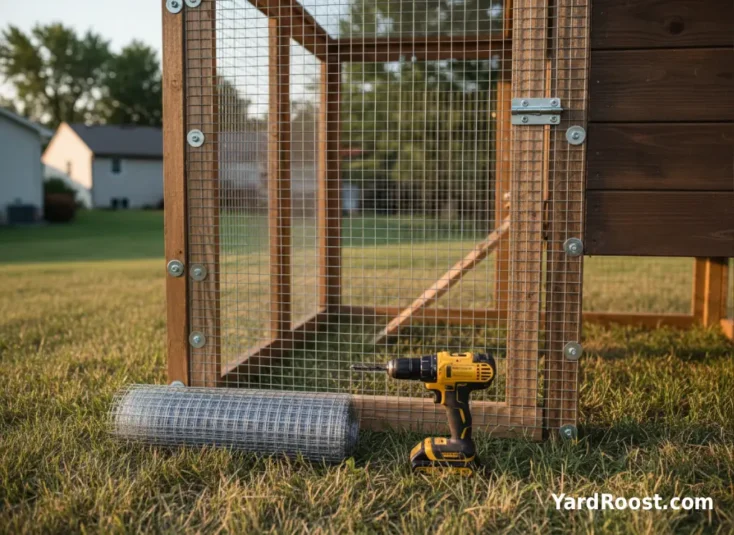
- Use hardware cloth on the run (not chicken wire) for predator exclusion.
- Secure latches like a raccoon is testing them—because it will. Add a second “locking step” if your current latch is simple.
- Block dig-ins. Consider a buried skirt or an outward apron of wire around the run edge so digging predators hit a barrier.
Also: predation is a leading cause of loss in backyard flocks, so take outdoor time seriously—especially at dusk. (Source: Cornell Cooperative Extension.)
Feeding And Daily Care: Keeping Australorps Productive Without Overdoing It
Australorps tend to be enthusiastic eaters. That’s helpful during cold snaps (they keep condition), but it can also mean they gain weight quickly if treats become a habit. For a laying flock, keep the daily plan boring in the best way: a consistent complete feed, calcium available as appropriate for layers, and treats as a small “bonus,” not a diet category.
Two keep-it-simple habits that pay off:
- Do a weekly “hands-on” check. Pick up each hen at roosting time once a week. Feel the keel/breast area for body condition, check feet for early irritation, and look under feathers for mites/lice signs. Catching problems early is easier than chasing them later.
- Set a treat rule you can stick to. A common mistake we see is treats every time the coop door opens. If you want friendly birds, use calm routine and consistency—not constant snacks. If you do treats, keep them timed (for example, late afternoon) so you don’t create nonstop begging (and bullying at the treat pile).
Black Vs. Blue Australorp Chicken: What “Color Variety” Usually Means
Most people mean one of two things when they say blue australorp chicken:
Either they’re talking about a color variety that hatcheries sell under the Australorp name (blue/gray birds that look “Australorp-ish”), or they’re referencing specific breed standards or lines in certain poultry organizations. In everyday backyard terms, the biggest difference you’ll notice isn’t productivity—it’s predictability.
Here’s the practical way to shop:
- If you want the most consistent “known quantity,” choose black australorp chicken from a reputable hatchery or breeder with clear breeding goals.
- If you’re buying blue for the color, ask what the hatchery expects for adult appearance (blue can vary) and whether the line is bred for laying performance or mainly for looks.
- Don’t assume color = egg color change. Australorp-type birds are generally brown egg layers, and shade varies by hen.
Editorial note: If a listing feels vague (“rare blue!” with no details), treat it like a red flag. Clarity is a better “rare” than marketing.
Seasonal Care For Australorps: Heat, Cold, And Ventilation Done Right
Australorps are often described as cold-hardy, but “hardy” doesn’t mean “fine in a wet, drafty coop.” The real winter enemy is moisture: damp bedding, condensation, and ammonia. Extension guidance emphasizes a dry, draft-free house with ventilation to remove moisture year-round. (Sources: Oklahoma State University Extension; Virginia Tech Extension.)
In summer, assume your dark-feathered birds will seek shade first. Set up for heat with:
- Shade + airflow in the run (a covered run roof helps a lot).
- Multiple water points so timid hens can drink without getting bumped.
- Ventilation up high so you get fresh air exchange without a breeze blasting the roost.
If you want a simple benchmark: on a cold night, if you can feel a noticeable breeze at roost height, redirect that opening higher or baffle it.
Biosecurity And Egg Handling: Protect Your Flock And Your Family
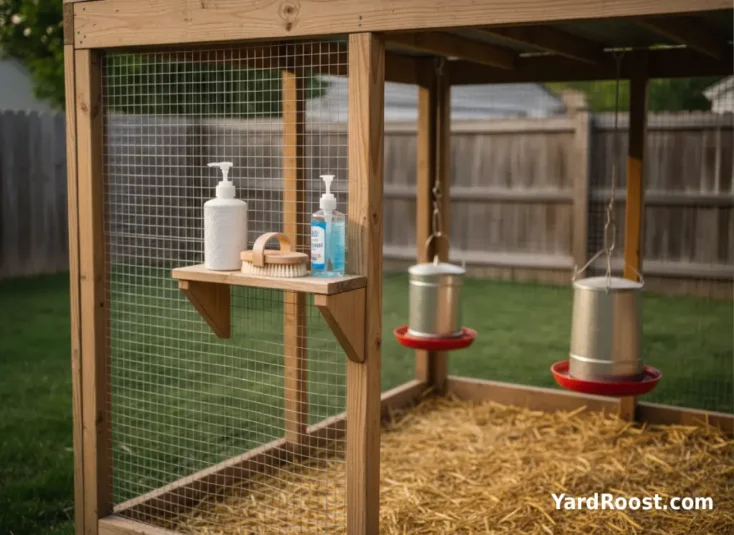
The friendlier your birds are, the easier it is to forget they can still carry germs. The CDC’s guidance for backyard poultry is straightforward: wash hands with soap and water right after touching birds, eggs, or anything in their environment, and use hand sanitizer when soap and water aren’t available. (Source: CDC.)
For flock health, build a simple biosecurity habit stack:
- Quarantine new birds for about 30 days before introducing them to your flock, and watch for signs of illness. (Sources: USDA APHIS materials.)
- Use dedicated coop footwear or a boot tray so you’re not tracking “coop life” into the house. (Source: CDC.)
- Keep wild bird contact low by securing feed and limiting access to open water sources, especially during periods of avian influenza concern. (Source: USDA APHIS.)
Common Mistakes To Avoid With Black Australorps
- Buying for egg numbers, then under-building the coop. Crowding stresses hens and makes eggs dirtier. Use the space guidelines earlier as your starting point.
- Assuming “chicken wire is enough.” It’s not a predator barrier. Upgrade to hardware cloth and sturdy latches.
- Too many treats, too little routine. Australorps can gain weight easily; keep treats truly occasional and keep the main diet consistent.
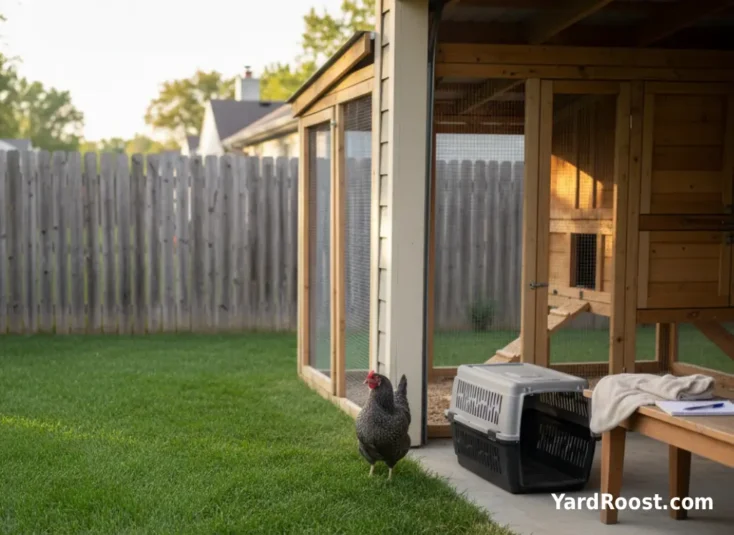
- Skipping quarantine because birds “look healthy.” Quarantine is about what you can’t see yet. Plan a simple 30-day buffer space.
- Forgetting that friendly birds still need hygiene rules. Wash hands after handling birds or eggs and keep coop footwear out of the house. (CDC guidance.)
A common mistake we see is trying to fix problems with “one big change” (new feed, new lights, new coop layout) all at once. Change one variable at a time so you can tell what actually helped.
When To Call An Avian Vet Or Get Professional Help
YardRoost isn’t a veterinary service, and we can’t diagnose what’s going on in your flock. What we can do is share the “don’t-wait-on-this” signals that experienced keepers take seriously.
Contact an avian vet (or a qualified poultry-experienced veterinarian) promptly if you see:
- Labored breathing, gasping, or persistent coughing/sneezing
- Sudden severe lethargy, inability to stand, or a bird that won’t eat/drink
- Profuse diarrhea or droppings with lots of blood
- Rapid weight loss or a significantly swollen abdomen
- Multiple birds showing similar signs within a short time window
While you’re arranging help, the safest first steps are usually to isolate the affected bird (warm, quiet, easy access to water), reduce stress, and tighten hygiene so you don’t spread a possible issue through the flock.
Bottom Line: Is The Black Australorp Chicken Right For Your Backyard?
If you want a friendly, generally steady layer with a reputation for fitting into small-flock life, the black Australorp chicken is a strong choice. You’ll typically get medium-brown eggs and solid production when your basics are right—space, dry bedding, high ventilation (without roost-level drafts), and a consistent feeding routine.
The “secret” to enjoying Australorps isn’t finding a mythical super-hen. It’s building a setup that keeps stress low: enough room to move, enough roost and nest space to prevent squabbles, and predator protection that doesn’t depend on luck. Start your australorp chicks with a proper brooder temperature plan, then grow them out with good run footing and calm routine. And keep the hygiene habits that protect your household, too—CDC-style handwashing is part of being a good chicken keeper.
When you do those things, an Australorp can be exactly what people hope for: a relaxed backyard companion that keeps the egg basket pleasantly busy.